REVIEW · KATHMANDU
12 Days Everest Base Camp Trek
Book on Viator →Operated by himalayan sanctuary adventure private limited · Bookable on Viator
Fresh air, big mountains, serious planning. This 12-day Everest Base Camp trek is built around one goal: getting you safely up the Khumbu with less admin stress and more time to focus on the trail. I like that the trip handles the paperwork in advance and gives you a clear structure for acclimatization, including time in Namche Bazaar and Dingboche.
Two things I especially like are the all-inclusive trek logistics (teahouse rooms with breakfast, lunch, and dinner) and the porter service with a simple ratio of 2 trekkers to 1 porter. In the real-world chatter around this operator, communication is often credited to Bishnu, and that matters when you’re trying to line up flights, gear, and expectations.
One consideration: the Lukla flights can be delayed or canceled due to weather, so you need patience for waiting at Kathmandu or Lukla if the schedule slips.
In This Review
- Key things to know before you go
- Everest Base Camp, the practical way: what this trip gets right
- Day 1: Kathmandu to Lukla, then Phakding (2,651m) starts the rhythm
- Day 2: Phakding to Namche Bazaar (3,438m) and the steep-to-steady lesson
- Day 3: Namche acclimatization and the sunrise payoff day
- Day 4: Namche to Tengboche (3,870m), monastery views and big sky moments
- Day 5: Tengboche to Dingboche (4,360m), crossing into a higher, colder world
- Day 6: Dingboche acclimatization, with a hill hike for peak views
- Day 7: Dingboche to Lobuche (around 4,900m), towards the Everest Base Camp approach
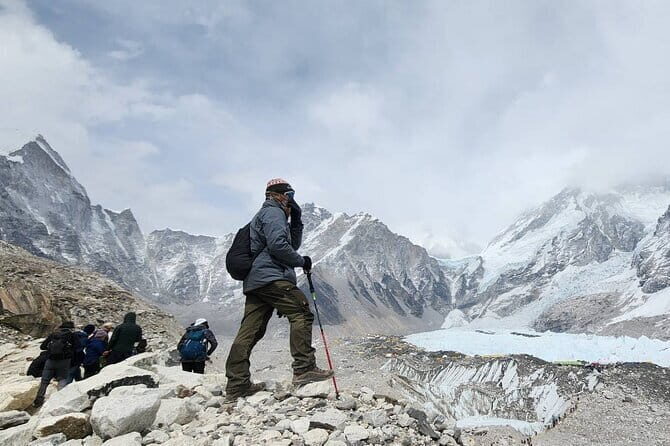
- Day 8: Lobuche to Gorak Shep and Everest Base Camp (a long summit-like day)
- Day 9: Kala Patthar (5,555m) sunrise-style viewpoint day, then down to Pheriche (4,200m)
- Day 10-12: The return—Namche, Lukla, Kathmandu, and a reality reset
- What included really means on the ground
- Lodging and meals: teahouses are simple, but predictable
- Pace, acclimatization, and why the itinerary builds in rest
- Logistics, flights, and the one thing you can’t control: weather
- Who this trek suits best
- Tips on how to get the most from this exact itinerary
- Is it worth booking at $1,390?
- Should you book this 12-day Everest Base Camp trek?
- FAQ
- What is the total duration and start time?
- Do I need to arrange permits for the trek?
- Is lodging included during the trek?
- How do the flights work?
- Is a porter included?
- What about meals in Kathmandu?
- What isn’t included in the trip price?
Key things to know before you go
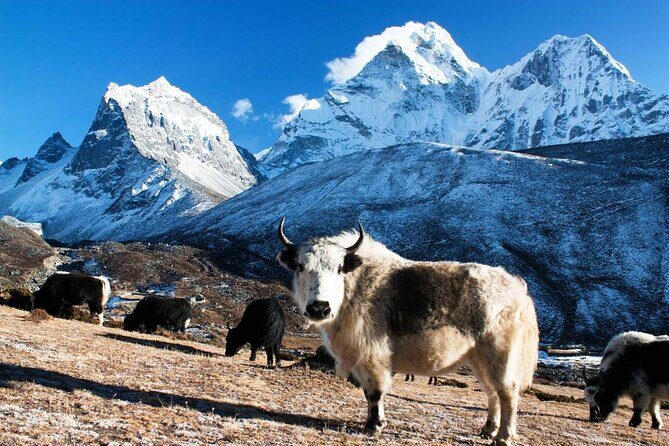
Permits and national park paperwork are handled for you. That reduces the risk of scrambling at the last minute.
Teahouse food and lodging are part of the plan. You’re not guessing where you’ll sleep or what you’ll eat each night.
You get a government-licensed, English-speaking guide. That helps on route navigation and day-to-day decision-making at altitude.
Porter support lightens the load. With 2 trekkers sharing 1 porter, your pack can stay manageable.
Lukla flight timing drives the entire rhythm of the trek. Plan for possible delays and don’t treat departure times like guaranteed clockwork.
Everest Base Camp, the practical way: what this trip gets right
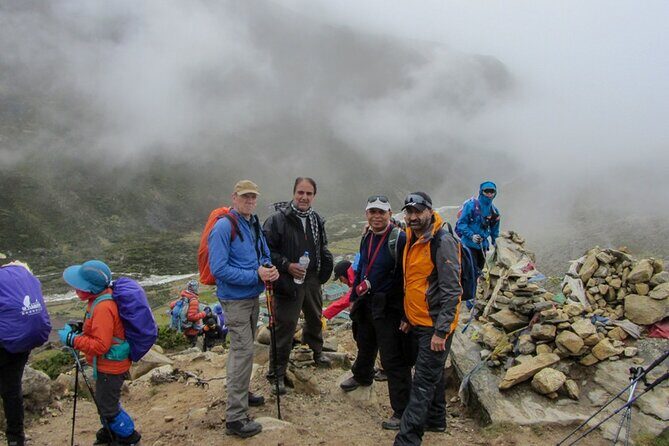
Everest Base Camp is the kind of goal that makes people romantic about the journey and forget the details. This itinerary is designed around details—permits, domestic flights, teahouse stays, and pacing—so you can spend your energy on breathing well, walking steadily, and enjoying the Khumbu villages you pass through.
Let’s talk value. At $1,390 per person, this is not a bargain trek. But it is built like a complete package: domestic flights between Kathmandu and Lukla, your trekking guide, porter service, teahouse meals (breakfast, lunch, dinner), plus a medical kit carried by your trek leader. When you add up how many separate pieces trekkers usually have to organize themselves—permits, local staffing, and transport—the price starts to look less like a fee and more like risk management.
There’s also the small but real comfort factor: airport pickup and drop are included, so you’re not immediately wrestling with taxis, timing, and language after a flight.
You can also read our reviews of more hiking tours in Kathmandu
Day 1: Kathmandu to Lukla, then Phakding (2,651m) starts the rhythm
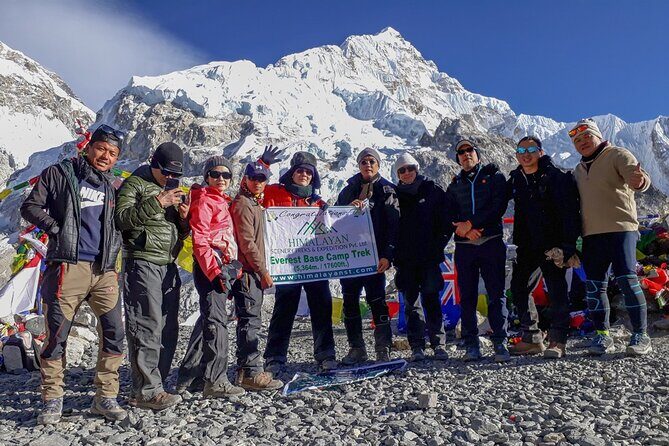
The trip starts early. You meet at 5:15 am, which is when most people are still half-asleep and checking weather and gear for the day. Then it’s a 30-minute flight to Lukla, followed by a 3 to 4 hour trek to Phakding via Cheplung village.
What I like about the first walking day is that it’s long enough to get your legs used to the trail, but not so punishing that you’re already cooked. Phakding is at a noticeably lower altitude than where you’ll end up later, so it’s a good place to start paying attention to basics: slow steps, steady breathing, and drinking water even when you don’t feel thirsty.
You also get early mountain payoff: the route brings views of Khumbila, described as sacred and never summited. Even if you’re not into lore, it’s a reminder that this trek runs through places with deep cultural meaning, not just photo angles.
Practical note: the Lukla flight is included, but if weather disrupts it, your day can shift. Don’t panic if the first day moves—this itinerary itself warns that flight changes can happen even in good seasons.
Day 2: Phakding to Namche Bazaar (3,438m) and the steep-to-steady lesson
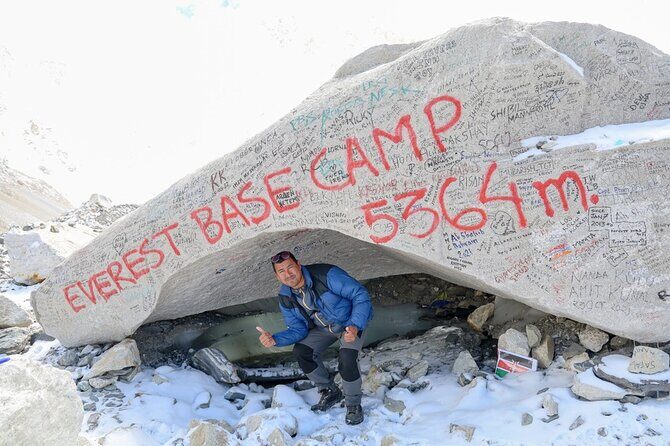
Today’s walk is around 4 to 5 hours and climbs you up toward Namche Bazaar, the hub of the Khumbu. You’ll cross the Dudh Koshi River, pass through villages like Chumoa and Monjo, then enter Everest National Park via the standard checkpoints.
Then comes the kind of moment trekkers remember: walking alongside big river valleys while the trail tilts upward. You cross a suspension bridge (Jorsale) and continue ascending on steep stretches. The guide and group pacing matter here. Going too hard on Day 2 is a common mistake, and this itinerary’s structure helps you avoid that by building in a real acclimatization day the next morning.
Namche Bazaar itself is where the trekking world starts to feel more urban. It’s lively compared to the villages behind you, and it’s where you’ll likely see a lot of trekking teams, gear shops, and signs of the wider Everest ecosystem.
Day 3: Namche acclimatization and the sunrise payoff day
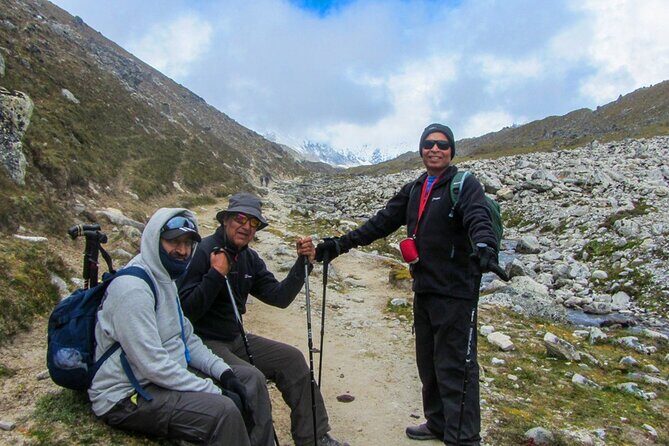
Day 3 is an intentional breath-steady day in Namche Bazaar. You explore town, then do a hike up toward Sagarmatha National Park areas and focus on views—especially at sunrise.
This is also where the itinerary gives you a clear plan for what you’re aiming to see: Everest, Lhotse, Nuptse, Ama Dablam, Thamserku, and Kongde are specifically mentioned. You’re not just walking to walk; you’re moving with a purpose tied to altitude comfort and timing.
If you want an extra option, there’s a day hike to Khumjung village mentioned as possible. That can be a great fit if you want a cultural stop without jumping to another high-elevation sleep location.
The big reason this day matters: acclimatization. You’ll feel altitude more in the next few days, so this is one of the most important “slow down” days in the whole trek.
Day 4: Namche to Tengboche (3,870m), monastery views and big sky moments
Today’s trek is around 5 to 6 hours and heads to Tengboche via an easier section (up to Phunki) before you ascend again. Tengboche is famous for its monastery, and the itinerary is very specific: it’s within Sagarmatha National Park (UNESCO is mentioned), and the monastery opens at 3:00 pm.
If you arrive around 4:00 pm, you can potentially catch a Buddhist religious ceremony. That’s a meaningful detail because it makes this stop more than a landmark photo. If you’re respectful (keep voice low, don’t wander into restricted areas), this can feel like a window into the local rhythm of life.
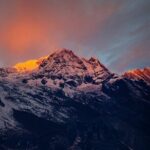
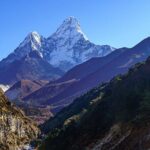
Also, Tengboche is typically where views become dramatic. The itinerary calls out panoramic sightings of Everest and multiple surrounding peaks, including Nuptse, Lhotse, Ama Dablam, and Thamserku. Your job today is to enjoy it without turning it into a sprint. Don’t forget to drink and keep your pace controlled.

Day 5: Tengboche to Dingboche (4,360m), crossing into a higher, colder world
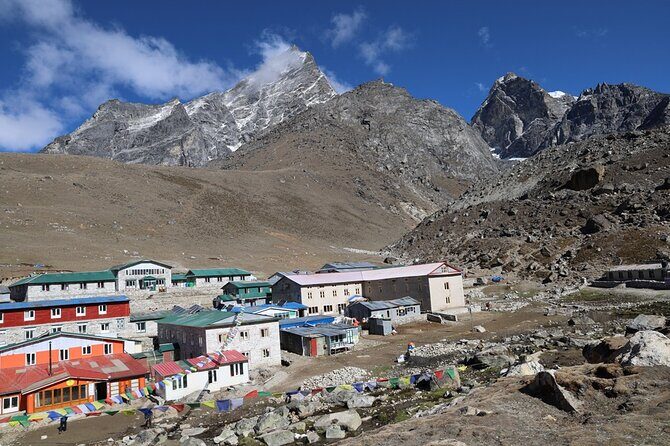
Day 5 takes you to Dingboche with about 5 to 6 hours of walking. The route includes a downhill leg to Debuche, crossing the Imja River, then continuing through the upper Pangboche trail with time at Pangboche Monastery before pushing onward to Dingboche via the Imja Valley and Lobuche River.
This day is a good example of how the trail changes even if the map looks simple. You go from the monastery village atmosphere to more open alpine valley walking. Dingboche feels higher and often colder, which can change how you feel even when the walking time is similar.
A benefit of this guided structure: you’re not making route decisions. You’re following a known sequence of river crossings and village stops that keep you moving steadily and on schedule.
Day 6: Dingboche acclimatization, with a hill hike for peak views
Day 6 is another acclimatization day and one of the smart “work with your body” days. The itinerary sets up a time you can use to hike about four hours behind Dingboche for views of Lhotse, Makalu, and Cho Oyu.
This kind of day is not about conquering a summit. It’s about teaching your body how to handle higher altitude and learning your pacing strategy—slow, consistent, and never heroic.
If you’re the type who wants a plan, this day offers one: hike for views if you feel good, stay lower if you don’t. The guide’s role here is key since they can help you judge when to push and when to back off.
Day 7: Dingboche to Lobuche (around 4,900m), towards the Everest Base Camp approach
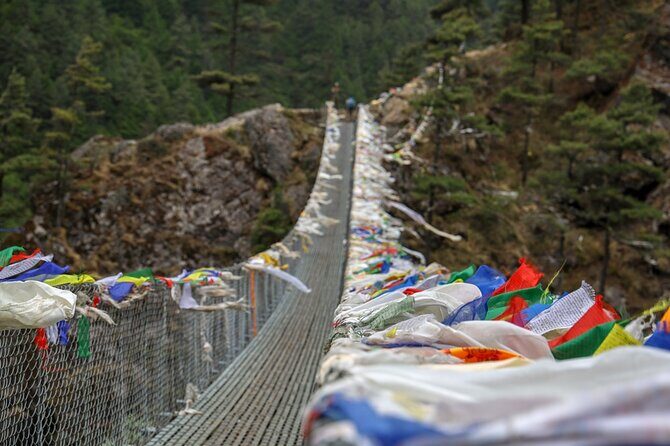
Today is a longer walk: about 7 hours and roughly 9 km, heading along the Himalayan trail toward the famous Everest Base Camp area. The itinerary mentions passing via Dughla pass and reaching Lobuche for overnight.
Even if you don’t remember the distances later, you’ll feel the change in terrain. Days like this often mark the transition from “trekking through villages” into “trekking in a high-altitude zone.” Wind can be more noticeable, temperatures drop faster, and the air feels thinner even if you keep your steps slow.
One practical upside of having porter service: once you’re in the higher sections, carrying less helps you keep your energy for the day-to-day breathing effort.
Day 8: Lobuche to Gorak Shep and Everest Base Camp (a long summit-like day)
This is the big walking day. You travel to Gorakshep (at 5,160m) and then continue to Everest Base Camp (listed 5,365m). The itinerary says it’s a near 12-hour day and about 17 km.
The structure is clear: check in at the lodge at Gorakshep, have lunch, then walk to Base Camp for amazing views of Nuptse, Khumbuste, and Pumori mountains. Afterward, you return to Gorakshep for the night.
This is where the teahouse setup matters. On a day this long, the ability to eat and rest where expected is not a small comfort—it directly affects how you handle the final push and how well you recover for the next morning.
Also, remember: Everest Base Camp is not the same thing as standing on the mountain. It’s still high altitude and still demanding. Treat it like a meaningful milestone, not like a free pass to move too fast.
Day 9: Kala Patthar (5,555m) sunrise-style viewpoint day, then down to Pheriche (4,200m)
Today is a classic: hike up to Kala Patthar for views of Everest and neighboring peaks like Lingtren, Khumbutse, and Changtse. You start early, hike up for about three hours to the viewpoint, then spend time at the summit before descending.
After lunch, you hike down to Pheriche to sleep (listed 4,200m). The itinerary notes the return to Gorakshep after lunch is easier than the uphill climb, which is exactly what you want after a long ascent.
Practical tip: dress for wind and cold even if the sun is out. Higher altitude days can flip quickly between bright and biting.
Kala Patthar is one of those places where your photos won’t fully match the feeling in your body. The best approach is to look, breathe, take a few photos, then keep moving before you over-chill.
Day 10-12: The return—Namche, Lukla, Kathmandu, and a reality reset
After Base Camp and Kala Patthar, the return becomes a different kind of work: long descents, careful footing, and managing tired legs.
Your return days move from the high zone back down through familiar points: Pangboche and Tengboche show up on the way back, and you reach Namche Bazaar in the afternoon on the return schedule described. From there, you continue down to Lukla, and then you fly back to Kathmandu.
Day 12 includes an early flight from Lukla to Kathmandu, followed by a transfer to your hotel. There’s a note about a cultural dinner being included in the evening, plus a farewell dinner at the end of the trip is included as a feature overall.
Even though you’ll be relieved, don’t ignore the small stuff: hydrate, eat enough, and protect your knees on downhill segments. The altitude is behind you, but your joints still remember the climb.
What included really means on the ground
This trek is sold as all-inclusive, and it’s worth breaking down what that covers in daily life:
- Teahouse accommodation with breakfast, lunch, and dinner during the trek
This keeps you from hunting for food and reduces uncertainty. Teahouses are basic compared to home, but consistent meals and an expected bed are huge value at high altitude.
- Domestic flights Kathmandu–Lukla–Kathmandu
You’re not arranging separate flight booking windows, which can be a headache around peak trekking seasons.
- Guide and porter staffing
The guide is described as experienced, English-speaking, and government-licensed. The porter ratio of 2 trekkers to 1 porter means your load is lighter than a do-it-yourself approach.
- Permits and paperwork (National Park Permit, TIMS)
Having permits handled matters because you’re trekking in a regulated region.
- Medical kit carried by the trek leader
This is the kind of item you don’t think about until you need it.
One extra detail from the real-world operator feedback: duffel bags are mentioned as being provided, which can help you pack in a way that’s easier for porters and less chaotic for you.
Lodging and meals: teahouses are simple, but predictable
You’ll sleep in teahouses each night on the trek. That means simple rooms, shared dining areas, and meal choices that can get repetitive—but that’s not a dealbreaker when you’re at altitude and your body just wants calories.
The included structure of breakfast, lunch, and dinner helps you manage your energy on days like Day 8 to Base Camp and Day 9 to Kala Patthar. If you’ve ever tried to improvise meals while acclimating, you know how quickly it turns into fatigue.
What you should expect in real terms: you’ll trade comfort for location. The teahouse approach is part of what keeps this trek doable without a high-cost expedition style setup.
Pace, acclimatization, and why the itinerary builds in rest
This itinerary has two major acclimatization days: one in Namche Bazaar and one in Dingboche. It also includes altitude work days that are challenging but not random. That matters because Everest Base Camp isn’t just a walking test—it’s an altitude management test.
Here’s how the plan works with your body:
- You climb toward Namche on Day 2, then slow down for Day 3.
- You climb to Tengboche and Dingboche on Days 4 and 5, then slow down again on Day 6.
- You go high for Base Camp on Day 8 and then pick the classic viewpoint of Kala Patthar on Day 9 before descending.
If you follow the guide’s pace and treat those acclimatization days seriously, you dramatically improve your odds of arriving feeling strong rather than wrecked.
Logistics, flights, and the one thing you can’t control: weather
The trip includes the Lukla flights, but it clearly warns you about delays and cancellations due to weather. That’s not small talk; it’s real Himalayan travel. If your flights slip, you may wait longer in Kathmandu or Lukla.
My advice is to plan your expectations around that. Pack a flexible mindset. Don’t schedule tight connections after your return to Kathmandu. Build in recovery time so a delay doesn’t turn into a stress spiral.
The good news is that this operator builds the trek around working schedules rather than pretending flights are guaranteed.
Who this trek suits best
This trek fits best if you want:
- a well-structured Everest Base Camp route with permits and logistics handled
- a guide and porters supporting you so you can focus on walking, acclimatization, and views
- a mix of cultural stops (like monastery areas) and high-altitude viewpoints (Base Camp and Kala Patthar)
It’s also described for people with moderate physical fitness. That usually means you should be comfortable walking several hours on uneven trails and ready for long days near the end of the route. If you’re brand-new to trekking, you might find the high-altitude days more demanding than expected.
Tips on how to get the most from this exact itinerary
You’ll enjoy the trek more if you treat the experience like a rhythm, not a checklist.
- Take acclimatization days seriously. On Day 3 and Day 6, keep your effort controlled.
- Move slower than you think you need to, especially after you leave Dingboche.
- On long return days, protect your knees on descents and keep hydrated.
- Dress for cold wind even when the sun looks friendly, especially around Gorakshep and Kala Patthar.
Is it worth booking at $1,390?
For $1,390, you’re paying for the whole system: guide, porter support, teahouse meals, domestic flights, and the paperwork that can otherwise trip people up. If you were trying to assemble all those moving parts yourself, the time, language friction, and uncertainty would add up fast.
Is it a good value for everyone? Not necessarily. If you’re the kind of traveler who enjoys full DIY planning and already has experience coordinating flights, permits, and staffing, you might find a cheaper route. But if you want a smoother experience and less admin stress during a once-in-a-lifetime trek, this package-style approach is a strong fit.
Should you book this 12-day Everest Base Camp trek?
I’d book it if you want your Everest planning to feel organized: permits handled, meals and lodging planned, a licensed guide on the route, and porter help so your body can focus on altitude. The itinerary’s built-in acclimatization days also make it easier to trust your pacing.
I would think twice if you hate the idea of flight delays. Lukla can shift, and this trek explicitly warns you. If you can handle waiting and adjust your schedule, the rest looks well planned.
If you’re aiming for Everest Base Camp with practical support and a clear path through the Khumbu, this is the kind of trek that lets you spend your energy where it counts: slow steps, steady breathing, and those cold, sharp mountain views you’ll remember long after the trail dust settles.
FAQ
What is the total duration and start time?
The trek runs about 12 days. The meeting time listed is 5:15 am, and Day 1 begins with an early flight to Lukla.
Do I need to arrange permits for the trek?
No. The trip includes all necessary paperwork and trekking permits, including the National Park Permit and TIMS.
Is lodging included during the trek?
Yes. You get teahouse accommodation with breakfast, lunch, and dinner included during the trek.
How do the flights work?
Domestic flights are included between Kathmandu and Lukla, and then you fly back to Kathmandu at the end. The trip also notes flights can be delayed or canceled due to weather.
Is a porter included?
Yes. Porter service is included with a ratio of 2 trekkers to 1 porter.
What about meals in Kathmandu?
Lunch and evening meals in Kathmandu are not included. You’ll have meals during the trek, plus a cultural dinner is included in Kathmandu and a farewell dinner is included as a trip feature.
What isn’t included in the trip price?
Not included items are listed as Nepalese visa fee, extra sightseeing entrance fees, any excess baggage charges, travel and rescue insurance, tips, and personal expenses like phone calls, laundry, drinks, and bottled or boiled water.