REVIEW · KATHMANDU
Everest Base Camp Tour & View Point by Helicopter from Katmandu
Book on Viator →Operated by Himalayan Mentor · Bookable on Viator
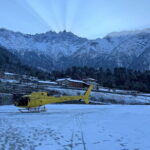
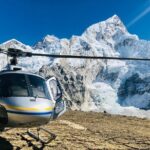
A helicopter ride to the top of Everest country. I love how this tour packs big Everest moments into one early morning, with overflights of Kala Patthar (5,545m) and Everest Base Camp (5,364m) plus glacier-and-Khumbu aerial views. You’ll also get hotel pickup and a shared aircraft setup (small group, fewer people to squeeze with). One drawback to plan around: the whole thing depends on weather, and some passengers may have limited access to the closest section due to altitude and aircraft limits.
What makes this experience especially interesting is the way it’s built around real logistics in the Everest region: fuel stops, a group split at Pheriche, and a landing at Syangboche/Everest View Hotel for an optional breakfast in front of the Himalaya. If you want the Everest view without the days of trekking, this is one of the most time-efficient options you can book in Nepal.
In This Review
- Key Things I’d Focus On Before You Go
- The Big Idea: Everest in Hours, Not Weeks
- Getting to TIA Domestic Terminal and the Early-Morning Start
- The Flight Plan, Stop by Stop: What Each Moment Really Does
- Stop 1: Kathmandu Departure
- Stop 2: Lukla Fuel Drop (about 10 minutes)
- Stop 3: Pheriche area split (about 25 minutes)
- Stop (Overflight focus): Kalapatthar and Everest Base Camp
- Return route: toward Pheriche and onward to Syangboche
- Stop 4: Syangboche Marg and land at Everest View Hotel (about 1 hour)
- Stop 5: Lukla fuel refill (about 10 minutes)
- Stop 6: Back to Kathmandu
- Why the Everest Overflights Feel Different Than Photos
- Comfort, Group Size, and the Reality of Thin Air
- Price and Value: Is $1,800 Worth It?
- The Human Factor: Planning That Actually Helps
- What’s Included vs. What You’ll Pay Extra For
- Weather, Limits, and How to Protect Your Day
- Who This Helicopter Tour Suits Best
- Should You Book the Everest Base Camp Helicopter Tour?
- FAQ
- What time does the Everest Base Camp helicopter tour start?
- How long is the tour?
- How much flight time is included?
- Is hotel pickup and drop-off included?
- What stops are part of the flight plan?
- Is breakfast included at Everest View Hotel?
- Are permits and airport taxes included in the price?
Key Things I’d Focus On Before You Go
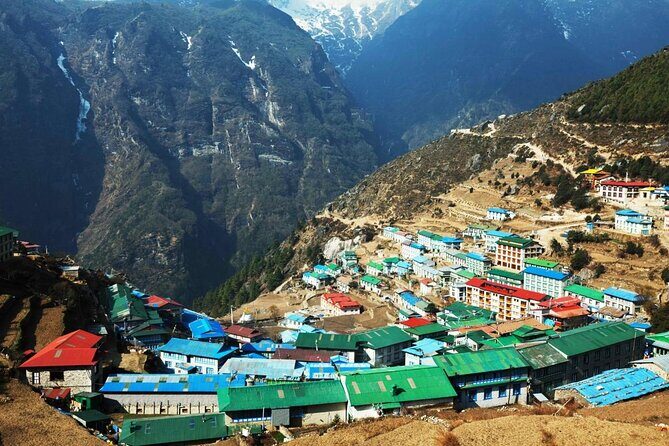
- Small group flight (max 5 passengers plus pilot) means less crowding and more quiet time to watch the mountains.
- Kala Patthar + Everest Base Camp overflights give you both the classic viewpoint and the base camp scene from the air.
- Fuel stops at Lukla are part of how the operation works, so expect brief time on the schedule for refuel.
- Altitude-driven group split at Pheriche can limit how many people go to the closest Everest Base Camp/Kala Patthar section.
- Landing at Everest View Hotel (Syangboche) adds a pause on terra firma, with an optional breakfast and panoramic views.
- Eurocopter 350 B3 setup is used for the flight, and that matters when you’re thinking about comfort and timing.
The Big Idea: Everest in Hours, Not Weeks
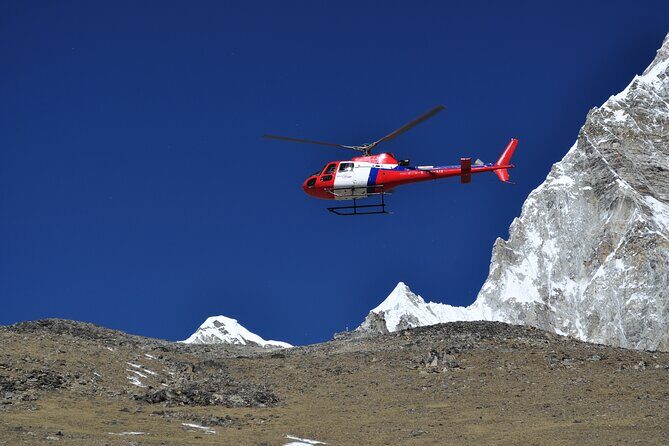
This helicopter tour is for the “I just don’t have that kind of time” crowd—plus the “I can’t risk a long itinerary with my energy or schedule” crowd. You’re not hiking. You’re flying from Kathmandu’s domestic side up into the Everest region, then returning the same day.
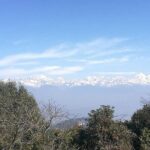
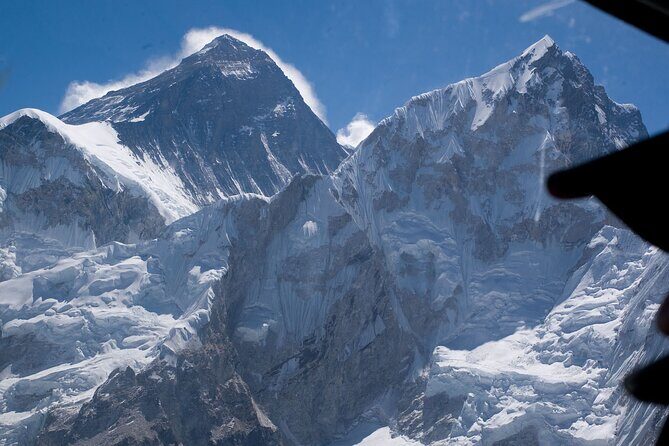
The core promise is simple: you get close-up perspectives of Mount Everest from Kala Patthar and you also fly over Everest Base Camp. In between, you’ll pass over Khumbu-area features from above—glaciers and ridgelines look different when you see them from altitude instead of from a trail.
For a lot of people, the emotional payoff is this: you’re standing (figuratively) at the edge of the Everest story without earning every step through it.
You can also read our reviews of more tours and experiences in Kathmandu
Getting to TIA Domestic Terminal and the Early-Morning Start
Your tour begins at TIA Domestic Terminal parking lot in Kathmandu (meet time listed as 6:15am). Pickup and drop-off are included, so you’re not hunting for transportation before a big flight.
The early start matters. Helicopter operations in the Everest region are weather-sensitive, and the tour schedule is built around daylight and the ability to complete the full loop. If you’re even slightly off with timing—late pickup, slow return from breakfast, forgetting a layer—you’ll feel it fast.
Practical tip: treat this morning like a summit day. Have your essentials ready the night before (ID, a warm layer, and anything you’ll want for photos). Once you’re in the air, there’s very little time to improvise.
The Flight Plan, Stop by Stop: What Each Moment Really Does
The tour runs about 3 hours 55 minutes total, with around 3 hours of flight time. It’s a loop designed for safety, fuel planning, and access to the most photogenic parts of the route.
Stop 1: Kathmandu Departure
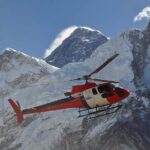
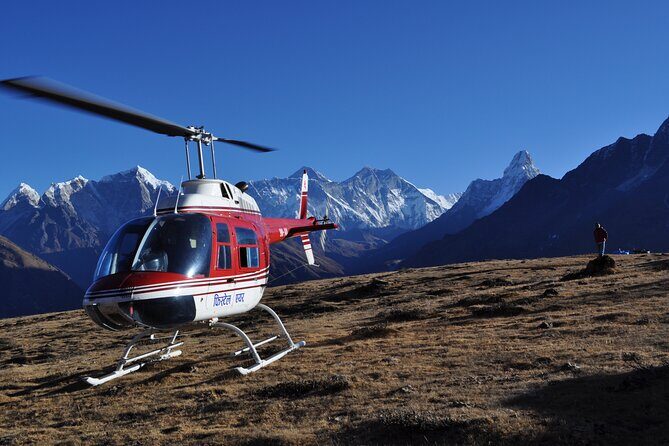
You start at Kathmandu’s domestic terminal area and fly out toward the Everest region. You’ll be using a Eurocopter 350 B3 (a specific model is mentioned), in a group sharing format with 5 passengers and a pilot.
What you’ll notice first is how quickly the terrain changes under you. Kathmandu’s city shape disappears and the Himalayan valleys start to show structure—rivers, ridgelines, and the way the land breaks into levels.
Stop 2: Lukla Fuel Drop (about 10 minutes)
The second stop is Lukla, and the main reason is fuel: the operation drops fuel needed for the return flight to Kathmandu.
This is one of those “don’t overthink it” moments. You’re not touring Lukla, and you’re not there long. The value of this stop is that it supports the flight’s feasibility. You’ll get back into the air and keep moving toward the Everest section.


Stop 3: Pheriche area split (about 25 minutes)
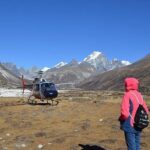
At Pheriche, the group splits. The reason is altitude and limits on how many passengers can be taken to the Everest Base Camp section and Kalapatthar, capped at 3 passengers for that closest portion.
This part can feel surprising if you expect everyone to experience the exact same closest overflight/approach experience. The tour sets it up that way to help passengers get the best available access under thin-air constraints.
If you’re trying to judge your personal odds, the honest advice is: assume there’s a split. Build your expectations around the fact that not every person will have the same “closest section” role.
Stop (Overflight focus): Kalapatthar and Everest Base Camp
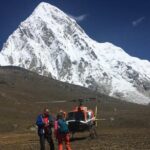
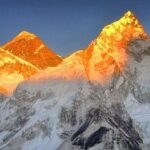
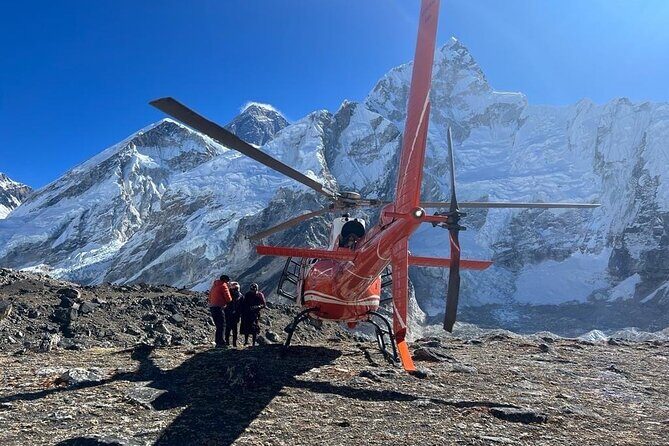
This is the heart of the ride. You fly over Kala Patthar (5,545m) and Everest Base Camp (5,364m) because that combination offers the best Everest views.
From the air, you’re looking at the mountains in a way trekking can’t replicate. Kala Patthar is famous for a reason: the vantage gets you a dramatic sense of space around the Everest region. Flying over Everest Base Camp gives you the base camp setting from above, which helps you understand the geography and how that area sits in the wider Khumbu bowl.
A real-world tip for photos: shoot short bursts and don’t wait for the “perfect moment.” Helicopter speed and window positioning mean the best shots often happen right when the plane lines up.
Return route: toward Pheriche and onward to Syangboche
After the Everest Base Camp / Kala Patthar portion, you return toward Pheriche and continue the route to Syangboche (3,870m).
This middle phase is often when you’ll see the glaciers and high valleys most clearly—because the route has you at the right altitude band for wide views rather than just peak passes.
Stop 4: Syangboche Marg and land at Everest View Hotel (about 1 hour)
You land at Everest View Hotel. The tour includes an optional opportunity for breakfast there, and you get panoramic Himalayan views from the area.
This is a meaningful part of the experience because it breaks the “all-air all-the-time” rhythm. Even a short stop at an altitude viewpoint changes how you feel about the mountains. From inside a helicopter, everything is motion. On the ground, it’s still and heavy.
If you choose the breakfast, it also buys you time to adjust—warm up, reposition for photos, and take a breath before the final legs.
Stop 5: Lukla fuel refill (about 10 minutes)
You stop again at Lukla for fuel refill. Same idea as earlier: the aircraft needs the fuel to make the return.
Stop 6: Back to Kathmandu
Finally, you fly back to Kathmandu, ending the activity back at the original meeting point area. It’s a full-circle day trip—view-first, hike-never.
Why the Everest Overflights Feel Different Than Photos
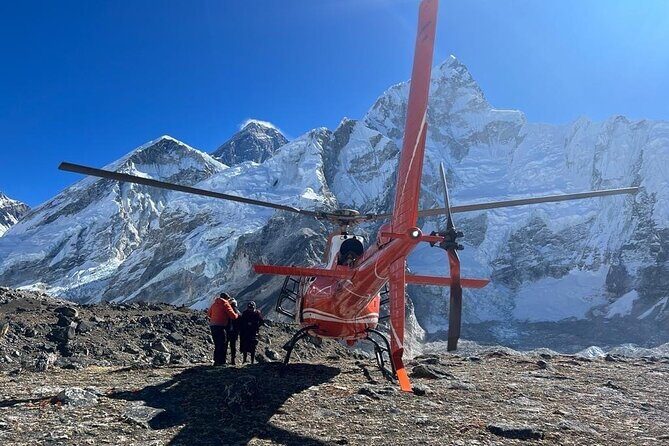
It’s easy to think you already know Everest because you’ve seen pictures. Then the helicopter changes the scale.
Here’s what tends to land emotionally:
- Distance compression: From the air, you can see how peaks and valleys stack up. Everest doesn’t just look tall; it looks dominant in its geography.
- Glacier structure: Overflights show ice fields and melt patterns in a more graphic way than ground-level paths.
- Context around base camp: Seeing Everest Base Camp from above helps you understand the “stage” area, not just the destination name.
This is why the tour is built around Kalapatthar + Everest Base Camp as overflight targets. It’s not just about getting a label on your itinerary. It’s about the way the views line up from the route.
Comfort, Group Size, and the Reality of Thin Air
The tour is group sharing with a maximum of 5 travelers and a pilot, which is a huge deal compared with mass tourism. With fewer passengers, you get more consistent window views and less time spent negotiating for angles.
Weight is also explicitly stated: total weight per passenger 176 lbs. If you’re over that limit, you may need to consider a different arrangement, since the tour provider lists this parameter for the aircraft operation.
And then there’s the big altitude reality: at Pheriche, the group splits because only 3 passengers can be taken into the Everest Base Camp / Kalapatthar closest section. That’s not a marketing slogan; it’s a technical constraint that shapes the experience.
If you’re someone who wants equal time in the “closest” viewpoint, go in expecting some differences in access.
Price and Value: Is $1,800 Worth It?
$1,800 per person is not a small number. But for a day that includes helicopter time to the highest Everest-view zones and a landing at Everest View Hotel, the value equation changes from “cost per hour” to “cost per access.”
Here’s how to think about it:
- If you can’t trek to the Everest Base Camp area due to time, health, or logistics, you’re paying for a shortcut to a specific geographic experience.
- The included setup matters: hotel pickup and drop-off, the shared helicopter flight, and fuel surcharge are part of what you pay.
- The price can start to feel more reasonable if you compare against what it takes to reach similar viewpoints by ground travel plus the days of planning and acclimatization.
What would make it feel less worth it? If you’re flexible with trekking and you want to spend days in the region, a helicopter is a trade: you lose the slow, communal trekking experience. This is about speed and sightlines.
The Human Factor: Planning That Actually Helps
One of the most praised elements in the way this tour gets arranged is the planning support from Himalayan Mentor, especially through their contact Kesh. The way it’s described is consistent: proactive communication, logistics clarity, and a push to be prepared for acclimatization needs and route complexity in Nepal.
That matters because helicopters over Everest country are not just a ride—they’re a schedule tied to weather and operational constraints. When someone helps you think through timing, expectations, and what to prepare, the experience feels smoother and less stressful.
So even though the helicopter is the headline, the quiet win is good coordination before you ever step into the aircraft.
What’s Included vs. What You’ll Pay Extra For
Included:
- Everest helicopter flight in group sharing (5 passengers plus pilot)
- Hotel pickup and drop-off
- Fuel surcharge
Not included:
- Optional breakfast at Everest View Hotel
- Travel insurance and emergency evacuation cost
- Everest National Park Permit & Municipality fee
- Airport tax
One practical point: the helicopter flight itself is only part of the overall Everest-area costs and rules. If you’re budgeting, don’t wait until the day of to figure out what permits or fees apply. The tour data clearly flags those items as not included.
Weather, Limits, and How to Protect Your Day
This is a real outdoors operation. The tour requires good weather, so there can be changes if conditions aren’t workable. The itinerary is structured to try to complete the whole loop when visibility and safety checks allow it.
Also plan around the operational limits:
- thin-air impacts and the group split at Pheriche
- passenger weight limit of 176 lbs
- the fact that the most “closest” experience may not be identical for everyone in the group
If you book this as the only Everest moment in your Nepal trip, keep your schedule flexible where you can.
Who This Helicopter Tour Suits Best
This is a strong fit if you:
- want Everest views without committing to a full trek
- have limited time in Nepal but still want a high-altitude experience
- prefer a small-group flight setup rather than bigger touring buses
- want a one-day, high-impact finale to a Kathmandu trip
It might be less ideal if you:
- want the full endurance-and-culture flow that comes from trekking day after day
- strongly prefer that everyone in the group gets the exact same closest access without any split
Should You Book the Everest Base Camp Helicopter Tour?
I’d book it if your goal is Everest views with minimum time and you accept the tradeoffs: weather dependence, the Pheriche group split, and extra costs for items not included (like permits and breakfast if you want it).
If you’re craving the Everest region but your schedule can’t handle a trek, this is one of the clearest ways to still get a real sense of place—Kala Patthar from the air, Everest Base Camp overflight, and a pause at Everest View Hotel for that panoramic stop.
If you tell me your travel dates and whether you want breakfast at Everest View Hotel, I can help you think through whether this fits your Nepal itinerary and what to plan for on the day.
FAQ
What time does the Everest Base Camp helicopter tour start?
The tour starts at 6:15am, meeting at the TIA Domestic Terminal parking lot in Kathmandu.
How long is the tour?
The total duration is listed as about 3 hours 55 minutes.
How much flight time is included?
The flight time is listed as about 3 hours.
Is hotel pickup and drop-off included?
Yes. Hotel pickup and drop-off service is included.
What stops are part of the flight plan?
The itinerary includes Lukla fuel stop(s), a Pheriche area split, an overflight of Kala Patthar and Everest Base Camp, and a landing at Everest View Hotel in Syangboche, plus the return to Kathmandu.
Is breakfast included at Everest View Hotel?
Breakfast at Everest View Hotel is optional and not included.
Are permits and airport taxes included in the price?
No. Everest National Park Permit & Municipality fee and airport tax are not included. Travel insurance and emergency evacuation costs are also not included.