REVIEW · KATHMANDU
12 Days Everest Base Camp Trek from Kathmandu
Book on Viator →Operated by CAN Travels · Bookable on Viator
Everest is closer on foot than you think.
This 12-day Everest Base Camp trek from Kathmandu is a classic Khumbu route: rhododendron climbs, Sherpa villages, and prayer-flag ridgelines that lead you to Everest views that feel personal. I like that you get an English-speaking, government-licensed guide plus an emergency first-aid kit, so the logistics feel calmer. I also like that key pieces are bundled—Kathmandu/Lukla flights, permits, and guest-house stays—so you can plan without a spreadsheet panic. The main consideration: you need solid fitness for long walking days and altitude, since the plan expects you to acclimatize and keep moving.
On the cultural side, you’re not just hiking for photos. You’ll pass monasteries, see Buddhist ritual spaces, and spend time in places like Namche Bazaar, Tengboche, and Dingboche where daily life is tied to the mountains. The route also includes a real altitude buffer day in Namche and a second one in Dingboche, which matters because this trek climbs into thin air.
At $1,380 per person, the value comes from what’s included—not from cheapness. Food and drinks are extra, and gratuities are optional, so budget for that daily amount. If you want a well-run trek with a guide who can pace you and explain the region while you walk, this one makes sense.
In This Review
- Key things that make this trek feel worth it
- The 12-day Everest rhythm: why the pacing matters
- Kathmandu to Lukla: the included flight that changes everything
- Day 1: Lukla to Phakding and your first Dudh Koshi “warm-up”
- Day 2: Namche Bazaar via Sagarmatha National Park
- Day 3: Namche acclimatization with a short excursion option
- Day 4: Tengboche Monastery and the rhododendron climb
- Day 5: Dingboche and the route’s small-stupa surprises
- Day 6: The Nagarjun Hill hike for big views
- Day 7: Lobuche and the shift from forests to sparse shrubs
- Day 8: Everest Base Camp and Gorka Shep’s “last settlement” feeling
- Day 9: Kala Patthar for 360-degree Everest views
- Day 10 and 11: Back down toward Namche and Lukla
- Day 12: Flight back to Kathmandu and a proper landing
- Price and value: what $1,380 really buys
- Guide quality: the practical difference between a trek and a trip
- Who should book this Everest Base Camp trek
- Should you book CAN Travels for Everest Base Camp?
- FAQ
- How long is the Everest Base Camp trek?
- What’s included in the price besides the trek?
- Are meals included?
- Do I need permits for the trek?
- Do I need strong physical fitness?
- What is the cancellation policy for a full refund?
Key things that make this trek feel worth it
- Lukla round-trip flights are included, which saves time and makes the start and finish smoother
- Two acclimatization days (Namche and Dingboche) help you manage altitude better
- Tengboche Monastery is built into the route, so culture and scenery arrive together
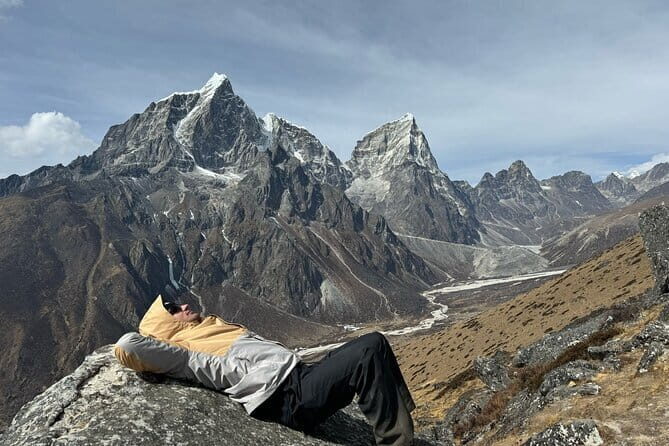
- Kala Patthar is the big payoff viewpoint for wide Everest views
- Guest-house trekking stays mean fewer planning headaches at each stop
- Strong guide feedback from past groups (including Prakash, Milan, and Dev) points to good on-trail support
The 12-day Everest rhythm: why the pacing matters
This trek is built around a simple idea: you go high slowly enough to stay effective. Two days are intentionally slower—one around Namche Bazaar and another in Dingboche—so you can adjust before pushing higher. That’s a real value if you want to enjoy the hike instead of just surviving it.
Expect walking days that are long but broken up by villages, bridges, forest sections, and time to rest. The itinerary is about steady progress toward Everest Base Camp, then a return that reuses your climbing legs in reverse. If you’re the kind of traveler who gets cranky without breaks, the built-in rest days are the difference between a trip you remember and one you rush through.
You also have clear altitude landmarks along the way. On Day 8, the route takes you toward Everest Base Camp, then on Day 9 you push to Kala Patthar for those famous wide views. That two-step plan is smart: Base Camp gives the emotional “I’m here” moment, while Kala Patthar gives the wide-angle Everest moment.
You can also read our reviews of more hiking tours in Kathmandu
Kathmandu to Lukla: the included flight that changes everything
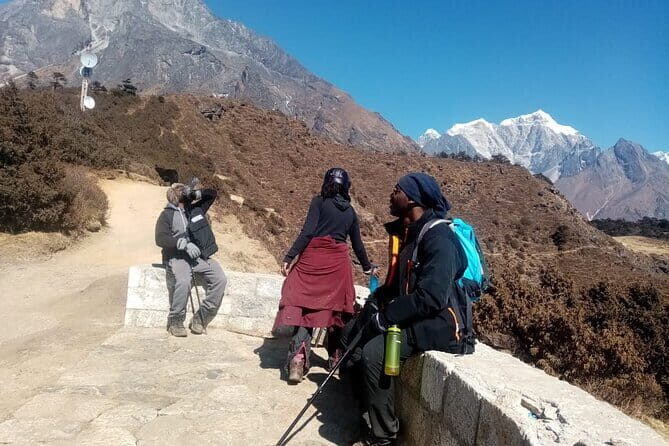
The tour includes Kathmandu to Lukla to Kathmandu flights. That matters because Lukla is the gateway, and reaching it by road is not really a thing—this is an air-based trek.
What you can plan for: you start Day 1 with the flight, then shift straight into walking almost immediately after you land. The trek begins from Lukla and moves toward Phakding, following the Dudh Koshi River area. This gives you a smooth ramp from travel mode to trekking mode.
If you’re worried about travel fatigue, this is one of the benefits of an organized package. Hotel pickup and drop-off in Kathmandu are included, so you’re not trying to coordinate taxis while thinking about suitcases and boots.
Day 1: Lukla to Phakding and your first Dudh Koshi “warm-up”
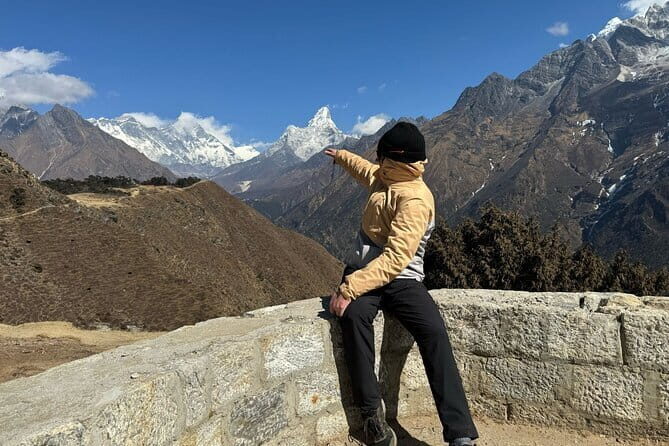
Day 1 starts your trek from Lukla and follows the Dudh Koshi River. You’ll descend through the first stretches of the route into the Phakding area. That early descent can feel odd if you’re expecting everything to be uphill, but it’s a common way to get your legs moving without going straight to steep altitudes.
Phakding is also the first place where you start absorbing the Khumbu vibe—small villages, prayer flags, and trekking trails that feel like they belong to the mountains. You’re still at a lower altitude than what comes later, which gives you time to get your footing and settle into guest-house life.
This is also where you’ll appreciate having the guide and crew already in place. You meet up with the group, and you can fall into a routine quickly: eat, walk, rest, repeat. The included accommodation helps you focus on the trail instead of hunting for beds.
Day 2: Namche Bazaar via Sagarmatha National Park
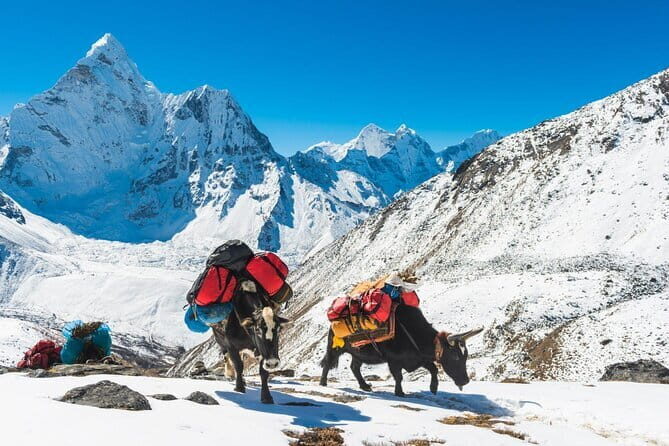
On Day 2, you trek onward to reach Namche Bazaar after passing through Monjo. The trail moves through Sagarmatha National Park, where you can expect wildlife and wild flowers along the way. You’ll cross streams and small villages, so the day isn’t just a single climb—it’s a mix of trail sections that keep your attention active.
Namche Bazaar is the big gateway to the Everest region. It’s also where the trip starts to feel more “remote” in a good way: you’re surrounded by Sherpa culture, trekking traffic, and mountain views that start showing up more often.
A practical tip for your comfort: with a day that includes crossings and changing terrain, bring trekking poles if you use them. They help on uneven ground and river crossings, and your knees will thank you later.
Day 3: Namche acclimatization with a short excursion option
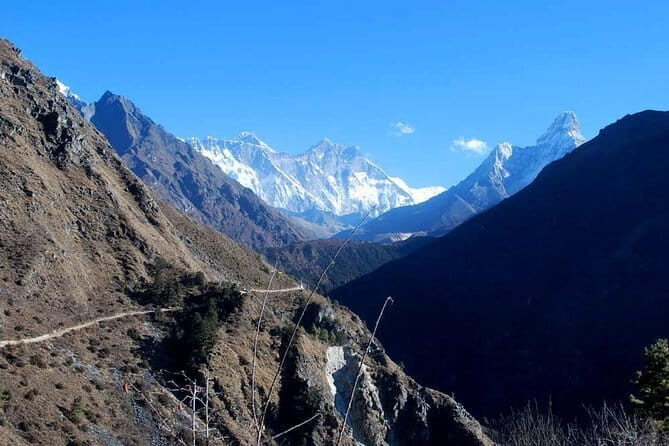
Day 3 is a dedicated acclimatization day in Namche Bazaar. The itinerary includes a short excursion to either Syangboche Airstrip or the Everest View Hotel area, depending on how the day is paced.
This is a smart day. You’re not gaining altitude for the sake of numbers—you’re giving your body time to adjust while still moving enough to keep your rhythm. Namche also offers plenty to explore, so you can mix short walks with downtime and get your bearings fast.
If you like explanations as much as views, this is a prime time for your guide to set context. The Khumbu region has layers—language, rituals, local climbing history, and the way villages are arranged around seasonal needs. An experienced guide can make those details click.

Day 4: Tengboche Monastery and the rhododendron climb
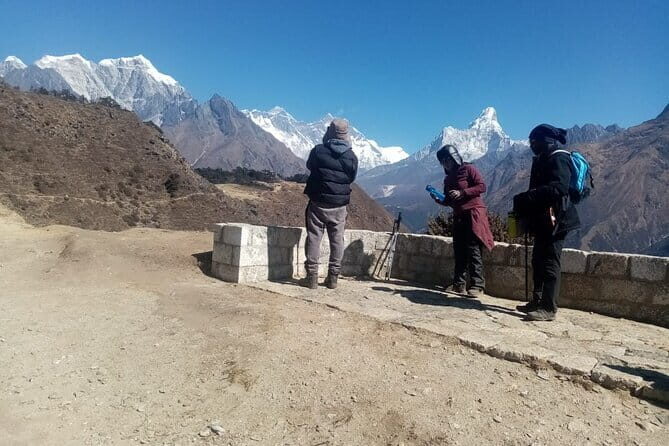
Day 4 shifts you toward Tengboche with a gradual ascent through dense rhododendron forests. Along the way you pass Imja Khola before reaching Tengboche village. This kind of climb feels different from the open, higher sections: the forest gives shape and shelter, and it helps make the day feel less harsh.
At Tengboche, you explore Tenboche Monastery, described as the oldest monastery in the Khumbu region in the itinerary details. It’s the kind of place where Buddhist rituals are part of the scenery, not separate from it. Even if you’re not a religious traveler, you’ll feel the atmosphere—prayer spaces, spinning prayer wheels, and the steady pace of ritual life.
One practical note: monasteries can be chilly in the late day. Layering matters. You’ll want something warm for the walk and something even warmer when you stop.
Day 5: Dingboche and the route’s small-stupa surprises
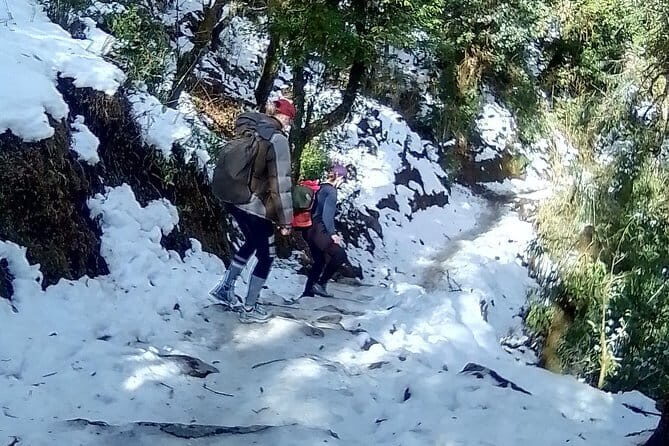
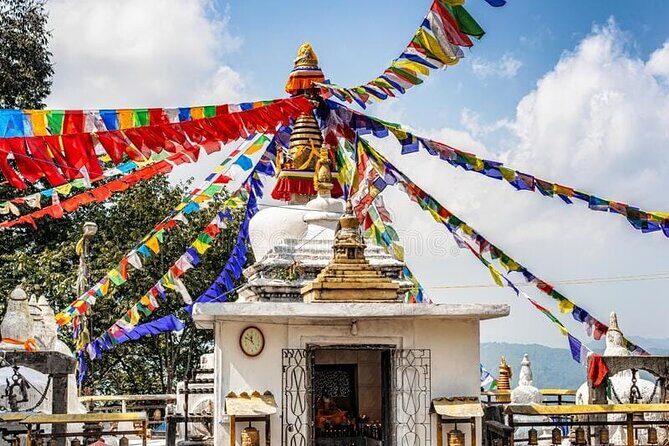
On Day 5, you head toward Dingboche. You’ll ascend and cross suspension bridges, then pass through small settlements like Pangboche and Orsho. Along this section you’ll see stupas and chortens, which are small but meaningful markers of Buddhist tradition along the trail.
Dingboche is a turning point. The air starts to feel thinner, and the walk becomes more about rhythm than speed. Guest houses here are basic but functional, and your guide’s job becomes more than navigation—it becomes helping you pace for altitude.
If you’re prone to rushing when you feel good, this is where you should slow down on purpose. The trail will offer distractions—views, bridges, people moving ahead—but your plan is about arriving in one piece, not winning a personal race.
Day 6: The Nagarjun Hill hike for big views
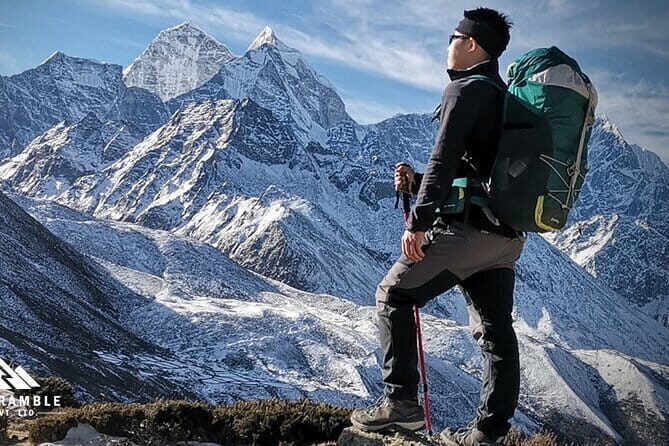
Day 6 is a rest and adjustment day in Dingboche. The itinerary includes a hike to Nagarjun Hill, with views of Everest, Lhotse, Ama Dablam, Nuptse, Thamserku, and Pumori listed among the possible sights.
This is the kind of “active rest” day I like. You’re not stuck in a room all day, but you also aren’t burning energy for no reason. Nagarjun Hill gives you perspective on where you are in the climb and what you’re working toward.
Since this is an altitude day, keep hydration in mind. Even if you don’t feel thirsty, you’ll still lose moisture in the dry air. Your guide and crew can remind you, but you should also make it a personal habit.
Day 7: Lobuche and the shift from forests to sparse shrubs
Day 7 takes you toward Lobuche. The route gradually ascends through small villages, and the environment changes—moving from lush forests to areas with more sparsely dotted shrubs. That shift is a clue that you’re nearing the harsher, higher zones.
This day can feel like a transition psychologically. You see fewer trees and more exposure, and you start thinking about wind, cold, and how the trail will feel in later mornings. It’s a good day to check your gear and make sure layers and gloves are ready for cooler conditions.
The benefit of reaching Lobuche is that it sets you up for the big push to Everest Base Camp on Day 8. It’s easier to hit the next stage when you’ve already walked into the higher routine.
Day 8: Everest Base Camp and Gorka Shep’s “last settlement” feeling
Day 8 is the headline day for many people. You wake early and trek toward Everest Base Camp. The route passes through Gorka Shep, noted as the last human settlement area on the trail, and it’s tied to the early base camp history.
When you get close to Base Camp, it changes how you feel. This isn’t just a viewpoint—it’s a place where climbers prepare and where the mountain’s scale becomes undeniable. Even if you’ve seen photos, the physical closeness of the peaks lands differently when you’re standing there.
The included experience on this day matters too. At this altitude, having the guide organized helps with timing, and staying with your group helps you avoid getting stuck while trying to sort logistics on the fly.
Day 9: Kala Patthar for 360-degree Everest views
Day 9 adds the second big “wow” moment: hiking up to Kala Patthar. The itinerary calls it a famous viewpoint just above Everest Base Camp, with 360-degree views described in the plan.
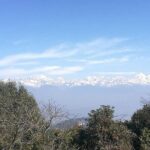
Kala Patthar is where you get the wide view. It helps you see how Everest isn’t alone—Lhotse, Nuptse, and other peaks shape the horizon as part of a much larger system. This is also one of the days where early starts can feel demanding, but the payoff is built into the plan.
Plan for cold hands and cold feet. Even if the day starts clear, temperature can drop at higher elevations and during early morning hikes. Bring what keeps you comfortable enough to move and enjoy the view without feeling frozen.
Day 10 and 11: Back down toward Namche and Lukla
The return trek is Day 10 and Day 11, and the route is a mix of descending and working through familiar areas in a new order. You head from the upper sections toward Namche Bazaar, trekking through dense forests and small villages, following the Imja River, then descending through lush forest stretches to Namche.
On Day 11 you retrace the path toward Lukla. The itinerary notes that from Namche Bazaar, the trail descends through dense forests, crossing many streams, and passing small villages on the way to Phakding, then continuing to Lukla.
This is not a victory lap. Downhills can feel harder than expected because knees take the hit. Trekking poles help here, and slow, careful foot placement pays off. Your guide will keep you moving at a safe pace, which makes a difference when fatigue sets in.
Day 12: Flight back to Kathmandu and a proper landing
On the final day, you fly back to Kathmandu. The itinerary says you reach the airport, then move to the hotel, and you’ll have a farewell dinner to wrap things up and prepare to leave.
This last day can be emotionally busy even when it’s short. You’ll likely feel relief, satisfaction, and a bit of time-lapse disbelief that you’re back in a city again. A farewell dinner is a nice touch because it gives your group a moment to decompress without rushing.
If you’re trying to squeeze in extra activities in Kathmandu, keep it gentle. You’ve spent almost two weeks in thin air and walking every day.
Price and value: what $1,380 really buys
At $1,380 per person, you’re paying for a lot of the hard-to-manage parts of the trip. Included items are a big deal: hotel pickup/drop-off, a government-licensed English-speaking trekking guide, flights Kathmandu–Lukla–Kathmandu, trekking permits and official documents, guest-house accommodation during the trek, and a private tour setup for your group.
The value also comes from risk reduction. Permits, documents, and the overall pacing are the pieces that can go wrong if you DIY. Here, they’re handled.
What’s not included is straightforward: food and drinks, listed as available for purchase at about $25 per day, and optional gratuities. When planning your total budget, add that daily amount to the base price so you don’t get surprised at checkout. The best approach is to treat the listed figure as the core package cost, then estimate your food spend on top.
Guide quality: the practical difference between a trek and a trip
The strongest theme in the guide feedback is confidence and calm. In past groups, guides named Prakash, Milan, and Dev are praised for professionalism, knowledge, patience, and keeping people safe and comfortable. That kind of support matters on Everest Base Camp because the trail is physically demanding and the environment punishes sloppy decisions.
A good guide also helps you stay sane on acclimatization days. The Namche and Dingboche days aren’t just rest—they’re structured time to adjust, plan, and move again. That’s where a guide’s explanations (what to expect next, how to pace, how to interpret fatigue) turns the trek into something you can enjoy.
One reviewer also liked that the trek felt less crowded than some other famous routes. Even if you’re not chasing solitude, lower crowd density can mean a calmer trail experience and a more relaxed pace when you stop for photos or rest.
Who should book this Everest Base Camp trek
This trip suits you if you want a classic Everest route with strong structure. It’s a good fit for travelers who:
- Have strong physical fitness and want a real trekking challenge
- Like Sherpa culture, monasteries, and daily life in the Khumbu
- Want included flights, permits, and guest-house stays so you can focus on walking
- Prefer a guided plan with safety support rather than juggling logistics
It might not be ideal if you’re looking for a short, easy hike. This plan expects you to walk daily at altitude and take acclimatization days seriously.
Should you book CAN Travels for Everest Base Camp?
I’d book it if you want a trek that handles the big moving pieces: Lukla flights, permits, guest houses, and a licensed English-speaking guide. The itinerary includes two acclimatization days, a monastery stop, and the classic viewpoint sequence of Everest Base Camp plus Kala Patthar—so you get both emotional and scenic payoff without needing extra planning.
Hold off if you know your fitness isn’t strong enough yet. The itinerary is built for people who can keep a steady walking pace for many hours and handle altitude changes with patience.
If you’re in that good middle—ready to walk, curious about Sherpa culture, and happy to budget for daily food—this package is a solid way to experience Everest Base Camp with fewer headaches and better support.
FAQ
How long is the Everest Base Camp trek?
The duration is listed as 12 days (approx.).
What’s included in the price besides the trek?
Included items are hotel pickup and drop-off, a government-licensed English-speaking trekking guide, Kathmandu to Lukla to Kathmandu flight tickets, trekking permits and official documents, accommodation in guest houses during the trek, and a private tour.
Are meals included?
Food and drinks are not included. They are available on purchase, with an approximate cost of US$25 per day.
Do I need permits for the trek?
Yes. Trekking permits and all official documents are included in the package.
Do I need strong physical fitness?
Yes. The tour notes that travelers should have a strong physical fitness level.
What is the cancellation policy for a full refund?
You can cancel up to 3 days in advance of the experience for a full refund. For a full refund, you must cancel at least 3 full days before the experience’s start time.