REVIEW · KATHMANDU
13 Days Trekking in Annapurna Circuit
Book on Viator →Operated by Blissful Himalayas · Bookable on Viator
Thorong La still echoes in my head. This 13-day Annapurna Circuit trek is a lodge-based run across the highest pass, Thorong La (5,416m), with classic Himalayan days that start in forest trails and end with big-altitude breathing. I love the mix of tea house stays and included meals, and I also like that your guidance on the ground can be handled by pros such as Ravi or Sandip. The one drawback to plan for: the pass day is truly demanding, and you’ll want a realistic fitness base and early-riser stamina.
What makes this itinerary feel practical is the structure. You get day-by-day elevations, an explicit acclimatization day in Manang, and support that’s built around logistics like permits, a route map, and even a first-aid kit with an oximeter. You pay $809.10 per person, and for many people that feels fair because the essentials (food, shelter, permits, guide support) are already bundled, leaving you to focus on packing, pacing, and staying warm.
In This Review
- Key highlights
- Annapurna Circuit in 13 days: what the trek really gives you
- Getting from Kathmandu to the trek start: a long day of motion
- Bulbule to Chamche and Dharapani: terraces, suspension bridges, and cultural stops
- Chame to Lower Pisang: Manang District views and bigger mountain angles
- Manang (and its monasteries): where you intentionally stop and breathe
- From Yakkharka to Thorong Phedi: the trail thins out and your focus tightens
- Thorong La Pass at 5,416m: the hardest day, with the reward built in
- Finishing with Pokhara: a bus ride, a shared dinner, and a real reset
- Price and what you’re really getting for $809.10
- Who should book this Annapurna Circuit trek (and who should reconsider)
- Should you book this Annapurna Circuit with Blissful Himalayas?
- FAQ
- How long is the Annapurna Circuit trek on this tour?
- What is the highest point on the route?
- Where do the transfers start, and how do you get to the trek area?
- What kind of accommodation do you get during the trek?
- Are meals included?
- Do you get a guide, and are they English-speaking?
- Are permits included?
- Is medical support included?
- Do I need a porter for my baggage?
- What about Nepal visa and transport back to Kathmandu?
- Is free cancellation available?
Key highlights
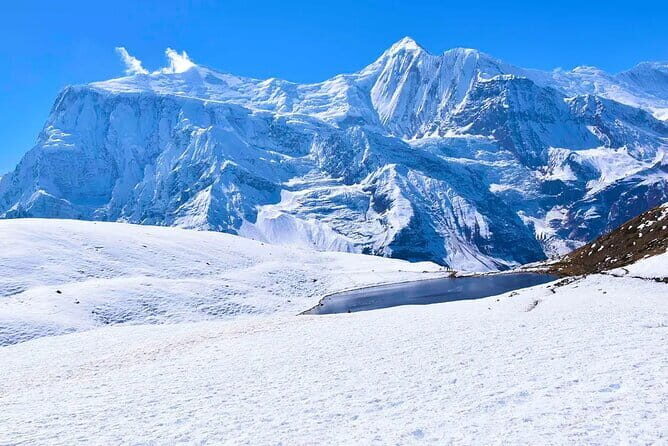
- Thorong La (5,416m) crossing: the main event with early start and 360-degree views
- Manang acclimatization day: time to hike at altitude without rushing the schedule
- Teahouse-based comfort: practical lodging each night, not camping and chaos
- Included meals all trek long: breakfast, lunch, dinner handled for you
- Licensed guide support: praised for English skills and attention to details (Ravi, Sandip)
- Permits + TIMS covered: Annapurna Conservation Permit and TIMS fee included
Annapurna Circuit in 13 days: what the trek really gives you
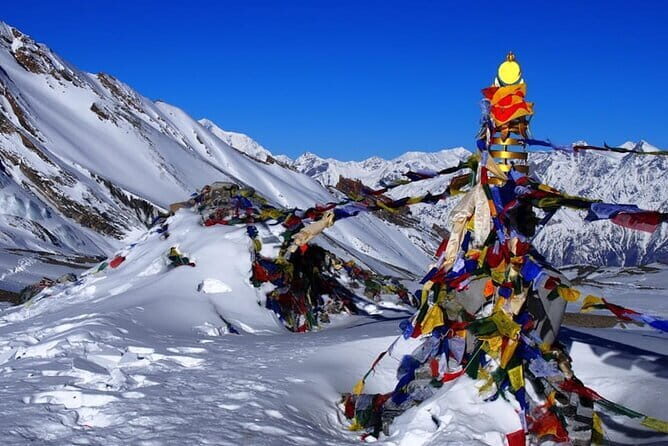
The Annapurna Circuit is famous for one reason: you keep changing altitude and scenery in a way that feels earned, not staged. Over 13 days, you’ll move through subtropical-looking villages, densish forest sections, high-altitude valleys, and then the stark walking near the pass. It’s not a single-view hike. It’s a route that keeps adding new angles of the Annapurnas as you go.
This specific trip is built as a lodge-based trek, meaning you’re staying in tea houses rather than carrying a tent. That matters. It makes the days more consistent and the nights easier to manage, especially when weather turns. I also like that the included food isn’t vague. Breakfast, lunch, and dinner are standard parts of the plan during the trekking days.
Just keep expectations honest. You’re still going to feel altitude, cold nights, and the effort of steep sections. The trip is best for people who enjoy steady hiking days and can treat the pass day as the peak test it is.
You can also read our reviews of more hiking tours in Kathmandu
Getting from Kathmandu to the trek start: a long day of motion
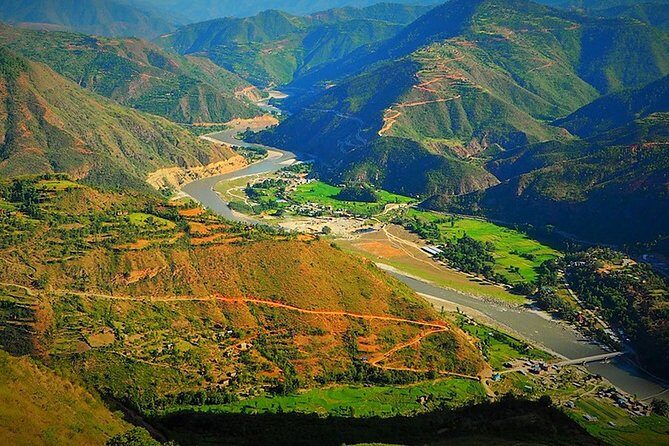
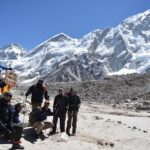
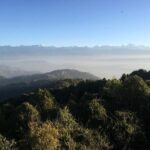
Your journey begins in Kathmandu and then shifts into travel mode immediately. Day 1 is centered on getting you from Kathmandu toward the trail start area via a scenic overland route, with a drive that can take around 9 hours. Along the way, you’ll pass terraced fields, small villages, and lower-Himalaya views that act like a warm-up show.
Why this matters: you’ll spend less time guessing logistics and more time conserving energy for the first walking day. Also, the route typically starts you at a much lower elevation than the pass, so you’re not thrown into big climbs right away.
The only thing to watch is timing and patience. Long transfer days can make even excited hikers feel a bit flat. Build in a calm start—hydrate early, don’t over-pack your first day with extra walking, and let the trip’s rhythm do the work.
Bulbule to Chamche and Dharapani: terraces, suspension bridges, and cultural stops
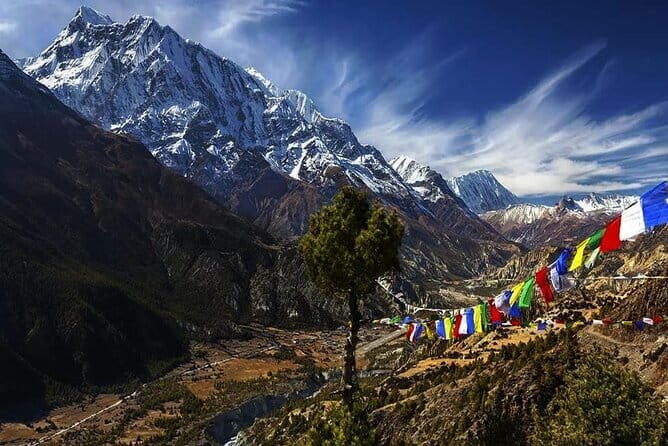
After the big transfer, Day 2 starts the trek from the Bulbule area and hikes toward Bahundanda. This is the kind of day that helps you find your stride. The trail climbs slowly through charming villages and terraced fields, with views opening as your elevation increases.
Day 3 adds variety. You’ll pass dense forest sections and cross suspension bridges as you descend toward Chamche. A highlight here is that the walking is tied to water—the Marsyangdi River and tributaries become part of the experience, not just background scenery. The drawback is that forest days can feel muddy if the weather’s wet, so shoes with solid grip and socks that stay dry-ish really help.
Day 4 pushes the cultural angle. As you trek toward Dharapani, you move through Gurung and Manangi villages. That shift is more than photo ops. It changes the feel of the trail: you’ll notice different village styles, and the scenery trends toward higher, more alpine terrain as altitude builds.
The practical benefit across these first days is that you’re learning the trek’s pace before the serious altitude begins. You’ll get time to judge your breathing, your foot rhythm, and how quickly you warm up on climbs.
Chame to Lower Pisang: Manang District views and bigger mountain angles
Day 5 takes you to Chame, the administrative center of the Manang District. This part of the route is where the Annapurna views start to feel more direct. The trail offers fantastic scenery with strong sightlines to peaks such as Lamjung Himal and Annapurna II as you gain elevation and the route transitions through pine forests.
Day 6 continues toward Lower Pisang. Here, the itinerary keeps tightening into classic Manang Valley trekking: small villages, dense forests, and more dramatic views of Annapurna II, III, and IV as you approach Pisang. If you like watching how mountain angles change with each bend in the valley, this is one of the best “no-skip” stretches.
Potential drawback: these days can feel longer in your legs than you expect, even if the route isn’t the steepest. Your body is adjusting to higher air. So keep your pace steady and resist the urge to power-walk to catch every view. The pass later will thank you.
Manang (and its monasteries): where you intentionally stop and breathe
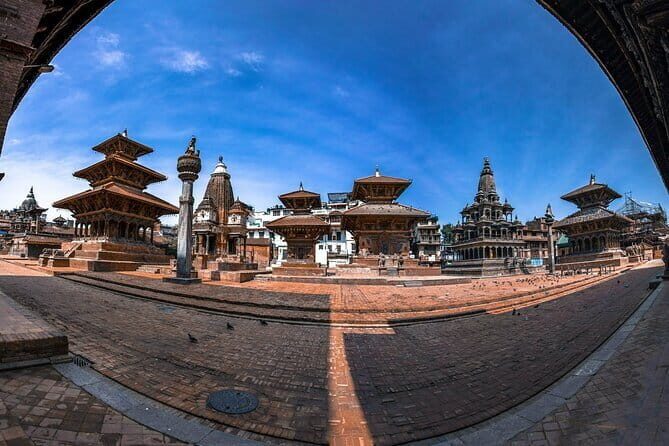
Day 7 arrives in Manang, a larger village with a strong Tibetan cultural influence and Buddhist monasteries. After several hiking days, this is a good psychological checkpoint. You’ve earned a pause point that feels like more than a bed for the night.
Day 8 is the acclimatization day, and it’s the smart kind. You don’t just sit still. You get choices, like hiking to Gangapurna Lake or taking a shorter trek to Praken Monastery for panoramic viewpoints of Gangapurna, Annapurna III, and Himalchuli. Even if you choose the lighter option, you’re still practicing altitude awareness: moving enough to feel good, then stopping before you feel crushed.
This is also where your guide’s job becomes more than paperwork. A good guide helps you match effort to your breathing and keeps you from turning acclimatization into a second peak day. That balance is part of why people praise guides such as Ravi for keeping trekkers comfortable and well-fed.
The key takeaway: treat Day 8 as part of your safety plan, not an extra sightseeing bonus.

From Yakkharka to Thorong Phedi: the trail thins out and your focus tightens
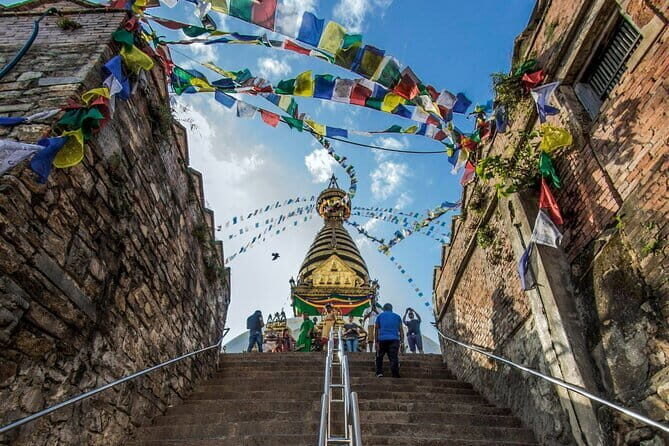
Day 9 takes you toward Yakkharka. The trek passes sparse forests and enters high-altitude terrain where everything feels more exposed. As you approach Yakkharka, you get incredible views of Annapurna II and Gangapurna. This is one of those days where the scenery can make you forget your legs. Don’t. Keep pacing conservative.
Day 10 pushes you to Thorong Phedi, the base camp area for the Thorong La Pass. The trail gets steeper and the air feels sharper. This is the day where you should treat “comfort logistics” like part of your training: you’ll want to get your layers sorted, snacks organized, and an early night mindset locked in.
Why Thorong Phedi matters: it’s the staging point before the pass. If you go into the night tired or under-packed, the next morning punishes you. If you go in organized, you’ll find the pass day easier to manage.
Thorong La Pass at 5,416m: the hardest day, with the reward built in
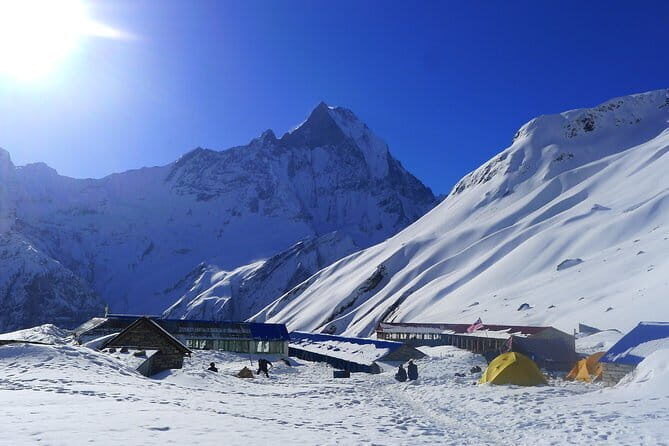
Day 11 is the headline. You start early and tackle Thorong La Pass (5,416m). This climb is demanding, and it helps to think of it as a test of pacing as much as endurance. You’ll want to keep your effort controlled, moving steadily rather than sprinting your way upward.
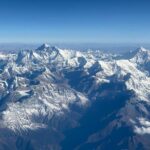
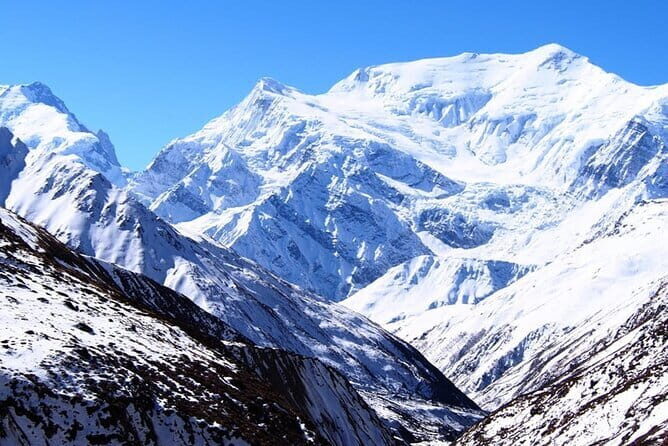
The reward is the reason most people come. From the top, you get 360-degree panoramas of the Himalayas. It’s the kind of view that makes your brain stop negotiating and just stare. But the best part is often what happens right after: the sense that the work you did over the prior days wasn’t random. The pass feels like a finish line you can actually point to.
Practical note: mornings at altitude can feel extra cold. Even if the sun is out later, early hours can be harsh. Your best defense is layers you can adjust without slowing down too much.
Finishing with Pokhara: a bus ride, a shared dinner, and a real reset
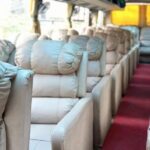
After the long day, Day 12 drives you to Pokhara by bus. The trek is over, but you’re not done with logistics—this transfer matters because it’s how you transition from hard walking mode to recovery mode. At Pokhara, you’ll share a successful dinner together, which is a nice little ritual after days of hiking and quiet focus.
Day 13 is flexible. You can set off to your next destination, whether that’s more time in Pokhara or another Nepal stop. If you want a clean itinerary, it also works as a decompression buffer—no pressure to cram an early next adventure right away.
Price and what you’re really getting for $809.10
At $809.10 per person, the value here comes from what’s included, not from the headline number. This price covers the big cost drivers for a trekking trip: guided trekking with a government-licensed guide, tea house accommodations during the trek, and your meals (breakfast, lunch, dinner) across the trek days. It also includes the Annapurna Conservation Permit and TIMS fee, which are easy to forget until you’re on the ground.
It’s also meaningful that you get a first-aid box with normal medical supplies and an oximeter. That doesn’t eliminate risk, but it signals the trip is planned with basic altitude awareness in mind.
And you’re not just left with trail basics. There’s also one night in Pokhara with breakfast in a standard twin-sharing hotel. Plus, the trek ending has private transportation back to Pokhara, and your early travel to the trekking area includes public bus transport from Kathmandu to Besisahar with shared transport to Nyadi.
What’s not included is important to budget:
- Personal expenses
- A porter for baggage (if you want one)
- Extra nights and activities in Kathmandu and Pokhara
- Transport back to Kathmandu after Pokhara
- Nepal entry visa fees and the application form process
So the real question isn’t just whether $809.10 is cheap or expensive. It’s whether it matches your comfort level with “bundled trekking.” If you like having meals and permits taken care of, this pricing often makes sense.
Who should book this Annapurna Circuit trek (and who should reconsider)
This trip suits you if you want the Annapurna Circuit’s classic feel without carrying camping gear. It’s also a good fit if you appreciate a plan that includes an actual acclimatization day in Manang, plus a clear route to Thorong Phedi before the pass.
You’ll likely love it if you enjoy:
- Tea house trekking with real meals
- Gradual altitude progression and scheduled rest
- A guide who handles the practical stuff while you focus on walking and breathing
You should think twice if:
- You’re not comfortable with steep, early mornings, especially the pass day
- You expect a casual stroll all the way to 5,416m
- You want everything fully self-managed and flexible day-by-day without guidance
The itinerary assumes moderate physical fitness. That doesn’t mean it’s only for athletes. It means you should be able to handle long walking days, some steep stretches, and cold-altitude conditions.
Should you book this Annapurna Circuit with Blissful Himalayas?
If you want a guided, lodge-based Annapurna Circuit with key safety and logistics handled—permits, TIMS, meals, tea house lodging, and an acclimatization structure—this is an easy yes to consider. The biggest selling points for me are the Thorong La focus with a staged lead-up and the practical support network that can include professional English-speaking guides like Ravi and Sandip.
Before you book, do two things: check your pack and your comfort with altitude. Bring layers you can manage during the early pass start, and plan whether you’ll want porter help for baggage since porters aren’t listed as automatically included.
If that all sounds like your kind of adventure, you’re stepping into one of Nepal’s most rewarding trekking arcs with fewer headaches and more trail time.
FAQ
How long is the Annapurna Circuit trek on this tour?
The trek runs for about 13 days.
What is the highest point on the route?
The highest point is Thorong La Pass at 5,416m.
Where do the transfers start, and how do you get to the trek area?
The trip starts in Kathmandu. You’ll travel by public bus from Kathmandu to Besisahar, and then you’ll use sharing transportation to Nyadi. Day 1 also includes a scenic drive from Kathmandu toward the trek start area.
What kind of accommodation do you get during the trek?
You stay in tea houses during the trek.
Are meals included?
Yes. Breakfast, lunch, and dinner are included during the trekking days, and you also get tea or coffee during breakfast time.
Do you get a guide, and are they English-speaking?
The tour includes a government-licensed guide, and reviews highlight professional English-speaking guidance (including guides named Ravi and Sandip).
Are permits included?
Yes. The Annapurna Conservation Permits fee and the TIMS fee are included.
Is medical support included?
Yes. The tour includes a first-aid box with normal medical supplies, including an oximeter.
Do I need a porter for my baggage?
A porter carrier is not included if you need one. You’d need to arrange porter support separately.
What about Nepal visa and transport back to Kathmandu?
Nepal entry visa fees are not included, and transportation back to Kathmandu is not included after Pokhara.
Is free cancellation available?
Yes. Free cancellation is available up to 24 hours in advance for a full refund.