REVIEW · KATHMANDU
Everest Base Camp Trek
Book on Viator →Operated by Himalayan Holyland Treks and Expedition · Bookable on Viator
Everest Base Camp hits your bucket list for a reason. You get that big-mountain payoff—especially at Kala Patthar—paired with a well-paced route through Sherpa towns like Namche Bazaar. I like how the trip includes guided support and the right logistics (airport pickups, transport, meals), which makes the whole thing feel less chaotic. One real consideration: this is still a challenging, high-altitude trek, so you’ll want solid fitness and a head for early starts and thin-air days.
The route also gives you a mix that’s more than “just hiking.” You’ll pass monastery stops in Tengboche, walk through rhododendron forests, and spend time in the Everest region’s culture and scenery as the altitude climbs. And yes, that Lukla flight is short—but it can feel intense.
If you want the classic Everest Base Camp experience with a private-group setup and a guide/porter team that keeps you moving, this is a strong fit. Just don’t expect luxury comfort in the tea houses, and plan your budget for personal extras.
In This Review
- Key highlights that matter on the trail
- Where it actually starts: Kathmandu at 5:15 am
- The Lukla flight: short in minutes, big in nerves
- Phakding to Namche Bazaar: altitude lessons disguised as scenery
- Day 3 in Namche: acclimatization that doesn’t feel wasted
- Namche to Tengboche: rhododendrons and monastery time
- Tengboche to Dingboche to Lobuche: the climb turns serious
- Gorakshep and Everest Base Camp: photos, pace, and patience
- Kala Patthar at sunrise: the view you plan your whole week for
- The descent back: Tengboche, Namche, and Dudh Koshi bridge moments
- What you’re paying for: value check at $2,500
- Guides and support: why it can change everything
- Who this trek suits best (and who should reconsider)
- Should you book this Everest Base Camp trek?
- FAQ
- How long is the Everest Base Camp trek?
- Where do you meet, and what time does it start?
- Is airport pickup included?
- What kind of lodging and meals are included during the trek?
- Do I get porter help?
- Is travel or rescue insurance included for clients?
Key highlights that matter on the trail
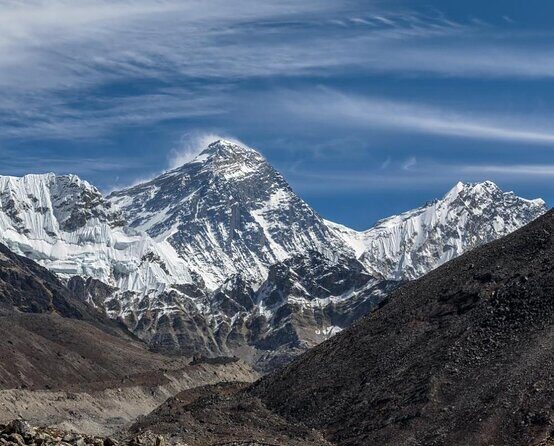
- Kala Patthar is the main view mission, with an early hike timed for big visibility
- Namche acclimatization day gives you time to explore and adjust before the steep climb
- Tengboche monastery adds a real cultural anchor to the trek days
- Tea house lodging + three meals daily lowers day-to-day planning stress
- Porter support (2 trekkers per 1 porter) helps you keep energy for altitude work
Where it actually starts: Kathmandu at 5:15 am
Your trekking story begins in Kathmandu with a meeting at Tribhuvan Airport at 5:15 am. That early start matters. Not because it’s fun, but because Everest timing is everything—domestic connections and getting to Lukla depend on a smooth morning rhythm.
You’ll get airport pickup and drop by private vehicle for both international and domestic flight legs. That’s one of the quiet wins here. Fewer moving parts means you can spend your energy on packing, hydrating, and mentally preparing for day one.
Once the trek wraps, you’ll be escorted by private car to a hotel and you can reset with a Kathmandu night. Many people use that time to wander around Thamel—not for Everest, but for good food, warm showers if you pay for them yourself, and a little normal life.
You can also read our reviews of more hiking tours in Kathmandu
The Lukla flight: short in minutes, big in nerves
Day one includes a 25-minute flight from Kathmandu to Lukla, then a trek onward to Phakding. The day’s pacing is built like a gentle opener: you land, you absorb the views, then you start walking.
The note about this being a nerve-cracking flight isn’t just dramatic language—it’s a real thing. If you’re not a fan of tight flights, plan for it. If you are okay with it, you’ll probably be too busy staring at the terrain to worry much.
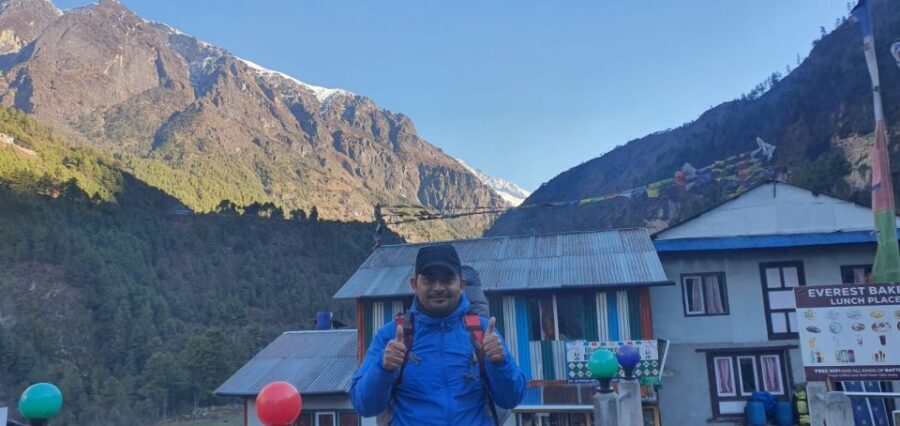
From there, you trek to Phakding (about 2,650 m), roughly 3 hours. You’ll walk past forests and Buddhist monasteries, and if the weather is clear, you may catch glimpses like Kanguru Peak in the distance. Even if visibility isn’t perfect, the first day still gives you that “this is real” feeling.
Phakding to Namche Bazaar: altitude lessons disguised as scenery
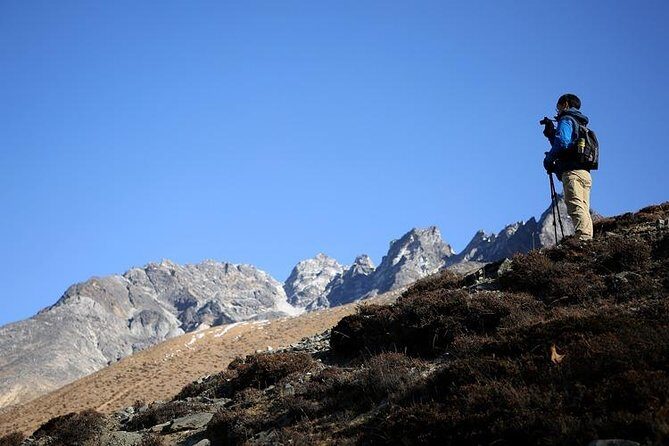
The second day is about building mileage and altitude: Phakding to Namche Bazaar (about 6 hours), finishing at around 3,440 m. You’re walking through river corridors, villages, and waterfalls—pretty, yes, but also practical. River valleys often create natural walking paths, and you’ll get used to how quickly your breathing changes as the day progresses.
You’ll likely have lunch around Monje or Jorsalle on the route, and you’ll pass areas like Top Danda where you can catch a view toward Mount Everest when conditions allow.
Then comes the real value of Namche: it’s a town that acts like a transition point between “easy trail life” and “serious high-altitude trekking.” You’ll sleep there and wake up one altitude higher.
Day 3 in Namche: acclimatization that doesn’t feel wasted
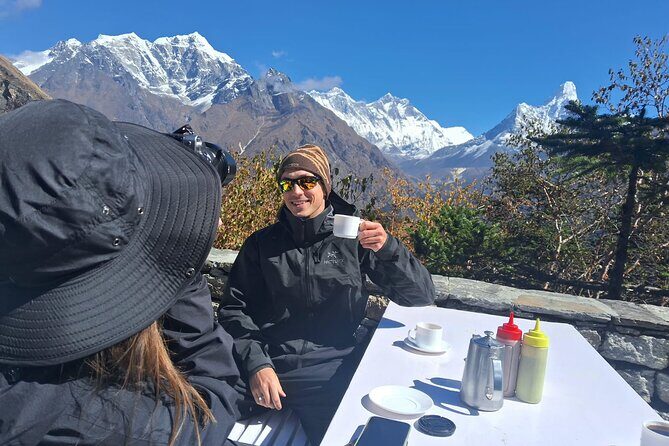
On paper, this is an acclimatization day. In real life, it’s one of the smartest parts of the plan. You’re in Namche long enough to explore without rushing, which helps your body adjust.
Expect free time to explore around the town, with optional hikes toward viewpoints like Everest View Point, and peaks mentioned in the area such as Kusum Kanguru, Taboche peak, and Khonde peak. If you want a souvenir break, this is also where shopping in Namche makes sense—small purchases matter less on the trail, but small morale boosts matter a lot.
There’s also a Sagarmatha National Park museum to visit. You’re heading into the park system anyway, so learning what you’re walking through can make the trek feel more meaningful rather than just physically demanding.
I also like that the plan doesn’t cram everything into day four. It gives you a buffer. That buffer can be the difference between feeling strong on the climb and feeling like you’re behind.
Namche to Tengboche: rhododendrons and monastery time
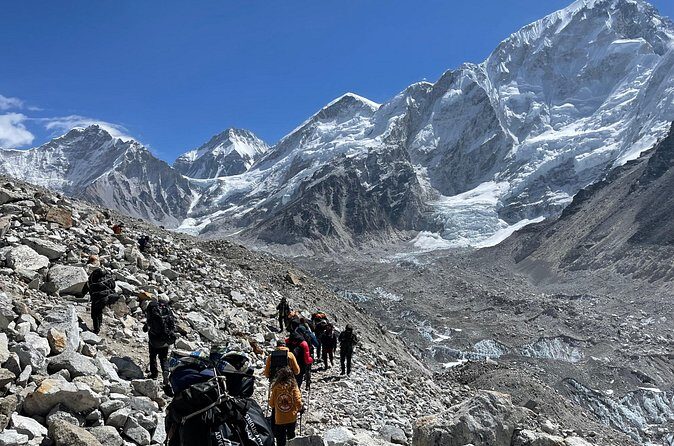
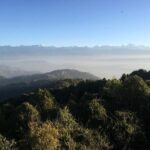
Day four is Namche Bazaar to Tengboche (about 5 hours), ending around 3,860 m. You’ll cross rhododendron forest and follow the trail alongside river paths—one of those “walk in changing scenery” days rather than an all-out elevation grind.
The big moment here is Tengboche monastery. This is the kind of stop that changes the tone of a trek day. You go from “keep moving” to “pause and notice.” You’ll see monks and locals following long-standing rituals and traditions. It’s not just photo material; it gives the Sherpa community presence in a way you can’t get from a map.
You’ll sleep in Tengboche for the night. That matters because the next day pushes higher—so you’re building gradually, not jumping.
Tengboche to Dingboche to Lobuche: the climb turns serious
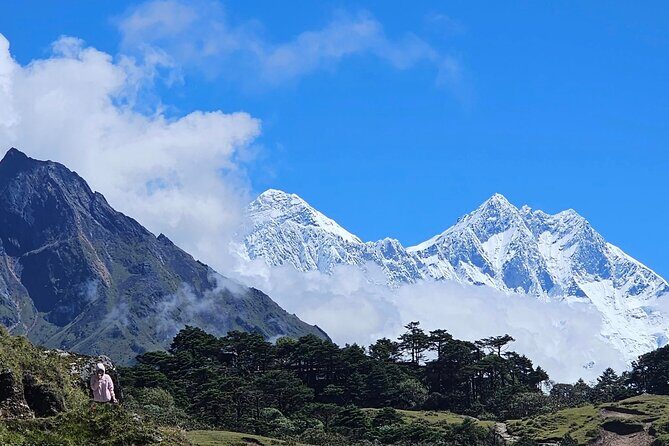
Day five takes you to Dingboche. It’s about 5 hours, finishing around 4,400 m. The trek includes lunch stops like Pangboche or Somare along the way, and you’ll get the rhythm of breakfast, trail, lunch, then dinner in a small mountain settlement.
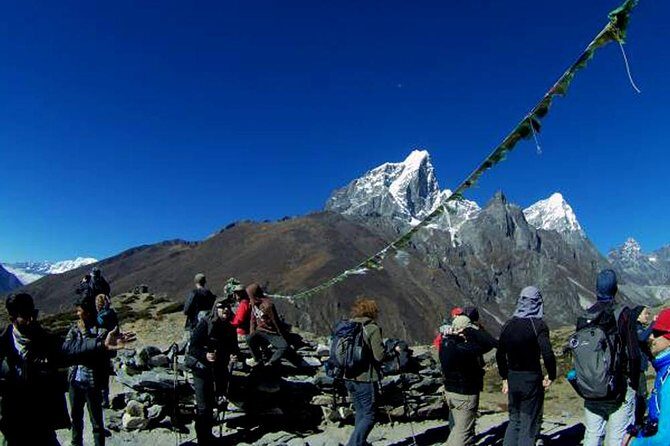
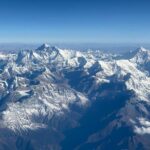
Day six is Dingboche to Lobuche, about 4–5 hours depending on how the day lands, reaching roughly 4,910 m. This is also where the scenery starts looking more “high alpine” and less like forested valley walking. Views of peaks such as Nuptse, Island Peak, Lobuche Peak, and Taboche Peak get mentioned for this stretch—so even if your legs are tired, your eyes will work overtime.
One practical reality here: you’ll feel cold more often. Tea houses are basic, and the plan lists personal costs like hot shower and battery charging as extras you pay for yourself. In other words: bring a good attitude, layered clothing, and realistic expectations.
Gorakshep and Everest Base Camp: photos, pace, and patience
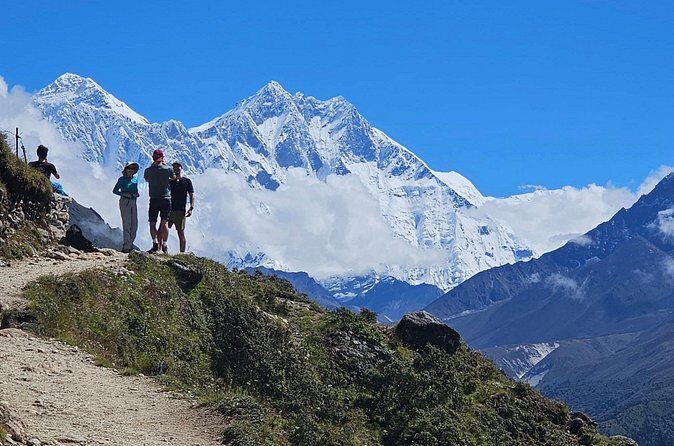
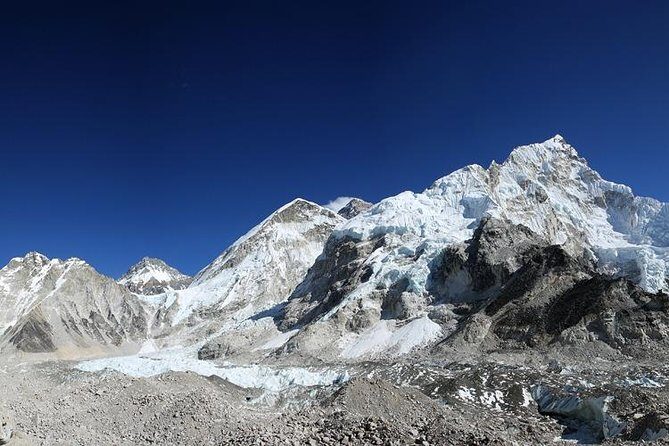
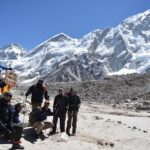
Day seven is a highlight with some grind. You trek from Labuche (often written as Lobuche/Gorakshep area) to Gorakshep in about 3.5 hours, reaching around 5,150 m. Then you go further—through a hike that includes small glacier and lake areas—to reach Everest Base Camp (listed around 5,364 m), and you return back to Gorakshep for the night.
This is where you’ll see the Khumbu glacier mentioned as the biggest glacier in Nepal, and the trek stops feel more dramatic. You’re moving into the most iconic zone of the entire itinerary.
What I’d focus on if you do this: pacing. You don’t want to sprint to EBC, because altitude punishes that. Go steady, drink when you can, and treat the day like a long, careful climb rather than a race.
Tea house life also becomes more important here. You’ll want a warm meal, hot soup in high places, and a place that’s sheltered enough to rest your body for the next morning.
Kala Patthar at sunrise: the view you plan your whole week for
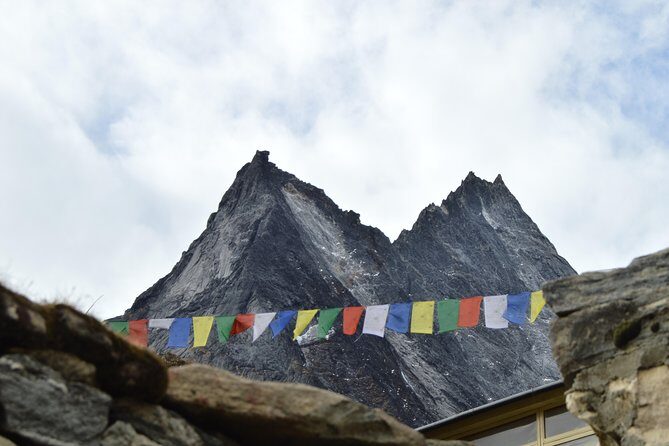
Day eight is the “main event” day: an early hike to Kala Patthar. It’s listed as about 3 hours up, with a descent afterward back toward Lobuche (about 2.5 hours), reaching the next overnight location.
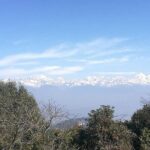
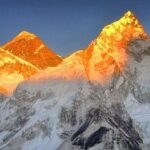
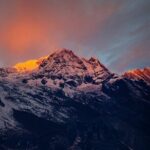
If you want the strongest visual reward of the trek, this is it. Kala Patthar is described as the best viewing platform for the Everest region’s greatest vistas. That’s not just marketing language—you’ll feel why when you’re up there, looking across a panorama built from jagged peaks and ice fields.
This day is physically demanding because you go early, but it’s also mentally simple. You know what you’re chasing. Keep your pace gentle, dress for cold, and be ready for wind. Even if the view isn’t perfectly clear every second, the effort still turns into a memory.
The descent back: Tengboche, Namche, and Dudh Koshi bridge moments
Days nine to eleven are the return journey, and descent can be tricky in a different way. It feels easier than uphill, but your knees will notice. The plan includes:
- Day 9: Gorakshep/Labuche area back to Tengboche in about 5.5 hours, including breaks around Pangboche and Deboche
- Day 10: Tengboche to Manjo in about 6 hours, walking via Namche Bazaar and Jorsalle
- Day 11: Manjo down to Lukla (about 5 hours), crossing Dudh Koshi River on a suspension bridge, then continuing along the road-side for a few hours before Lukla night
That Dudh Koshi suspension bridge moment is worth appreciating. It’s one of those “you’re on the way out, but still in the high-country story” scenes.
Also, remember: you’re not returning to a flat world. The trail undulates, and the altitude changes your energy. The guide and porter support you have through the trek still matters on the descent.
What you’re paying for: value check at $2,500
At $2,500 for about 12 days, the value depends on what you avoid yourself. Here, a lot of the hard planning is handled: you get professional guide and sightseeing support, porter service (2 trekkers : 1 porter), tea house accommodation, and three meals a day during the trek. You also get hot soup in high places, plus a farewell dinner in Kathmandu.
Transportation coverage is also included: airport pickups and drops by private vehicle for international and domestic legs, plus all transportation as per itinerary.
Where this becomes practical for you: paying for included meals and lodging means you’re not constantly budgeting day-by-day or wondering where you’ll eat. And having a porter keeps you from turning a 12-day high-altitude trek into a pack-carry punishment.
What isn’t included is equally important. You’ll need to budget for:
- Nepal visa
- International flights to and from Kathmandu
- Travel and rescue insurance for clients (not included)
- Personal expenses like hot shower, battery charging, bar bills, laundry, and water
- Tips for guide and porters
That last part is easy to underestimate. Even if you’re careful with money, tips are part of the real operating cost of mountain trekking.
Guides and support: why it can change everything
This is a private tour where only your group participates. That tends to make the experience feel more tailored, and it reduces the stress of constantly negotiating pace with strangers.
In the wider feedback on this trekking operator, guides like Jangbu were described as supportive and present, and Ajay was praised for staying on top of the needs of family members during a separate trek. I take that as a sign that staff communication and attentiveness matter to them—not just the summit photos.
On Everest routes, that kind of support helps on the days when you’re tired, cold, or simply not sure about your next step. Even the best trekkers benefit from a guide who helps keep your plan realistic.
Who this trek suits best (and who should reconsider)
This route is aimed at people with moderate physical fitness. That said, moderate doesn’t mean easy. You’re gaining altitude steadily up to Kala Patthar territory, and you’re doing long walking days with full trekking conditions.
You’ll probably love it if:
- You want the classic Everest Base Camp arc with Namche acclimatization built in
- You care about cultural stops like Tengboche monastery
- You’d rather show up and follow a plan than manage logistics day-by-day
- You value a guide + porter team to help you stay focused
You might hesitate if:
- You’re very sensitive to early mornings and cold conditions
- You don’t handle basic tea house comfort well
- You’re not comfortable with the intensity of the Lukla flight moment
Should you book this Everest Base Camp trek?
Yes—if you want a classic, guided Everest Base Camp experience with fewer logistical headaches and you can handle the physical challenge. The strongest reasons to book are the Kala Patthar payoff, the acclimatization day in Namche, the inclusion of tea house lodging plus three meals, and the practical support of a guide and porter team.
Before you commit, do three reality checks. First, match your fitness to the climb days. Second, budget for the personal extras that aren’t included (charging, hot showers if you want them, and other comfort items). Third, make peace with the idea that this is not a luxury trip. It’s an honest mountain trek with real effort—and that’s exactly why it works.
If you do it well, you’ll finish with more than photos. You’ll finish with the kind of story that makes normal life feel newly simple.
FAQ
How long is the Everest Base Camp trek?
It’s listed as approximately 12 days.
Where do you meet, and what time does it start?
The meeting point is Tribhuvan Airport in Kathmandu, with a start time of 5:15 am.
Is airport pickup included?
Yes. The tour includes airport pickup and drop in a private vehicle for both international flights and domestic flights.
What kind of lodging and meals are included during the trek?
You’ll stay in tea house accommodation during the trek, with three meals a day. You also get hot soup in the high places.
Do I get porter help?
Yes. Porter service is included, with the plan noting 2 trekkers : 1 porter.
Is travel or rescue insurance included for clients?
No. Travel and rescue insurance of clients is listed as not included.