REVIEW · KATHMANDU
14 Days Annapurna Circuit Trek
Book on Viator →Operated by Yolo Hike · Bookable on Viator
A classic trek, with real support built in. You get the Annapurna Circuit beats—Manang acclimatization and the Thorong La pass crossing—but with a plan that takes the admin headache off your shoulders.
I especially like the way the trip sets you up in Kathmandu with easy logistics (hello, Thamel shopping and gearing up), then brings in a solid team of guides and porters once you’re on the trail. Another plus is the overall rhythm: a long, scenic jeep start, a slow climb into higher terrain, and that dedicated rest day in Manang to reduce altitude risk. One thing to consider: this is still a serious high-altitude hike, and the price does not cover extra costs like hot drinks, bar stops, or the Jomsom to Pokhara flight.
In This Review
- Quick take
- Annapurna Circuit with Yolo Hike: what $900 really covers
- Kathmandu warm-up: Thamel, Pashupatinath, and Boudhanath before you climb
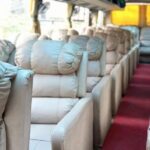
- From Kathmandu to Besisahar to Chame: the long jeep days that actually matter
- Chame to Pisang to Manang: when views get bigger and the air gets thinner
- Manang to Yak Kharka to Thorong Phedi: rugged terrain and the slow grind upward
- Thorong La pass day and the descent to Muktinath and Jomsom
- Jomsom to Pokhara and two nights of city comfort
- The drive back to Kathmandu and a smoother departure
- How the day-by-day rhythm affects your body (and how to match it)
- What’s included vs what’s on you: meals, drinks, and the Jomsom hop
- Support quality: what you can infer from the way Yolo Hike handles planning
- Who should book this Annapurna Circuit trek (and who should reconsider)
- Should you book this Annapurna Circuit trek with Yolo Hike?
- FAQ
- Where does this Annapurna Circuit trek start?
- How long is the trek?
- What’s included in the price?
- What is not included?
- Is there an acclimatization day?
- What kind of fitness level do I need?
- Is cancellation free?
Quick take
- A real acclimatization day in Manang before the harder climbing sections
- Thorong La is a full-on early start and a big physical day
- Built-in support team (guide plus assistant for your group, and porters)
- Kathmandu and Pokhara included with 2 nights each, plus easy sightseeing
- You control extra spending, since drinks, personal items, and some transport legs aren’t included
Annapurna Circuit with Yolo Hike: what $900 really covers
At $900 per person for a 14-day Annapurna Circuit trek, you’re mainly paying for structure: transport where it matters, trained staffing on the mountain, and lodging/meal planning so you’re not scrambling mid-trek.
From the included items, you can see the tradeoff. Your package covers private airport pickup/drop in Kathmandu, all fees and taxes, and a professional certified trekking guide plus an assistant guide (for each 6 trekkers). It also includes porters (one porter for each 2 trekkers), plus trekking-area accommodation, and guide/porter lodging, food, insurance, and salary. That matters because trekking time is already limited when you’re walking uphill—having the team handle the heavy stuff and logistics saves energy for the trail.
The one big thing not included is the travel leg from Jomsom to Pokhara (listed as a flight). So even though the route mentions a scenic connection toward Pokhara, you should plan to add money or time for that hop on your own.
You can also read our reviews of more hiking tours in Kathmandu
Kathmandu warm-up: Thamel, Pashupatinath, and Boudhanath before you climb
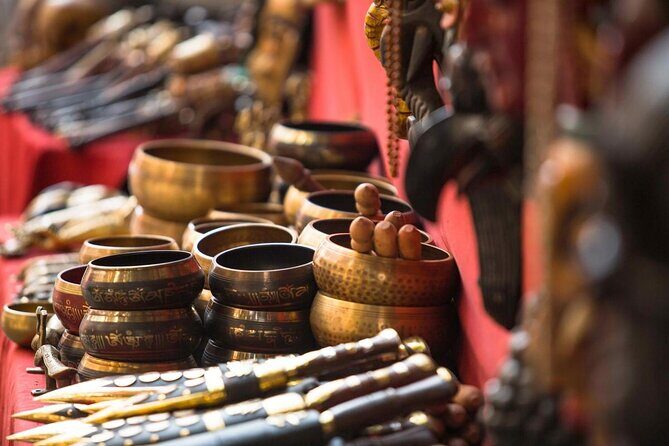
Day 1 is all about getting your footing fast. You’re met at Tribhuvan Airport and transferred to your Kathmandu hotel by private vehicle. After check-in, you can head to Thamel with your guide to handle trekking basics (gear, last-minute supplies) and do a little walking around the neighborhood that basically runs on tourist foot traffic.
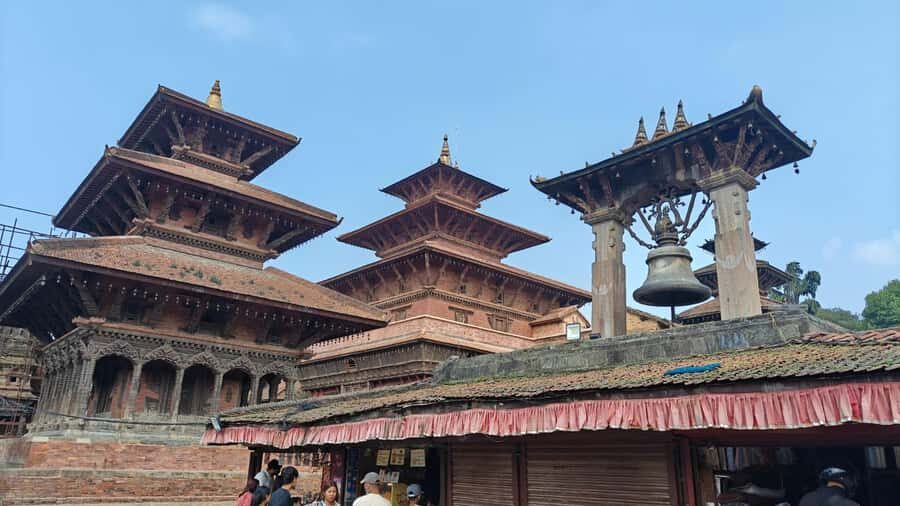
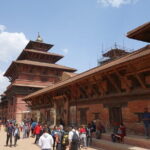
Day 2 is a preparation day, which is exactly what you want before high altitude. You’ll use the day to sort trip logistics and see major religious sites like Pashupatinath Temple and Boudhanath Stupa. It’s not about ticking boxes; it’s about easing into Nepal’s pace while you’re still at low elevation, hydrated, and not carrying the mental load of flight timing, permits, or packing mistakes.
If you’ve ever shown up to a trek under-packed and then tried to fix it later, you’ll appreciate the practical flow. You get time to adapt before the mountains start testing you.
From Kathmandu to Besisahar to Chame: the long jeep days that actually matter
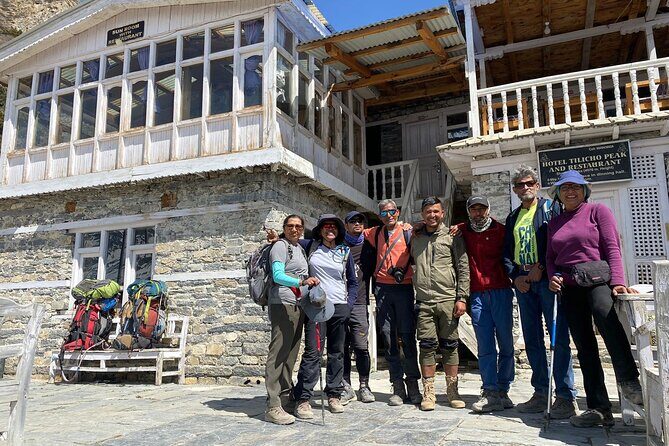
On Day 3, you drive to Besisahar. The distance is listed as about 175 km and the drive typically takes 6–7 hours depending on road and traffic. In reality, road travel in Nepal can stretch with stops, so think of it as a longer travel day rather than an efficient highway transfer.
Day 4 continues by shared jeep from Besisahar to Chame, around 10–11 hours. This is a key transition day. By the time you reach Chame, you’ve physically started the trip, even if your boots didn’t hit dirt yet. That helps you mentally shift from city mode to trail mode.
Also, these jeep days set expectations. You’re not just paying for scenery; you’re paying to get to the trekking start points safely and with less hassle than doing everything yourself.
Chame to Pisang to Manang: when views get bigger and the air gets thinner
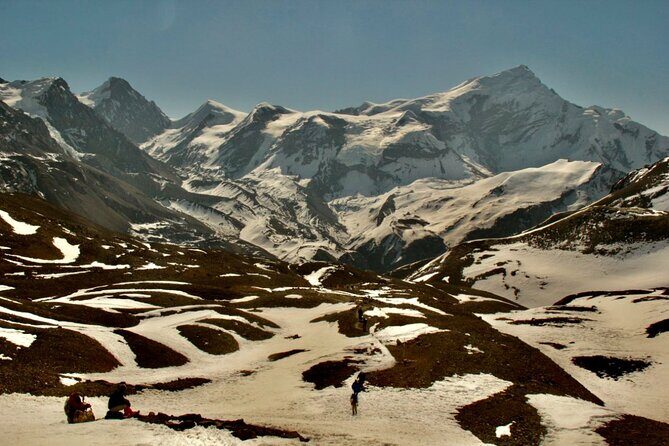
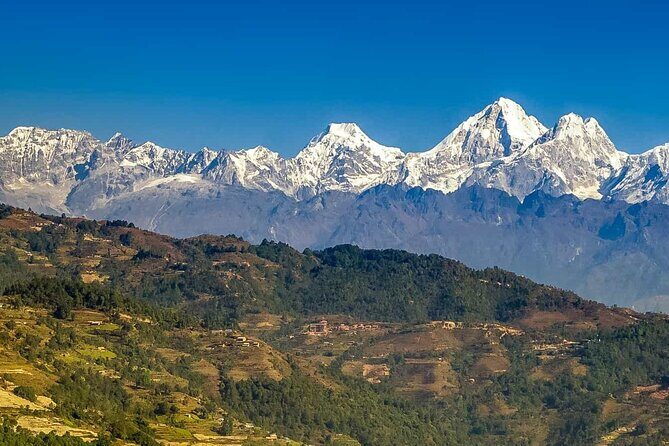
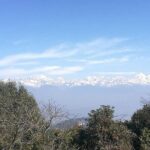
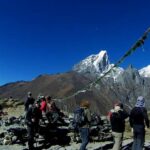
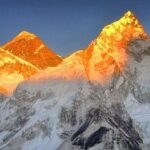
Day 5 marks your first real trekking day, heading from Chame toward Pisang. The day is long (listed around 11 hours), with a route through changing scenery and classic Himalayan photo angles of peaks like Annapurna II and Lamjung Himal. This is where the Annapurna Circuit begins to feel like an actual journey, not a single hike.
Day 6 continues from Pisang to Manang (around 10 hours). As you near Manang, the trail climbs steadily and the peaks become more prominent. Manang itself has that Tibetan-influenced feel you hear about, and it’s a great place to slow down and watch how people live at altitude.
Then comes Day 7: the acclimatization day in Manang. This isn’t filler. It’s there for altitude safety—thin air can catch you even if you’re a strong hiker. The plan gives you time to adjust and explore locally without forcing a big summit push. If you take altitude seriously, this day becomes the difference between feeling strong later and feeling miserable.
A small piece of practical wisdom: use acclimatization day to move lightly and keep your body calm—short walks, steady hydration, and a good night’s sleep.
Manang to Yak Kharka to Thorong Phedi: rugged terrain and the slow grind upward
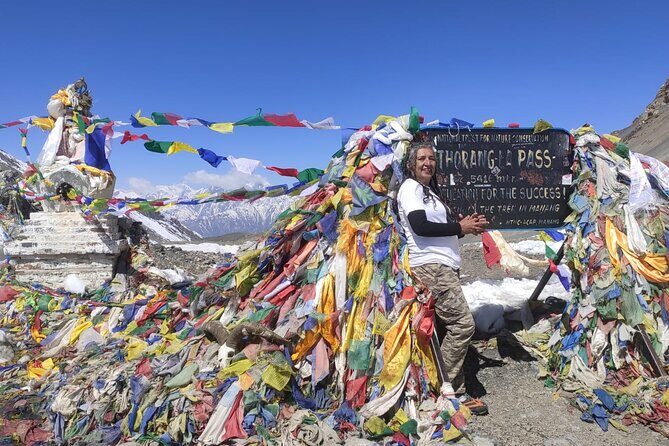
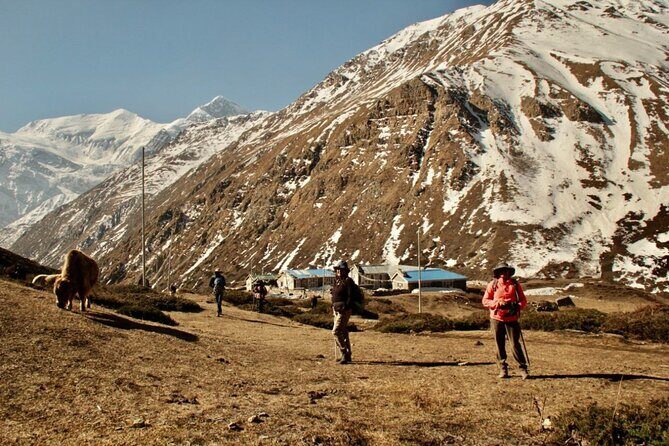
Day 8 takes you from Manang to Yak Kharka. The description calls out barren, rugged terrain and panoramic views. This is a common shift on the Circuit: as you climb, the vegetation thins and the trail feels more exposed. The upside is big views; the downside is less shelter and less comfort if weather turns.
Day 9 goes from Yak Kharka to Thorong Phedi (at the base of Thorong La). The day is described as gradually uphill through rocky terrain and glacial moraines. Those details matter because they hint at footing and energy management. On a pass day ahead, you don’t want to arrive exhausted.
Thorong Phedi is your staging point. Your job here is simple: sleep, eat what you can, and prepare for an early start. Even if your body feels okay during the walk, the pass day can still be a shock.

Thorong La pass day and the descent to Muktinath and Jomsom
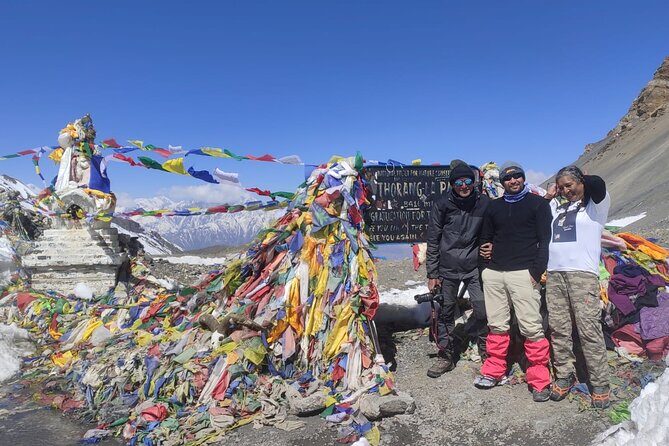
Day 10 is the headline: crossing Thorong La pass. It starts early and includes a steep ascent to the pass altitude, followed by descent toward Muktinath. After Muktinath, the schedule continues onward toward Jomsom.
This is a long, mentally demanding day, even if you’re fit. High altitude doesn’t just slow your legs—it changes your breathing and how quickly you feel tired. The best approach is steady effort, not speed.
Muktinath adds a cultural reset after the big physical work. It’s a sacred site for both Hindus and Buddhists, known for temples associated with pilgrimage routes. You’ll likely feel the contrast: one moment you’re grinding over stone and air, and the next you’re stepping into a place people visit for spiritual reasons.
Then comes the connection to Jomsom. The route is described as descending through a windswept valley after Muktinath. By the time you reach Jomsom, your day is mostly about survival and recovery—dry clothes, rest, and a meal that agrees with your stomach.
Jomsom to Pokhara and two nights of city comfort
After Day 10, you’re in Jomsom, and then the package moves toward Pokhara. The itinerary text mentions scenic travel through Mustang Valley toward Pokhara, but the inclusions make one thing clear: the flight from Jomsom to Pokhara is not included. So plan around that leg so you’re not stuck guessing on arrival day.
Once you reach Pokhara, the pace eases. You’ll have time for sightseeing on Day 12, including the International Mountain Museum and Devi’s Fall (Davis Fall). These stops are a good way to process what you just did. A museum helps you connect names to peaks you’ve been seeing. A waterfall stop is a gentle reminder that Nepal isn’t only about altitude and endurance.
I like that you get actual time in Pokhara rather than a quick photo stop and back on a bus. Two nights in Pokhara gives you room to wash clothes, rest legs, and eat without counting calories.
The drive back to Kathmandu and a smoother departure
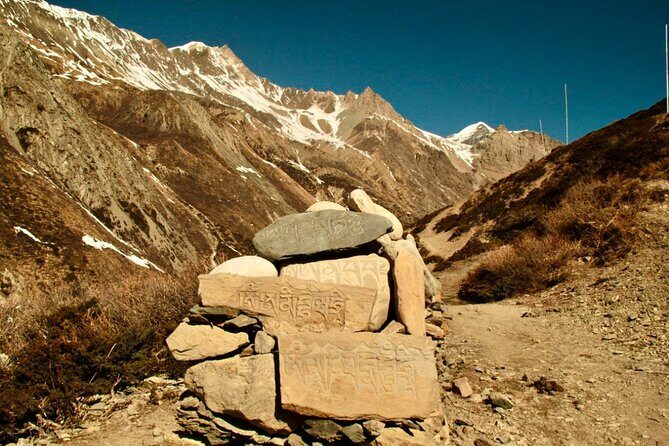
After Pokhara, you’ll take a scenic drive back to Kathmandu. The plan describes winding rivers and lush valleys, which is a welcome change after days of rocky trail. You’ll also get another chance to settle into city life before your final departure.
On your last day(s), a guide helps with your airport transfer in Kathmandu. That sounds minor, but it’s not. When you’ve just finished a trek, the last thing you want is to stress about timing or where you’re supposed to go.
How the day-by-day rhythm affects your body (and how to match it)
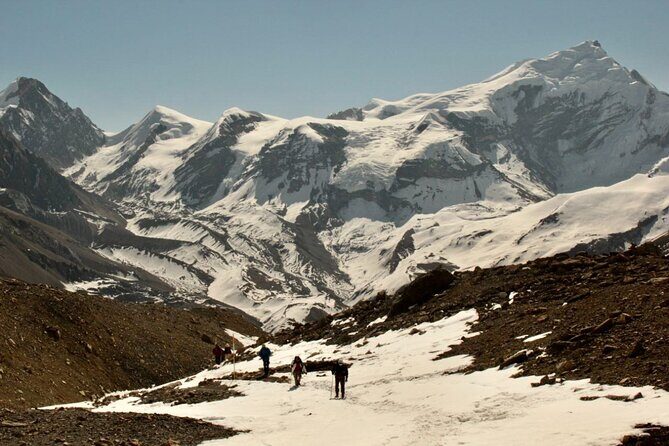
This trek has a pattern that makes sense physiologically: start with longer travel days, then ease into hiking, then hit the high-altitude milestones with a built-in rest step.
- Days like Chame to Pisang and Pisang to Manang give you time to get used to sustained walking.
- The acclimatization day in Manang gives your body a chance to adapt.
- The sections to Yak Kharka and Thorong Phedi steadily move you closer to Thorong La without tossing you straight from low altitude to the pass.
- Then Day 10 asks for early energy and disciplined pacing.
If you match your effort to this rhythm, you’ll likely feel more in control. If you ignore it—pushing hard on easy days or taking acclimatization casually—you’ll pay later.
What’s included vs what’s on you: meals, drinks, and the Jomsom hop
Here’s the practical split, based on what’s listed:
Included:
- 2 nights in Kathmandu (twin sharing) and 2 nights in Pokhara (twin sharing)
- 9 nights in trekking area (twin sharing)
- Guide/assistant and porters (lodging, food, insurance, salary included)
- Meals: 13 breakfasts, 9 lunches, and 9 dinners
- Breakfastes and some meal coverage mean you’re not living on snacks for the whole hike
Not included (plan for these):
- Personal nature costs like bar bills and shopping
- Tea/coffee and hot water
- Personal expenses
- The flight from Jomsom to Pokhara
Simple budgeting tip: if you expect to drink lots of hot drinks (and many trekkers do), remember they’re not covered. Bring cash for daily comforts. Also, hot water is often paid, so plan to treat hydration as a cost, not just a free habit.
Support quality: what you can infer from the way Yolo Hike handles planning
One clear theme from the way Yolo Hike operates is responsiveness. When people ask questions, they’re not left waiting. The company is described as organized and friendly, and support is flexible when plans need tweaking. Names like Anil and Alin came up in communications, which suggests there are people dedicated to replying quickly and staying engaged.
You’ll feel this most in the handoffs: airport pickup, getting set in Thamel, and having a certified guide with an assistant team. On the mountain, that matters because small misunderstandings—wrong timing, unclear gear needs, or slow decision-making—can turn into big problems when you’re dealing with altitude and weather.
If you like a trip that runs on a plan but doesn’t act rigid, this setup is worth considering.
Who should book this Annapurna Circuit trek (and who should reconsider)
This trek is for you if:
- You have strong physical fitness, and you want a classic high-altitude challenge
- You prefer guided structure with a team handling heavy lifting via porters
- You want the full Circuit story: Manang culture, Thorong La, Muktinath, then down to Pokhara for recovery
You might reconsider if:
- You’re looking for a very relaxed, short hike. This is still a serious itinerary with long trekking days and a major pass crossing.
- You’re extremely sensitive to additional travel costs, since the Jomsom to Pokhara flight is not included and hot drinks/personal expenses add up fast.
The good news: the itinerary design includes a dedicated acclimatization day. That shows the operator understands how altitude works, not just how to check a box.
Should you book this Annapurna Circuit trek with Yolo Hike?
I’d recommend booking if you want the Annapurna Circuit experience with practical logistics and a support team that keeps things organized from Kathmandu through the mountain and down to Pokhara. The value at $900 is strongest when you trust the plan: private transfers, trained guide staffing, and porters that help you finish feeling human.
Book it if you’re willing to take altitude seriously, budget for extras like hot drinks and the Jomsom to Pokhara flight, and show up with real trekking fitness. If that’s you, this trek can be one of Nepal’s most memorable mixes of mountain achievement and culture.
FAQ
Where does this Annapurna Circuit trek start?
It starts at Tribhuvan Airport in Kathmandu, Nepal. You’ll have an airport pickup included by private vehicle.
How long is the trek?
The duration is listed as about 14 days.
What’s included in the price?
The package includes Kathmandu and Pokhara accommodations (twin sharing), trekking-area lodging, meals (13 breakfasts, 9 lunches, 9 dinners), all fees and taxes, and airport transfers. It also includes a professional certified trekking guide, an assistant guide, and porters (1 porter for each 2 trekkers).
What is not included?
Not included items are personal expenses like bar bills and shopping, tea/coffee/hot water, and the flight from Jomsom to Pokhara.
Is there an acclimatization day?
Yes. There is a dedicated acclimatization day in Manang.
What kind of fitness level do I need?
The information provided says you should have a strong physical fitness level.
Is cancellation free?
Free cancellation is available. You can cancel up to 24 hours in advance of the experience start time for a full refund.