REVIEW · KATHMANDU
Phulchoki bird-watching tour
Book on Viator →Operated by Himalayan Smile Treks and Adventure Pvt. Ltd · Bookable on Viator
Birds start calling before the sun rises. This Phulchoki bird-watching day turns the Kathmandu area into a real wildlife outing, starting with a quiet drive and ending with big hilltop views. I especially like the focus on bird spotting with a professional guide and the way the route runs through Godawari forest where birds are active.
Next, I like that you get a proper altitude experience for a day trip: Phulchoki reaches about 2,791 m, and the summit area offers wide, 360-degree scenery. You also receive a light packed lunch, which helps keep the hike from feeling like you’re constantly hungry.
One thing to think about: entrance fees while entering Phulchoki are not included, and the tour starts early at 6:15 am. If mornings feel rough for you, you’ll want to be ready for a prompt pickup.
In This Review
- Key things to know before you go
- Why Phulchoki birding feels different than a casual walk
- Dawn pickup and the drive to Godawari (Naudhara entry point)
- Godawari forest hiking: where the birding rhythm happens
- Reaching Phulchoki: summit views and the Phulchowki Mai temple
- The guides make the difference: spotting skill and conservation care
- Price and value: what $324 includes (and what to budget)
- What to bring for a comfortable, focused bird day
- Weather matters: plan around a hill environment
- Who should book this Phulchoki bird-watching tour
- Should you book the Phulchoki bird-watching tour?
- FAQ
- FAQ
- How long is the Phulchoki bird-watching tour?
- What time does the tour start?
- Where does the hike begin?
- What’s included in the price?
- What is not included?
- Is this a private tour?
- What fitness level do I need?
- What happens if the weather is bad?
Key things to know before you go
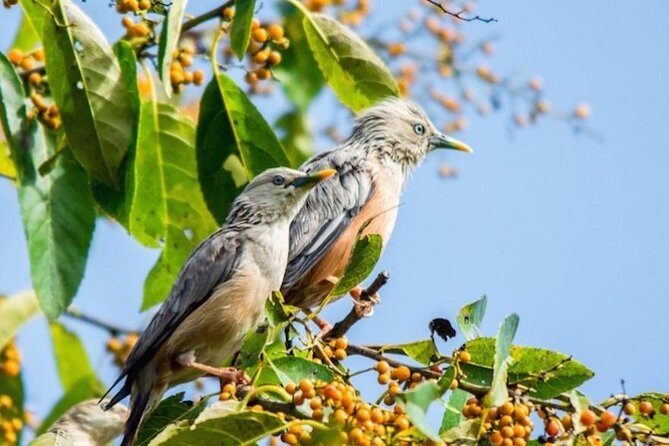
- Specialist birding guide helps you identify birds by sight and behavior during the hike
- Godawari-to-Phulchoki day hike gives you both forest birding and hilltop views
- About 265 bird species have been recorded in the Phulchoki area
- 360 views from the summit area plus a stop at the Phulchowki Mai temple
- Packed lunch included, but drinks and entrance fees are not
Why Phulchoki birding feels different than a casual walk
Phulchoki sits just south-east of the Kathmandu Valley, and it’s high enough to make the whole day feel like you’ve stepped into a different world. The hill tops out around 2,782 m (and the route notes about 2,791 m), so you’re likely to catch birds in the forest edge and open areas rather than just seeing them from the road.
The bird-life potential is a big deal here. The area has records of around 265 species, and the mix includes small songbirds (like warblers and tits), woodpeckers, thrushes, minivets, eagles, and migrant birds. In spring, Phulchoki also lives up to its name—hill of flowers—because the forest can be full of wild blooms, including rhododendron, Nepal’s national flower.
If you want a day that’s more than scenery, this is the kind of place where a guide matters. A good bird guide doesn’t just point at what’s there; they help you understand what you’re seeing and why it’s worth your attention.
You can also read our reviews of more tours and experiences in Kathmandu.
Dawn pickup and the drive to Godawari (Naudhara entry point)
This tour typically begins at 6:15 am, with pickup offered and private vehicle transport included for pick/drop to Godawari. The route includes a drive of about 16 km from Kathmandu to the Godawari area, which keeps the birding day from feeling like a long slog before you even start.
From Godawari, the hiking part begins via the Naudhara entry point. The timing matters: early hours generally make it easier to spot birds that are active and moving through forest edges and clearings.
You’ll also want to be mentally set for a full 7 to 8 hour outing. It’s not just a stroll to a viewpoint; it’s a guided hike built around searching, pausing, and scanning.
Godawari forest hiking: where the birding rhythm happens
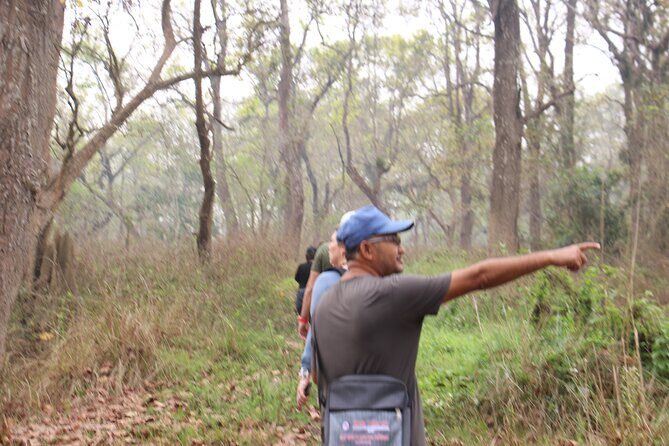
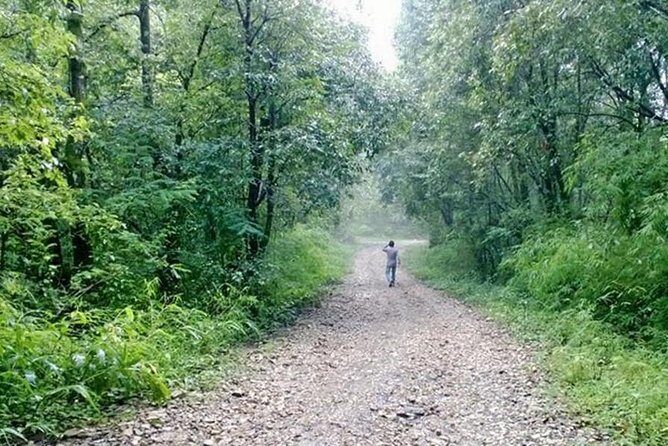
The most enjoyable part of a bird day is often the middle—when you’re not rushing yet, and your guide can focus on what’s moving. The Phulchoki route starts you in the Godawari forest, where birds are more likely to show themselves because the habitat is complex: trees, understory, and lots of little movement.
You’re not going to hike alone here. You’ll have a professional birding guide whose job is to help you figure out the birds you’re seeing. The route description includes examples such as:
- long-tailed drongos
- Greater Yellow nape
- Grey-headed woodpecker
- Nepal Cutia
- Ultramarine Flycatcher
- Black-winged Cuckoo shrike
In plain terms, that means you should expect a day that’s built around short stops and careful watching. If you’ve never done birding before, this is actually a friendly way to learn. You’ll start seeing patterns: how certain birds call, where they perch, and what they do when they feel safe.
A small but important rule is included in the tour approach: don’t touch or harm birds/animals you find on the way. It’s also just good wilderness etiquette. Let the birds stay birds.
One practical downside to keep in mind: forest hiking means fewer big photo moments than a straight viewpoint climb. Your “wow” comes from the hunt—binocular scanning, listening, and waiting a minute longer when your guide says something is nearby.
Reaching Phulchoki: summit views and the Phulchowki Mai temple
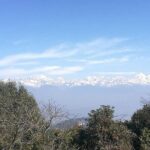
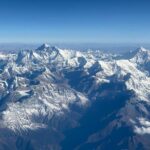
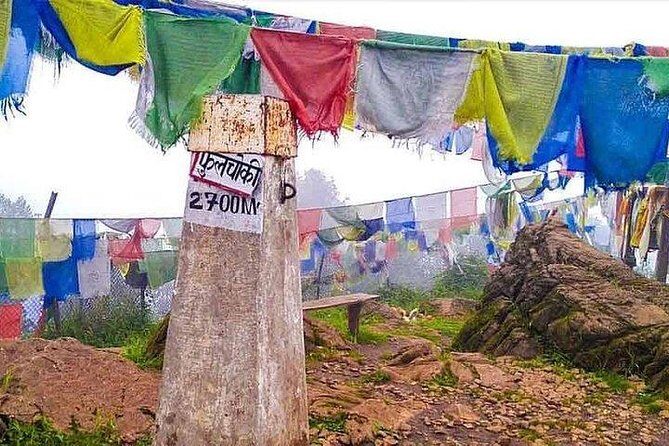
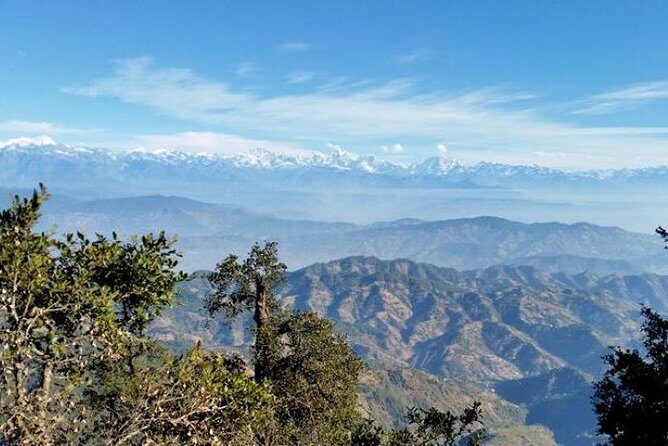
As you head toward Phulchowki (the route notes around 2,791 m), the experience shifts from forest scanning to open, panoramic watching. The description calls out 360 scenic views of mountains, the Kathmandu Valley, and surrounding landscapes.
This is also where you get a cultural stop. There’s a Phulchowki Mai temple on the hilltop area. It’s a good break from the birding focus, and it helps ground the day in the local meaning of the place rather than treating the hike like a pure checklist mission.
After enjoying the hilltop views, there’s a lunch break, then you hike back down toward Godawari and drive to Kathmandu. The return drive is part of the value: you don’t finish feeling stranded or stuck with a complicated ride plan.
A quick tip: if the weather is clear, prioritize lingering at the viewpoint before you pack up. Some of the best birding moments can happen near the transition zone—where the hillside meets open view—so don’t rush the stop just because you’re hungry.
The guides make the difference: spotting skill and conservation care
A big theme in the guide experience is that you don’t just get names. You get better sighting success, and you learn how to look.
The materials around this tour mention specialist guides, including Pratap, Ram dav (Ramdev), Yubin Shrestha, and Ramesh. Across those accounts, the common thread is that the guides are passionate about Nepal’s birdlife and use equipment like binoculars to help you see birds you might otherwise miss.
One practical win for photographers: the guides are also associated with producing strong photos. That matters because many birds show up quickly. When your guide can help you track what you’re seeing and keep your framing steady, your chances go up fast.
There’s also a conservation angle tied to at least one guide’s background through involvement with conservation initiatives. You’ll feel this as a respect-based approach: slower steps, quieter movement, and a focus on watching rather than disturbing.
If you’re new to birding, treat this like a guided lesson. You’ll leave with a clearer sense of how bird species behave—where to look, when to pause, and why birds appear in certain parts of the trail.

Price and value: what $324 includes (and what to budget)
At $324, you’re paying for a full day that combines transport, a birding guide, and time in a high-birding area. The included items are:
- Professional birding guide
- Private transportation (pick/drop to Godawori)
- Light packed lunch
That’s a solid bundle for a 7 to 8 hour private outing. You’re not just buying access; you’re buying expert help in identification and a plan that gets you from Kathmandu to a bird-rich hill in one day.
What’s not included is where you’ll want to budget carefully:
- Entrance fees while entering Phulchoki
- Lunch (separate from the light packed lunch)
- Hot drinks and soft drinks such as cola, mineral water
- Emergency rescue evacuation if needed
- Anything else not listed under Cost Includes
So, the real cost depends on your choices for drinks and how the entrance fees work in practice. Still, even with the extras, this can be good value if you want a guided day without the hassle of arranging a private hike, transport, and birding instruction yourself.
Also watch the small details: it’s listed as a mobile ticket experience, and group discounts are mentioned. If you’re traveling with friends, it may be worth asking how discounts apply to your group size.
What to bring for a comfortable, focused bird day
You’ll cover a fair amount of walking, and you should have moderate physical fitness for the day hike. That doesn’t mean you need to be a mountain athlete, but you do want sturdy shoes and the ability to keep a steady pace for several hours.
Because drinks are not included, plan to bring what you’ll need for hydration and energy. The tour includes a light packed lunch, but lunch is also listed as not included, so think about how you’ll handle extra food if you get hungry.
A few practical items that make sense for this kind of outing (especially for bird spotting):
- comfortable trekking shoes with grip
- a light rain layer or wind layer, since hill weather can change
- a hat and sun protection for early morning and summit time
- binoculars if you have them (and if not, rely on the guide’s equipment)
And keep your expectations realistic. Birding can be wonderfully random. You might spot some of the listed species, or you might get a different mix based on the day’s activity.
Weather matters: plan around a hill environment
The tour notes that it requires good weather. If conditions are poor, you’ll be offered a different date or a full refund.
This is another reason to book with the understanding that you’re hiking a high hill with forest trails. Fog, heavy rain, or high wind can change both visibility and bird activity.
If you’re in Kathmandu for a short window, you’ll want flexibility in your schedule. This kind of bird tour is one of the better ways to spend a day outside the city, but you still want a sky that cooperates.
Who should book this Phulchoki bird-watching tour
This is a strong match if:
- you want a day hike that still feels like real nature time, not a quick city outing
- you’re a beginner who wants a guide to help you identify birds
- you care about conservation-minded wildlife etiquette
- you like combining wildlife with viewpoint time and a temple stop
It may not be ideal if:
- you hate early mornings (it starts at 6:15 am)
- you want the simplest possible planning and zero extra costs (entrance fees and drinks are not included)
- you’re expecting a purely panoramic hike with constant views; the best birding moments depend on looking and waiting in the forest
Should you book the Phulchoki bird-watching tour?
I’d book it if you want a Kathmandu-based day trip that feels meaningful. The mix is hard to beat: Godawari forest birding, a guided scan for species that can include drongos, woodpeckers, flycatchers, and others, then summit views and the Phulchowki Mai temple.
The biggest reason to say yes is the guide-driven approach. Birding is one of those hobbies where a good guide can turn a walk into real learning and better sightings. If you’re willing to start early and you don’t mind paying a bit extra for entrance fees and drinks, the structure makes sense.
On the other hand, if you’re only chasing photos and you don’t want to pause for bird sightings, you might find the hike slower than you expected. In that case, consider whether a viewpoint-focused outing better fits your style.
FAQ
FAQ
How long is the Phulchoki bird-watching tour?
It runs about 7 to 8 hours.
What time does the tour start?
The start time is 6:15 am.
Where does the hike begin?
You’ll drive to Godawari, which is the starting point for the hiking day. The hike route begins via the Naudhara entry point.
What’s included in the price?
The tour includes a professional birding guide, private pick/drop transportation to Godawari, and a light packed lunch.
What is not included?
Entrance fees while entering Phulchoki are not included, and lunch is also not included. Hot drinks and soft drinks are not included, and emergency rescue evacuation is not included.
Is this a private tour?
Yes. It’s described as a private tour/activity, so only your group participates.
What fitness level do I need?
The tour notes that you should have moderate physical fitness.
What happens if the weather is bad?
The experience requires good weather. If it’s canceled due to poor weather, you’ll be offered a different date or a full refund.