REVIEW · KATHMANDU
14 Days Everest Base Camp Trek
Book on Viator →Operated by Eco Nepal Trekkers · Bookable on Viator
One big reason this trek works is the pacing. You’ll walk into the Everest region with a smart rhythm for acclimatization, then hit the big viewpoint moments at the right times. I also like that the trip is built around real Khumbu villages and monastery days, not just distance-chasing, and that you get a licensed guide plus a porter to help with your luggage. One consideration: the Lukla flights are weather-dependent, so you should be ready for delays and plan your schedule with some patience.
What I like most is the way it mixes high-altitude goals with grounded culture. Namche Bazaar gives you that Sherpa-world “entry point” feel, and Tengboche’s monastery stop is the kind of place where you can actually slow down and take it in. I also appreciate the support structure—hotel nights in Kathmandu, guided days, included meals on trek, and a porter system that’s designed to keep you moving comfortably. A possible drawback is that you still need moderate physical fitness, and you’ll have days that feel strenuous even when the itinerary says rest or acclimatization.
If you’re the type who wants the real route—moraines, stone villages, prayer flags, and sunrise viewing—this 14-day Everest Base Camp trek is a strong bet. The operator is local (Eco Nepal Trekkers) and their team gets praise for organization and customer care, including named mentions of owner Pemba Tamang and guide Prayash. Just remember: this is a serious trekking environment, and you’ll feel the altitude even if you take it slow.
In This Review
- Key highlights at a glance
- Thamel to the trail: Kathmandu setup that matters
- Getting to Lukla: a long drive plus a short flight
- Namche Bazaar: acclimatization with real payoff views
- Tengboche monastery day: culture plus iconic peak framing
- Dingboche rest and Nagarjun Hill: the altitude lesson
- Lobuche to Gorak Shep: glacier geometry and the long-awaited Base Camp moment
- Kala Patthar at dawn: why this is the trek’s signature morning
- Going back: Namche to Lukla and the relief of movement with less altitude pressure
- Price and logistics: what $2,200 buys you, and what you still need to cover
- What the guide and porter system really changes
- Who this trek is best for
- Should you book this Everest Base Camp trek?
- FAQ
- How long is the Everest Base Camp trek?
- Where does the trip start?
- Is the airport transfer included?
- Are domestic flights included?
- Are permits included?
- Do I get a guide and porter?
- What meals are included during the trek?
- Are hot showers and WiFi included?
- Is travel insurance included?
- Can I cancel and get a full refund?
Key highlights at a glance
- Acclimatization built in with a Namche day and a Dingboche rest day
- Everest View Hotel stop for wide 360-degree outlooks
- Tengboche monastery for spiritual vibes plus prime photo angles
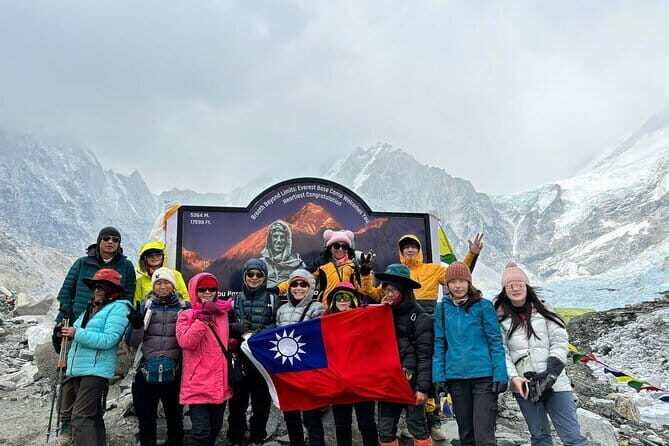
- Kala Patthar at 5,545m for a serious dawn panoramic payoff
- Everest Base Camp arrival on the Khumbu Glacier lateral moraine
- Porter support (1 porter for two clients) to help with luggage
Thamel to the trail: Kathmandu setup that matters
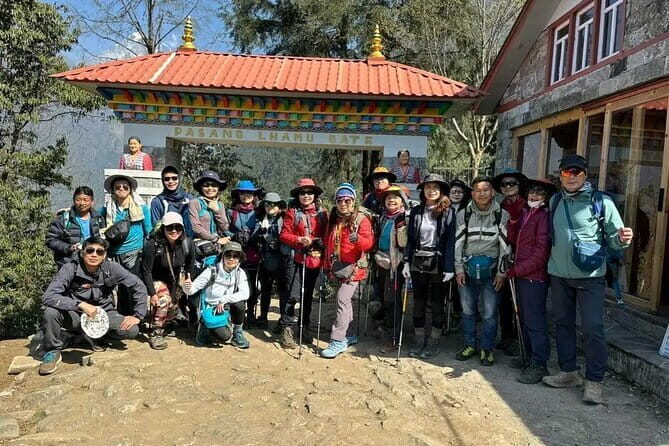
Day 1 starts the trip the practical way: airport pickup and a private transfer to a hotel in Thamel. You’ll get a day to reset after travel, which is honestly more useful than rushing straight into trekking. Thamel is where you’ll find trekking shops and restaurants, so you can handle last-minute needs, buy snacks, and get your bearings fast.
The itinerary doesn’t promise luxury here. It offers 2 nights in a 3-star hotel on a twin sharing setup with breakfast included. For me, the value is the simplicity: you’re not guessing where you’ll sleep or whether breakfast will show up before departure. And because the tour includes the permits and trek logistics, you’re spending your energy on the mountains, not paperwork.
What to watch: you’ll still need to sort your Nepal entry visa yourself (not included), and your international flight isn’t part of the package. So treat Day 1 as your buffer day to arrive calm, not stressed.
You can also read our reviews of more hiking tours in Kathmandu
Getting to Lukla: a long drive plus a short flight
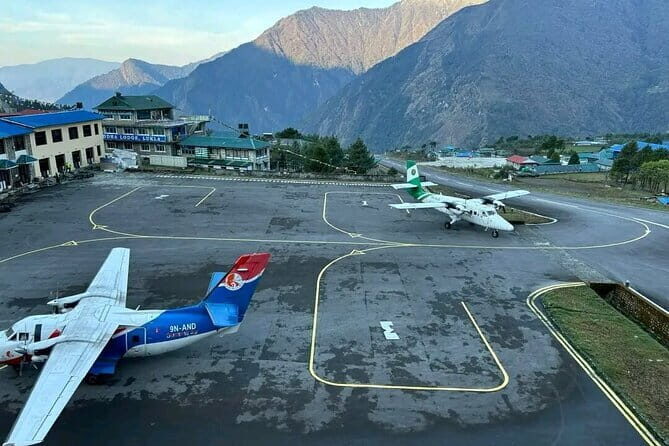
To reach the Everest region, Day 2 uses a common but important route plan: 4 to 5 hours by road from Kathmandu to Manthali/Ramechhap, then a 20-minute flight to Lukla. This is one of those parts that sounds easy until you’ve lived it. The drive is long enough to feel it in your legs, and Lukla flights are the kind of thing that can shift when weather changes.
The tour’s included domestic flight ticket (LUK–RMH–LUK) and domestic airport tax help reduce the most common “hidden” cost surprises. You’re not piecing together schedules. But you still want flexibility in your mindset because flight timing is tied to local conditions.
The day also sets expectations: today is “fun and brief,” but you’re starting the trek journey for real. You’ll land in Lukla and then move toward Phakding (a typical early Khumbu step), which is a good warm-in rather than a head-first altitude sprint.
Namche Bazaar: acclimatization with real payoff views
Namche Bazaar is the big “gateway town” for the Everest region. On Day 3 you’ll hike up through Sherpa communities like Benkar and Chumoa, then reach Monjo, the Sagarmatha National Park entrance. This is more than a line on paper. It’s the moment you cross from general trail travel into the protected Everest world, and the permits included in your price match that reality.
Day 4 is the day you’ll be grateful for. Namche is where acclimatization stops being a suggestion and starts being the difference between feeling okay and feeling wrecked. You take a walk up to the famous Everest View Hotel. The reward is described as 360-degree views that include Ama Dablam, Thamserku, Everest, and Nuptse. That wide-angle moment is exactly why this trek has staying power: you get to see the drama from multiple angles, without being forced to suffer through a brutal climb.
My practical take: if you’re prone to rushing, resist it here. The itinerary already gives you a built-in “we gain altitude, but we live smart” day. Use it. Eat well, hydrate, and don’t turn acclimatization into a second hard day.
Tengboche monastery day: culture plus iconic peak framing
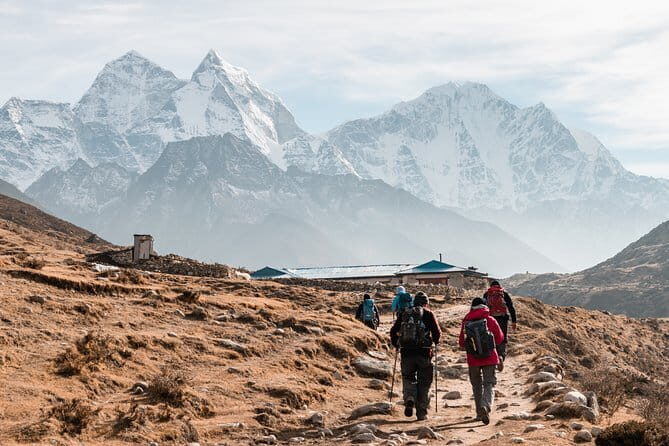
By Day 5 you’re in Tengboche territory, which is one of those places trekkers talk about for good reason. The highlight is the ancient monastery, and the day is described as having fewer steep sections. That matters. A slightly easier walking day gives you time to stop, take pictures, and actually absorb what you’re seeing.
Tengboche also delivers the classic Khumbu visual rhythm: prayer flags, stupas, and big mountain framing around Ama Dablam. You’ll have moments where the view feels almost staged—like the mountains are waiting for you to show up. But it’s not about spectacle. It’s about learning how the trail reveals the region in layers.
Possible drawback: because Tengboche is a highlight, it can feel like a “camera day.” If you hate crowds, pick your pacing. You don’t need to rush to the viewpoints, and you can enjoy the monastery atmosphere at your own speed.
Dingboche rest and Nagarjun Hill: the altitude lesson
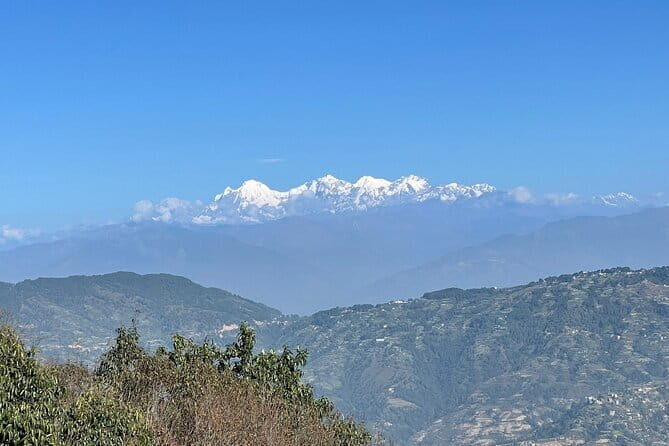
Day 6 takes you toward Dingboche, and along the way you pass picturesque settlements like Pangboche. You’ll also see details like chortens and mani walls, plus views toward Mt. Ama Dablam. Those small elements are what make the trek feel like a journey through living communities rather than a checklist of altitudes.
Day 7 is an acclimatization day in Dingboche. Even though the plan says you take it easy, you stay active with a quick hike to Nagarjun Hill at about 5,100 metres. That climb is short compared to the big summit-day style efforts, but it’s intense enough to teach your body what altitude feels like when you’re not fully adapted yet.
What I love about this design is the balance: you’re not just “resting,” you’re practicing. You’re walking, but you’re also giving yourself recovery time. That’s the sweet spot for many trekkers on Everest Base Camp routes.

Lobuche to Gorak Shep: glacier geometry and the long-awaited Base Camp moment
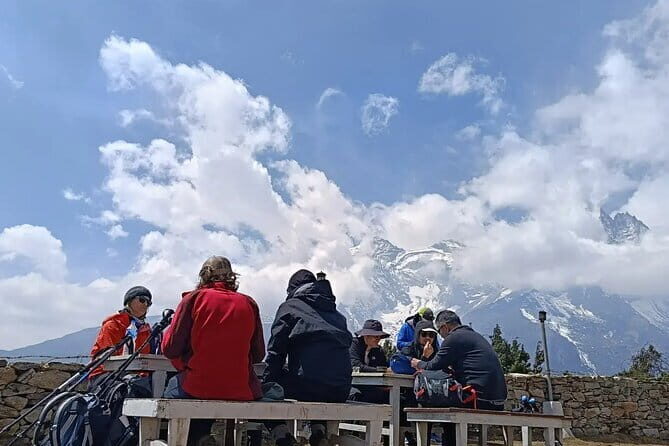
Day 8 moves you toward Lobuche through alpine brush and yak pastures, with strong views mentioned for Ama Dablam, Tawoch, and Cholotse. This is where the terrain starts to feel harsher and the air thinner. The tour keeps the trekking tempo realistic, with a gradual ascent rather than a sudden jump into the hardest footing.
Day 9 is the big day to reach the Everest Base Camp area. You arrive in Gorak Shep first, then continue to Everest Base Camp. The route description highlights the lateral moraine of the Khumbu Glacier, with snow-capped mountains surrounding the area. This is a key detail because it tells you what kind of “environment” you’ll be walking in: rocky, glacier-shaped, and stark. It’s not a lush alpine meadow scene. It’s the raw geology of the Himalaya showing its work.
Practical note: this is also the day when people tend to feel the most emotional. After so many days of gradual effort, Base Camp arrival can feel like a finish line. But don’t treat it like one. You’ll still need energy for the return rhythm, and you’ll want to keep taking it easy with breathing and pacing.
Kala Patthar at dawn: why this is the trek’s signature morning
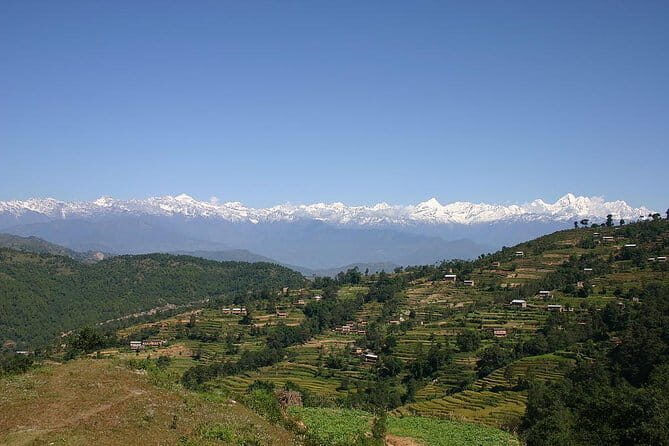
Day 10 is where the itinerary earns its reputation. You set out before dawn for a strenuous climb to Kala Patthar, described as the trek’s highest point at about 5,545 metres. You’re promised a 360-degree panorama including Everest, Nuptse, Lhotse, and Ama Dablam among other peaks.
I’ll be blunt: this is the moment you should be most prepared for, physically and mentally. The cold can bite early, the effort is real, and the reward depends on conditions. The good news is that the itinerary is clear about the timing and the altitude goal, so you can plan your rest and hydration earlier in the day.
If you’re thinking about skipping Kala Patthar because you’re tired, don’t decide in panic. Consider how you felt on earlier acclimatization and how your breathing is functioning today. The itinerary includes plenty of structured days before this, so you can make the decision calmly rather than on the spot.
Going back: Namche to Lukla and the relief of movement with less altitude pressure
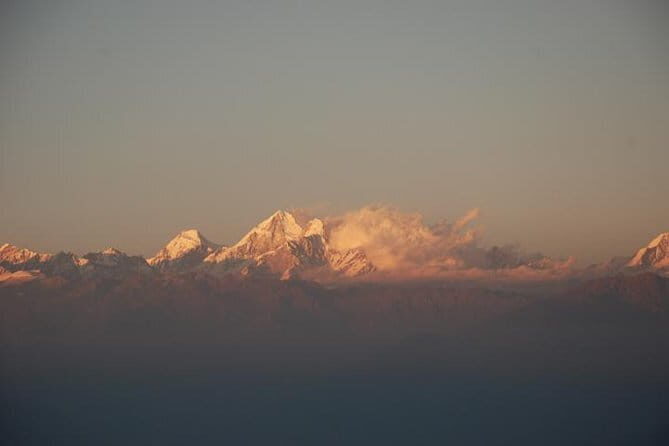
After Kala Patthar, Day 11 shifts you back toward Namche. The description notes a trail decline with uphill stretches and some restoration of forests and flora. That’s a small change that matters. When the environment shifts from stark high-altitude stone toward more greenery, your brain reads it as progress, even if you’re still working.
Day 12 follows the route back to Lukla, with the last day of hiking. Once you reach Lukla, you relax and get a night’s sleep—use it. This is a good time to eat, hydrate, and let your body reset after consecutive high-altitude effort.
Day 13 returns you to Kathmandu by flight depending on availability and weather—either to Kathmandu or to Manthali Airport. You’ll also have time to shop in Kathmandu afterward, and that can be a real perk if you want to bring home trekking souvenirs or local handicrafts.
Day 14 is straightforward: a staff member takes you to the airport about three hours before your departure. It’s the kind of clean ending that helps you avoid last-day stress.
Price and logistics: what $2,200 buys you, and what you still need to cover
At $2,200 per person, the value depends on what you compare it to. Here’s what’s included that typically drives cost on an Everest Base Camp trek:
- Airport pickup and drop-off by private vehicle
- Domestic flight ticket (LUK–RMH–LUK) plus domestic airport tax
- 2 nights 3-star hotel in Kathmandu with breakfast
- Trek meals: breakfast, lunch, and dinner on the trail
- All necessary permits, including Sagarmatha/Everest National Park and TIMS
- A licensed trekking guide
- Porter support: one porter assigned to two clients
- Farewell dinner at a typical Nepali restaurant
- Achievement certificate after completing the trip
- Staff wages, accommodation, meals, and insurance for the team (as listed)
What is not included (and this is where you should budget early):
- Nepal entry visa fee
- International flights and international airport departure tax
- Travel insurance, specifically high-altitude emergency evacuation coverage
- Personal gear and equipment
- Lunch and dinner in Kathmandu
- Hot shower, WiFi, bar, and beverage bills during the trek
- All drinks (alcohol, mineral water, hot water, coffee)
- Sweet snacks like chocolates and desserts
- Tips for the guide, porter, and driver
My advice: don’t treat “not included” as minor. On trek, drinks and snacks add up fast, and insurance can be the biggest safety line you can draw for yourself. The itinerary is structured, but emergency evacuation at altitude is not the place to improvise.
What the guide and porter system really changes
This trek includes an experienced, licensed guide and a porter to carry your luggage. The porter assignment is clearly stated: 1 porter for two clients. For you, that usually means less strain on your energy. You can focus on breathing, footing, and pacing instead of managing a heavy pack on steep sections.
The reviews attached to this operator praise customer care and organization, including named mentions of the owner Pemba Tamang and guide Prayash. That matters because on Everest routes, the difference between “fine” and “smooth” often comes down to how well people handle timing, altitude-aware pacing, and day-to-day logistics.
Still, remember: a guide and porter support the plan, but they can’t erase altitude. Your job is to walk at a pace you can sustain and listen to how you’re feeling.
Who this trek is best for
This is a strong fit if you want:
- A classic Everest Base Camp route with meaningful acclimatization pauses
- Structured days that help you manage altitude (Namche and Dingboche)
- Big viewpoint targets like Everest View Hotel and Kala Patthar
- Real culture stops like Tengboche monastery
It may be a tougher match if you:
- Want zero planning around flight timing (Lukla can be weather sensitive)
- Prefer only easy walking days (there are strenuous sections, and Kala Patthar is a serious effort)
- Don’t like cold, early mornings, or the idea of moving at altitude
The tour asks for moderate physical fitness, which is appropriate for most determined trekkers who can walk consistently and handle steep climbs with patience.
Should you book this Everest Base Camp trek?
I’d book it if you want a well-run, locally organized trek with clear structure: permits handled, guide included, porter support built in, and the itinerary timed for acclimatization plus key panoramic days. The $2,200 price looks reasonable in light of what it covers, especially the domestic flights, Kathmandu hotel nights, and the guided trek meals.
I would hesitate if you’re relying on tight travel connections that can’t handle flight delays, or if you haven’t lined up high-altitude evacuation insurance. Everest treks reward preparation. This one gives you the framework—your job is showing up ready.
If you’re willing to take the altitude seriously, enjoy monastery and village culture, and commit to the Kala Patthar morning, this itinerary is likely to feel like a classic, authentic Everest Base Camp experience rather than a rushed tour.
FAQ
How long is the Everest Base Camp trek?
The trek runs for 14 days (approx.).
Where does the trip start?
The trip is based in Kathmandu, Nepal, with airport pickup and transfer to a hotel in Thamel on Day 1.
Is the airport transfer included?
Yes. Airport pick up and drop off are included via private vehicle.
Are domestic flights included?
Yes. Domestic flight ticket is included for LUK–RMH–LUK, along with domestic airport tax.
Are permits included?
Yes. The tour includes permits for Sagarmatha/Everest National Park and TIMS.
Do I get a guide and porter?
Yes. You’ll have an experienced, licensed trekking guide. A porter is also included, with 1 porter assigned to two clients.
What meals are included during the trek?
Breakfast, lunch, and dinner are included during the trek. Hotel breakfast in Kathmandu is also included.
Are hot showers and WiFi included?
No. Hot shower, WiFi, bar, and beverage bills are not included during the trek.
Is travel insurance included?
No. Travel insurance is not included, including high-altitude emergency evacuation coverage.
Can I cancel and get a full refund?
Yes, you can cancel up to 6 days in advance for a full refund (at least 6 full days before the experience start time).