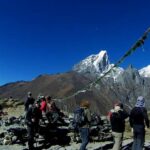
Few places feel this remote yet practical. This 14-day Manaslu Circuit keeps the trek isolated with teahouses at the stops, so you spend less time hauling tents and more time enjoying the mountains. I love the big peak moments, especially sunrise color on Manaslu, and the earned feeling of reaching Larke-La Pass. One catch: you’ll still be dealing with steep sections and cold, sometimes-windy trail days, so you need solid moderate fitness and patience with long walks.
The route is also easier to reach than many classic Himalayan treks. You’ll start in Kathmandu, then go overland by bus to the trailhead area (no internal flight required for the trek itself), and you’ll come back to Kathmandu by minibus. A licensed, professional guide runs the trek for the full 14 days, and in accounts from this operator, a guide named Ganesh is mentioned as a key part of how the trip runs smoothly.
Value matters here. At about $227 per person, you’re not just paying for walking days—you’re covering teahouse nights, government permits, and even a sleeping bag and down jacket. Drinks during the trek are not included, and Kathmandu meals are on you.
In This Review
- Key things that make this trek worth your time
- Manaslu Circuit, 14 days: the quieter kind of Everest-adjacent feeling
- Price and logistics: what $227 really buys on the ground
- Before day one: fitness, weather, and what to expect physically
- Day-by-day trek notes: from Kathmandu bus rides to mountain tea houses
- Day 1: Kathmandu to the trail corridor (bus day, then Machhakhola)
- Day 2: Machhakhola area to Jagat and onward to Tatopani (teahouse rhythm starts)
- Day 3: Jagat checkpoint to Deng via waterfalls and steep ridge climbing
- Day 4: Budhi Gandaki crossings and Namrung’s valley hiking
- Day 5: Pine forest walking, Namrung checkpost area, and Shyala
- Day 6: Sunrise from Shyala to Pung Gyen Gompa, then Samagaun
- Day 7: Manaslu Base Camp day trip, then back to Samagaun for culture time
- Day 8: Birendra Taal and the monastery-library stop, then onward to Samdo
- Day 9: Samdo to Layung La with Gyala Peak close-up moments
- Day 10: Dharamsala / Larkya Base Camp approach, grassy terrain, Budhi Gandaki crossings
- Day 11: The Larke-La Pass day and the long descent to Bimthang
- Day 12: Bimthang to Tilche, with morning Manaslu views
- Day 13: Tilche farmlands to Marsyangdi Valley, then jeep to Besisahar
- Day 14: Besisahar back to Kathmandu via minibus along Marsyangdi and Trishuli
- Guides and pacing: how this trek stays manageable
- Teahouses: the practical “affordable adventure” choice
- Where you’ll likely feel effort the most
- Who should book this, and who should pause
- Should you book this Manaslu Circuit trek?
- FAQ
- How long is the Manaslu Circuit trekking experience?
- Where does the trek start and end?
- What route transport is used to reach the trek and return?
- Are teahouses included on the trek?
- What permits are included?
- What meals are included during the trek?
- Does the price include a guide?
- What equipment is included?
- What fitness level do I need?
- Is free cancellation available?
Key things that make this trek worth your time
- Teahouses at the stops: you get the wild feel without the full camping load
- Larke-La Pass as the headline day: windy, rocky trail, and dramatic high-morning views
- Overland transport: bus and jeep legs reduce reliance on flights
- Permits are included: Manaslu & Annapurna conservation area permits plus the restricted area permit
- Licensed guide for 14 days: one team shepherds the whole route from start to finish
Manaslu Circuit, 14 days: the quieter kind of Everest-adjacent feeling
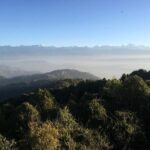
If you’re shopping for Nepal treks that feel adventurous but not chaotic, this version of the Manaslu Circuit hits a sweet spot. It’s described as less crowded and “isolated,” which you’ll feel in the daily rhythm: fewer people on the trail than the headline routes, and more time in small village tea houses rather than constant trekking crowds.
At the same time, it’s not “backcountry suffering” every night. Teahouses exist at stop points, meaning you don’t have to carry a tent setup or pack all your own food. That matters for two reasons. First, your pack stays lighter, so long climbs feel less brutal. Second, you save money and mental energy, because you’re not planning a full camping supply system.
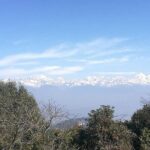
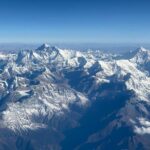
The itinerary also gives you multiple days where you can slow down and look. You get mountain views from different valleys rather than just one big payoff. Expect named peaks to show up repeatedly in the story of the trek—Manaslu, Himalchuli, Chamar, Ganesh Himal II, and others—plus a high pass moment with Larke peak views on the Larke-La Pass day.
You can also read our reviews of more hiking tours in Kathmandu
Price and logistics: what $227 really buys on the ground
Let’s talk value in plain terms. This package is priced at $227 per person and it’s built around what you actually pay for on a Himalayan circuit: lodging, permits, and trained staffing.
Here’s what’s included that usually costs extra on DIY treks:
- 13 nights accommodation in mountain teahouses
- Professional trekking guide with government license for the 14 days
- Manaslu & Annapurna conservation area permit
- Restricted area permit
- Necessary equipment: sleeping bag and down jacket
- All program as per itinerary plus local taxes
- Meals during the trek: breakfast (14), lunch (14), dinner (13)
- Support staffing: transport for the guide/porter, food/salary/clothing for them, and insurance for guide and porter
What’s not included is equally important:
- All drinks during trekking (soft and hard drinks)
- Meals in Kathmandu
- Personal travel insurance
- International airfare, visa fee, and tax
- Rescue & evacuation service (the package mentions emergency rescue help covered by your travel insurance, so your own policy matters)
This is why the price feels “good value” for the route. You’re not paying only for a map and a day-by-day plan. You’re paying for the legal permissions and day-to-day mountain logistics that make Manaslu possible in the first place.
Also worth noting: the group limit is up to 25 travelers, and pickup is offered. That’s large enough to feel social if you want it, but small enough to avoid turning the trek into a conveyor belt.
Before day one: fitness, weather, and what to expect physically
This trek is listed for people with moderate physical fitness. That’s honest, because the itinerary includes repeated climbs, ridge walking, river crossings, and the signature Larke-La Pass day described as windy (sometimes) and rocky.
A practical way to think about it:
- Most days are long walking days with steady elevation changes.
- There’s at least one major “up and over” day (Larke-La Pass).
- Cold and wind are explicitly part of the experience on the pass approach.
You should also consider what you’re getting equipment-wise. The package includes a sleeping bag and down jacket, which helps you travel lighter. Still, you’ll want your own layers and trekking clothes, since the itinerary doesn’t say everything else is provided. And because drinks aren’t included, you’ll likely budget a little for tea house beverages as you go.
Day-by-day trek notes: from Kathmandu bus rides to mountain tea houses
This itinerary has two “travel days” bookending the trek with a lot of movement, and then a steady sequence of walking days through villages and high points.
Day 1: Kathmandu to the trail corridor (bus day, then Machhakhola)
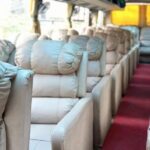
After breakfast in Kathmandu, you start with a scenic overland journey by local regular bus. The route follows the Prithvi Highway along the Trisuli River and then shifts toward the Dhadingbesi highway area. You end day one at the Machhakhola stop.
What I like about starting this way: it helps you settle into Nepal’s pace before you commit to hours of climbing. What to watch: it’s still a long road day, so don’t treat day one like a rest day.
Day 2: Machhakhola area to Jagat and onward to Tatopani (teahouse rhythm starts)
Today’s walking begins after breakfast. You trek toward tiny villages like Khorla Bensi, then reach Tatopani, where the trail goes ups and downs.
Tatopani is a nice setup day. You’re not racing altitude peaks yet. You’re just learning how the terrain and tea house breaks will feel for the rest of the trek.
Day 3: Jagat checkpoint to Deng via waterfalls and steep ridge climbing
The trek starts early at a teahouse breakfast, then you pass the Jagat Checkpoint. The walk includes a waterfall scene and a steep climb over a ridge, reaching Salleri before descending toward Deng.
This day matters because it tells you what the circuit is really like: you’re not just strolling between villages. You’ll work for views.
Day 4: Budhi Gandaki crossings and Namrung’s valley hiking
You cross the Budhi Gandaki and head west up the Budhi Gandaki valley. The trek is described as a steep and impressive valley hike, leading to Namrung.
If you like valleys that feel “lived in,” Namrung is a good stop. If you dislike steep days, you’ll want to keep your pace steady and take the climbs as training for what comes later.
Day 5: Pine forest walking, Namrung checkpost area, and Shyala
You start early and cross Namrung Checkpost. The route passes Bhanjam through pine forest, then climbs for about an hour before reaching Shyala.
Shyala is a sweet hinge point. It sets you up for the next morning’s sunrise-style views of Manaslu color changes.
Day 6: Sunrise from Shyala to Pung Gyen Gompa, then Samagaun
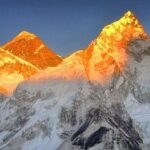
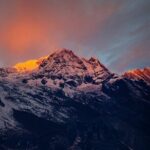
This is a highlight day. Sunrise from Shyala is described as the top of Manaslu changing into golden color, and it’s framed as an unforgettable memory. After breakfast, you hike to Pung Gyen Gompa, then later walk down about 2–3 hours to Samagaun for overnight.
Two reasons I think this day is special:
1) it gives you a mountain moment early, not as an afterthought;
2) it blends prayer-stone locations (gompa) with real trekking time.
Day 7: Manaslu Base Camp day trip, then back to Samagaun for culture time
Today you push toward Manaslu Base Camp. The first hour is described as almost flat with Manaslu views, then the climb becomes steep over about 3 hours. After time at the base camp, you return to Samagaun for lunch and a village visit to see Tibetan culture and lifestyle.
This is one of the best “balance” days in the itinerary: big effort, then recovery plus cultural time without another full night in a high camp.
Day 8: Birendra Taal and the monastery-library stop, then onward to Samdo
You travel from Samagaun to Samda via Birendra Lake. Along the way there’s mention of an old monastery in Samagaun and a Tibetan cultural library. After visiting Birendra Taal, you descend toward Samdo, with Kermo Kharka noted for panoramic views of Manaslu and Pangpoche.
This day is where the trek starts to feel more like a cultural-highway. You’ll notice more Tibetan-style stops than earlier village days.
Day 9: Samdo to Layung La with Gyala Peak close-up moments
The route starts with close views of Mount Samdo (6,3635m as listed), Gyala Peak (5,973m), and views connected to the Larkya Bazar area. The hike is described as 4–5 hours of ascending from Samdo leading to the Layung La area.
This is a good day to manage breathing. You’ll feel the altitude through steady climbing, not through a single brutal jump.
Day 10: Dharamsala / Larkya Base Camp approach, grassy terrain, Budhi Gandaki crossings
You hike for about 4–5 hours to Dharamsala / Larkya B.C. Then you start descending, passing the northern valley and crossing Budhi Gandaki again. The trail follows grassy terrains with juniper above the Syacha Kharka area.
This day sets up your pass day. You’ll want to save enough energy to handle Larke-La with focus, not just survival mode.
Day 11: The Larke-La Pass day and the long descent to Bimthang
You start early and hike steep trails toward Larkya La Pass. The trail ahead is described as windy (sometimes) and rocky. Morning views of Larke peak (6,249m) are listed as spectacular. After reaching the top, you walk down to Bimthang by steep descent.
This is the day you remember years later. It’s also the day where your pace and headspace matter most. Even if you don’t feel great, keep moving steadily. The views are earned by your consistency here.
Day 12: Bimthang to Tilche, with morning Manaslu views
Breakfast comes with splendid Manaslu views (as described). Then the trek from Bhimthang to Tilche takes about 6–7 hours. You begin with a descent, then continue toward Tilche.
Tilche is a good “near-finish” day. You’ll still work, but you’re past the pass drama and into the final circuit loop toward lower valleys.
Day 13: Tilche farmlands to Marsyangdi Valley, then jeep to Besisahar
You hike through farmlands of Tilche, then the route heads toward a crossing to the east bank of the river and descends gradually into the Marsyangdi Valley. After that, you hop on a sharing jeep to Besisahar, which takes around 3–4 hours. The road trip includes waterfalls and lush landscapes.
This day is part foot trek, part transport. It’s a nice way to break up the strain: the legs work early, then you switch to seated travel.
Day 14: Besisahar back to Kathmandu via minibus along Marsyangdi and Trishuli
You drive about 6 hours from Besisahar to Kathmandu by sharing regular minibus. The drive follows the banks of the Marsyangdi and Trishuli rivers, and you get crisp views of hills and mountains.
If day one is about settling in, day 14 is about decompressing. You’ll feel it most when your routine becomes normal traffic again.
Guides and pacing: how this trek stays manageable
A big part of why this trip works for most people is structure. You’re not left floating between tea houses with no plan. The trek includes a government-licensed guide for 14 days, plus staffing for transport, guide and porter clothing, food/salary, and insurance.
In accounts attached to this operator, a guide named Ganesh is mentioned as very good and as someone who supported the group well through route and timing. Another consistent theme in the feedback is professionalism—guides and porters doing their job well and keeping you from worrying about avoidable problems.
Group size also helps. With up to 25 travelers, you get companionship without the feeling of a huge parade.
Teahouses: the practical “affordable adventure” choice
The best argument for this route isn’t just the mountains. It’s the method. Teahouses at stop points let you do a high trek without camping your way through every night.
That choice affects the whole experience:
- less weight in your bag
- fewer planning tasks
- more predictable daily routine
- more chances to rest early if a day runs long
You still get the isolated character, because you’re trekking through an area described as less domesticated. The teahouses don’t “urbanize” the trek; they just remove logistical pain.
Where you’ll likely feel effort the most
Even with teahouses, this is not a stroll. The days that usually feel the hardest are:
- the ridge climbs and steep valley hiking (days like the Namrung approach)
- the lead-up to the pass (Dharamsala / Larkya Base Camp day)
- the Larke-La Pass day itself, especially with wind and rocky sections
On those days, don’t chase speed. Your goal is clean, steady movement that keeps you comfortable enough to enjoy the high-morning views.
Who should book this, and who should pause
This trek is a strong match for you if:
- you want a less crowded circuit with a real sense of remote trekking
- you like the mix of big mountain days and village tea house stops
- you prefer an organized plan with permits handled and a licensed guide running the details
- you’re okay with long walk days and a major pass highlight
You might want to pause or choose an easier alternative if:
- you’re not comfortable with steep climbs and a windy pass day
- you dislike long road travel days at the beginning and end
- you’re trying to control every cost tightly, since drinks on the trek are not included and Kathmandu meals are not included
Should you book this Manaslu Circuit trek?
If your main goal is a Manaslu Circuit that feels adventurous but stays practical, I’d say yes. The package’s biggest strengths are the things that make trekking easier in real life: teahouses instead of camping, permits included, and a licensed guide for the full 14 days. Larke-La Pass is the kind of achievement you remember, and the itinerary gives you multiple mountain view build-ups rather than one single moment.
Book it if you’re ready for the physical reality: long days, steep sections, and a cold, potentially windy pass day. If you want a purely gentle hike or you’re hoping every day is flat and easy, this route won’t fit.
If you do book, plan around two budgeting realities: drinks during the trek and meals in Kathmandu. And make sure your travel insurance fits the emergency-rescue expectation mentioned in the package, since rescue & evacuation service isn’t listed as included.
FAQ
How long is the Manaslu Circuit trekking experience?
It’s listed as 14 days (approx.).
Where does the trek start and end?
You start in Kathmandu and return to Kathmandu on day 14.
What route transport is used to reach the trek and return?
The plan uses overland transport, including local buses and a sharing jeep to Besisahar, then a sharing minibus back to Kathmandu.
Are teahouses included on the trek?
Yes. The package includes 13 nights accommodation in mountain teahouses.
What permits are included?
The package includes Manaslu & Annapurna conservation area permit and a restricted area permit.
What meals are included during the trek?
It lists breakfast (14), lunch (14), and dinner (13). Meals in Kathmandu are not included, and drinks during trekking are not included.
Does the price include a guide?
Yes. A professional trekking guide with government license is included for 14 days, along with guide and porter staffing.
What equipment is included?
The package includes necessary equipment, specifically a sleeping bag and down jacket.
What fitness level do I need?
The tour is described as suitable for people with moderate physical fitness.
Is free cancellation available?
Yes. You can cancel up to 24 hours in advance for a full refund, based on local time.