REVIEW · KATHMANDU
Nagarkot Sunrise & Bhaktapur UNESCO Heritage Private Tour
Book on Viator →Operated by Attractive Travels and Tours Pvt. Ltd. · Bookable on Viator
Watching the Himalayas light up can feel unreal. This private half-day pairs a cold-but-exciting Nagarkot sunrise with UNESCO-grade Bhaktapur sites, so you get big scenery first and then human-scale history right after. You’ll also have a guide who can point out the peaks on clear mornings, plus round-trip hotel pickup so you’re not juggling taxis at 4:20 am.
I love two parts most: the sunrise timing at Nagarkot, and the hands-on-feeling stops in Bhaktapur like a Thangka painting school. If you catch clear skies, the view can include multiple Himalayan ranges and even Mt. Everest, which is rare and special.
The main drawback is simple: the mountains depend on weather. When clouds or fog roll in, Everest and the sharper silhouettes can disappear, even though the overall day still stays interesting in Bhaktapur.
In This Review
- Key highlights worth waking up for
- Why this Nagarkot sunrise + Bhaktapur combo works
- The early pickup: what 4:20 am really means
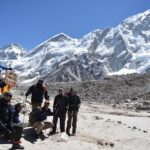
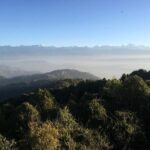
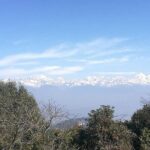
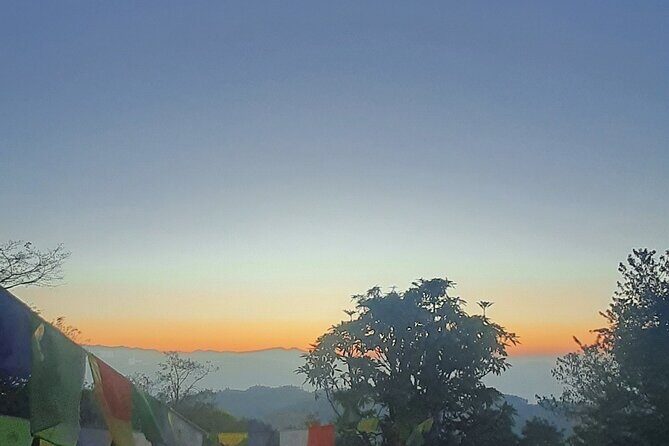
- Nagarkot viewpoint and sunrise: chasing eight ranges (and Everest, if you’re lucky)
- Stop at Dattatreya Temple Square: older details before the big UNESCO moment
- Bhaktapur Durbar Square UNESCO: seeing what’s left, and what’s still powerful
- Nyatapola Temple and Bhairab Temple: fast, tall, and unmistakable
- Pottery Square: watching craft happen in real time
- Thangka painting school: culture you can see up close
- Price and what you should budget (real talk)
- Guide quality: why Prakash’s role shows up in the reviews
- Timing, walking, and how tiring it might feel
- Who should book this tour (and who should pass)
- Should you book Nagarkot Sunrise & Bhaktapur UNESCO?
- FAQ
- What time does the Nagarkot pickup happen?
- How long is the whole tour?
- Is this tour private?
- What’s included in the price?
- What entrance fees do I need to pay separately?
- Are meals included?
- Can I still enjoy the tour if I can’t see Mt. Everest?
- Is there bottled water during the tour?
Key highlights worth waking up for
- 4:20 am pickup in Kathmandu means you’re at the right place while it’s still dark.
- Nagarkot view tower is a quick win (and free entry) once you’re there.
- Guide-led peak spotting can help you identify the different ranges when visibility is good.
- Bhaktapur Durbar Square UNESCO stop plus a Thangka painting school gives culture with context.
- Nyatapola Temple and nearby Bhairab Temple pack major atmosphere into short walking time.
- Bottled water included keeps the morning manageable without hunting for shops.
Why this Nagarkot sunrise + Bhaktapur combo works
This is the kind of tour that makes sense in Nepal because it uses your time like a smart chess player. You start early for the best chance at clear Himalayan views, then you switch gears to Bhaktapur, where the streets, temples, and crafts don’t require perfect weather to be worth your attention.
You’ll be moving, yes. But it’s not the rushed marathon some one-day tours feel like. The timing is built so you can see the key sunrise moment and still finish by late morning, leaving room for breakfast back at your hotel and a nap if you want one.
Another reason it works: you get a mix of “you can photograph this” and “you should slow down here.” Nagarkot delivers the first. Bhaktapur delivers the second.
You can also read our reviews of more private tours in Kathmandu
The early pickup: what 4:20 am really means
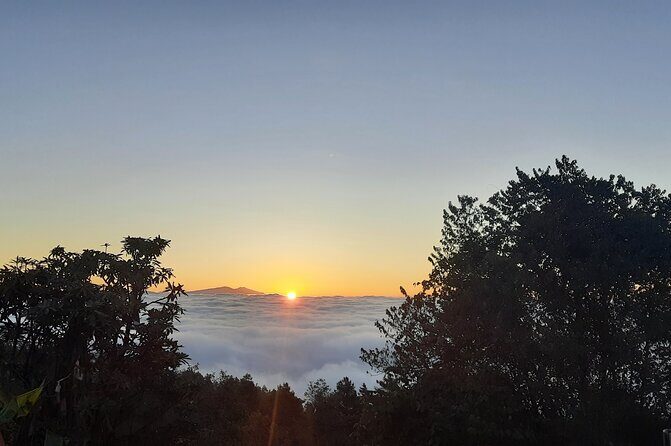
Your day starts with a hotel pickup around 4:20 am in Kathmandu and a drive out to Nagarkot. That early departure is not just for drama. Nagarkot’s views are best when the light is beginning to break but the air is still settling, and you need to be in position before the sky turns into a washed-out blur.
Practically, this tour is built around straightforward logistics: a driver handles transportation, and your guide manages timing and explanations. Bottled water is included—small detail, big help when you’re stepping out in the cold before caffeine.
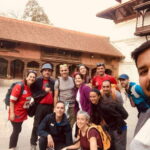
One more thing: this tour is private, so your group sets the pace. That matters when you’re dealing with a sunrise schedule. If you’re the type who hates feeling swept along, you’ll probably appreciate that.
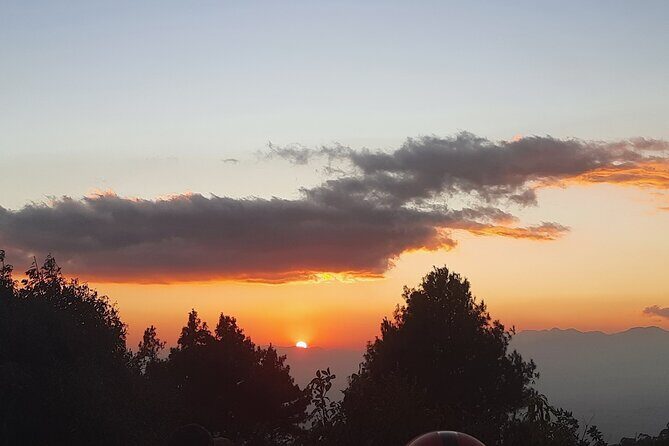
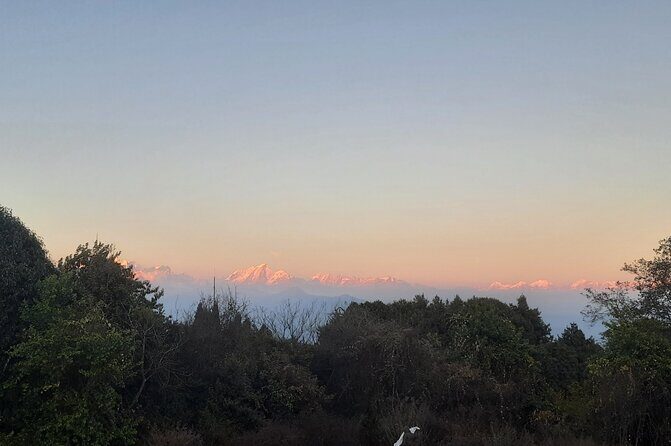
Nagarkot viewpoint and sunrise: chasing eight ranges (and Everest, if you’re lucky)
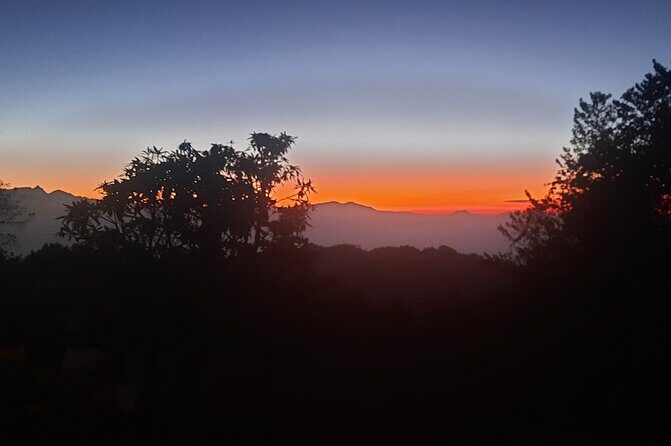
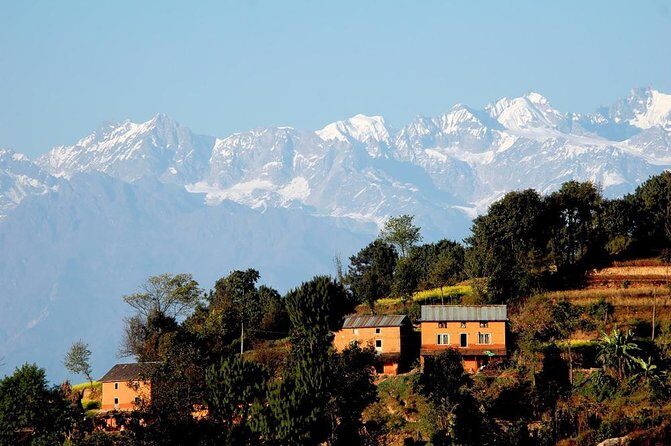
Nagarkot is one of the closest hill options from Kathmandu, roughly 36 km east. You’ll reach a Nagarkot view tower, and entry there is free, which is a nice cost-saving detail when you’re already paying for a premium morning.
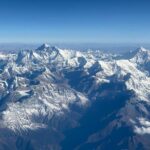
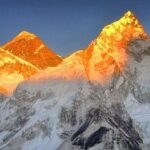
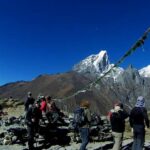
From the tower area, the goal is sunrise over the snow-capped peaks. The tour description promises views of eight Himalayan ranges, with Mt. Everest on clear days. In plain terms: you’re paying for a chance. If the morning is clear, this can be the most memorable thing you do in the Kathmandu valley.
If you get clouds, don’t panic. The view can still be beautiful, just less specific. Multiple guides on similar tours are able to adjust their explanations based on what’s actually visible. So even when Everest is hidden, you can still learn something—like how the peaks line up and why certain silhouettes show up more clearly at different angles.
What I like here is the effort-to-reward ratio. You’re not hiking for hours to “maybe” see something. It’s early, but the viewing itself is manageable.
Stop at Dattatreya Temple Square: older details before the big UNESCO moment
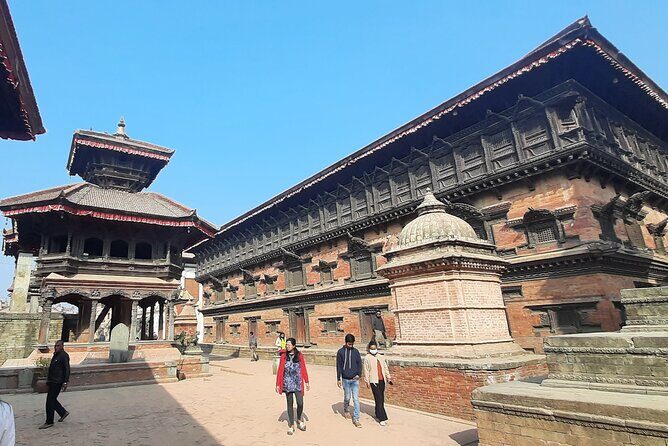
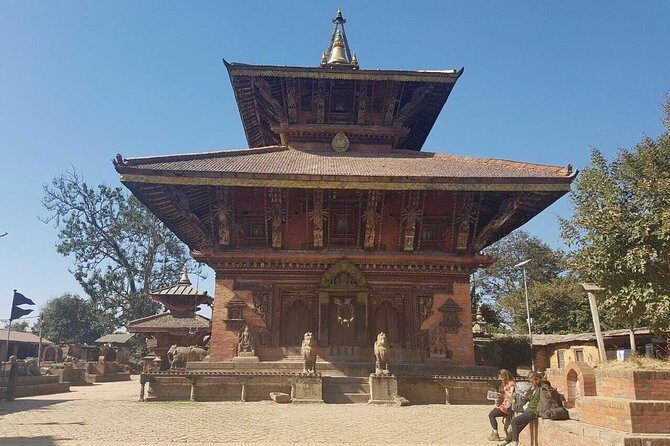
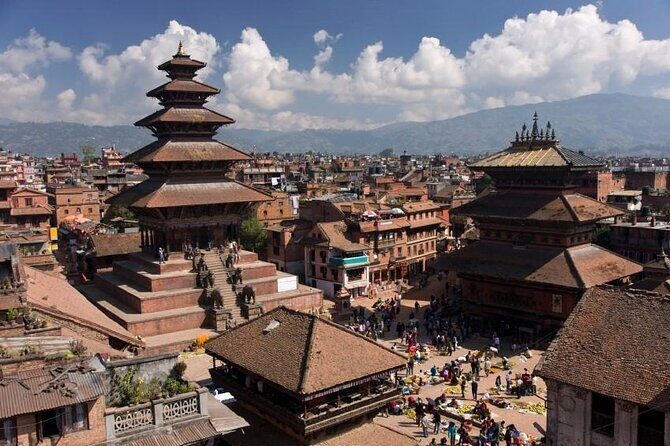
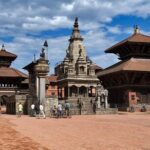
Before Bhaktapur’s main sites, you’ll visit the Dattatreya Temple area, including Pujari Math (the priest’s house) and the Peacock Window linked to a 15th-century feature. You’ll also see the Bhimsen Temple around Dattatreya Square.
This stop is short, but it’s useful. Bhaktapur can feel like a sea of temples if you jump in cold. Starting here helps you understand what you’re looking at when you later walk through the Durbar Square complex. It also gives you a sense of how old the religious architecture is—way older than many visitors expect for a “quick day trip.”
One practical note: admission is listed as not included for this stop. So if you want to avoid surprises, carry some cash in Nepalese rupees.
Bhaktapur Durbar Square UNESCO: seeing what’s left, and what’s still powerful
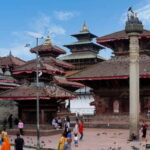
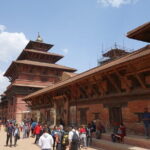
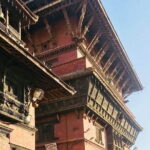
Next comes Bhaktapur Durbar Square, the UNESCO site that people travel for. This is the heart of the old city, with temples and courtyards that feel like they were designed for walking slowly and noticing carvings.
Durbar Square is described as a huge area, and that matches what you’ll feel on the ground. Even with a vehicle waiting outside for transfers, you should expect walking between clusters of monuments. This isn’t a sit-and-watch museum stop.
A key reality you should know: Nepal’s 2015 earthquake affected parts of Bhaktapur’s monumental buildings. Some structures may be damaged or not fully visible, which can change what you thought you’d see. Still, the site remains compelling because so many elements survived, and the overall feel of the historic complex stays intact.
Also, your guide can help you connect what you’re seeing to local religious and cultural meaning. On this tour, your guide is the difference between looking at temples and understanding why they’re arranged the way they are.
You can also read our reviews of more historical tours in Kathmandu
Nyatapola Temple and Bhairab Temple: fast, tall, and unmistakable
After Durbar Square, you’ll visit Nyatapola Temple, known as the tallest pagoda-style temple in Nepal. It was built in the 17th century by King Bhupatendra Malla. Nearby, you’ll also see the Bhairab Temple.
This is a good “energy checkpoint” in the day. The walk is short, and the structures are so visually strong that you don’t need to be an architecture nerd to get something out of it. The height and stacked form make it easier to understand temple design without a long lecture.
Admission for this stop is listed as not included, and the tour time you’ll spend is around 20 minutes, so it’s a quick hit rather than a deep museum-style experience. If you like compact cultural stops, you’ll probably feel satisfied here.
Pottery Square: watching craft happen in real time
You’ll also stop at Pottery Square in Bhaktapur to see how pottery items are made. The time there is short—about 20 minutes—but the value is in watching the process rather than just buying a souvenir.
Pottery in Bhaktapur is more than an artifact shop. It’s working craft, and seeing people shape clay gives you a different kind of appreciation for why these streets and squares matter. Even if you don’t plan to buy anything, you’ll get a sense of the city’s rhythms.
Entry for this stop is listed as free, which helps with value. If you want a quick way to connect “UNESCO” to daily life, this is one of the best ways to do it in a short schedule.
Thangka painting school: culture you can see up close
A major part of this tour is a visit to a Thangka painting school in Bhaktapur. You’ll also see this described as part of the day’s included activities.
Why this matters: Thangka art is not random decoration. It’s tied to religious storytelling and visual symbolism. Seeing it in a teaching environment makes it feel less like a performance and more like work—skills being practiced, explained, and passed down.
Because the tour is private, you’re more likely to ask questions without feeling rushed. That’s especially helpful if you care about technique, materials, or how artists learn styles.
This stop is also an easy contrast to the sunrise. After a cold morning watching light hit peaks, it feels great to warm up with close-up human creativity.
Price and what you should budget (real talk)
The tour price is $50 per person, and it’s private, which matters. Private tours in Nepal can get pricey fast, so this is positioned as a value-friendly option compared with many “name-your-fee” day trips.
What’s included:
- Transportation for the itinerary
- A professional tour guide
- Thangka painting school
- Bottled water (one bottle per person)
What’s not included:
- Meals
- Tips for your guide and driver
- Entrance fees, especially Bhaktapur Durbar Square (listed at NPR 2000, or USD 15 per person)
So the real cost depends on what you eat plus the monument entry fee you’ll pay on the day. The good news is that the biggest listed paid entrance is clearly stated. You won’t wonder later why the final number jumped.
My practical advice: bring cash for entrances. Nepal’s small-ticket payments are usually easiest with local currency.
Also, this tour is scheduled for about 5–6 hours. That’s a sweet spot: long enough to be meaningful, short enough that you’re not sacrificing your entire day in Kathmandu.
Guide quality: why Prakash’s role shows up in the reviews
One theme that comes through strongly is the guide experience. Multiple groups praised their guide for being professional, friendly, and able to identify peaks—especially helping connect what they were seeing on the sunrise side to the broader mountain view.
I like that this tour doesn’t just give you a map and send you off. The guide is part of the value, especially at Nagarkot, where you’re often looking at a distance and the names can help you make sense of what’s in front of you.
Language is usually solid, but no tour is perfect. One comment highlighted that communication can feel harder depending on your guide’s English level. If you’re a detail-oriented traveler, this is the kind of tour where a good back-and-forth question can make a big difference—so don’t be shy about asking for repeat explanations.
Timing, walking, and how tiring it might feel
This is not an all-sitting tour. Bhaktapur’s monuments cover a big area, and car access can be limited inside certain zones. Expect walking between stops, plus temple time that can add up if you’re not feeling it that morning.
That said, for many visitors the pacing feels manageable: a short sunrise viewing window, then relatively quick cultural stops. One review described the sunrise hike/viewing part as easy and not overly tiring, and the group returned before late morning—enough time to eat and rest.
So your comfort depends on your walking tolerance and how you handle temple-heavy sightseeing. If you love churches, ruins, and carved stone, you’ll likely enjoy the rhythm. If you get temple fatigue fast, plan to treat this as a highlights tour rather than a deep exploration.
Who should book this tour (and who should pass)
This tour is best for you if:
- You want one early morning for maximum Himalayan chance.
- You care about both scenery and culture without spending all day in transit.
- You like the idea of a guide who can add meaning to what you see.
It may be less ideal if:
- Your top priority is “guaranteed Everest views.” Weather is the boss here.
- You hate early starts. Pickup is around 4:20 am.
- You want a relaxed sightseeing day with minimal walking. Bhaktapur takes some foot time.
If you’re traveling as a couple, with friends, or with a small group who wants a private format, this feels especially well-matched. It also works nicely as a first Kathmandu outing: you get an iconic mountain moment, then you get a clear sense of Nepal’s heritage in Bhaktapur.
Should you book Nagarkot Sunrise & Bhaktapur UNESCO?
Yes, I think it’s worth booking if you’re going into it with the right mindset. Go for the chance at clear Himalayan silhouettes, and be ready to learn even when clouds soften the view. The value holds up because your guide, transport, and Thangka school visit are included, and you return to the hotel with time left in the morning.
I’d especially recommend it to travelers who want a guide-led day where you’re not just taking photos—you’re understanding what you’re seeing. If your schedule can handle an early pickup and you’re okay paying the Bhaktapur entrance fee on the day, this is a strong, practical way to experience two of the region’s most famous highlights in one go.
FAQ
What time does the Nagarkot pickup happen?
You’re picked up from your hotel in Kathmandu at around 4:20 am for the drive to Nagarkot.
How long is the whole tour?
The tour runs about 5 to 6 hours.
Is this tour private?
Yes. It’s a private tour, so only your group participates.
What’s included in the price?
Transportation, a professional guide, bottled water (one bottle per person), and a Thangka painting school visit are included.
What entrance fees do I need to pay separately?
Bhaktapur Durbar Square entrance fee is not included and is listed as NPR 2000 or USD 15 per person. Other listed temple admissions may also not be included.
Are meals included?
No. Foods are not included, so you’ll need to pay for meals separately.
Can I still enjoy the tour if I can’t see Mt. Everest?
Yes. The tour focuses on sunrise and major Bhaktapur sites, so even if Everest is hidden by clouds, the day can still be worthwhile.
Is there bottled water during the tour?
Yes. You’ll be provided bottled water, with one bottle per person.