Early yoga sets the tone. This 3-day Ayurveda retreat in Kathmandu pairs morning movement with 24 treatments in a calm hill setting. You’ll do yoga, sensorial cleansing, and hands-on therapies guided by doctors, plus three meals and private-group attention during the stay.
I like two things most: the meditative hillside location and the sheer variety of treatment styles. In practice, that means you’re not stuck with only one type of bodywork; you move through eye and nose routines (including Neti Karma and eye exercises), full-body therapies, and more targeted sessions.
One drawback to flag up front: the early start and long treatment blocks can feel intense. If you’re not a morning person or you prefer a slow, casual pace, plan to adjust your expectations.
In This Review
- Key highlights before you go
- Kathmandu’s quiet advantage: why this location changes the feel
- The 3-day rhythm: yoga, cleansing, and multiple treatment blocks
- Day 1: yoga wake-up and sensorial cleansing
- Day 2: breakfast, spinal programs, and whole-body ubatan abhyanga
- Day 3: Siro Dhara, head abhyanga, and an herbal tub bath
- Doctors and guidance: why this isn’t only spa time
- Treatments that feel different: what those therapy names mean in real life
- Food and recovery: three wholesome meals that keep you consistent
- Comfort, accommodations, and how private-group matters
- Price and value: what $970 really covers
- Who this retreat fits best (and who should think twice)
- Should you book the 3-Day Ayurveda Wellness Retreat in Kathmandu?
- FAQ
- How long is the 3-day Ayurveda wellness retreat?
- Where does the retreat start, and where does it end?
- What time is the center open for the experience?
- Are meals included?
- Is pick-up available in Kathmandu?
- Is the tour private, and what’s the cancellation policy?
Key highlights before you go
- Hilltop calm above Kathmandu helps the whole routine feel more intentional than a clinic visit.
- 24 therapies over 3 days means repeated attention, not just a single “try it once” session.
- Yoga every morning at 6:30 AM sets a consistent rhythm and matches the rest of the day.
- Whole-body and targeted treatments include ubatan abhyanga, spinal programs, head work, and Siro Dhara.
- Neti Karma and eye exercises add sensory practices beyond massages.
- Private group setup keeps your experience focused on your people, not a public flow.
Kathmandu’s quiet advantage: why this location changes the feel
Kathmandu can be loud, busy, and chaotic in a hurry. What makes this retreat easier to enjoy is that it’s set at Ayurveda Health Home near the Nagarjun Center area (Tarakeshwor-3). The meeting point is easy to reach, and you’re also described as being near public transportation—useful if you decide to add a day of sightseeing before or after.
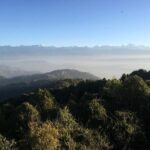
But the bigger win is the tone. The setting is described as beautiful and meditative, with hills above the city. That matters because Ayurveda routines work best when you’re not constantly switching gears. When your mornings start in a quiet, scenic space, the treatments feel less like an appointment and more like a process.
There’s also complimentary pick-up within Kathmandu. That’s one less thing to manage, especially if you’re arriving tired or jet-lagged. You can focus on being calm and present instead of navigating traffic.
You can also read our reviews of more tours and experiences in Kathmandu

The 3-day rhythm: yoga, cleansing, and multiple treatment blocks
This retreat runs about 3 days, and it’s structured around daily early sessions plus long stretches of therapies. Each morning starts with Yoga around 6:30 AM, followed later by breakfast (on days two and three) and treatment blocks that run into the middle of the day.
What you should expect from the structure:
- A morning that gets your body moving and your attention centered.
- A later block focused on cleansing or targeted therapy.
- A lunch break that gives you a real pause, not a quick snack.
- Another afternoon of therapies or planning time (depending on the day).
The program emphasizes energy, senses, emotions, and mind—not only body comfort. You’ll see this in the therapy choices: practices aimed at the senses (like Neti Karma), therapies focused on the head and eyes, and full-body work such as ubatan abhyanga.
Also note that the experience is described as private: only your group participates. That doesn’t mean the retreat is silent, but it does mean less waiting in shared chaos, which can help if you’re sensitive to crowds.
Day 1: yoga wake-up and sensorial cleansing
Day one starts with Yoga from about 6:30 AM to 7:30 AM. The point of this first session is simple: you’re priming your nervous system for what comes next. Yoga in the morning tends to make later sessions feel more manageable because your body isn’t starting cold or stiff.
Next comes a major block of therapies from around 8:30 AM to 12:30 PM. This is where the retreat shifts from movement into deeper “sensory + stimulation” style work—aimed at care for energy, senses, emotions, and mind. Even if you’ve never done Ayurvedic cleansing before, the clinic-style structure keeps things understandable. You’re given sessions across multiple dimensions rather than only focusing on one body area.
Then there’s lunch and relaxation from about 1:00 PM to 2:00 PM. That break is important. After a longer morning block, you want time to settle. It’s a good sign that the schedule doesn’t try to cram more immediately after.
One practical tip: if you’re sensitive to strong sensory practices (or you’re new to cleansing routines), ask staff how the therapies feel and what to expect. You’re allowed to take your time and adjust.
Day 2: breakfast, spinal programs, and whole-body ubatan abhyanga
Day two keeps the pattern: Yoga again from about 6:30 AM to 7:30 AM. That repeat matters. Your body learns the rhythm, and your mind stops wondering what’s coming next.
Then you get breakfast from about 8:00 AM to 9:00 AM. For a retreat like this, a real breakfast helps because the next therapy block is longer and more hands-on.
From roughly 9:30 AM to 1:30 PM, you’ll move into therapies such as:
- Spinal programs (aimed at the back/structure focus)
- Whole Body Ubatan Abhyanga (a full-body application style therapy)
Ubatan abhyanga is a key phrase here because it signals more than a light rub. These are typically the “work-the-skin and muscles” sessions that many people remember most. The full-body format also fits the retreat’s theme: you’re not only soothing one spot; you’re supporting overall balance.
After that, lunch and another recovery window from about 2:00 PM to 3:00 PM gives you time to digest the effects and reset.
What to watch for: because day two leans into longer bodywork, you might feel tired even if you feel good afterward. I’d plan your personal schedule for the rest of the day after the retreat to stay gentle.
Day 3: Siro Dhara, head abhyanga, and an herbal tub bath
Day three begins with one more morning Yoga session around 6:30 AM to 7:30 AM, followed by breakfast from about 8:00 AM to 9:00 AM. Ending strong like this matters because your body often needs fewer surprises on the last day.
Then the final treatment block runs from about 9:30 AM to 12:30 PM. This is where the most signature head-focused therapies show up, including:
- Siro Dhara
- Relaxation Head Abhyanga
- Herbal Tub Bath
These are the sessions that tend to make people feel the “Ayurveda” part most clearly. Siro Dhara is often associated with deep head-focused calming, and head abhyanga is a slower, more soothing form of attention. The herbal tub bath then closes the loop by letting your body settle completely.
Finally, there’s a closing lunch break around 12:30 PM to 1:30 PM. That’s your decompression window. If you’re heading out afterward, keep it easy—your body is still processing the last hands-on work.


Doctors and guidance: why this isn’t only spa time
A retreat earns trust when it’s more than massage-by-appointment. Here, expert doctors guide your journey toward self-understanding and tranquility.
You don’t need to treat this like a medical appointment, but you should treat it like something that cares about your personal context. If you have specific concerns—sleep issues, stress, digestion, discomfort in certain areas—bringing that up early can help staff tailor how you experience the therapies.
Also, the program includes more than just physical comfort. Practices like Neti Karma and eye exercises point to a mind-body-senses approach, not a purely relaxation model.
One thing I appreciate in a setup like this: your schedule is built so that you don’t jump around trying to figure out what to do next. The doctors and therapists handle the sequence, and you just need to show up, rest, and communicate honestly.
Treatments that feel different: what those therapy names mean in real life
Even if you’ve never seen Ayurvedic therapy menus before, the labels here are helpful. Here’s how they translate into a typical experience style:
- Neti Karma: a sensory cleansing practice related to the nose area. Expect attention and instruction, not guesswork.
- Eye exercises: targeted routines for the visual system and surrounding areas—often designed to reduce strain and encourage relaxation.
- Whole Body Ubatan Abhyanga: a full-body bodywork therapy with an application component, likely more structured and thorough than a standard massage.
- Spinal programs: back/structure work that can leave your posture feeling more aligned and your body calmer.
- Siro Dhara: a head-focused calming treatment that’s usually among the most memorable parts of an Ayurveda retreat.
- Relaxation Head Abhyanga: head-specific soothing massage work.
- Herbal Tub Bath: a final “let your body fully land” step after the more hands-on sessions.
A nice detail: the program promises 24 rejuvenating treatments across the days. Even if every person’s exact mix can vary, the structure suggests you’ll get enough repetition to feel the overall arc.
Food and recovery: three wholesome meals that keep you consistent
You’ll receive three wholesome meals during the retreat. Food in programs like this often aims to support digestion and calm rather than “wow” you with fancy menus. And simple can be good, especially when you’re doing multiple therapies and cleansing practices.
In earlier feedback about this center, the food is described as simple but delicious. That lines up with what you want during a short wellness stay: predictable meals that don’t create extra stress on your body.
For your own comfort, treat meals as part of the schedule. Eat what’s offered, drink water when it’s available, and avoid trying to “fix” your diet on the fly. Your body is working on a full routine, not just one session.
Comfort, accommodations, and how private-group matters
The retreat includes luxurious accommodations. The specifics aren’t spelled out here, so I won’t pretend I know the exact room style. Still, it’s clearly part of the package, meaning you’re not scrambling to find a hotel while also doing daily early sessions.
Because it’s described as a private tour/activity, only your group participates. That can make a noticeable difference in the flow: fewer interruptions, less waiting, and more focused attention as you move from yoga to therapies.
Also, you’ll get a mobile ticket. That usually means less paper hassle, and it tends to make check-in smoother.
Price and value: what $970 really covers
At $970 for about 3 days, you’re paying for a full package: yoga, three meals, accommodations, complimentary pick-up within Kathmandu, and a high treatment count (24 rejuvenating therapies). You’re also paying for doctor-led guidance, which is often the part that separates a wellness “experience” from a true program.
Where this price starts to feel reasonable is the density of care. Many short retreats either:
- include just a couple of treatments, or
- focus on relaxation and leave you with fewer structured therapies.
Here, the schedule is built around multiple therapy blocks each day, including signature treatments like Siro Dhara and a herbal tub bath, plus cleansing and sensory practices. If you like the idea of a structured reset—early mornings, consistent meals, and repeated hands-on support—this cost-to-content ratio can work well.
If you only want one or two therapies, this might feel like more than you need. But if your goal is a true Ayurvedic week-lite experience, the package matches that intent.
Who this retreat fits best (and who should think twice)
This retreat notes that most people can participate. That’s a good sign. Still, there are two practical fit checks:
You’ll likely enjoy it if you:
- Like clear schedules and guided routines
- Want a mix of yoga and hands-on therapies
- Are curious about sensory and cleansing practices (like Neti Karma)
- Prefer a quieter, more meditative setting outside the busiest city noise
You might want to pause before booking if you:
- Struggle with early starts (mornings are 6:30 AM)
- Don’t like long treatment blocks without much downtime
- Want a lighter, more flexible wellness day
The program includes relaxation windows, especially around lunch. But overall, it’s still a “do the work” retreat, not a casual spa weekend.
Should you book the 3-Day Ayurveda Wellness Retreat in Kathmandu?
I’d book this if your main goal is a structured Ayurvedic reset in a calm setting above the city. The combination of morning yoga, doctor-led guidance, a high treatment count, and sensory-focused therapies makes it feel more intentional than a one-off massage plan.
I’d think twice if early mornings and long sessions feel like stress. In that case, you might still enjoy it, but you’ll need to go in with a mindset shift: this is meant to be a routine you follow, not a schedule you bypass.
If you’re deciding, here’s my quick decision rule: if you want a guided 3-day program that touches body, senses, and mind with real treatment variety, this one fits. If you only want light relaxation, look for something less intensive.
FAQ
How long is the 3-day Ayurveda wellness retreat?
It’s approximately 3 days.
Where does the retreat start, and where does it end?
It starts at Ayurveda Health Home – Nagarjun Center Tarakeshwor-3, Kathmandu 44600, Nepal, and it ends back at the same meeting point.
What time is the center open for the experience?
The opening hours shown are Monday through Sunday from 9:00 AM to 4:30 PM.
Are meals included?
Yes. You’ll have three wholesome meals during the retreat.
Is pick-up available in Kathmandu?
Yes. Complimentary pick-up within Kathmandu is included.
Is the tour private, and what’s the cancellation policy?
It’s a private tour/activity, meaning only your group participates. Free cancellation is available up to 24 hours in advance for a full refund.