REVIEW · KATHMANDU
From Kathmandu/Pokhara: 3-Day All-Inclusive Chitwan Safari
Book on GetYourGuide →Operated by Peregrine Treks and Expedition P Ltd · Bookable on GetYourGuide
Rhinos and Tharu dance in one tight package. This 3-day, all-inclusive Chitwan jungle safari blends wildlife time with local culture in Sauraha, the usual launch point for Chitwan National Park.
I really like two things right away: the small group size (up to 10) and the way the program is built around smart, guided wildlife watching. Names you may hear often—like guide Laxman (sometimes spelled slightly differently) and also Som—show up in people’s experiences as the type who pays attention and keeps the day moving.
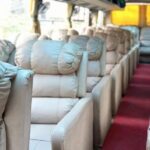
One heads-up: the long road transfer can be rough. The bus ride is reported as bumpy with variable road conditions, and you may even find charging options limited on the bus (so plan to keep your phone battery topped up).
Key highlights worth your attention
- 4-hour jeep safari in Chitwan National Park for your best chance at rhinos and other big animals
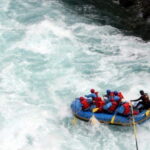
- Rapti River canoe ride for birds, crocodiles, and that slow, watch-and-wait feeling
- Tharu Cultural Dance Show plus time in a Tharu village setting
- Elephant breeding center visit with conservation learning (and something to think about for animal-welfare sensitivity)
- All-in pricing: park fees, entry fees, guide, hotel (2 nights), and key meals are included
In This Review
- The long bus ride to Sauraha (and why it’s part of the deal)
- What I’d do to make the bus less painful
- Day 1: Tharu culture in Sauraha, then the dance show
- Night vibes in the hotel area
- Day 2 morning: Rapti River canoe ride (go quiet and scan)
- How to get more out of the canoe
- Elephant breeding center: conservation learning with an ethics question
- If elephant welfare is a deal-breaker for you
- The 4-hour jeep safari in Chitwan National Park (rhinos are the main target)
- Why the guide makes a huge difference
- Hotel base and meals: more important than you think
- Price and value: what $149 really buys
- My take on value
- Who this Chitwan safari is best for
- Practical tips: what to pack and how to act on safari
- Bring
- Don’t bring or do
- Should you book the 3-day Chitwan safari from Kathmandu or Pokhara?
The long bus ride to Sauraha (and why it’s part of the deal)
Chitwan is not next door to Kathmandu or Pokhara. This trip gets you there by tourist bus, and that is a big part of the experience—whether you like that or not.
From Kathmandu, plan on about 7 hours (often longer with stops). From Pokhara, it’s about 6 hours. Roads can be uneven, and the ride can feel like it never quite settles. The good news: the program is set up so you’re not doing this transport on your own. Your pickup options make it easier too: Thamel, Tourist Bus Park, Lakeside, or Tourist Bus Stop, depending on where you’re starting.
Also think about electronics. One practical detail from people who’ve done this route: there may be no electricity on the bus, so bringing a power bank can save you from a dead phone mid-trip.
What I’d do to make the bus less painful
- Wear layers. Even in warm months, buses can swing temperature fast.
- Bring earplugs if you’re a light sleeper.
- Keep snacks and water in your day bag for the transfer windows.
You can also read our reviews of more tours and experiences in Kathmandu
Day 1: Tharu culture in Sauraha, then the dance show
When you arrive in Sauraha, you’re escorted to your hotel. This is the moment the trip starts to feel real: you’re off the highway pace, and the jungle and village atmosphere take over.
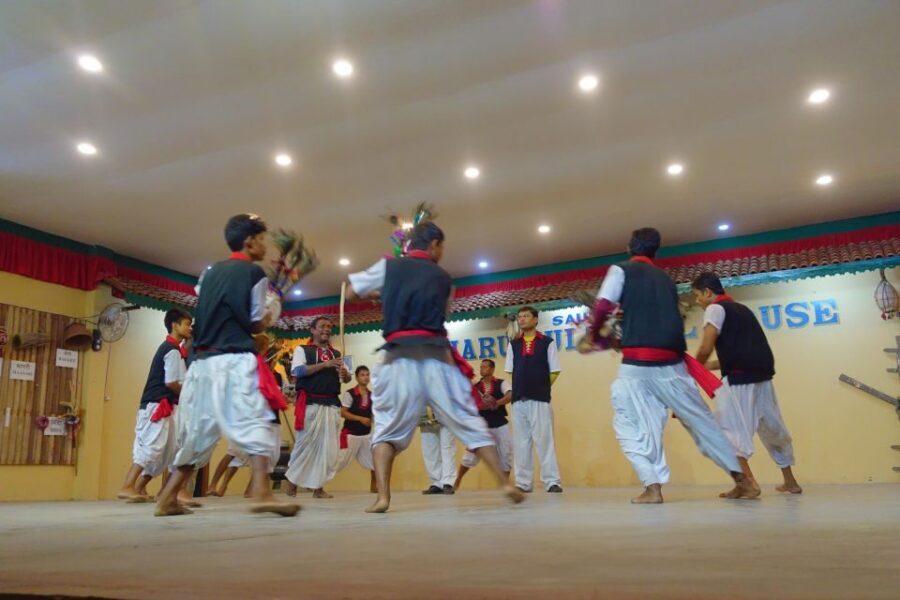
Day 1 centers on Tharu culture. You’ll have lunch and dinner included, and the evening often includes a Tharu Cultural Dance Show. This isn’t a random performance tacked on at the end. It’s the cultural “why” behind the region you’re about to explore. The Tharu communities are closely tied to life around the forest, seasonal rhythms, and local traditions—so watching the dance after your travel day helps the story land.
You’ll also get time that connects culture to place through a traditional village visit. The value here is not just seeing something staged. It’s learning how people live alongside the natural world around Chitwan.
Night vibes in the hotel area
Sauraha is where people base themselves for Chitwan. After a long bus day, the hotel becomes your reset button—quiet space, hot meals, and the chance to sleep before the active wildlife day.
Day 2 morning: Rapti River canoe ride (go quiet and scan)
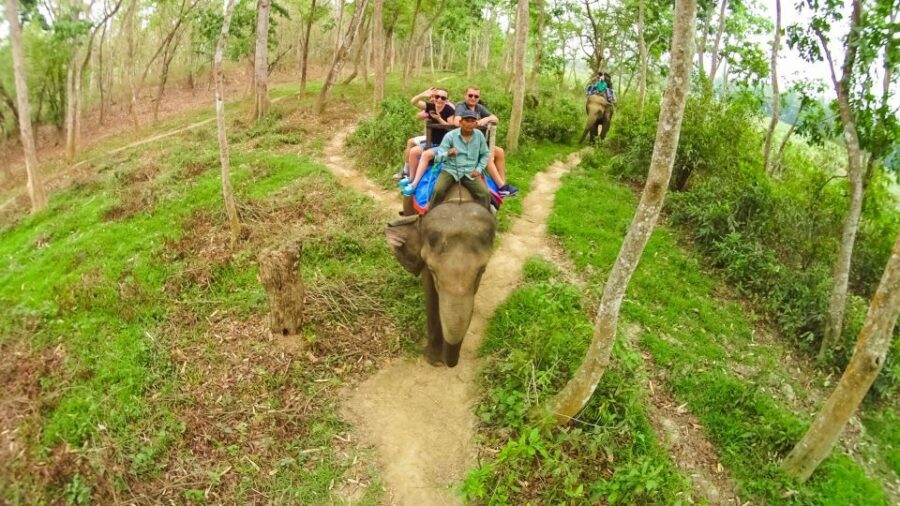
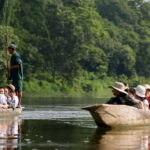
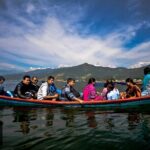
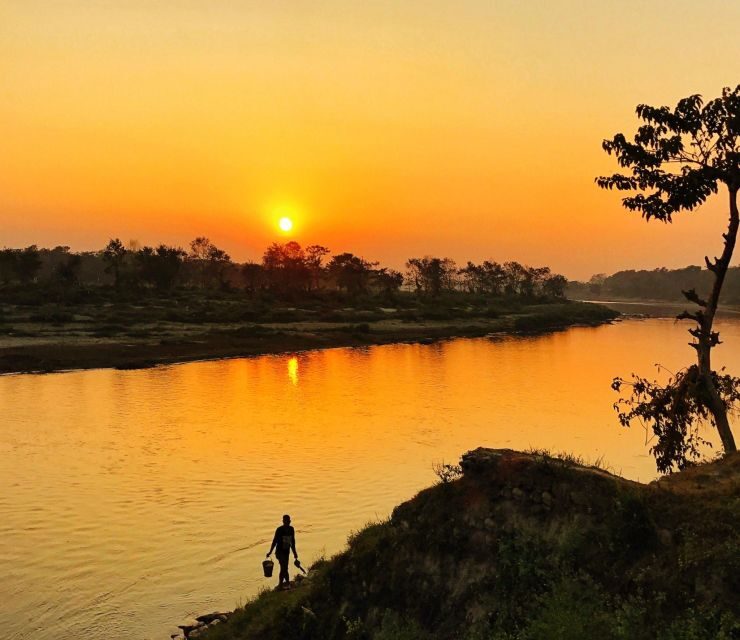
Day 2 is where the trip flips from culture to nature time, and the first big wildlife activity is a canoe ride on the Rapti River.
This is a calmer kind of viewing than the jeep. Canoes move slowly, which means you can actually watch patterns: where birds feed, where crocodiles might surface, and how water edges act like wildlife highways. If you’re the kind of person who likes waiting for the right moment, this is your time.
It’s also a good “warm-up” before jeep safari. By the time the afternoon drive starts, you’ll already have a better sense of what the guide is scanning for and why.
How to get more out of the canoe
- Keep your camera ready, but don’t block other people. Share sightlines.
- Don’t rush the shots. Watch first, then shoot.
- Stay alert for sudden movement along the banks.
You can also read our reviews of more tours and experiences in Kathmandu
Elephant breeding center: conservation learning with an ethics question
After the canoe ride, you’ll visit an elephant breeding center. The program frames this as conservation-related learning, including seeing young elephants.
This stop is interesting for two reasons. First, you get a behind-the-scenes look at how the region approaches elephant care. Second, you’re in a setting where you can ask questions and learn the conservation story from local staff.
That said, animal-welfare matters. One documented participant experience said they were upset by what they saw or were told about elephant handling—specifically claims about chaining, separation, and stick use when elephants didn’t eat. I’m not here to argue the truth of that account. But I am saying you should decide in advance how you feel about visiting any elephant facility where animal care practices are hard to judge at a glance.
If elephant welfare is a deal-breaker for you
Ask your guide what you’re going to see and what the center’s conservation goals are. If the answers don’t satisfy you, you can adjust expectations for this day and focus your energy on the river and park time.
The 4-hour jeep safari in Chitwan National Park (rhinos are the main target)
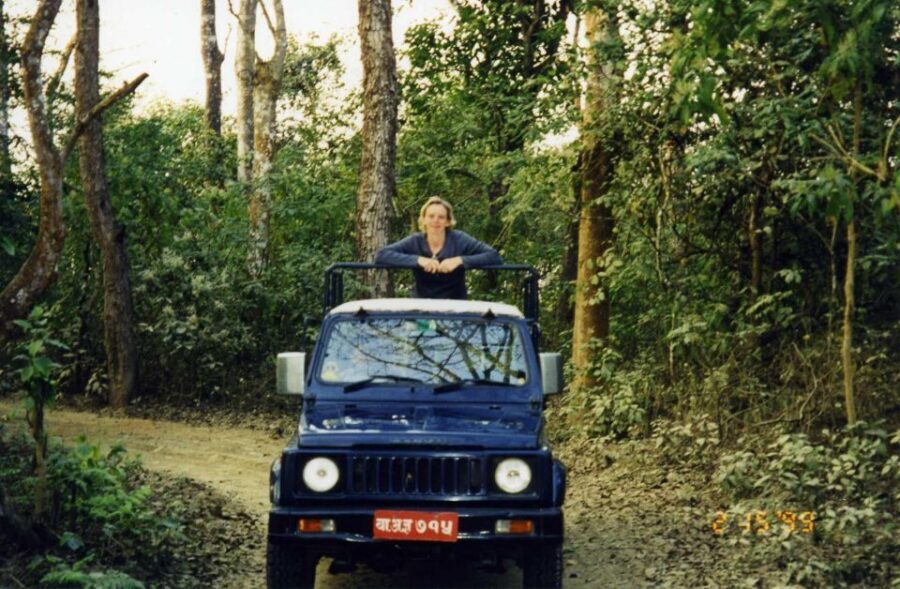
Then comes the big wildlife block: a 4-hour jeep safari in Chitwan National Park.
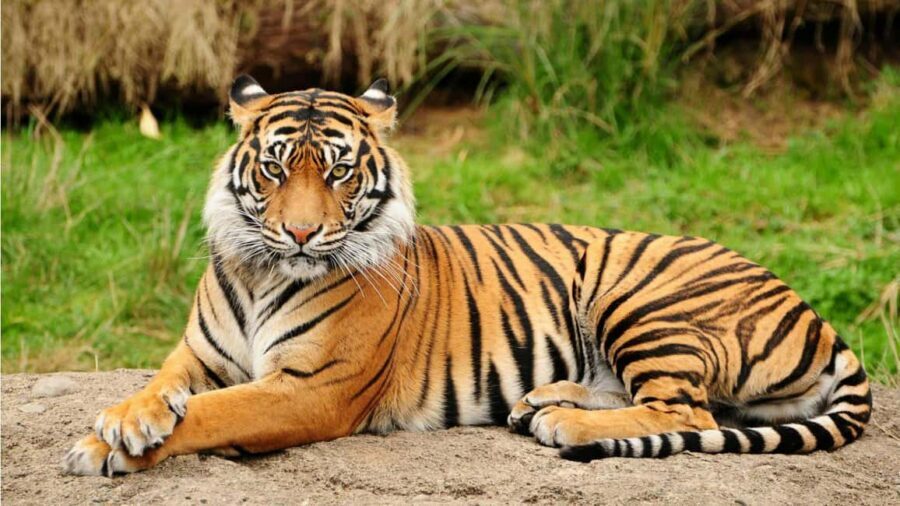
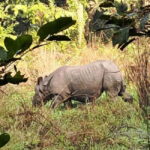
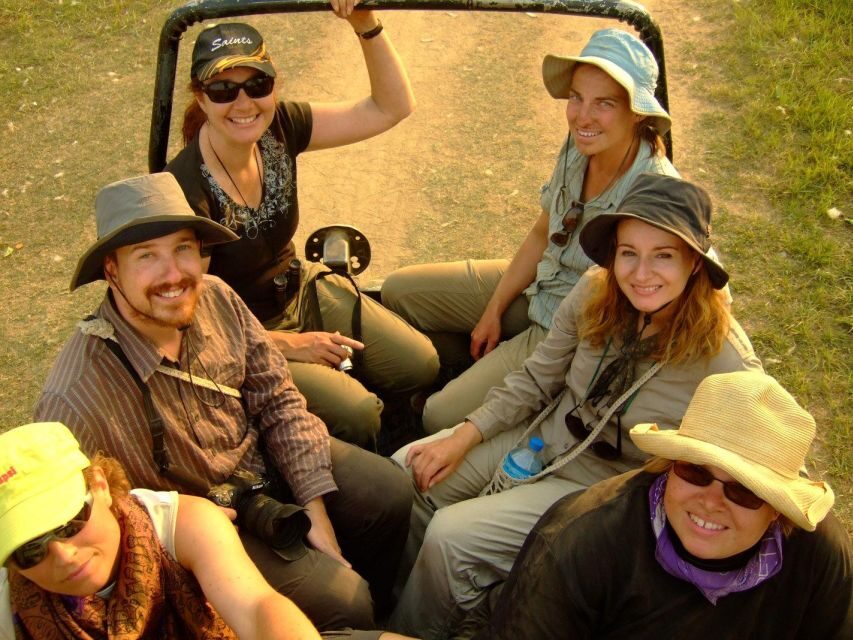
The most consistent draw is rhinos. Multiple accounts describe seeing rhinos more than once during the safari. Beyond that, your chances also include other animals like deer and monkeys, and you might even spot predators if timing and conditions line up.
A key reality check: tiger sightings are never guaranteed. One big factor is season. People have done this during off-season periods and still had excellent animal days—rhinos and crocodiles were reported, while tigers didn’t show up.
So I’d plan your mindset like this: you’re chasing wildlife opportunities, not a checklist.
Why the guide makes a huge difference
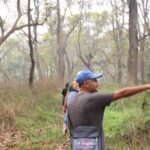
On safari, the person in the front matters. In these experiences, guides such as Laxman are described as sharp at locating wildlife from far away and explaining what you’re seeing. That turns the jeep from random driving into an actual wildlife course—tracks, behavior, bird calls, and why certain animals appear in certain areas.
You’ll get more than photos. You’ll get understanding.
Hotel base and meals: more important than you think
Two nights of accommodation plus 2 breakfasts, 2 lunches, and 2 dinners are included. In a place where your days start early and end late, food and rest aren’t small details—they decide how much energy you have for animal time.
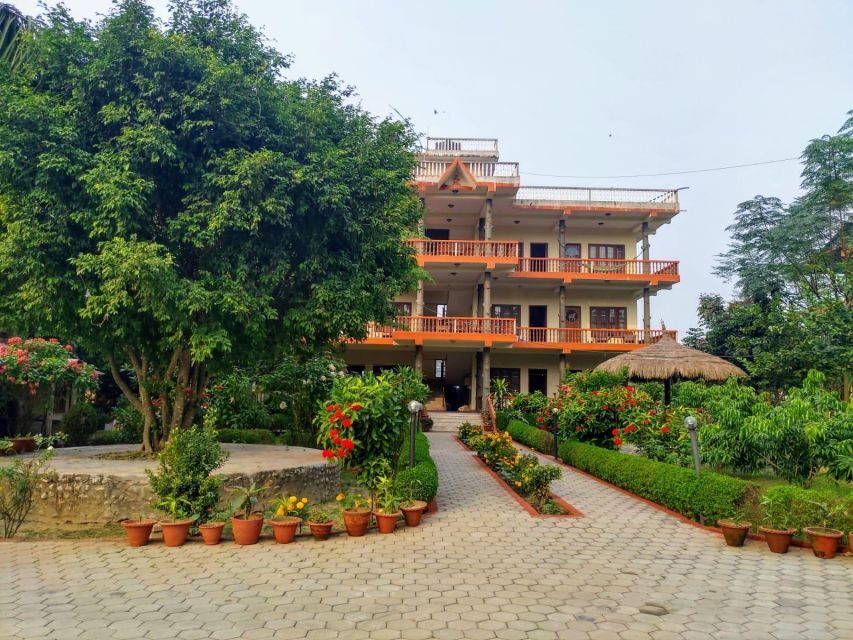
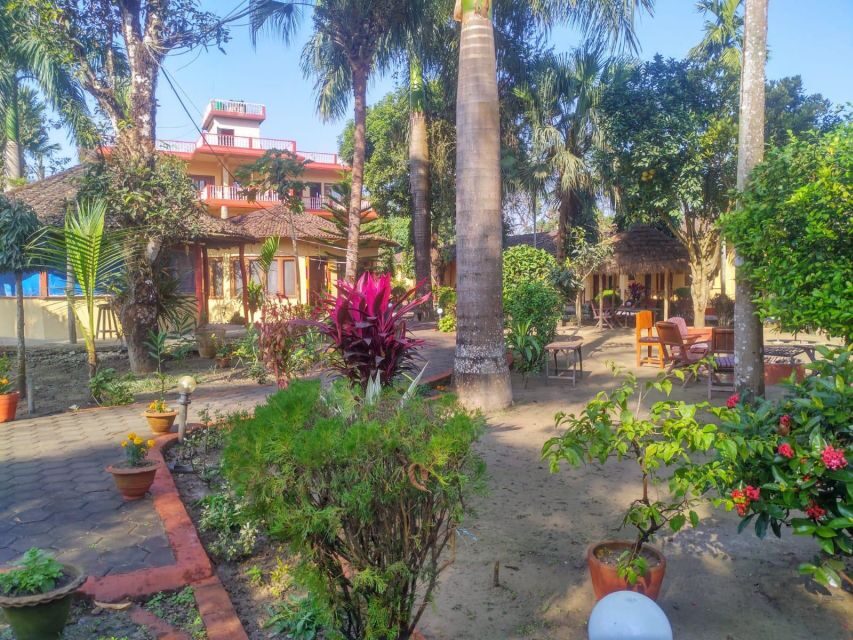
The hotel used in these experiences is commonly Eden Jungle Resort. People describe it as clean and comfortable, with helpful staff. Food is often described as filling and tasty, and some mention that tea/coffee was part of the included setup.
One trade-off showed up for a minority of people: rooms can be basic, and the meal routine can feel repetitive. If you’re the type who needs a more “boutique” room for comfort, you may notice that side of the experience. If you mostly want a functional base near your activities, you’ll likely feel satisfied.
Price and value: what $149 really buys
At $149 per person for 3 days, this is priced like a value-focused package. What makes it feel like a deal isn’t just the park access. It’s the amount that’s bundled:
- Transport from Kathmandu or Pokhara (tourist bus)
- 2 nights hotel accommodation in Sauraha
- A live English guide
- Entry fees and national park fees
- 4-hour jeep safari
- Canoe ride
- Tharu cultural activities, including the dance show
- Meals: 2 breakfasts, 2 lunches, 2 dinners
- Applicable taxes
Personal expenses—like beverages, laundry, and bar bills—are not included. Gratuities for staff also aren’t included, so keep a small budget for that if you want to reward good service.
My take on value
If you were to price out transport, park fees, and a guided safari separately, you’d likely spend more than $149 quickly. This package also saves you from planning friction. You show up, you ride, you follow the schedule, you spend your mental energy on wildlife instead of logistics.
Who this Chitwan safari is best for
This is a good fit if you want:
- A short time commitment with big variety: Tharu culture, river wildlife, and jeep safari
- A guided wildlife experience in Chitwan National Park
- An affordable, structured way to do wildlife without hiring everything separately
- Small-group dynamics (limited to 10 participants)
It’s likely not a good fit if you:
- Need high mobility support. The tour is listed as not suitable for people with mobility impairments.
- Are traveling with very young children. It’s not suitable for kids under 5.
- Are in a very advanced age bracket. It’s listed as not suitable for people over 95.
- Hate long travel days. The Kathmandu/Pokhara bus transfer is the main physical downside.
For solo travelers: at least one solo female traveler reported feeling safe and appreciated the chance to meet other animal lovers. Small-group format can work in your favor here—especially when your guide is active and social.
Practical tips: what to pack and how to act on safari
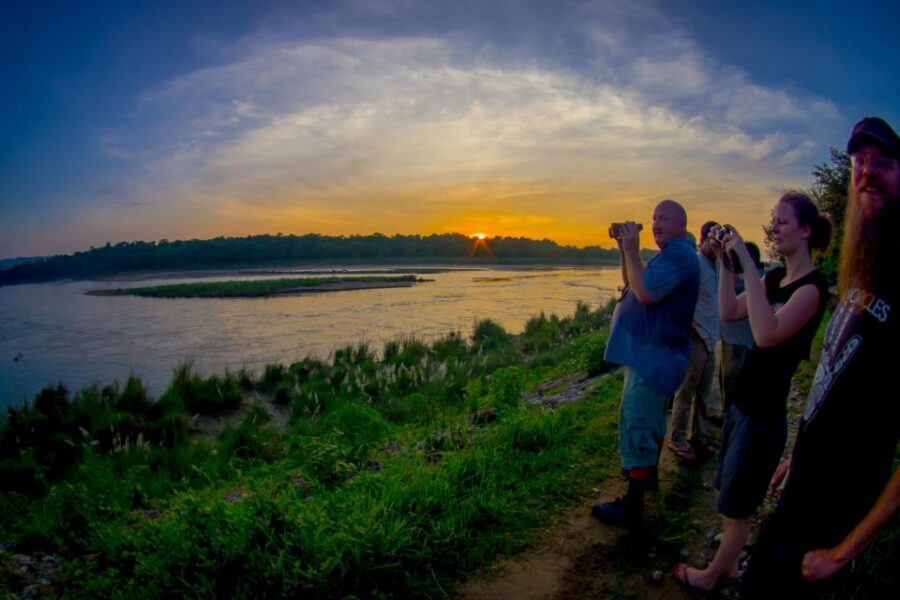
This trip gives you a “what to expect,” but you’ll still enjoy it more with the right basics.
Bring
- A hat
- A camera
- A passport copy (the information says a copy is accepted)
Wear lightweight, breathable clothes in neutral, earthy colors like khaki or green. Use long sleeves and long pants to protect from sun and insects. Closed-toe shoes matter too. You’ll also want to keep a light day bag for water and small essentials during outdoor parts of the program.
Don’t bring or do
The tour rules are strict enough to keep everyone safe and respectful:
- No weapons or sharp objects
- No speakers
- No jewelry (as listed)
- No feeding animals
- No making noise
- No nudity
If you follow those basics, you’ll feel more relaxed and the group will move smoothly.
Should you book the 3-day Chitwan safari from Kathmandu or Pokhara?
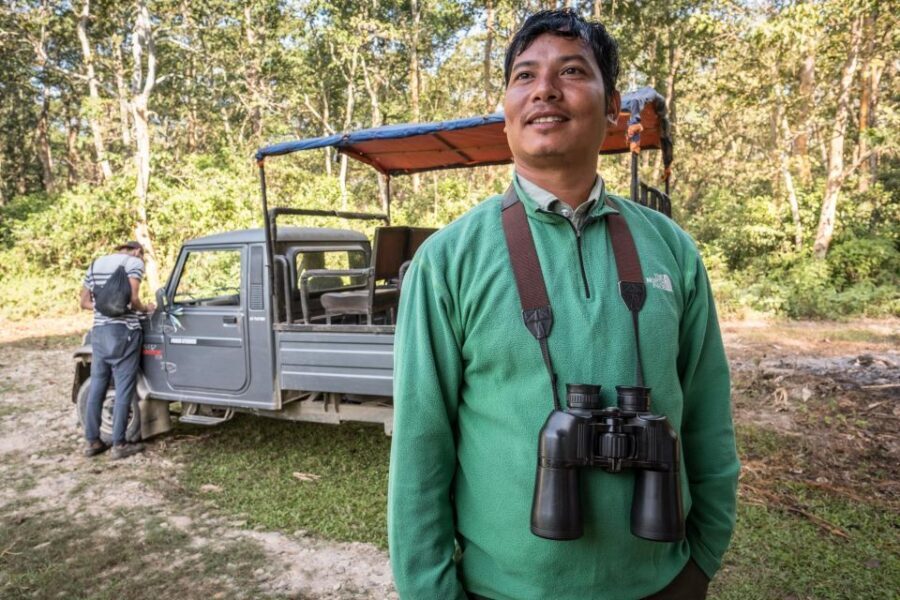
If you’re craving a Nepal wildlife experience that’s guided, affordable, and packed into a short time window, I’d say yes—especially for rhino country and river-and-forest animal watching.
Book this if:
- You’re okay with a long, bumpy bus transfer
- You want a mix of wildlife and Tharu culture
- You like structured days with included meals and park logistics handled for you
- You’re happy to rely on your guide’s scanning skills—people repeatedly single out guides like Laxman and describe them as attentive and alert
Pause and decide carefully if:
- Animal-welfare concerns around the elephant center would really bother you. Ask questions before you commit to that stop, and go in with your own boundaries.
- You need more comfortable accommodation. Some people found rooms basic even when staff and food were strong.
Overall, this is the kind of trip that makes sense when you want real experiences fast: early river watching, a serious chunk of jeep time, and cultural context in the evenings—without having to plan everything yourself.