REVIEW · KATHMANDU
3-Day Chitwan National Park Jungle Safari Tour Package with Pick Up
Book on Viator →Operated by Welcome Nepal Treks P.ltd · Bookable on Viator
Chitwan is where your wildlife expectations get tested fast. This 3-day package from Kathmandu is built around guided safari time plus classic Chitwan nature moments like the Rapti River canoe ride and early bird watching. I really like the pickup-and-return bus setup and how it keeps the logistics simple when you’re juggling long travel days.
I also like that the tour bundles in the stuff that usually adds up fast: two breakfasts, two lunches, two dinners, plus the national park entrance fee. You’re not just driving around; you get a mix of safari and culture, including a Tharu village visit and time at the park visitor area.
One thing to consider: the schedule is early and the bus ride can be long, with enough stops to make motion sickness a real risk for some people. A couple of operational hiccups (like pickup timing and bus behavior) have shown up in feedback, so I suggest you plan to stay flexible if your route has extra stops.
In This Review
- Key Takeaways Before You Go
- A 3-Day Chitwan Safari Built Around Real-Time Wildlife
- Kathmandu to Chitwan Transfers: How the Bus Part Works
- Day 1 in Chitwan: Tharu Village Life and the Visitor Centre
- Day 2: Rapti River Canoe Ride and Early Bird Watching
- Day 2 and the Jeep Safari Time: Rhino Chances and Tiger Odds
- Day 3: Morning Birding, Then the Long Return to Kathmandu
- Where You Stay Near Chitwan: Three-Star Comfort, Not Luxury
- Meals Included: Real Value for a Wildlife Weekend
- Price and Logistics: Is $180 Good Value?
- Who This Tour Suits Best (and Who Might Prefer a Different Plan)
- The Human Side: Welcome Nepal Treks and Your On-Ground Contact
- Quick FAQ
- FAQ
- Where does the tour pick you up or connect you to transport?
- What safari activities are included?
- How many meals are included in the cost?
- How long is the trip and how many nights do you stay near Chitwan?
- Is the national park entrance fee included?
- What’s not included in the price?
- What is the group size limit?
- Can you cancel and still get a full refund?
- Should You Book This Chitwan Jungle Safari Tour?
Key Takeaways Before You Go
- Smart value bundle: park fee, meals, and transfers are included, not tacked on later
- Rapti River canoe ride: a very different view of crocodiles and birds than a jeep route
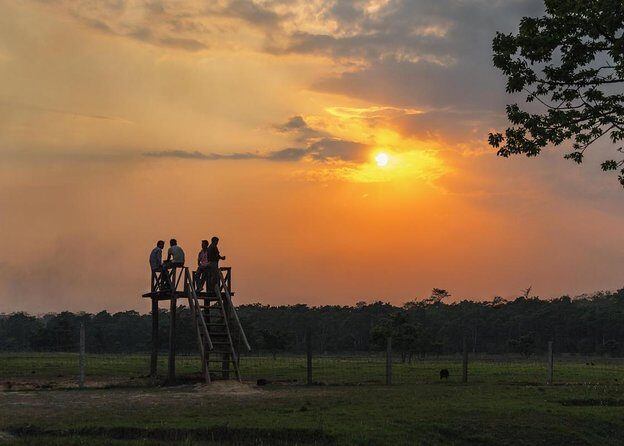
- Tharu culture in the mix: village tour plus a visitor-centre stop, not just wildlife chasing
- Small group size: maximum 25 travelers helps keep the experience from feeling chaotic
- Early start routines: wake-ups are around 6:00 AM to catch the best light for animals
A 3-Day Chitwan Safari Built Around Real-Time Wildlife
This tour is aimed at one simple goal: getting you into Chitwan National Park with a guide-led plan that covers both wildlife and local culture. Over three days, you’ll do enough different activities that you’re not stuck repeating the same thing in a loop.
The heart of Chitwan is timing. Animals tend to be more active in the morning hours, and the tour’s rhythm matches that. You’ll wake early, do your nature activity first, then move into safari and cultural stops during the rest of the day.
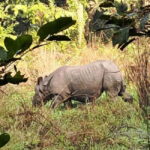
If you’re hoping to spot big names, this trip hits the most talked-about species targets. The tour notes specifically mention one-horned rhinoceros and the possibility of Royal Bengal tigers—with the honest vibe that tiger sightings are never guaranteed.
You can also read our reviews of more tours and experiences in Kathmandu
Kathmandu to Chitwan Transfers: How the Bus Part Works
You start the experience in Kathmandu, and then the tour handles the main legs by tourist bus for the round trip. That matters because the hardest part of an international-style wildlife trip is often not the park—it’s getting there and getting back without wasting a day.
The plan also includes pickup help. On arrival, staff receive you at Sauraha Bus Park/Tadi or Bharatpur Airport, then transfer you to your resort. That’s the kind of detail that reduces stress if you’re arriving on a schedule that doesn’t match public transport perfectly.
The drawback is simple: it’s still a bus, and buses can be rough. One feedback point mentioned motion sickness and a long ride, with extra stops along the way. If you’re sensitive to travel motion, bring what you need (and plan to sit somewhere that feels stable).
Tip: if you’re the type who gets carsick, treat this as a “prepare in advance” day, not a “see how it goes” day.
Day 1 in Chitwan: Tharu Village Life and the Visitor Centre
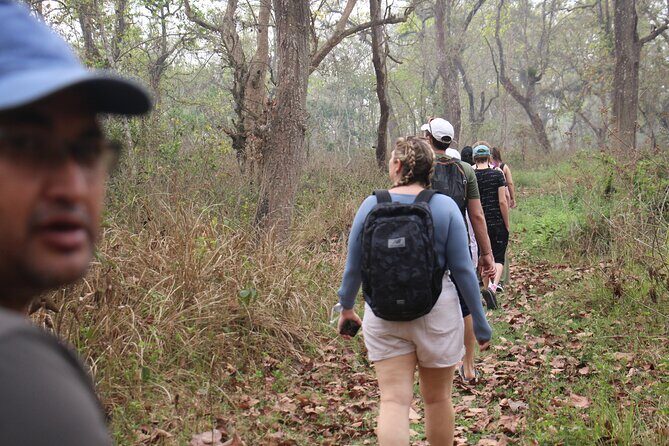
After you’re settled at the resort, your first afternoon focuses on people and place, not just animals. At around 15:00, you join a tour of a nearby Tharu village.
This village visit is valuable for one reason: it helps explain how local communities live alongside the park. Chitwan isn’t a museum backdrop, and the Tharu culture portion gives context for what you’ll see—whether it’s the landscape, the wildlife boundaries, or why conservation matters.
You also visit the National Park Visitor’s Centre. Even if you’re not a museum person, visitor centres in wildlife areas usually help you understand what you’re likely to look for. Think of it as orientation so the next day’s tracks, birds, and safari routes make more sense.
It’s a good balance: wildlife tomorrow, culture today.
Day 2: Rapti River Canoe Ride and Early Bird Watching
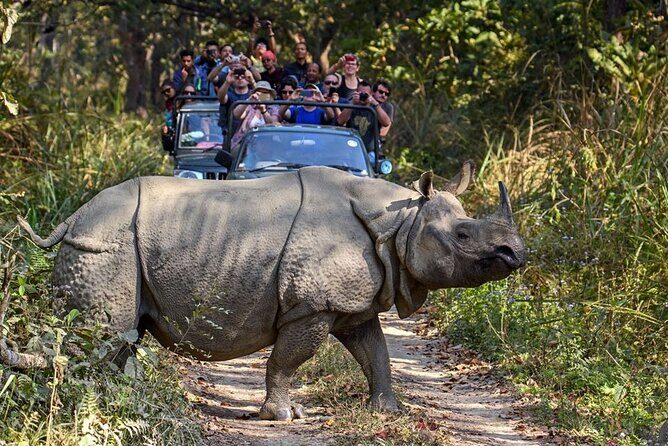
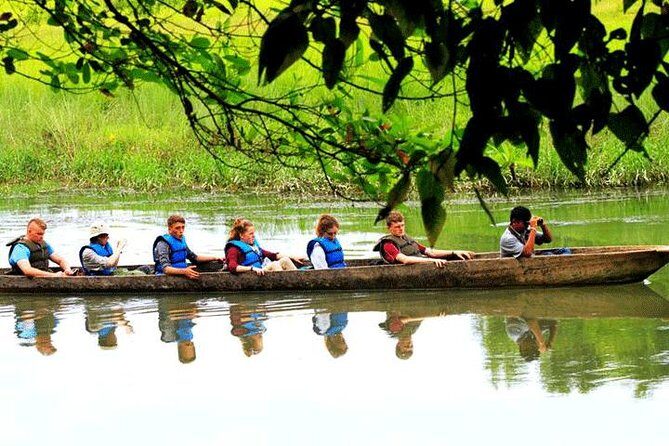
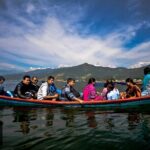
Day two is where Chitwan hits its most “you are really here” moments. The day starts with a wake-up call around 06:00 and breakfast, then it’s off for the canoe ride along the Rapti River around 07:00.
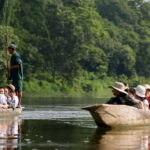
This canoe segment is a standout because it’s a slower, quieter way to observe wildlife. From the water, you’re not chasing animals with engines and dust. You’re watching the river edge, where birds feed and where crocodiles can sometimes be visible.
The tour specifically calls out bird watching and two rare crocodile species: Marsh Mugger and a fish-eating species listed in the notes as G… (the tour description truncates the name). The key point for you is the focus on river reptiles, not just scenic boating.
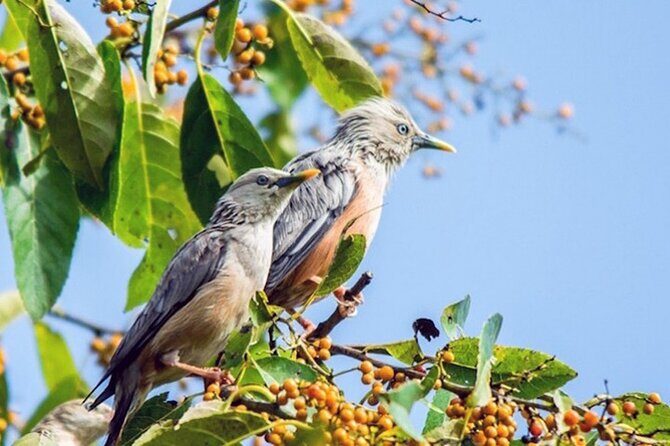
After the canoe portion, the tour keeps the morning-energy going with wildlife time. Bird watching continues later in the day as well, and you’ll benefit from that early light when birds are more active and visible.
If you’re trying to photograph wildlife, canoe rides can be tricky (small movements and uneven sightlines), but they’re often the most memorable wildlife contrast you’ll get in a short trip.
Day 2 and the Jeep Safari Time: Rhino Chances and Tiger Odds
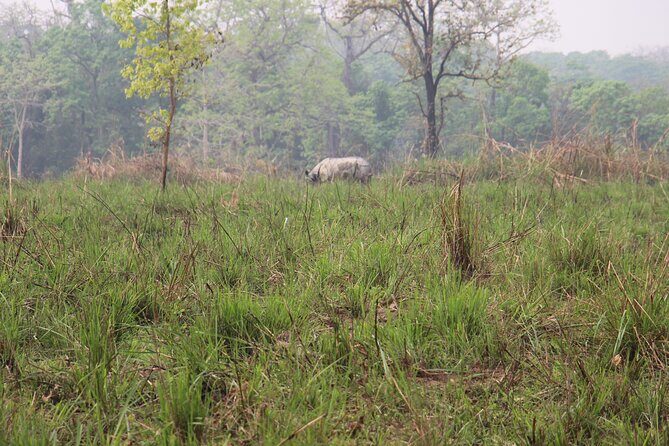
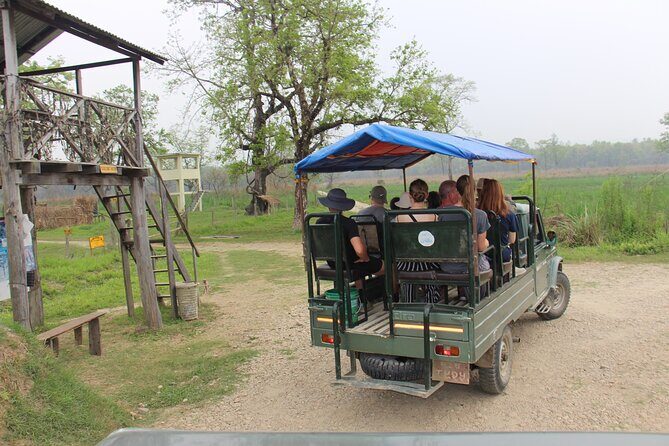
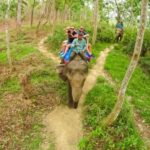
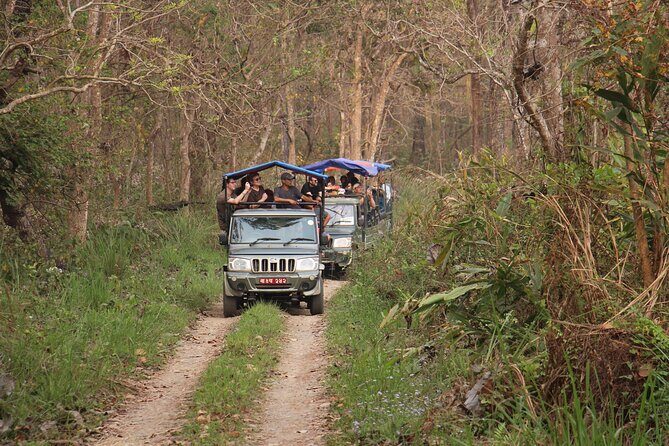
The package is designed around a guided safari experience that includes Jeep safari time. This is the practical tool for seeing large mammals, especially in areas where a jeep route puts you where animals are likely to cross.
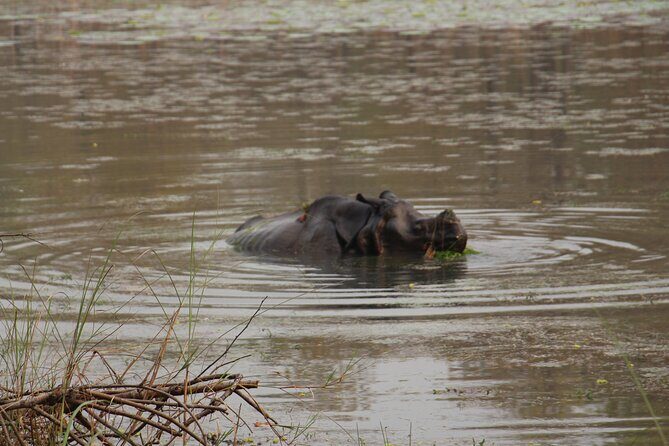
The tour description also mentions a jungle walk and highlights the possibility of spotting one-horned rhinoceros, with Royal Bengal tigers as a maybe. I treat that as a realistic expectation setting: rhinos are the more achievable target in a guided itinerary, while tigers remain a luck factor.
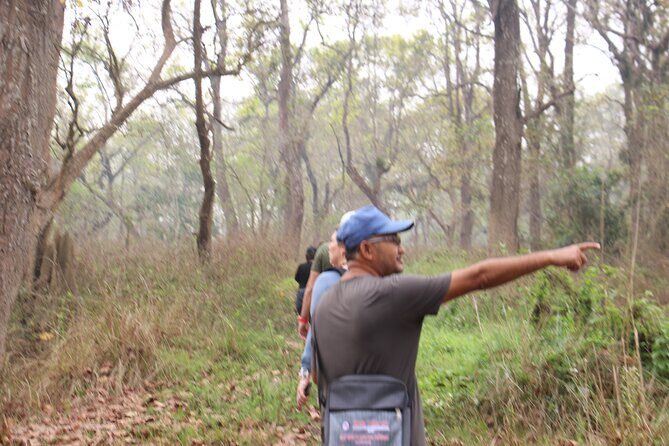
One review-style theme that matters for you: the jungle walk tends to be described as relatively easy, which is important if you’re not trekking-fit. The catch is that in a group setting, you may not see as much wildlife as you would on a private walk, because more people moving through the area can change animal behavior.
So for this part, I’d focus on this question: will you enjoy the process even if sightings are limited on a given hour? If yes, you’ll get a lot out of it.
You can also read our reviews of more tours and experiences in Kathmandu
Day 3: Morning Birding, Then the Long Return to Kathmandu
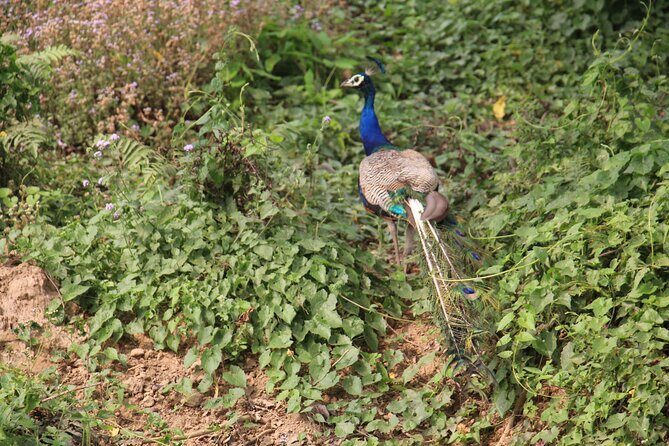
On the final day, the routine repeats the early start pattern. You get a wake-up call around 06:00, breakfast, and then bird watching around 07:30.
Then it’s time to head back. You depart from Chitwan around 08:00, and the transfer back to Kathmandu is described as about 5–6 hours. If your travel plans include onward time toward Pokhara, the notes also suggest about 4 hours, depending on routing and drop-offs.
This return day is usually where people feel the most tired. Even if you love the park, you’re stacking an early morning plus the drive. Plan to keep your evening after arrival light so you’re not forced to rush right away.
If you’ve got a long flight or bus connection after reaching Kathmandu, I recommend building in buffer time.
Where You Stay Near Chitwan: Three-Star Comfort, Not Luxury
You spend two nights in a three-star resort near Chitwan. That’s a sweet spot for many people: you get proper meals and a place to reset without paying for high-end lodge pricing.
One property name showed up in feedback: Safari Adventure Lodge. Descriptions called it pleasant but basic, which is what I’d expect from a three-star setting in a safari region.
The best way to think about this lodging choice is practical. Your room is mainly a place to sleep, rinse off, and recharge for another early morning. If you go in expecting five-star service, you might be disappointed. If you go in expecting convenience and good food, you’ll likely feel right at home.
Meals Included: Real Value for a Wildlife Weekend
Food is not an afterthought here. The tour includes:
- 2 breakfasts
- 2 lunches
- 2 dinners
That matters because day trips in Nepal can easily turn into spendy “snack your way through the day” situations. Here, meals are part of the package, so you can focus on the schedule and activities rather than hunting food between transport and safaris.
In feedback, people also highlighted delicious lodge meals, which is a good sign because included dinners can make the end of a long day feel much more comfortable.
In plain terms: when the food is taken care of, the whole tour becomes more relaxing.
Price and Logistics: Is $180 Good Value?
At $180 per person, this trip competes in the “economical group tour” category—and it earns its value by including the expensive annoyances.
You’re paying for:
- Round-trip Kathmandu–Chitwan–Kathmandu transfers
- The national park entrance fee
- All the meals listed above
- Two nights at a three-star resort near the park
- Guided activities like canoe ride, safari components, and cultural stops
For many short wildlife itineraries, park fees, lodge nights, and transfers add up fast once you price them separately. Here, those items are already inside the total.
Still, I’d look at the bus portion honestly. If you’re prone to motion sickness, you may pay in discomfort unless you prepare. And if your personal standard for transport behavior is strict, you should know there can be occasional issues that pop up in feedback.
I don’t think that means you should avoid the tour. It means you should align your expectations: this is value-focused, not private-vehicle premium.
Who This Tour Suits Best (and Who Might Prefer a Different Plan)
This is a strong fit if you want:
- A guided group that handles transfers and park entry
- A mix of wildlife plus Tharu culture
- An affordable route that still includes lodging and meals
- A manageable group size (up to 25 travelers)
It’s also a good match for solo travelers who want structure and a clear plan. Feedback strongly emphasized feeling safe with the team and having pick-up and drop-off handled on time.
If you’re not comfortable with early mornings, or you hate long bus rides, you might get frustrated. And if you need a very quiet, high-control experience, group transport can feel messy by nature.
One more practical thought: bring patience for a group safari. Wildlife isn’t a theme park with a guaranteed show schedule.
The Human Side: Welcome Nepal Treks and Your On-Ground Contact
The experience is run by Welcome Nepal Treks P.ltd. In feedback, the named on-ground organiser Dipendra came up as friendly and helpful, which is exactly what you want during early departures and day-to-day schedule changes.
That kind of reliable communication matters most when you’re doing something logistically complex: meeting points, early pick-ups, and moving between the bus station, lodge, and park activities.
The tour’s overall service vibe, based on the details you’re given, is structured rather than chaotic: you get briefings, scheduled activities, and clear timing for the big wildlife blocks.
Quick FAQ
FAQ
Where does the tour pick you up or connect you to transport?
You can be received on arrival at Sauraha Bus Park/Tadi or Bharatpur Airport, and then transferred to the resort. Round-trip transfers between Kathmandu and Chitwan are provided by tourist bus.
What safari activities are included?
The package includes a Jeep safari, a canoe ride, a jungle walk, and a Tharu cultural show. You also get guided bird watching as part of the early-day schedule.
How many meals are included in the cost?
The tour includes two breakfasts, two lunches, and two dinners.
How long is the trip and how many nights do you stay near Chitwan?
The tour runs about 3 days and includes two nights in a three-star resort near Chitwan.
Is the national park entrance fee included?
Yes. The national park fee is included.
What’s not included in the price?
Personal expenses are not included, such as tips, beverages, laundry, and telephone calls.
What is the group size limit?
The maximum group size is 25 travelers.
Can you cancel and still get a full refund?
Free cancellation is available up to 24 hours before the experience’s start time for a full refund.
Should You Book This Chitwan Jungle Safari Tour?
Book it if you want a value-first Chitwan trip where the heavy lifting is handled: transfers, park fee, meals, and lodging. The combination of Rapti River canoe time, early bird watching, and a Tharu village stop makes this more than just a drive-for-animals package.
Pass or consider an alternative if you’re highly sensitive to bus motion, hate early starts, or expect flawless, no-friction transport every day. This tour’s strength is the organized plan, not private comfort.
If your goal is to get to Chitwan, see what you can, and still have the cultural context, this one is a very sensible way to do it.