REVIEW · KATHMANDU
Everest Base Camp Trek | Deluxe Lodges | Both Way Helicopter Ride
Book on Viator →Operated by Life Himalaya Trekking · Bookable on Viator
If you want Everest without the long slog, this trek fits. I like how the plan pairs classic trekking with both-way helicopter convenience, then ends with the famous Kalapathar sunrise payoff. It’s built for people with limited time but still serious about seeing Everest up close.
Two things I really like: first, the way the itinerary stays “real trekking” while the helicopter reduces the back-and-forth grind. Second, you get warm cold-weather gear and lodge-based comfort, plus all the core logistics (permits, guides, meals, transfers) handled for you.
One consideration: the total trip is shorter, so you still have to take altitude seriously. The trek requires a strong fitness level, and cold nights at elevation (especially with early starts) are part of the deal.
In This Review
- Key takeaways before you commit
- Kathmandu: Thamel landing, rest, and an easy start
- The 45-minute Lukla flight: fast access to the Everest route
- Why that opening matters
- From Hillary Bridge to Monjo: a gentle day that still counts
- Namche Bazaar: first real altitude feel and the Everest peek
- Small practical tip
- Syangboche + Everest View Hotel: coffee with the big view
- The benefit for a 10-day plan
- Tengboche Gompa and the Imja Khola Valley vibe
- What you should expect
- Pangboche (and day-to-day support along the way)
- Dingboche acclimatization: the climb-high, sleep-low lesson (again)
- I like this approach for shorter EBC trips
- Lobuche: lighter trekking time, but big altitude reality
- Gorakshep and Everest Base Camp: the glacier walk moment
- Kala Patthar sunrise: the cold sprint that’s worth it
- Guides, porters, and the safety details you’ll feel on your skin
- What the price includes (and why it can be worth it)
- Deluxe lodges and provided gear: your packing list gets simpler
- How hard is this, really? Altitude pacing for a 10-day EBC
- Who should choose this Everest Base Camp format (and who shouldn’t)
- Should you book this Everest Base Camp trek with helicopter return?
- FAQ
- What is the total duration of this Everest Base Camp trek?
- Where does the tour start and where does it end?
- Does the package include airport pickup and drop-off in Kathmandu?
- Are helicopter flights included both ways?
- What kind of accommodation is included during the trek?
- What meals are included?
- What permits are covered?
- Is cold-weather gear included?
- FAQ
- Is there free cancellation?
- What luggage weight limit is allowed?
- Does the tour include a licensed guide and porters?
- Is travel insurance included?
Key takeaways before you commit
- Helicopter both ways, sharing flights: Kathmandu–Lukla and Lukla–Kathmandu are included, with a return segment tied to Gorakshep.
- Two dedicated acclimatization days: Day 4 to Syangboche and Day 7 in Dingboche use a climb-high/sleep-low approach.
- Lodge trekking with cold-weather support: Twin-share lodge stays plus a provided down jacket and sleeping bag rated to -20°C.
- Guides + porters are built in: A government-licensed guide, and porters with a 1 porter for 2 people ratio.
- Meals and permits are included: Breakfast is included every trekking day; lunch and dinner are covered during the trek, along with national park and local permits.
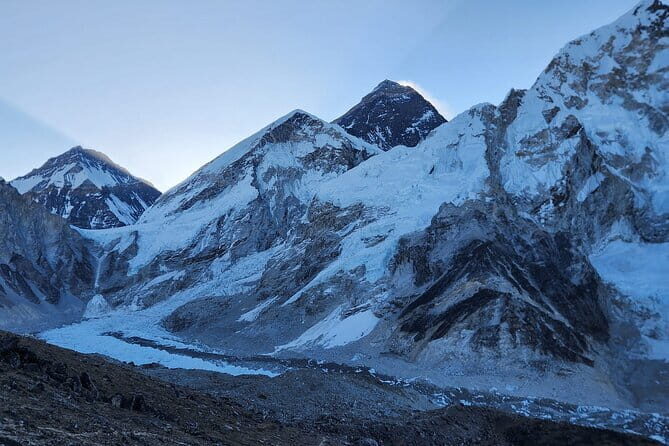
- The “big hits” land on schedule: Everest Base Camp, then a pre-dawn hike to Kala Patthar for sunrise views.
Kathmandu: Thamel landing, rest, and an easy start
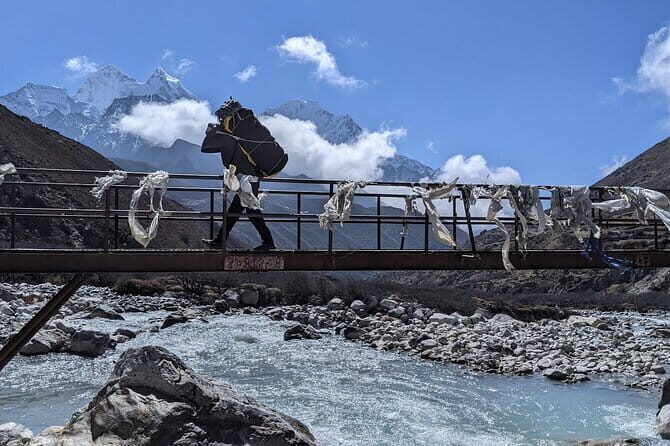
Most Everest trips start with a chaotic first day in Kathmandu. This one keeps it simple. Day 1 begins with airport pickup and a car/van ride to your hotel in the Thamel area, with time to recover from jet lag and settle in.
You’ll sleep in a 3-star hotel for two nights total (one night before the trek and one after). That matters because altitude mornings start early, and you’ll want a real bed before your body starts adapting to thinner air.
You can also read our reviews of more hiking tours in Kathmandu
The 45-minute Lukla flight: fast access to the Everest route
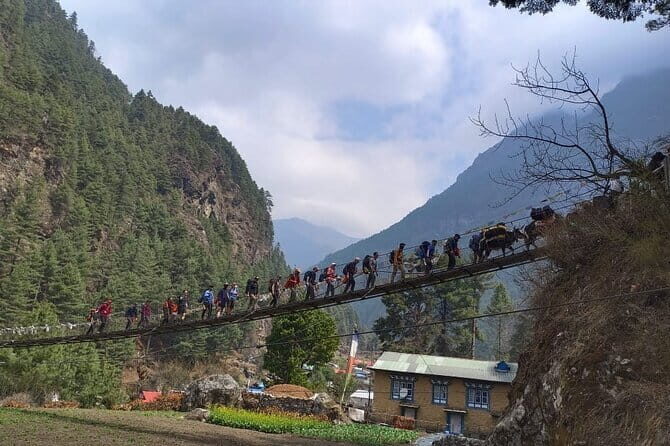
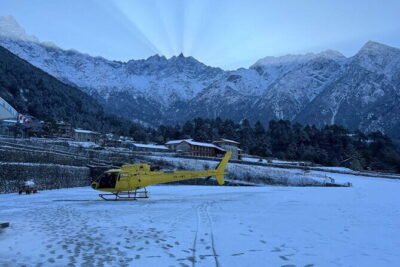
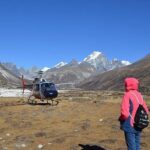
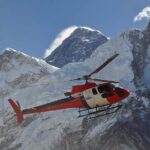
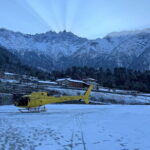
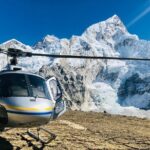
On Day 2, you trade city noise for mountain air almost immediately. After an early hotel meet-up, you fly by helicopter from Kathmandu to Lukla, a roughly 45-minute scenic flight.
The route gives you a first “this is real” look over Everest and Kanchenjunga, before you step into the trek. Then the day turns practical: once you land, you begin hiking toward Phakding with enough time to ease into altitude without feeling rushed.
Why that opening matters
Even when you’re skipping long approaches, your body still needs time. Starting with a not-too-long hike supports acclimatization, and it keeps the day from feeling like one big strain-fest.
From Hillary Bridge to Monjo: a gentle day that still counts
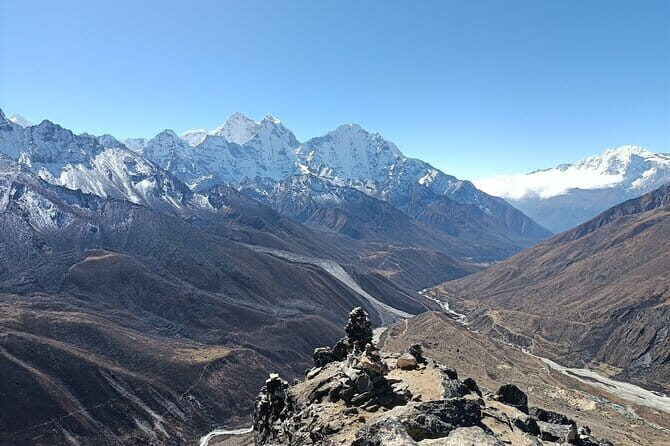
Day 3 is a classic “you’re gaining altitude but not panicking” kind of day. You start with breakfast, then head along the Dudh Koshi River with pine forests and river valley walking.
You’ll cross the Hillary Bridge area and pass through villages like Benkar, then reach Monjo, where the trek route opens up toward the next altitude jump. It’s not about speed here; it’s about rhythm. If you’re the type who charges ahead, this is where you practice restraint.
Namche Bazaar: first real altitude feel and the Everest peek
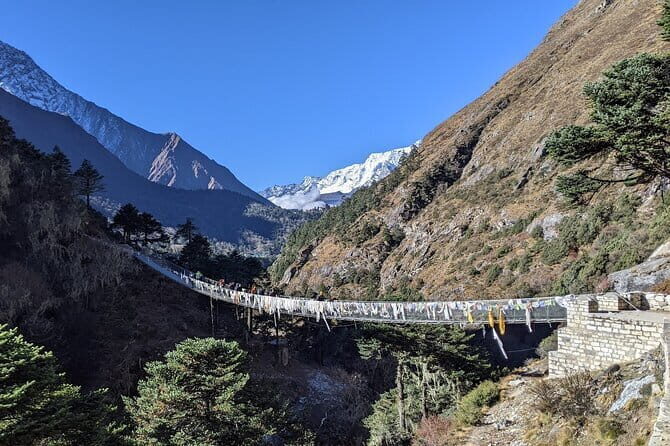
Namche Bazaar is where Everest starts to feel less like a poster and more like a place. From the Namche approach, you follow the trail around the confluence of the Dudh Koshi and Bhote Koshi rivers.
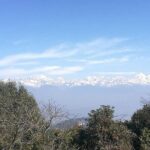
After the last steep ascent, you finally catch that moment where Everest peeks over the Lhotse-Nuptse range. Then you settle in for the night with time to breathe, eat, and explore the Namche market area (restaurants, massage centers, spas).
You can also read our reviews of more tours and experiences in Kathmandu
Small practical tip
At this altitude, you’ll feel better if you keep your pace controlled and your breathing steady. I’d treat Namche as a “walk smart, save energy” day, not a “win the mountain” day.
Syangboche + Everest View Hotel: coffee with the big view
Day 4 is your first acclimatization day, and it’s built around a high point with a reason to stop. You hike up to Syangboche, which sits near the Khumbila Peak area and includes a stop at the Everest View Hotel (famous for being extremely high and having that famous coffee-with-Everest setup).
Your plan includes time at the hotel area, then you return to Namche Bazaar to sleep lower. That “climb high, sleep low” rule is one of the best altitude habits you can follow, especially on a shorter itinerary.
The benefit for a 10-day plan
In a shorter trek, you don’t have weeks to waste. This day is a smart trade: you use a few hours to adjust your body while still getting a memorable viewpoint stop.
Tengboche Gompa and the Imja Khola Valley vibe
Day 5 shifts from town bazaars to spiritual landmarks and valley trails. After breakfast, you resume walking along the Dudh Koshi River and cross a suspension bridge before continuing into the Imja Khola valley.
You’ll reach Tengboche Gompa, a key stop for many Everest itineraries. It’s the kind of place where the trail slows down naturally—because your brain wants to look at the peaks and your eyes start following the prayer flags and monastery details.
What you should expect
Expect a day where you’ll be stopping more often than usual for photos and for just watching the mountain light change. That’s not a waste. That’s part of why lodge treks feel good even when your body gets tired.
Pangboche (and day-to-day support along the way)
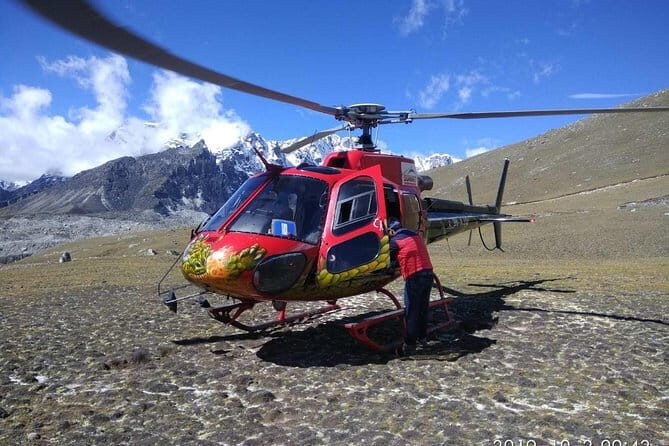
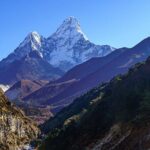
Day 6 takes you onward to Pangboche, marked in your itinerary by a Buddhist monastery area (Pangboche boudh bihar). Your route is paced as a good visibility day, with scenic value tied to peaks like Ama Dablam (and surrounding big names you’ll see referenced in the route plan).
This is also a day where the trek description emphasizes scenery while also aiming to avoid a rough “sudden altitude spike” feeling compared to other days. It’s a reminder that acclimatization isn’t only about where you sleep—it’s also about how the day is paced.
Dingboche acclimatization: the climb-high, sleep-low lesson (again)
Day 7 is your second dedicated altitude adjustment day. You’ll reach Dingboche, then follow the itinerary’s plan: climb higher, but sleep lower for better acclimatization.
This is also where it helps to remember you’re not just walking to a destination. You’re building a safety margin for your body so you can handle the next push toward higher zones.
I like this approach for shorter EBC trips
Longer treks can afford more “wobble room.” Here, the itinerary tries to manufacture that room using intentional acclimatization. It’s one reason this 10-day format still feels less like a sprint.
Lobuche: lighter trekking time, but big altitude reality
Day 8 is described as a relatively lighter day of trekking, but it’s still an altitude climb day. You follow steep slopes toward the wide valley area of Dughla, then continue along a route that includes a memorial stop (Thukla is referenced in the plan).
This day can feel like a reset. Your legs might not hate you as much as earlier steep days, but the air does not get easier. Even “light” on the Everest trail still means your breathing works differently.
Gorakshep and Everest Base Camp: the glacier walk moment
Day 9 is the big target day. Starting from Lobuche, you trek about four hours along glacier terrain to reach Gorakshep, where you’ll base yourself for the final pushes.
From there, the highlight is Everest Base Camp. It’s one of those places where you’ll feel both thrilled and strangely small at the same time—because the scale is real, and your body knows it.
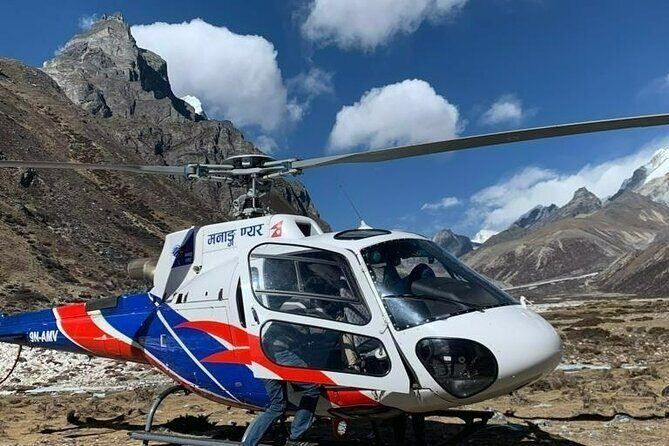
Your itinerary also includes a sharing helicopter return from Gorakshep to Lukla, which changes the vibe of this day. You still earn the views with walking, but you’re not spending extra days doing a long return hike.
Kala Patthar sunrise: the cold sprint that’s worth it
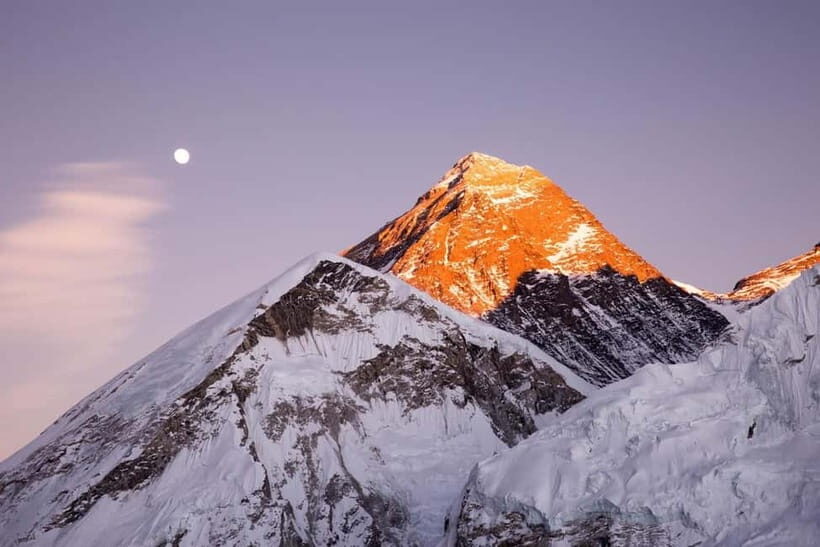
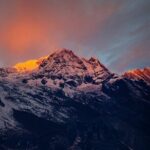
Day 10 begins early, before sunrise, with a hike to Kala Patthar. The plan specifically calls out the sunrise timing and the panoramic views of Mt. Everest and the surrounding area.
This is where the deluxe part matters less than the experience design. Cold morning, short effort, huge payoff. Bring your cold gear and follow the pacing advice you’ve used so far—slow and steady usually beats brave and breathless here.
After the sunrise hike, your trip wraps up and you return toward Kathmandu, with the included helicopter segments covering the route back. The experience ends back at the meeting point used to start the adventure.
Guides, porters, and the safety details you’ll feel on your skin
In Everest country, good guidance is not about fancy phrases. It’s about timing, pacing, and knowing when to slow down. This tour includes an experienced, government license holder trek guide, plus porters (1 porter for 2 people) to help carry loads.
You also get practical staff support gear: first aid kits for the group including an oxi-meter, plus accidental insurance coverage for the guide and porters. Those are the kinds of details that make a tour feel less like a gamble.
And I’ve seen guide names associated with this operator—people like Rabin, Tika, Pramod/Promod, Shiba, and Prakas show up in the feedback. While you can’t choose every staff member in every situation, it’s a decent sign that the operator uses recognizable, long-running local talent.
What the price includes (and why it can be worth it)
At $3,332 per person, it’s not a cheap Everest wish. But the value story is strong because a lot of expensive line items are bundled together.
You’re paying for:
- Both-way helicopter flights (Kathmandu to Lukla, plus Lukla to Kathmandu, and a sharing flight tied to Gorakshep)
- Hotel comfort in Kathmandu (3-star, two nights total)
- Twin-share lodge accommodation during the trek
- Permits: Sagarmatha National Park and the Pasang Lhamu Rural Municipality permit fee
- A government-licensed guide, porters, and local coordination
- Cold-weather gear: a warm down jacket and sleeping bags rated to -20°C (returned after the trip)
- Core meals: 10 breakfasts, plus 8 lunches and 8 dinners during the trek period
- A trail map, trekking bag/duffel and t-shirt, plus an achievement certificate
If you compare this to DIY trekking, helicopter segments alone can radically change the cost and the stress level. If you’re short on time or you want the Everest route experience without spending weeks hiking just to reposition, this package starts to make financial sense.
Deluxe lodges and provided gear: your packing list gets simpler
The trek is lodge-based, meaning you’re not living in a tent full-time. Your accommodation is described as “best available” twin-share lodge stays during the trek, plus the pre- and post-trek hotel nights in Kathmandu.
The real helper here is the included cold gear. You receive a warm down jacket and a sleeping bag designed for -20°C, and you return them at the end. That’s huge if you’re traveling from abroad and don’t want to buy or rent heavy winter equipment.
Also, your luggage allowance is specified: 10 kg for the big bag and 5 kg for the handbag. That forces smart packing and helps you avoid the common problem of bringing too much “just in case.”
How hard is this, really? Altitude pacing for a 10-day EBC
The itinerary is short compared to some longer Everest Base Camp approaches, but it doesn’t skip acclimatization lessons. You get two specific acclimatization days: one Day 4 hike up to Syangboche with a return to Namche, and another Day 7 day in Dingboche that follows climb high, sleep low.
Even so, you should come in with a strong fitness base. The tour states you need strong physical fitness, which is exactly what you’ll feel in the higher trekking days.
Your best strategy is to use the plan’s pace: walk slower than you think you should, take breaks before you feel desperate for them, and drink water consistently. The included oxygen meter in first aid kits is there for support, but your main safety tool is still smart pacing.
Who should choose this Everest Base Camp format (and who shouldn’t)
This is a good fit if:
- You have limited time but still want the full Everest Base Camp experience
- You’re okay with early mornings and cold mornings (Kala Patthar is a pre-dawn start)
- You want lodge comfort rather than camping gear life
- You like the idea of helicopter reducing the total trekking grind
You might want to think twice if:
- You want the lowest possible cost option (this is a premium, helicopter-enabled package)
- You dislike altitude entirely, because this trek still climbs and includes high-elevation days
- You’re hoping that helicopter means no acclimatization work (the plan still includes acclimatization days for a reason)
Should you book this Everest Base Camp trek with helicopter return?
I’d book it if your priority is Everest Base Camp plus Kalapathar sunrise, without turning your vacation into a two-week endurance test. The package bundles a lot of value—permits, guide, porters, meals, lodge stays, and cold-weather gear—then adds helicopter transport so you spend more time doing the “wow” parts and less time on exhausting backtracking.
I wouldn’t book it if you’re extremely budget-focused or if you’re not prepared for cold mornings and altitude effort, even with two acclimatization days built into the schedule. For the right traveler, though, this is a very practical way to reach one of Earth’s most famous places and come back with your body and schedule intact.
FAQ
What is the total duration of this Everest Base Camp trek?
The trek duration is listed as approximately 10 days.
Where does the tour start and where does it end?
It starts at Life Himalaya Trekking on Narsingh Chowk Marg in Kathmandu and ends back at the same meeting point.
Does the package include airport pickup and drop-off in Kathmandu?
Yes. Private transportation for airport pick up and drops is included.
Are helicopter flights included both ways?
Yes. Helicopter (sharing) flights are included from Kathmandu to Lukla and from Lukla to Kathmandu, and there is also a sharing flight from Everest Base Camp (Gorakshep) to Lukla.
What kind of accommodation is included during the trek?
You’ll have twin-share lodge accommodation during the trek and 3-star hotel stays in Kathmandu for one night before and one night after the trek.
What meals are included?
Breakfast is included for 10 days, and lunch and dinner are included for 8 days each.
What permits are covered?
The package includes Sagarmatha National Park (Mt. Everest) trek permit fee and the Pasang Lhamu Rural Municipality permit fee.
Is cold-weather gear included?
Yes. A warm down jacket and sleeping bags rated for -20°C are provided, and you return them after the trip.
FAQ
Is there free cancellation?
Yes. You can cancel up to 24 hours in advance for a full refund.
What luggage weight limit is allowed?
The itinerary specifies luggage allowed as 10 kg for the big bag and 5 kg for the handbag.
Does the tour include a licensed guide and porters?
Yes. It includes an experienced government license holder trek guide and porters with a ratio of 1 porter for 2 people.
Is travel insurance included?
The tour description includes accidental insurance for the guide and porters, but it does not list travel insurance for you; travel insurance up to 5500m rescue and evacuation is not included.