REVIEW · KATHMANDU
Kathmandu/Pokhara: 3 Day Chitwan Jungle Safari Tour
Book on GetYourGuide →Operated by Rainbow Adventure & Travel · Bookable on GetYourGuide
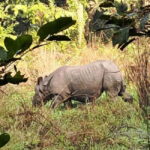
Rhinos in the jungle sound like a movie scene. This 3-day Chitwan safari from Kathmandu or Pokhara is built around two big draws: jeep drives for one-horned rhinos and Rapti River canoe time where crocodiles and birds can pop up fast. Chitwan sits in Nepal’s subtropical lowlands and is a UNESCO World Heritage park, so even when sightings aren’t guaranteed, the habitat and guide-led pacing still make the days feel worthwhile.
I also like how the tour blends wildlife with real people time. You don’t just watch animals; you meet the Tharu community and catch a cultural dance show with colorful costumes and live drumming. One thing to consider: the overland travel can be long. If you’re sensitive to bus discomfort or timing, plan for a potentially stretched schedule on the Kathmandu to Chitwan leg.
In This Review
- Key things that make this Chitwan tour work
- Chitwan National Park in 3 days: what you actually get
- Kathmandu or Pokhara to Chitwan: the real logistics you should plan for
- Day 1 in Chitwan: Tharu village, sunset time, and culture that lands
- Day 2: Rapti canoe rides, bird time, elephant breeding center, and jeep safari
- Day 3: breakfast, optional early birdwatching, and the ride home
- The guide factor: why a trained naturalist changes the safari
- Lodging and meals: what to expect from the jungle resort style
- Wildlife expectations: rhinos, crocodiles, birds, and the tiger question
- Value check: is $129 per person fair for this Chitwan package?
- Who should book this tour, and who should think twice
- Should you book this 3-day Chitwan Jungle Safari Tour
- FAQ
- How long is the Kathmandu or Pokhara to Chitwan safari tour?
- What time is pickup included?
- Where do they pick up and where do you get dropped off?
- What activities are included in the tour?
- What languages will the live guide speak?
- What should I bring and what is not allowed?
- Is this tour suitable for everyone?
Key things that make this Chitwan tour work
- 6:30 AM pickup from Kathmandu or Pokhara so your days start early and you’re in position for morning wildlife activity
- Jeep safari plus Rapti canoe rides for two very different ways of spotting wildlife
- Tharu village tour and cultural dance with live drumming for a grounded cultural connection
- Birdwatching time built into the itinerary (including an optional Day 3 morning walk)
- Elephant breeding center visit that adds context beyond the main safari blocks
- Jungle lodge / eco-resort stays with meals included so you don’t scramble between activities
Chitwan National Park in 3 days: what you actually get
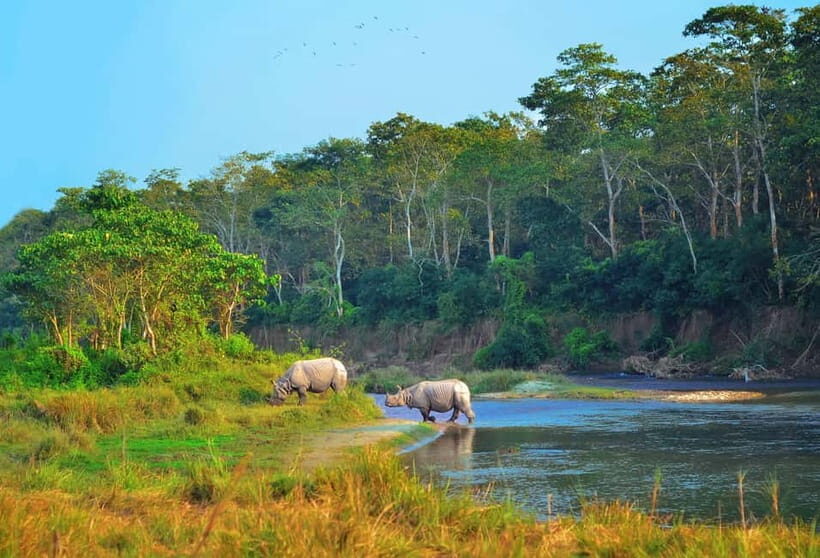
Chitwan National Park is known for the kind of wildlife that feels hard to plan for: one-horned rhinos, crocodiles along the waterways, deer, monkeys, and a huge variety of birds. The park’s subtropical lowland setting matters too. It’s the reason jungle walks and river rides both work—different animals use different edges of the habitat.
In three days, the structure is simple: you get repeated chances at wildlife rather than one long gamble. You’ll do a mix of land-based searching (jeep safari and nature walks) and water-based viewing (Rapti canoe rides). That’s the practical advantage of this tour format. Even if one activity is slow, you still have another way to see the park.
The other reason I think this tour hits for many people is the balance. You’re not stuck in full-on animal mode. A Tharu village visit and a cultural dance performance help you understand the local human landscape that lives alongside this wildlife zone.
You can also read our reviews of more tours and experiences in Kathmandu
Kathmandu or Pokhara to Chitwan: the real logistics you should plan for
This tour runs with pickup options from both Kathmandu and Pokhara, and the pickup time is 6:30 AM. From Kathmandu, the road trip is commonly described as 6–7 hours, though some departures can run longer if the bus waits for additional passengers or if the group coordination takes time.
That matters because your day rhythm starts early and the transport is a chunk of it. Bring basic survival items: sunglasses, water, and something for the ride if you get bored easily. Also, don’t assume the drop-off is a neat, calm finale. Some participants report that the final drop can be on the side of a highway where taxis may be ready and eager to talk.
If you’re choosing between Kathmandu and Pokhara, think about your tolerance for bus time. Pokhara departures often feel easier for people coming from central Nepal’s lakeside region. Kathmandu works fine too; just don’t treat the travel segment like an afterthought.
Day 1 in Chitwan: Tharu village, sunset time, and culture that lands
Day 1 is about getting grounded fast. After pickup and travel, you’ll check in at your jungle lodge or eco-resort base, then head out for the cultural portion of the day.
The Tharu village tour is the first major stop. It’s not just a quick photo stop. You’ll learn about Tharu customs and daily life, along with the community’s history and resilience. For many people, this is where the trip stops feeling like a pure wildlife package and starts feeling like a Nepal experience in the truest sense: animals are part of the story, but so are the people who live here.
Later, you’ll do a sunset tour. Sunset in Chitwan is a real time window for animal activity and also a moment where the light makes the landscape feel different. Expect slower pacing and more scanning than sprinting.
Day 1 ends with a cultural dance show featuring colorful costumes and live drumming. Some performances can include highlights like a peacock-style dance segment. It’s a good contrast to the safari mood—less about silence and waiting, more about rhythm and community energy.
Day 2: Rapti canoe rides, bird time, elephant breeding center, and jeep safari
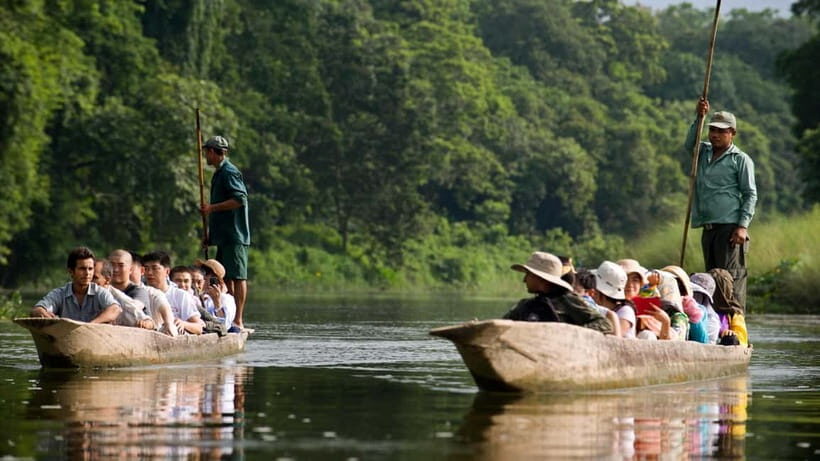
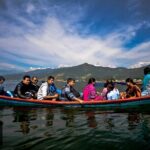
Day 2 is the action day. It starts with a canoe ride on the Rapti River, typically using a traditional dugout-style boat. This is often a fan favorite because it slows you down. Instead of engine noise and constant searching, you drift along and look for movement along the banks. This is where bird-watching tends to feel extra rewarding. You also have a chance to spot crocodiles, since they use the river edges to rest and patrol.
After the river, you’ll move into nature walk time. This can feel quiet compared to the jeep safari, and that’s not a flaw—it’s just how jungle walking works. You’ll get close to the smaller things: tracks, calls, plant textures, and the micro-world that’s usually missed when you’re in a vehicle.
Birdwatching is built into the schedule, and the park is famous for its bird life. One of the standout facts here is that Chitwan is tied to over 500 species of birds. That doesn’t mean you’ll see all of them on one trip, but it does mean your guide has a lot to point out, and different times of day can bring different activity.
Next up is a visit to an elephant breeding center. This stop adds context that pure safari viewing can’t. It’s a way to connect what you’re seeing in the wild with conservation thinking and animal life cycles.
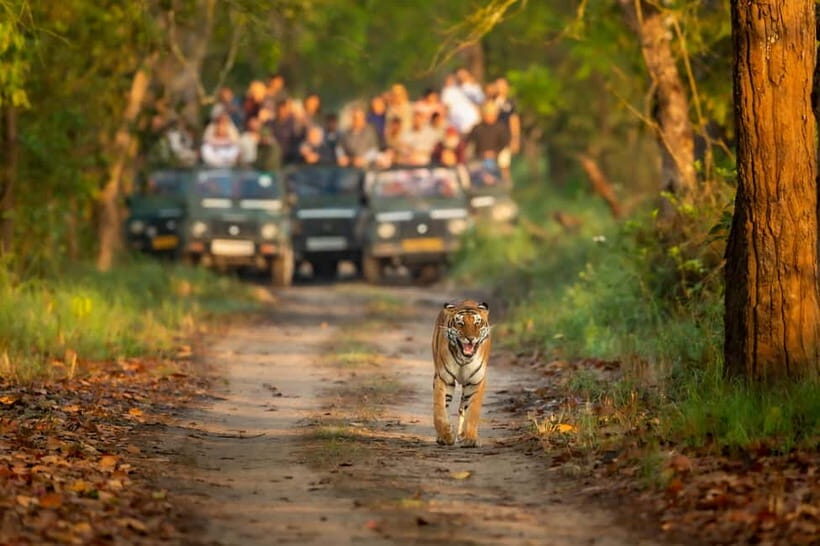
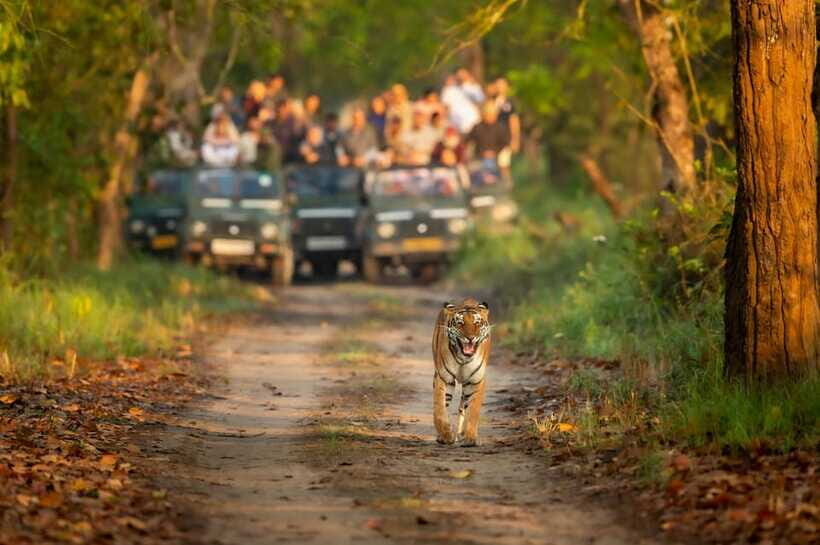
Then comes the core wildlife block: the jungle jeep safari. This is where your guide’s spotting skill matters most. During one booking, the guide named Babu was praised for spotting animals that looked almost invisible. That’s exactly the kind of value you’re paying for here: not just access to the park, but a practiced eye and a naturalist’s explanations.
Day 3: breakfast, optional early birdwatching, and the ride home
Day 3 starts with breakfast and then moves toward departure. Depending on your timing, you may have the option of an early morning birdwatching walk before you head back to Kathmandu or Pokhara.
That early bird window is useful because birds can be louder and more active in the morning hours. If you love birding, it’s one of the simplest ways to squeeze extra value from the last day without adding a strenuous hike.
After that, you’ll return by road. Plan for a long stretch again. The ride back can feel tiring because you’ve already had two active safari days and one culture-focused day. If you’re the kind of person who gets mentally exhausted by long vehicle time, try to treat the last hours like a recovery period: hydrate, eat, and don’t schedule anything tight right after you arrive.
You can also read our reviews of more tours and experiences in Kathmandu
The guide factor: why a trained naturalist changes the safari
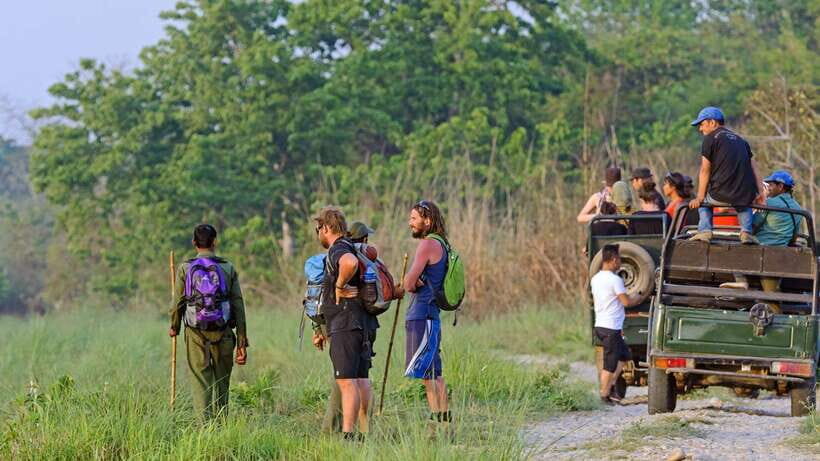
A Chitwan safari isn’t like a theme park where every animal appears on cue. The difference between a good safari day and a great one is often what your guide does between sightings—where they position you, how they read the terrain, and how they explain what you’re seeing.
This tour includes an English-speaking trained naturalist guide (and guides can speak English, Hindi, and Chinese). That language range helps a lot if you’re not comfortable with English-only support. It also means you can ask basic questions without guessing what your guide is saying.
In the feedback shared for this experience, guide names like Babu and hosts such as Ramesh Dahal come up, with praise for friendly attention, strong knowledge, and spotting animals fast. You’ll also notice a pattern: people rate the safari highly when the guide helps them understand animal behavior and where to look.
For you, that translates into practical benefits. Better explanations make you less frustrated when something is brief. You learn to scan for signs of activity: sound cues, movement along edges, and timing patterns.
Lodging and meals: what to expect from the jungle resort style
Your stay is in a jungle lodge or eco-resort style property, with meals included (breakfast, lunch, and dinner). For many travelers, the included food is one of the best value points, because it removes decision fatigue. You don’t have to find dinner spots while you’re tired after safaris.
Reviews of the lodge setup often mention a comfortable, clean-feeling base and friendly staff. Some people specifically liked features like hot showers after time outdoors. That matters in Chitwan, where mornings and evenings can be cooler than you expect after the road ride.
Still, quality can vary. One booking reported that rooms were not spotless and bed sheets did not feel fresh. My practical take: when you arrive, take a quick look at the room condition, ask for what you need, and don’t suffer in silence. Lodges want you comfortable so you can wake up ready for Day 2.
Also keep expectations realistic: this is a wildlife area, not a city hotel. Power cuts can happen in Nepal, so plan for basic charging needs.
Wildlife expectations: rhinos, crocodiles, birds, and the tiger question
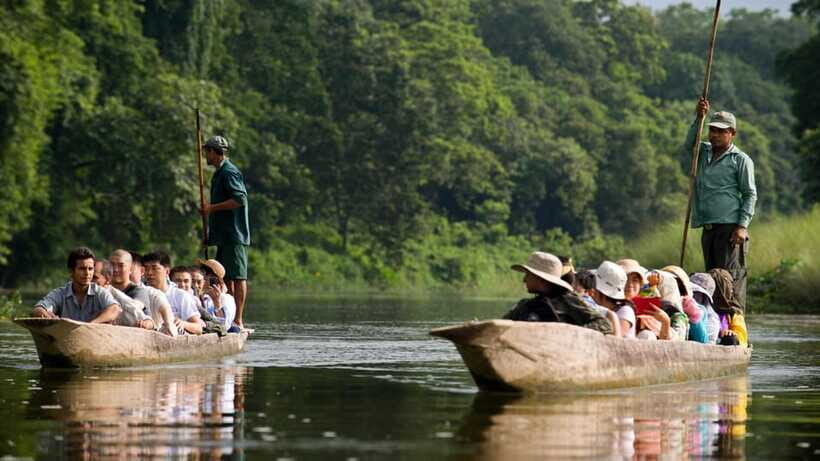
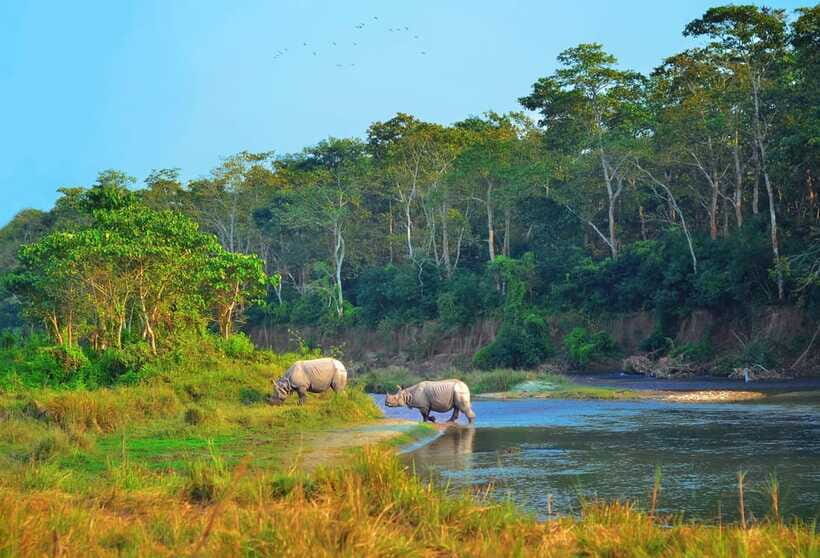
Let’s handle the elephant in the room—wildlife sightings aren’t guaranteed. That said, Chitwan is famous for the one-horned rhino, and many guests report seeing rhinos during their jeep safari blocks. Crocodiles are a key reason the canoe ride is worth doing, because they use river edges where you can sometimes spot them while floating.
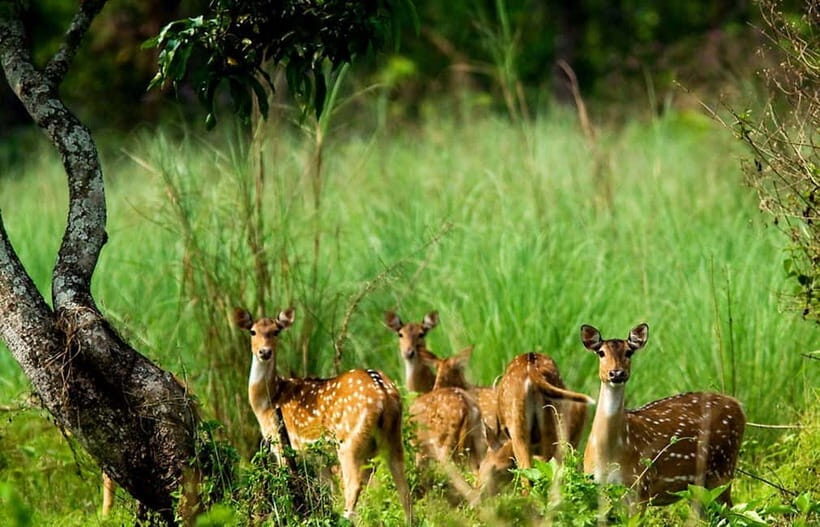
You can also expect smaller and more frequent sightings: deer, monkeys, and a lot of birds. Bird activity can make the day feel full even when bigger mammals are quiet.
What about tigers? This tour description highlights Bengal tigers as part of the park’s possibility. In practice, tiger sightings are harder than rhinos or crocodiles. Treat tiger time as a bonus, not your main scoreboard. If you focus on what the guide is finding in that moment—tracks, calls, movement—you’ll have a better day.
Finally, remember the tour doesn’t say this is a private guarantee of exact animals. It gives you multiple chances, good timing, and skilled guidance. That’s what actually improves your odds.
Value check: is $129 per person fair for this Chitwan package?
At $129 per person for 3 days, the best way to judge value is not just the total cost. It’s what’s included that would cost you money if you did it on your own.
Here’s the value math that matters:
- Transport with hotel pickup (from Kathmandu or Pokhara) and transfers to the activity zone
- Jungle lodge stay for the overnight in Chitwan
- All meals during the trip
- National park entrance fees
- Guided activities (naturalist-led safari time, canoe ride, village visit, and birding moments)
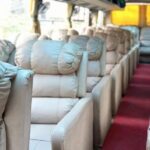
If you price park entry fees plus guides plus lodge plus meals separately, the package starts to look like a straightforward deal. The only potential dent in value is transportation discomfort. If you end up in a long bus day with crowded seating or limited communication, it can drain energy that you’d rather save for wildlife scanning. That doesn’t remove the value, but it changes how you feel about it.
Bottom line: if you want a simple, scheduled way to hit Chitwan’s main experiences without building logistics yourself, this price level feels reasonable.
Who should book this tour, and who should think twice
This is a good fit if you want:
- A wildlife-focused trip that still includes Tharu culture
- A mix of jeep safari and river canoe time
- An itinerary that gives you multiple chances across days, not just one shot
- A comfortable lodge base with meals included
It also tends to suit couples, families, and adventure-minded nature lovers who like guides and don’t want to micromanage every step.
Who should skip it? The tour is not suitable for people with animal allergies. Also, if you’re very sensitive to vehicle discomfort or long rides, be aware the road segments can be tough.
And one small but important rule: drones aren’t allowed.
Should you book this 3-day Chitwan Jungle Safari Tour
Book it if you want a structured Chitwan experience that hits the big ingredients: one-horned rhino country, canoe time on the Rapti River, plus Tharu village culture and dance. The included meals, lodge, and park fees make the $129 price easier to justify, especially if you’d otherwise pay for guides and entry separately.
Think twice if you know you struggle with long bus days or you’re very picky about room cleanliness. In that case, be ready to check your room on arrival and bring patience for travel day logistics.
If you’re the kind of traveler who cares less about having every box checked and more about being in the right habitat at the right times with a good guide, this tour is a strong bet.
FAQ
How long is the Kathmandu or Pokhara to Chitwan safari tour?
The tour duration is 3 days.
What time is pickup included?
Pickup time is listed as 6:30 AM, and you’ll need to mention your pickup location.
Where do they pick up and where do you get dropped off?
You can be picked up from hotels in Kathmandu or Pokhara, and you’re dropped off at the bus stand.
What activities are included in the tour?
The package includes jungle activities such as a Tharu village tour, a sunset tour, a cultural dance show, a canoe ride on the Rapti River, nature walk, bird watching, an elephant breeding center visit, and a jungle jeep safari. National park entrance fees are included.
What languages will the live guide speak?
The live tour guide can speak English, Hindi, and Chinese.
What should I bring and what is not allowed?
Bring comfortable shoes, sunglasses, a sun hat, comfortable clothes, and breathable clothing. Drones are not allowed.
Is this tour suitable for everyone?
It’s not suitable for people with animal allergies. It’s also listed as a private group. Cancellation and payment terms include free cancellation up to 24 hours in advance for a full refund, and a reserve now & pay later option.