REVIEW · KATHMANDU
Annapurna Base Camp Trek
Book on Viator →Operated by Green Valley Nepal Treks & Research Hub Pvt Ltd · Bookable on Viator
The Annapurna Base Camp views start on day one. You get a small group (max 10), plus a guide to handle the tough logistics so you can focus on hiking and scenery. I like that the trip is built around included meals and teahouse/hotel stays, which keeps your days simple after altitude starts taking over.
The main thing to consider is the altitude and effort. Even with moderate hiking (about 4–7 hours most days), you’re in a high mountain environment, so it’s not a casual stroll.
In This Review
- Quick hits on this Annapurna Base Camp trek (what’s really good)
- Small-group Annapurna Base Camp: what max 10 changes for you
- Price and what $925 actually covers
- Getting started: Thamel to Pokhara without stress (Days 1–2)
- The route that builds confidence: from Nayapool to Ghorepani (Days 3–5)
- Tadapani, Chhomrong, and the rhythm of altitude (Days 6–8)
- Machhapuchhre Base Camp and the approach to ABC (Days 9–10)
- Downhill back to culture and comfort: Chhomrong to hot spring (Days 11–13)
- Final day in Kathmandu: Pashupatinath quick photo moment (Day 14)
- Guide quality: where real care shows up
- Who this Annapurna Base Camp trek suits best
- Weather and the reality of mountain mornings
- Should you book this Annapurna Base Camp trek?
- FAQ
- How many people are in the group?
- How long is the Annapurna Base Camp trek?
- What’s included in the price?
- Are meals included on the trek?
- Do I get a guide and pickup?
- Is Poon Hill part of the itinerary?
- What happens if the weather is bad?
Quick hits on this Annapurna Base Camp trek (what’s really good)
- Max 10 people means less crowding at tea houses and more attention from the guide when your body needs a slower pace
- All meals on trek plus some in Kathmandu/Pokhara reduces decision fatigue and keeps budget under control
- Teahouse + hotel mix gives you comfort where it matters most: beds in town, straightforward mountain lodging on the trail
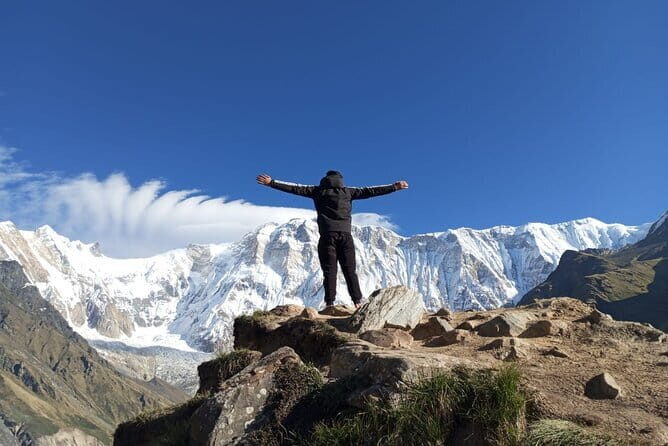
- Poon Hill and the ABC sunrise stack two of the best viewpoint moments into one route
- A guide who handles route + lodging rhythm helps you avoid the classic issue of planning your own mountain nights
- Flexible add-ons show up in real life, like one traveler arranging a porter when they weren’t feeling well
Small-group Annapurna Base Camp: what max 10 changes for you
On a trek like Annapurna Base Camp, the mountains don’t care about your schedule. Weather, trail conditions, and energy levels change daily. What I like about this operator’s approach is the small group cap of 10. That limit matters because it makes the trek feel less like a conveyor belt and more like a shared hike with room to breathe—especially during long climbs or when someone needs a slower rhythm.
It also affects the practical stuff. You’re more likely to get space at the places you stop for lunch and tea. When you need help—like adjusting pace, checking how you’re breathing, or figuring out what to pack for a colder morning—your guide can actually see you as an individual, not a nameless face in a crowd.
And yes, it’s still a guided trek, not an escorted luxury tour. You’ll hike. You’ll sweat. You’ll feel altitude gradually. But you won’t be stuck sorting out trail logistics by yourself.
You can also read our reviews of more hiking tours in Kathmandu
Price and what $925 actually covers
At $925 per person (14 days), this isn’t a budget “wing it” trip. It’s priced like a guided trek with real planning behind it. For me, the value comes from what’s included and how that changes your mental load.
You get:
- Accommodation as the itinerary lays it out (teahouses during trekking; hotels/guesthouses in Kathmandu and Pokhara)
- A professional guide
- Round-trip shared transfer
- All taxes/fees/handling charges
- Meals: breakfast (13), lunch (10), dinner (10)
That meal coverage is more meaningful than it sounds. In Nepal, trekking meals are one of the biggest day-to-day variables—what’s available, what costs extra, and how tired you are when choosing. With meals handled, you can keep moving without constantly negotiating choices.
Also, the trek is designed for people who want the Himalaya experience without getting lost or wrestling with decent mountain lodging. That “I just want to hike and see the mountains” goal is exactly what this package is built for.
Getting started: Thamel to Pokhara without stress (Days 1–2)
Day 1 begins in Thamel, the Kathmandu neighborhood where you’ll find most trekking gear shops, hotels, and restaurants. You’ll be met at Tribhuvan International Airport and taken to your hotel by private tourist vehicle. After that, you’re free to rest or connect with the team at their office.
I like this kind of soft landing on day one. Kathmandu can feel loud and fast, and you’ll have a full week of hiking ahead. Having the first transfer handled means you can focus on sleep, water, and getting ready for altitude.
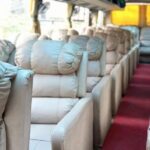
Day 2 is your move to Pokhara by tourist bus—about a 200 km journey—and you’ll take lunch during the ride. You end the day in a guesthouse in Pokhara, which is a smart setup: Pokhara gives you calmer energy before you step onto the trail network.
The route that builds confidence: from Nayapool to Ghorepani (Days 3–5)
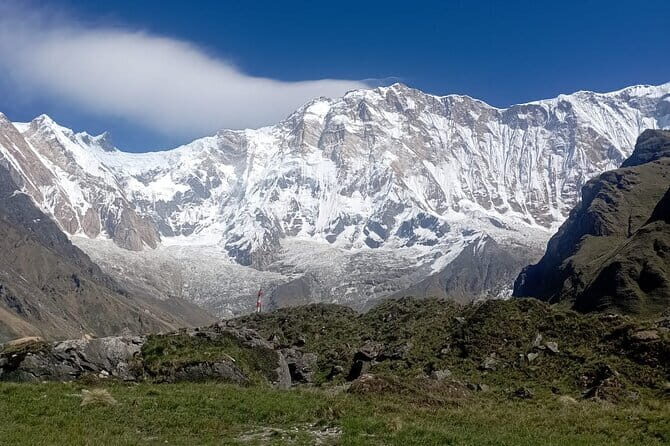
Day 3 starts with the drive from Pokhara to Nayapool. From there, the trek begins along the Modi River banks, reaching Birethani with plenty of small teahouses on the way. This is a nice early-day style: enough walking to feel like you’re trekking for real, but not so intense that you’re wrecked before your first viewpoint.
Day 4 moves through rhododendron and oak forests. You’ll pass through places like Ulleri, then Banthanti, and onward to Ghorepani. Ghorepani is the base camp for many people’s Poon Hill plan, so don’t be surprised if this area feels like a trekking crossroads.
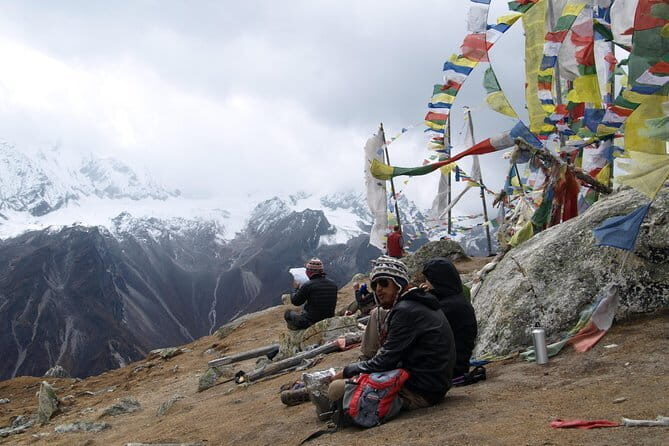
Day 5 is the big early highlight: Poon Hill. You hike about 45 minutes to the top, and the viewpoint sits at 3210m. This is why people love the route. You’re up early, you get panoramic mountain views, and it’s very straightforward compared to pushing all the way into the higher regions right away.
If you’re the type of traveler who likes photo moments that don’t require major scrambling, Poon Hill is a perfect payoff.
Tadapani, Chhomrong, and the rhythm of altitude (Days 6–8)
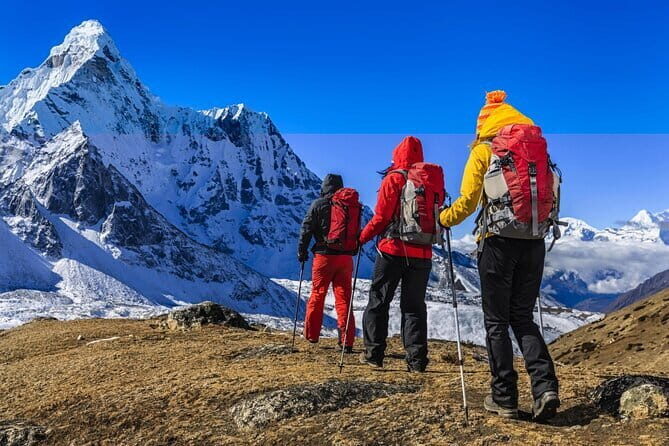
Day 6 starts after breakfast at Tadapani. You move gradually downhill through rhododendron forests, cross the Kimsung River, then work your way up to a Gurung village (Gurjung). From there, a straight climb leads to Chhomrong.
Chhomrong is one of those villages where the tired legs start making sense. You’re surrounded by mountain drama, but you’re also in a place designed for tea house living—meaning you can reset, eat, and sleep instead of constantly thinking about where you’ll stay tonight.
Day 7 drops from Chhomrong via stone steps down to Chhomrong Khola. You’ll cross a suspension bridge, then tackle a steep climb to Sinuwa. From Sinuwa, the day eases into an easy downhill walk to Bamboo.
This is a good example of why trekking days can feel different even when total hiking time is similar. Bridges and steep climbs hit your breathing differently than forest walking. Bamboo works as a recovery-friendly overnight spot.
Day 8 includes Dovan to Himalaya, with a notable cultural detail: the route is described as silent because big noises aren’t allowed in the jungle near a temple along the way. That small rule can help the whole day feel calmer. It’s the kind of moment where you hear your own footsteps and wind more than your group chatter—often a welcome change during busy trekking weeks.
The trek continues through bamboo forests, then shifts into rhododendron forests as you move toward Himalaya.


Machhapuchhre Base Camp and the approach to ABC (Days 9–10)

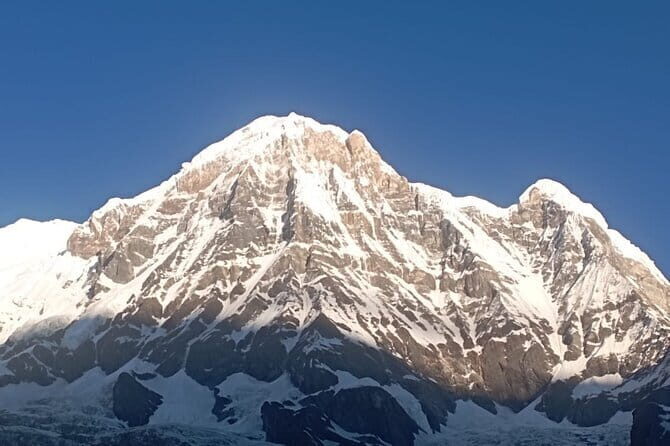
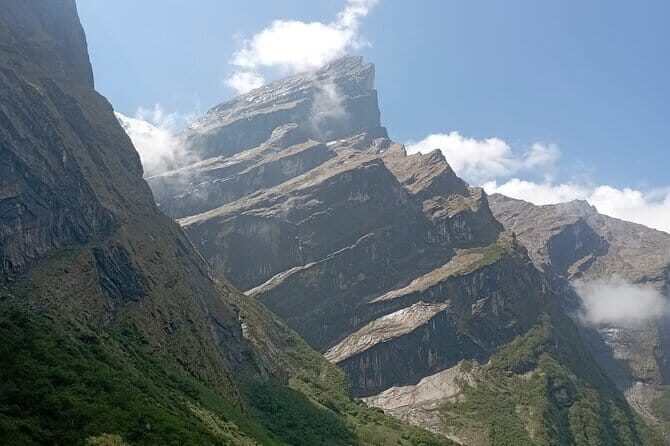
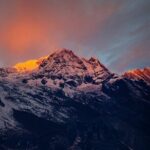
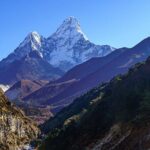
Day 9 takes you from Deurali through a river bed, then into a tedious climb to Machhapuchhre Base Camp. The setting here is all about scale: mountains on all sides, including views of Annapurna, Machhapuchhre, Gangapurna, and Himchuli.
Machhapuchhre is also a special name in Nepal trekking culture. Even if you don’t know the legends, you’ll feel the shape and presence when you’re surrounded by it.
Day 10 is your return route after you view sunrise from ABC. You go back through MBC, Deurali, Himalaya, and Bamboo to Sinuwa. This is mostly downhill and described as an easy walk, which matters because by now your body has already done the harder work of reaching higher altitude.
One thing I’d plan for: even when a trail is “easy,” your legs may still feel heavy after days of climbing. The advantage of a guided route is that you follow the right path without second-guessing.
Downhill back to culture and comfort: Chhomrong to hot spring (Days 11–13)
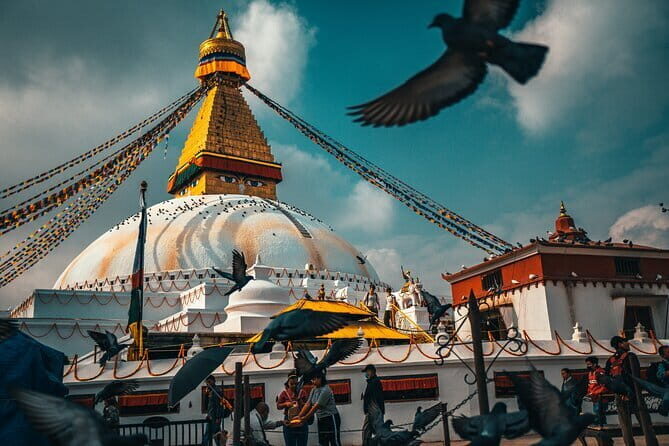
Day 11 returns you to Chhomrong. You’ll stop for lunch in Chhumrung (same area name spelled slightly differently). The village spreads across a hillside with stunning views of the Annapurnas and Machupachare. This is one of those days where you get to appreciate the scenery you saw earlier with a more relaxed body—because you’re not climbing into the unknown anymore.
Day 12 heads to Jhinu Danda, famous for a natural hot spring. There are ponds by the Modi River where you can bathe, and it’s about a 20-minute walk from your hotel in Jhinu Danda. If you’re sore at this point, this stop is one of the best ways to reset without turning your trek into a full travel-day.
Day 13 includes a lunch stop around Malekhu, described as famous for fish species and fish products. It’s a quick cultural food break that also signals you’re close to the end of the mountain portion.
Final day in Kathmandu: Pashupatinath quick photo moment (Day 14)
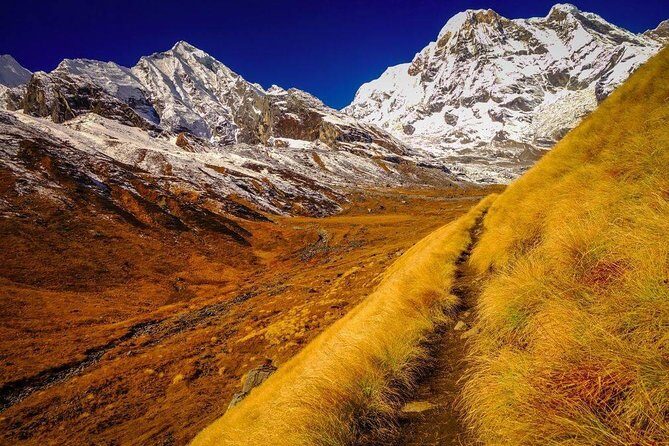
Day 14 includes a drive via Pashupatinath Temple. You can stop for a few minutes for photos. Then you’re back in the Kathmandu travel rhythm again.
This ending works well because it doesn’t try to turn the finish into a complicated sightseeing spree. After trekking, the smartest plan is usually calm transportation and a few key sights—not a full-day cram.
Guide quality: where real care shows up
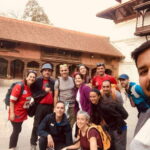
A big chunk of what makes Annapurna Base Camp manageable is the human element: pacing, encouragement, and how the team reacts when something goes off-script. In recent experiences tied to this company, guides like Suvi, Tulsi, Anil, and Krishna get praise for being organized and supportive from the moment people arrive until they leave.
One traveler even described feeling unwell after arriving and being able to change their plan and request a porter the night before. That tells me something important: you’re not just receiving a printed schedule. You have people who can help you adjust in the real world.
Also, the tone matters. One review highlighted how Krishna brought positive energy for an anxious first-time traveler. Trekking anxiety is common—especially for people new to Asia—and having someone who can keep things grounded can make the whole hike feel safer.
Who this Annapurna Base Camp trek suits best
This trek is best for active travelers who:
- Want guided route planning and lodging support
- Are comfortable with moderate high-altitude trekking
- Can handle hiking roughly 4–7 hours a day for most days
- Prefer having meals mostly handled rather than planning food daily
It’s also a good fit if you’re someone who hates the logistics headache of finding teahouses, confirming stays, and figuring out trail decisions when you’re tired.
If you’re looking for a low-effort vacation where you barely hike, this won’t match. If you’re ready to work for big views and want the mountains without the navigation stress, you’re in the right zone.
Weather and the reality of mountain mornings
This experience requires good weather, and if it’s canceled due to poor conditions, you’ll be offered a different date or a full refund. That’s not a “gotcha.” It’s how mountain travel works. With sunrise and high-altitude viewpoints involved, conditions matter.
Pack and plan like the weather could change fast. Even when your hiking day is “easy,” morning temperatures at altitude can still surprise you.
Should you book this Annapurna Base Camp trek?
I think you should book if you want a guided, small-group Annapurna Base Camp with the key experiences built in: Poon Hill viewpoints, teahouse nights, Machhapuchhre area scenery, and sunrise at ABC—without having to solve daily logistics yourself.
Skip it (or ask more questions first) if you’re extremely altitude-sensitive, want zero physical challenge, or you’re traveling with strict expectations about exact daily hiking difficulty. The itinerary is structured for active travelers, and the high mountain setting is part of the deal.
FAQ
How many people are in the group?
The trek has a maximum of 10 travelers, so it stays small-group focused.
How long is the Annapurna Base Camp trek?
The tour duration is about 14 days.
What’s included in the price?
The price includes accommodation as per itinerary, a professional guide, round-trip shared transfer, and meals: dinner (10), breakfast (13), and lunch (10). It also includes taxes, fees, and handling charges.
Are meals included on the trek?
Yes. The experience includes all meals on the trek and some meals in Kathmandu/Pokhara.
Do I get a guide and pickup?
You get a professional guide, and pickup is offered. An airport representative meets you at Tribhuwan International Airport and arranges a drop to your hotel.
Is Poon Hill part of the itinerary?
Yes. There’s a dedicated stop for Poon Hill, including a short hike to the viewpoint at 3210m.
What happens if the weather is bad?
This experience requires good weather. If it’s canceled due to poor weather, you’ll be offered a different date or a full refund. Free cancellation is also available up to 24 hours in advance for a full refund.