REVIEW · KATHMANDU
Annapurna Circuit Trek
Book on Viator →Operated by Nepal Trail Finder Treks & Expedition · Bookable on Viator
You start in busy Kathmandu and end in the Annapurna high country, with big altitude swings and real village days. I love the clear progression from low valleys to 5,416m and the way the trek layers in culture and views—from Manang’s Tibetan-influenced villages to the Thorong La Pass panorama. One consideration: you’ll be working at high altitude with long hiking days, so weather and fitness really matter.
I also like that this trek is set up for logistics with an AC vehicle, pickup offered, and a government-registered guide and porter team that handles permits like ACAP and TIMS. If you want a smooth, guided circuit with less guesswork, this is the kind of plan that helps.
In This Review
- Key Highlights That Make This Trek Work
- Entering Annapurna Circuit: Why the Route Feels Like Several Trips
- A note on pacing
- Getting to the Start in Kathmandu: Hotel Base, Permits, and Early Energy
- Comfort level expectations
- From Jagat to Chame and Upper Pisang: The Early Climb That Sets the Tone
- Why these middle elevations matter
- Ghyaru and Manang: Tibetan-Style Villages and the Best Kind of Pause
- What you can do on a rest day
- Ledar and Thorong Phedi: The High-Country Build-Up Before the Pass
- Thorong La Pass to Muktinath: The Big Day Pays Off
- A practical takeaway
- Tilicho Lake and Poon Hill: Viewpoints You Can Plan Around
- Tatopani Hot Springs and Marpha: When Your Legs Get a Break
- Food and Sleep: What’s Included, What Isn’t, and Why It Matters
- Comfort doesn’t mean luxury here
- Price and Value: Is $1,175 Fair for This Much Logistics?
- The human factor shows up in reviews
- Who This Trek Fits Best (and Who Should Pause)
- Consider thinking twice if…
- Who will love it
- Should You Book This Annapurna Circuit Trek?
- FAQ
- How long is the Annapurna Circuit trek?
- Where does the trip start?
- Is a guide and porter included?
- Are permits included?
- What is the highest point on the trek?
- What meals are included?
- What about lodging?
- Is there a cancellation option if weather is bad?
Key Highlights That Make This Trek Work
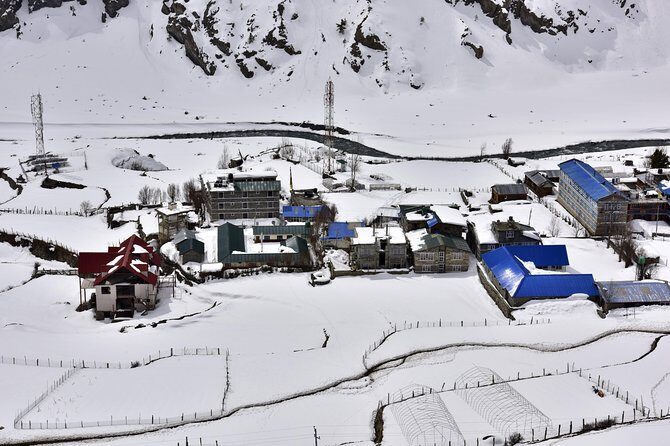
- Thorong La Pass (5,416m) as the trip’s main moment, with a long hike that rewards you if you pace well
- Manang rest day (after you climb to 3,540m) to help your body adjust before the high pass push
- Tilicho Lake and Poon Hill add classic wow-factor viewpoints beyond just passing through villages
- Muktinath + Kali Gandaki Valley bring a spiritual feel and dramatic river-gorge scenery
- Tatopani Hot Springs give you a rare chance to soak and reset your legs after altitude days
- A named guide experience can matter, and the standout feedback here includes guide support from Gyanu
Entering Annapurna Circuit: Why the Route Feels Like Several Trips
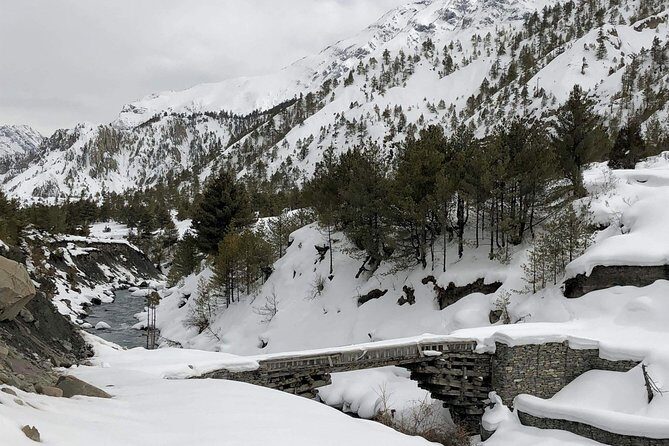
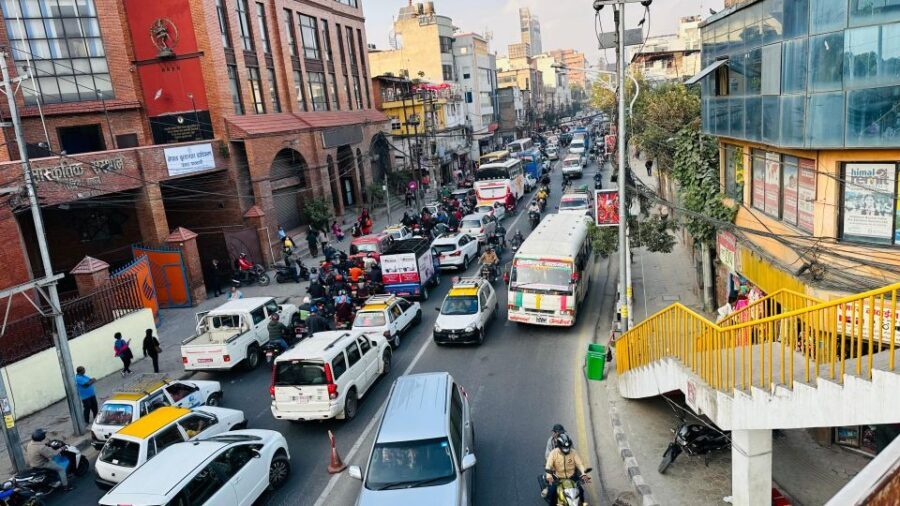
The Annapurna Circuit doesn’t do one kind of scenery well. It does multiple climates and cultures in one journey. You start at around 1,350m in Kathmandu, then you work your way through a changing mix of subtropical zones, river valleys, and Tibetan-influenced villages before reaching high, cold country.
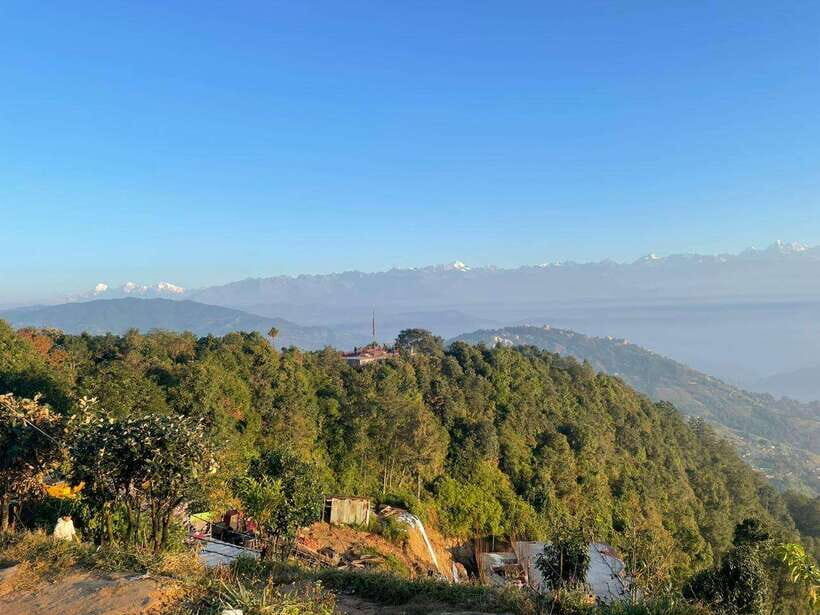
That shift is the real magic. In the lower days you’re moving through forested areas and cultivated countryside, then you gradually trade greenery for thinner air and big mountain walls. By the time you’re near the pass, the trail is less about warm-weather walking and more about endurance, concentration, and steady steps.
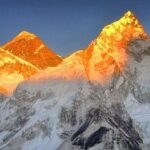
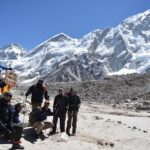
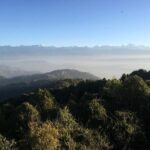
What makes this version of the circuit appealing is the mix of “high pass effort” plus “reward stops.” You’re not only trudging toward Thorong La Pass. You also get viewpoints like Poon Hill, spiritual stops like Muktinath Temple, and a reset day vibe with Manang.
You can also read our reviews of more hiking tours in Kathmandu
A note on pacing
The itinerary’s hiking times are substantial—several days around 5 to 6 hours, and the pass day is longer at about 8 hours. That tells you the plan is active. The good news is you’re not thrown straight into the highest altitude without buildup.
Getting to the Start in Kathmandu: Hotel Base, Permits, and Early Energy
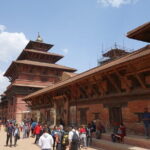
Your trip begins in Kathmandu, with pickup offered. After arrival, you have a sightseeing and trek-preparation day, plus a base in a hotel on a bed and breakfast basis in Kathmandu.
Then comes the long travel day to the trek start. You’ll drive from Kathmandu to Jagat by local transport, listed as about 9 hours with an elevation around 1,300m. It’s not a “just hop in a car and go” situation. Plan to treat that day as part of the journey, not a warm-up walk.
One practical win here: you don’t have to manage the paperwork yourself. The trip includes the necessary documents like TIMS cards and the ACAP permit. Those acronyms matter on the ground—having them lined up removes a common stress point in Nepal.
Also, the trip includes a first aid box and a guide/porter team with salaries, insurance, equipment, food, and lodging covered. That’s not just nice on paper. It usually means the trek operator is thinking about real-world needs, not only marketing.
Comfort level expectations
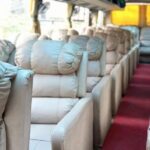
You also get an air-conditioned vehicle, which helps on the Kathmandu-to-trek logistics and later on the drives back toward Pokhara. Still, note that trekking itself won’t be cushy. This is a trek where your “comfort” comes from smart pacing, not from soft trail conditions.
From Jagat to Chame and Upper Pisang: The Early Climb That Sets the Tone
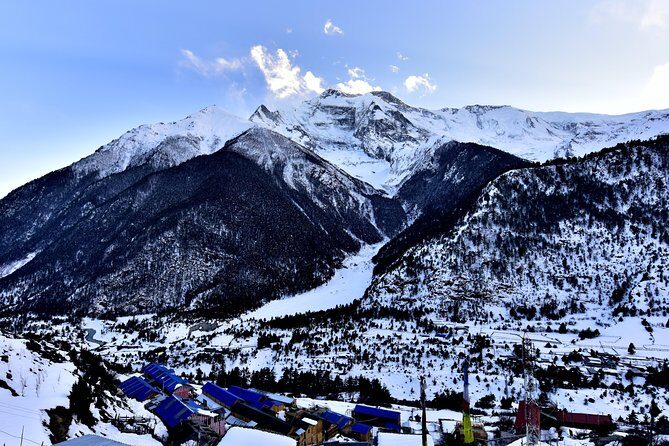
After the long ride, the hiking begins in earnest. On the route, Day 4 is a hike up to Danakyu/Dharapani (about 5 hours, reaching roughly 2,300m). That’s the first real altitude step, and it’s a good sign: you’re starting climbing without jumping too far too fast.
Day 5 pushes to Chame (about 5 hours, around 2,670m). Chame is a typical place where you can feel the trail shift more noticeably—air thins, and the cold gets more serious at night.
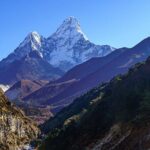
Then Day 6 goes to the upper Pisang area (about 5 hours, around 3,300m). At this point, the circuit is clearly moving into the higher part of the journey. You’ll be far enough up that the mountains start to feel close in a way that’s different from lowland hiking.

Why these middle elevations matter
Days like these do more than rack up elevation. They shape how your body responds to the later pass push. Since the plan includes a rest day in Manang, these early days act like a build-up instead of a final exam.
Ghyaru and Manang: Tibetan-Style Villages and the Best Kind of Pause
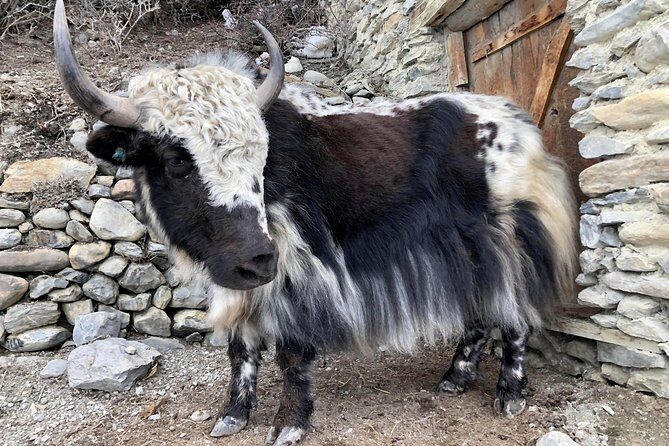
Day 7 is a longer day: hiking up to Ghyaru village and then trekking on to Manang (about 6 hours, reaching about 3,540m). This is also where the trip leans into culture. The circuit runs through regions with Tibetan Buddhist influence, so you’re not only chasing views—you’re walking among villages shaped by that faith and architecture.
Then Day 8 is the big breathing moment: a rest day to explore Manang Village.
That pause is not lazy. At 3,540m, rest is a strategy. It’s your chance to catch your breath, adjust your rhythm, and prepare for higher steps like Ledar and Thorong Phedi. If you’ve ever wondered why some trips feel easier than others, it’s often because they aren’t rushing your body into the next altitude.
Also, the circuit doesn’t just pass through. It includes stops tied to the culture and geography of the Annapurna region: Tibetan-influenced villages, the Marsyangdi Valley feel, and later the route that moves toward Mustang and the Kali Gandaki Valley.
What you can do on a rest day
Your exact options aren’t listed in detail, but you do get time to explore Manang itself. That’s a big deal. Rest day energy matters more when you can move at a comfortable pace and not feel trapped waiting for the next hike.
Ledar and Thorong Phedi: The High-Country Build-Up Before the Pass
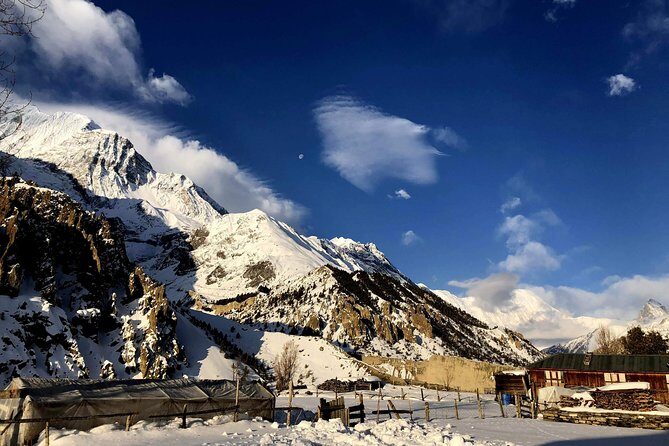
Day 9 climbs to Ledar (about 4 hours, around 4,200m). Day 10 takes you up to Thorong Phedi (about 3 hours, around 4,450m). These days are shorter than some earlier ones, but they’re higher and colder, and the air gives you less margin for mistakes.
This is where you’ll feel the circuit becoming “high mountain trekking.” Your steps may still be measured by hours, but the effort is more about breath control and steady pace.
Then comes the pass day: Thorong La Pass (about 5,416m), listed as about 8 hours, followed by trekking down to Muktinath.
That combination is the whole point of an Annapurna Circuit. You earn the viewpoint by climbing all day, then you come down into a more spiritual, legendary zone at Muktinath.
Thorong La Pass to Muktinath: The Big Day Pays Off
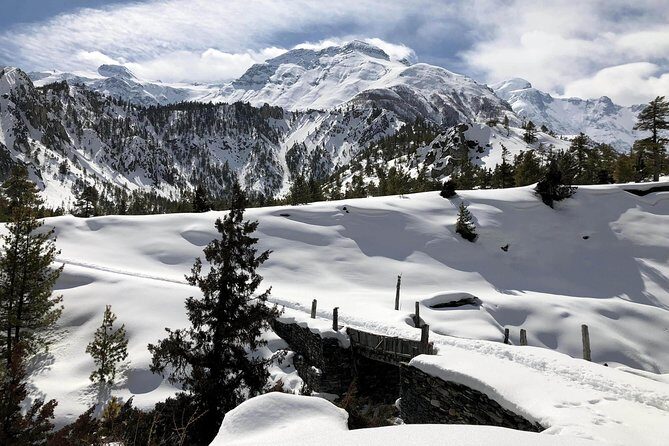
The Thorong La day is the centerpiece. At 5,416m, it’s the kind of altitude where you can’t power-walk your way through. You’ll need a slow, consistent rhythm and a calm mind—especially if conditions change.
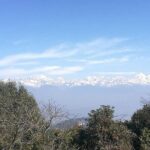
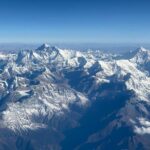
The payoff is the classic “so many peaks” panorama: the pass area is tied to mountain views that can include the Annapurna Massif, Dhaulagiri, and reference to Tilicho Peak in the broader route description.
After the pass, you trek down to Muktinath. Muktinath isn’t only scenery—it’s a cultural and spiritual stop. Your itinerary includes Muktinath Temple, so your day is both a physical high and a meaning-filled endpoint.
A practical takeaway
If there’s one day where you want to listen to your guide and keep your expectations realistic, it’s this one. The plan already builds in acclimatization steps earlier, but the pass still demands respect.
Tilicho Lake and Poon Hill: Viewpoints You Can Plan Around
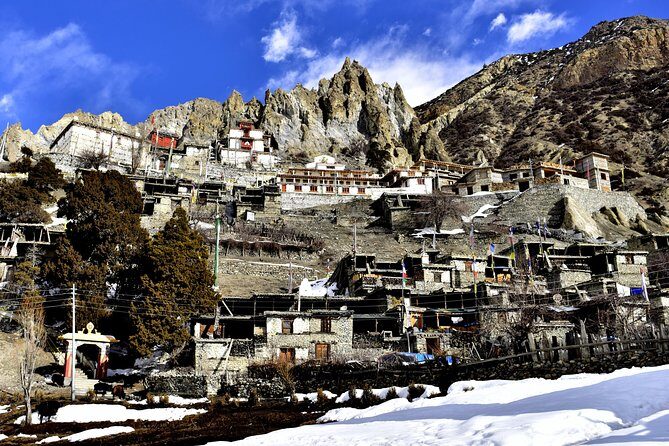
This trek includes major viewpoint stops beyond the main pass.
- Tilichol Lake (Tilicho Lake) is listed as a stop. One of the trip write-ups also describes taking a detour to Tilicho Lake, so expect that the circuit you book may include this classic high viewpoint addition.
- Poon Hill is included as a stop and is described as a place where you can see more than 20 mountains across the Annapurna and Dhaulagiri ranges.
- You also have the Ghorepani and Gurunghe Hill elements tied to that Poon Hill view route.
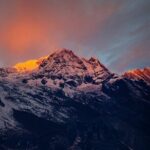
These are the “camera-and-memories” parts of the circuit. They’re also the days where waking up early (depending on how your route schedule lands) can be worth it because morning light often makes mountain silhouettes pop.
The key is that these stops make the trek feel richer than a simple high-pass corridor. You get a mix of religious sites, river valleys, and big lookout points.
Tatopani Hot Springs and Marpha: When Your Legs Get a Break
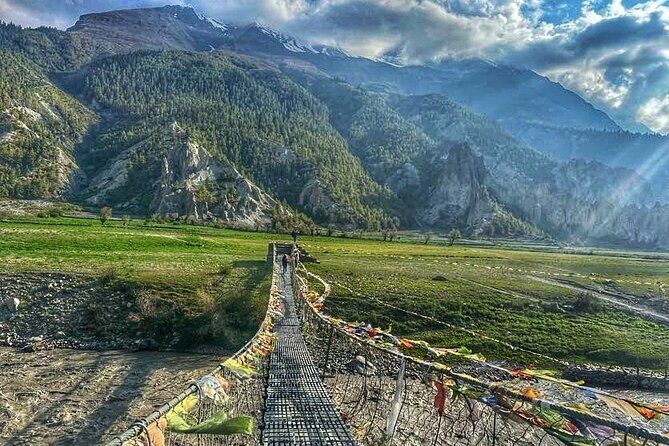
After the pass and the move into Kali Gandaki Valley, the circuit includes a chain of places that slow you down in a good way.
Tatopani Hot Springs is on the route, giving you a chance to soak after high days. This is one of the most practical “recovery features” you can ask for on a trek like this. Your itinerary explicitly includes the hot spring stop, so it’s not just a side quest.
Then there’s Marpha, described as fascinating with a small religious community, slender cobbled roads, and apple plantations. That kind of detail matters because it tells you Marpha isn’t only a place to sleep—it’s a place with daily life you can feel as you walk.
Also, the overall route description points out movement through Mustang regions and toward Hindu journey village vibes near Muktinath. The circuit’s cultural layers are part of why the trek feels like more than weather and elevation.
Food and Sleep: What’s Included, What Isn’t, and Why It Matters
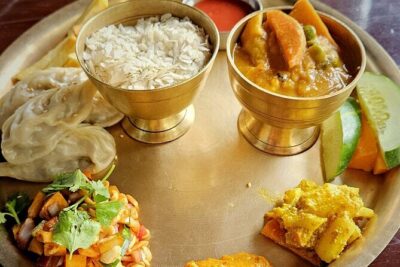
Meals are included for the trek days: you get tea or coffee with each meal, plus breakfast, lunch, and dinner. The menu choice is listed for breakfast, lunch, and dinner in each place, which can help you avoid the common “mystery meals” problem in remote trekking zones.
Your accommodations are split into two phases:
- Kathmandu and Pokhara: hotel on a bed and breakfast basis.
- Mountain trek: lodging with private/share and single/double room options.
Important catch: meals in Kathmandu and Pokhara are not included, so your budget needs to account for city meals while you’re acclimating and before you fly out.
There’s also a farewell dinner included, plus a souvenir.
Comfort doesn’t mean luxury here
Even with private or shared room options, mountain lodging will reflect local trekking realities. The value is in what’s planned around those realities: the guide/porter team, the included meals during trekking, and the permit paperwork handled for you.
Price and Value: Is $1,175 Fair for This Much Logistics?
At $1,175 per person for a trek of roughly 14 days, this isn’t a bargain trip. It’s a full-service guided expedition-style itinerary with a lot included.
Here’s what you’re paying for, based on what’s in the package:
- Guide and porter who are government registered
- Salaries, equipment, food, lodging, and insurance for that team
- ACAP permit and TIMS card support
- All fees and taxes
- Air-conditioned vehicle and listed transport segments
- Meals during the trek (breakfast/lunch/dinner) plus tea/coffee
- Hotel stays in Kathmandu and Pokhara
- A first aid box, farewell dinner, and a souvenir
Meanwhile, things outside the package are clearly marked:
- International airfare and Nepal visa fee
- Travel insurance and tips
- Personal expenses, snacks, and alcohol
- Meals in Kathmandu and Pokhara
- WiFi on board
So the value angle is simple: you’re paying for coordination and support. If you’re trying to do an Annapurna Circuit independently, the permit work, route planning, and staffing can eat up time and money fast. With this plan, those moving parts are bundled.
The human factor shows up in reviews
The strongest positive feedback includes guide support from Gyanu, praised for expertise, warmth, patience, and dedication. That kind of support matters most when the trail gets hard—on high-altitude days, during route decisions, or when you need encouragement without pressure.
Who This Trek Fits Best (and Who Should Pause)
This trip is aimed at people with moderate physical fitness. That label fits the overall structure: multiple multi-hour hikes, a big pass day, and long transport days.
It also helps that there’s a built-in rest day in Manang and a gradual rise through higher base camps like Thorong Phedi and Ledar.
Consider thinking twice if…
- You’re not comfortable with altitude challenges up to 5,416m
- You prefer short days over long hiking blocks (the itinerary includes days up to about 8 hours)
- You get discouraged by weather uncertainty, since the trek requires good weather and the operator may offer a different date or a full refund if canceled for poor conditions
Who will love it
You’ll likely enjoy this trek if you want:
- A guided circuit with permits handled
- A route that includes Thorang La Pass + Muktinath + hot springs + major viewpoints
- Daily structure (meals included on trek days, set lodging type, and a porter team)
Should You Book This Annapurna Circuit Trek?
I’d recommend booking this style of Annapurna Circuit if you want the full circuit experience without trying to juggle permits, route logistics, and staffing on your own. The big reasons are practical: guide/porter support is included, TIMS and ACAP paperwork is covered, and the itinerary includes key recovery and viewpoint moments like the Manang rest day, Tatopani hot springs, Tilicho Lake, and Poon Hill.
If you’re comfortable with high altitude trekking and long days—and you take the pass day seriously—this itinerary matches what the Annapurna Circuit is known for.
If you want maximum comfort or minimum exertion, this probably isn’t your match. This is a real trek with altitude steps and long hiking blocks.
FAQ
How long is the Annapurna Circuit trek?
The duration is listed as approximately 14 days.
Where does the trip start?
It starts in Kathmandu, Nepal, and pickup is offered.
Is a guide and porter included?
Yes. The package includes a highly experienced government registered guide and porter to carry luggage.
Are permits included?
Yes. The package includes the necessary documents and paperwork, including TIMS cards and the ACAP permit.
What is the highest point on the trek?
The itinerary lists Thorong La Pass at about 5,416m.
What meals are included?
Tea or coffee is served with each meal, and breakfast, lunch, and dinner are included during the trek. Meals in Kathmandu and Pokhara are not included.
What about lodging?
You get hotel accommodation in Kathmandu and Pokhara on a bed and breakfast basis. In the mountains, lodging is listed as private/share with single/double room options.
Is there a cancellation option if weather is bad?
Yes. Cancellation is free, and the experience requires good weather; if it’s canceled due to poor weather, you’ll be offered a different date or a full refund.
If you want, tell me your group size and travel dates (even roughly), and I’ll help you sanity-check the fit: altitude comfort, likely pace, and whether Tilicho Lake and the Poon Hill portion align with what you’re hoping to see.