REVIEW · KATHMANDU
45-Minute Mount Everest Flight Tour from Kathmandu
Book on GetYourGuide →Operated by Nepal Hiking Pvt. Ltd. · Bookable on GetYourGuide
Everest looks close. Then you realize you’re flying above the clouds. This short tour gives you a guaranteed window seat and a comfortable ride on a Jetstream 41—so you can watch the Himalayan giants roll past at cruising altitude. It’s one of the fastest ways to get the Everest-region wow-factor without committing to weeks on foot.
I love the sheer clarity you get from an unobstructed window view over the range. I also like that the plane is fully pressurized and air-conditioned, which makes “high altitude” feel more like a very scenic flight than a survival scenario. The main thing to consider is that weather and visibility can spoil the views or even lead to a cancellation on the day.
In This Review
- Key Highlights Worth Your Focus
- Why a 45-Minute Everest Flight Works When Time Is Tight
- Hotel Pickup to Kathmandu Airport: How the Day Flows
- Inside the Jetstream 41: Pressurized Comfort at Altitude
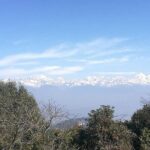
- The View Game: Everest, Lhotse, Nuptse, and More Peaks
- The Timeline: Pickup, Flight, Then Back in Kathmandu
- Price and Value: Is $250 Worth It?
- When You Should Book (and When You Should Skip)
- Should You Book This 45-Minute Everest Flight From Kathmandu?
- FAQ
- How long is the Everest flight tour?
- Where is the pickup located, and where do you return to?
- What aircraft do you fly on?
- Is a window seat guaranteed?
- What should I bring for the flight?
- Is the tour suitable for everyone?
Key Highlights Worth Your Focus
- Guaranteed window seat for serious sightlines at altitude
- Jetstream 41 comfort: pressurized and air-conditioned for a smoother ride
- About 25,000 feet overhead with views above the clouds
- Everest plus multiple 8,000-meter peaks in one sweep
- Certificate of the flight tour to make the experience feel official
- Possible cockpit access moments for a few extra photo chances
Why a 45-Minute Everest Flight Works When Time Is Tight
If you only have a couple days in Kathmandu or you’re planning a longer trek, this flight is a smart “taste test” of the Everest region. The big idea is simple: you get a front-row seat to the Himalayan spine without the logistics, training, and time commitment of climbing or even getting very close on land.
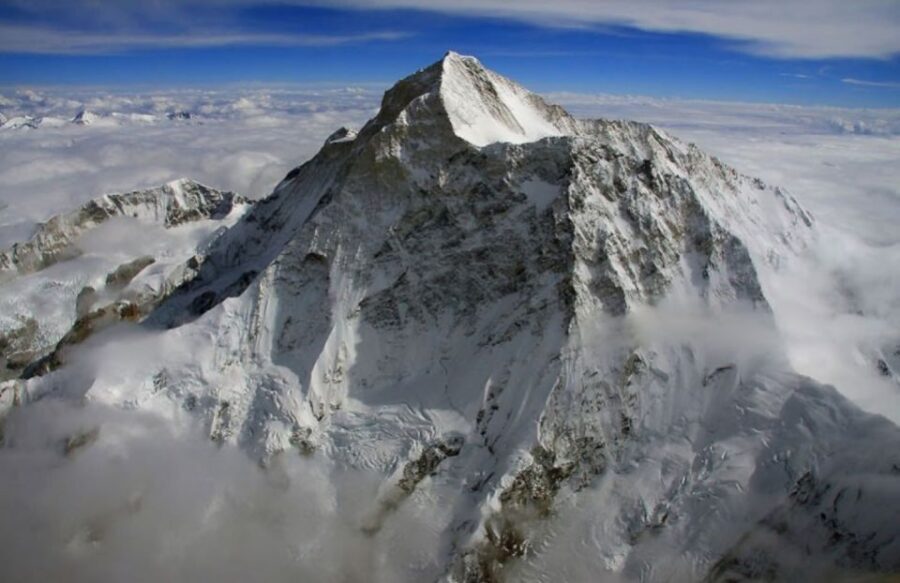
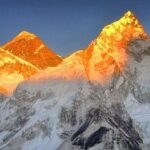
You’re also seeing the mountains the way many climbers and pilots do—at distance, in scale. Mount Everest (29,029 feet) is the star, but what really sticks with you is the chain reaction of peaks you spot across the range. You’re not looking at one dramatic postcard. You’re looking at a whole system of snow, rock, and ice lined up in a single sweep.
Now, a quick reality check: this is not a summit attempt and you won’t land near Everest. Your “close” is relative—what you’re buying is the broad, sweeping view from the air, usually above clouds, where the range can look sharply defined.
You can also read our reviews of more tours and experiences in Kathmandu.
Hotel Pickup to Kathmandu Airport: How the Day Flows
The day starts with pickup in Kathmandu (you’ll be asked for your hotel name so they can arrange pick-up). Then you transfer by car between your hotel and the airport—when that pickup option is available.
A small but helpful detail: the process includes round-trip transfers and skip-the-ticket-line handling. That matters on a short, time-efficient tour, because the less time you waste in waiting rooms, the more time you have sitting in your seat ready for takeoff.
Your driver is listed as English-speaking, which is useful for getting your bearings fast—especially if you’re juggling jet lag or a tight schedule. Bring your passport or ID, because this is the kind of activity that runs on paperwork as much as scenery.
Also keep your expectations practical: you’re dealing with a day-of flight experience. That means you’ll want to build in a bit of flexibility in your Kathmandu plan, particularly if you’re trying to protect a specific trek start date.
Inside the Jetstream 41: Pressurized Comfort at Altitude
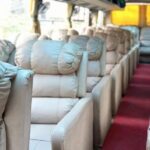
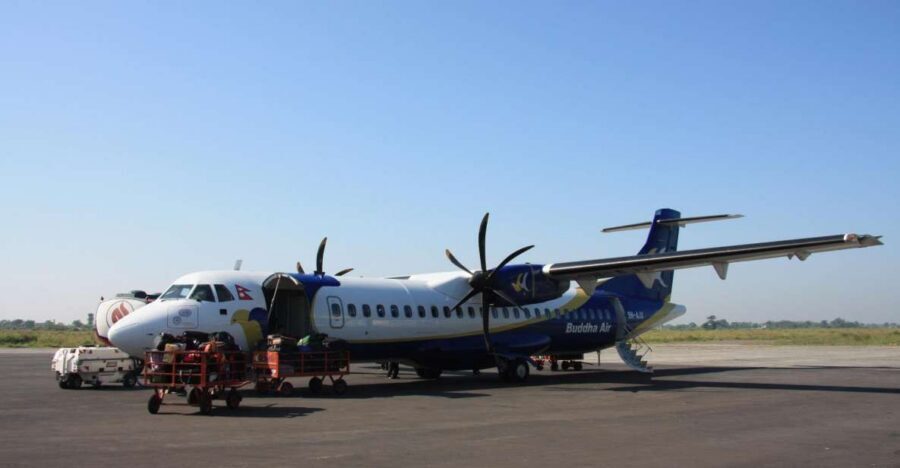
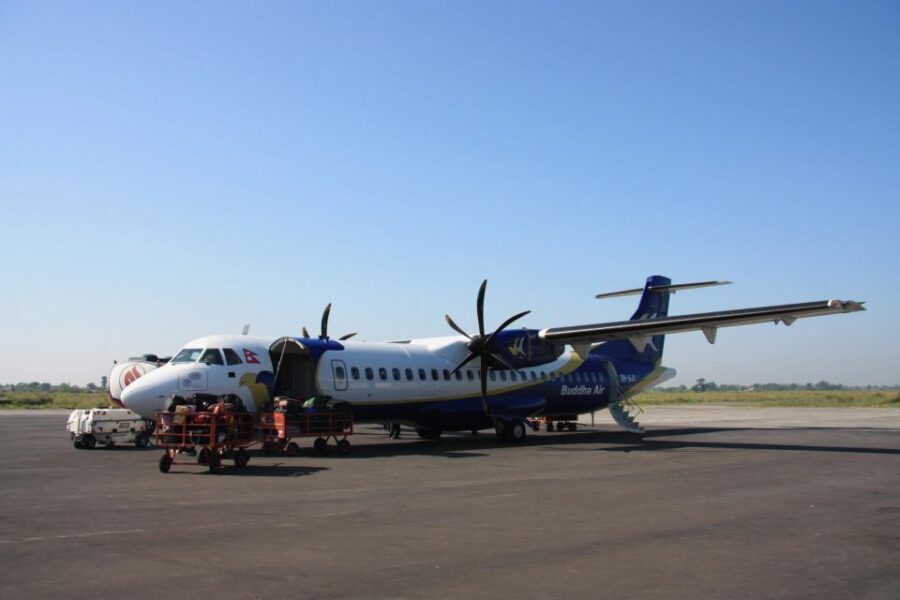
The flight is operated on a modern Jetstream 41. You’ll be in a fully pressurized, air-conditioned cabin, which is a big comfort upgrade compared to older aircraft used for some rural routes around the world.
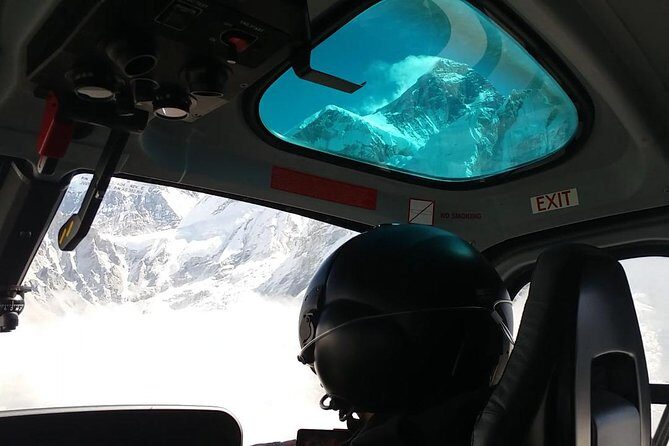
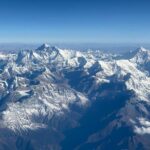
The altitude is about 25,000 feet, and that’s where the magic starts: you can fly above the clouds and watch the Himalayan range appear like it’s sitting just beyond a white curtain. From up there, you often get long, clean sightlines—especially when the window seat is truly yours and not shared, blocked, or “maybe later.”
This is also why window-seat matters. With a guaranteed window seat, you don’t have to play the seat shuffle game mid-flight. You can set up your camera, wipe a few spots from the lens, and just keep your eyes working.
Practical tips for the cabin:
- Pack sunglasses to handle glare when the light hits the snow
- Wear comfortable shoes, since you’ll be walking around airport areas
- Bring your camera, because you’ll likely want repeated shots as the range unfolds
- No smoking and no pets are allowed
One more note: the tour is listed as wheelchair accessible. If you need accessible support, confirm what the provider can do for transfers and boarding ahead of time, since airports can be unpredictable even when tours are designed for accessibility.
The View Game: Everest, Lhotse, Nuptse, and More Peaks
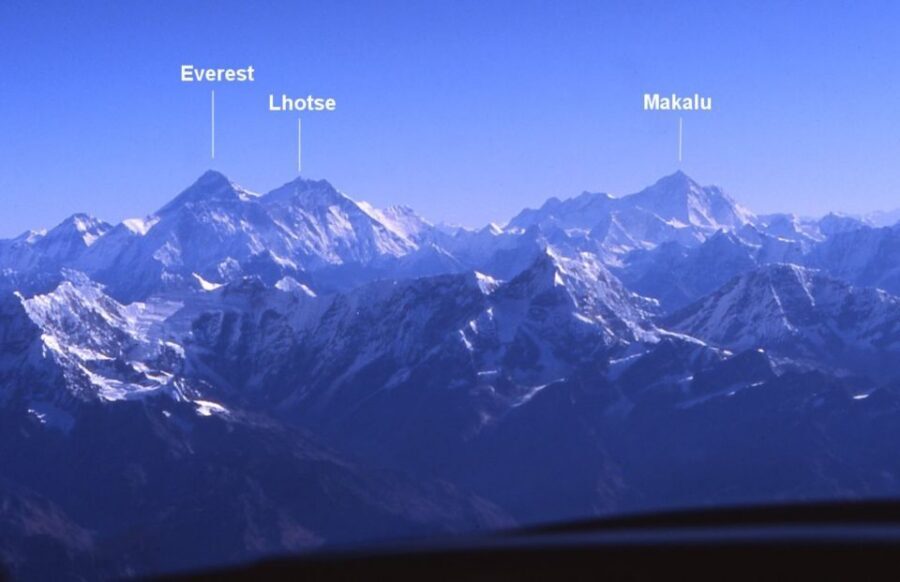
The tour’s main act is Mount Everest, and it’s not just mentioned—it’s treated as the centerpiece of the flight. You’re told you’ll see Everest along with a group of other major peaks, so the goal isn’t only spotting one mountain. It’s tracking the whole high-altitude wall of names and shapes as they pass.
From the information you’re given, you can expect views of:
- Lhotse
- Nuptse
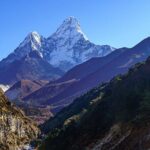
- Amadablam
- Chamlang
- Makalu
- Gauri Shankar
- Langtang Lirung
- Annapurna
- Manasalu
- Ganesh
- Kanchenjunga
That list is useful because it turns the experience into more than a single “biggest ever” moment. When you recognize even a few peaks, the flight feels educational rather than just scenic.
And the flight isn’t only about peak spotting. At this altitude, you can also see glaciers and open terrain features like lakes, rivers, and gorges. That wider geography is what makes the view feel real. It reminds you that the Himalaya isn’t only jagged points—it’s an entire system of ice, water, and carved valleys.
One extra photo-friendly detail: access to the cockpit area is listed as something that can happen a few times during the flight (noted as 2–3 times in one account). It’s not something to bet your entire day on, but if it’s available, it can add a unique perspective and a few memorable photos.
The Timeline: Pickup, Flight, Then Back in Kathmandu
Your total tour duration is listed as 1 hour. That means this is built as a short, efficient experience rather than a half-day adventure.
The typical flow is straightforward:
- Pickup in Kathmandu
- Transfer to the airport
- Fly the route focused on Everest views
- Return to Kathmandu
During the flight, the highlight is that unobstructed window views are part of the deal, with the plane flying at an altitude around 25,000 feet. Because the flight is short, you should plan to go in “camera-ready” without needing time to settle in.
When you’re back, you’re not sent away empty-handed. You receive a certificate of the flight tour, which is a small touch that makes the whole thing feel like a complete experience instead of a quick ride.
If you’re building an itinerary around a trek—especially one tied to the Everest region—this flight is often a great way to reduce uncertainty. You can see what the mountains look like when they’re not up close, and that can help you emotionally prepare for the slower rhythm of hiking.


Price and Value: Is $250 Worth It?
At $250 per person, you’re paying for convenience, time efficiency, and a guaranteed seat experience that’s designed for sightseeing. You’re also paying for the aircraft and the fact that this is a guided scenic flight with transfers and a certificate.
Here’s the honest value math:
- If you’re short on time in Kathmandu, a 45-minute airborne window on Everest and nearby peaks can beat the cost and effort of longer detours.
- If you’re curious about Everest and want a first taste before you commit to trekking, this can be a high-impact decision.
- If you’re expecting helicopter-level closeness, you might feel disappointed. One account describes the surprise of realizing it was a normal plane rather than what they assumed, and that’s a good reminder to line up expectations.
Weather is the wild card. The flight operates every day all year round, but low visibility can ground flights. That’s not a deal-breaker, but it’s why flexibility matters. On the positive side, one account includes being rebooked on the next day when weather canceled the original attempt. On the tough side, another account describes waiting at the airport for hours and still ending up canceled.
So is it worth it? If you can handle the risk of a weather day and you want the quick Everest fix, the price can make sense. If you need certainty and you can’t rearrange anything, you’re taking on the one downside that matters most.
When You Should Book (and When You Should Skip)
This is best for:
- First-timers in Nepal who want an Everest-region introduction without trekking immediately
- People with limited time who still want to see Everest and the Himalayan range from the air
- Anyone who values comfort and a guaranteed seat view over uncertainty
It may not be for you if:
- You’re pregnant. This tour is listed as not suitable for pregnant women.
- You’re chasing extreme closeness to Everest’s summit area. This is a distance view from altitude, not a landing near Everest.
- You can’t tolerate waiting on weather delays. Visibility problems can cancel flights, sometimes after a long wait.
If you’re physically comfortable with flying and you have a flexible Kathmandu schedule, the experience fits nicely into a short itinerary. I’d also treat it as a “confidence builder” for future trekking plans. Even if you never trek, it’s a powerful reminder that Nepal’s mountains are not scenery—they’re scale.
Should You Book This 45-Minute Everest Flight From Kathmandu?
I’d book it if you want the fastest, most straightforward way to see Everest’s big-picture presence and the range of nearby major peaks. The guaranteed window seat, the pressurized, air-conditioned Jetstream 41, and the short time commitment are the winning combo here. Add transfers and a certificate, and it’s a neat, complete package for the price.
But I’d hesitate if your schedule is rigid and you can’t absorb a weather cancellation. This isn’t a land tour you can redo later the same week on foot—it’s a flight, and visibility is the boss.
If you can plan with a little slack and you’re comfortable with a “views above the clouds” style of sightseeing, this is one of the most efficient ways to experience the Everest region without climbing a thing.
FAQ
How long is the Everest flight tour?
The activity duration is listed as 1 hour, with the flight itself described as about 45 minutes to 1 hour.
Where is the pickup located, and where do you return to?
Pickup is in Kathmandu, and you arrive back in Kathmandu after the flight.
What aircraft do you fly on?
The flight uses a modern Jetstream 41.
Is a window seat guaranteed?
Yes, the tour highlights unobstructed views with a guaranteed window seat.
What should I bring for the flight?
Bring your passport or ID card, comfortable shoes, sunglasses, and a camera.
Is the tour suitable for everyone?
It is listed as not suitable for pregnant women, and it is listed as wheelchair accessible. Pets are not allowed and smoking is not allowed.