REVIEW · KATHMANDU
Annapurna Circuit Trek with Tilicho Lake (16 Days)
Book on Viator →Operated by Sole Encounters Adventures · Bookable on Viator
Three worlds in one high trek. This 16-day Annapurna Circuit route with Tilicho Lake and Thorong La mixes steady walking days, Tibetan-influenced Manang culture, and that big pass moment you plan around for months. You start in Kathmandu, drive to the trekking hub of Dharapani, then work your way up through alpine villages and over 5,000m terrain—ending with a calmer Pokhara stay.
What I like most is the way altitude is handled with a real acclimatization plan in Manang (including optional hikes you choose with your guide). I also like the support system: a government-licensed, first-aid trained trekking guide plus porters for your overnight bag and an assistant guide per 5 trekkers, so you’re not just “on your own with a map.”
My main caution: trek meals aren’t included (beyond select hotel breakfasts and a couple dinners), so your daily budget and water choices matter. Hot showers and charging can cost extra in many teahouses, too—so plan for small add-ons on the trail.
In This Review
- Key highlights I’d plan around
- How this Annapurna Circuit starts with purpose (Kathmandu to Dharapani)
- Days through the Marsyangdi Valley: forests, ridges, and quick altitude gains
- Manang Valley: the culture you remember and the acclimatization you need
- Tilicho Base Camp to Tilicho Lake: one of the highest lake days
- Yak Kharka and Thorong Phedi: your pass prep, step by step
- Over Thorong La into Muktinath: big effort, then a sacred descent
- Kagbeni to Jomsom and the Lower Mustang feel before Pokhara
- Teahouses, porters, and the reality of daily comfort
- Price, value, and what’s really driving the cost
- How many people are you hiking with?
- Should you book this Annapurna Circuit with Tilicho and Thorong La?
- FAQ
- How long is the Annapurna Circuit Trek with Tilicho Lake?
- Where does the trip start and end?
- What are the highest points on the route?
- What kind of accommodation do you get?
- Are permits included?
- What staff support is included?
- Are meals included during the trek?
Key highlights I’d plan around
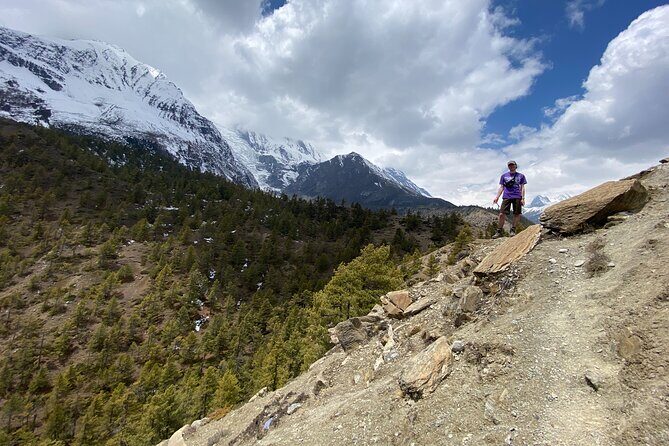
- Tilicho Lake at 4,919m: a high alpine lake day with Hindu and Buddhist reverence
- A built-in Manang acclimatization day: plus optional hikes to match your comfort level
- Thorong La Pass at 5,416m: the iconic high point reached by a strenuous early start
- Teahouse comfort with porter support: overnight bag carried at a 2 trekkers to 1 porter ratio
- Mustang-style terrain later on: Kagbeni and the Kali Gandaki valley feel a lot drier and more ancient
- Finish with Pokhara lakeside time: a proper decompression after the rugged days
How this Annapurna Circuit starts with purpose (Kathmandu to Dharapani)
Your trip begins in Thamel, Kathmandu, with an airport pickup and transfer to a 3-star hotel in the Thamel area (breakfast included). Even before you hike, you get that useful “get your bearings fast” feeling: a real human greets you, helps with timing, and gets you sorted so you can sleep and prep.
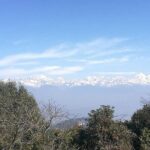
Then the trek proper kicks off with the drive out of the Kathmandu valley. You’ll ride the Prithvi Highway corridor past the Trishuli River and stop in places like Mugling and Besisahar, where the Annapurna Circuit is famous for meeting real Nepal—not just scenery. The route ends at Dharapani, your launch point at about 1,960m, under pine forests and snowy ridgelines.
Why this matters: a lot of trekking stress comes from transport uncertainty. Here, the day is structured with clear stops and transfers, and that sets you up for a calm first trekking night in the mountains.
You can also read our reviews of more hiking tours in Kathmandu
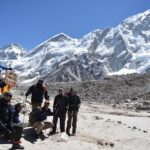
Days through the Marsyangdi Valley: forests, ridges, and quick altitude gains
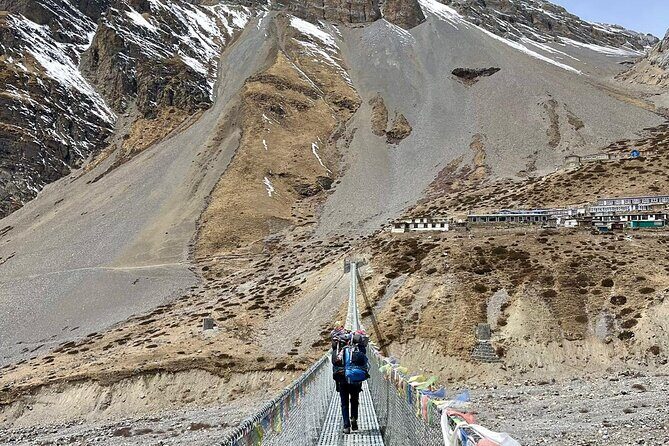
Your early hiking days climb out of lower river terrain into the classic Marsyangdi Valley rhythm—long enough walks to earn the view, but not so fast that you feel punished.
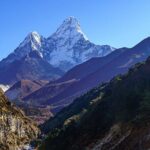
You’ll pass through villages such as Tachi Bagarchhap, then Chame (around 2,670m). Chame is a Manang District administrative hub, and it’s a good checkpoint: you’re in a Tibetan-influenced area now, with stone buildings, prayer flags, and a sense that the region changes as altitude rises. From there, you move to stops like Bhratang (in a forested gorge by the Marsyangdi River) and Pisang/Upper Pisang (around 3,300m), where the trails run high above the river with strong views toward peaks in the Annapurna area.
A practical note: this segment is often the “feel-good” part of the trek. The walking is steady, the villages break up the days, and you’ll start to notice how the vegetation thins as you climb.
Possible drawback: because these early days are pretty scenic and varied, it’s easy to overspend energy. Keep your pace controlled; don’t treat every view as an excuse to speed up.
Manang Valley: the culture you remember and the acclimatization you need
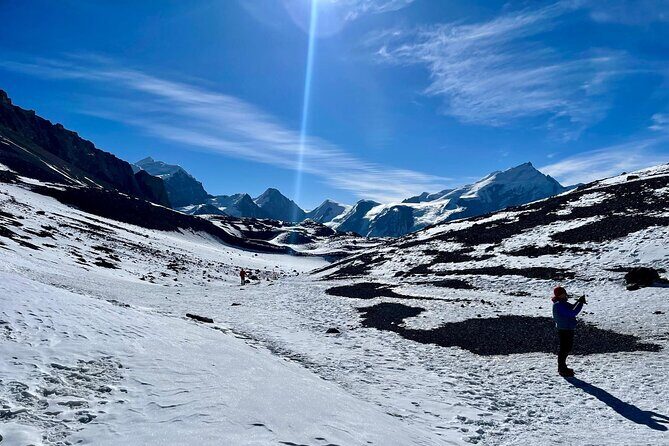
By the time you reach Manang (about 3,540m), the trek starts to feel more like a lived-in high valley than a “climb to a destination.” Manang sits under dramatic peaks and works as the logistical center for the area—so it’s where you’ll notice more trekkers, more teahouses, and more conversation in multiple accents and languages.
This trek builds in a dedicated acclimatization day in Manang. You can choose from three acclimatization hike options with your guide. That flexibility is valuable because everyone’s body reacts differently, especially around this altitude zone.
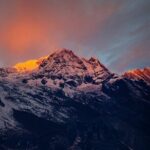
Then you move onward toward Siri Kharka (around 4,060m) through juniper shrublands and ridgeline walking. This is where the air starts feeling thinner, and the trail can get more exposed. You’ll still have cultural touchpoints—prayer flags, small settlements, the daily village rhythm—but the dominant sensation becomes high-altitude quiet.
Why I rate Manang highly here: it’s not just a rest day. It’s an altitude strategy day, and that’s the difference between feeling strong over the pass later versus dragging through cold ridges.
Tilicho Base Camp to Tilicho Lake: one of the highest lake days
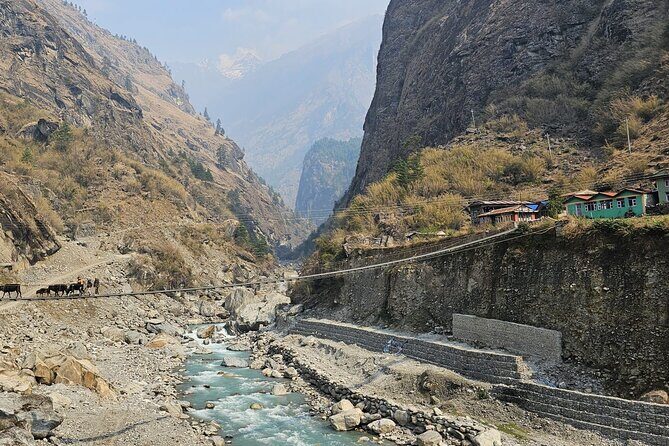
Tilicho is the headline detour, and the trek handles it with a gradual ramp. You go to Tilicho Base Camp (about 4,150m), which sits under towering cliffs and glacier-carved slopes. The route from Siri Kharka is described as short but intense, including narrow paths along landslide-affected areas.
From base camp, you reach Tilicho Lake (about 4,919m). This day is a compact commitment: high altitude, cold air, and that sense of reward that comes from seeing a destination that feels almost unreal. Tilicho Lake is revered in both Hindu and Buddhist traditions, which adds meaning to what could otherwise feel like a hard slog.
What you should expect: fewer comforts at that height. You’ll likely feel the cold quickly, and you’ll want to move efficiently. The time allocation you have for the lake day matters—so build your “how long do I linger” plan around your breathing and warmth.
Potential drawback: weather at high elevations can change fast. Even with a good plan, you should expect cold and wind risk on the lake day, so pack accordingly.
Yak Kharka and Thorong Phedi: your pass prep, step by step
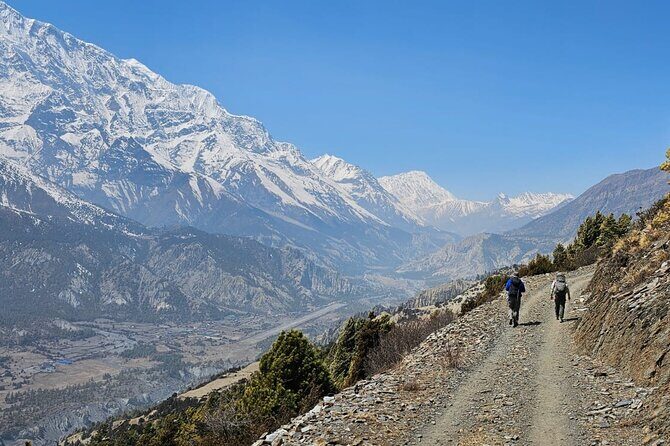
After Tilicho, the trek transitions toward Thorong La through high staging points.
You’ll stop at Yak Kharka (about 4,050m), a settlement used for acclimatization and staging. The day includes a notable pattern: a descent (about 250m from Siri Kharka to Khangsar, based on the provided route description), then more walking and upward movement toward your next base. You’re not just “going forward”; you’re positioning your body and your sleep for the pass crossing.
Then comes Thorong Phedi (about 4,540m), the final overnight stop. This is where you’ll feel the reality of an iconic high pass: barren, dusty ridgelines, higher exposure, and a sense that you’re in the final zone of the trek.
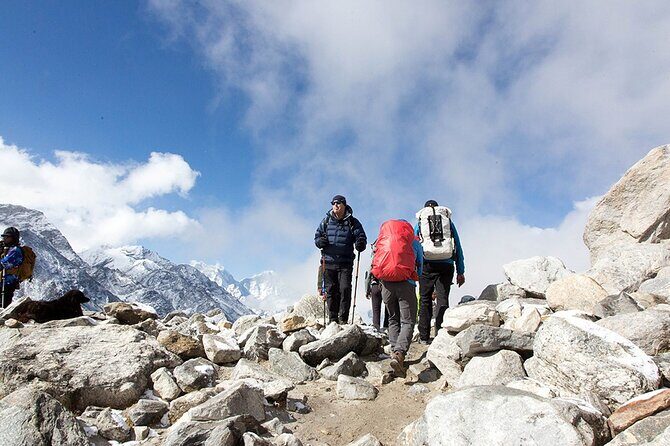
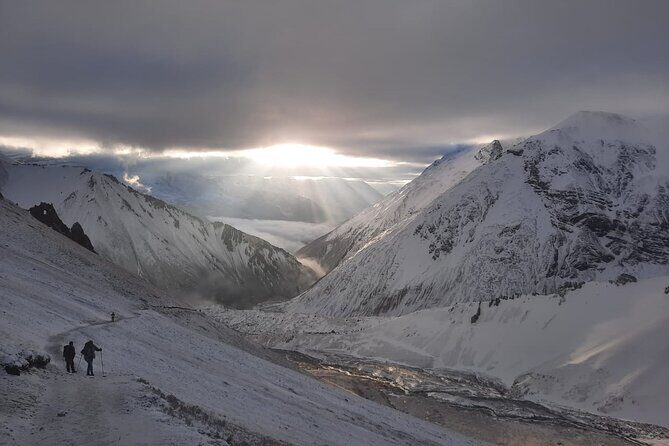
Thorong La Pass day (5,416m) is reached by a strenuous pre-dawn climb of over 900 meters from Thorong Phedi. That early start is not optional. It’s the nature of high passes, and it’s also why proper acclimatization earlier pays off.
Small but important practical tip: on pass day, treat breakfast and hydration as mission-critical. Cold reduces how much you want to drink, and you’ll need enough fluids to keep moving comfortably.
Over Thorong La into Muktinath: big effort, then a sacred descent
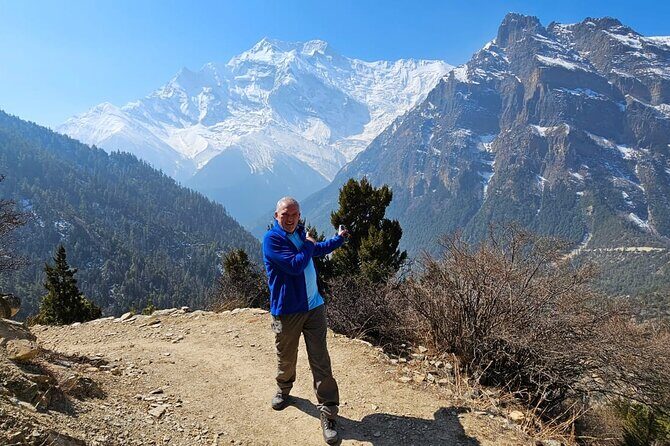
After the pass crossing, you drop into the world of Muktinath (about 3,760m). The descent described here is significant—around 1,600 meters—through rocky terrain and desert-like valleys. You’ll also notice the view shift toward the Mustang region, which tends to look drier, more weathered, and more open.
Muktinath is one of Nepal’s most revered pilgrimage destinations. That doesn’t mean you’ll be sitting around for long, but it does mean your walking day has a cultural pulse. This is one of those places where the landscape feels harsher, yet the human meaning is very alive.
Why the Muktinath stop works: the hardest altitude day is already done. The day afterward is still demanding, but it’s a new phase—less “maximum effort” and more “moving through a place people have honored for a long time.”
Kagbeni to Jomsom and the Lower Mustang feel before Pokhara
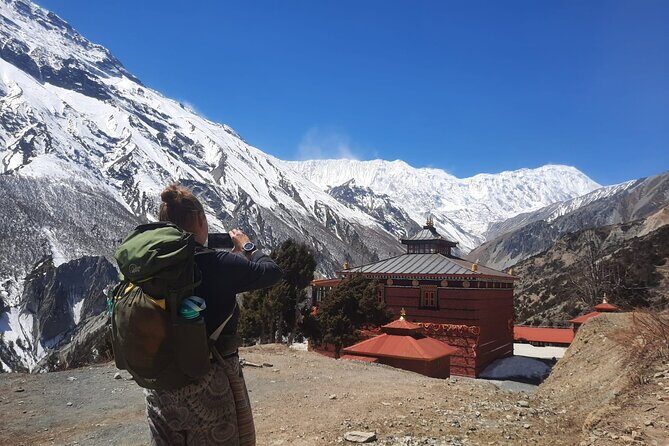
Once you reach the Kali Gandaki corridor, the trek shifts into a different visual and emotional gear.
You’ll stop in Kagbeni (about 2,810m), a centuries-old village at the confluence of the Kali Gandaki and Jhong rivers. This is the gateway to Upper Mustang, known for ancient red-walled monasteries and narrow stone pathways. It feels older, tighter, and more carved by time than many other Annapurna villages.
Then Jomsom (about 2,720m) follows. You’ll descend around 250m from Kagbeni through windswept Kali Gandaki River terrain. This is where the trek starts connecting more directly to modern regional travel rhythms—more movement, more logistics, and a sense that you’re moving toward the end of the circuit.
Day 14 adds a scenic contrast: Kalopani (about 2,530m) is noted as one of the greenest and most beautiful villages in the Mustang area, a sharp contrast to the arid stretches above. After that, you continue down toward Beni (about 850m), a busy river junction market town, before reaching Pokhara Lakeside.
What I like about this finish: Pokhara isn’t thrown in as a token. It’s the full reward day sequence, and it helps you reset after cold nights and steep walking.
Teahouses, porters, and the reality of daily comfort
This trek is built around standard teahouse stays during the trek, plus 3-star hotels with breakfast in Kathmandu and Pokhara. That mix is practical: you get comfort at the start and finish, and simple warmth during the hike.
You’ll travel with:
- Porters for your overnight bag, with a 2 trekkers to 1 porter ratio
- A professional, government-licensed, first-aid trained trek guide
- An assistant guide per 5 trekkers
So the workload is managed. You carry yourself; they manage the bag weight. Still, you need to pack smart because you’ll want essential layers with you for cold mornings and pass starts.
Meals: hotel breakfasts are included, and there are welcome/farewell dinners plus some breakfast/dinner counts listed. But trek meals are not included beyond that. That’s normal for many Nepal treks, but it changes your daily planning. Have a rough cash budget for lunch/dinner during hiking days.
Water and charging: drinking water isn’t included, and charging/hot showers can cost extra. I’d strongly recommend bringing a filter bottle or purification tablets, since you’ll want dependable water access at almost every stop.
Price, value, and what’s really driving the cost
At $1,800 per person for about 16 days, this isn’t a cheap trek—but it’s also not just you renting a guide and hoping for luck.
Here’s what you’re getting that affects real value:
- Transport support: private transfers within the trip (Kathmandu to Besisahar), airport pickup/drop-off, and bus connections back
- Lodging coverage: 3-star hotels in Kathmandu and Pokhara, plus teahouse accommodation on trek days
- High-touch staffing: government-licensed guide, assistant guide ratio, and porters at a defined ratio
- Permits: ACAP and TIMS are included
- Insurance coverage for the trekking crew (guides/porters), plus a trek achievement certificate
What you still need to budget for:
- International airfare (not included)
- A $50 government fee listed as not included
- Travel insurance for you (including emergency evacuation and coverage for the highest altitude you reach)
- Trek meals (not included)
- Tips/gratuities (not mandatory, but expected as a gesture of appreciation)
My value take: if you want a guided Annapurna Circuit with Tilicho that doesn’t make you worry about permits, porter logistics, or the pass staging, the included package makes sense. The biggest “watch this” items are food on the trail, water planning, and making sure your insurance actually covers high altitude.
How many people are you hiking with?
This trek is capped at a maximum of 14 travelers. That size usually means you get the benefits of a group—shared pacing, shared logistics—without feeling like you’re stuck in a crowd at every tea stop.
It’s also the kind of group size where your guide can still manage individual questions about acclimatization and energy levels. On a pass-focused itinerary, that matters.
Should you book this Annapurna Circuit with Tilicho and Thorong La?
Book it if you want:
- A classic Annapurna Circuit arc plus the extra intensity of Tilicho Lake
- A pass itinerary that prioritizes acclimatization planning (not just “go higher and hope”)
- Teahouse trekking with real support staffing: guide, assistant guide, and porters for overnight bags
- The arc of the trip: high-altitude effort, then a meaningful cultural stop at Muktinath, and finally a calmer reset in Pokhara
Skip (or ask more questions first) if:
- You don’t want to manage costs for trail meals, water, and optional charging/hot showers
- You’re not confident in your fitness for a strenuous pre-dawn Thorong La climb to 5,416m
- You want a trek with fully included meals day after day (this one isn’t built that way)
If you do book, tell your guide your comfort level early. The optional acclimatization hike choices in Manang are a big clue that this trek expects you to listen to your body—and adjust without drama.
FAQ
How long is the Annapurna Circuit Trek with Tilicho Lake?
It’s listed as 16 days approximately, including transport days from Kathmandu to the trekking start and a return through Pokhara and back to Kathmandu.
Where does the trip start and end?
The meeting point is Thamel, Kathmandu (44600, Nepal), and the experience ends back at the same meeting point.
What are the highest points on the route?
The itinerary highlights Tilicho Lake (4,919m) and Thorong La Pass (5,416m) as major high-altitude goals.
What kind of accommodation do you get?
You’ll stay in 3-star hotels in Kathmandu and Pokhara (with breakfast) and in standard teahouses during the trek.
Are permits included?
Yes. The package includes the Annapurna Conservation Area (ACAP) Permit and the TIMS Permit, though there’s also a $50 government fee per person listed as not included.
What staff support is included?
You get a government-licensed, first-aid trained trek guide, an assistant guide per 5 trekkers, and porters for your overnight bag at a 2 trekkers to 1 porter ratio.
Are meals included during the trek?
Not fully. Trek meals aren’t included; the package includes hotel breakfasts and selected dinners (welcome/farewell), with additional food available to purchase in teahouses.