REVIEW · KATHMANDU
Annapurna Base Camp Trek
Book on Viator →Operated by Touch The Himalaya Treks & Expedition · Bookable on Viator
Annapurna Base Camp is a big climb. What makes this trek work so well is the local guide team from the Annapurna region and the way they handle permits and day-to-day logistics while you focus on walking. I also like that your plan starts early from Thamel at 6:15 am, which keeps the whole schedule tight, even though it means an early morning.
The big bonus here is the safety-and-comfort approach at altitude. I like the acclimatization mindset and the fact that the guide is government-licensed with first-aid training, plus there’s a basic first-aid kit on trek. One consideration: this is listed for people with moderate fitness, so you’ll want to be comfortable with long, uphill days and thin air.
If you’re craving a classic Annapurna experience with sunrise drama and mountain villages you can actually pass through, this itinerary delivers a lot. You’ll also get practical extras like airport pickup/drop in Kathmandu, a mobile ticket, trekking maps, and a duffel bag system that keeps the “what do I carry?” stress under control.
In This Review
- Key highlights worth your attention
- Why Annapurna Base Camp feels different on this 10-day plan
- Price and logistics: what $700 typically covers (and why it matters)
- Day 1: Thamel to Pokhara is your setup day, not a lost day
- Day 2 to Day 4: Ulleri, Ghorepani, and the Poon Hill sunrise payoff
- Days 5 and 6: Tadapani to Sinuwa, then Deurali gets rugged
- Day 7 and Day 8: Deurali to Annapurna Base Camp, then the return to Sinuwa
- Day 9: Jhinu hot springs gives you a real after-trek reset
- Day 10: Pokhara to Kathmandu, choose drive or fly
- The team behind it: guides, permits, and the peace-of-mind factor
- What you’ll really feel on the trail: effort, altitude, and pacing
- Packing tips that match the itinerary (not just generic advice)
- Who should book this Annapurna Base Camp trek?
- Should you book Touch The Himalaya for ABC?
- FAQ
- Where is the meeting point, and what time does the trek start?
- How long is the Annapurna Base Camp trek?
- Is this a private tour?
- What’s included in the trek price?
- Are meals provided during the trek, or do I buy them?
- Is a duffel bag provided?
- Are tips included?
- What is the cancellation policy for a full refund?
Key highlights worth your attention
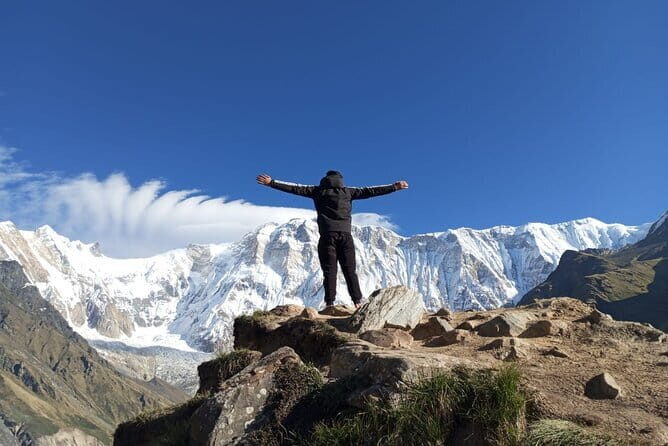
- Local experts from the Annapurna region guide the route and help you navigate high-altitude conditions
- Poon Hill sunrise is built into the trek early, then you still get a full hiking day afterward
- All necessary trekking permits and fees are included, so you’re not scrambling for paperwork
- Duffel bag + porter support helps you travel lighter on the steep sections
- Private group setup means your pace and plan stay consistent with your group
- Jhinu hot springs give you a real “reward day” after the main base camp push
Why Annapurna Base Camp feels different on this 10-day plan
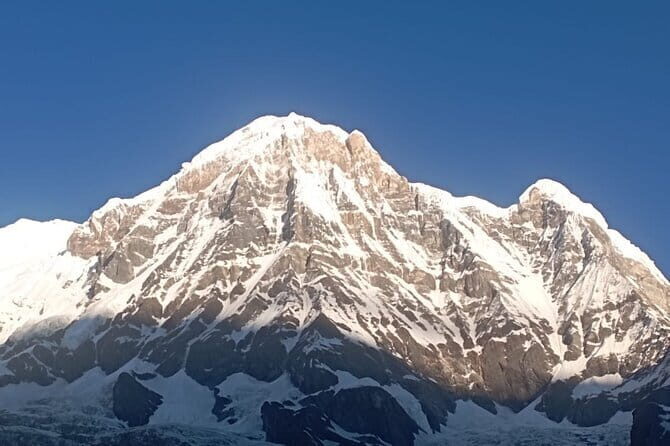
Annapurna Base Camp is not just a checkbox trek. It’s a steady build-up: you gain altitude gradually, you pass through villages and forests, then the mountain views tighten like a camera zoom until you’re standing in base-camp country.
What I like about this version is that it’s not only about reaching the base camp signboard. You start with the classic warm-up scenery around Pokhara and the walking-to-Ghorepani rhythm, then you get your sunrise at Poon Hill before the trail turns more serious. That mix makes it feel complete rather than rushed.
You also get a schedule that’s structured around realistic trekking blocks: drive days, then full hiking days with rest breaks and tea-house stops. That matters because ABC is as much about managing your energy as it is about distance.
You can also read our reviews of more hiking tours in Kathmandu
Price and logistics: what $700 typically covers (and why it matters)
For $700, you’re not just paying for a guide and a map. This package includes airport pickup and drop plus two nights of accommodation in Kathmandu before and after the trek, which is a big deal when you’re arriving jet-lagged and figuring out Nepal logistics.
During the trek, it includes breakfast, lunch, and dinner, and it covers all necessary trekking permit and fees. That’s value you feel quickly, because permits and guiding costs can be the “surprise line items” people forget to budget for.
You also get porter and guide costs bundled in, including salary, insurance, equipment, transport, food, and accommodation for the crew. In plain terms: you’re paying for the infrastructure that lets you focus on walking, eating, sleeping, and recovering.
Finally, there’s the practical touch of a mobile ticket and complementary trekking maps. Those sound small, but when you’re moving between towns and trailheads, clarity beats guesswork.
Day 1: Thamel to Pokhara is your setup day, not a lost day
You meet in Thamel, Kathmandu, and the start time is 6:15 am. From there, you’re transferred to Pokhara by tourist bus, car, or flight, with the road option taking about 7 hours for roughly 200 km west.
Why that first day matters: Pokhara is your altitude and comfort runway. You’ll have time to adjust from Kathmandu’s chaos into a calmer lakeside base before your real hiking begins.
The drive also gives you a visual treat along the Trishuli River side. Even if you’re tired, it’s a nice change of pace from traffic-heavy Kathmandu, and it helps you feel like you’re already moving “into” the trek rather than just traveling.
Day 2 to Day 4: Ulleri, Ghorepani, and the Poon Hill sunrise payoff
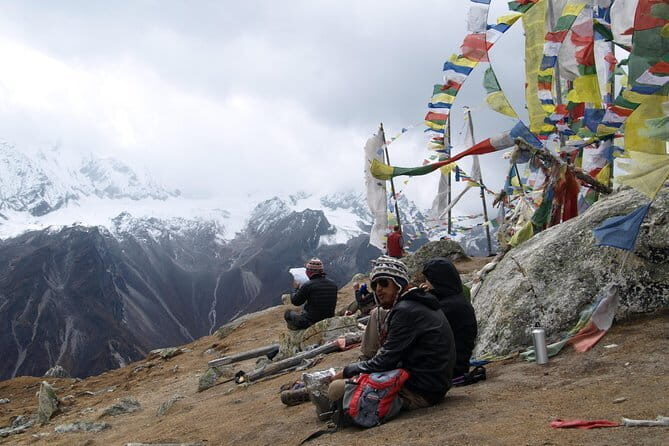
On Day 2, you drive to Nayapul (about an hour), then start trekking to Ulleri. The route follows the Modi Khola River through villages, and the walking time is about 5 hours. This is your first real chance to learn your rhythm: steady breathing, short rests, and keeping your legs fresh.
Day 3 takes you from Ulleri to Ghorepani in about 5–7 hours. Expect forested sections and a gradual ascent that sets up big Annapurna-range views. Ghorepani is a classic staging village for this region, and it’s where the trek starts feeling like a real mountain journey instead of a long day walk.
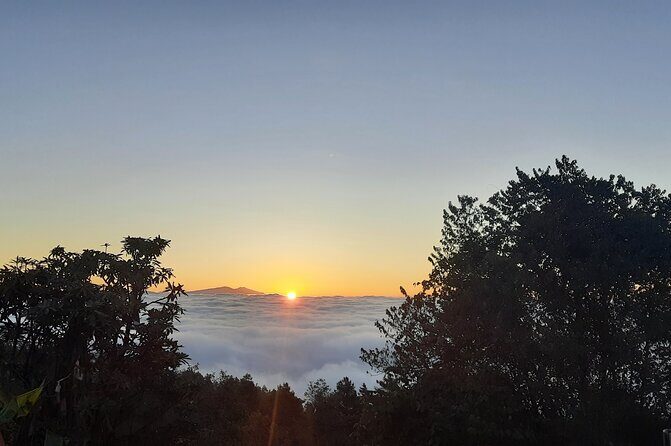
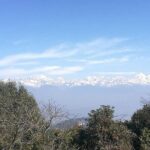
Then comes Day 4, the day that many people remember for the sunrise alone. You hike up early to Poon Hill to watch the sunrise over the Annapurna and Dhaulagiri mountains. Afterward, you return to Ghorepani for breakfast, then trek onward toward Tadapani for around 4 hours.
A useful way to think about this day: sunrise hikes are usually tiring. The trick is not to sprint for the view. You go slow, you dress warm, and you treat the sunrise as a short burst of payoff before you settle into the afternoon trek.
Days 5 and 6: Tadapani to Sinuwa, then Deurali gets rugged
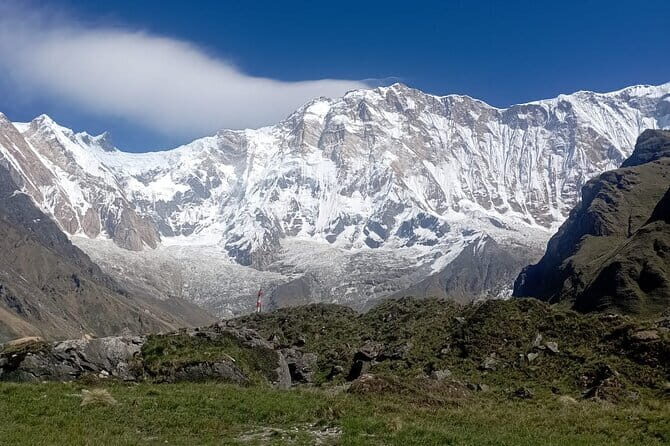
Day 5 goes from Tadapani to Sinuwa (about 6–7 hours). You’re descending through lush forest and passing small villages, with Annapurna views visible through parts of the route. This day can feel like a “recovery” compared to the steepest pushes, but don’t let your guard down—long days still add up.
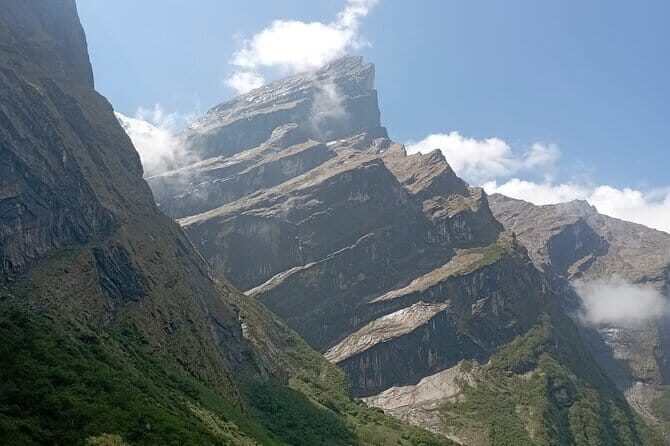
Day 6 moves from Sinuwa to Deurali in around 5–6 hours and includes a steady ascent. The trail gets more rugged as you approach Deurali, and you’ll cross a glacier section described as the Khumbu Glacier.
Even when a trek day is “only” 5–6 hours, the quality of the altitude changes everything. Your body works harder even at a slower pace. This is where good guide judgment shows: the plan and pace need to respect acclimatization, not ego.

Day 7 and Day 8: Deurali to Annapurna Base Camp, then the return to Sinuwa
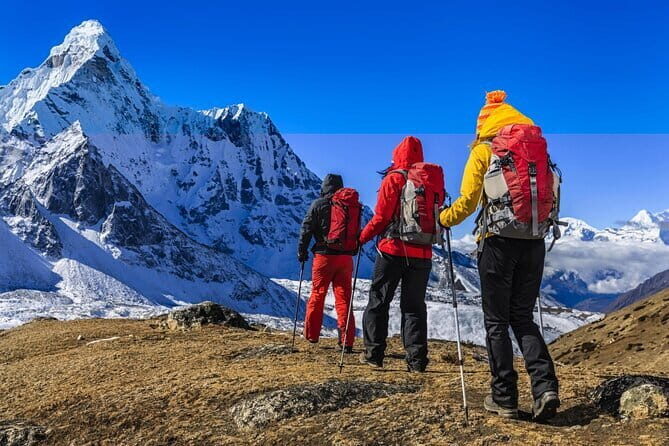
Day 7 is the main event: trekking from Deurali to Annapurna Base Camp in about 6–7 hours, passing Machapuchare Base Camp along the way. This is when the Annapurna region starts to look less like a collection of trails and more like a high-alpine arena.
It’s also the day where you’ll feel how the route has been building toward you. You’ve had sunrise, villages, forests, gradual ascent, and now you’re closing in on the base camp area. If you’ve been eating and pacing well, Day 7 tends to feel more triumphant and less punishing.
Day 8 is the descent back to Sinuwa (again about 6–7 hours). The walk down is often easier on the lungs but harder on the knees. If you want to keep the trip enjoyable, use good downhill form: shorter steps, steady cadence, and don’t over-grip your poles just to feel “busy.”
There’s also a mental side to the return. After base camp, the trail becomes more familiar, and that can make the long hours feel like a slow unwind rather than a grind.
Day 9: Jhinu hot springs gives you a real after-trek reset

On Day 9, you trek from Sinuwa to Jhinu for about 5–6 hours. Then you get a chance to relax at nearby natural hot springs.
This is one of the best parts of the whole circuit. A cold, long day in the high mountains can leave your body stiff and cranky. Hot springs won’t fix everything, but they do help you recover and feel human again.
After that, you drive back to Pokhara in about 1–2 hours. That short drive is a nice buffer before your final travel day, and it helps you keep the “mountain high” without needing to squeeze in extra sightseeing.
Day 10: Pokhara to Kathmandu, choose drive or fly
Your final day brings you back to Kathmandu. You can take a scenic drive that takes around 7–8 hours, or you can choose a short flight depending on what’s available.
This is a good moment to decide how you want your day to feel. If you want slower, you’ll likely prefer the drive for the scenery and downtime. If you want to protect your energy for the long-term trip, a flight can be the calmer choice.
Once in Kathmandu, the itinerary allows free time for shopping or exploring before your departure. And if you’ve got energy left, Thamel is the easy place to re-gear.
The team behind it: guides, permits, and the peace-of-mind factor
The company emphasizes guides who are native to the Annapurna region and have years of experience in these trails. That local roots angle matters because Annapurna is not one single “road” of hiking. It’s a network of decisions: pacing, timing, weather windows, and knowing when the route is a little more difficult than yesterday.
The trek includes an English, Hindi, or Chinese government-licensed guide with first-aid training. It also includes a basic first-aid kit carried by the guide. That’s exactly what you want on a trek where altitude and fatigue can change how you feel each morning.
A nice practical benefit is that the guide handles permits and logistics, so you’re not juggling forms while trying to stay acclimatized. And because the plan is private—only your group—the crew isn’t spread across multiple tours. Your questions can actually get answered without delays.
From documented experiences, guides such as Madan (organizing and availability) and Rishi, Roshan Pandey, and Moti show up in a helpful way—steady care for solo travelers, smooth group management, and keeping people comfortable during the tougher stretches. Porters like Arjun and Ganesh are also mentioned for assistance with baggage transfers between camps, which is a big part of why the route feels manageable.
What you’ll really feel on the trail: effort, altitude, and pacing
ABC doesn’t just ask for fitness. It asks for smart pacing every day. With this route, you get a mix of walking styles: village sections by rivers, forest climbs, a sunrise uphill burst, and then a longer base-camp push and descent.
The trek length is about 10 days, and it’s built around gradual movement rather than one brutal jump. Still, “gradual” doesn’t mean “easy.” You’ll likely notice changes in appetite, sleep, and energy at higher points, even with careful planning.
Also, you’ll spend time walking in tea-house country. The itinerary notes that you can buy meals in the tea houses along the way. That’s helpful when you want flexibility—snacks, warm drinks, and the chance to choose what sits best with your stomach that day.
Packing tips that match the itinerary (not just generic advice)
The tour specifically suggests bringing light snacks and chocolate for energy on long days. That’s not a gimmick. On days of steady ascent, a small treat can help you keep your pace consistent when motivation drops.
Also plan for basics you’ll use constantly: water bottles, sunglasses, and a charger for your phone. Views are a major part of the experience, and your battery will drain faster than you expect when you’re taking photos after sunrise and at camp.
One more practical item: you’re given a duffel bag (to be returned after trip completion). Use that system to keep your carried load minimal. Keep your day essentials separate, and let the crew handle the heavier stuff through their porter setup.
Who should book this Annapurna Base Camp trek?
This is a strong match if you want:
- A guided trek with permits, meals, and logistics handled
- The classic Poon Hill sunrise plus ABC itself
- A private setup for a group that wants consistent pacing
- A team that’s trained for high-altitude conditions and responsive support
If you’re a first-timer, the moderate fitness requirement is your headline. You’ll still need discipline—long days, some steep parts, and altitude—but the structure and guide support can make the whole experience feel doable.
If you’re an experienced trekker, the route is still a solid classic. You may be comfortable with the days, but you’ll probably appreciate having meals, permits, and baggage transfers organized so you can focus on the walk and the views.
Should you book Touch The Himalaya for ABC?
I’d consider booking if you want a package that covers the big, stressful moving parts: pickup and drop, Kathmandu accommodation, meals, permits, and licensed guide support. The price also makes sense because it’s not only about trekking labor; it includes the travel support and planning overhead that often adds up.
Book if you value a local, Annapurna-rooted team and you like clear daily structure. This kind of trek is easier when your first-day logistics are handled and your guide is set up to manage altitude and safety.
Skip—or at least ask more questions—if you know you need extra flexibility around pace, or if you’re not ready for a schedule that starts early from Thamel at 6:15 am. The route is solid, but it’s still a mountain trek with real walking days.
If you’re aiming for an authentic ABC experience with sunrise and hot springs in the same trip, this is a practical way to get it done without turning your vacation into paperwork.
FAQ
Where is the meeting point, and what time does the trek start?
The meeting point is Thamel, Kathmandu 44600, Nepal, and the start time is 6:15 am.
How long is the Annapurna Base Camp trek?
It’s listed as 10 days (approx.), including travel days between Kathmandu, Pokhara, and the trekking route.
Is this a private tour?
Yes. This is a private tour/activity, so only your group participates.
What’s included in the trek price?
Included items are airport pickup and drop with two nights accommodation in Kathmandu before and after the trek, breakfast, lunch, dinner during the trek, necessary trekking permits and fees, licensed first-aid trained guide support, duffel bag and trekking maps, and guide/porter costs.
Are meals provided during the trek, or do I buy them?
Meals are included in the package as breakfast, lunch, and dinner during the trek, and you can also buy meals in the tea houses during the trek.
Is a duffel bag provided?
Yes. A duffel bag is included and is to be returned after the trip completion.
Are tips included?
No. Tips and gratitude for the guide and porter are not included.
What is the cancellation policy for a full refund?
You can cancel up to 3 days in advance of the experience for a full refund, and the cutoff is based on the local time of the experience.