REVIEW · KATHMANDU
Annapurna Circuit with Tilicho Lake Trek
Book on Viator →Operated by Nepal Social Treks and Expedition · Bookable on Viator
Tilicho Lake turns the Annapurna Circuit up a notch. This trek is attractive because it mixes classic Annapurna Range days with a high-altitude side trip, and you get real logistical support: a certified guide, meals, permits, plus even the Jomsom–Pokhara flight. I also like the small-group feel (max 8), with extra help built in through porters and a first aid kit. The only thing to watch is that it’s a challenging, altitude-heavy trek, and extra costs like drinks and medical insurance aren’t included.
You’ll start with pickup in Kathmandu, then work your way into trekking rhythm through places like Chame, Pisang, and Manang, with a rest day that helps your body adjust. From there, the route pushes higher toward Tilicho and the Thorong La area before dropping down through Muktinath and into the Kali Gandaki corridor.
In This Review
- Key things I’d pay attention to
- Why Tilicho Lake turns this Annapurna Circuit into a real challenge
- From Kathmandu pickup to the first trekking steps: getting set up right
- Chame, Pisang, and Manang: forests, steep valleys, and high-air views
- The Manang rest day and Khangsar village: altitude prep with real purpose
- Tilichol and Tilicho Lake: start early, manage wind, and choose your route
- Heading toward Yak Kharka and Thorong La: slow descent, steady climb
- Thorong La approach, Muktinath, and the Kali Gandaki corridor: the big days in order
- Jomsom to Pokhara by flight: a smart finish that saves your body
- Teahouses, meals, and porter support: what you actually get on the ground
- Guides, safety, and the practical side of not getting lost
- Price and value: what your $1,093.34 is really buying
- Who this Annapurna Circuit with Tilicho Lake is best for
- Should you book this Annapurna Circuit with Tilicho Lake trek?
- FAQ
- What’s the group size for this trek?
- What does the package include for food and lodging?
- Is the Jomsom–Pokhara flight included?
- Do I need trekking permits, and are they covered?
- Do I need to pay a Nepal visa and travel insurance?
- Where and when do we meet, and what about Kathmandu hotel nights?
Key things I’d pay attention to
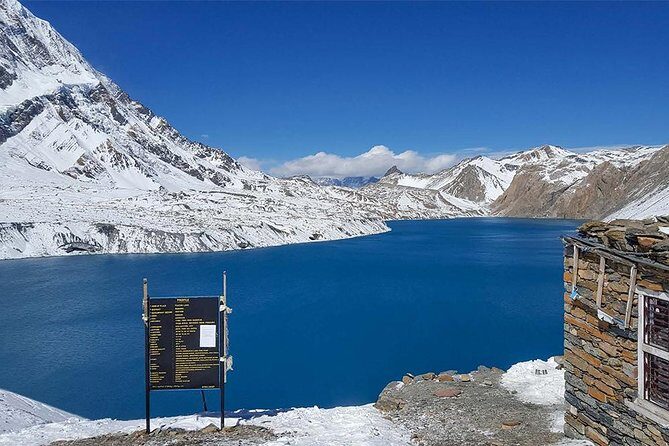
- Tilicho Lake detour: it adds altitude drama and big views beyond the standard circuit rhythm
- Small group (max 8) + guide handling route decisions: less stress, more focus on walking and scenery
- Jomsom–Pokhara flight included: you avoid backtracking by foot and save time
- Permits handled (TIMS + Annapurna Conservation Area Permit): fewer admin headaches
- Porter ratio (1 porter for 2 travelers): your legs stay happier
- Teahouse/guesthouse lodging during the trek + meals: easier to plan your daily budget
Why Tilicho Lake turns this Annapurna Circuit into a real challenge
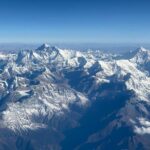
If you like your treks with a side of suffering-but-in-a-good-way, Tilicho Lake is the hook. This route is designed for active travelers and keeps pushing altitude as you head toward the higher Annapurna region. The payoff is that Tilicho adds a distinct feel to the classic Annapurna Circuit: it’s not just another pass day, it’s a major high point you plan around.
What I like most is that the program builds support around that challenge. You’re not just dropped on a trail and told good luck. A guide is included to handle day-to-day planning and help you avoid the classic “we took the wrong turn” problem that can happen on big trekking routes.
One consideration: the trek is challenging, and that means you should take altitude seriously. Even with a planned rest day in Manang and early-morning strategy near higher sections, your fitness and pacing still matter.
You can also read our reviews of more hiking tours in Kathmandu
From Kathmandu pickup to the first trekking steps: getting set up right
Most trekkers lose time before they ever hike—airport confusion, paperwork, transfers that turn into mini-adventures. Here, airport pickup and drop-off are included, and you travel by private vehicle for the road sections.
The start time is 8:00 am, so you’re not waiting around all day for logistics. You’ll also be asked for passport details at booking (name, number, expiry, country), which signals that permits and travel admin are handled before you arrive—exactly what you want on a multi-day trek.
A small but important detail: Kathmandu accommodation is not included. You’ll need to plan for your hotel nights there, even though the trek lodging is covered during the walking days.
Chame, Pisang, and Manang: forests, steep valleys, and high-air views
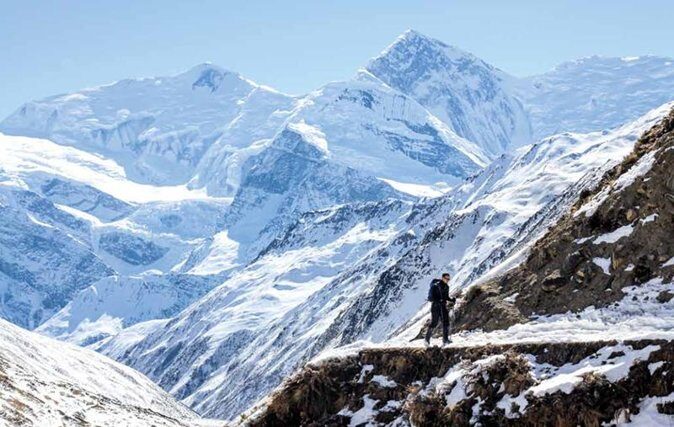
Your trek begins with a long road transfer from Kathmandu toward the trek area, then you start walking. The early days are about transitioning your body from city life to mountain life.
- Chame is your first key trekking stop, often treated as a stepping stone day. You’re getting your legs used to the rhythm: steady walking, frequent turns in scenery, and the “wait, we’re higher now?” feeling.
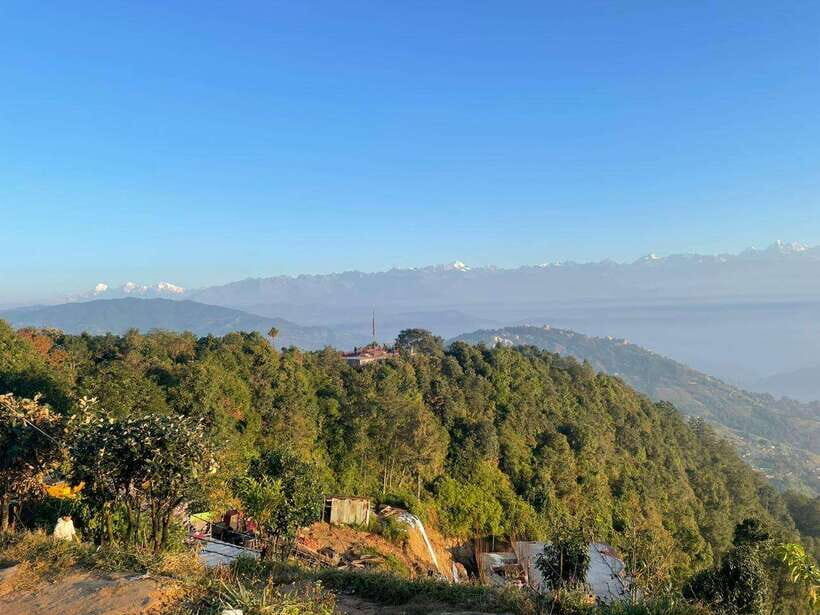
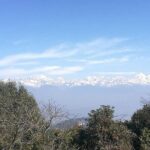
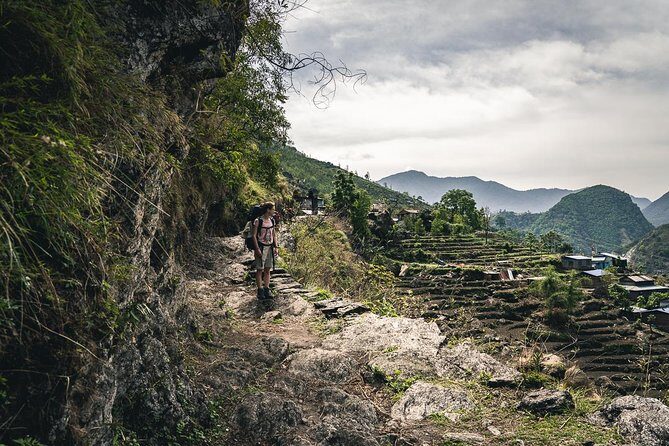
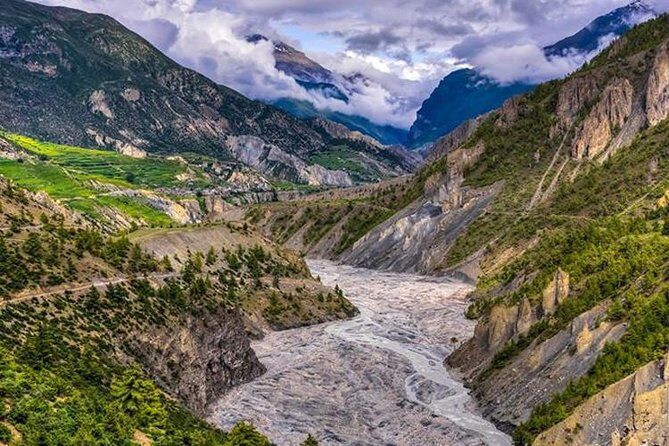
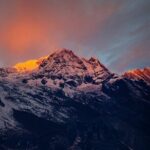
- Pisang takes you through a deep forest in a narrow, steep valley, with crossings that help break up the hike. You’ll cross two bridges at different elevations (one listed around 2,910 meters and another around 3,040 meters), and you get that classic Annapurna look toward snow-capped peaks like Lamjung Himal.
- Manang is where the route shifts into wider, higher viewpoints. You start ascending on a steep ridge with big valley vistas, then descend through Humde toward Manang’s airstrip area (around 3,280 meters).
Why this matters: these days aren’t just scenic filler. They’re your runway for altitude. If you pace yourself early, the harder days later feel far less like a surprise.
The Manang rest day and Khangsar village: altitude prep with real purpose
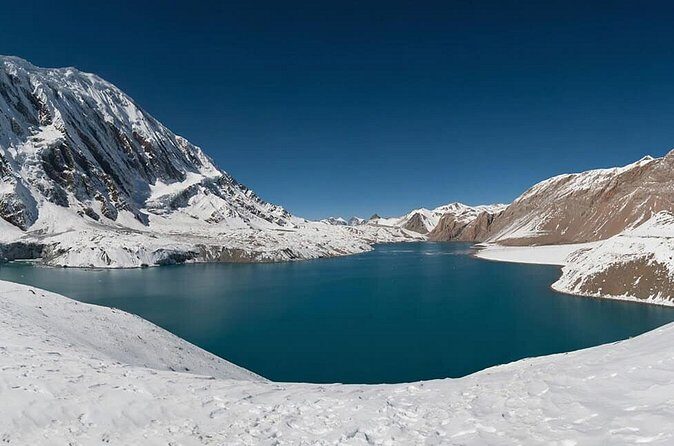
Manang isn’t just a place to sleep. It’s a built-in altitude strategy. There’s a rest day included for you to adjust to the higher elevation, and Manang itself is described as remote but sizable enough to explore.
That matters because rest days work best when you treat them like training for the rest of the trek, not as a vacation day. Walk gently if you feel good, keep hydration steady, and don’t turn the day into a marathon.
Afterward, Khangsar follows a path that leads toward the river, including a bridge crossing (Khangsar Khola) and an ascent into the village. Khangsar is noted as having a typical Tibetan style—so this is where you get a cultural shift as much as a trekking one.
If you like treks that feel human-scale—villages, local architecture, and people living their daily routines—these stop choices help.
Tilichol and Tilicho Lake: start early, manage wind, and choose your route
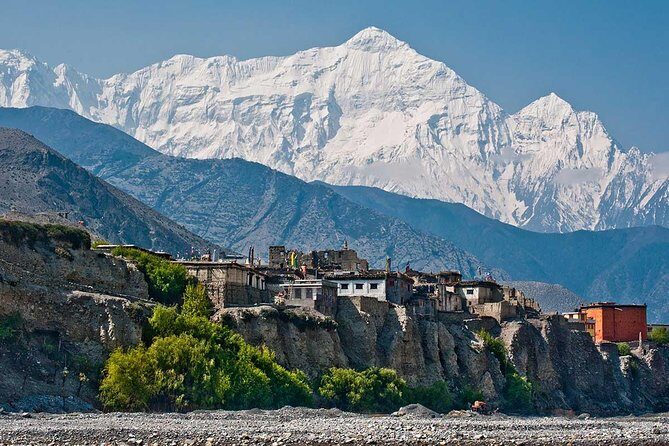
This is the section that can make or break your day—mostly because of conditions, not just distance. On the way toward Tilicho Lake, you’ll pass a gompa and follow a newly constructed trail up toward a high ridge. From there, you’ll notice two routes: an older, more challenging option and a newer, easier option.
That’s great news for practical trekkers. You’re not stuck with one “hero route.” Your guide can help you choose based on your pace, weather, and how your body feels.
Then there’s the timing advice that I’d treat like gold: starting early helps you avoid strong winds later in the day. The route notes that winds pick up due to the mixing of warm land and cold air. Translation: if you want a smoother, less exhausting walk, plan your hardest hours earlier.
What you should expect: a long day, higher exposure, and footing that demands attention. Tilicho isn’t the place for rushing. You’ll feel every extra meter, so use the slower pace to take in the views and to save energy for the next day.
Heading toward Yak Kharka and Thorong La: slow descent, steady climb
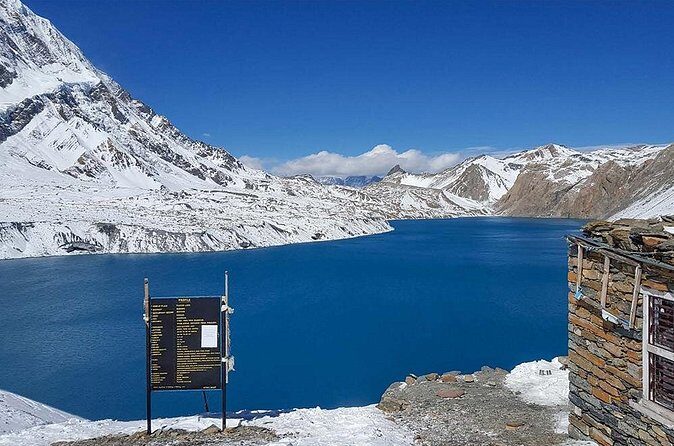
After Tilicho Base Camp, you move toward Yak Kharka. The route describes descending slowly and climbing about 500 meters as you head through Tengi, leaving behind the Marsayangdi Valley and turning toward the Thorong area.
This is where the trek becomes about discipline. After a high-altitude push, your body can feel “used.” A slow, controlled descent helps keep you from burning energy too fast and also reduces knee stress on rocky terrain.
By the next key day, you start with breakfast and ascend toward a ridge, then gradually descend toward the Kone River. You’ll cross via a wooden bridge and keep moving along narrow trail sections. This is the kind of day where good walking habits matter: short steps, consistent pace, and attention to footing.
Why it’s valuable: you’re not just chasing summit moments. You’re learning how to move efficiently through altitude transitions, which is what makes the pass area feel manageable rather than brutal.
Thorong La approach, Muktinath, and the Kali Gandaki corridor: the big days in order
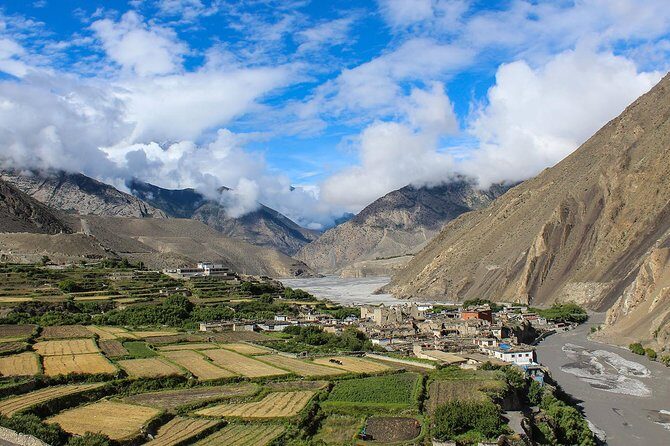
Your climb toward the Thorong La area is built as a progression rather than one dramatic jump. You’ll start from a breakfast-and-then-go rhythm and move toward ridges and river crossings, which is useful because it breaks up the mental load.
Next comes Muktinath. The day is described as a long trek that begins early, with a route that involves the Thorong La Pass and faces conditions where extreme snow can be a factor. The altitude here can feel unforgiving, so this is where your earlier pacing pays off.
You’ll end up in the world of Muktinath, a spiritual stop that many hikers find energizing because it changes the tone of the trek. You move from purely high-pass effort into a place where people live around the path you’re walking.
Then the route connects you with the Kali Gandaki River corridor as you continue toward Jomsom. The Kali Gandaki is known for its dramatic valley feel, and this trek uses it well: you get longer straight stretches along a river system that helps you settle into a steady marching pattern.
Jomsom to Pokhara by flight: a smart finish that saves your body
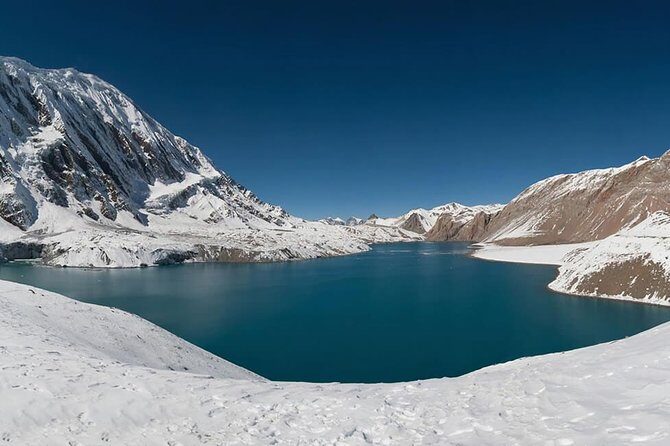
After the effort, the trek doesn’t keep you grinding. You head toward Jomsom, where you can follow trails through places like Kagbeni or Lupra. Jomsom is described as a chilly valley with amenities, and it serves as a gateway for the region.
Then you take the Jomsom–Pokhara flight. This is one of the strongest value points in the whole trip because it reduces the number of hours you spend walking and re-walking the same geography.
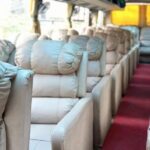
In practical terms, this flight helps you arrive in Pokhara with enough energy to enjoy the day rather than just collapsing. Once in Pokhara, you’re escorted onward for the next transfer step back to Kathmandu by tourist coach, with overnight arranged in Kathmandu in the category agreed for your trip.
Teahouses, meals, and porter support: what you actually get on the ground
This trip is built to handle the everyday needs that slow trekkers down.
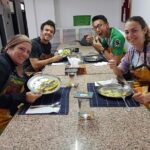
During the trek, you get accommodation in teahouses/guesthouses and meals: breakfast (13), lunch (11), and dinner (11). That matters because you won’t be forced into constant cash decisions on route days. You can keep your focus on walking and resting.
You also get a porter plan: one porter for every two travelers, to carry personal gear and group equipment. Your pack should feel lighter, and that changes everything on a long, altitude-driven circuit.
Gear is partly supported through Nepal Social Treks items like a sleeping bag and duffel bag for use during the trip. You still manage your own essentials, but the heavy bulky pieces are handled.
Two things to note: drinks aren’t included, and Kathmandu accommodation isn’t included. So budget a bit for water/tea type purchases and for your city-night hotel.
Guides, safety, and the practical side of not getting lost
The program is explicitly designed for safety: you’re trekking with a guide to reduce the risk of getting lost by handling planning and route decisions. On a trek with multiple routes and high passes, that’s not a small perk.
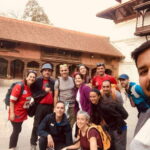
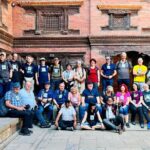
Small-group size helps too. With a maximum of 8 travelers, the pace stays more controlled than it does on huge bus-like trekking groups. You’re more likely to get real attention when conditions change, like wind shifts near higher sections or when you need a route choice.
One helpful detail from past trips with this organization: guides and porters have included names like NC Sherpa (guide) and MisterD Sherpa (porter). I can’t promise your team will match those exact people, but the professionalism and kindness noted in feedback is consistent with the way this kind of supported trek works when it’s run well.
And yes—bring your common sense. Even with support, altitude demands humility. Go slow, drink water when you can, and stop when you need to stop.
Price and value: what your $1,093.34 is really buying
At $1,093.34 per person, the key value isn’t just “you pay, they walk you somewhere.” It’s what you don’t have to manage yourself.
Included items that drive value:
- Permits (TIMS and the Annapurna Conservation Area Permit)
- Guide and first aid kit
- Transport by private vehicle for key road segments
- Jomsom–Pokhara flight
- Teahouse lodging + most meals
- Porters (1 per 2 travelers) and some trekking gear items
When you compare this to doing it DIY, the cost difference often looks smaller than you expect once you price permits, guide fees, porter fees, and flight logistics. The biggest hidden win here is time and reduced stress during the hardest days.
What isn’t included is also part of the value equation. You still need to cover drinks, and international flights, visa fees, and travel/medical insurance are not included. Budget for those, because insurance is the difference between a minor medical issue and a major financial headache.
Who this Annapurna Circuit with Tilicho Lake is best for
This is best for fit, active trekkers who want a guided route and don’t want to micromanage logistics. You’ll likely enjoy it if you:
- want the Annapurna Circuit experience with the extra high-altitude Tilicho challenge
- like small-group trekking where the guide can adjust the plan
- prefer teahouse lodging and structured meal coverage
- appreciate porter support on a demanding multi-day route
It’s less ideal if you’re looking for an easy nature walk. This is challenging, and it includes high pass conditions. If you’re new to multi-day altitude trekking, you’ll want to build experience first or go with a very careful training plan.
Should you book this Annapurna Circuit with Tilicho Lake trek?
I’d consider booking if you want the full Annapurna storyline—classic circuit scenery plus Tilicho—while keeping risk and planning load lower through a guide, permits, and included logistics like the Jomsom–Pokhara flight. The small-group limit and porter ratio are practical touches that matter on long, high days.
I’d hold off if you’re not ready for altitude and a challenging trekking rhythm, or if you’re unwilling to cover extra costs like drinks and medical insurance. Also, plan for Kathmandu lodging because that part isn’t included.
If you can meet the fitness bar and budget for the extras, this route looks like strong value for a supported, high-impact trek.
FAQ
What’s the group size for this trek?
The trek runs with a maximum of 8 travelers, and it includes a certified professional guide.
What does the package include for food and lodging?
Accommodation in teahouses/guesthouses during the trek is included, along with meals: breakfast (13), lunch (11), and dinner (11).
Is the Jomsom–Pokhara flight included?
Yes. The Jomsom–Pokhara flight is included as part of the experience.
Do I need trekking permits, and are they covered?
Yes, you need permits for the area. The Annapurna Conservation Area Permit and TIMS are included in the package.
Do I need to pay a Nepal visa and travel insurance?
Yes. Nepal entry visa fees are paid directly by you, and travel and medical insurance are not included in the package.
Where and when do we meet, and what about Kathmandu hotel nights?
Start time is 8:00 am, with airport pickup and drop-off included. Accommodation in Kathmandu is not included, so you’ll need to arrange your own city-night lodging.