REVIEW · KATHMANDU
Best Nepal Tour: Kathmandu Pokhara Chitwan Tour
Book on Viator →Operated by Shepherd Holidays · Bookable on Viator
Six days, three climates, one tight loop. You’ll see UNESCO-level culture in Kathmandu, then trade temple crowds for wildlife time in Chitwan, all stitched together by organized transport and airport pickup. It’s an efficient route that lets you move from high-craft heritage to mountain-meets-lake scenery and finally into a national-park setting.
I like the practical mix here: big “must-see” sights plus hands-on animal-watching in Chitwan (jeep safari, canoeing, and jungle walks). I also like that you stay in proper base areas in Chitwan and Pokhara, with twin-share rooms and breakfast included there. One thing to consider: the schedule is full, and several attraction entrance fees plus Kathmandu accommodation and extra meals are not included.
In This Review
- Key Highlights You’ll Feel on This Trip
- Price and Logistics: Does $600 Make Sense?
- Day 1 in Kathmandu: From Bagmati River to Monkey Temple Views
- Pashupatinath Temple by the Bagmati River
- Swayambhunath: The Monkey Temple and the Valley Views
- Boudhha (Boudhanath): A 5th-Century Stupa with “Eyes”
- Patan Durbar Square: UNESCO and Malla-Era Royal Power
- Days 2–3 in Chitwan: Jeep Safari Plus Canoe and Jungle Walk
- Day 2 Transfer into Chitwan and Your Safari Schedule
- Day 3 Inside Chitwan National Park: Jeep Safari and More
- Day 4 to Pokhara Lakeside: The Scenic Reset
- Pokhara Lakeside as Your Base
- Day 5 in Pokhara: Phewa Tal, Gupteswar Cave, Devi’s Fall, and More
- Phewa Tal: Second-Largest Lake and the Barahi Temple
- Gupteswar Gupha: A Shiva Cave Near Devi’s Fall
- Devi’s Fall: PATALE CHHANGO in Local Terms
- Bindhya Basini Temple: Bhagabati for Good Power
- Seti River Gorge: White Water and a Deep Cut
- Day 6 Sarangkot Sunrise and the Move Back Toward Kathmandu
- Sarangkot Hill Sunrise: The Big View Window
- Back to Kathmandu by Bus/Car or Optional Flight
- Guides, Pace, and the Kind of Comfort You Can Expect
- Who This Tour Suits Best
- Should You Book This Kathmandu Pokhara Chitwan Tour?
- FAQ
- How long is the Kathmandu Pokhara Chitwan tour?
- Where does the tour take place?
- What is included in the price?
- Are airport transfers included?
- Are entrance fees for temples and attractions included?
- What Chitwan activities are included?
- What are the main stops in Pokhara?
- Is sunrise included?
- Do I need a visa in Nepal?
- Is cancellation free if plans change?
Key Highlights You’ll Feel on This Trip
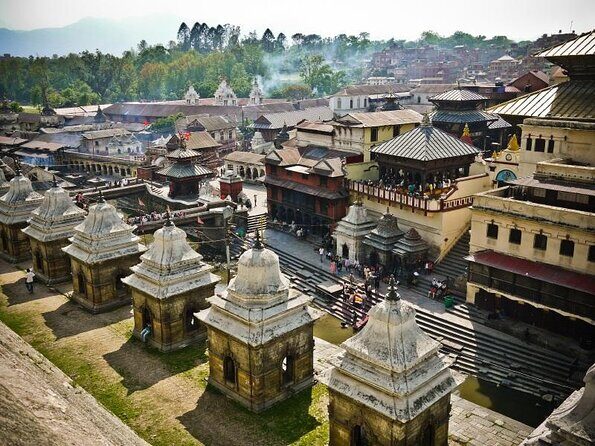
- Kathmandu UNESCO hits in one day: Pashupatinath, Swayambhunath, Boudhha, and Patan Durbar Square.
- Chitwan wildlife with different angles: jeep safari plus canoeing and a jungle walk.
- Pokhara lake views you can plan around: Phewa Tal, with the Barahi Temple on the water.
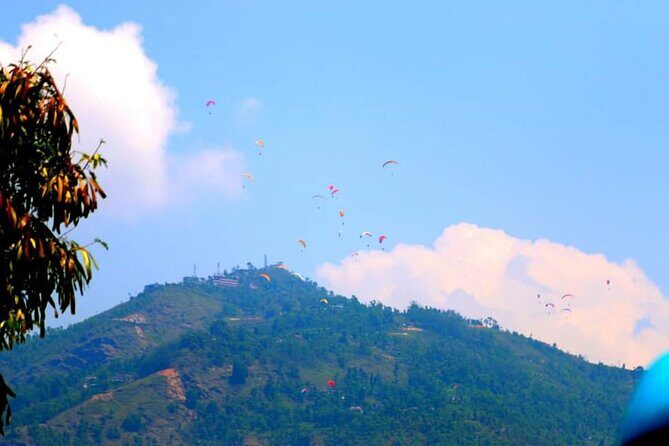
- Sunrise at Sarangkot: a classic early-morning viewpoint stop before breakfast.
- A private-group setup: only your group participates, so the pace feels more controlled.
Price and Logistics: Does $600 Make Sense?
This tour is listed at $600 per person, running about 6 days. For that price, you do get several core pieces that usually add up fast on Nepal trips: airport pickup and drop-off, transportation between major cities/areas, and meals that matter (one included lunch, 3 breakfasts, and 2 dinners).
You also get hotel stays in Chitwan and Pokhara with twin sharing and breakfast included. What’s not included is important: Kathmandu accommodation isn’t covered, and most meals in Pokhara beyond breakfast are not included. Entrance fees at heritage sites in Kathmandu and Pokhara are also not included, so plan a separate budget for tickets.
If you want a trip that feels “organized but not stiff,” this is a solid value. If you’re hoping for everything-in-one-price with no extra costs, you’ll need to budget for entrance fees and meals.
You can also read our reviews of more tours and experiences in Kathmandu.
Day 1 in Kathmandu: From Bagmati River to Monkey Temple Views
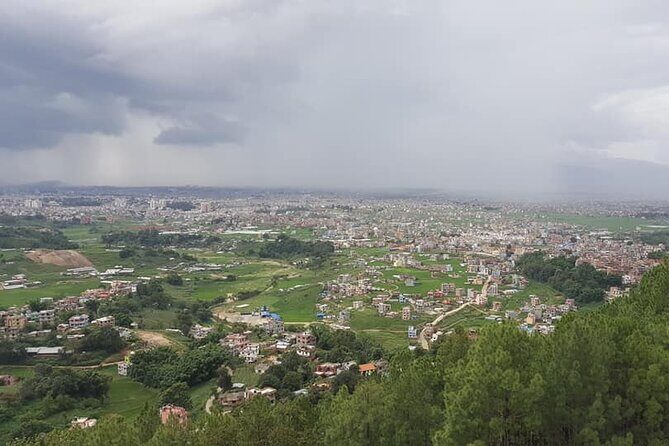
Your first day is a classic Kathmandu sampler—four stops, each with a different vibe. The shape of the day matters: you’re moving around the city with guided context, so you’re not just ticking boxes. If you’re sensitive to long walks in busy areas, bring comfortable shoes and expect some crowds.
Pashupatinath Temple by the Bagmati River
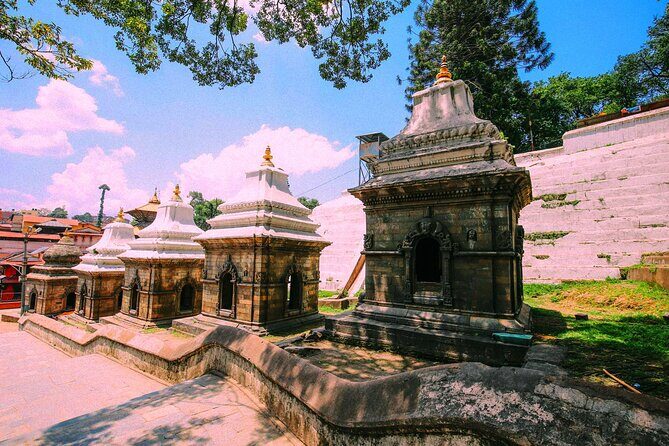
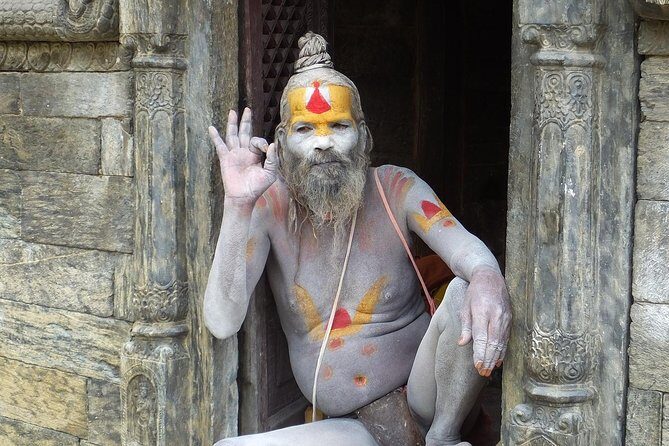
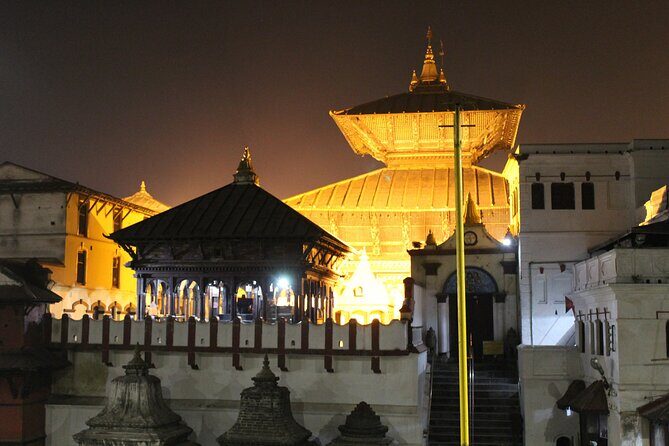
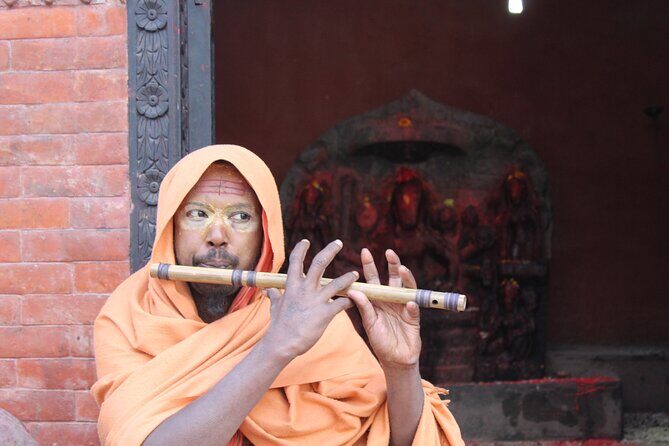
Pashupatinath is a world-famous Hindu temple dedicated to Lord Shiva, set about 5 km east of central Kathmandu on the bank of the Bagmati River. It’s highly ornamented, and the setting is part of what makes it powerful—this is a temple that feels woven into daily spiritual life rather than staged for tourists.
You’ll have around 2 hours here. Admission tickets are not included, so expect to pay on-site if you want entry access.
Swayambhunath: The Monkey Temple and the Valley Views
Next is Swayambhunath, often called the monkey temple because of the monkeys living in and around the site. This place is known for its art and architecture, plus a real payoff: views over Kathmandu Valley.
Plan about 1 hour. Admission is marked as free in the itinerary, which is nice because it keeps your day’s costs lower.
Boudhha (Boudhanath): A 5th-Century Stupa with “Eyes”
Boudhha is described as the oldest and largest stupa in the valley, built in the 5th century. It also has that familiar stupa feature: the “eye print” motif that helps make the whole scene feel instantly recognizable.
You’ll get about 2 hours. This is another stop with free admission in the plan.

Patan Durbar Square: UNESCO and Malla-Era Royal Power
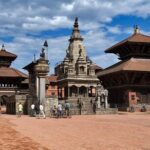
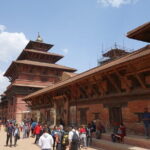
Your final Kathmandu stop is Patan Durbar Square in Lalitpur, listed as UNESCO World Heritage Site. The star attraction is the old royal palace linked to the Malla Kings of Lalitpur, so you’re looking at Kathmandu Valley power history rather than just temple worship.
You’ll spend about 2 hours here. Admission isn’t included, so ticket time (or a quick look from outside, if you prefer) may affect how long you spend inside.
Days 2–3 in Chitwan: Jeep Safari Plus Canoe and Jungle Walk
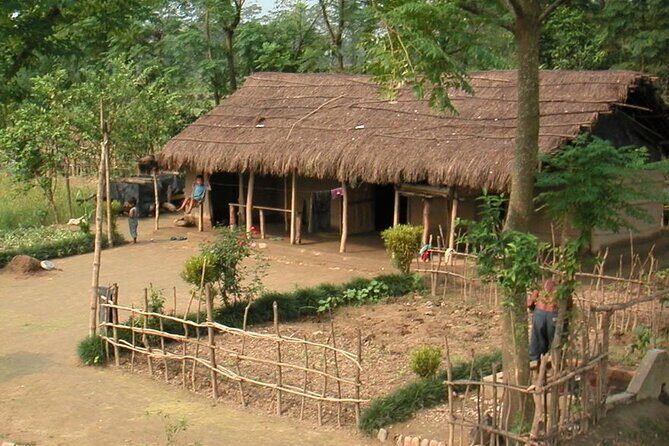
Chitwan is where this tour changes gears. Kathmandu’s stone-and-symbols world gets swapped for a national-park rhythm: waiting quietly, then suddenly—movement. The itinerary keeps it varied so you’re not doing the same wildlife activity back-to-back.
Day 2 Transfer into Chitwan and Your Safari Schedule
After breakfast, you travel to Chitwan by tourist bus or private car. Once you reach your hotel, you get your full schedule for the Chitwan portion.
This day includes lunch, and then you’ll shift into local programming. Even though the exact activities list is brief, the structure is clear: you arrive, get oriented, and start building toward the park time on Day 3.
One practical note: Chitwan hotels are included only for this portion of the trip, so you’re not juggling logistics on your first night.
Day 3 Inside Chitwan National Park: Jeep Safari and More
Day 3 is your main wildlife day. After breakfast, you go inside Chitwan National Park for a jeep safari, plus additional activities like canoeing and a jungle walk.
This is the part I like most, because you’re covering multiple “wildlife angles.” A jeep safari tends to favor larger animals that move across open ground. Canoeing can change what you notice along the waterways. A jungle walk slows you down and pushes you to look for tracks, birds, and smaller wildlife signs.
The tour description also points to classic Chitwan stars you might have a chance to see: elephants, one-horned rhinos, Bengal tigers, crocodiles, and many birds. You can’t guarantee sightings, but the area is famous for exactly that mix of life.
Day 4 to Pokhara Lakeside: The Scenic Reset
Pokhara is a different kind of Nepal—less temple density, more open views and lake air. You’ll drive there after breakfast, using a tourist bus or private car. The ride is part of the experience, with views of jungles and rivers along hilly roads.
This day is listed at about 12 hours, so treat it like a transfer day that still has payoff. If you’re prone to motion sickness, pack a remedy. If you like scenery, bring a water bottle and a camera—you’ll get steady visual changes as you climb and descend.
Pokhara Lakeside as Your Base
Once you reach Pokhara Lakeside, you’re in the central tourist zone that makes it easy to move around later. The itinerary doesn’t overload you with activities on Day 4, which I consider a smart buffer before the longer sightseeing day ahead.
Day 5 in Pokhara: Phewa Tal, Gupteswar Cave, Devi’s Fall, and More
Day 5 is your “wow, there’s a lot here” day in Pokhara. It’s also where you’ll notice which attractions have entrance fees. In the itinerary, several key stops list admission as not included, so plan your pocket budget before you start moving between sights.
Phewa Tal: Second-Largest Lake and the Barahi Temple
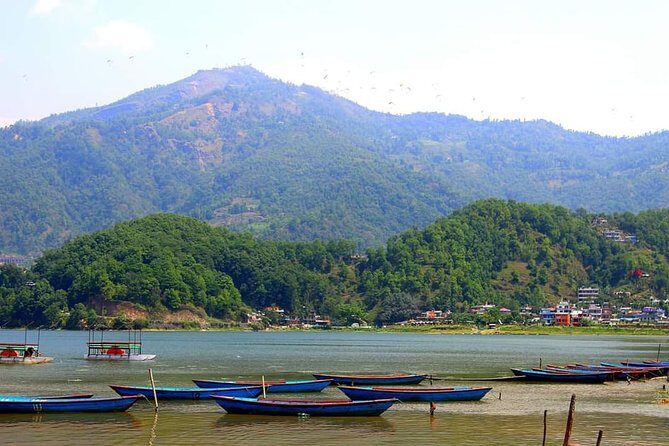
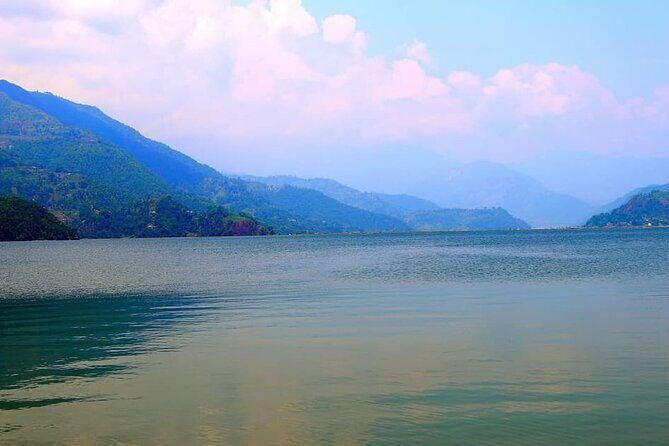
You’ll start at Phewa (Fewa) Tal, described as the second largest lake in Nepal. The lake sits with jungle surroundings, and the famous view includes Fishtail Mountain reflecting in the water. In the middle of the lake is the Barahi Temple, a landmark you can see from the shore even if you don’t take a boat.
It’s listed at about 1 hour. This is a good time to slow down, sit, and let your brain switch from “temple touring” mode to “lake-and-mountains” mode.
Gupteswar Gupha: A Shiva Cave Near Devi’s Fall
Next comes Gupteswar Gupha, a cave area described as about 3 km long, with the note that “gupha” means cave. This stop is tied to Hindu worship of Lord Shiva (Mahadev).
The admission for this one isn’t included. Depending on comfort with steps, damp air, and tight spaces, you might treat this as either a quick explore or a slower visit.
Devi’s Fall: PATALE CHHANGO in Local Terms
Then you’ll move to Devi’s Fall, also known locally as PATALE CHHANGO. You’ll have around 30 minutes here, so it’s more of a scenic stop than a deep exploration.
Admission is not included in the plan.
Bindhya Basini Temple: Bhagabati for Good Power
You’ll also visit Bindhya Basini Temple, dedicated to Goddess Bhagabati. The itinerary frames it around Hindu worship for “good power,” which gives you a sense of why locals take this seriously—it isn’t just a photo stop.
Admission isn’t included here either.
Seti River Gorge: White Water and a Deep Cut
Finally, you’ll go to Seti River Gorge, formed by the Seti River. “Seti” means white in Nepali, and the description says you can see white water in the river. The gorge itself is noted as a deep cut view created by the river’s path.
Again, admission isn’t included. With only about 30 minutes for this stop, I’d focus on getting the best angle quickly and avoiding over-rushing through the rest of the day.
Day 6 Sarangkot Sunrise and the Move Back Toward Kathmandu
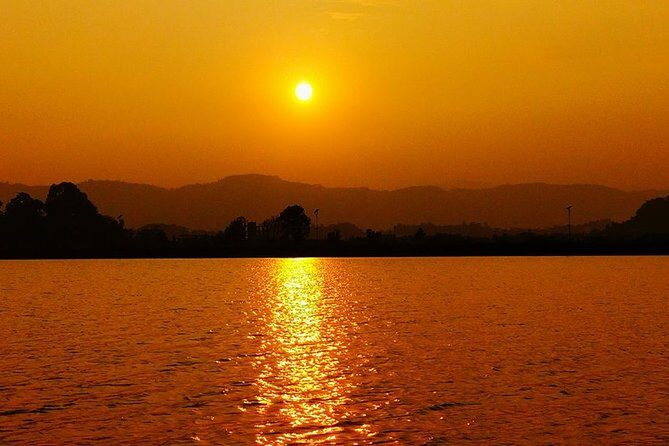
Day 6 is built around early morning. Sunrise trips work best when your body is ready for a slightly early start, so set your expectations that you’ll be awake before the day fully wakes up.
Sarangkot Hill Sunrise: The Big View Window
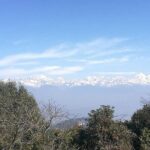
The itinerary says you’ll go to Sarangkot Hill to catch a sunrise view, then return for breakfast. This is one of the most practical reasons to do the tour in this order: you get the mountain sight while conditions tend to be clearer early.
The tour info also warns that the experience requires good weather, meaning if visibility is poor, things may change.
Back to Kathmandu by Bus/Car or Optional Flight
After breakfast, you’ll either drive back to Kathmandu by tourist bus/private car or fly back (flight is an extra cost).
One small detail that matters: the itinerary references Thamel as part of your day, which usually helps if you want to end near the places most travelers use as their Kathmandu base.
Guides, Pace, and the Kind of Comfort You Can Expect
A well-run trip is partly about routes—and partly about how people handle the moments between. In the provided experience feedback, guides Bhim and Ankita come up as standout examples of being responsive and helpful. That matters most when you have questions during transfers or when you want to understand what you’re looking at.
Hotels in Chitwan and Pokhara are included, typically as twin sharing with breakfast. One traveler also noted a stay with AC and a pool in Chitwan, but I’d treat that as a “you might find” perk rather than a guarantee.
The pace is generally efficient, not relaxed. You’ll be spending long-ish stretches on the road (notably Day 4), and you’ll have a full sightseeing day in Kathmandu and a full one in Pokhara.
Who This Tour Suits Best
This is a strong fit if you want:
- A first Nepal trip that hits Kathmandu culture, Pokhara scenery, and Chitwan wildlife without extra planning days.
- In-the-mix guiding: you’ll have structured stops with context at major heritage sites.
- A value-focused package that covers key logistics like airport transfers and hotel stays in two destinations.
It may be less ideal if you prefer slow travel, or if you want Kathmandu accommodation and entrance fees fully rolled into one bill. Also, if you’re not into early mornings, the Sarangkot sunrise day will be your biggest “adjust” moment.
Should You Book This Kathmandu Pokhara Chitwan Tour?
If you want an organized, high-impact route for culture + lakes + wildlife in just about 6 days, I think this works. The combination is smart: you see major Kathmandu sights in one push, you get real park time in Chitwan across jeep, canoe, and walking, and you close with Pokhara’s lake and a sunrise viewpoint.
Before you book, do a quick reality check:
- Budget extra for entrance fees and for meals not listed as included.
- Plan Kathmandu lodging separately since it’s not included.
- Keep weather in mind for the sunrise plan, since good weather is required.
If that all lines up with your style, you’ll likely love how this trip stitches together three very different sides of Nepal without drowning you in logistics.
FAQ
How long is the Kathmandu Pokhara Chitwan tour?
It runs about 6 days.
Where does the tour take place?
The tour focuses on Kathmandu, Pokhara, and Chitwan.
What is included in the price?
You get lunch, breakfast (3), dinner (2), airport pickup and drop-off, and hotel stays in Chitwan and Pokhara (twin sharing with breakfast), plus government taxes and staff insurance.
Are airport transfers included?
Yes, pickup and drop-off to and from the airport are included.
Are entrance fees for temples and attractions included?
No. Entrance fees at heritage sites in Kathmandu and Pokhara are listed as not included.
What Chitwan activities are included?
You’ll go to Chitwan National Park for a jeep safari, plus canoeing and a jungle walk.
What are the main stops in Pokhara?
Phewa Tal, Gupteswar Gupha, Devi’s Fall, Bindhya Basini Temple, and Seti River Gorge.
Is sunrise included?
Yes. You’ll visit Sarangkot Hill early in the morning for sunrise, then return for breakfast.
Do I need a visa in Nepal?
The Nepal entry visa is available on arrival at the airport.
Is cancellation free if plans change?
Yes. You can cancel up to 24 hours in advance for a full refund.
If you want, tell me your travel month and whether you’re more into wildlife or temples, and I’ll help you tweak how to pace the extra meals and entrance-fee budget around this route.