REVIEW · KATHMANDU
Buddhist Pilgrimage Tour In Nepal
Book on Viator →Operated by Third Rock Adventures · Bookable on Viator
Mantras and monuments, all in one day. This Buddhist pilgrimage tour in Kathmandu Valley strings together three major sacred stops—Boudhanath Stupa, Kopan Monastery, and Swayambhunath (Monkey Temple)—with a guided, faith-focused feel built around chanting the mantra alongside monks.
What I like most is the structure: you’re not left to figure out logistics, because you get hotel pickup and private comfortable vehicles plus a fully trained English-speaking guide. I also appreciate that the visit includes admission tickets for the main stops, so you’re spending your brainpower on meaning, not receipts.
The one thing to watch is food and timing. The day includes time for lunch in Thamel, but meals and accommodations are not listed as included—so budget for your own lunch costs.
In This Review
- Key highlights you’ll actually care about
- One Day, Three Sacred Stops: Kathmandu Valley at Pilgrimage Speed
- Pickup, Private Transport, and a Guide Who Can Answer Real Questions
- Boudhanath Stupa: One of the World’s Largest, and a Place to Slow Down
- Kopan Monastery: Gelug Tradition and a More Monastery-Quiet Feeling
- Swayambhunath and the Monkey Temple: Quick Visit, Big Energy
- Thamel Lunch at The Ship: Dal-Bhat Time (Budget for Meals)
- Price and Value: Does $150 Cover What You’re Paying For?
- Timing, Group Size, and the Pace You Should Expect
- Who This Pilgrimage Tour Is Best For
- Should You Book This Buddhist Pilgrimage Day Tour?
- FAQ
- What is the start time for the tour?
- How long is the tour?
- How many people are in the group?
- Where does the tour begin and end?
- Which Buddhist sites are visited?
- Are admission tickets included?
- Is lunch included?
- What does the price include?
- What is not included?
- What’s the cancellation policy?
Key highlights you’ll actually care about
- Small group size (max 10 travelers) keeps it easy to ask questions and move at a human pace.
- Hotel pickup and private vehicles make this one-day circuit doable without Kathmandu traffic stress taking over your day.
- Admission tickets included for each of the three pilgrimage stops.
- Kopan Monastery visit adds a Tibetan Buddhist angle through the Gelug tradition.
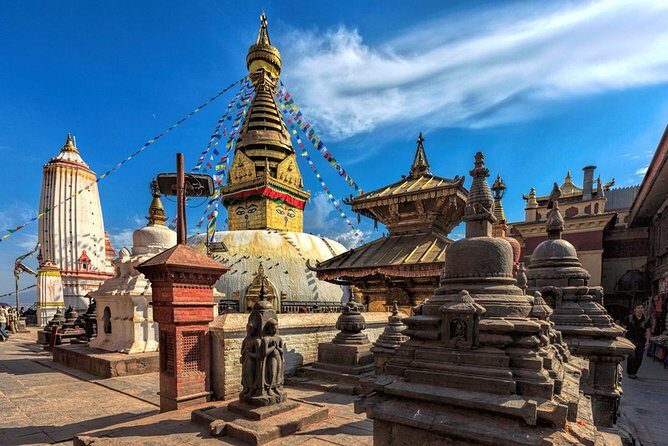
- Swayambhunath is the Monkey Temple—plan for crowds, stairs, and quick photo moments.
- Thamel lunch stop gives you a real taste of Nepalese basics like dal-bhat, even if you’ll likely pay for the meal.
One Day, Three Sacred Stops: Kathmandu Valley at Pilgrimage Speed
This is a one-day pilgrimage style tour that hits the big spiritual anchors of Kathmandu Valley. You start at 9:15am and return to the meeting point at the end, so you get a complete arc of Buddhist sites without committing to multiple days.
The best part is how the sites “talk” to each other. Boudhanath brings you into the world of large stupa devotion. Kopan shifts to a monastery setting where Buddhism is explained through tradition and practice. Then Swayambhunath layers in the temple atmosphere you’ll recognize from the famous Monkey Temple name—lively energy, but still sacred.
If you like your travel with a clear schedule and an intentional theme, you’ll probably enjoy this format. If you prefer long unstructured time at one place, you may feel a bit rushed—especially at Swayambhunath where the stop is short on the day plan.
You can also read our reviews of more tours and experiences in Kathmandu.
Pickup, Private Transport, and a Guide Who Can Answer Real Questions
Logistics matter in Kathmandu. This tour’s built around private comfortable vehicles and a guide who’s described as fully trained English-speaking professional. You’ll get picked up from your hotel for the first stop, and the vehicle handles the movement between sites.
There’s also a smart group limit: maximum of 10 travelers. In practice, that means you’re less likely to get lost in the crowd of your own group, and you can actually hear explanations rather than just catch fragments.
A big theme from strong prior experiences is that the guide can handle questions about culture and Buddhism. That matters because these sites aren’t just “pretty buildings.” You’ll get much more out of your visit when someone can explain what you’re seeing—stupas, prayer practices, and the monastery’s religious context.
Boudhanath Stupa: One of the World’s Largest, and a Place to Slow Down
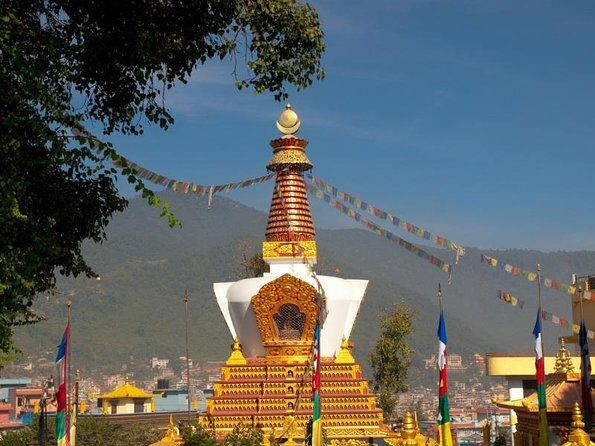
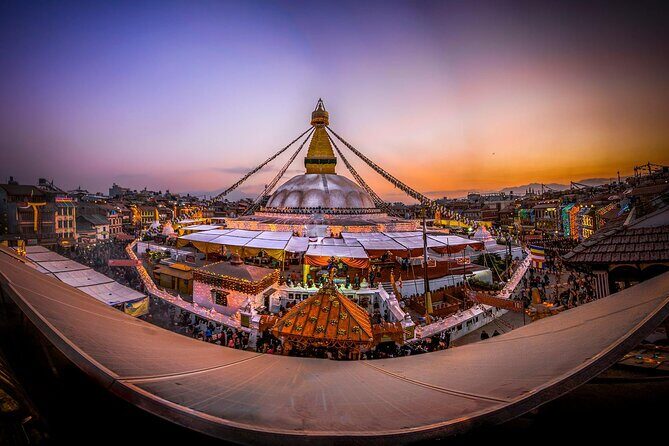
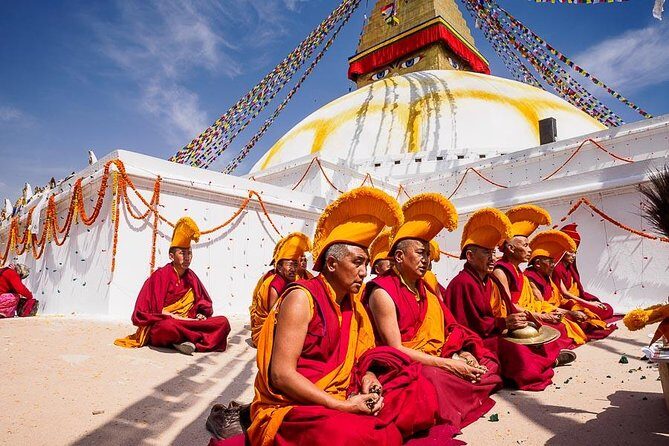
Boudhanath Stupa is the first stop, about 4 miles from central Kathmandu. It’s known as one of the largest stupas in the world and one of the main centers for Buddhist devotion. Even if you’ve seen stupas elsewhere, this one hits differently because of scale and the way people move around it.
You’ll spend about 1 hour here, and the admission ticket is included. That’s enough time to do the basics: orient yourself, watch the flow of visitors, and understand the stupa as more than a monument. It’s a living religious space where people come to pray, reflect, and continue daily practice.
What I like about starting here is psychological. The day begins with a wide, open sacred atmosphere before shifting into monastery structure and then temple viewpoints. Also, you’re still fresh from the morning pickup, so you can take your time without feeling like you’re already behind.
One practical consideration: bring patience. Around major stupas, crowds form naturally. You’ll enjoy it more if you accept that you’re sharing the space with local worshippers rather than trying to “win” a photo angle.
Kopan Monastery: Gelug Tradition and a More Monastery-Quiet Feeling
After Boudhanath, you head to Kopan Monastery, another major pilgrimage site in Kathmandu Valley. The plan includes cutting across daytime traffic to reach Kopan, which is a helpful detail in a city where timing can make or break a day.
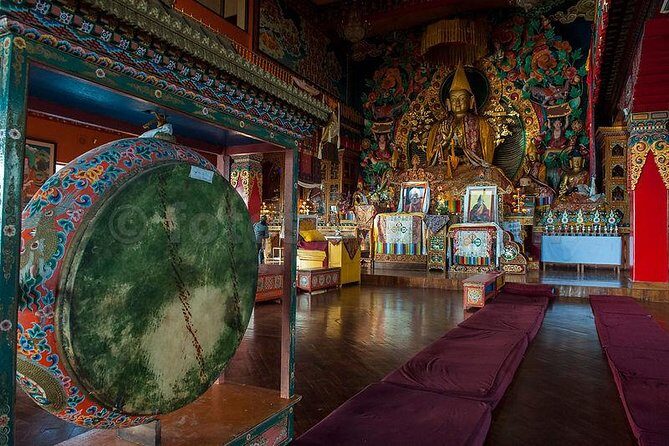
This stop also runs about 1 hour, with admission ticket included. Kopan Monastery is part of the Gelug tradition of Tibetan Buddhism. That matters because it gives the day a stronger religious framework than a generic sightseeing loop.
Monasteries change the mood quickly. Instead of the open stupa orbit, you get a setting where the focus is more on practice and learning. If you’re the type of traveler who wants context—why things look the way they do, and what they mean in day-to-day Buddhism—you’ll probably find this the most “explainable” stop.
The one thing to be ready for is that monastery visits can feel more rules-and-respect oriented than temples built for mass sightseeing. Dress modestly and move calmly. You’ll get more out of the visit if you treat it like a place where people come for practice, not a backdrop.
Swayambhunath and the Monkey Temple: Quick Visit, Big Energy
Next up is Swayambhunath, commonly known as the Monkey Temple. This is one of those places where Kathmandu’s religious life and the city’s physical landscape overlap: temples on hilltop terrain, views, and lots of activity around the site.
From the monastery you go toward Thamel for lunch, and then you make it to Swayambhunath as part of the day flow. The schedule shows Swayambhunath as a short stop, so you’re not getting an all-afternoon here. Admission is included, but you’ll want to use the time efficiently.
What to expect: more movement, more stairs, and more people. This stop is perfect for catching that special blend of temple atmosphere and panoramic views, but it’s also where you might feel the time pressure if you want deep, slow exploration of every corner.
My suggestion: choose what you want most before you arrive—views, main shrine areas, or simply soaking up the vibe. If you try to do everything, you’ll feel rushed. If you pick a goal, you’ll likely be happier with the outcome.

Thamel Lunch at The Ship: Dal-Bhat Time (Budget for Meals)
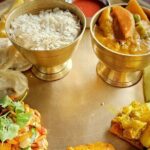
Between the religious sites, you head to Thamel for lunch. The day plan reserves a table for you at The Ship Restaurant and bar, and it specifically mentions enjoying traditional dal-bhat (lentil soup and rice).
Here’s the practical part: meals are listed as not included. So even though the tour sets you up with a reservation and the restaurant context, you should expect to pay for lunch yourself.
This lunch break is still valuable. It’s a chance to refuel in a neighborhood that’s easy to navigate, and dal-bhat is a solid, simple Nepalese standard. You’ll also have a short reset before the hilltop portion of the day’s religious circuit.
If you’re the type who gets travel-snack hungry, plan to eat calmly at lunch rather than grabbing food throughout the walk-heavy temple stops.
Price and Value: Does $150 Cover What You’re Paying For?
The price is $150 per person for a 1-day (approx.) tour in Kathmandu, and it’s noted that it’s often booked around 18 days in advance. It also includes group discounts and uses a mobile ticket.
So what are you really buying with this cost?
What’s included:
- Private comfortable vehicles for ground transportation
- A trained English-speaking professional guide
- Admission tickets for the stops you visit
- Staff support items like salary and insurance, plus government and local taxes
What’s not included:
- Nepal visa fee
- Meals and accommodations
- Tips for staff
- Any optional activities during free time
For value, I think the best part is the combination: guide + transport + admissions on a tight one-day schedule. In Kathmandu, trying to coordinate transit and tickets alone can turn into wasted time and added stress. Paying for a guided, structured route makes sense if you want to maximize your day and avoid getting stuck figuring things out.
If you’re already staying close to the main sites and have a strong comfort level navigating on your own, it might feel pricey for just one day. But if you want a calm day with someone handling the “how” so you can focus on the “why,” the value calculation tends to look better.
Timing, Group Size, and the Pace You Should Expect
Start time is 9:15am, with the tour ending back at the meeting point. With visits allocated to each major stop, the pacing is designed for coverage rather than long linger sessions.
You’re in a small group of up to 10, which helps a lot. It means you’re more likely to keep moving with less waiting, and explanations can actually land instead of being drowned out.
Also note: this is a mobile ticket tour and you’ll receive confirmation at booking time. That’s helpful if you’re juggling a lot during a Nepal trip.
My practical advice: wear good walking shoes. Even when a stop is “about an hour,” you’ll still be moving, queuing, and climbing to get the best angles and viewpoints. Bring layers too—temple areas can feel cooler in the morning and warmer later.
Who This Pilgrimage Tour Is Best For
This tour is a strong match if you:
- Want a single-day introduction to major Buddhist pilgrimage sites in Kathmandu Valley
- Prefer a guide who can explain culture and Buddhism in clear language
- Like structured itineraries and minimal logistical hassle
- Enjoy respectful, faith-focused sightseeing rather than only checklist tourism
It may not be the best fit if you:
- Want deep, unhurried time at one site (this is built for three stops)
- Hate walking and stairs (especially with Swayambhunath)
- Plan to travel on a strict budget for meals, since lunch is not listed as included
If you’re coming from another city and have only limited time in Kathmandu, this is exactly the kind of “make it count” day trip that helps you get oriented fast.
Should You Book This Buddhist Pilgrimage Day Tour?
I’d book it if you want a guided, meaning-focused day that covers the top sites without you needing to master Kathmandu logistics. Boudhanath sets the devotional tone, Kopan Monastery adds a specific Tibetan Buddhist tradition through the Gelug context, and Swayambhunath gives you the iconic temple-and-view experience—plus a lunch break in Thamel.
Before you book, check one thing: your expectations for pacing. This is not a slow spiritual retreat. It’s a one-day circuit designed to give you a broad picture. If that’s what you want, the included transport, admissions, and expert guidance are a practical way to spend your Kathmandu time.
If you tell me your travel dates and whether you’re staying in Thamel or elsewhere, I can also suggest what time you should aim to be ready for pickup and how to plan your clothing and walking comfort for these sites.
FAQ
What is the start time for the tour?
The tour starts at 9:15am.
How long is the tour?
It’s listed as 1 day (approx.).
How many people are in the group?
The tour has a maximum of 10 travelers.
Where does the tour begin and end?
It begins in Kathmandu, within Kathmandu Valley, and ends back at the meeting point.
Which Buddhist sites are visited?
You visit Boudhanath Stupa, Kopan Monastery, and Swayambhunath.
Are admission tickets included?
Yes. Admission tickets are included for the stops listed in the itinerary.
Is lunch included?
Lunch is mentioned in the itinerary with a reservation in Thamel, but meals are listed as not included overall.
What does the price include?
It includes private comfortable ground transportation, a trained English-speaking guide, staff insurance and support items, and all government and local taxes.
What is not included?
The Nepal visa fee, meals and accommodations in Kathmandu, tips, and any optional activities during free time are not included.
What’s the cancellation policy?
Free cancellation is allowed up to 24 hours in advance for a full refund. If you cancel less than 24 hours before the start time, the amount is not refunded.