REVIEW · KATHMANDU
Everest Base Camp Trek 12 Days – Best Himalayan Adventure
Book on Viator →Operated by Scenic Nepal Treks Expedition Pvt. Ltd · Bookable on Viator
Everest feels close on a guided trek. What makes this 12-day Everest Base Camp trip feel smart is the private Sherpa-led planning and the built-in focus on the big view moments like Kala Patthar, plus classic Khumbu stops through mountain villages such as Namche Bazaar and Dingboche. If you’re lucky with the guide team, you may work with names like Shankar or Binod, with extra support from the rest of the Sherpa crew.
I especially like that the route is designed around real mountain rhythm: acclimatization days for safety, tea-house lodging for practicality, and an experienced guide who keeps you moving with purpose—not just pushing altitude for the sake of it.
The main consideration is cost beyond the headline price. The package price of $1,439 per person does not include international airfare, and it also leaves out the Nepal entry visa and travel insurance, plus personal expenses and tips. Add in weather or schedule shifts around flights, and you’ll want a buffer day or two if your whole trip is tight.
In This Review
- Key highlights worth getting excited about
- A 12-day Everest Base Camp plan that feels well-run from the first day
- Who this trek fits best
- Kathmandu kickoff: pickup, meeting point, and what to expect before you fly
- The Lukla flight is part of the magic, and part of the schedule challenge
- Namche Bazaar and Tengboche: acclimatization through everyday mountain life
- Dingboche to the Everest approach: where your body starts negotiating
- Everest Base Camp at 5,364m: the goal, the feeling, and the logistics
- Gorak Shep and Kala Patthar: why this trek is famous
- Tea houses, twin sharing, and the honest comfort of day-after-day trekking
- Guide and porter support: the “small details” that prevent misery
- Packing reality for Everest Base Camp: layers, cold gear, and what’s already provided
- Price and value at $1,439: what you’re really paying for
- A note about meals
- Who should book this private EBC trek, and who should reconsider
- Should you book this 12-day Everest Base Camp trek?
- FAQ
- Is this Everest Base Camp trek private?
- How long is the trek, and where does it start?
- What’s included in the $1,439 price?
- What is not included?
- Can I get vegetarian food?
- What gear do I need to bring, and what do they provide?
Key highlights worth getting excited about
- Private guided trek in the Khumbu with an experienced Sherpa trekking guide (minimum 2 travelers per booking)
- Small-group feel (info lists up to 10 travelers, with a booking cap noted up to 15)
- A porter option included with the bag load split (2 hikers share 1 porter)
- Permits handled along with staff insurance, a first aid kit, and medication/equipment
- Return domestic flights included, with the possibility of flying from Ramechap Airport
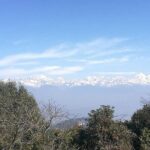
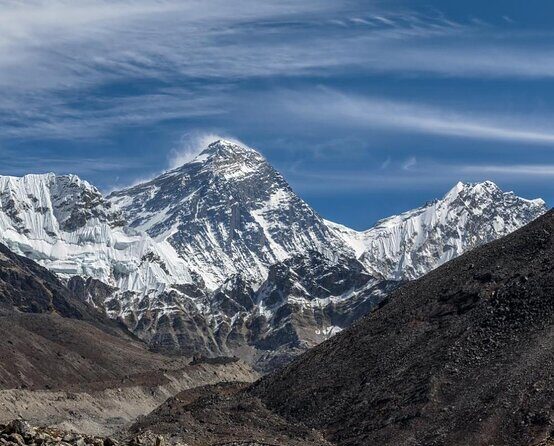
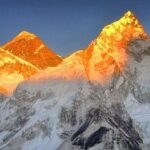
- Kala Patthar panoramic viewpoints aimed at seeing Everest and surrounding peaks like Lhotse, Nuptse, Ama Dablam, and Pumori
A 12-day Everest Base Camp plan that feels well-run from the first day
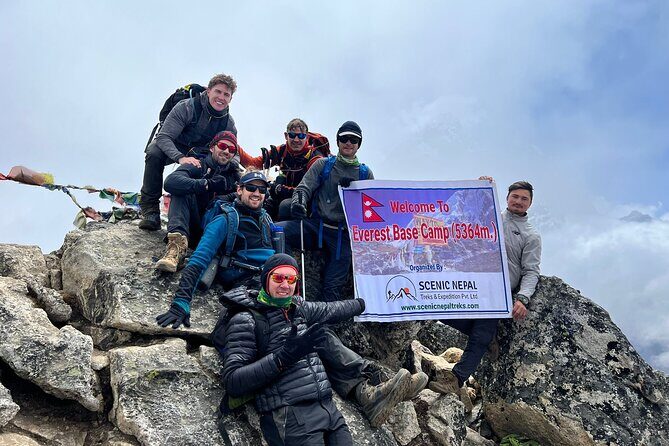
This is a private Everest Base Camp trek that targets the essentials: getting you to the Everest Base Camp area at 5,364m, keeping you safe with acclimatization, and pairing the big scenery with Sherpa-led guidance. You also get the practical pieces that matter on a serious trek—permits, domestic flights, and day-to-day logistics—so you can spend your energy where it belongs: on the trail and on learning how the mountains work at this height.
What I like most is the balance. You’re not just buying a location on a map. You’re buying structure: a guide who can pace you, a porter arrangement so you’re not hauling everything yourself, and tea-house lodging so you’re not scrambling for beds each night.
You can also read our reviews of more hiking tours in Kathmandu
Who this trek fits best
The tour notes say it works for fit beginners through experienced hikers, as long as you have moderate physical fitness. That’s believable because this trek includes acclimatization days, and you’re staying in established tea-house communities rather than rough camping throughout.
You’ll also want to feel comfortable with shared lodging. It’s twin sharing tea-house accommodation for 11 nights, which is normal for the region but not everyone’s favorite if you love your own quiet space.
Kathmandu kickoff: pickup, meeting point, and what to expect before you fly
Your trip starts in Kathmandu at Scenic Nepal Treks & Expedition Pvt. Ltd., on Bhagwati Marg, Kathmandu 44600. Pickup is offered, which is useful when you’re trying to stay calm before a high-altitude journey.
You’ll also have sightseeing excursions in Kathmandu as part of the plan. That matters more than it sounds. A day in the city helps you:
- handle gear shopping or last-minute fixes
- get used to Nepali schedules and traffic pace
- meet your guide and clarify questions before the trek takes over
One practical detail that helps: confirmation happens at booking, and you’ll receive a mobile ticket. That can simplify your day-of movements, especially if your itinerary involves domestic flights.
The Lukla flight is part of the magic, and part of the schedule challenge
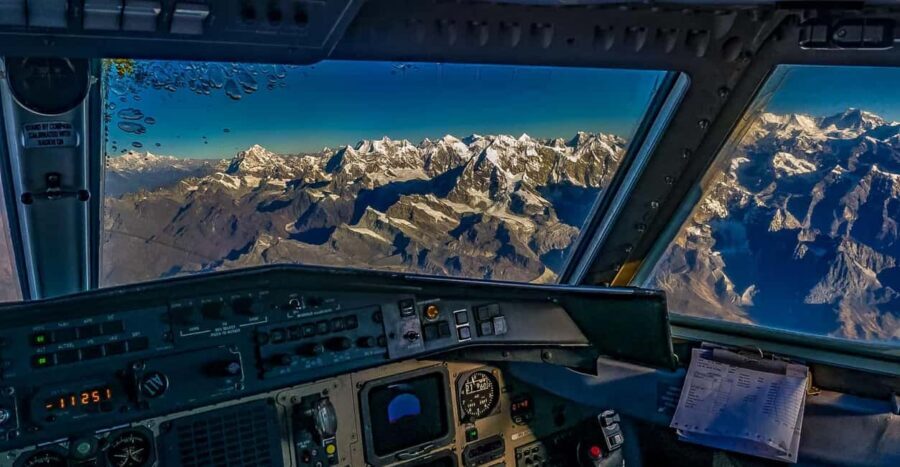
A huge piece of the Everest Base Camp experience is how you get there. This trek includes scenic flights to Lukla, plus return domestic flights on the way back.
The plan specifically notes that your return flight may depart from Ramechap Airport. That’s not a minor detail. Ramechap is commonly used as an alternative when flight patterns shift, so I recommend you treat this as flexibility on your end, not something to fight. Build in buffer time if you’re connecting to another flight from Kathmandu after your trek.
What you can take from this: the company isn’t assuming you’ll just fly out of one single place no matter what. They’re telling you there’s a real-world backup option.
Namche Bazaar and Tengboche: acclimatization through everyday mountain life
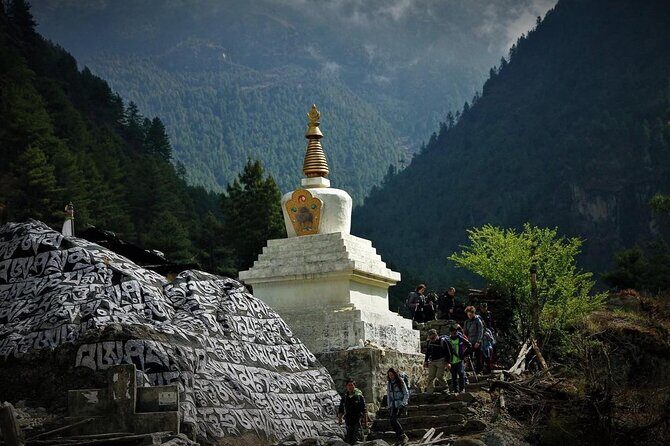
After Lukla, you start moving into the Khumbu rhythm. Stops like Namche Bazaar and Tengboche are on your route, and the trek is designed around acclimatization days.
Here’s what that means for you, practically:
- you won’t just climb every day with no pause
- your guide can adjust pacing based on how you’re handling altitude
- you’ll get time in the high-altitude villages that define the region
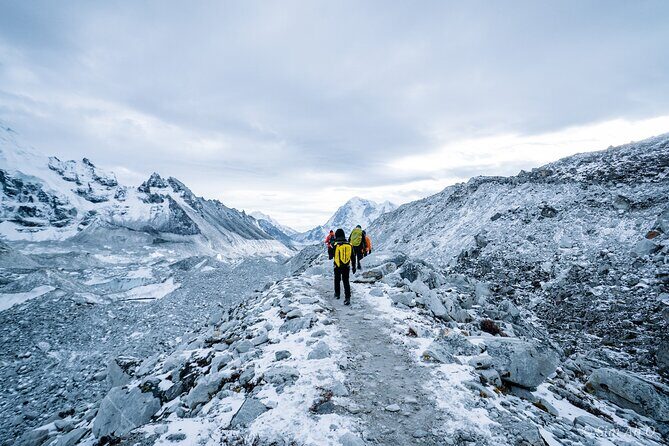
The route also includes the kinds of trekking moments that make Everest hikes feel real: suspension bridges, stretches through alpine forests, and passes through glacial valleys. Those details don’t just look good on photos. They break up the trek into varied effort—sometimes steady walking, sometimes a leg-burning incline, sometimes a calmer stretch where you can catch your breath and watch the mountains change as you go.
What could be a drawback here? If you’re the type who hates slow days, acclimatization can feel like wasted effort. In practice, it usually prevents problems later.
Dingboche to the Everest approach: where your body starts negotiating
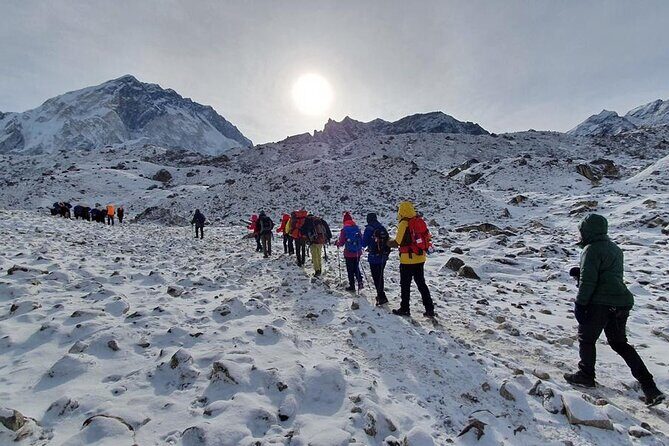
Dingboche is another named stop, and it sits in that key zone where the trek becomes physically serious. The tour is explicit that acclimatization is included for safety, and that’s exactly when it matters.
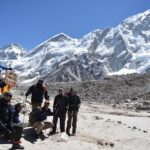
At this stage, the “private guide” part becomes real. A good Sherpa guide doesn’t just lead. They manage pacing, breathing rhythm, and how you handle cold, wind, and fatigue. The trek also includes trekking permits, and you’re traveling with staff insurance and a first aid setup. That reduces the stress of wondering what happens if something goes wrong.
This is also where your packing list earns its keep. The trip’s gear guidance calls out warmth and weather protection hard—think warm hat, scarf, gloves, and a waterproof jacket, plus layers like thermal underwear and a fleece quick-dry layer. It even mentions a down jacket (minimum -10C depending on where/when you’re trekking).
If you’re underpacked, altitude will punish you. If you’re prepared, you’ll spend more of your energy on walking and less on fighting cold.
Everest Base Camp at 5,364m: the goal, the feeling, and the logistics
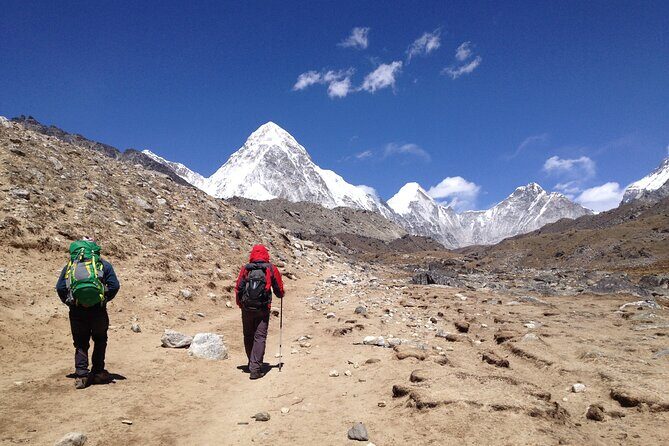
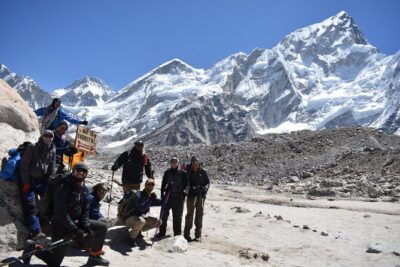
The plan lists a stop at Mount Everest, and it’s tied to the Everest Base Camp destination. Everest Base Camp is given as 5,364m, so you’ll be dealing with real altitude, not just a scenic hike.
On the logistics side, this trek is set up for comfort where possible. You’re staying in tea-house accommodation (11 nights total during the hike), and meals are supported as part of the overall trek setup. Still, there’s a catch you should notice in the fine print: the tour description talks about meals included, but exclusions also mention meals during the trek for your personal expenses. That means it’s worth messaging the operator before you go and confirming what meal costs are actually covered versus what you’ll pay at the lodge.
On the “feeling” side, the Everest Base Camp experience is about perspective. Even if you’ve seen Everest pictures before, being at the foot of that world feels physical. The guide and pacing reduce the chance you’ll arrive completely crushed.
One more helpful detail: you’re not doing this alone. You have twin sharing lodging and a guided plan, so the day-to-day doesn’t turn into guesswork.
Gorak Shep and Kala Patthar: why this trek is famous
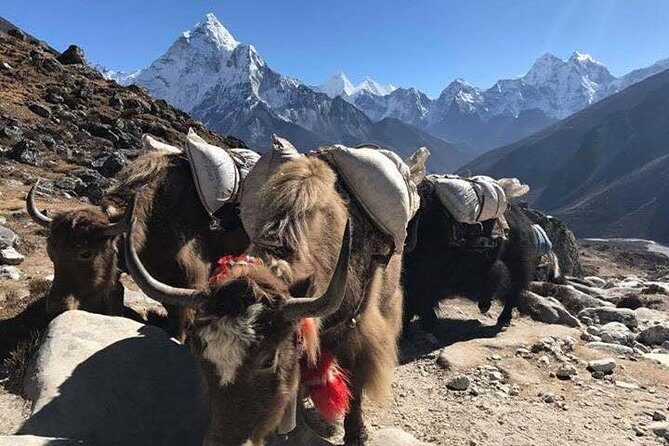
Gorak Shep is one of the named stops, and it’s linked to the classic follow-on viewpoint push. The trek includes panoramic viewpoint experiences like Kala Patthar, which is the big reason many people say yes to this kind of high-altitude effort.
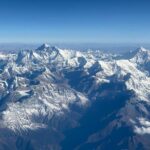
Kala Patthar is listed with clear visual targets: views of Mount Everest, Lhotse, Nuptse, Ama Dablam, and Pumori. That’s not vague marketing. It tells you what you should aim to see.
It also matters that the tour plan includes acclimatization days. At Kala Patthar altitude, you don’t want to be running on empty.
From the experience notes you provided, at least one trek participant specifically called out the sunrise feeling at Kala Patthar. That lines up with why early-morning pushes become part of the Everest story: light changes quickly, and the peaks look different as the day warms up.
Tea houses, twin sharing, and the honest comfort of day-after-day trekking
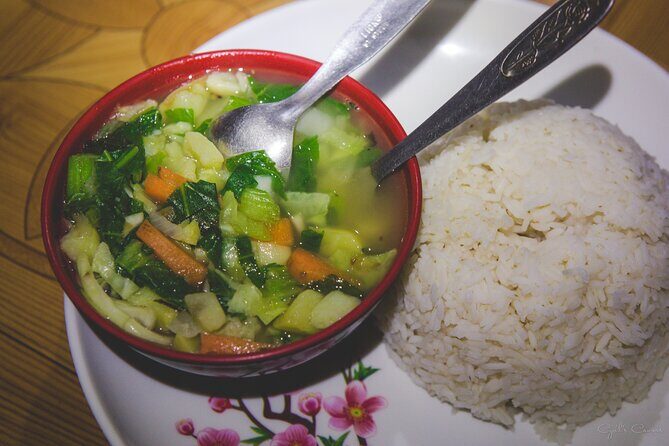
You’ll have 11 nights of tea-house accommodation, with twin sharing as the default. That’s standard on this route, but it’s still worth planning for.
What tea-house life tends to mean for you:
- shared rooms, basic warmth, and simple comforts
- meals served in-lodge (but you should confirm what’s included)
- a good chance to dry gear and rest properly
The trek does offer a vegetarian option if you advise during booking. That’s helpful because meal choices can get limited up high.
Also keep expectations grounded. Tea houses are functional, not luxury hotels. The win is that you’re inside a trekking community with reliable shelter each night, rather than trying to carry camping gear for 12 days.
Guide and porter support: the “small details” that prevent misery
This trek is led by an experienced Sherpa trekking guide, and that’s not just a credential line. It affects your day-to-day experience: pacing, safety calls, and how quickly you learn the rhythm of the route.
One practical support detail you’ll appreciate: the plan includes a porter arrangement. It states porter to carry your bags, with the note that 2 hikers get 1 porter. That means you should still pack smart and keep your own essentials with you, but you’re not dragging everything up and down the route.
Support systems are also built in. The included items list staff insurance, medication and equipment, and a first aid kit. Even if you’re healthy and confident, having proper safety coverage reduces the stress factor when altitude is involved.
From the guide names that show up in the experience notes you shared—Dipendra, Shankar, Binod, Ramjee, Santosh, and others—the common theme is strong organization and attentive care. The best part is that it’s not just about being friendly. It’s about making sure you’re safe, warm, and moving at the right pace.
Packing reality for Everest Base Camp: layers, cold gear, and what’s already provided
This trek’s gear guidance is detailed, and you should take it seriously. Everest region weather can flip fast, even if the forecast looks fine.
Here’s the core of what you’ll likely need based on the provided packing notes:
- Warm hat, scarf, gloves
- Waterproof jacket
- Thermal underwear
- Quick-dry T-shirts and fleece layers
- Down jacket (it notes minimum -10C depending on where/when you’re trekking)
- Trekking boots (and spare laces)
- Backpack, plus a duffel bag (the company provides a duffel bag)
- Polarizing sunglasses and sunblock
- Water bottle and water purification tablets
- Ear plugs and a torch/flash light
- Toilet paper and a cigarette lighter if you smoke (listed in the notes)
- Locks for your bags during trek
What they provide can lighten your load:
- Sleeping bag and silk liner are provided
- The company provides a medical and first aid kit box, with a recommendation that you bring your own if you prefer
If you’re trying to travel light, this is where the trade-off is worth it. Carrying a full camping kit is not the point here. They’ve focused on tea-house trekking practicality.
Price and value at $1,439: what you’re really paying for
At $1,439 per person, you’re not just paying for a route. You’re paying for a package that includes the big friction points:
- Return domestic flights (including the possible Ramechap Airport routing)
- Trekking permits
- Experienced Sherpa guide
- Tea-house accommodation during the hike (11 nights, twin sharing)
- Porter arrangement (2 hikers share 1 porter)
- Staff insurance, first aid kit, and medication/equipment
- Kathmandu sightseeing excursions and support around the start
That’s the value side. Now the cost reality check:
- Not included: international airfare, Nepal entry visa, and personal travel/trekking insurance
- Not included: personal expenses and meals during the trek (and this is where you should clarify what’s covered vs what you pay in the lodge)
- Not included: tips/gratuities for trekking staff and drivers
- Not included: personal trekking equipment
If you’re trying to estimate your true budget, the easiest way is to add:
1) your international flights
2) your visa and travel insurance
3) a daily spending allowance for lodge extras and tipping
Then compare that total against the value of having permits, guide, and domestic flights handled for you.
A note about meals
Because the provided details include both meal inclusion language and meal exclusions language, I strongly suggest you ask the operator one simple question before you pay: which meals are included at the tea houses, and which ones are personal expenses. It’s a 30-second question that can save you confusion mid-trek.
Who should book this private EBC trek, and who should reconsider
Book this if you want:
- a private, Sherpa-led trek (minimum 2 travelers, small group cap)
- a plan that includes acclimatization days
- the iconic Everest Base Camp goal plus the Kala Patthar panoramic viewpoints
- the comfort of tea-house lodging and porter support
You might reconsider if:
- you want total privacy and no shared rooms (it’s twin sharing)
- you dislike cold weather and don’t like packing layers (this route expects you to)
- you’re not comfortable managing the additional costs outside the $1,439 package (visa, insurance, international flights, tips, and personal spending)
The plan also notes service animals allowed, and vegetarian options are available if you request at booking.
Should you book this 12-day Everest Base Camp trek?
If you want Everest Base Camp with the least chaos possible, this style of private Sherpa-guided trek is a strong choice. The package covers the heavy logistics—domestic flights, permits, a guide, and tea-house lodging—so you can focus on acclimatization and the walking.
My final advice for a smart decision:
- Confirm the meal coverage clearly (included vs pay-as-you-go)
- Plan for flight routing flexibility, including the Ramechap possibility
- Pack for cold and wind as the notes suggest, not as you hope
- Ask about porter sharing rules and how they want you to split personal items
If that all checks out, this is the kind of Everest trip that can feel both big and well handled.
FAQ
Is this Everest Base Camp trek private?
Yes. It’s a private guided trek, and the booking requires a minimum of 2 people per booking.
How long is the trek, and where does it start?
It’s about 12 days. You start in Kathmandu at Scenic Nepal Treks & Expedition Pvt. Ltd. and the activity ends back at the meeting point.
What’s included in the $1,439 price?
The included items list an experienced Sherpa trekking guide, return domestic flights (possibly via Ramechap Airport), trekking permits, staff insurance and first aid support, tea-house accommodation during the hike (11 nights, twin sharing), and a porter arrangement.
What is not included?
International airfare, Nepal entry visa, personal travel or trekking insurance, personal trekking equipment, personal expenses and meals during the trek, and tips/gratuities for trekking staff and drivers.
Can I get vegetarian food?
Yes. A vegetarian option is available if you advise the company at the time of booking.
What gear do I need to bring, and what do they provide?
The notes list what you should bring, including warm clothing and cold-weather layers like a down jacket, plus waterproof protection and trekking boots. The company provides a sleeping bag and silk liner, and it also provides a duffel bag and a medical and first aid kit box (with a recommendation that you bring your own if you want).