REVIEW · KATHMANDU
Kathmandu: Dhulikhel to NamoBuddha Day Hike with Lunch
Book on GetYourGuide →Operated by Cordial Trek Pvt. Ltd. · Bookable on GetYourGuide
In This Review
- A hill-station drive leads to a temple hike.
- Key highlights to know before you go
- From Kathmandu to Dhulikhel: a smooth start with real breathing room
- The hike: thousand steps, village passes, and mountain views that stick
- Kali Temple and Kavre Bhanjyang: where culture shows up between the stairs
- Namobuddha Monastery: Thrangu Tashi Yangtse and the compassion legend
- Lunch on the route: simple, included fuel for a steady climb
- Day trip vs. overnight: when Namobuddha feels different
- Day trip
- Overnight serenity
- Zipline and add-ons in Dhulikhel: optional fun that won’t hijack the day
- Price and value: what you’re actually paying for
- Pacing and packing tips: how to make the thousand steps feel manageable
- Who this hike is best for (and who should skip it)
- Should you book the Dhulikhel to Namobuddha hike?
- FAQ
- How long is the Dhulikhel to Namobuddha hike?
- Where do pickups happen in Kathmandu?
- What’s included for lunch?
- Is ziplining included?
- Can I stay overnight near Namobuddha?
- What languages will the guide speak?
- Does the tour include bottled water?
- What should I bring with me?
- What are the cancellation terms?
- Who is this tour not suitable for?
A hill-station drive leads to a temple hike.
If you want Kathmandu’s bustle to fade fast, this Dhulikhel to Namobuddha day hike does the job. You’ll ride up to Dhulikhel, then climb the famous thousand steps to Namobuddha, finishing with a guided visit to Thrangu Tashi Yangtse Monastery and the powerful story behind it—often guided by pros like Pratip or Raj Tamang, who keep you moving at a comfortable pace.
What I like most is how practical it feels: you get a real hike (about 3 hours of walking), plus lunch (Nepali thali set or momo) so you’re not hunting food later. I also love that the monastery visit comes with context—guides such as Nilakantha Acharya or Terence Tamang are praised for answering questions and explaining what you’re seeing, not just herding people through.
One thing to consider: the climb includes a thousand steps, and heat can make it feel tougher than it sounds on paper. Wear proper shoes, bring your stamina, and don’t plan this on a day when you’re already wiped out.
Key highlights to know before you go
- Scenic drive from Kathmandu to Dhulikhel, with panoramic valley views
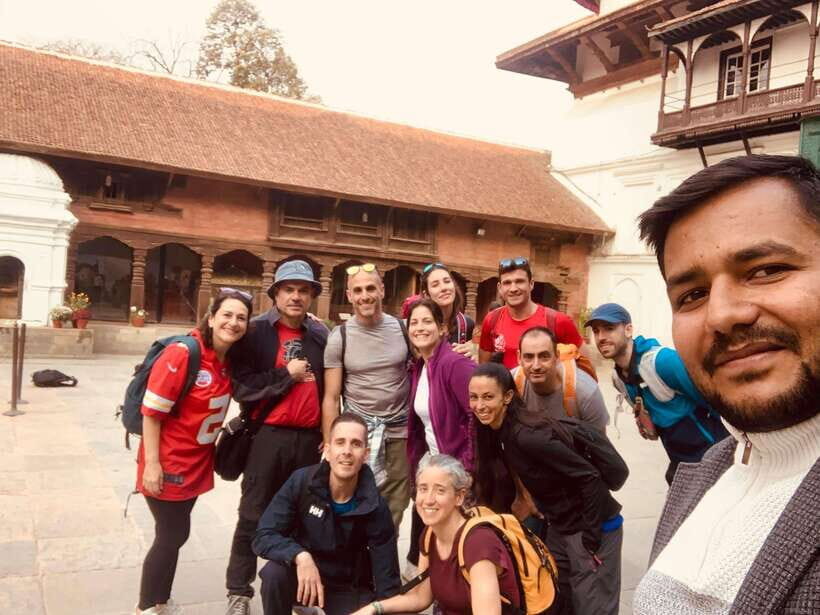
- A guided hike up thousand steps, with photo stops and temple-and-village scenery
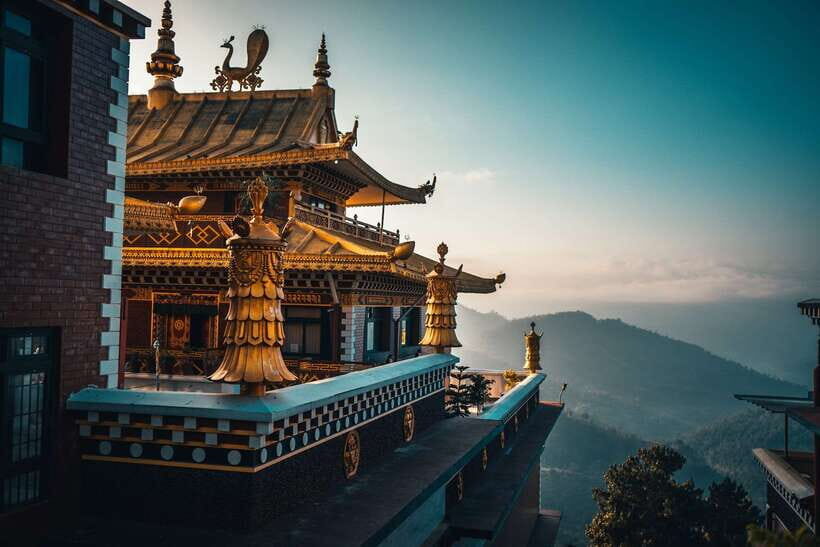
- Thrangu Tashi Yangtse Monastery tour at Namobuddha, including the compassion legend tied to the site
- Lunch included (Nepali thali set or momo) to keep your day on track
- Optional ziplining in Dhulikhel, if you want an extra adrenaline hit
- Optional overnight stay near the monastery, for a quieter, longer visit
You can also read our reviews of more tours and experiences in Kathmandu


From Kathmandu to Dhulikhel: a smooth start with real breathing room
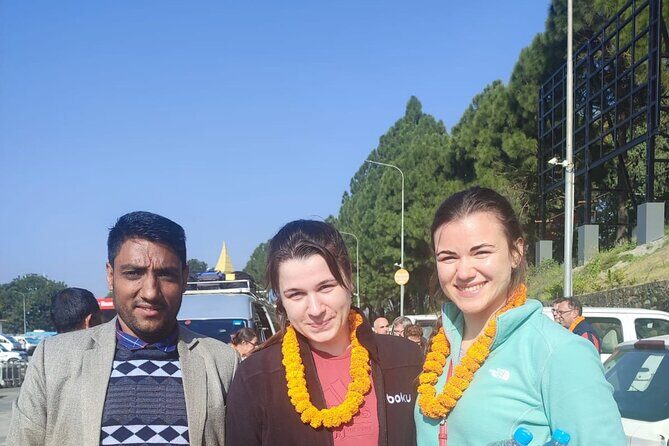
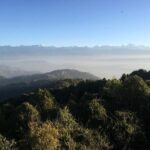
This experience starts with hotel pickup in Kathmandu, with one common pickup point being Thamel. From there, you’ll transfer by air-conditioned vehicle toward Dhulikhel, a hill station that sits high enough to change the mood immediately. The drive is part of the appeal: you’re not just “getting to the trail,” you’re already getting those Kathmandu Valley views to set expectations.
In the reviews, the transport quality shows up again and again, including praise for drivers handling difficult roads and weather conditions. That matters here because the roads can be winding and slow in spots, so having a steady driver keeps the day feeling relaxed.
Tip for your comfort: plan to carry a light layer. Even if Kathmandu feels warm, the walk and the hills can shift temperatures once you’re higher up.
The hike: thousand steps, village passes, and mountain views that stick
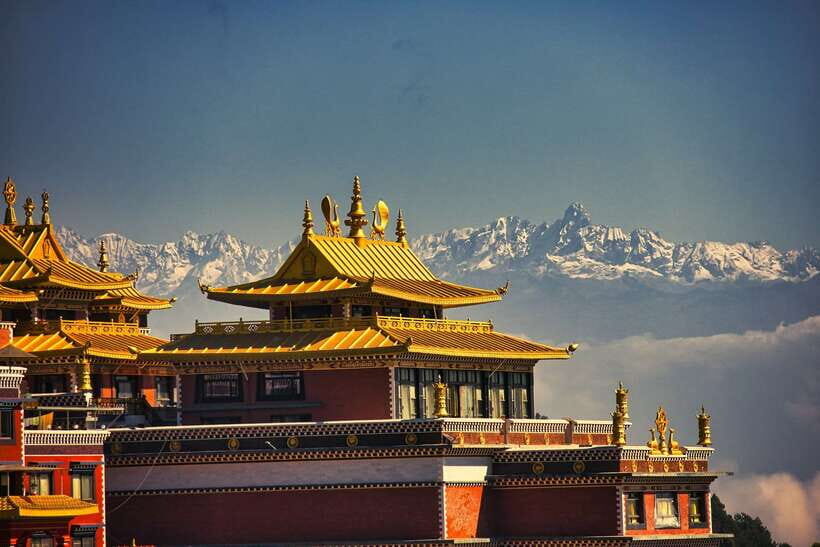
Once you arrive in Dhulikhel, you’ll start walking toward Namobuddha. The hiking time is about 3 hours, though the day can stretch a bit longer because you’ll stop for viewpoints and to take in what’s around you. Expect an ascent with around a thousand steps, which is why this hike is popular: it’s a manageable length, but it’s still a real climb.
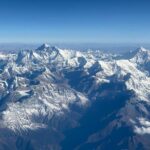
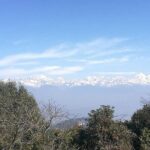
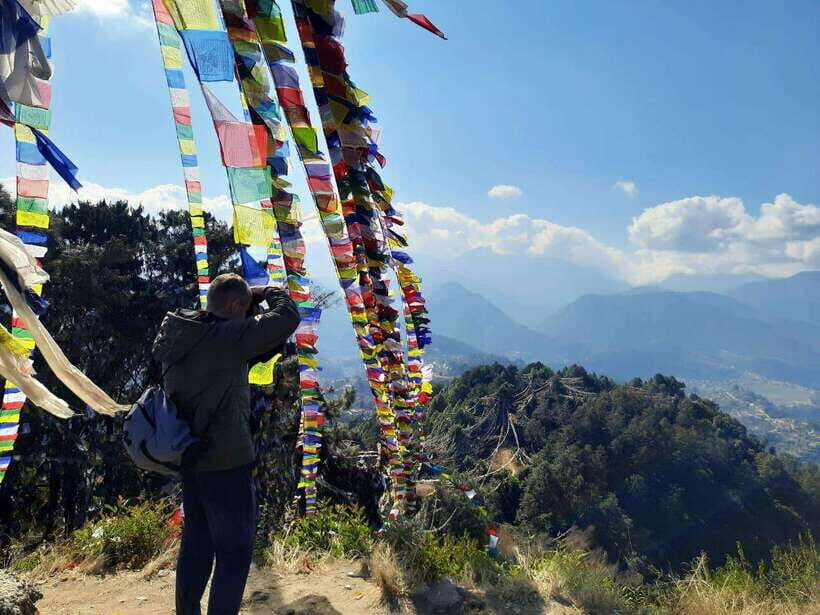
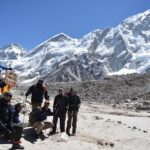
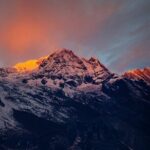
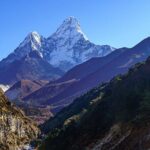
The trail is described as beautiful especially on clearer days, with Himalayan views showing themselves in bursts as you gain elevation. You’ll also pass through places that feel lived-in rather than touristy—local farming and village rhythms come into focus as you move.
Along the route, you’ll go by the Kali Temple and through Kavre Bhanjyang. Those stops help break up the climb, and they also make the hike feel tied to community life, not just scenery. In other words, you’re not hiking to a dot on a map. You’re hiking through a place.
If you’re deciding how intense to make your pace: many guides (including Pratip in one review, and others like Raj) are specifically praised for encouraging you and keeping a comfortable rhythm. That’s your cue to go steady. You’ll see more and feel better.
Kali Temple and Kavre Bhanjyang: where culture shows up between the stairs
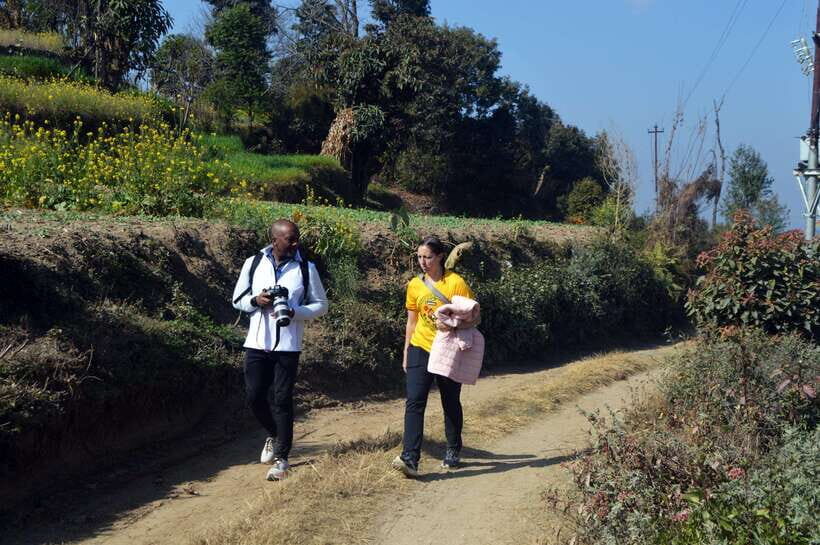
The best part of this route isn’t only the end goal—it’s the way the trail stitches together religion, everyday life, and geography.
Passing the Kali Temple gives you a quick, meaningful landmark on the climb. It’s one of those moments where you realize Buddhism is the headline at the finish, but the region’s spiritual landscape is broader and daily. Then Kavre Bhanjyang adds that local texture: you see a more grounded side of Nepal, with farming and small community rhythms that don’t require you to plan extra detours.
This is also where your guide’s role becomes valuable. The more the guide explains what you’re passing—temples, village life, and what these places mean—the more the hike becomes about understanding your surroundings, not just “getting your steps in.”
Practical note: if you’re hoping for photos everywhere, you’ll want to balance your camera time. The trail itself is photo-friendly, but the monastery experience can have stricter rules once you reach the inner areas.
Namobuddha Monastery: Thrangu Tashi Yangtse and the compassion legend
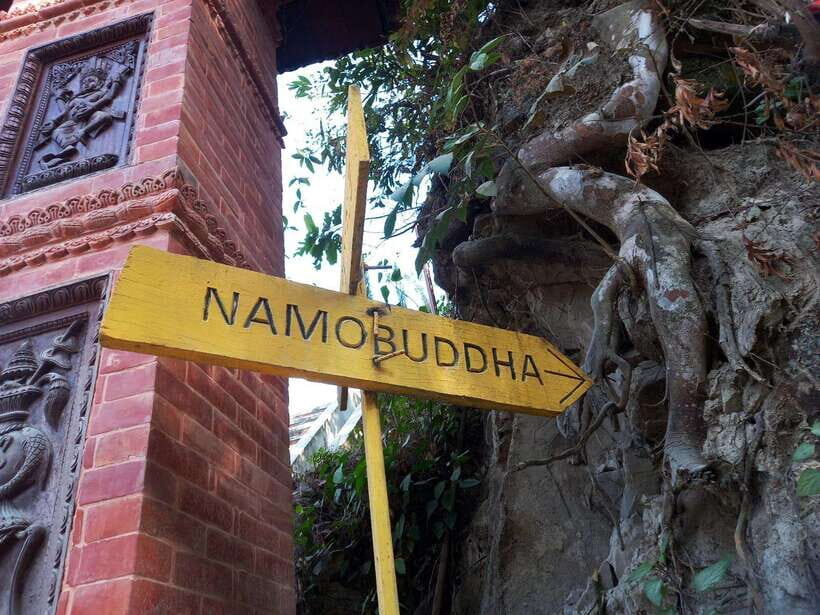
After you reach Namobuddha, you’ll get a guided tour—about 1 hour—at the Thrangu Tashi Yangtse Monastery. The monastery sits high and feels quiet the moment you arrive, which is part of why this site is so revered.
What you learn here is not a random factoid. It’s a story that explains the heart of the place.
Namobuddha is linked to a legend said to have happened 6,000 years ago, involving Prince Mahasattva (Ngingdui Tshenpo). The prince is said to have encountered a starving tigress with five cubs. In an act of compassion, he sacrificed himself—cutting his body to provide warm blood so the mother tigress could recover and the cubs could survive. That selfless choice is deeply honored at Namobuddha, and it’s the kind of legend that changes how you notice the monastery.
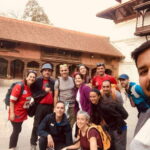
One of the strongest review themes is how guides make the visit feel understandable. People mention guidance from Nilakantha Acharya, Terence Tamang, and others who are patient and willing to answer questions. If you like spiritual sites but don’t want a lecture, this is the sweet spot: respectful, informative, and grounded in what you’re actually looking at.
Photo timing tip: one review notes that photos aren’t allowed inside. You can plan to photograph the exterior and viewpoints, then put your camera away when you enter indoor areas.
You can also read our reviews of more hiking tours in Kathmandu
Lunch on the route: simple, included fuel for a steady climb
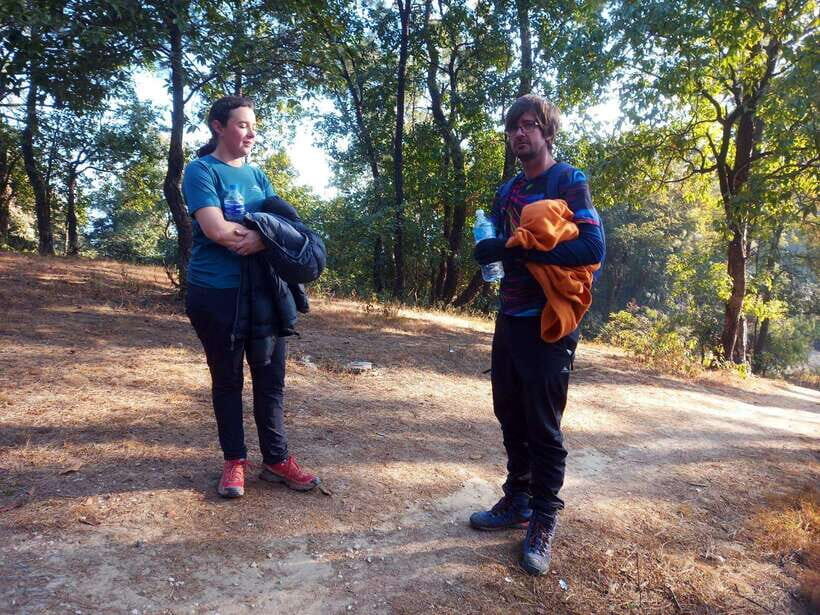
Lunch is included as Nepali thali set or momo. I like this kind of setup because it removes the stress of finding a meal when you’re warm, tired, and already thinking about the next stair block.
Because the hike includes a solid climb, having lunch handled matters more than you’d think. You’ll be ready for the monastery tour without the energy dip that can come from skipping food or eating something random.
Also, bottled drinking water is included. That’s a useful baseline for a hike like this where you’re gaining altitude and walking stairs.
Small advice: if you’re prone to getting chilled indoors, carry a light layer even if the hike starts warm.
Day trip vs. overnight: when Namobuddha feels different
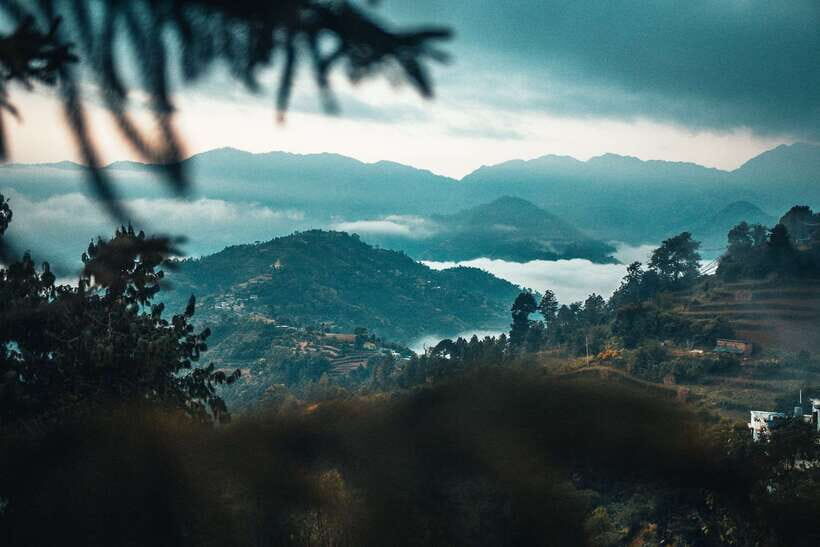
You get two ways to shape the experience: a day trip or an overnight stay.
Day trip
If you choose the day option, you’ll have the guided monastery time and then return to Kathmandu in the late afternoon. This works well if you’re short on vacation days or you prefer to sleep in your own bed.
Overnight serenity
If you add the overnight option, you’ll stay at a guesthouse or resort in the Namobuddha area, with full board meals included for the overnight stay choice. This isn’t just for convenience. It gives you a second chance to see the monastery atmosphere at different times of day—something you can’t really replicate on a quick return transfer.
If you’re the type who likes slow travel—quiet mornings, fewer crowds, time to reflect—overnight is the upgrade.
Just remember: the climb is still there in the morning and/or evening depending on the schedule, so bring the same respect for your stamina.
Zipline and add-ons in Dhulikhel: optional fun that won’t hijack the day
There’s an optional ziplining stop in Dhulikhel (about 30 minutes) if you select that add-on. The experience includes a provider name in the tour details (Worldwide Adventures Pvt. Ltd.), but the bigger point is simpler: it’s a fun diversion that doesn’t replace the hike.
You’ll also see an optional Bhaktapur tour mentioned as an add-on. Some people like combining sightseeing to make the day feel fuller, especially if you’re already curious about Nepal’s historic towns.
My take on these extras: choose them if you want variety. If your goal is mainly the hike plus monastery, you might skip zipline so you stay fresh for the climb.
Price and value: what you’re actually paying for
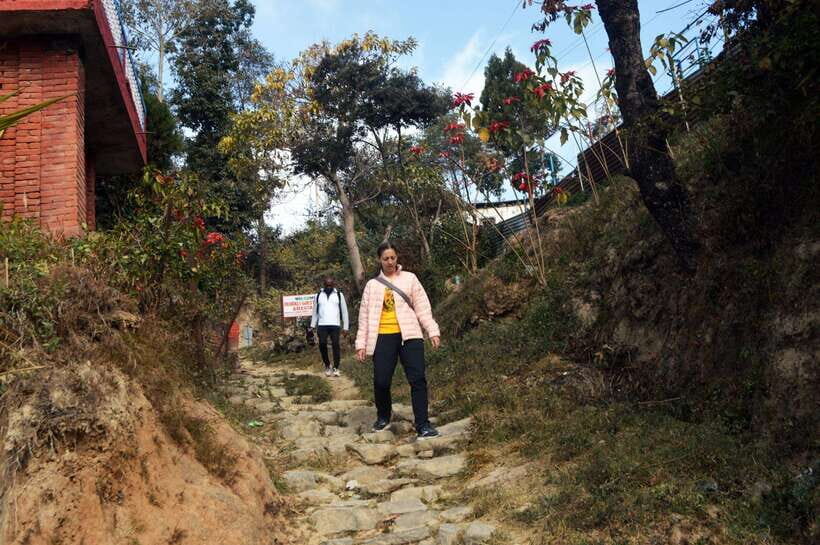
The posted price in the details is $4.66 per person, which is unusually low. Since the inclusions list includes pickup and drop, an experienced guide, air-conditioned transport, lunch, bottled water, and sometimes optional add-ons, the value is really in the logistics plus local interpretation.
Here’s the reality check: in Nepal, the “hidden cost” on many tours is time lost—waiting, unclear directions, and hauling yourself around without local help. Paying for a guide and transport is exactly what saves you from that.
So if you’re comparing options, I’d focus less on the sticker number and more on what’s included:
- a guided hike with context
- a guided monastery tour
- food handled
- vehicle coordination done for you
With a rating of 4.8 from many bookings and frequent praise for smooth transport, this is one of those “you don’t realize how much you need this” experiences.
Pacing and packing tips: how to make the thousand steps feel manageable
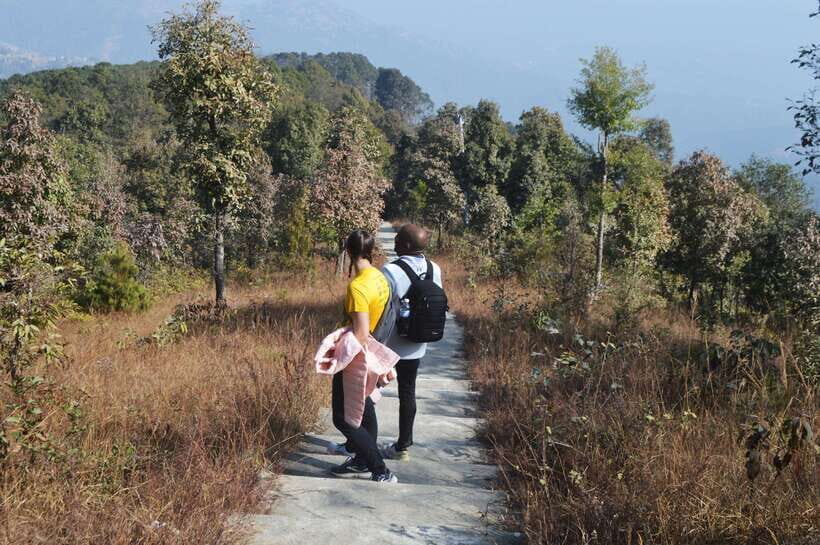
This hike is short, but it’s not a flat stroll. You’re climbing stairs to reach the monastery, so comfort is everything.
What to bring:
- comfortable shoes
- comfortable clothes
- a camera (and keep the no-photo-inside rule in mind)
- cash
- passport
Also, plan for weather shifts. Reviews mention tricky roads and challenging weather at times, so even if the forecast looks fine, pack with flexibility.
Finally, give yourself permission to go slow. Guides like Pratip and others are praised for encouraging you at your pace, and that’s how you keep the day enjoyable instead of punishing.
Who this hike is best for (and who should skip it)
This experience makes a lot of sense if:
- you want a meaningful Kathmandu Valley day hike without a multi-day trek
- you care about spiritual context at the destination
- you like village-and-temple routes rather than only viewpoint hopping
- you want a mix of walking and guided explanation
It may not fit if:
- you need wheelchair access (it’s not suitable)
- you have very young kids (not suitable for children under 6)
- you’re in an older age bracket beyond what the tour lists (not suitable over 95)
That’s not meant to be discouraging. It’s just honest about the stair-heavy nature of reaching Namobuddha.
Should you book the Dhulikhel to Namobuddha hike?
I’d book it if you want a short, memorable Himalayan hike with a real payoff at the end: the monastery tour at Namobuddha and the compassion legend that gives the place weight. I also think it’s a smart choice if you appreciate guides who explain what you’re seeing—people like Nilakantha Acharya, Terence Tamang, Raj Tamang, and Prakash are repeatedly praised for being patient and informative.
Skip it or think twice if stairs are a deal-breaker for you, or if you’re arriving with low energy. The climb is manageable, but it’s still a climb.
If you’re on the fence: this is one of those experiences where the combination matters—views on the way up, meaning at the finish, and lunch handled so you can stay focused on the hike.
FAQ
How long is the Dhulikhel to Namobuddha hike?
The trip is listed as lasting about 5 hours for the day option. The monastery tour is about 1 hour, and the hiking portion is about 3 hours. The experience can also be extended to an overnight option.
Where do pickups happen in Kathmandu?
One of the listed pickup locations is Thamel, Kathmandu. The tour also mentions 2 pickup location options, but Thamel is the specific one provided in the details.
What’s included for lunch?
Lunch is included as a Nepali thali set or momo.
Is ziplining included?
Ziplining is included only if you select the ziplining add-on. The details also note a Dhulikhel zipline stop of about 30 minutes.
Can I stay overnight near Namobuddha?
Yes, there is an overnight stay option at the monastery’s guest house, and full board meals are included only for the overnight option.
What languages will the guide speak?
The guide is listed as speaking English and Hindi.
Does the tour include bottled water?
Yes, bottled drinking water is included.
What should I bring with me?
You’re advised to bring a passport, comfortable shoes, a camera, comfortable clothes, and cash.
What are the cancellation terms?
You get free cancellation up to 24 hours in advance for a full refund.
Who is this tour not suitable for?
It’s not suitable for children under 6, wheelchair users, or people over 95 years.