REVIEW · KATHMANDU
Annapurna base camp trek 5 Days
Book on Viator →Operated by Alpine Ramble Treks · Bookable on Viator
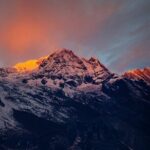
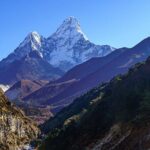
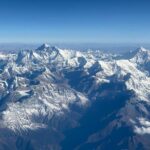
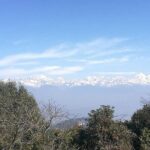
Himalaya views start before you even hike. I like how this trip keeps the logistics tight from Kathmandu to Pokhara, then through the tea houses on the trek with meals and permits handled. I also love the built-in photo moments aimed at the big names, especially Machhapuchare (Fish Tail) and the snowy Annapurna views from the trail.
One thing to consider: the quality of your experience depends heavily on your guide’s readiness, and there have been reports of avoidable gaps (like water purification supplies), so you’ll want a quick pre-check before you step onto the path.
This is a short-route approach to Annapurna Base Camp, built for travelers who want classic high-mountain scenery without a multi-week expedition. You’ll move at a pace that’s “doable,” with tea house accommodation and an English-speaking guide managing the day-to-day calls.
Still, the trek is in the Annapurna region, so it’s cold, sometimes slow going, and weather can affect sunrise and visibility. Pack for chill and be ready to shift plans if conditions aren’t cooperating.
In This Review
- Key things to know before you go
- Annapurna Base Camp in 5 days: what “short” really means
- Your day-by-day flow: Kathmandu to Pokhara and into the mountains
- Day 1: Kathmandu to Pokhara and a Lakeside reset
- Day 2: Driving to the trail access point, then settling into trekking rhythm
- Day 3: Upper Sinuwa vibes and a possible sunrise show
- Day 4: The Annapurna Base Camp day—your big payoff
- Day 5: Morning views above Machhapuchare, then return momentum
- Day 6: Down toward Jhinu hot spring and back to Pokhara
- What’s included (and why it matters for your budget and stress)
- Gear included: helpful if you pack light
- Meals included: you trade freedom for certainty
- Guide quality and group size: the sweet spot with one safety check
- Price and value: is $699 fair for what you get?
- Weather realities: when sunrise is a bonus, not a promise
- Is this the right trek for you?
- Should you book this Annapurna Base Camp trek?
- FAQ
- How long is the Annapurna Base Camp trek with this tour?
- Where does the trek start and end?
- What time does the group start?
- Are airport transfers included?
- Is a guide included?
- Are trekking permits included?
- Are meals and tea house accommodation included?
- What gear is provided?
- What group size should I expect?
- What is the cancellation policy?
Key things to know before you go
- Small-group size (max 12): you get a more personal rhythm than big buses of hikers.
- Transfers + Pokhara connections included: airport pickup and the tourist bus save you day-1 stress.
- Tea house trekking with meals covered: breakfast, lunch, and dinner are planned for the trek days.
- Guide + permits handled: you’re not wasting time on paperwork once you arrive in Nepal.
- Gear included (down jacket + sleeping bag): this can cut rental hassle if you’re light-packing.
- Plan for water treatment: ask how you’ll purify water and confirm it’s actually in the kit.
Annapurna Base Camp in 5 days: what “short” really means
Annapurna Base Camp is famous because you can reach it without committing to an ultra-long trek. In this format, you still get the classic sense of moving through the Annapurna Range—forests, terraced trails, and then the high, stark mountain world—just with fewer days than the longer routes.
The part I find most practical for you: the schedule builds in travel days and scenic stops, so the actual hiking feels more like a focused trek than a marathon of constant uphill. You’ll spend time in the foothill zones around places like Siwai and Chhomrong, then work your way up toward the base camp day.
If you want the highlights—snowy giants, iconic views, and a real mountain goal—this kind of short route can deliver. If you’re chasing an ultra-relaxed, slow-acclimation experience, you may feel the altitude more than you expected. So treat it as a serious trek, even if it’s shorter.
You can also read our reviews of more hiking tours in Kathmandu
Your day-by-day flow: Kathmandu to Pokhara and into the mountains
Day 1: Kathmandu to Pokhara and a Lakeside reset
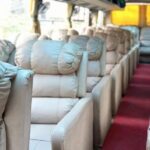
You start early, with a drive from Kathmandu to Pokhara on the tourist bus (around 7 hours). When you arrive, you’ll spend time around Pokhara Lakeside, which is useful for two reasons: it’s easy to orient yourself, and it’s a gentle way to shift gears before the trek.
Expect a tourist-friendly area with hotels, shops, and plenty of places to grab last-minute essentials. This is also a good day to check your kit: layers, gloves, headlamp, and water plans.
Why this matters: you’re fresh for the trail days, not scrambling for logistics after you arrive.
Day 2: Driving to the trail access point, then settling into trekking rhythm
After breakfast in Pokhara, you’ll take a local jeep to the Siwai area (about 2 hours) and you’ll stop at Birethati along the way. That stop is your handoff from road travel to the start of the trekking world—where the air changes, and you feel like you’ve truly left the city behind.
The trek portion of the day ends with an overnight in the tea house network (the plan highlights Chhomrong Cottage as the stop), which means you’re already practicing the rhythms you’ll use all week: walk, eat, rest, then sleep at altitude.
Drawback to watch: if you’re sensitive to transport, the jeep + early trail shift can feel like a “go” day.
Day 3: Upper Sinuwa vibes and a possible sunrise show
Today centers on Upper Sinuwa, with a hilltop lodge and restaurant. The plan calls for tea and a sunrise view if the weather cooperates. Then you descend as the day continues.
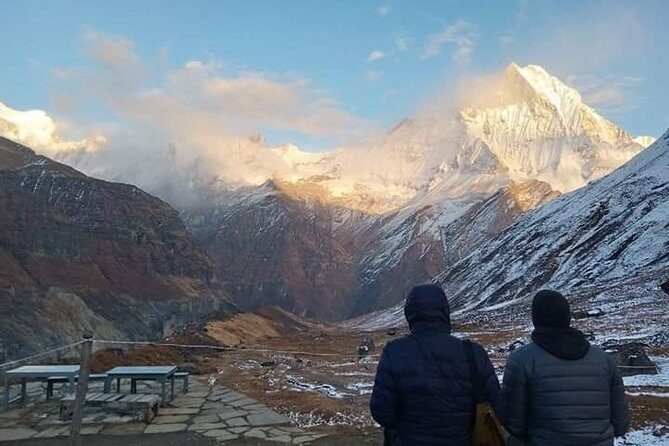
This is a key day for atmosphere. You’re not just collecting altitude—you’re collecting views. Even when visibility is imperfect, mornings in this region often set the tone: cold air, thin clouds, and a quick glimpse of the high peaks before you move.
Practical tip for you: be ready to move right after breakfast. In mountain lodges, mornings can get rushed once the sky clears.
You can also read our reviews of more tours and experiences in Kathmandu
Day 4: The Annapurna Base Camp day—your big payoff
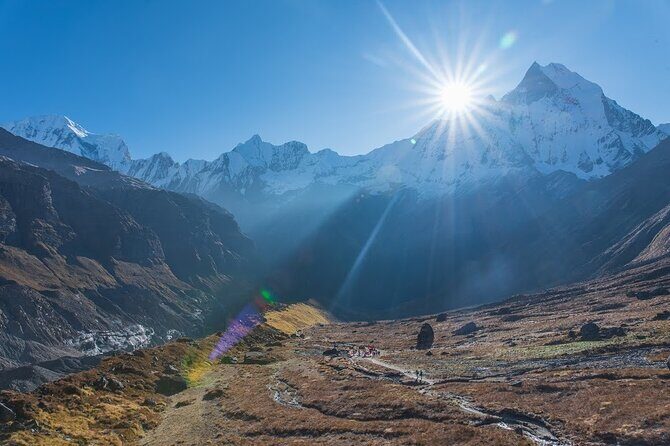
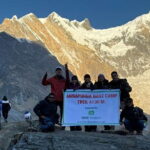
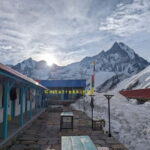
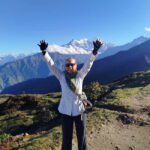
This is the crown day: you reach Annapurna Base Camp on foot. The trek is positioned as one of the most exciting days because it’s tied to the iconic goal: standing near the base camp area in the Annapurna Range, beneath a wall of towering peaks.
The plan notes the mountain ranks among the world’s highest (it’s referencing Annapurna’s status), and the emotional logic is right. When you finally arrive, it’s less about checking a box and more about realizing you’ve been working toward a real summit-area view, not just a scenic hike.
What to expect on the ground: long stretches where you’re focused on footing and breathing, then sudden moments where the valley and ridges open and everything looks sharper.
Real consideration: the day can feel mentally intense. If you get anxious when you’re tired, prepare for that. Bring a steady mindset and take breaks when you need them.
Day 5: Morning views above Machhapuchare, then return momentum
In the morning, you walk up a bit to explore and to catch sunrise over Machhapuchare and Annapurna. Breakfast follows, then the day continues with trekking back down toward the lower sections.
This day is important because it’s your “one more morning” before the long return. Even if your final day is less dramatic than base camp, it’s still about peak energy—especially if the sky behaves and the snow line shows well.
Day 6: Down toward Jhinu hot spring and back to Pokhara
After breakfast, you follow the same trail down to Chommrong. From there, the plan includes a steep descent to Jhinu hot spring, then continuing down to Siwai for a local jeep ride.
The hot spring stop is a classic recovery moment. It won’t fix everything, but a warm soak can reset your legs after days of hiking. Then you finish with time back in Pokhara, including a Pokhara Museum stop after breakfast, which is a nice way to end the trip with something cultural and low-energy.
What’s included (and why it matters for your budget and stress)
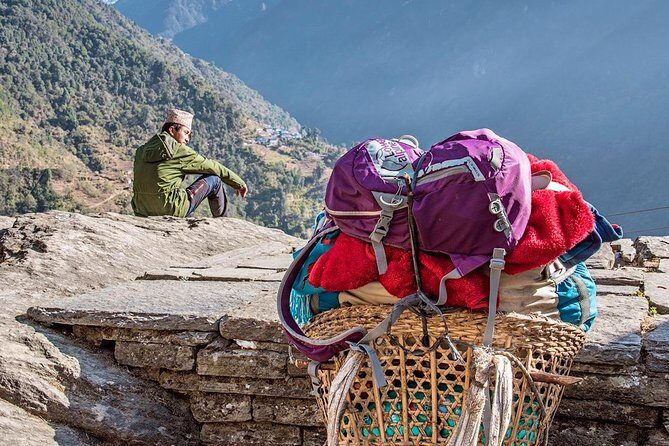
This trip includes a lot of the “hidden costs” that often make trekking feel expensive.
You’re covered with:
- Tea house accommodation and meals while on the trek (breakfast, lunch, dinner for 5 days are listed)
- Trekking permits (included)
- A local English-speaking guide/ sherpa plus the equipment and salary costs for the guide
- All ground transportation, including airport pick-up/drop-off and the tourist bus to Pokhara
- Down jacket and sleeping bags provided
- A farewell dinner, achievement certificate, and an ART-branded hiking t-shirt
Gear included: helpful if you pack light
A down jacket and sleeping bag can be a big deal. Many trekkers underestimate how hard cold nights can feel at higher elevations. If you don’t already own proper cold-weather gear, having this included is real value—less cost, less hassle, and fewer last-minute worries.
Meals included: you trade freedom for certainty
Meals included is convenient. It also means you’re less likely to get stuck hunting for food at the wrong time. In practice, tea houses run on a similar rhythm day to day: warm drinks, simple meals, and a predictable place to eat.
The tradeoff is variety. You can still eat well, but it’s not a culinary tour. It’s fuel for the trek, and that’s the right goal.
Guide quality and group size: the sweet spot with one safety check
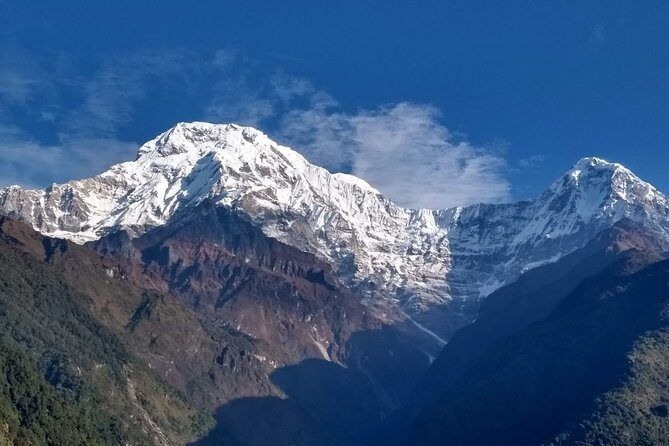
This is a small group with a maximum of 12 travelers, which usually means:
- fewer delays,
- less crowding at tea houses,
- and a more responsive guide.
The guide is described as English-speaking and friendly, and the company position is that your guide handles arrangements so you can focus on walking and views.
Here’s the part I’d treat like a non-negotiable: confirm the water plan in advance.
There have been reports of situations where the guide forgot water purification tablets and then tried to course-correct later. That’s avoidable friction, especially once you’re already tired on the trail. Before the trek starts, ask:
- What is your exact method for water treatment?
- Are tablets or another purifier actually packed and ready?
- What’s the plan if supplies run low?
You don’t need panic. You do need clarity.
Price and value: is $699 fair for what you get?
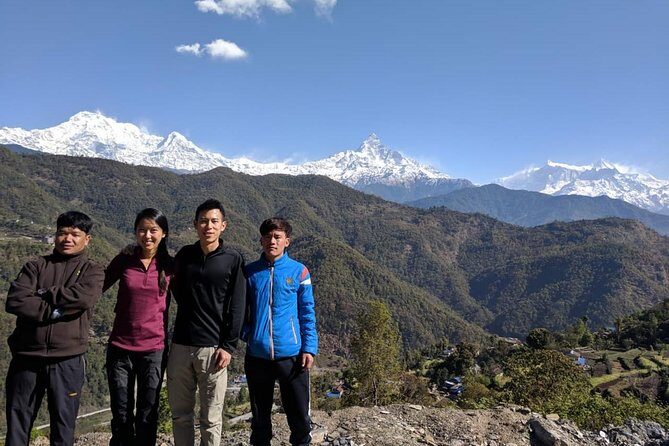
At $699 per person, you’re paying for more than walking. You’re covering transportation inside Nepal, permits, a guide, and the “base camp logistics” package: tea house stays, meals on trek days, and cold-weather gear (down jacket + sleeping bag).
Where this price tends to be fair is when you compare it to the cost of doing pieces separately:
- paying for your own guide and permits,
- renting or buying trekking sleep gear,
- and booking transport between Kathmandu and Pokhara plus the ground transfers.
Where you should be picky is what isn’t included:
- extra accommodation outside the schedule,
- your own food in Kathmandu and Pokhara,
- arrival visa fees,
- tips,
- and travel insurance.
So my value verdict for you is simple: if you want a guided, worry-reduced trek and you don’t already have the right gear, this package looks like a solid deal. If you plan to self-organize most parts and you already own everything, you might find cheaper ways—just know you’ll be doing more of the work.
Weather realities: when sunrise is a bonus, not a promise
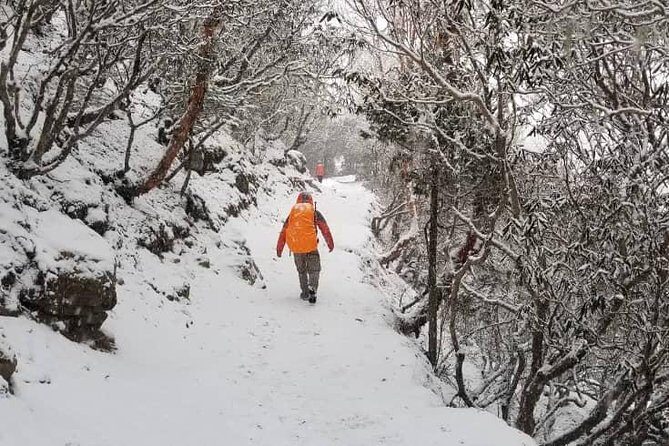
The tour info notes this experience needs good weather. That’s important for Annapurna Base Camp because visibility and comfort can swing quickly with clouds and wind.
If weather is bad, you’ll likely be offered a different date or a full refund. That flexibility is good—just remember you may not control what the mountains do.
Pack for the cold even if the forecast looks promising. Bring layers you can vent while hiking and trap heat while stopped. And keep your energy for the big day—base camp is the moment you’ll remember.
Is this the right trek for you?
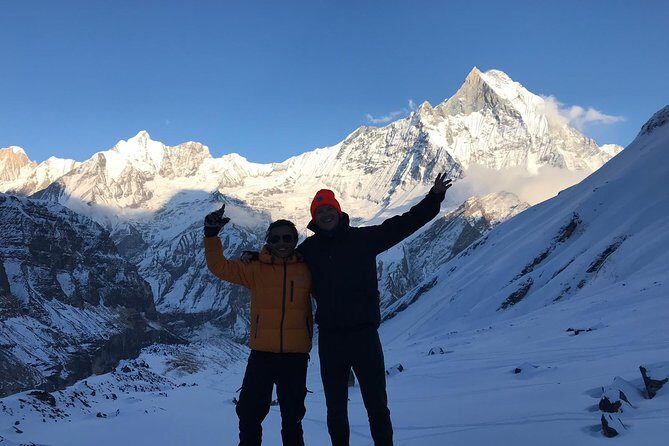
This Annapurna Base Camp package fits best if you:
- want a classic short-route to the base camp area,
- prefer a guide-led schedule with permits handled,
- like small groups (max 12),
- and appreciate added-value items like down gear and sleeping bags.
You might want to look elsewhere if you:
- need a super flexible itinerary with lots of personal detours,
- have very low tolerance for cold or packed mornings,
- or you strongly prefer to manage water, food, and logistics yourself.
Should you book this Annapurna Base Camp trek?
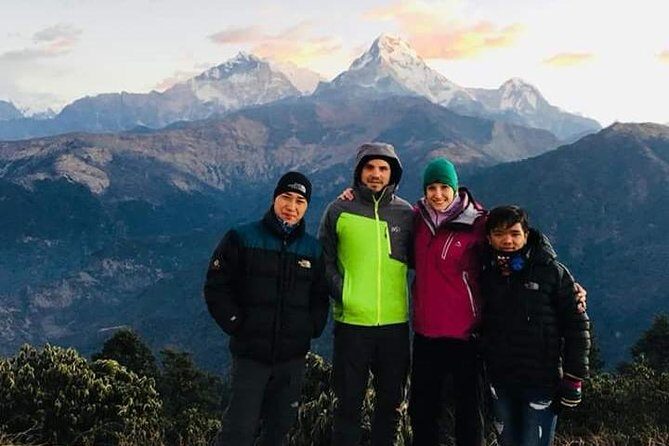
If you want the Annapurna Base Camp dream without building the whole trip from scratch, I’d lean yes. The package hits the big practical needs: transfers, permits, tea houses, meals, and a guide, plus cold-weather gear that can otherwise be expensive or annoying to source.
Just do one thing before you go: confirm the water purification setup and make sure the guide is fully prepared with supplies for the group. That one check can protect your whole week from avoidable stress.
If you’re ready for a focused hiking goal and you’ll take the weather as it comes, this is a strong way to experience the Annapurna Range at a human scale.
FAQ
How long is the Annapurna Base Camp trek with this tour?
The experience runs about 6 days (approx.), starting with travel from Kathmandu to Pokhara and then trekking for 5 days.
Where does the trek start and end?
It starts in Kathmandu and ends in Pokhara.
What time does the group start?
The start time is listed as 6:45 am.
Are airport transfers included?
Yes, airport pick and drop off are included.
Is a guide included?
Yes. You get a local English speaking friendly trekking guide/ sherpa.
Are trekking permits included?
Yes. Trekking permits are included.
Are meals and tea house accommodation included?
Yes. Tea house accommodation is included, along with breakfast (5), lunch (5), and dinner (5) during the trek.
What gear is provided?
Down jacket and sleeping bags are included.
What group size should I expect?
The maximum group size is 12 travelers.
What is the cancellation policy?
Free cancellation is offered. You can cancel up to 24 hours in advance for a full refund. If you cancel less than 24 hours before the start time, the amount paid is not refunded.