REVIEW · KATHMANDU
Everest Base Camp Trek
Book on Viator →Operated by Himalayan Recreation Treks & Expedition Pvt.Ltd · Bookable on Viator
Lukla to Everest feels like a plot twist. This 14-day Everest Base Camp trek from Kathmandu is built for safe hiking with a professional guide, with domestic airfare and tea-house accommodation handled for you. What makes it especially interesting is the full package approach: you get Kathmandu hotel time, classic temple stops, then you move step-by-step into real high-mountain terrain. The one big consideration is altitude and weather—this route reaches demanding elevations (around 5,364 meters), and you should talk to your doctor before you go.
I also like that the plan keeps logistics tight without trying to hide the effort. You carry your own load (aim for under 22 lbs / 10 kg), you get clear guidance on permits and insurance, and you’re not left guessing who’s looking out for safety. One more practical note: you’ll still pay extra for meals/drinks and tipping, so budget for that from the start.
In This Review
- Key Points I’d Focus on Before You Go
- Kathmandu Start: Thamel, Swayambhunath, Boudhanath, and Garden of Dreams
- The Lukla Flight Included: Why Buffer Days Matter
- Getting Toward the Trailhead: The Kathmandu-to-Phakding Shift
- First Real Peak Energy: Namche Bazaar and the Viewpoint Moment
- Tengboche: Gompa Time, Ama Dablam Attention, and Mountain Drama
- Dingboche and Chukhung: The Art of Going Slow
- Lobuche, Khumbu Glacier, and Gorak Shep: Nearness to Everest Territory
- Kala Pattar Viewpoint Stop and the Long Way Down
- Tea Houses, Food Reality, and Packing Like a Pro
- Guides, Safety, and the Names You’ll Remember
- Price and Value: What $999 Covers (and What to Add)
- Who Should Book This Everest Base Camp Trek
- Should You Book It?
- FAQ
- What’s included in the tour price?
- What is not included?
- What altitude and fitness level should I expect?
- Do I need travel insurance?
- What documents do I need for Nepal permits?
- How big is the group and is it private?
Key Points I’d Focus on Before You Go
Professional, government-licensed guide support
You’re hiking with a licensed trekking guide and a team that includes basic first-aid training and awareness of the closest medical facilities.
Lukla flights are included, but delays happen
The package includes Kathmandu–Lukla–Kathmandu airfare, yet you should plan for a 1–2 day buffer because Lukla weather can stall schedules.
Tea houses for most of the trek are included
You get multi-night lodging in tea houses (around 10–11 nights depending on the package breakdown) so you can focus on walking and acclimatizing.
You get Kathmandu hotel nights plus cultural time
Three nights in a 3-star Kathmandu hotel (with breakfast on day 1 and day 13) plus time around Thamel and major stupa/temple areas.
Small group size within a private setup
Max of 8 people per booking, and it’s set up as private activity for your group.
Extra costs to plan for
Meals/drinks are not included (listed at $350 per person) and gratuities are also not included ($150 per person).
Kathmandu Start: Thamel, Swayambhunath, Boudhanath, and Garden of Dreams
Your trek doesn’t start with a bus ride straight into the mountains. It starts in Kathmandu with the kind of timing that helps you settle in before you start climbing stairs for days. You’ll spend time around Thamel, which is convenient for trekking gear, snacks, and orientation.
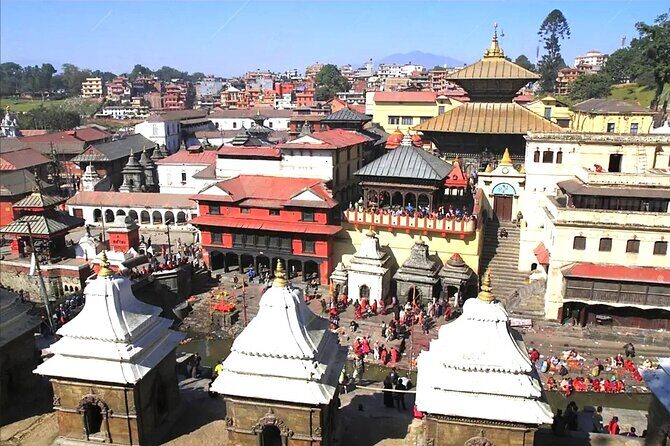
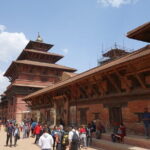
The plan also includes cultural stops like Swayambhunath Temple and Boudhanath Stupa, plus a visit to the Garden of Dreams. These are not filler. After the long travel days for many people, having a gentle day of sights helps you reset your body and mind. It also gives you a chance to get briefed, confirm what to carry, and ask questions before you face thinner air.
Practical tip: if you’re coming from outside Nepal, keep that first day easy. Don’t turn Kathmandu into a marathon. Save your energy for Lukla and the trail.
You can also read our reviews of more hiking tours in Kathmandu
The Lukla Flight Included: Why Buffer Days Matter
Domestic airfare between Kathmandu and Lukla is included in this package (including airport tax), which is a huge piece of convenience. Without that, you’d be juggling flights and schedules on your own during a high-stakes travel window.
But here’s the honest reality: Lukla flight delays and cancellations are part of the game due to weather. The tour specifically asks you to consider 1–2 extra days. That’s not just fine print—it’s how you protect your trek from turning into stress.
What I’d do in your shoes: build in flexibility in your overall vacation. If your flights are tight and you’ve got a strict end date, this is the one part of the trip that can break your plan fastest.
Getting Toward the Trailhead: The Kathmandu-to-Phakding Shift
After your Kathmandu setup, you’ll fly to Lukla and then begin walking toward Phakding. This first hiking segment is where your legs figure out what your lungs already know: you’re working at altitude, and trekking isn’t a casual stroll.
The plan frames this as a long day (about 12 hours listed on the schedule). That sounds intense, but on this route, a lot of the time is spent on a mix of steady climbs, descent control, and short breaks. You’ll learn quickly that pacing beats heroics.
Also note the route includes the Dudh Koshi River area early on, which matters because these valleys can feel busy and scenic in a way that’s comforting—like you’re moving through a living mountain corridor rather than a deserted wilderness.
If you’re the type who wants to get moving fast: great. Just don’t overdo it in Day 2. Save your “speed” for later days when you’re warmed up.
First Real Peak Energy: Namche Bazaar and the Viewpoint Moment
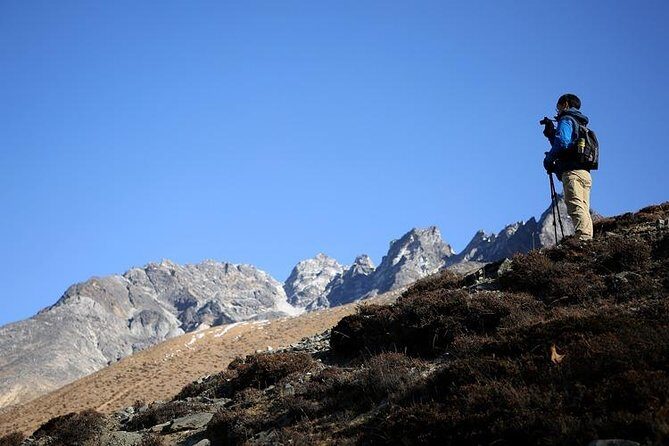
Namche Bazaar is where the trek starts to feel real. The schedule lists a full day between the early villages and Namche (again, about 12 hours listed), and then another day that gives you time to settle in.
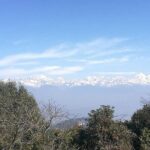
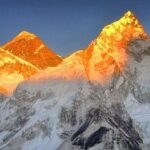
I like that the plan builds in acclimatization. You’re not thrown straight upward with no breathing room. On one day, you’ll also head to Everest View Point (about 2 hours listed). This is one of those stops that changes how the entire trek feels. Until you stand in the right place, Everest is mostly an idea. Then suddenly it’s a shape with weight.
A drawback to be aware of: Namche days can involve a lot of walking that feels slower than you expect. At altitude, even short climbs feel like work. The upside is that this kind of effort is exactly what helps your body adjust.
Tengboche: Gompa Time, Ama Dablam Attention, and Mountain Drama
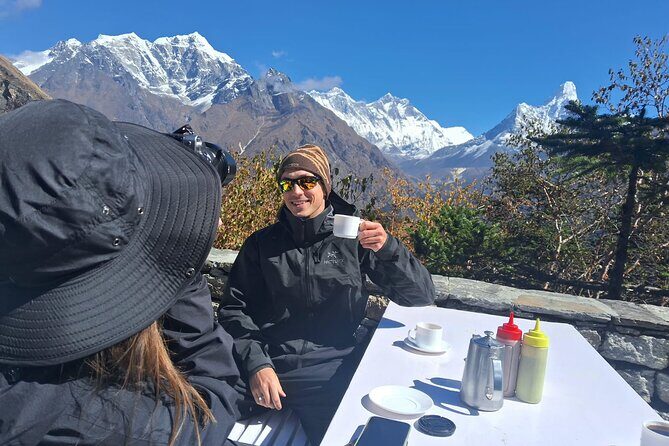
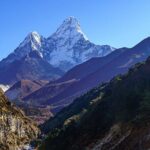
Tengboche is a fan favorite for good reason. This is where you’ll experience some of the most memorable views on the trek and also spend time around Tengboche Gompa (listed around 1 hour).
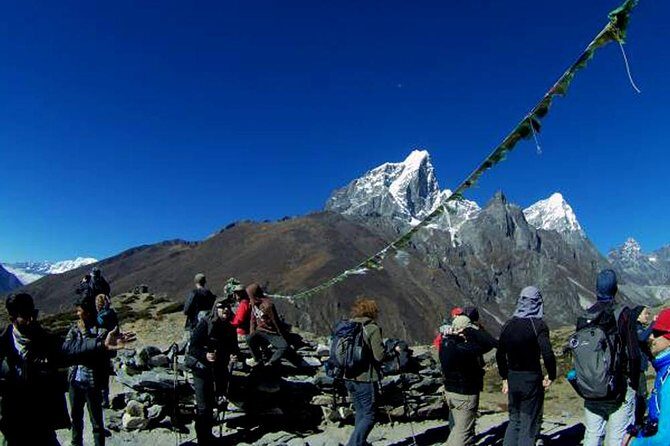
The schedule places Tengboche as a long walking day (about 12 hours listed), and you’ll also be surrounded by major peak scenery including references to Mt. Ama Dablam and Mt. Taboche. Even if you’re not a hardcore peak spotter, these names help you recognize what you’re seeing—sharp, dramatic walls and ridgelines that look like they were cut with a knife.
In practical terms, Tengboche is also a rhythm-setting stop. Tea houses here feel like bases, not just beds. You’ll have enough time to eat, regroup, and take photos without rushing.
My suggestion: keep your camera handy, but don’t stay in picture-taking mode. Your body needs rest here more than it needs extra steps.
Dingboche and Chukhung: The Art of Going Slow
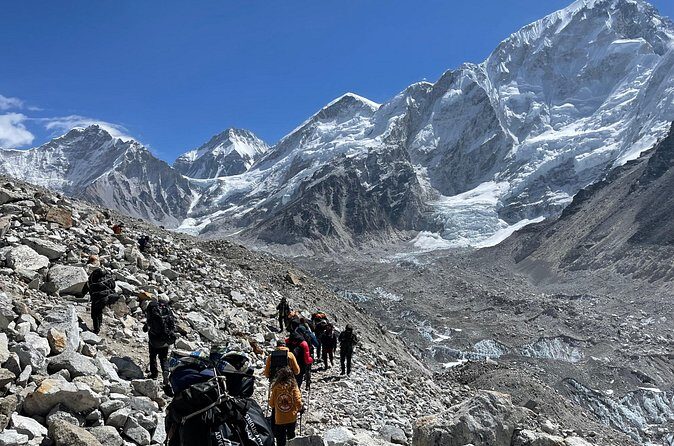
As you move into higher territory, the trek shifts from “get there” to “survive well.” Dingboche comes next (about 12 hours listed), and then you’re set up for a day that references Chukhung and even points toward Island Peak area trekking.
Even with the wording variations, the message is clear: this is an acclimatization day. You’ll go higher or nearer to higher terrain to help your body learn altitude without sprinting to the next big elevation too fast.
A common mistake is treating acclimatization like a vacation hike. Don’t. You want to feel challenged, but controlled. Keep a steady pace, drink enough, and watch for early signs that altitude isn’t liking you.
If you’re prone to getting breathy or lightheaded: take it slower than your instinct. The right move on this trek is usually the boring one.
Lobuche, Khumbu Glacier, and Gorak Shep: Nearness to Everest Territory
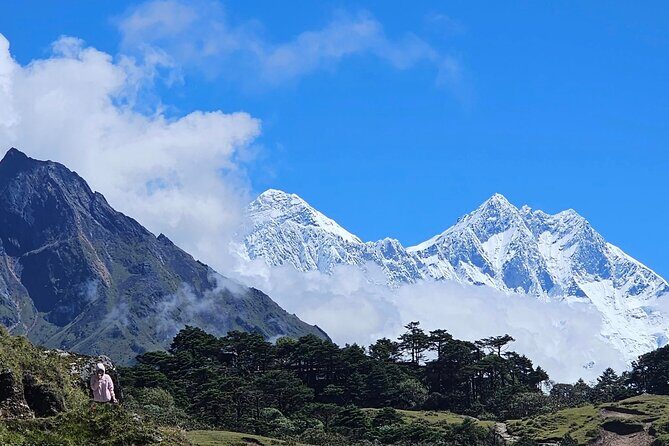
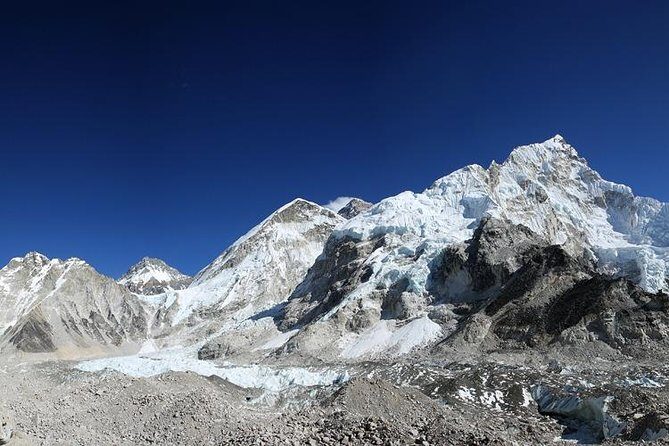
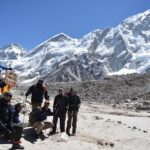
From Dingboche, you’ll transition toward Lobuche (about 12 hours listed) and then into the area around the Khumbu Glacier. The plan includes time at the Khumbu Glacier region (listed around 1 hour), and then you push on toward Gorak Shep.
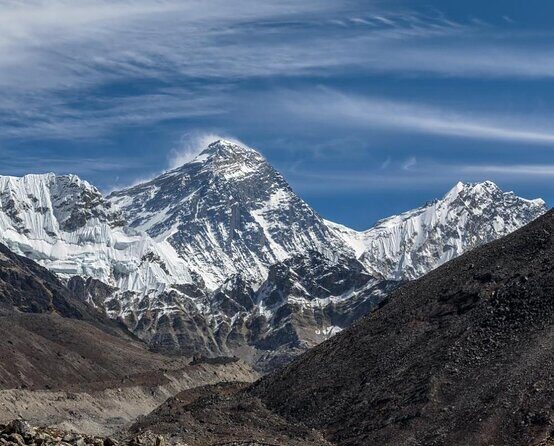
This part of the route matters because it’s where Everest Base Camp stops being a destination and starts feeling like a zone you’re approaching. The terrain becomes rougher, the sky can change fast, and the air gets thinner in a way that affects everything—sleep, appetite, and even how quickly you feel tired.
You’ll also see Mount Everest referenced in the schedule with time listed. That likely means viewpoint time in the Everest-adjacent area during this leg. Either way, you should treat this as a day where you conserve energy for what comes next.
If your body is struggling: don’t ignore it. This is the time to speak up so the guide can adjust pacing and decision-making.
Kala Pattar Viewpoint Stop and the Long Way Down
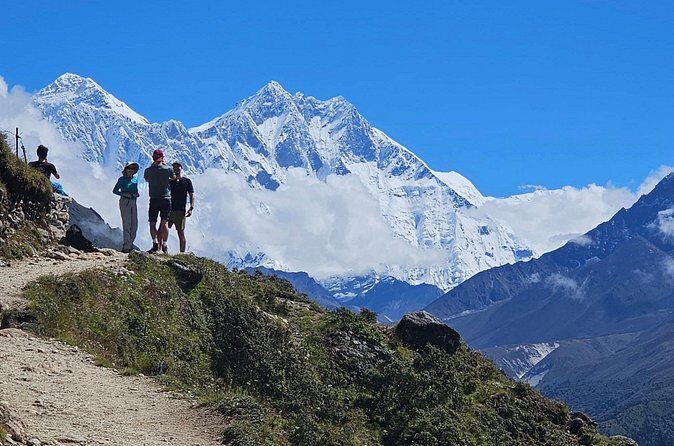
Kala Pattar is included as a viewpoint stop (about 1 hour listed). On Everest Base Camp routes, Kala Pattar is famous because it gives you a different angle and a sharper sense of scale. Even if you’re not chasing brag-worthy photos, this is still the kind of stop that makes your brain go quiet for a minute.
After that, the plan pushes you through Pheriche / Dughlha Road and Pangboche (long day listed around 12 hours). This is where your trekking mindset changes again. You might feel strong at the start, then realize downhill is still work—especially when your legs are tired and altitude has already taken its share.
Then it’s back toward Namche Bazaar and finally to Lukla, where the trek ends. The schedule lists long walking days again, so don’t treat the return as easy. Your success on the way down depends on good footing and controlled pacing.
Tea Houses, Food Reality, and Packing Like a Pro
Tea houses are part of the deal here, and they’re included for your trekking nights. That’s a major value point because you’re not organizing lodging village by village.
But let’s talk food and drinks honesty: meals and drinks are listed as not included, at $350 per person. That means your daily spending will land somewhere in that neighborhood depending on what you eat and drink. Plan on this being more than “just snacks.” In cold air, hot drinks and hearty meals aren’t optional comforts—they’re part of staying warm and functioning.
Packing tip that the plan strongly supports: keep weight under 22 lbs (10 kg). You carry your own luggage, so travel light. The itinerary also says you can store extra luggage at the office or hotel and pick it up on return, which is great for a smoother trek pack.
Also plan to have your guide help with trekking gear. Gear is available in Kathmandu to buy or rent, and having someone coordinate it can save you from buying the wrong thing in a hurry.
Guides, Safety, and the Names You’ll Remember
This is one of the best reasons to choose a package like this: the guide support is not vague. You’ll hike with a government license holder trekking guide who has full facilities, plus a group structure that keeps numbers small (max 8).
In a short review note you might want to hold onto, I saw praise for how Bishnu handled everything and how the guide Basu was attentive and on top of details. That matters more than people think. On Everest routes, small problems grow fast: a missed timing cue, a late decision, an unclear packing need. A guide who’s calm and organized makes the whole trek feel safer and easier to manage.
You also get a first aid kit as part of the included items, and the leaders have basic first-aid training. They’re aware of the closest medical facilities, which is the difference between panic and response if anything goes wrong.
One more non-glamorous but vital point: travel insurance covering medical expenses and emergency repatriation is required, and proof must be shown on day 1. Don’t treat this like paperwork. It’s your safety net.
Price and Value: What $999 Covers (and What to Add)
The price is $999 per person, booked on average about 85 days in advance. That timing can matter for popular routes like this, especially when flights and guides are involved.
Here’s what your $999 is doing for you:
- Round-trip domestic airfare Kathmandu–Lukla–Kathmandu (including airport tax)
- 3 nights in Kathmandu at a 3-star hotel, including breakfast on day 1 and day 13
- Tea house accommodation for your trek nights (listed as 11 nights in the included section, and around 10 nights in the overview)
- A government-licensed trekking guide, plus safety basics like first aid kit and t-shirt
- Pickup/dropoff assistance by private car with your arrival/departure support
- Taxes, VAT, and service charges
Then the package also lists extra items:
- Meals and drinks: $350 per person
- Gratuities: $150 per person
So the real planning number is closer to $1,499 plus any personal shopping or optional extras. Still, it can be good value because the big ticket items—flights to Lukla and most lodging—are already handled.
The smarter way to decide: price this trek as a bundle versus arranging flights and lodging yourself. On this route, “easy to organize” is part of what you’re paying for.
Who Should Book This Everest Base Camp Trek
This trek fits best if you:
- Have strong physical fitness, and you’re comfortable with demanding altitude walking
- Want a guided experience where safety and logistics are handled
- Prefer a small group feel (up to 8) and value having your questions answered as you hike
- Can handle long hiking days and understand that acclimatization days are still real work
It may not be a good fit if you’re:
- Looking for a relaxed hike with minimal effort
- Not able to carry your own load (you’re expected to keep weight around 22 lbs / 10 kg)
- Scheduling yourself with no buffer at all, since Lukla disruptions can force changes
And yes, there’s a minimum age of 8 years, which tells you the operator is used to managing younger trekkers—though altitude affects everyone, so consult a doctor regardless.
Should You Book It?
If you want Everest Base Camp with fewer moving parts and solid guide structure, this is an easy “yes to consider.” The combination of included Lukla flights, tea house lodging, and licensed guide support is exactly what you want when the margin for error gets thin at altitude.
Before you book, do three things:
- Plan your budget with the extra meals/drinks and gratuities baked in.
- Add 1–2 buffer days for Lukla flight issues.
- Get medical advice about the altitude exposure and be honest about your fitness level.
FAQ
What’s included in the tour price?
The tour includes dinner, pickup/dropoff assistance by private car (arrival and departure support), 2 nights in Kathmandu in a 3* hotel with breakfast on day 1 and day 13, accommodation in tea houses during the trek (11 nights listed), domestic airfare Kathmandu–Lukla–Kathmandu including airport tax, a government licensed trekking guide, all government taxes/VAT/service charges, a first aid kit, and Himalayas Recreation’s T-shirt, plus breakfast (2).
What is not included?
Food and drinks are not included unless specified, listed at $350 per person, and gratuities are not included, listed at $150 per person.
What altitude and fitness level should I expect?
The trek involves demanding altitudes of approximately 5,364 meters (17,598 ft), with possible extreme weather variations. The information also notes that altitude can cause adverse health effects regardless of age or gender, so you should discuss the trip with your doctor prior to departure.
Do I need travel insurance?
Yes. Travel insurance that covers medical expenses, including emergency repatriation, is required. Proof of insurance must be shown to the tour leader on the first day.
What documents do I need for Nepal permits?
You’ll need a passport photo copy (clear with color scan), passport validity of at least 6 months, two passport size photos, plus your occupation and home address details.
How big is the group and is it private?
There is a maximum of 8 people per booking, and it is set up as a private tour/activity where only your group participates.