REVIEW · KATHMANDU
Life and spirituality tour of Kathmandu
Book on Viator →Operated by iTour Nepal Private Day Tours · Bookable on Viator
Kathmandu feels like it has a pulse. This private day tour traces Hindu and Buddhist spirituality through old squares and working temple sites, so the city makes sense as more than a postcard. You’ll start with hotel pickup and spend the day moving through places where faith is part of everyday rhythm.
I especially like how the route pairs Durbar Square architecture with major spiritual landmarks. At Pashupatinath and Boudhanath, the guide ties what you’re seeing to daily practice, and you’ll get clear explanations even if Hinduism and Buddhism aren’t already your comfort zone. Names like Indra, Ripu, Rabi, Raja, and Rudi show up as guides for this experience, and the common thread is answering questions in a calm, practical way.
One consideration: entrance fees aren’t included, and one stop includes open cremation. If you’re sensitive to ritual scenes or you want a more relaxed sightseeing-only day, plan your mindset (and budget) before you go.
In This Review
- Key highlights worth planning for
- Why this Kathmandu “life and spirituality” tour beats a checklist
- Price and logistics: what $55 actually buys you
- Getting picked up: timing, comfort, and how long the day feels
- Kathmandu Durbar Square: Vastu courtyards and medieval spiritual practice
- Patan Durbar Square (Lalitpur): artisan culture with historic reach
- Pashupatinath Temple: Shiva devotion, sadhu ascetics, and cremation scenes
- Boudhanath Stupa: Little Tibet spirituality and ongoing pilgrimage
- How the guides turn questions into understanding
- Making the most of 6 to 8 hours without feeling rushed
- Who this tour is best for (and who should skip it)
- Should you book the Life and Spirituality Tour of Kathmandu?
- FAQ
- How long is the Life and Spirituality tour in Kathmandu?
- Does the tour include hotel pickup?
- What’s included in the $55 price?
- Are entrance fees included?
- Which places will we visit?
- Is this a private tour?
- Is the tour wheelchair and stroller accessible?
- What are the tour hours?
Key highlights worth planning for
- Private, hotel-pickup day tour that cuts out Kathmandu logistics and keeps you focused on the sites
- A guide who explains the spiritual meaning behind what you see at Hindu and Buddhist landmarks
- Kathmandu Durbar Square courtyards and Vastu-style architecture with a walk through older layers of the city
- Patan Durbar Square and Lalitpur’s artisan identity tied to historic craft connections
- Pashupatinath Temple’s real-life Hindu practice, including sadhu ascetics and open cremation (not just statues)
- Boudhanath’s Little Tibet atmosphere, with a strong sense of ongoing pilgrimage
Why this Kathmandu “life and spirituality” tour beats a checklist
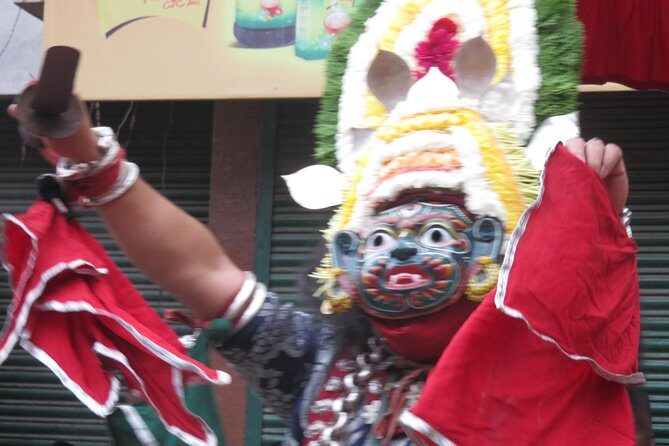
A temple day can turn into a photo race. This one is different because it’s built around meaning, not just famous stops. You’re not only looking at religious architecture; you’re learning how daily life, devotion, and tradition blend together in Kathmandu.
I like that the tour is private. That means you can ask questions that would be awkward in a big group, like how Hindu and Buddhist practice overlap in real neighborhoods. It also means the pace can be adjusted when you want extra time on details or you need a slower walk.
Another smart touch: the day isn’t only about headline attractions. You’ll spend time walking through older courtyards and spiritual spaces, including the feel of medieval Kathmandu. That helps you see why the city’s heritage still functions as a living place, not a sealed museum.
You can also read our reviews of more tours and experiences in Kathmandu.


Price and logistics: what $55 actually buys you
The price is $55 per person, which is reasonable if you’re comparing it to the cost of getting a guide plus a vehicle on your own. What you get is practical: an air-conditioned vehicle, bottled water, and an expert guide. Those pieces matter in Kathmandu, where driving time and heat can wear you down fast.
What’s not included is equally important. You’ll need to budget for entrance fees (the tour specifically notes they’re extra) plus tips and lunch. Since Pashupatinath and Boudhanath list admission as not included, you’ll want to carry some extra cash or have a clear plan for on-site payments.
A tip for value: if you have only one full day in Kathmandu, this kind of structured route can save time. Instead of hopping around yourself, you’ll get a connected narrative across four major areas, with transport between them handled.
Getting picked up: timing, comfort, and how long the day feels
This experience runs within a set daily window, from 9:15 AM to 5:15 PM. Total time on the ground is about 6 to 8 hours, which usually feels like a full day when you add driving, walking, and the kind of questions a good guide encourages.
Pickup from your hotel is included, and you ride in a private car with air-conditioning. That’s a big deal if you arrive in Kathmandu in the middle of the day or you’re dealing with jet lag. You’ll start with less stress and more daylight hours for the temples and squares.
For comfort, plan your day like a walking tour. Even with wheelchair and stroller accessibility noted for the tour, old temple zones and stone pathways can still be uneven. Wear supportive shoes and keep your schedule flexible so the day doesn’t feel like it’s constantly rushing.
Kathmandu Durbar Square: Vastu courtyards and medieval spiritual practice
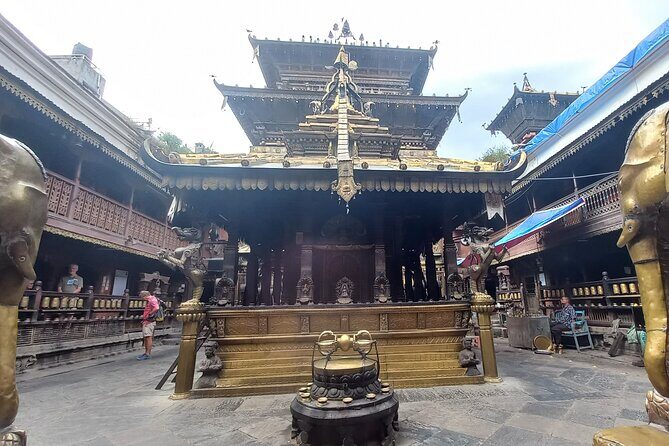
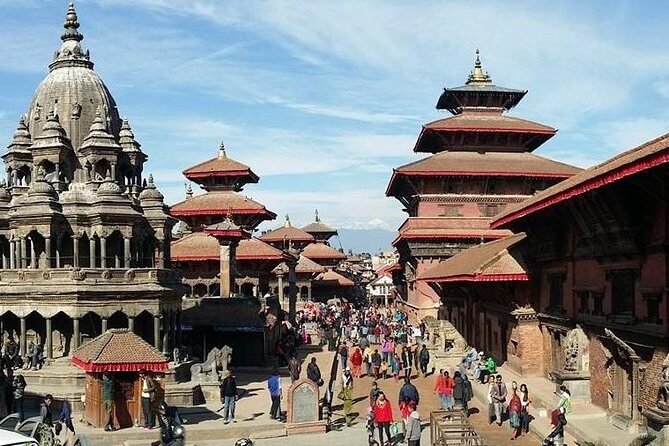
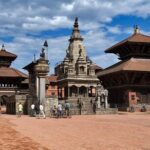
You begin at Kathmandu Durbar Square, with time to walk through old Kathmandu and discover hidden courtyards. This isn’t framed as a quick drive-by. You’re spending about two hours moving through the area, watching how historical cultural and spiritual practice is built into the architecture.
The tour highlights Vastu architecture in this part of the city, which is a useful idea to keep in mind while you’re looking around. It helps turn “cool stone buildings” into “this was designed to support life and ritual.” If you enjoy tracing how the physical layout connects to beliefs, this first stop is a strong start.
Admission here is listed as free, so it’s also a low-friction beginning to the day. The time investment is worth it because it sets up the rest of your route: you get a sense of how the city’s sacred spaces developed before you jump to major Hindu and Buddhist sites.
Possible drawback: Durbar Square areas can be physically demanding in places. Since the tour is designed to be wheelchair and stroller accessible, you should be able to participate, but you’ll still want to be realistic about surfaces and crowd flow.
Patan Durbar Square (Lalitpur): artisan culture with historic reach
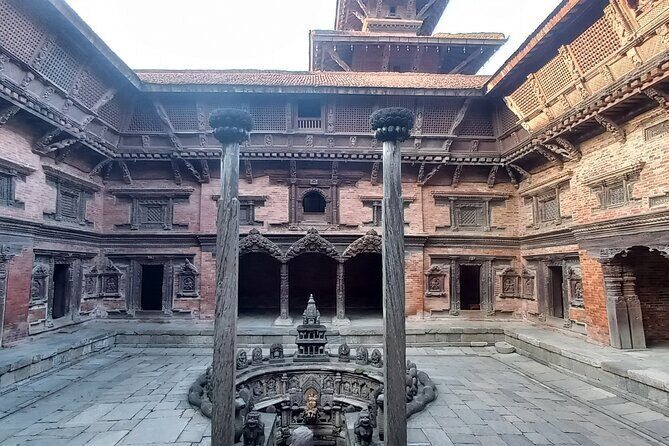
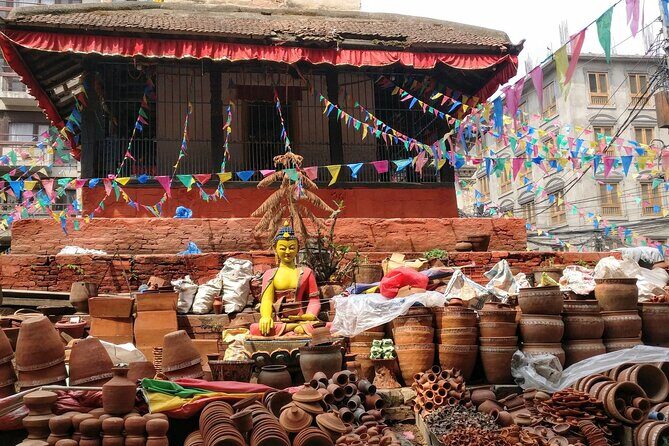
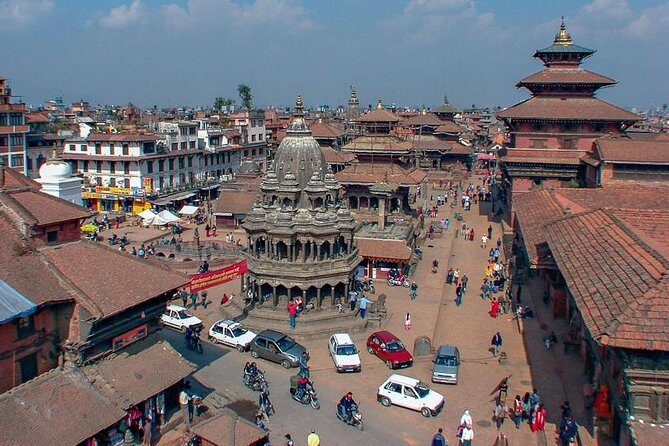
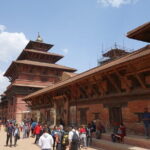
Next you drive to Patan, also called Lalitpur, where the focus shifts to craft and artistry. You get another two hours here, and the story is tied to how Patan’s art and craft traveled far beyond Nepal during medieval times, reaching India, Tibet, and China.
This stop works well if you like culture that’s not only performative. Instead of only observing religious buildings, you’re seeing a city identity shaped by making things. The tour notes that many local people in Patan are still artisans, which is the key to why this place feels alive rather than staged.
If you’re the type who enjoys looking closely at details—carvings, building forms, and how spaces are used—Patan tends to reward attention. It also balances the spiritual intensity of the later stops by giving you a different angle: spirituality connected to daily craft and community skill.




Pashupatinath Temple: Shiva devotion, sadhu ascetics, and cremation scenes
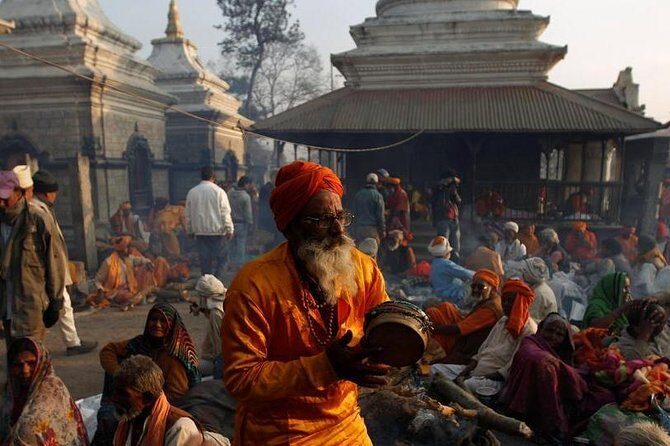
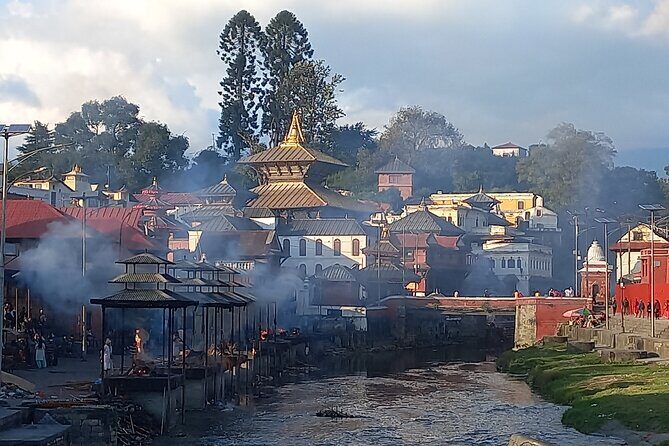
Pashupatinath Temple is the emotional center of the route. You’ll spend about an hour here, and the tour frames the visit through the Hindu ways of life linked to Shiva.
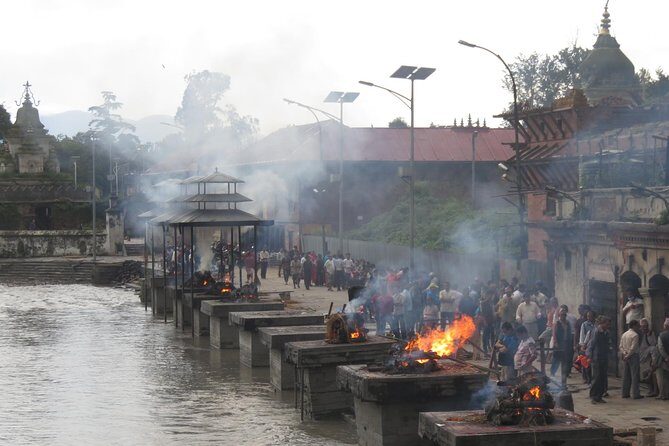
The most important practical detail is that you can see real practice in a real temple complex. The tour specifically mentions Hindu ascetics (sadhu), astrologers, devotees, and open cremation. That makes this stop more intense than many standard sightseeing temple visits, because it’s not only about worship—it’s about life and death rituals happening in public view.
So here’s my straightforward advice: go with a respectful attitude and don’t treat it like a spectacle. You don’t need to chase close-up views. Watch from where you’re allowed to stand comfortably, and let the guide explain what you’re seeing.
Admission is not included for Pashupatinath, so budget for the entry fee. Also plan your energy. One hour sounds short, but when a site is this active, it can feel longer in a meaningful way.
Boudhanath Stupa: Little Tibet spirituality and ongoing pilgrimage

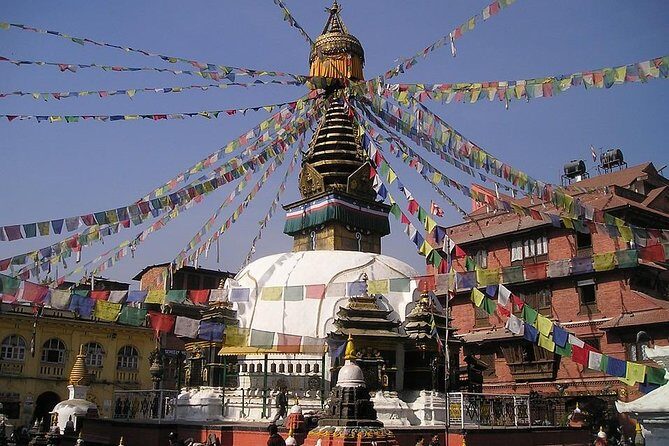
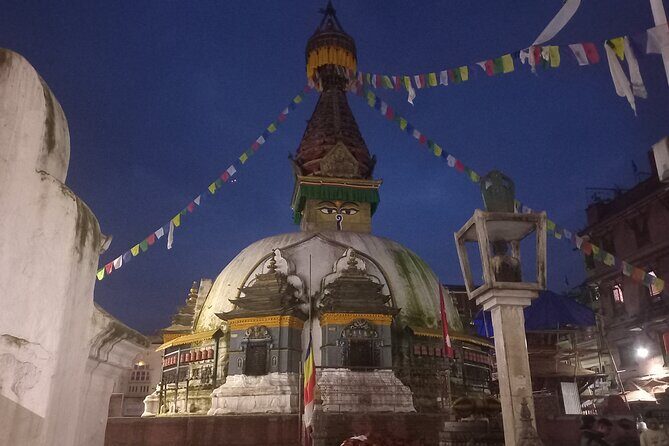
After Pashupatinath, the day moves toward Buddhism at Boudhanath. You drive to the Boudhanath area, described as Little Tibet of Kathmandu. The tour notes there are about 60 Tibetan Buddhist monasteries in the area, and the stupa draws pilgrims from distant Himalayan villages.
You’ll have about an hour here, and the point isn’t only to see a landmark. It’s to feel the rhythm of a place that keeps receiving pilgrims. This is where the route really clicks if you want to compare lived Hinduism and lived Tibetan Buddhism in the same city.
Admission is not included for Boudhanath, so again, plan extra for site entry fees. If you’re sensitive to crowds, it can help to be calm and patient rather than expecting empty quiet. The presence of continuous worship is part of the point.
How the guides turn questions into understanding
The biggest recurring theme in the guides for this tour is explanation that makes complex ideas easier to handle. You’ll see it in how they connect Hindu and Buddhist traditions to what you’re looking at in front of you.
Guides associated with this tour include Indra, Ripu, Rabi, Raja, and Rudi. The consistent value they bring is practical teaching: they can answer questions, explain spirituality in ways that don’t require a religious studies background, and keep the tone friendly and low-pressure.
I also like that the tour feels flexible. One of the guides described as calm and laid-back shows up in feedback about pacing and accommodation, which matters on a day like this where you might lose time due to local conditions or your own schedule.
When you book, think of your guide as part historian, part interpreter, and part cultural translator. You’ll get more out of the day if you come with even a few questions, like how people navigate both Hindu and Buddhist life in Kathmandu.
Making the most of 6 to 8 hours without feeling rushed
The total timeline is about 6 to 8 hours, and that includes driving between neighborhoods and a fair amount of walking time. The stops add up to a full arc: Durbar Square for older spiritual/cultural practice, Patan for artisan culture and craft identity, Pashupatinath for Shiva devotion and visible ritual life, then Boudhanath for Tibetan Buddhism and ongoing pilgrimage.
To get the most out of it, give yourself a buffer before and after. If you stack another activity right after, you’ll likely feel it in your legs and your head. Temple days can be mentally tiring, especially when you see intense ritual practices like cremation.
Also, remember that lunch isn’t included. If food is important to your energy level, plan how you’ll handle it so you’re not hunting for a meal while your group is waiting.
Who this tour is best for (and who should skip it)
This is a great match if you want more than a quick set of attractions. If you’re interested in the life side of spirituality—how Hinduism and Buddhism show up in everyday places—this route is strong. It’s also ideal for people who appreciate old courtyards, architectural design like Vastu, and the way Kathmandu heritage still functions as living space.
It’s also listed as wheelchair and stroller accessible, so it’s a better option for travelers who need accessibility-friendly planning than tours that assume stairs and steep climbs.
You might want to choose a different day tour if you prefer a lighter, less intense sightseeing experience. Pashupatinath includes open cremation, and that’s not a detail to treat casually. If you’re easily distressed by ritual scenes connected to death, this stop may not feel right.
Should you book the Life and Spirituality Tour of Kathmandu?
Yes, if you want one guided day that helps Kathmandu make sense through spirituality, architecture, and daily practice. I’d book it when you value context, a thoughtful route, and a guide who can connect what you’re seeing to why it matters.
I’d hesitate only if you’re trying to keep the day strictly “easy viewing,” or if you’re not comfortable with public cremation scenes. In that case, ask yourself whether you’re going to be okay during that one segment, because the rest of the itinerary builds toward it.
If you do book, bring a little extra budget for entrance fees, wear comfortable shoes, and come prepared to ask questions. You’ll leave with a clearer picture of how Hindu and Buddhist life share space, time, and meaning in Kathmandu.
FAQ
How long is the Life and Spirituality tour in Kathmandu?
The tour typically lasts about 6 to 8 hours.
Does the tour include hotel pickup?
Yes. You can get collected from your hotel in Kathmandu, and the tour uses a private car.
What’s included in the $55 price?
The tour includes an air-conditioned vehicle, bottled water, and an expert guide.
Are entrance fees included?
No. The tour notes that entrance fees are extra, and some stops list admission as not included.
Which places will we visit?
You’ll visit Kathmandu Durbar Square, Patan Durbar Square, Pashupatinath Temple, and Boudhanath Stupa.
Is this a private tour?
Yes. Only your group participates.
Is the tour wheelchair and stroller accessible?
Yes. The tour is listed as wheelchair and stroller accessible.
What are the tour hours?
Tours run daily within 9:15 AM to 5:15 PM.