REVIEW · KATHMANDU
Kathmandu: Mt Everest Scenic Flight by plane (window seat)
Book on GetYourGuide →Operated by Kathmandu City Tours · Bookable on GetYourGuide
Everest without the trek starts with a sunrise flight. This Kathmandu day highlight is built around a small-plane hop over the Himalayas, where your seat choice matters and the views can feel almost close enough to touch.
I especially like that each passenger gets a window seat for unobstructed sightlines. I also like the small extras that make it feel complete, including a flight certificate and the chance to see the cockpit if conditions and operations allow.
One possible drawback: this is an early-morning, high-altitude viewpoint, so it’s not suitable for people afraid of heights. Also, flights run in the morning and depend on weather, so if the sky doesn’t cooperate, your timing is out of your hands.
In This Review
- Quick hits before you go
- Kathmandu to Tribhuvan Airport: early logistics, simple rhythm
- The 3-hour structure: what the clock really means
- Small plane and window-seat rules: how to get the best view
- Which peaks you’ll see (and how the route helps)
- Everest in the sky: the sunrise moment people remember
- Photo tips that match the way the plane flies
- Cockpit access: rare, and only if operations allow
- Service quality: pickup, staff, and a smooth morning
- Price and value: when $295 makes sense
- Who should book this, and who should skip it
- When to fly for best results
- Should you book the Kathmandu Everest scenic flight?
- FAQ
- How long is the Kathmandu Mt Everest scenic flight experience?
- Is a window seat guaranteed?
- What time do flights depart from Kathmandu?
- Which mountains will we see during the flight?
- What’s included in the price?
- Can I visit the cockpit?
- Is this tour suitable for people afraid of heights?
Quick hits before you go
- Guaranteed window seats so you’re not stuck watching through shoulders
- Morning departures (roughly 6:00 AM to 8:30 AM) for clearer visibility
- Big peak roll call in the sky like Everest (Sagarmatha), Lhotse, Makalu, Cho Oyu, and more
- Cockpit visit possibility for a pilot’s-eye view
- Photo-ready light when the snow catches the early sun
- Hotel pickup and drop-off plus a flight certificate souvenir
Kathmandu to Tribhuvan Airport: early logistics, simple rhythm
The day starts with a pickup from central Thamel—either around Narsing chowk or Thamel Marg. It’s the kind of start that helps you avoid stress, since your only job is to be ready when the car shows up and then follow the group to the airport.
From there, you head to Tribhuvan International Airport (it’s listed at about 15 minutes by transfer). After that, your schedule tightens around check-in and boarding, because the whole point of this experience is getting airborne during the best morning light.
Once you land, you return to the airport and enjoy a convenient transfer back to your hotel in Kathmandu. That back-and-forth matters when you’re short on time; you get the flight without needing to plan a whole day of trekking logistics.
You can also read our reviews of more tours and experiences in Kathmandu.
The 3-hour structure: what the clock really means
The full experience is about 3 hours, but the flying time is the star. Expect a short flight portion of roughly 50–60 minutes over the eastern Himalayas, while the rest of the time goes to pickup, airport steps, and return transfers.
The itinerary also places the main sightseeing emphasis around the Everest region, including scenic views and sunrise timing. In practical terms, you’re aiming to be in the air early enough that the mountains can look crisp rather than hazy, and that usually means you’re up and moving before Kathmandu fully wakes up.
If you’re the type who hates waiting around, this is a good match. You’re not signing up for hours of walking, gear prep, or altitude training—this is mostly a concentrated morning ride, then you’re back in town.
Small plane and window-seat rules: how to get the best view
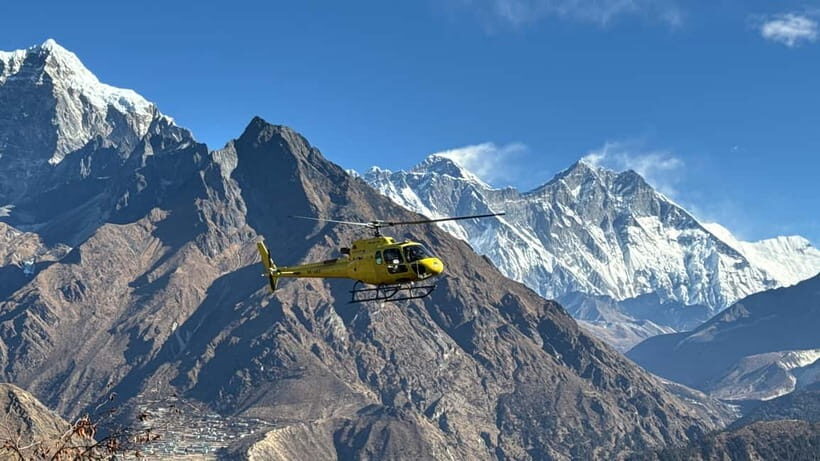
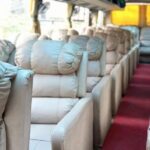
This is the core value of the tour: a guaranteed window seat for each passenger. On a bigger plane, you might still fight for a good angle, but here the setup is built around getting you looking out the right side at the right moments.
The tour notes that the left side of the plane is best for views, so it’s smart to be ready for seat assignment details when you board. Even when the entire cabin is looking at the same general range, the angle can change how dramatic Everest and surrounding peaks appear.
Also, plan for colder air than you expect, even if Kathmandu feels mild. Bring warm clothing, because you’ll want to stay comfortable while you’re staring out for the long stretches where the plane tracks along the mountain chain.
Which peaks you’ll see (and how the route helps)
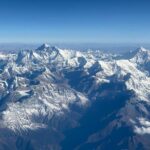
The flight is designed for a front-row view of the eastern Himalayas, with a list of major peaks you can watch for as the plane moves. Among the mountains named in the route are:
- Mount Everest (Sagarmatha)
- Lhotse
- Makalu
- Gauri Shankar
- Langtang Lirung
- Cho Oyu
- and many more snow-capped giants
You might get help identifying what you’re seeing. The tour mentions that many airlines provide a map of the Himalayas, which can be useful if you’re trying to match shapes and positions to names in real time.
Here’s the practical payoff: knowing a few peak names before you fly changes the whole experience. Instead of looking at “mountains,” you’re tracking specific objectives like Everest, then comparing how Lhotse and Makalu sit relative to it. If you like photography, this “mountain checklist” turns your camera time into something purposeful.
Everest in the sky: the sunrise moment people remember
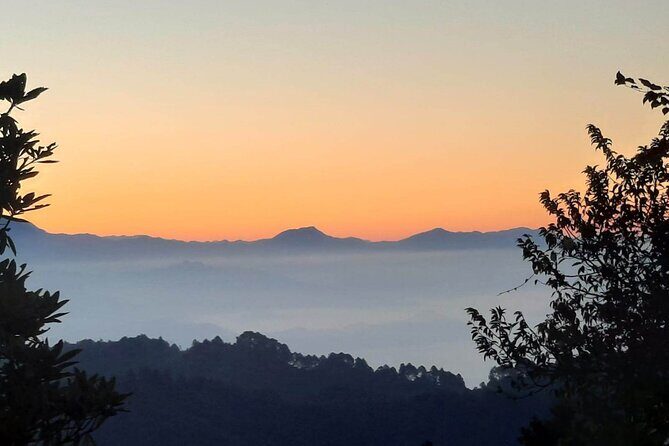
The itinerary specifically points to sunrise and sightseeing on the way to the Everest area. That’s more than a poetic detail—it’s about light. Early sun tends to bring out contrast in the snow and can make the ridgelines look sharper through aircraft windows.
The experience is also structured to feel like a guided sight moment, even though you’re flying rather than trekking. You get the “see it now” thrill without the weeks of hiking and the logistical load of a mountain expedition.
One thing to keep in mind: this is still a flight, so visibility depends on weather and the day’s conditions. The tour runs every morning weather permitting, which is normal for mountain air routes. If clouds roll in, you might still get great views, but it won’t always be that crisp, high-contrast look.

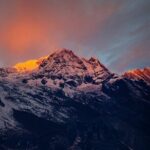
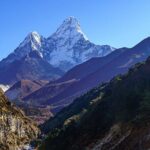
Photo tips that match the way the plane flies
If you’ve ever tried to photograph mountains from inside a moving aircraft, you already know the rules: you need patience, and you need to manage reflections. The tour’s best time for photography is tied to clear morning skies, so bring your camera plan along with you and be ready to shoot in short bursts.
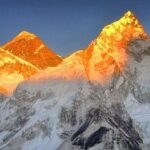
Warm light on snow can turn photos into postcards, especially when the sun hits the white peaks. The experience notes that golden sun on the mountains creates those postcard-ready shots, which is exactly the kind of lighting you want for Everest-scale peaks.
A practical approach:
- Keep your camera accessible during the flight window when the plane is likely tracking the peak line
- Turn off any flash and watch for reflections on the window surface
- Aim for fewer, steadier shots instead of continuous bursts
And if you want to label your images later, remember that the flight often includes a map. That can help you map a “where was Everest in the frame” moment to a specific peak name.
Cockpit access: rare, and only if operations allow
A special perk is the opportunity to visit the cockpit. The tour includes it, and the description also notes that some flights even allow it for a rare pilot’s-eye view.
In the real world, cockpit access can depend on safety rules, airline operations, and the day’s flow. So think of this as a bonus if it happens, not the main reason to book. The main reason is still the guaranteed window seat plus the mountain routing.
If you do get in, it’s a quick way to connect the experience to how the flight path is managed. It also gives you a different perspective on timing and how close the aircraft is getting to the line of peaks.
Service quality: pickup, staff, and a smooth morning
What tends to land well with people is the overall tone of the morning process—friendly, organized, and not chaotic. Hotel pickup plus a clear route to the airport helps you keep your head clear when you’re up early and watching the clock.
This tour is operated by a provider listed as Kathmandu City Tours, and the experience includes English support and an on-the-ground host or greeter. That matters because mountain flights can feel intimidating if you don’t know what to expect at check-in time.
Even the return feels built for convenience: after the flight, you’re back at the airport and then transferred to your hotel. When your “big moment” is only a short window in the sky, having smooth ground logistics keeps the rest of the day from turning into a chore.
Price and value: when $295 makes sense
The price is $295 per person for the full experience (about 3 hours total). On paper, that can sound high compared to local transport, but this is not local transport—it’s access to a time-sensitive, weather-dependent flight view of the world’s most famous mountain range.
Here’s the value math that usually matters most:
- You get a guaranteed window seat (not a gamble)
- You avoid the time and cost of trekking to the Everest region
- You still get a structured sight moment with named peaks
- You leave with a flight certificate souvenir
If you’re in Nepal for a short stay and you want the Everest connection without days of hiking, this is one of the most efficient ways to get the payoff. If your priority is saving every dollar and you have time for trekking, then you’d compare against trekking costs and time. But for a short-trip option, this is priced for the experience you’re actually buying: airborne proximity without the grind.
Who should book this, and who should skip it
This works best if you:
- Have limited time in Kathmandu and want a major Everest moment
- Care about photography and want clear morning viewing from a window
- Want to see multiple peaks listed on a single flight without trekking
It’s not suitable if you’re afraid of heights. That includes the whole experience of small-aircraft flying and the fact you’re looking down and out for the entire mountain portion.
It also helps if you travel with a basic readiness for cold. The tour specifically asks you to bring warm clothing and your camera, plus your passport (a copy is accepted). If you show up prepared, you won’t spend energy worrying about what you left at your hotel.
When to fly for best results
Flights operate every morning, weather permitting, and the suggested best season is September to May. That lines up with the idea that clearer winter-to-autumn air often gives better visibility over long sight corridors.
Departure times are listed as between 6:00 AM and 8:30 AM. For most people, that means your schedule should plan for an early wake-up and a quick morning. If you’re the type who likes slow starts, this tour will feel like a wake-up-and-go day.
And one more tip: since the left side is best, treat seat assignment as part of your prep. The tour can’t make the sky clear, but you can make sure your angle is right.
Should you book the Kathmandu Everest scenic flight?
Book it if you want the closest thing to Everest viewing without trekking time. You’re paying for a short flight, a guaranteed window seat, and a high-impact morning view of Mount Everest and other named peaks.
Skip it if early mornings feel impossible, or if you’re afraid of heights. Also, be realistic about weather: the flight runs daily only when skies cooperate.
If your trip has limited days in Nepal, this is one of those rare times where you can get a big, meaningful mountain memory in just a few hours.
FAQ
How long is the Kathmandu Mt Everest scenic flight experience?
The total experience is listed as about 3 hours, with the flight over the Himalayas taking roughly 50–60 minutes.
Is a window seat guaranteed?
Yes. Each passenger is guaranteed a window seat for the best possible view.
What time do flights depart from Kathmandu?
Flights depart between 6:00 AM and 8:30 AM, and they run every morning weather permitting.
Which mountains will we see during the flight?
The route includes Mount Everest (Sagarmatha) and other peaks such as Lhotse, Makalu, Gauri Shankar, Langtang Lirung, and Cho Oyu, along with additional snow-capped peaks.
What’s included in the price?
Included are the scenic flight, the guaranteed window seat, airport pickup and drop-off, an opportunity to visit the cockpit, and a flight certificate souvenir.
Can I visit the cockpit?
There is an opportunity to visit the cockpit. The description notes that some flights allow it, so it depends on operations.
Is this tour suitable for people afraid of heights?
No. The tour is not suitable for people afraid of heights.