REVIEW · KATHMANDU
Everest Basecamp Trek: 14 days
Book on Viator →Operated by Iconic Holiday Nepal · Bookable on Viator
Lukla to Everest, then straight back down. This 14-day Everest Base Camp trek strings together Kathmandu, a flight to Lukla, and high-altitude days that build toward Everest Base Camp and the sunrise viewpoint at Kala Patthar. You’re also set up to experience Sherpa-area towns and monastery culture along the way, not just chase a single photo spot.
I especially like how the itinerary includes real acclimatization time, with a dedicated rest day in Namche Bazaar and another altitude-practice rhythm later near Nangkartshang Peak. I also like the built-in support: an English-speaking, first-aid trained guide and porters with a 1 porter for every 2 clients luggage ratio.
One drawback to weigh: the Lukla flight portion depends on flight status and involves flying into Lukla, where the airport is described as one of the most dangerous in the region. Add altitude and limited flexibility, and you’ll want to be mentally ready for the flight day to be the moment that sets the tone.
In This Review
- Key things to know before you go
- Thamel warm-up in Kathmandu: where your trip actually starts
- Getting to Lukla: the flight day that can make or break schedules
- Trail Day 3: Phakding to Namche Bazaar and the first taste of the Khumbu rhythm
- Namche acclimatization Day 4: the pause that keeps the whole plan safer
- Tengboche and the monastery morning: views plus Sherpa culture
- Day 7 altitude practice: Nangkartshang Peak without turning it into a race
- The push toward Everest Base Camp: Dingboche to Dughla and the glacier route
- Day 9: reaching Everest Base Camp from Lobuche and Gorak Shep
- Kala Patthar at sunrise: the closest look at Everest on your schedule
- Descending strategy: Day 11 return toward Namche via Tengboche and Pangboche
- Day 12: forests, settlements, and multiple Dudh Koshi crossings
- Day 13 flight back to Kathmandu: the sky-show finish
- Day 14 wrap-up: airport drop-off when your next destination calls
- Price and logistics: what’s included in the $1,650 (and what you’ll still pay)
- Who should book this Everest Base Camp plan
- Should you book Everest Basecamp Trek: 14 days with Iconic Holiday Nepal?
- FAQ
- Where does the tour start in Kathmandu?
- How long is the Everest Base Camp trek?
- What’s the price per person?
- Are airport transfers included?
- Are the permits included?
- Are flights included for the Kathmandu to Lukla route?
- What kind of accommodation do you get during the trek?
- What meals are included?
- Is travel insurance included?
- How many days in Kathmandu are included before/after the trek?
- FAQ
- How many porters are included?
- Is bottled or boiled water included?
- Is this a private tour?
- When can you cancel for a full refund?
Key things to know before you go
- Lukla flights included (Kathmandu–Lukla round-trip): you’re not arranging the hardest part on your own.
- Acclimatization is built in: Namche Bazaar gets a rest day, and the plan encourages altitude practice rather than rushing.
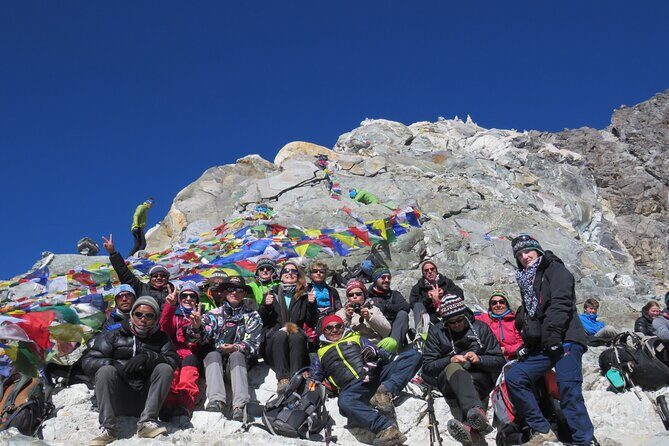
- Everest Base Camp is a dedicated target day: you don’t just pass through; you reach the base camp area on Day 9.
- Kala Patthar sunrise is planned: it’s scheduled as an early hike for the clearest mountain panorama.
- Support staff matters: government-licensed English-speaking trekking guides plus porters.
- Meals and drinks have limits: breakfast is covered most days, but Kathmandu lunches/dinners and drinks are not.
Thamel warm-up in Kathmandu: where your trip actually starts
Your trek begins in Kathmandu with an airport pickup and a transfer into Thamel, the central tourist hub. The welcome setup is specific: the team meets you at Tribhuvan International Airport holding a card with your name and the company name, then moves you to Thamel.
I like this approach because it keeps Day 1 simple. After a long flight, you’re not hunting for a bus or guessing where your group meets; you’re dropped into the area where most services are close by. Thamel is busy and practical too—lots of travel companies, restaurants, hotels, and late-night spots—so it’s easy to do last-minute shopping or handle small needs without turning your first day into a quest.
One thing to watch: meals in Kathmandu are only partially covered. Your tour includes breakfast in Kathmandu (for 2 nights) but not lunch and dinner there, so plan on eating out in Thamel for those meals and budgeting for it.
You can also read our reviews of more hiking tours in Kathmandu
Getting to Lukla: the flight day that can make or break schedules
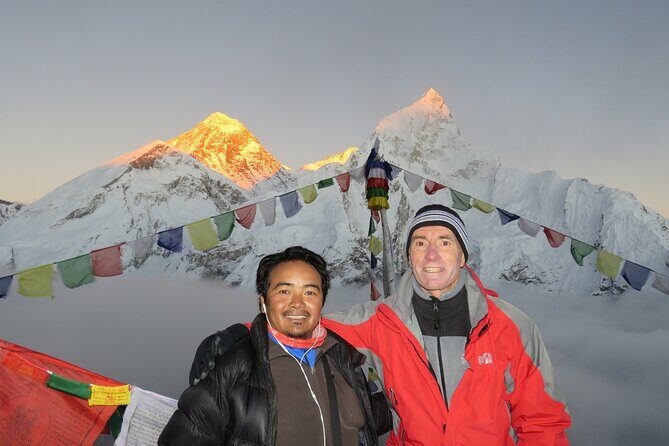
On Day 2 you fly to Lukla early in the morning. The itinerary even notes a logistical detail that matters: depending on flight status, the flight could depart from Kathmandu airport or from Manthali airport.
That’s a small line in the schedule, but it’s a big reality check. Lukla is busiest during trekking season, and the tour explicitly describes Lukla Airport as one of the most dangerous due to local conditions. You’re paying for the flights, but you still need to treat this as the most weather-and-process-sensitive part of the whole trip.
If you hate uncertainty, this is where you’ll feel it most. If you can roll with it, the payoff is that the trek drops you right into the Everest region route without adding days of long overland travel first.
Trail Day 3: Phakding to Namche Bazaar and the first taste of the Khumbu rhythm
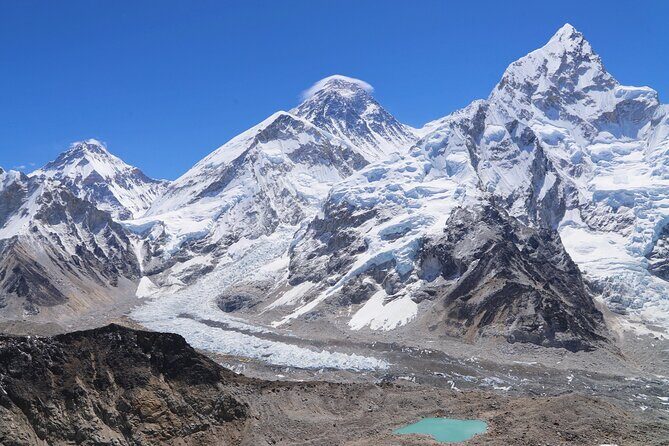
After landing, the trekking days start building you into altitude gradually. Day 3 is the classic opening section from Phakding toward Namche Bazaar, and the plan calls this part a bit tough.
You’ll walk uphill out of Phakding and cross multiple suspension bridges, with the route passing through village settlement areas along the way. I like this segment for one reason: it’s active and scenic without throwing you into the steepest, highest-stress parts too fast.
This is also where you start to see the shape of the Sherpa-area towns: tea houses, guesthouses, and route life centered around trekkers moving through. Namche Bazaar itself is described as modern for the Khumbu region, with hotels, restaurants, and tea houses—so when you arrive, you’re not stepping into a dead-end outpost.
Namche acclimatization Day 4: the pause that keeps the whole plan safer
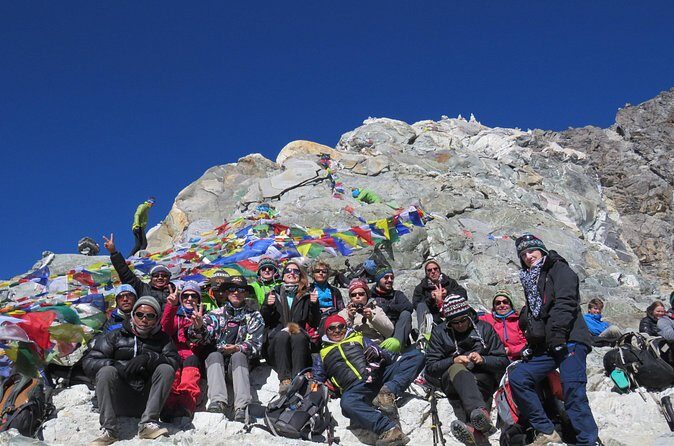
Day 3 gets you to altitude. Day 4 is the “stay put” day that makes the itinerary work.
The tour explicitly frames Namche as an acclimatization stop because altitude has risen over the prior days. Your schedule includes a hike option in the morning, going to Syangboch. The point is practice: move a bit, then rest so your body has time to adjust.
I like this design because it treats acclimatization like part of the trek—not like a random rest day you could skip. If you’re serious about avoiding altitude problems, this is exactly the kind of pacing decision that helps. The itinerary also makes a clear safety point: acclimatization days are crucial for reducing risk.
Practical detail: the plan puts you in Namche for 2 days total (Day 3 arrival and Day 4 rest). That’s valuable because it gives you time to settle in rather than rushing onward the moment you feel better.
Tengboche and the monastery morning: views plus Sherpa culture
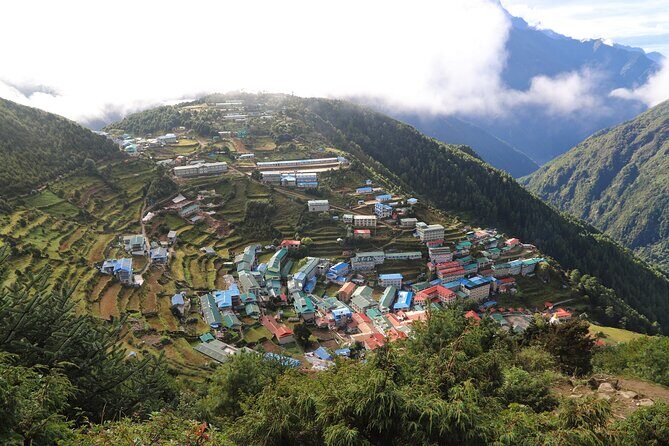
From Namche, Day 5 heads toward Tengboche. The route is described as ascending with a very impressive trail. You’ll initially descend toward the Dudh Kosi Valley, reach Phungi Thanka, then keep ascending past the Imja Khola, working your way up toward Tengboche.
This is one of those days where the schedule makes sense even if you’re tired: it’s not just a single constant climb. You’ll feel the valley sections, the river crossings, and the repeated change in effort, which helps keep your pace from going sideways.
Day 6 adds a cultural layer that’s easy to overlook when people only talk about Everest. You start early to explore Tengboche Gompa, with time to see the monastery, and then you continue trekking by descending toward the Imja River and trekking through Pangboche village. The schedule also notes fluttering prayer flags along the route, which gives the walk that classic Khumbu look.
The practical upside of building in monastery time: it gives you a structured moment to slow down, not just keep walking until you collapse into your bed.

Day 7 altitude practice: Nangkartshang Peak without turning it into a race
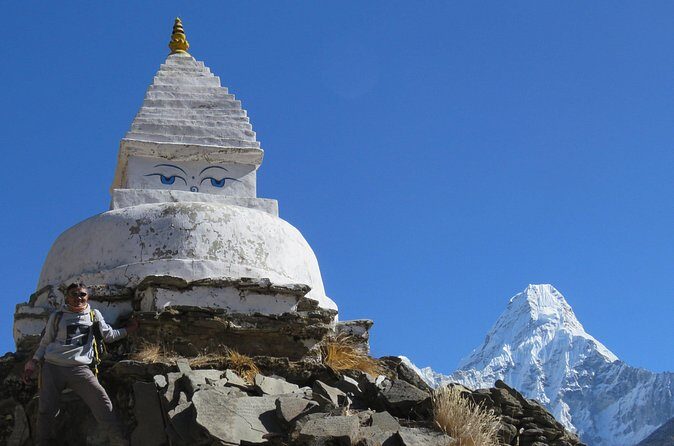
Day 7 includes Nangkartshang Peak, tied to an acclimatization rhythm. The plan also clearly states that adapting to increasing altitude and changing environment is essential to prevent altitude sickness.
The scheduled time for this stop is short—about 1 hour—so it’s not presented as a full-on summit push. Instead, it’s the kind of “test your legs, move carefully, then rest” step that fits the overall pacing philosophy of the trek.
If you’re the type who pushes forward when you feel okay, this is where discipline matters. The itinerary is basically telling you: yes, move, but keep it controlled.
The push toward Everest Base Camp: Dingboche to Dughla and the glacier route
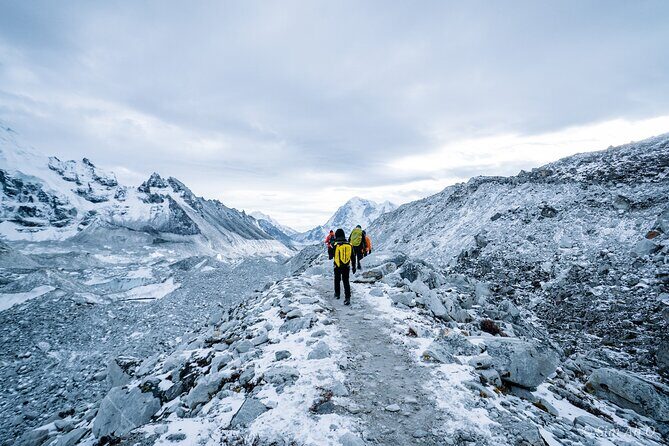
Day 8 is when the trek starts narrowing toward the high target. After leaving Dingboche, the plan describes gentle trekking via bare fields, then a gradual steepening. You hike to Dughla, and the itinerary points out you follow a glacial route.
Even without specific altitude numbers, you can feel how Day 8 changes. The “bare fields” description plus the glacier route hint you’re transitioning into a harsher, more exposed environment. That means every slow choice counts: how you pace, how you hydrate, and how often you take small breaks.
This is also a setup day. You’re not at base camp yet, but you’re moving into the zone where the scenery is dramatic and the physical cost starts adding up.
Day 9: reaching Everest Base Camp from Lobuche and Gorak Shep
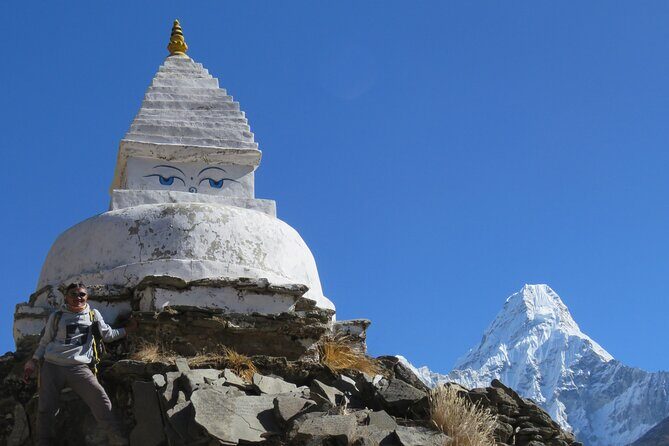
Day 9 is the big arrival. The itinerary says you reach Everest Base Camp after walking from Lobuche, with the trail ascending steeply along the Khumbu glacier.
You also pass through Gorak Shep, described as the former base camp of Mt. Everest back in the day. That stop matters because it gives you context: you’re stepping into a place with a long operational history for the expedition era, not only a modern photo destination.
Once you finally reach Everest Base Camp, the day’s value is about arriving at the official target. There’s no “almost there” feeling. The walk is presented as a focused climb toward a clear destination, with the glacier segment doing the heavy lifting on the way there.
Kala Patthar at sunrise: the closest look at Everest on your schedule
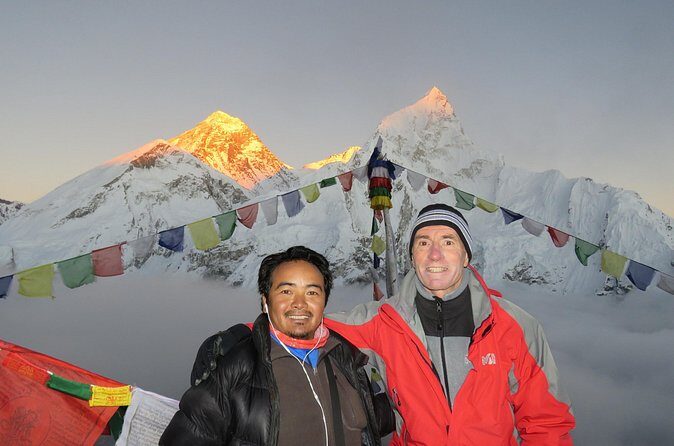
Day 10 is your sunrise workday, and it’s scheduled for exactly why people do this trek. You hike to Kala Patthar before sunrise to enjoy the nearest views of Mount Everest.
The plan is specific about the location: Kala Patthar sits above Gorak Shep, and it’s described as a famous vantage point with a breathtaking mountain panorama. This is one of those itinerary elements where timing affects payoff, and starting before sunrise is how the plan aims to improve your viewing conditions.
Then you return later the same day as your trek continues downward. The key point is that the itinerary doesn’t scatter the “best view” across random times; it assigns the time slot to the morning hike, then moves on.
Descending strategy: Day 11 return toward Namche via Tengboche and Pangboche
After the Everest-zone days, the schedule flips into return mode. Day 11 moves down to Namche by hiking along sections of the route you took earlier.
You’ll come across Pangboche village and head past Tengboche, and the itinerary mentions a suspension bridge during the descent. The pattern is familiar from earlier days: you regain rhythm, but you still have to deal with fatigue from the high days.
This is where comfort and logistics matter more than you might expect. You’ll feel the change from “climb and acclimatize” to “keep your footing on the way down,” and a guided plan helps keep the pace sane.
Day 12: forests, settlements, and multiple Dudh Koshi crossings
Day 12 starts with a steep descent from Namche Bazaar. The plan then shifts into a forested path through small settlements, and it notes crossing the Dudh Koshi River multiple times on suspension bridges.
This is a practical day. Rivers and bridges can slow you down, and a steep-to-uneven pattern can feel tough even when you’re technically going down. The route description also suggests variety—open areas early, then more sheltered paths later.
It’s another reminder that Everest Base Camp isn’t just about going up; the return days have their own challenges.
Day 13 flight back to Kathmandu: the sky-show finish
On Day 13 you leave the mountains early in the morning and fly back to Kathmandu. The itinerary describes the flight as phenomenal with enchanting aerial views.
Once you land, the team drops you at your hotel in Kathmandu. It’s a nice reset after days of guesthouses and trail routines, and it gives you time to recover before the final day.
Day 14 wrap-up: airport drop-off when your next destination calls
Day 14 is straightforward. Your tour ends with an airport drop-off based on your flight departure time.
This last day can feel like a breather, but it’s also the day where you’ll want to keep track of your timing. With your trekking trek completed, the main job becomes catching your next flight without rushing through it.
Price and logistics: what’s included in the $1,650 (and what you’ll still pay)
At $1,650 per person, this isn’t a budget walk, but it is priced with the big costs handled. Your plan includes permits, a round-trip airfare between Kathmandu and Lukla, and transport on tourist vehicles for airport transfers.
You also get structured support:
- An experienced, government-licensed English-speaking trekking guide who’s first-aid trained
- Porters during the trek carrying luggage with a 1 porter for every 2 clients ratio
- A mix of meals: 14 breakfasts, plus 11 lunches and 11 dinners (and breakfast in Kathmandu is included)
Accommodation is also handled:
- 2 nights in Kathmandu in a tourist-standard hotel with breakfast
- 11 nights in the Everest region in twin-sharing guesthouses
What’s not included is equally important:
- Lunch and dinner in Kathmandu
- International flight fare and airport departure tax
- Any beverages, including bottled and boiled water
- Travel insurance, including high-altitude emergency evacuation coverage
- Tips to trekking staff and the driver
So the “value” question isn’t just the trekking days. It’s whether you like having the hard parts pre-arranged: Lukla flights, permits, guide, porter support, and most meals. If you’d rather DIY, this might feel pricey. If you want the mountain week managed with fewer moving parts, this pricing makes more sense.
Who should book this Everest Base Camp plan
This tour fits best if you want:
- A scheduled acclimatization rhythm instead of constant pressure to push higher every day
- Guided navigation through major waypoints like Namche Bazaar, Tengboche, Gorak Shep, Everest Base Camp, and Kala Patthar
- Porter support that reduces the burden of carrying luggage
The tour also asks for moderate physical fitness. That’s a good match if you can comfortably hike for long stretches, handle some uphill sections like the Phakding-to-Namche segment, and keep steady on the return descents.
If you’re a first-time trekker to the Everest region, this kind of structure is usually the easiest way to avoid chaos. If you’re chasing maximum independence, you may find the group rhythm (even as a private booking) less flexible than you want.
Should you book Everest Basecamp Trek: 14 days with Iconic Holiday Nepal?
I’d lean yes if your priorities are clear: organized acclimatization, guided logistics, and reaching Everest Base Camp plus doing Kala Patthar for sunrise views. The fact that the trek includes Lukla airfare, permits, guide support, and porter coverage makes the overall plan feel “complete,” not stitched together with missing pieces.
I’d think twice if you’re extremely risk-averse about the Lukla flight day or if you don’t want to deal with extra costs for insurance, beverages, and Kathmandu lunches/dinners. Also, because the itinerary notes Lukla Airport is considered one of the most dangerous, go in with eyes open and a calm mindset for flight day.
This option carries a 5/5 rating from 4 bookings, which is a strong signal that people like the way the schedule is put together and supported.
FAQ
Where does the tour start in Kathmandu?
The meeting point is Tribhuvan Airport in Kathmandu, Nepal.
How long is the Everest Base Camp trek?
The duration is listed as 14 days (approx.).
What’s the price per person?
The price is $1,650.00 per person.
Are airport transfers included?
Yes. The tour includes all international and domestic airport transfers on a tourist vehicle, plus pickup offered.
Are the permits included?
Yes, permits are included.
Are flights included for the Kathmandu to Lukla route?
Yes. The tour includes round-trip airfare between Kathmandu and Lukla.
What kind of accommodation do you get during the trek?
You’ll have twin-sharing guesthouse accommodation during the trek for 11 nights in the Everest region.
What meals are included?
Lunch is included for 11 days, breakfast is included for 14 days, and dinner is included for 11 days. Meals in Kathmandu (lunch and dinner) are not included.
Is travel insurance included?
No. Travel insurance is not included, including high-altitude emergency evacuation coverage.
How many days in Kathmandu are included before/after the trek?
You get 2 nights in Kathmandu with breakfast, and then you return to Kathmandu for the remaining days (including the final day departure).
FAQ
How many porters are included?
Porters are included for carrying luggage with a ratio of 1 porter for every 2 clients.
Is bottled or boiled water included?
No. Any beverages, including bottled and boiled water, are not included.
Is this a private tour?
Yes. It’s listed as a private tour/activity, meaning only your group will participate.
When can you cancel for a full refund?
You can cancel up to 24 hours in advance for a full refund.