REVIEW · KATHMANDU
Everest Three Pass Trek
Book on Viator →Operated by Base Camp Adventure Pvt. Ltd. · Bookable on Viator
Three passes in 15 days is the real test. What makes this trek special is the high-altitude sweep over Kongma La, Cho La, and Renjo La, plus the smart pacing with acclimatization stops that help you handle altitude better. I also like that this package is unusually complete for the price: domestic flights, park and TIMS permits, meals, and even a down jacket and sleeping bag are included. The main drawback is obvious once you look at the elevations and terrain: this is tough, and you’ll need strong fitness and nerves, especially when weather can affect the day-to-day plan.
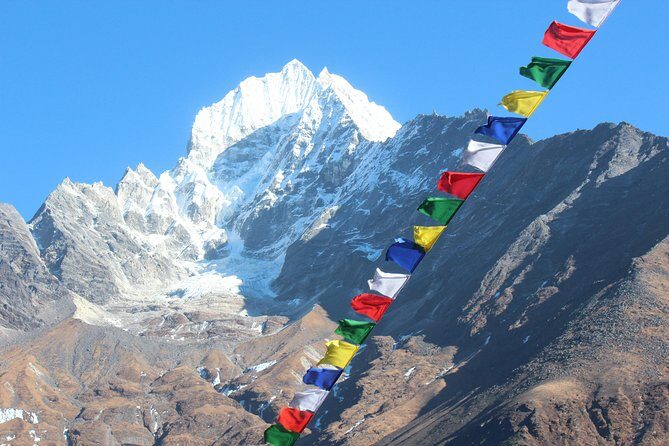
You get that classic Khumbu rhythm—prayer flags, suspension bridges over fast rivers, Sherpa towns for your breakpoints, and big-window mountain days like sunrise views from Kala Patthar. It’s also a private tour, so you’re not stuck with a random crowd tempo; it’s just your group moving together with a licensed English-speaking guide and porters.
One more practical note: the included trek support covers a lot (staff food/insurance/transport, first-aid kits, guesthouse stays), but it doesn’t cover personal gear or tips. If you’re the type who likes to travel light and borrow where you can, this is fine. If you like extra comforts—hot showers, lots of drinks, laundry—budget for those upfront.
In This Review
- Key things I’d plan around before you go
- Why the Everest Three Pass trek feels different in practice
- Price and value: what you’re really paying for
- Getting to Lukla: the flight day sets your tone
- Namche to Tengboche: river crossings and the Sherpa rhythm
- Dingboche and Chhukung: where your body learns the rules
- Kongma La and the Gorakshep setup: expect the toughest walking rhythm
- Cho La to Gokyo lakes: ice-covered climbing and a different kind of scenery
- Renjo La return: snow-filled walking with a steady descent payoff
- Kathmandu flight home: keep a little patience for weather
- Service quality: why this operator gets strong marks
- Who this trek is for (and who should think twice)
- Should you book the Everest Three Pass Trek?
- FAQ
- How long is the Everest Three Pass Trek?
- What are the three passes on this trek?
- Where do you start and end?
- What time does the experience start?
- What permits and trek support are included?
- Are domestic flights included?
- What trekking gear is provided?
- What’s the cancellation rule if weather is bad?
Key things I’d plan around before you go
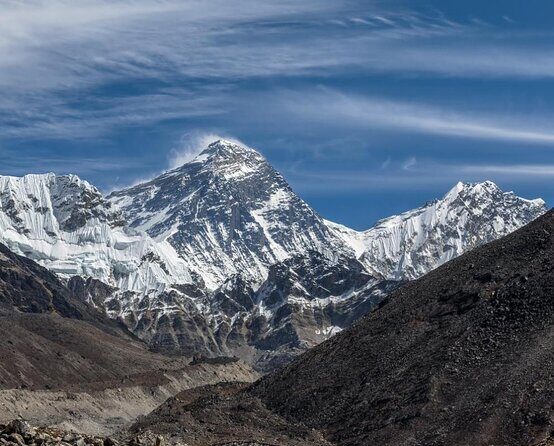
- Three snow-covered passes: Kongma La (5535m), Cho La (5420m), Renjo La (5360m) are the headline challenge.
- Acclimatization built into the schedule: a rest day in Namche and a setup day in Chhukung before Kongma La.
- Big-mountain viewpoints: Kala Patthar for sunrise and Gokyo Ri for panoramic lake-valley views.
- A support-forward package: meals (14 lunches, 14 dinners, 14 breakfasts), national park permit, TIMS permit, domestic flights, and trekking staff coverage.
- Private-group pacing: the trek is run for your group only, with pickup offered and a licensed guide leading the route.
- Weather matters: high elevations require good conditions, and the trek can be offered on a different date if canceled for weather.
Why the Everest Three Pass trek feels different in practice
Most Everest-region treks focus on one main path—up, higher, then out. This one adds two extra high passes, so your challenge isn’t just “going up.” It’s going up, crossing, dropping, and climbing again—three times—while the scenery keeps changing under your feet.
That’s why this trek earns its reputation for being adventurous. You’ll be on rough terrain and snow-covered passes, and each one has a different feel: steep uphill approaches, stony sections, ice-covered walking, and snow-filled paths. If you’re the kind of hiker who likes variety and doesn’t mind that conditions can be slow, this route fits your style.
You also get a more balanced mountain day sequence than the “base camp and done” format. You’ll spend real time around:
- Namche for acclimatization and Sherpa-town atmosphere
- Dingboche and Chhukung for getting your body ready for the high passes
- Gorakshep and Kala Patthar for iconic sunrise angles
- Gokyo lakes and Gokyo Ri for a valley view that feels different from the standard Everest view
And since the operator builds in a licensed English-speaking guide and a team of porters, you’re not trying to manage altitude logistics and heavy carrying at the same time.
You can also read our reviews of more hiking tours in Kathmandu
Price and value: what you’re really paying for
$1,800 per person sounds straightforward until you break down what’s included. This trek price covers a lot of the expensive stuff that quietly drains budgets on Everest trips:
- Domestic flights Kathmandu–Lukla–Kathmandu (and airport tax)
- National park entry permit + TIMS permit
- Meals for 14 days (breakfast, lunch, dinner)
- Lodging in guesthouses during the trek (mainly twin sharing)
- A licensed English-speaking guide, plus the needed porters and staff support
- Trek equipment support: a down jacket, sleeping bag, and a duffel/kit bag that’s returned after the trek
- First aid medical kits and staff insurance/transport/equipment support
What that means for you: you can plan your main costs without constantly chasing “what’s missing.” For value, I look at whether the package removes decision fatigue. Here, it does—especially on permits, guide/porter structure, and the domestic flights that many trekkers consider the hardest part to schedule.
What isn’t included is also clear. You’ll still need to budget for:
- Personal trekking equipment
- Tips for trekking staff
- Alcohol, drinks, laundry, and extra comforts like hot showers
- Your international airfare and departure taxes
If you can keep spending under control on the trail (the “optional extras” category), this is a strong deal for a 15-day, three-pass itinerary with flights and permits handled.
Getting to Lukla: the flight day sets your tone
Your trek starts with an early morning flight from Kathmandu to Lukla, landing at Tenzing-Hillary Airport. That flight is a big deal in Nepal: it’s the jump from city life into the Everest-region world, and it’s also where many people feel their excitement turn into focus.
Then the trek begins right away—no long warmup period. That’s why your first day matters. Day 1 includes the move to Lukla and meeting your guide and team. It’s the day where you want to double-check essentials: your layers for rapid temperature swings, your altitude-friendly pacing plan, and how you’ll manage hydration.
Also, the meeting point is BASE CAMP ADVENTURE PVT. LTD., Tridevi Sadak, Kathmandu, with a stated start time of 6:15am. If you’re coming from a hotel far away, plan extra buffer time. Early starts are normal here; being late is not.
Namche to Tengboche: river crossings and the Sherpa rhythm
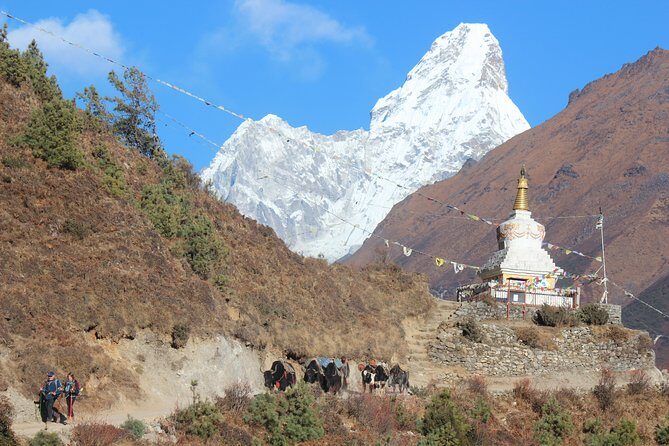
After Lukla, you follow the Dudh Koshi River corridor, crossing it multiple times on suspension bridges decorated with prayer flags. This is a classic start for a reason: it’s scenic, but it also gives you constant movement and lots of “small altitude wins” without immediately throwing you at the hardest days.
Day 2 includes entering Sagarmatha National Park, which is a nice mental checkbox as the trail gains seriousness. Then comes Day 3: a rest and acclimatization day in Namche.
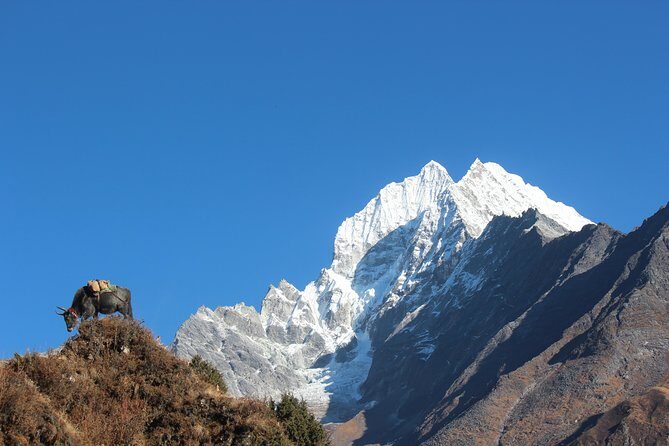
I like this Namche day because it’s not just sitting. You’ll explore the Sherpa town and hike uphill to Everest View Hotel for peak glimpses like Nuptse and Thamserku (among others). Even if the views are hazy some days, the point is the acclimatization logic: you get gentle climbing with the chance to rest, eat, and adjust.
Day 4 shifts you upstream again, and the trail leads toward prayer wheels near Phunke Tenga, then above the Imja Khola, finishing at Tengboche. This is where the route feels more ceremonial: monasteries, framed mountain views, and a sense that you’re nearing the cultural heart of the Khumbu trekking circuit.
One caution: Tengboche and the days around it are often cooler and can feel slower. Keep your goal simple—stay warm, keep moving steadily, and don’t try to “win” the elevation.
Dingboche and Chhukung: where your body learns the rules
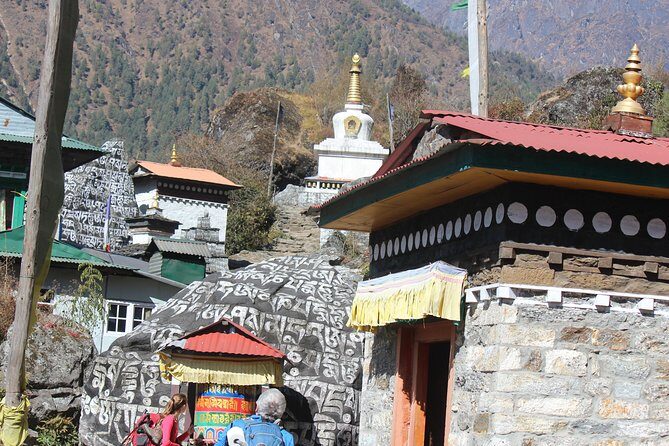
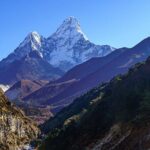
After breakfast on Day 5, you head toward Dingboche. This day is built around gradual gains with big-name views rolling in—Ama Dablam, Lhotse, and Everest are specifically noted. You also pass Pangboche and walk through rhododendron forest, which breaks up the “just stone and altitude” feeling.
On many treks, Dingboche is a place you’d slow down for longer. Here, Day 6 is instead about getting to Chhukung. The reason matters: the schedule avoids an extra long walk the next day while positioning you for the pass crossing. In practical terms, that’s smart. Your goal isn’t to be heroic; it’s to arrive ready for Kongma La.
Chhukung is a smaller, higher-feeling staging area. Even if you don’t get a full “day off,” you still get the kind of gentle uphill movement that helps your lungs and legs stay calibrated.
Kongma La and the Gorakshep setup: expect the toughest walking rhythm
Day 7 is your first pass crossing: Kongma La (5535m), the highest of the three. The description is very direct—steep uphill with difficulties as you climb to the top. This is the day where good pacing matters more than strength. If you go too fast early, you’ll pay for it.
After Kongma La, you move toward Gorakshep on Day 8. This is a rewarded walk in terms of views of peaks and glaciers, but the trail is generally stony. Stony ground changes everything: your feet take more hits, and your cadence becomes more careful. It’s not just “hard cardio,” it’s foot-work discipline.
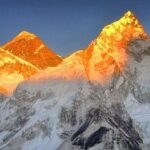
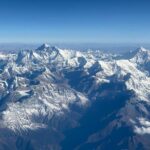
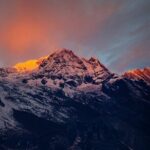
Day 9 is the early-morning payoff: a sunrise hike from Kala Patthar (5550m). The highlight is the first rays of sun hitting Mt. Everest, along with valley views from the top. This is one of those days where it’s worth going quiet mentally and just moving with the group—your job is to arrive, stay warm, and enjoy the view without pushing for extra distance.
Cho La to Gokyo lakes: ice-covered climbing and a different kind of scenery
Day 10 brings another serious climb: Cho La (5420m) to reach Gokyo lakes. The key detail here is the route: an ice-covered trail and a steep uphill climb to the pass top. That means this isn’t just about endurance; it’s about steady foot placement and trusting your guide’s pace.
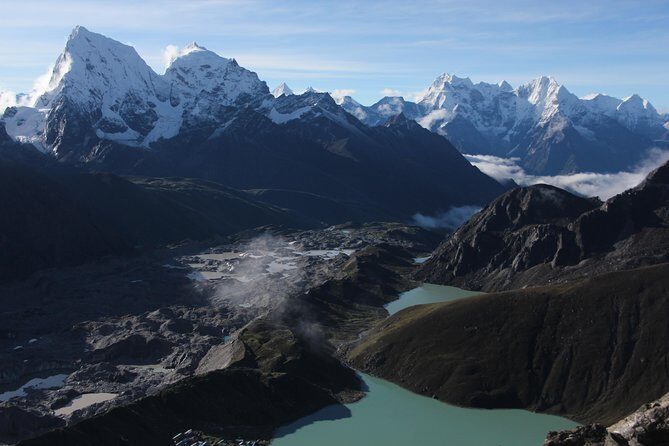
Once you reach the Gokyo area, Day 11 is a rest day with Gokyo Ri (5360m) in the morning. This is valuable because it gives your body a break while still delivering a big-view experience. From Gokyo Ri, you can see the entire Gokyo valley and its many small lakes (along with the wider mountain picture). It’s a change of perspective from the Everest-centric angles, and it helps the whole trek feel more complete.
If you’ve been focused on summit views so far, this is where the trek broadens. Lakes and valley angles can feel less intimidating than snow walls—still high, but psychologically different.
Renjo La return: snow-filled walking with a steady descent payoff
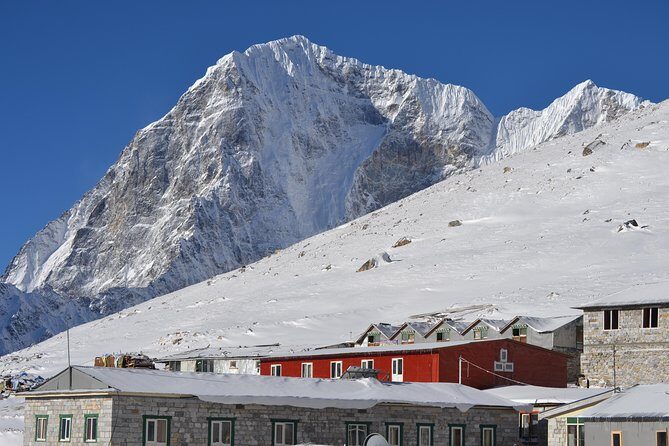
Day 12 is the last pass: Renjo La (5360m). The plan starts early and uses a gradually snow-filled path to reach the top, with views of Cho and surrounding areas. This is the kind of high pass day that tests your ability to keep calm while moving carefully.
Day 13 shifts toward a relaxed walk to Namche. The tone changes: it’s described as a relatively easier trail. That matters. After three big passes, easing down to Namche gives you a mental reset. You also get distant views of Everest and other mountains from the trail—so you’re still seeing big things, just with less punishment.
Day 14 is your final trekking day: Namche to Lukla. You’ll pass villages, forests, and rivers, again using suspension bridges, then reach Lukla for rest and market exploration. This is a nice closing arc. It’s not just another “sleep and leave”—you get a chance to eat well, stretch out, and break the routine a little.
Kathmandu flight home: keep a little patience for weather
Day 15 is a flight from Lukla back to Kathmandu. The flight experience is described as mountain-to-green-hills scenery changing quickly as you descend. It’s a satisfying bookend.
That said, one practical reality for the Everest region: weather affects schedules. This experience is noted as requiring good weather. If conditions aren’t suitable, the operator will offer a different date or a full refund. For you, the best move is to plan your broader Nepal trip with flexibility around the return day if you can.
Service quality: why this operator gets strong marks
The overall trek quality matters most on hard days: the pass approaches, the early mornings, and the moments when your energy is low. The operator behind this trek, Base Camp Adventure Pvt. Ltd., has a strong recent track record with 5/5 rating and high recommendation on their Everest-style programs.
More importantly, the details in the service feel consistent across trips: well-organized Kathmandu stays, schedules handled smoothly even under travel disruption, and guides who know how to explain the places and keep the group moving.
The names that show up in prior Everest trip praise include guides like Shiva and Jwala, with supporting sherpas such as Bhim and Ram on one trip that started early to avoid late monsoon rain. I can’t promise you’ll have the same team, but you can use this as a signal. When you book, ask who your licensed English-speaking guide is and what the plan is for weather windows.
Who this trek is for (and who should think twice)
This is best for hikers who want a real alpine challenge, not just a long hike. The trek is explicitly for people with strong physical fitness, and the route includes steep climbs, rough terrain, and multiple high passes.
You’ll also want the kind of attitude that handles uncertainty. Weather can shape day pacing. Altitude can change how you feel even if your training is great. If you go in expecting everything to be predictable and easy, you’ll get frustrated. If you go in ready to take it day by day, you’ll get a lot more out of it.
This trek may not be ideal if:
- you’re new to high-altitude trekking
- you can’t commit to steady uphill days
- you’re hoping for frequent comfort perks (extra drinks, showers, etc.)
But if you like hard days with meaningful payoff—three passes, sunrise at Kala Patthar, and panoramic views from Gokyo Ri—you’ll likely love the experience arc.
Should you book the Everest Three Pass Trek?
If your goal is the full Khumbu “high pass” challenge with strong logistical support, this booking is worth serious consideration. The value is real because the package includes permits, domestic flights, meals, guide and porter staffing, and even key gear items like a down jacket and sleeping bag.
I’d book if you’re fit, patient, and you want variety more than simplicity: rivers and bridges first, then Sherpa towns, then three snow-pass days, then the sunrise-and-lakes payoff.
I’d pause if you’re uncertain about high-altitude hiking, or if your budget depends on lots of extras you’d normally avoid on the trail. Also, be honest about timing flexibility; the experience requires good weather.
FAQ
How long is the Everest Three Pass Trek?
The trek is listed as about 15 days.
What are the three passes on this trek?
The trek crosses Kongma La (5535m), Cho La (5420m), and Renjo La (5360m).
Where do you start and end?
It starts in Kathmandu, Nepal (meeting point at BASE CAMP ADVENTURE PVT. LTD., Tridevi Sadak). It ends back at the meeting point.
What time does the experience start?
The stated start time is 6:15am.
What permits and trek support are included?
Included are the National Park entry permit and TIMS permit (Trekker’s Information Management System). You also get a licensed English-speaking guide and porter support for luggage.
Are domestic flights included?
Yes. Domestic airfare is included for Kathmandu–Lukla–Kathmandu, along with airport tax.
What trekking gear is provided?
You’re provided a down jacket, sleeping bag, and a duffel/kit bag (which needs to be returned after the trek). Personal trekking equipment is not included.
What’s the cancellation rule if weather is bad?
Cancellation is free up to 24 hours in advance for a full refund. If the experience is canceled due to poor weather, you’ll be offered a different date or a full refund.