REVIEW · KATHMANDU
Ghorepani Poon Hill Trek
Book on Viator →Operated by Nepal High Trek & Expedition Pvt. Ltd · Bookable on Viator
Headlamp sunrise at Poon Hill is pure payoff. This Ghorepani Poon Hill Trek mixes big Himalayan views with a government-licensed mountain guide, threading through Ulleri and on to Gurung life in Ghandruk. The one thing to plan for: early mornings and a lot of uphill-and-downhill walking, so you will want decent leg stamina.
I also like the practical comfort baked in. You get pickup offered, ground transport linking Pokhara, Nayapul, and Ghandruk, and 3 nights with private attached bathrooms—a real morale boost on a trek this short. Plus, your tea rhythm is handled: 3 cups of tea per trek day, plus breakfast, lunch, and dinner as scheduled.
In This Review
- Key Highlights You’ll Feel on the Trail
- Poon Hill Sunrise: Why This Trek Starts Before Your Feet Know You
- Ulleri to Ghandruk: A Route Built for Views and Village Rhythm
- Day-by-Day Walkthrough: What Each Part Really Does for You
- Day 1: Foothills Drive and Settling Into the Trail
- Day 2: Ulleri Up, Then Forest Trail Rhythm
- Day 3: The Early Push to Poon Hill Sunrise
- Day 4: Downhill Into Forest and Ghandruk Culture Time
- Comfort That Matters: Meals, Tea, and Private Bathrooms on a Trek
- Guide and Logistics: Why a Licensed Leader Changes the Whole Feel
- Price and Value: Getting More Than a View for $399.67
- Pace, Effort, and What to Pack for This 4-Day Trek
- Who This Trek Fits Best (And Who Might Want a Different Plan)
- Booking Decision: Should You Book This Trek or Wait?
- FAQ
- How long is the Ghorepani Poon Hill Trek?
- Where does the trek start and what time is it scheduled?
- Is pickup included?
- What meals and drinks are included?
- What does the price include at $399.67 per person?
- What costs are not included?
- Can I cancel for a full refund?
Key Highlights You’ll Feel on the Trail
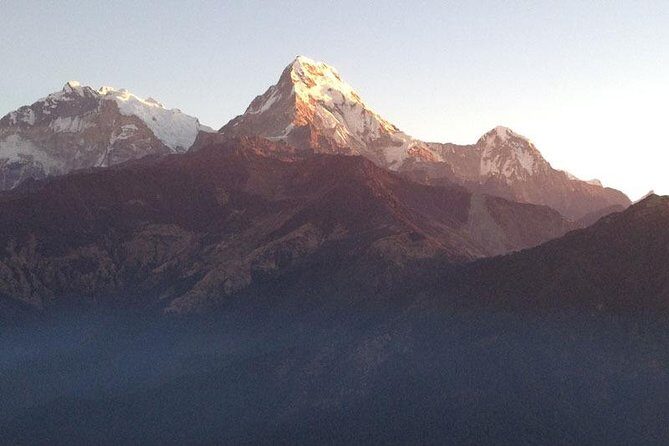
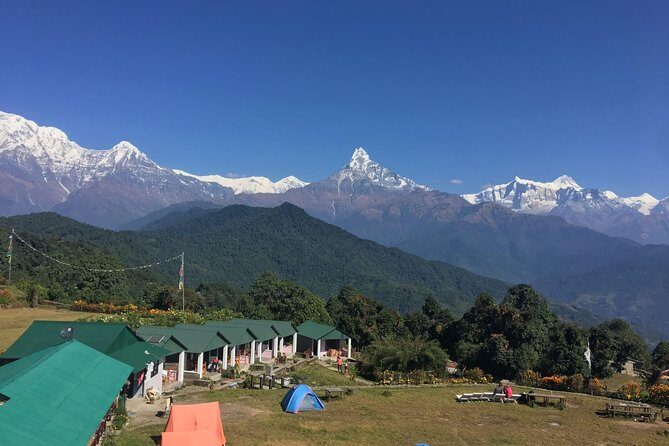
- Poon Hill (3,210 m) at sunrise: mountain views spanning Annapurna and beyond, including Machhapuchare, Dhaulagiri, and Manaslu.
- Ghandruk, a Gurung village: a cultural stop that feels like more than a photo break.
- Private attached bathrooms for 3 nights: rare luxury for a trek in this price range.
- Tea included (3 cups per day): small, comforting pacing that helps on cold starts.
- All ground transfers covered: Pokhara to Nayapul and back via Ghandruk.
Poon Hill Sunrise: Why This Trek Starts Before Your Feet Know You
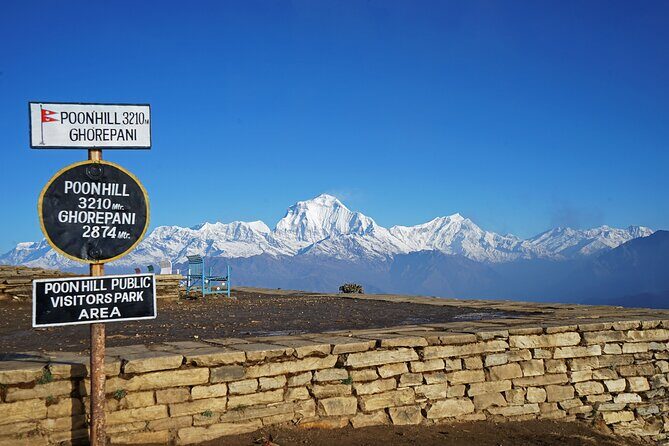
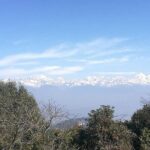
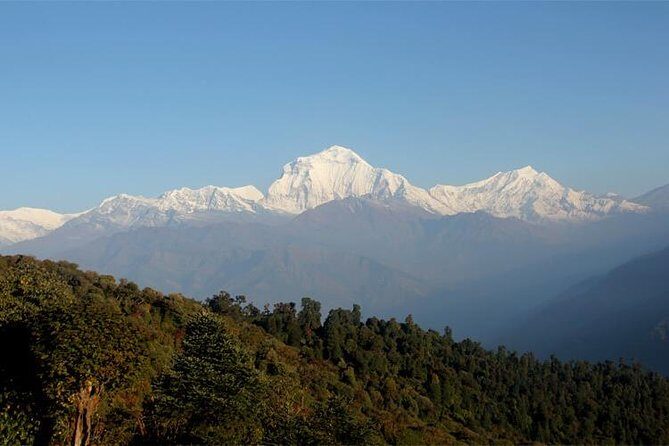
The real reason people do the Ghorepani Poon Hill Trek is simple: you walk for the view. Poon Hill sits at 3,210 m, and the plan is an early climb so you can catch sunrise over the surrounding peaks. Even if clouds roll in, you’ll still get that Himalayan morning feeling—the thin air, the slow light, and the sense you’re watching a huge wall of mountains wake up.
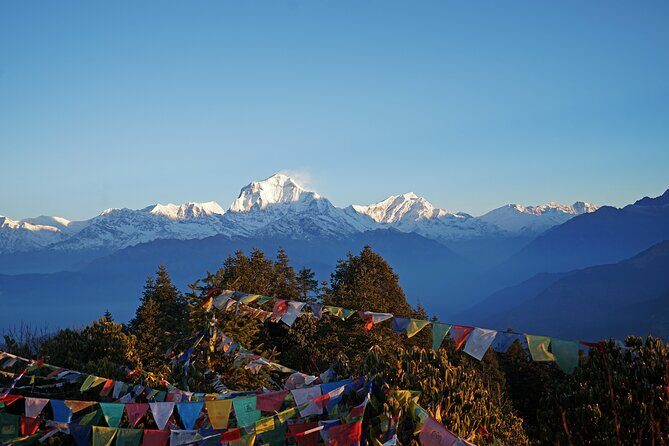
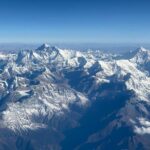
From the summit viewpoint, the horizon isn’t just one famous peak. You’ll be looking at a whole chain that includes Annapurna I and Annapurna South, plus Gangapurna and Annapurna III. The route’s description also highlights the iconic Fish Tail, Machhapuchare (6,790 m), with other giants on the skyline such as Dhaulagiri (8,167 m) and Manaslu (8,163 m). That breadth matters. It turns the morning from one perfect moment into a panorama you can actually linger over.
One small consideration: sunrise is weather-dependent. You can control your boots, hydration, and pacing, but you can’t control cloud cover. The good news is the rest of the trek is still worth it—village life, forest trails, and downhill payoff days.
You can also read our reviews of more hiking tours in Kathmandu
Ulleri to Ghandruk: A Route Built for Views and Village Rhythm
This trek is short, but it’s not just a straight line to a viewpoint. It moves through a string of places that each change the feel of your hike.
On day one, you drive from the Kathmandu area down toward the foothills and over to Nayapul, with views of the Annapurna range and Machhapuchare showing up along the way. That matters because it breaks the trip into two modes: transit views and then trail focus.
Then you hit Ulleri. You get a mountain-town feel here, and the walk uphill helps you get used to altitude without the trek going full endurance race. The route also mentions Ulleri as a viewpoint corridor, with sights of Annapurna South and Machhapuchare.
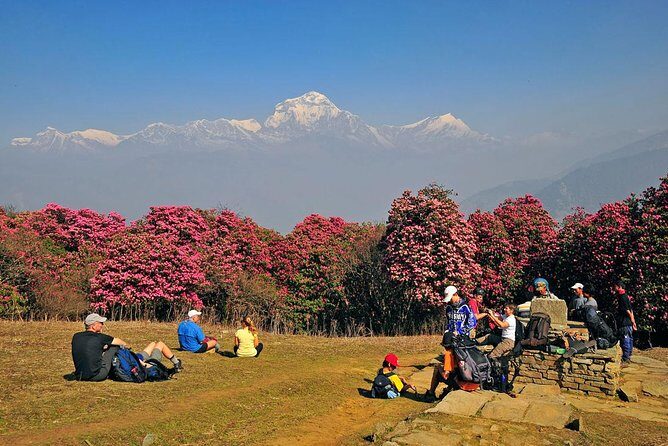
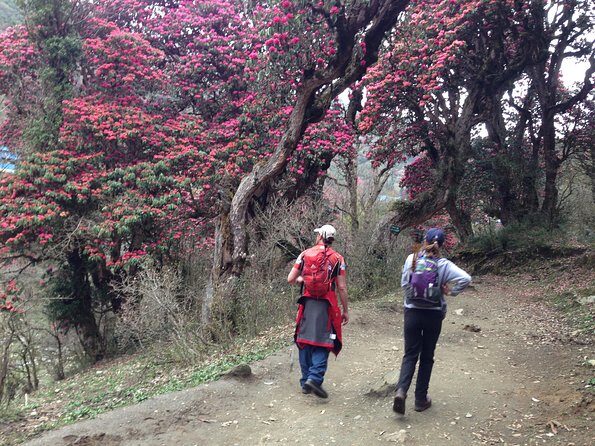
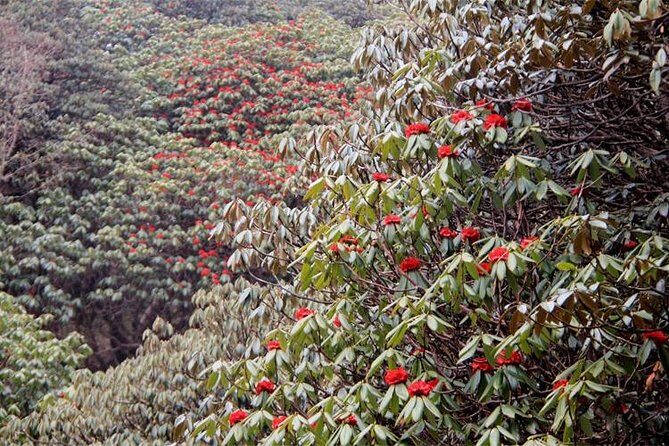
Day two is about the shift from village stairs into more open hiking. The route follows a pleasant trail past Bhanthati and through alpine forest areas—your legs warm up, your breathing regulates, and the scenery becomes more varied. In the overview, this part is described as running through dense rhododendron forests and terraced farmlands, which usually means more color, more pattern, and more frequent little stops for photos.
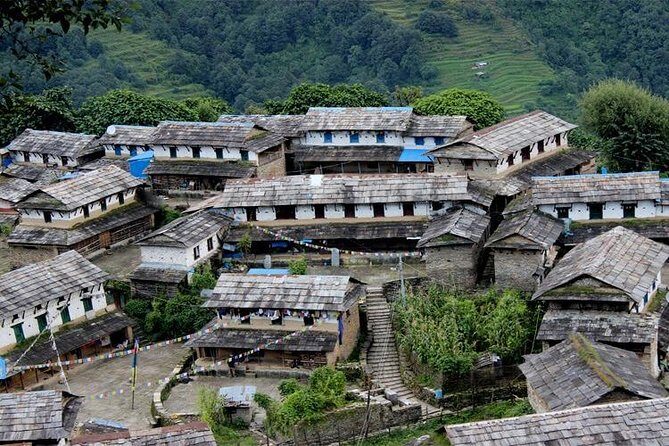
Finally, you arrive in Ghandruk, a large village populated by Gurung people. This is one of those stops where you’re not just walking through. You reach it for lunch and an overnight stay, and you also get afternoon time to explore. For me, that village time is where this trek feels more human than athletic—less about achievement, more about understanding how people live with these mountains close by.
Day-by-Day Walkthrough: What Each Part Really Does for You
Below is what you can expect from the trek’s four days, translated into what it means on your body and your schedule.
Day 1: Foothills Drive and Settling Into the Trail
Day one starts with a drive into the foothills, passing towns and villages and picking up views of the Annapurna mountain range and Machhapuchare. You then reach Nayapul and continue onward toward Ulleri.
The main value of day one is that it sets your rhythm. You’re not thrown into a huge altitude push immediately. You get that first taste of trekking motion after the longer road portion, and by the time you’re walking more steadily, your body starts learning the pace.
Potential drawback: day one is travel-heavy. If you’re the type who likes a full hiking day over a long drive, you might find this day a bit uneven. Still, the views during transit are part of why the trek is so popular.
Day 2: Ulleri Up, Then Forest Trail Rhythm
Day two includes a morning uphill walk for about two hours, and it’s framed as a stretch all the way to Ulleri with views including Annapurna South and Machhapuchare. From there, the hiking gets better past Bhanthati and continues along a trail through forested and alpine terrain.
This is a good day to build confidence. Short treks often fail when they feel like nonstop suffering. Day two is designed to feel like you’re improving as you go: uphill early, then the trail becoming more enjoyable.
One thing to remember: downhill coming later is what makes your knees complain. Even if day two feels manageable, treat it like foundation work.

Day 3: The Early Push to Poon Hill Sunrise
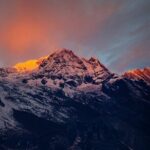
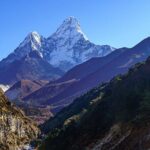
Day three is the big one. You do an early morning hike to Poon Hill (3,210 m) for sunrise views, with the skyline including Dhaulagiri, Manaslu, Annapurna, and far-reaching peaks toward Ganesh Himal. The description also points out Machhapuchare again as a defining feature on the horizon.
This day can feel almost ceremonial. You’re often walking in low light, then stopping at viewpoint time to watch the mountains shift color. It’s one of the few moments on a trek where the time feels different—less about distance, more about atmosphere.
Practical note: mornings at elevation can feel chilly. You’ll want layers you can adjust easily as you warm up and as the light changes.
Day 4: Downhill Into Forest and Ghandruk Culture Time
Day four brings a downhill walk into forest areas to reach Ghandruk, a major village in the Annapurna region with Gurung community roots. You arrive for lunch, and the plan includes an overnight stop there, with an afternoon that’s free for exploring the village area.
For many people, this is the mental relief day. You started with sunrise ambition; now you’re trading altitude work for gentler movement and human-scale sights—homes, streets, and the kind of daily life you don’t get from a viewpoint alone.
There is one trade-off: because it’s short, your time in Ghandruk is limited to what fits the schedule. If you love villages, you’ll probably want to extend your Nepal trip afterward.
Comfort That Matters: Meals, Tea, and Private Bathrooms on a Trek
A trek doesn’t have to be Spartan to feel authentic. One reason I think this Ghorepani Poon Hill Trek stands out is the included comfort level.
You get 3 nights with private attached bathrooms throughout the trek. That’s a big deal for a multi-day hike because personal comfort affects sleep, digestion, and stress. When you sleep better, you walk better on the next day.
Food is also handled: meals are included in the trek schedule with breakfast listed (4), plus lunch (2) and dinner (2). You also get 3 cups of tea during the trek per day. That tea rhythm is more important than it sounds. It gives you predictable warmth breaks when you’re in cold air and making steady climbs.
What about staying in the villages? The route goes through places where teahouses are the norm, and past experience with this kind of trek format often means you’ll have cozy dining spaces and practical amenities like hot water and Wi-Fi in many lodge setups—though the exact quality can vary by village and season. The good part is you’re not left guessing about meals and logistics, because those are bundled into the plan.
Guide and Logistics: Why a Licensed Leader Changes the Whole Feel
This trek includes a government license holder mountain guide. That’s not a small checkbox. On a route like this—where you’re changing elevation quickly and relying on early morning timing—a guide helps you make better calls without overcomplicating things.
In the feedback you provided, multiple guides are named with strong praise: Anos, Arbind, Surya Tamang, and Indako Tamang. Across those comments, the common themes are clear: guides were described as professional, welcoming, and flexible, and several people noted the guide helped with comfort details like carrying a bag at times or adjusting route choices for the group.
You also get a private tour/activity, which means you’re not squeezed into someone else’s pace. The plan lists that only your group participates, which can matter a lot when you’re trekking with kids, traveling solo, or just trying to keep your energy steady.
One more logistics win: the trekking plan includes all ground transportation between the key nodes—Pokhara, Nayapul, Ghandruk, and back to Pokhara. That reduces decision fatigue. You spend your focus where it belongs: walking, breathing, and looking up.
Price and Value: Getting More Than a View for $399.67
At $399.67 per person, you’re not only buying a hike. You’re buying a package that covers the parts that usually cost time and hassle: guide services, ACAP permit support, meals, and ground transport.
Here’s what helps you feel the value:
- The Annapurna Conservation Area Project Permit is included, which matters because you’re walking in a protected region.
- A licensed guide is included, and that’s often one of the biggest quality drivers on short treks.
- You get meals plus the included tea breaks, so you’re not playing menu math every day.
- The plan includes private attached bathrooms for the 3-night trek portion, which can easily turn into real savings versus paying for upgrades on your own.
- You also get all ground transportation among the route points.
What’s not included is also important for budgeting clarity. You’ll need to factor in tips for the guide and travel insurance. Porter fees are listed as $20 per day if you want help carrying gear. (Even on a short trek, having the option to offload your pack can make a big difference in knee comfort.)
So, is $399.67 a bargain? It’s fair for what’s included, especially if you compare it to the cost of arranging permits, transport, and a guided schedule separately. If you’re the type who hates logistical tasks, that convenience is part of what you’re paying for.
Pace, Effort, and What to Pack for This 4-Day Trek
This is listed as a trek most travelers can participate in, but “possible” doesn’t mean “easy.” You still climb, you still descend, and the air is thin enough at Poon Hill to make your body pay attention.
How to pace it:
- Treat day two as your training day. If you walk too fast early, day three morning can feel rough.
- Expect cold morning starts on sunrise day and plan layers.
- Use short stops. On this kind of route, the view is never far, so you can take breaks without losing your rhythm.
What to bring (based on what the itinerary requires, not guesswork):
- Layers for early mornings and cold viewpoints.
- Sturdy hiking shoes or boots that handle downhill.
- A day pack for water and layers, since you’ll be moving through villages and forest trails.
- Cash or a way to handle items that aren’t included (like tips and any porter request).
If you like a light load, you can hike without a porter. If you want to reduce strain, the porter option is listed at $20 per day, so you can decide based on your comfort level and your schedule.
Who This Trek Fits Best (And Who Might Want a Different Plan)
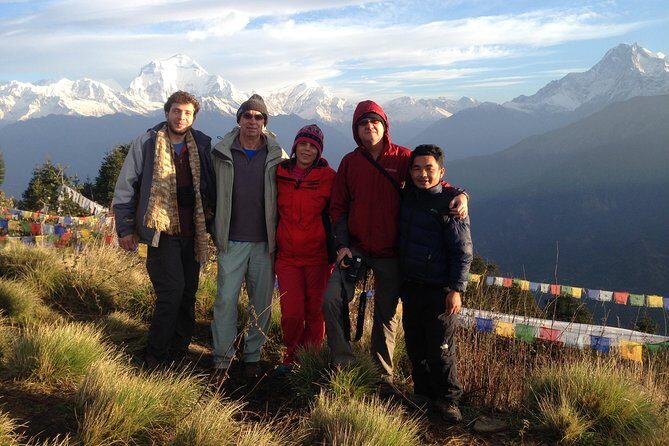
The Ghorepani Poon Hill Trek is a strong fit if you:
- Want a first Nepal trek that’s short enough to complete quickly but still delivers real scenery and culture.
- Prefer a guided route with ground transport handled.
- Care about comfort, especially the included private attached bathrooms.
- Like sunrise experiences and don’t mind early starts.
It might not be the best match if you:
- Want a longer trekking immersion. This plan is only about four days, so you’ll get a taste, not a months-long rhythm.
- Hate uphill walking or are planning minimal training. Even when a trek is beginner-friendly, your body still has to do the job.
Booking Decision: Should You Book This Trek or Wait?
I’d book this Ghorepani Poon Hill Trek if you want the classic Annapurna experience without turning your trip into a logistics project. The mix of Poon Hill sunrise, village stops like Ghandruk, included meals and tea, and those private attached bathrooms is a rare combo for a trek at this length.
I’d also book it if you value professional guidance. The named guides in the feedback—Anos, Arbind, Surya Tamang, and Indako Tamang—are all described with care and flexibility themes, and that matters when you’re moving as a small private group.
Only you can decide if the early morning effort is worth it for your body. If you’re up for a challenge that’s very doable, this trek is one of the smartest ways to start your Himalayan trekking story.
FAQ
How long is the Ghorepani Poon Hill Trek?
The trek duration is listed as about 4 days.
Where does the trek start and what time is it scheduled?
The tour lists a start time of 1:15 pm, and the itinerary includes transfers to the foothills and toward Nayapul.
Is pickup included?
Yes, pickup is offered.
What meals and drinks are included?
The tour includes meals during the trek with breakfast (4), lunch (2), and dinner (2), plus 3 cups of tea per day during the trek.
What does the price include at $399.67 per person?
Included items are the ACAP permit, a government-licensed mountain guide, meals as scheduled, 3 nights with private attached bathroom, tea during the trek, and all ground transportation between Pokhara, Nayapul, and Ghandruk back to Pokhara.
What costs are not included?
Not included are tips for the guide, travel insurance, and porter fees listed as $20 per day.
Can I cancel for a full refund?
Yes. Free cancellation is available up to 24 hours in advance for a full refund.