REVIEW · KATHMANDU
Jeep Trip to Upper Mustang
Book on Viator →Operated by World Himalaya Treks & Expeditions · Bookable on Viator
Mustang is a strange mix of ancient Tibetan life and dusty, high-desert scenery. This jeep trip is interesting because you get the restricted-area culture of Lo Manthang without the daily grind of trekking.
What I like most is how the plan builds from Kathmandu’s big temples into the Mustang rhythm: first sightseeing and riverside towns, then off-road driving and cave-and-monastery days. You’ll also appreciate that permits and key travel admin are handled up front, so your time stays on the road and in the walled city.
The one real drawback to know: this is not a smooth ride. You’ll be on rough 4×4 sections and it depends on good weather, so your schedule can shift if conditions aren’t right.
In This Review
- Key points
- Entering Upper Mustang by Jeep Instead of Trekking
- Kathmandu to Pokhara: A Slow Start Before the Rough Roads
- Kali Gandaki Road: Where the Trip Turns Off Asphalt
- Marpha, Kagbeni, and the Village Rhythm Before Lo Manthang
- Lo Manthang: The Walled City Days You Came For
- Sky Caves and Old Cave Sites in Chhoser and Shija Jhong
- Jomsom and the Return Route: Markets, Stupas, and Tatopani
- Meals, Lodging, and How the Comfort Actually Helps
- Value Check: What You Get for $2,200 in Restricted Mustang
- Who Should Book This Jeep Tour (and Who Should Rethink It)
- Should You Book This Upper Mustang Jeep Tour?
- FAQ
- How long is the Upper Mustang jeep tour?
- Where does the tour start, and how do you end it?
- Are airport transfers included?
- What permits are included in the price?
- Is Kathmandu sightseeing included before heading west?
- What kind of lodging can I expect?
- Are meals included?
- How do you get back to Pokhara on the return days?
- What if weather is bad or the tour needs to be canceled?
- What is the cancellation refund timeline?
Key points
- Upper Mustang permit fee included (restricted area) plus TIMS and conservation paperwork in the package
- 4×4-focused routing that skips trekking while still getting you deep into Mustang’s remote villages
- Lo Manthang time in narrow alleys with stops at older monasteries and special cave sites
- A mix of sights: Kagbeni monasteries, sky caves, caves with long-ago archaeological interest, and market time in Jomsom
- Comfort stays along the way with hotels in Kathmandu and Pokhara and lodges/guesthouses on the route
- Return without backtracking forever, using a flight back to Pokhara on the return day
Entering Upper Mustang by Jeep Instead of Trekking
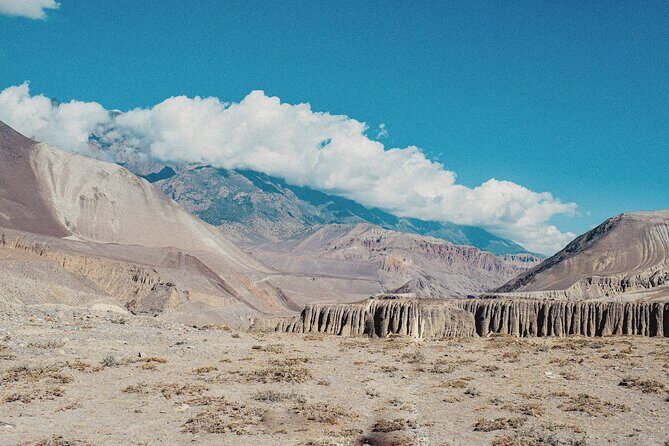
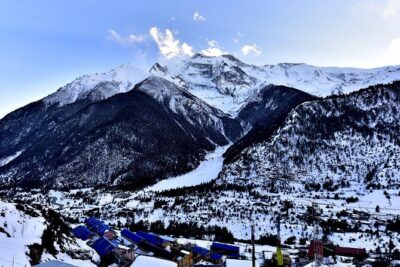
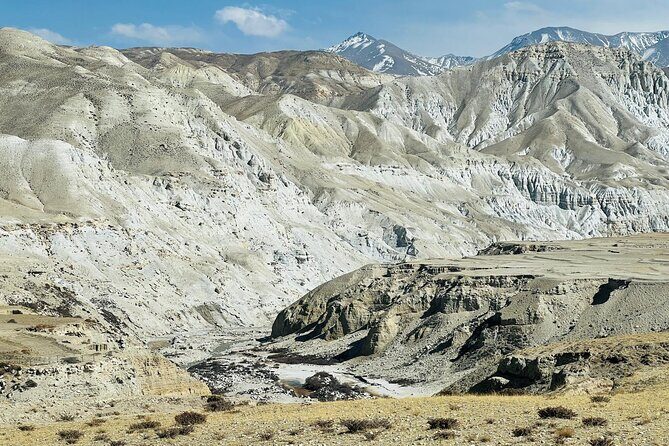
Upper Mustang has a reputation for being remote, dry, and culturally old. This tour keeps that spirit but swaps trekking hours for jeep days. The result: you still cross the same Mustang corridors—Kali Gandaki River follow-up roads, Tibetan-style villages, and the approach to Lo Manthang—but you get to spend your energy looking, listening, and taking photos instead of lifting your legs for every kilometer.
I also like the practical pacing. You don’t just “show up” in Lo Manthang for a half-day and leave. You get multiple days of monastery and cave visits, plus market time in Jomsom and village stops along the way. That matters because Mustang isn’t one view; it’s a sequence of small discoveries.
The last piece I appreciate is the human side. The people behind the trip management—often named in correspondence and feedback as Thakur leading the operation from Kathmandu—are tied to a very hands-on approach. When something changes on the road, you want a team that already thinks about permits, timing, and driver coordination, not just sightseeing.
You can also read our reviews of more tours and experiences in Kathmandu.
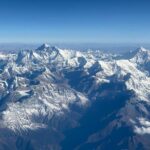
Kathmandu to Pokhara: A Slow Start Before the Rough Roads
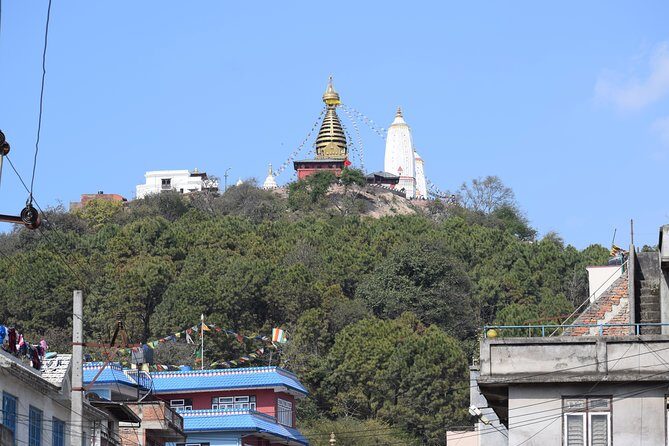
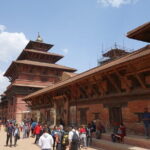
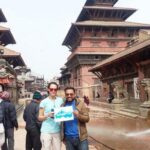
Your journey begins in Kathmandu with airport transfers and a hotel stay. Before heading west, you get classic UNESCO Kathmandu Valley stops that help you understand Nepal’s mix of cultures: Swayambhunath (the monkey temple area), Patan Durbar Square, plus Pashupatinath and Boudhanath Stupa later on. These aren’t just checkboxes. They give you context for why religious sites in Mustang feel different but also connected—Buddhist architecture, daily ritual spaces, and the way communities build meaning into stone.
Then comes the move toward Pokhara. The drive is scenic in a gentle way: you pass greener pockets, rivers, farms, and villages that gradually shift your eye from valley life to mountain dryness. You’ll typically spend a night in Pokhara, which is a smart buffer before Mustang’s rougher segments begin.
One practical note: your Kathmandu days can feel like a lot if you’re tired from travel. The advantage is that the sightseeing is grouped, and you’re not constantly searching for transport. The tour handles the private vehicle transfers on these Kathmandu-side segments.
Kali Gandaki Road: Where the Trip Turns Off Asphalt
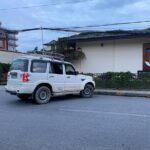
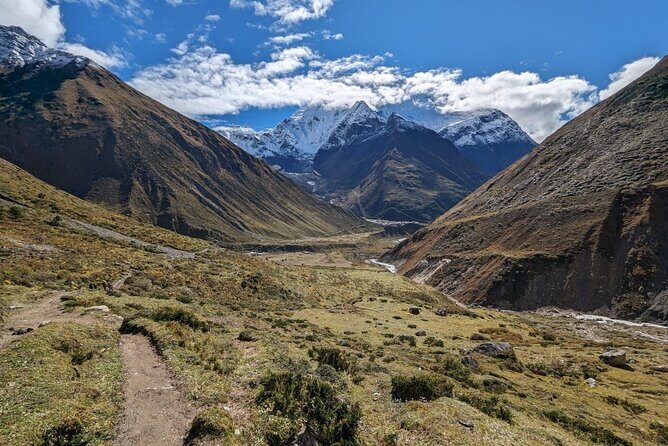
The Mustang part really starts when the route swings toward the Kali Gandaki River. After reaching the town of Beni, you move from paved road to off-road travel. That “from smooth to rough” moment is a big deal, because Upper Mustang isn’t about luxury bedding—it’s about surviving a road that’s working hard against wind, rock, and distance.
On this section, the Kali Gandaki corridor does two jobs at once. It gives you a natural route west, and it puts you in the right mood for Mustang’s arid character. You’re watching the terrain change in front of you, not reading about it later.
This is also where your day-to-day expectations need adjusting. You’ll have jeep travel time, then occasional village and viewpoint pauses, then more road. If you’re someone who hates “travel days,” this still might be for you—just accept that the driving is part of the experience, not a boring in-between.
Marpha, Kagbeni, and the Village Rhythm Before Lo Manthang
Before you enter the deeper restricted zone days, the route steps through key Mustang villages. Marpha is a standout for a simple reason: it’s known for apple farming, so you get a contrast against the surrounding dryness. Even if you’re not there to buy fruit, the village vibe feels grounded and local, and it adds variety before you go full “high-desert Tibetan-style.”
Then you roll into Kagbeni, a village that acts like a cultural switch point for many itineraries. You’ll visit Kagbeni Monastery and a Buddhist school. This is one of those stops where you see how religion and education overlap in daily life. It doesn’t feel like a museum. It feels like an active community.
One logistics moment also matters here. The route includes time for your guide to handle the special Upper Mustang permit check-in before continuing into the restricted area. You don’t need to worry about the paperwork scramble. That’s one of the underappreciated benefits of a packaged jeep trip: you’re not managing permits alone while also trying to stay on schedule.
Lo Manthang: The Walled City Days You Came For
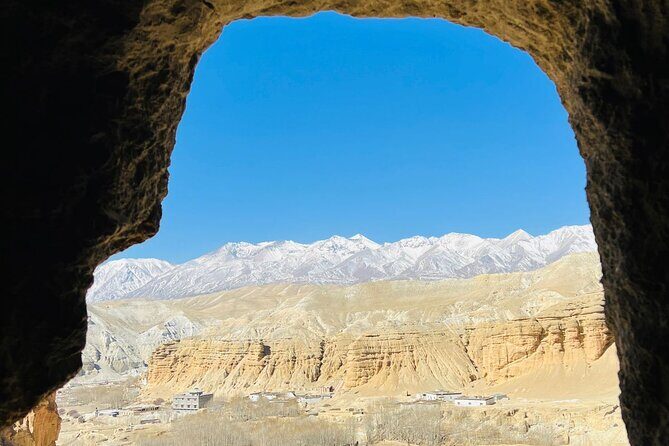
Lo Manthang is the headline. This is the former capital area, known for its walled-city layout, narrow alleys, and traditional architecture. The jeep tour gives you time here that feels paced rather than rushed.
What you’ll focus on inside Lo Manthang days is religion, tradition, and the way heritage survives in everyday routines. You’ll visit major monastery stops, including Jampa Gompa, described as the oldest monastery, plus other important sites tied to the Lo Gager Ghar Gompa and Charang monastery area.
This is also where the tour’s “comfort without trekking” approach pays off. You can spend time walking the city streets, pausing for views, and moving between sites without feeling wrecked by steep hiking. In a place like this, that’s the difference between enjoying the alleys and just trying to get through them.
A helpful way to think about Lo Manthang: you’re stepping into a place where time runs differently. The city walls, prayer spaces, and monastery courtyards aren’t “one big sight.” They’re a chain of small experiences. Having multiple days makes that chain readable.
Sky Caves and Old Cave Sites in Chhoser and Shija Jhong
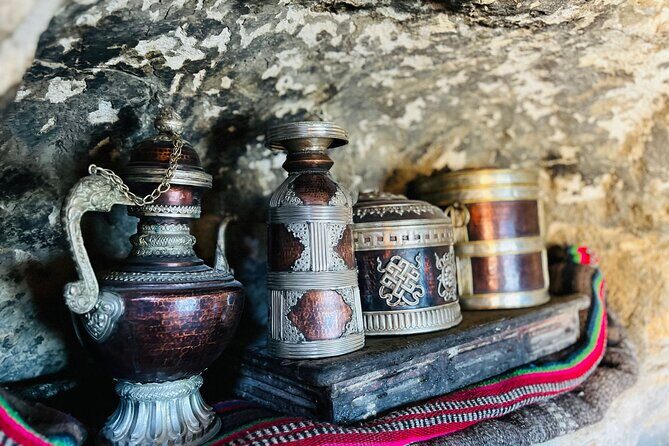
Mustang isn’t all streets and monasteries. On the days in the Lo Manthang region, you’ll also visit cave areas—specifically sky caves of Chhoser and the Shija Jh(on)g cave, noted as dating back more than 3,000 years and connected to archaeological excavation interest.
These cave stops are interesting because they connect landscape with human story. Caves like these raise questions: How did people use them? What did they preserve? Why here? Even if you’re not an archaeology expert, the scale of time comes through fast once you’re standing near sites that have been studied for millennia.
The tradeoff is that cave visits can be a bit more “sit, look, move on” compared to open-air viewpoints. If you love long photo walks, add time in the city alleys. If you love the history angle, focus on how the caves and monasteries sit in the same cultural world.
Jomsom and the Return Route: Markets, Stupas, and Tatopani
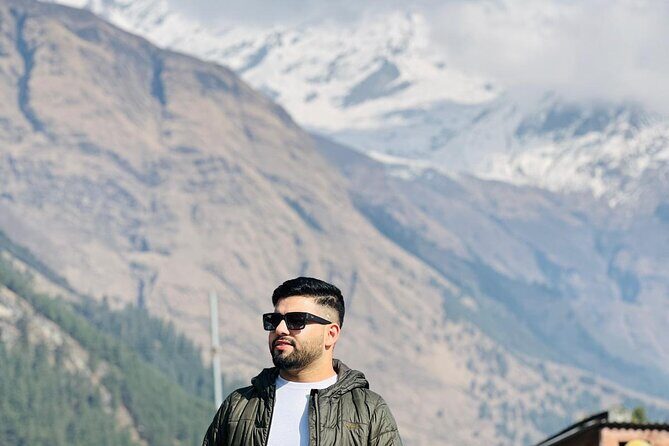
On the way back, you’ll drive to Jomsom, with pauses along the Kali Gandaki River corridor and around local villages. You’ll pass Buddhist stupas and monasteries on route, and you’ll get evening market time in Jomsom. Market time sounds simple, but it’s useful. It’s where you read the trip back in practical terms—what locals sell, what the day’s energy feels like, and what life looks like when you’re not inside a heritage site.
Then you return through Tatopani, the natural hot springs stop. It’s the kind of day that helps your body after jeep travel. You might find it more relaxing than just adding another viewpoint stop—especially if you’ve been jostled for days.
Finally, you make your way back toward Pokhara and do sightseeing in the afternoon. The tour keeps the rhythm from “high desert culture” into “lake city breaks,” which helps you absorb what you saw instead of just rushing home.
Meals, Lodging, and How the Comfort Actually Helps
This trip includes meals in a structured way: breakfast 13 times, lunch 10 times, and dinner 10 times. Hotels and guesthouses/lodges are included as part of the overall route. That’s important for a jeep trip because Mustang days are long and food options can be limited once you’re off main corridors.
What you should plan for: drinks, alcohol, mineral water, and boiled water are not included. So budget extra if you want more than the basic included meals. Also, lunch and dinner in Kathmandu and Pokhara are not included, so you’ll have a couple of meals where you can choose your own spot.
From the operational praise connected with this tour, hotels are often described as clean and well managed, and the drivers are friendly. In other words: when the ride gets rough, you want the end-of-day routine to work. The package is set up so you don’t arrive in Kathmandu or Pokhara without a proper landing.
Value Check: What You Get for $2,200 in Restricted Mustang
$2,200 per person sounds like a big number until you translate it into what’s actually being covered. This is not just transportation. It includes the costly part of getting into a restricted zone: an Upper Mustang restricted area permit fee of $500, plus the Annapurna conservation area permit and TIMS card, and all government and local taxes.
The meals are also largely handled, which matters because saving money by eating on your own isn’t always possible in remote areas. You’re not only paying for the jeep; you’re paying for the system that keeps the trip moving legally and logistically.
Where you still need to spend extra money is mostly “life stuff”: drinks, personal expenses, tips, and anything outside the included meal plan. Also, plan for at least one extra night possibility if you’re forced to adjust due to early arrival or late departure windows, since the package doesn’t assume extra hotel nights automatically.
So if you want Upper Mustang without trekking, and you want permits handled plus reliable daily coordination, the pricing can make sense. If you’re the type who wants maximum flexibility to improvise meals and routes daily, you may feel boxed in by the package structure.
Who Should Book This Jeep Tour (and Who Should Rethink It)
This tour fits best if you:
- Want Lo Manthang and the monasteries/caves without trekking day after day
- Prefer a set route with a guide handling permits and scheduling
- Enjoy jeep travel as part of the adventure rather than something to tolerate
- Like comfort enough that you can actually enjoy walking through tight alleys and monastery courtyards
You might rethink it if you:
- Are prone to feeling motion sickness on rough roads
- Need a very predictable schedule with minimal weather dependency
- Want lots of free time for independent exploration without guided timing
One more “fit” clue: the tour is set up as a private tour for your group. That often means better coordination and fewer bottlenecks than large mixed groups, especially on permit check-in days and driving transitions.
Should You Book This Upper Mustang Jeep Tour?
I’d book this if your dream is Upper Mustang culture—especially Lo Manthang—combined with a road-based comfort plan. The key reason is that the package handles the hard-to-manage parts (like the restricted area permit) while giving you multiple days on the ground where the details matter.
I would hesitate if you’re highly sensitive to rough travel or if you can’t accept weather-driven schedule changes. Mustang is remote, and the tour itself notes good weather is needed, so plan your trip dates with some flexibility if possible.
If you book, prepare for dusty days and concentrate on the places that match your curiosity: city alleys for atmosphere, monastery stops for spiritual architecture, and cave visits when you want the longer-time story of the region.
In short: if you want Mustang’s big cultural payoff without trekking, this is a solid match.
FAQ
How long is the Upper Mustang jeep tour?
It’s listed as 14 days approximately, starting from Kathmandu and ending with drop-off to the international airport by private vehicle.
Where does the tour start, and how do you end it?
The start is at Tribhuvan Airport in Kathmandu. At the end, you’re dropped to the international airport by private tourist vehicle.
Are airport transfers included?
Yes. International and domestic airport transfers are included as per the itinerary.
What permits are included in the price?
The package includes the Upper Mustang restricted area permit fee ($500), the Annapurna conservation area permit, and the TIMS card.
Is Kathmandu sightseeing included before heading west?
Yes. Kathmandu includes sightseeing with visits such as Swayambhunath, Patan Durbar Square, Pashupatinath, and Boudhanath Stupa.
What kind of lodging can I expect?
You’ll stay in hotels in Kathmandu and Pokhara, and comfortable lodges or guesthouses along the route.
Are meals included?
Yes. Breakfast is included 13 times, lunch is included 10 times, and dinner is included 10 times. Lunch and dinner in Kathmandu and Pokhara are not included.
How do you get back to Pokhara on the return days?
The itinerary includes flying back to Pokhara in the morning, and then you continue with Pokhara sightseeing in the afternoon.
What if weather is bad or the tour needs to be canceled?
This experience requires good weather. If it’s canceled due to poor weather, you’ll be offered a different date or a full refund. It can also be canceled if a minimum number of travelers isn’t met, with a similar resolution (different date or full refund).
What is the cancellation refund timeline?
You can cancel up to 6 days in advance for a full refund. Cancel 2–6 days before for a 50% refund. If you cancel less than 2 days before, the amount paid is not refunded.