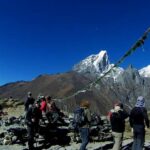
Manaslu Circuit is the kind of trek that feels big without being hectic. You get Himalayan scenery plus Tibetan-influenced villages in Nepal’s Manaslu Conservation Area, with the main payoff being Larkya La Pass and extra options near the border or even a run toward Manaslu Base Camp.
I especially like that this trip keeps logistics steady: English-speaking guide throughout, tea-house/guesthouse stays in twin-sharing, and a porter to take the weight off your duffel (with a 2:1 guest-to-porter ratio). That means you spend your energy on walking and taking in the views, not playing “who forgot the water filter” at night.
One consideration: this is not a casual stroll. The plan assumes moderate physical fitness, and you’ll be dealing with rapid altitude changes, including the high-stress day crossing Larkya La Pass.
In This Review
- Key highlights I’d plan around
- Price and Logistics: where the $1,900 actually goes
- Kathmandu start: Thamel, airport pickup, and getting your bearings
- The trek rhythm: what the daily walking really feels like
- Day-by-day: from Machha Khola to the heart of Manaslu
- Day 1: Kathmandu arrival and a welcome dinner
- Day 2: Kathmandu to Machha Khola (start your walking legs)
- Day 3: Machha Khola to Jagat along the Budhi Gandaki River
- Day 4: Jagat to Deng, with early energy and river-valley trekking
- Day 5: Deng to Namrung for classic high-village views
- Day 6: Namrung to Shyala, a village framed by peaks
- Day 7: Shyala to Samagaun and the culture payoff
- Day 8: Samagaun acclimatization plus optional Manaslu Base Camp
- Day 9: Samagaun to Samdo near the Tibetan border
- Day 10: Another Samdo acclimatization day
- Day 11: Dharamsala acclimatization stop before the pass
- Day 12: Larkya La Pass day—the hardest, most rewarding stretch
- Day 13: Bimthang to Tilche through alpine meadows
- Day 14: Tilje to Dharapani, then drive to Besisahar
- Day 15: Besisahar back to Kathmandu and a smooth landing
- Guides and comfort details that matter more than you think
- Teahouses, meals, and what your evenings will likely look like
- Small-group pacing: the difference between a tour and a trek
- Weather, altitude, and how to stay realistic on Larkya La Pass day
- Who should book this trek (and who should reconsider)
- Should you book the Manaslu Circuit Trek with Awesome Holidays Nepal?
- FAQ
- How long is the Manaslu Circuit Trek on this tour?
- What’s the main highlight of the trek?
- What does the tour include for meals?
- Are permits included?
- Is there a porter?
- Where is the meeting point in Kathmandu?
- What happens if weather is poor?
Key highlights I’d plan around
- Larkya La Pass day is the obvious star, and the itinerary schedules an early start to make it workable.
- Samagaon acclimatization plus optional Manaslu Base Camp trek gives you a choice: recover well or add a bonus challenge.
- Extra acclimatization time in Samdo/Dharamsala before the pass helps you avoid the classic mistake of going too hard too soon.
- Tibetan-border culture vibe is built into the route with days near Samdo and the option for border-side trekking.
- Small group size (max 16) usually means the pace, questions, and daily decisions stay human-sized.
- Permits handled, including restricted area permit takes away a major headache for independent planning.
Price and Logistics: where the $1,900 actually goes
At $1,900 per person, this trek isn’t cheap. But when I look at what’s included, it starts to make sense. You’re paying for a guided, permitted circuit with day-by-day meals counted, tea-house lodging arranged, and the administrative load carried for you.
Here’s what you do get for that price:
- Airport pickup and drop-off (both domestic and international are included)
- Welcome and farewell dinner in Kathmandu
- English-speaking guide throughout
- Porter for your duffel bag, 2:1 guest-to-porter
- Teahouses/guesthouses during the trek (twin-sharing)
- Purified drinking water approach during the trek (via a water purifier or tablets)
- First-aid support in emergencies
- All administrative expenses and government taxes
- Trek permits handled, including the restricted area permit
- A meal schedule that’s mostly covered: lunch 14 times, dinner 14 times, breakfast 15 times
What’s not included is equally important because it affects your real budget. Kathmandu lodging and meals are your responsibility except for the welcome/farewell dinner. Bottled water and drinks aren’t included, and you’ll also want to account for visa costs (tourist visa for Nepal), travel insurance, and emergency evacuation charges. Personal expenses and gear you need to bring yourself are also on you.
If you like the idea of paying once and then not thinking too much for 2 weeks, this pricing structure fits that style. If you’re trying to minimize guided services and do everything on your own, you’d likely find a cheaper approach elsewhere—but you’d also carry more of the planning burden.
You can also read our reviews of more hiking tours in Kathmandu
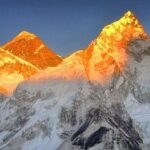
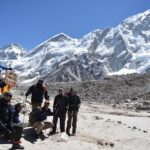
Kathmandu start: Thamel, airport pickup, and getting your bearings
You start in Kathmandu at Kathmandu Business Hotel, Thamel. The plan includes airport pickup and drop-off, which is a relief on arrival day. After you land at Tribhuvan International Airport, you’re met and transferred to the hotel, then you ease into Nepal with a welcome dinner.
Thamel is practical because it’s built around travelers. You’ll likely use it as a staging zone for basic supplies, rest, and getting your trek routine lined up. The itinerary window also lists hours for the activity, running from early morning to late night on Monday through Saturday, so you’re not boxed into an absurdly narrow arrival schedule.
One small note: the plan doesn’t include your Kathmandu hotel nights or most meals beyond the welcome and farewell dinners. So if you prefer not to budget separately, plan ahead for at least a few Kathmandu meals and nights outside the trek package.
The trek rhythm: what the daily walking really feels like
This circuit doesn’t jump straight to the hardest day. It gradually builds. That matters because you’re walking through river valleys, crossing suspension bridges, then moving into higher villages where the air starts to feel different.
Most trek days on the route are around 6–9 hours (with variations), and the itinerary is clearly designed around walking time plus culture stops. You’ll also notice the pattern of spending extra time in key villages for acclimatization. That’s not just “comfort time.” It’s smart scheduling for your body.
Also, the route is built around teahouse life. You’re not traveling in a self-contained lodge bubble. You’ll be part of village rhythms—local guesthouses, shared dining, and the practical reality that you’ll learn the rhythm of a mountain day by doing it, not by reading about it.
Day-by-day: from Machha Khola to the heart of Manaslu
Below is the walkthrough of how the days connect, what each stop gives you, and what to watch for.
Day 1: Kathmandu arrival and a welcome dinner
You land, get greeted, and transfer to your hotel. That first evening is capped with a welcome dinner, which is a nice way to meet your guide and get basic trekking context without formalities taking over your whole night.
Practical plus: arriving with pickup reduces the first-day stress. You can focus on sleep and hydration instead of figuring out transport.

Day 2: Kathmandu to Machha Khola (start your walking legs)
You begin the trek with a scenic drive to Machha Khola. The ride passes rural villages and green hills, giving you that transition from city to trail. Then you hit the start point and settle into the early trek rhythm.
If you get motion-sick, this is the day to take it seriously. The plan has a drive before your first proper walking day, so pace yourself.
Day 3: Machha Khola to Jagat along the Budhi Gandaki River
From Machha Khola you continue to Jagat via trails along the Budhi Gandaki River. You cross suspension bridges, pass terraced fields, and keep moving through a landscape of agriculture and villages.
This day is the “human Nepal” stretch. It’s where you see how the trekking corridor fits into daily life, not just into a scenic postcard.
Day 4: Jagat to Deng, with early energy and river-valley trekking
The next morning starts early and takes you toward Deng (the day’s trek is listed as about 6 hours). Expect river valleys and lush forest trails, with a calmer feel as the walking steadies.
A possible drawback on this kind of day: if you treat early mornings as optional, you’ll feel it later. Start slow, then build as the day warms up.
Day 5: Deng to Namrung for classic high-village views
You trek on to Namrung, with the itinerary highlighting alpine scenery and traditional settlements. This is where the big scenery starts to feel constant, not occasional.
Why it’s valuable: villages like Namrung are perfect for taking in the “style” of the trek—stone, wood, tea-house stops, and the way the route threads through local communities.
Day 6: Namrung to Shyala, a village framed by peaks
From Namrung to Shyala, you’ll walk through scenic stretches lined with views. The plan specifically calls out Shyala as a village with majestic peaks in the backdrop.
This is one of those days where the scenery makes people forget to eat. Don’t. Keep up with your meals because the higher days can be demanding.
Day 7: Shyala to Samagaun and the culture payoff
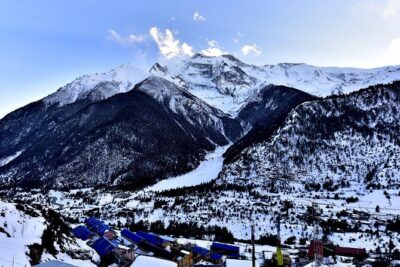
You reach Samagaun, described as a larger village with deep cultural heritage. Expect traditional villages and big mountain views.
The cultural value here is the Tibetan influence mentioned in the overall trek description. In practice, that means the feel of the villages shifts as you go higher—more border-adjacent, more spiritually layered, and less “purely agricultural valley.”
Day 8: Samagaun acclimatization plus optional Manaslu Base Camp
Day 8 adds an extra day in Samagaun to acclimatize. It also includes an option to trek to Manaslu Base Camp.
This is a great choice point. If you’re feeling good, you can add the extra effort. If you want to protect your energy for the pass day, you can use the day to rest more and keep your altitude plan conservative.
Day 9: Samagaun to Samdo near the Tibetan border
You move to Samdo, positioned close to the Tibetan border. The route description emphasizes high-altitude views and serene paths.
This part of the circuit is where you’ll feel the “border” theme most. It’s not just geography; it’s the vibe of the villages and how the trek feels adjacent to a different cultural world.
Day 10: Another Samdo acclimatization day
The itinerary gives you another acclimatization day in the high-altitude area near Samdo, including a scenic hike. The goal is to manage rapid altitude shifts before the pass.
This is one of the most important days on the entire trek. Taking it seriously makes the later day crossing Larkya La Pass more realistic.
Day 11: Dharamsala acclimatization stop before the pass
Day 11 is listed at Dharamsala with an acclimatization purpose before Larkya La Pass. (The plan text repeats some details from the prior acclimatization day, but the core point stays the same: this is extra time to adjust.)
If you want the pass day to go smoother, you’ll treat this day like the warm-up it is—move gently, breathe, and don’t chase extra distance just because you feel capable.
Day 12: Larkya La Pass day—the hardest, most rewarding stretch
This is your big pass crossing at Larkya La Pass. The plan calls for an early start and describes it as both demanding and rewarding.
Here’s what you should plan around mentally: the pass day is not just a long walk. It’s a test of timing, breathing pace, and staying steady when conditions turn tough (which is why the trek schedules extra acclimatization days before it).
Day 13: Bimthang to Tilche through alpine meadows
You trek from Bimthang to Tilje (Tilche in the plan), with alpine meadows and lush forests on the route. This day is more about wide open spaces and recovery after the pass.
It’s also the day where your body starts to realize the circuit is turning toward the finish.
Day 14: Tilje to Dharapani, then drive to Besisahar
The itinerary closes the walking portion with a trek to Dharapani, followed by a drive to Besisahar. You’ll say final goodbyes to the trail on foot, then switch to vehicle travel for the return leg.
This is where the trip changes gear. If you hate waiting in vehicles after a long trek day, I get it—still, this sequence keeps the final day from dragging out into one more exhausting hike.
Day 15: Besisahar back to Kathmandu and a smooth landing
You return to Kathmandu with a scenic ride and end back at the meeting point. It’s the last chapter: you trade trail pacing for city pacing and collect your memories the moment your legs feel human again.
Guides and comfort details that matter more than you think
A trek like this lives or dies by how well the day is organized. The standout theme from the feedback is that the team runs things smoothly and stays responsive. One name that came up in compliments is Mr. Raman Shrestha, described as supportive, knowledgeable, and warm during a Manaslu Circuit trek in March.
Another guide-related name mentioned is Mr. Bipin, credited with thoughtful gestures that helped the trip feel easy from day one.
You can also see the “comfort approach” in how they handle porters and pacing. With the porter carrying your duffel bag and the 2:1 guest-to-porter ratio, you’re less likely to arrive at high-altitude villages feeling wrecked before dinner. That matters because tea-house evenings are where you regroup, hydrate, and sleep.
One more practical comfort item: the plan includes purified drinking water during the trek using a water purifier or tablets. That reduces one major variable. You still manage your own water habits, but you’re not guessing what’s available day to day.
Teahouses, meals, and what your evenings will likely look like
You’ll stay in teahouses/guesthouses on a twin-sharing basis. Your meals are mostly mapped out: breakfast 15 times, dinner 14 times, and lunch 14 times. That’s a big deal on a trek because it removes the uncertainty of whether you’ll find something that works for you at the right time.
Dining on a circuit trek is simple by necessity, but it also becomes a daily ritual: eat, talk briefly with other trekkers (or keep it quiet), then get sleep. The value here is schedule reliability. Your energy stays focused on walking because meals are counted in the plan.
What’s not included: bottled water or drinks. You’ll want to plan to purchase or use whatever water-handling system is in place for you, since personal beverages fall outside the included items.
Small-group pacing: the difference between a tour and a trek
This trek has a maximum group size of 16 travelers. That’s enough people for company, but small enough that your guide can notice if someone is lagging, moving slower, or struggling with altitude.
The feedback also points to planning being adjusted to what people want. I wouldn’t assume every trip becomes custom, but the fact that there are optional add-ons in the route (like Manaslu Base Camp and the Tibetan-border possibility) already gives you built-in flexibility. In practice, that’s where small-group structure helps: you can make choices without the whole plan falling apart.
Weather, altitude, and how to stay realistic on Larkya La Pass day
This experience requires good weather. If weather doesn’t cooperate, the plan states you’ll be offered a different date or a full refund. That matters because high passes are weather-sensitive.
Also, the itinerary explicitly builds in acclimatization days at Samagaun and in the Samdo/Dharamsala area. Don’t treat these like filler. If you follow the schedule, you give your body a chance to adapt before Larkya La Pass.
A practical way to think about it: the pass day is scheduled after you’ve had multiple chances to adjust. That’s the itinerary speaking in a calm voice: trust the plan.
Who should book this trek (and who should reconsider)
This trip fits best if you want:
- A guided Manaslu Circuit Trek with permits taken care of
- Tea-house nights and a steady rhythm of meals
- Culture and villages, not just summit chasing
- Time built in for acclimatization and at least one “choice day” (Samagaun with optional Base Camp)
It may not be the right call if:
- You want full independence and zero group coordination
- You’re unwilling to manage moderate fitness needs
- You’re not comfortable with long trekking days and altitude changes (even with acclimatization)
If you’re traveling as a senior citizen couple or anyone who wants a more relaxed management style, the feedback includes examples of trips designed for older travelers. This trek’s structure (porters, acclimatization days, small group) lines up with that kind of comfort.
Should you book the Manaslu Circuit Trek with Awesome Holidays Nepal?
I’d say book it if you like your adventure organized enough that you can focus on the trail. The price is easier to swallow when you see what’s included: guide, permits (including a restricted area permit), purified water, meals, and tea-house lodging arranged for you. That’s a lot of heavy lifting taken off your plate.
I’d hold off if you want to build everything yourself or if you haven’t budgeted for Kathmandu meals/lodging, visa, and travel insurance. Also, be honest about your fitness and your comfort with altitude. The itinerary gives you acclimatization time, but it still includes a demanding Larkya La Pass day.
If you want a trek that mixes high mountain effort with Tibetan-influenced village life—and you’d like it to feel stress-free and well run—this one is worth serious consideration.
FAQ
How long is the Manaslu Circuit Trek on this tour?
It’s listed as 15 days (approx.).
What’s the main highlight of the trek?
The itinerary highlights crossing Larkya La Pass, and it also includes optional treks related to the Tibetan border and Manaslu Base Camp.
What does the tour include for meals?
The package includes breakfast (15 times), lunch (14 times), and dinner (14 times) during the trek.
Are permits included?
Yes. The plan says it includes all required trek permits, including a restricted area permit.
Is there a porter?
Yes. You get a porter to carry your duffel bag, with a 2:1 guest-to-porter ratio.
Where is the meeting point in Kathmandu?
The meeting point is Kathmandu Business Hotel, Thamel, Kathmandu 44600, Nepal, and the activity ends back at the meeting point.
What happens if weather is poor?
The tour requires good weather. If it’s canceled due to poor weather, you’ll be offered a different date or a full refund.