REVIEW · KATHMANDU
14 Days Everest Base Camp Trekking
Book on Viator →Operated by Hiking Himalayas Trek and Expedition Private Day Tours · Bookable on Viator
Everest feels close on this 14-day trek plan. I especially like the Kathmandu–Lukla flights and how they set you up fast for big mountain views, plus the acclimatization structure that makes the high-altitude days feel more manageable.
One trade-off: the walking is serious. Several trekking days run around 10 hours, and you’ll be high enough that you should treat pacing and rest as non-negotiable, not optional.
In This Review
- Quick highlights from this Everest Base Camp trek
- Kathmandu arrival energy, then straight to the mountains
- Lukla flight: the steep runway moment that powers the trek
- Phakding to Namche Bazaar: bridges, park gates, and the first real crowd of peaks
- Namche rest day and Everest View Point: acclimatize without losing the magic
- Tengboche and the Khumbu ridgeline views: first strong Everest angles
- Dingboche area: forests, gompas, and a calmer pace to recover
- Gorakshep and Everest Base Camp: the glacier path feel and the emotional payoff
- Kala Pathar in the morning: the best viewpoint day on the route
- Pheriche back toward Tengboche and the return through forests
- Lukla back and Kathmandu air: a celebratory finish
- What you pay $1,420 for, and where you’ll spend extra
- Who this Everest Base Camp trek fits best
- Should you book this Everest Base Camp trek?
- FAQ
- FAQ
- What is the meeting point and start time?
- Are flights between Kathmandu and Lukla included?
- What guide support is included?
- What kind of accommodations do you get during the trek?
- Are permits included for the Everest Base Camp trek?
- What food is included on the trek?
- What costs are not included that I should budget for?
- Is there a visa requirement?
Quick highlights from this Everest Base Camp trek
- Lukla arrival on a steep runway: you start the adventure with a dramatic first moment
- Rest days that actually matter: built-in breaks in Namche and Dingboche
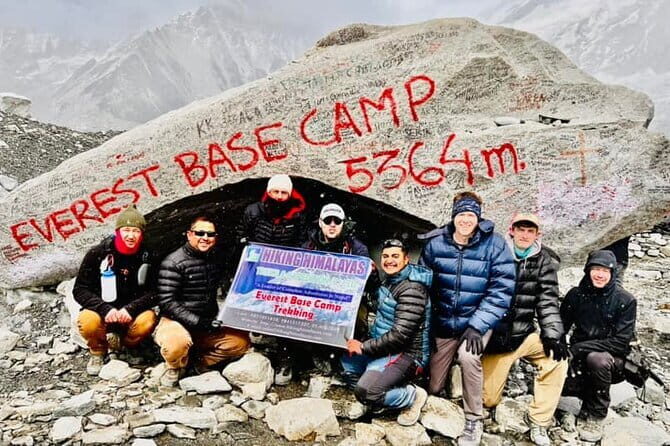
- Big-view payoff days: Kala Pathar around 5,565m and Everest Base Camp around 5,364m
- Certified English guide plus porter support: smoother logistics, especially on tougher sections
- Lodge-to-lodge planning: twin-sharing tea house stays during the trek
- Included permits and trekking essentials: map, first aid kit, and an achievement certificate
Kathmandu arrival energy, then straight to the mountains
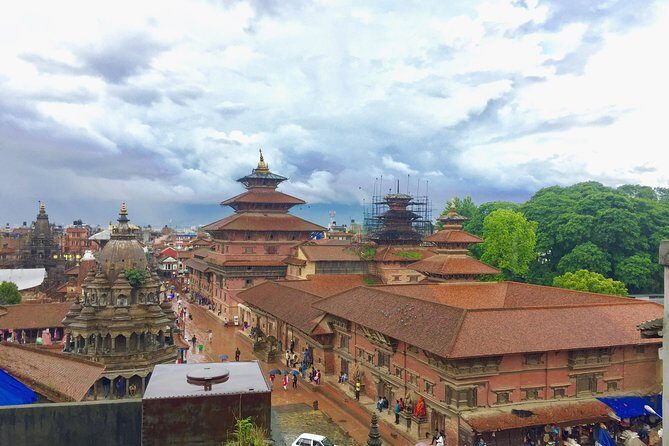
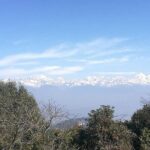
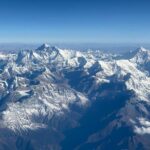
You begin in Kathmandu, and the trip starts with mountain buzz before you even lace up boots. On clear days, the flight into Kathmandu can show snow-capped peaks dropping into the valleys below, which is a strong mental warm-up for what’s coming.
What I like most is that the plan doesn’t leave you guessing. You get private vehicle transfers between your hotel and the domestic airport, and you’re met early at Tribhuvan International Airport with a listed start time of 6:15am. That matters in Kathmandu, where getting organized can eat up energy you’ll want later on the trail.
The other thing you’ll appreciate: this is set up as a private tour/activity with only your group participating. You won’t be stuck doing “whatever time someone else decides” on arrival day, and it generally keeps the whole rhythm tighter.
You can also read our reviews of more hiking tours in Kathmandu
Lukla flight: the steep runway moment that powers the trek
The first major logistics day is the flight to Lukla and then the trek start at about 2,850m (after a steep runway landing). This is one of those travel moments that quickly changes your mood from vacation-mode to adventure-mode, and it happens immediately.
From Lukla, you head into the Dudh Koshi Valley, working your way toward Phakding (around 2,656m). The route is well-marked, and you’ll cross the kind of suspension bridges that make you feel small in the best way, with rivers moving below you like fast-moving lines.
Here’s the practical angle: the early day is long (about 10 hours is listed), but it’s also a useful “settle-in” hike. You’re not yet at the highest zones, so it’s a good time to test your gear, your water routine, and your own pace before altitude starts to play bigger tricks.
Phakding to Namche Bazaar: bridges, park gates, and the first real crowd of peaks
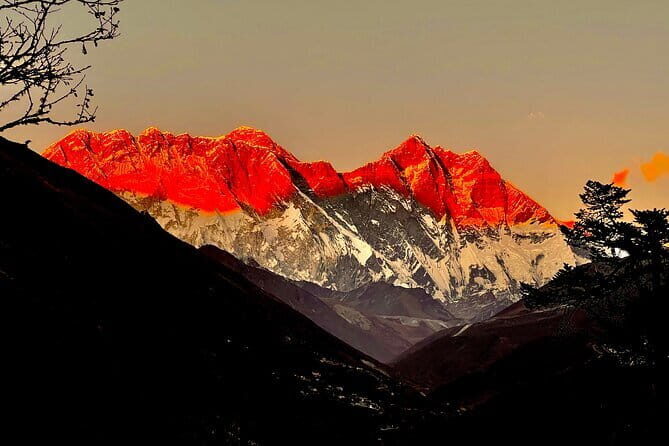
On your way to Namche Bazaar (around 3,440m area), the trail repeatedly crosses and re-crosses river sections using high-suspension bridges. This isn’t just scenery. Those bridges teach you balance and foot timing early, before the trail gets narrower and steeper later.
You’ll also pass the entrance point to Sagarmatha National Park, which exists to protect this fragile Himalayan environment. For me, that’s a key part of the experience: you’re not only hiking toward the world’s highest peak, you’re also hiking inside a managed landscape where permits and rules matter.
The typical big win here is the Namche buildup. As you get closer, the peaks start feeling less like distant postcards and more like physical presences. Lodges, tea shops, and shops grow around the village, so it’s also a good place to reset mentally before the higher elevations.
Namche rest day and Everest View Point: acclimatize without losing the magic
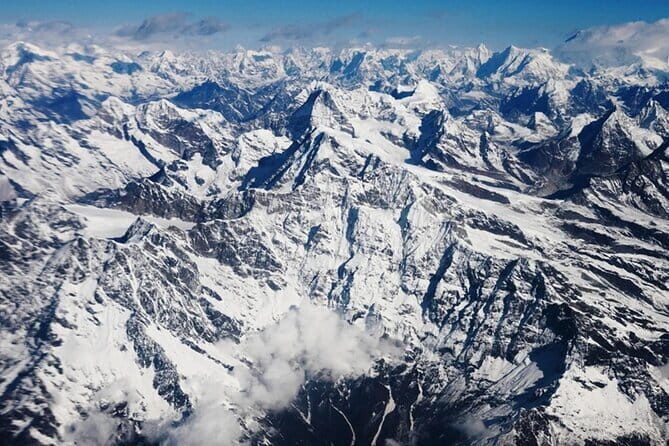
Your day in Namche is designed for acclimatization. That’s not a “break day” in the lazy sense. It’s a structured day where you rest, take in the town, and still get up to Everest View Point to look at the massif while your body adjusts to thinner air.
Namche sits between ridges with dramatic peaks around it, and the village has an easy pace once you arrive. You’ll likely find yourself doing the same thing most trekkers do here: standing still more than you planned, just to watch clouds move off the summits.
The benefit for you is simple: a planned acclimatization day reduces the odds you’ll feel wrecked when higher terrain demands more effort. If you’ve ever rushed altitude before on another trip and paid for it, you’ll be glad this itinerary builds a buffer.
Tengboche and the Khumbu ridgeline views: first strong Everest angles
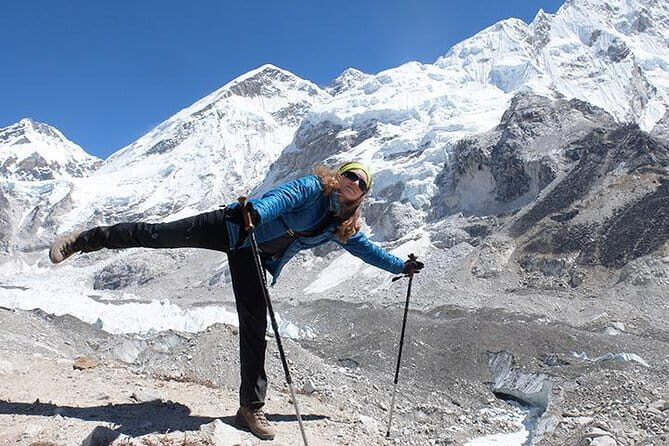
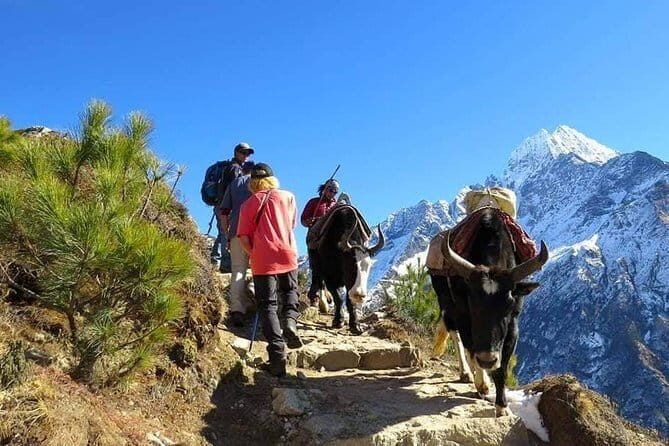
After Namche, the trail contours along the valley side above the Dudh Koshi. This is where the trek starts shifting from “getting there” to “wow, there it is.” You pass through villages and rhododendron-type zones, and you’ll start seeing major Khumbu peaks clearly.
One of the first big view clusters includes Everest, Lhotse, Nuptse, and Ama Dablam. You also reach Tyangboche (Tengboche area) after a long day (about 10 hours listed), and this is a key spiritual-and-view point on many routes through the region.
What you should consider: this is still a hard hike day. You’ll be tired, and the temptation is to chase views at the expense of your breathing. My advice is to treat every viewpoint like a pause, not a sprint. Take the photos, then get back into a steady rhythm.
Dingboche area: forests, gompas, and a calmer pace to recover
The path from the Tengboche zone heads toward the Dingboche area around 3,985m (the itinerary includes Pangboche/Dingboche area details), with a mix of downhill into forest and then climbing again. You’ll cross the Imja Khola along the way, and you’ll notice how quickly the terrain changes as altitude rises.
This section is particularly memorable for the combination of mountain views and culture. You’re looking toward Ama Dablam, and you pass places with gompa structures and mani walls that reflect the region’s Buddhist traditions.
Then comes a key day: rest and acclimatization in Dingboche. A rest day at this elevation is gold. You get to wander up the valley to Tshola Tsho (around 4,510m) and take in steep walls like Cholatse and Taboche, with an optional climb toward Nagarjun around 5,100m. That gives you choice without forcing everyone to the same hard effort.
Gorakshep and Everest Base Camp: the glacier path feel and the emotional payoff
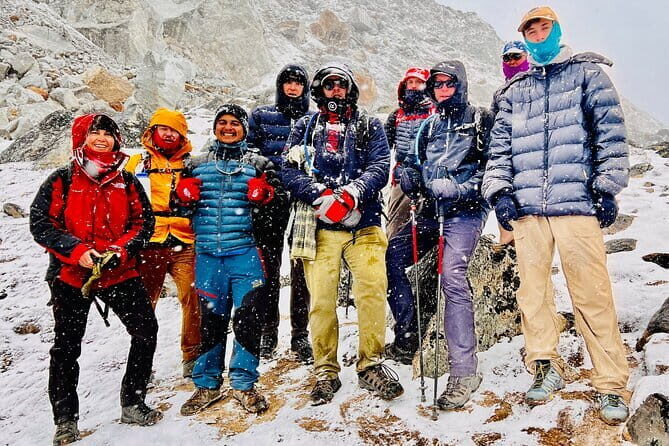
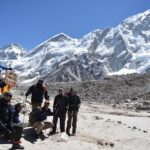
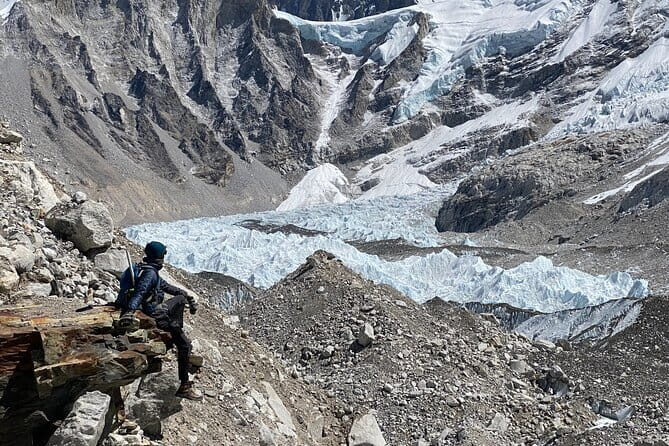
After Lobuche, you push toward Gorakshep (around 5,164m). The trail follows the Khumbu Glacier, and the route offers superb mountain views—especially where the path rises to cross tributary glacier sections. This isn’t an easy walk, but it’s the kind of walking that feels meaningful because the terrain is unmistakably high-mountain.
Later that afternoon, you go to Everest Base Camp (listed around 5,364m). The time estimate is about 5 hours to reach Base Camp, and the return adds time, for a long day overall (about 7 hours listed including the Base Camp portion). You’ll see ice pinnacles and pass near crevasse areas, so keep your attention on the trail and your footing.
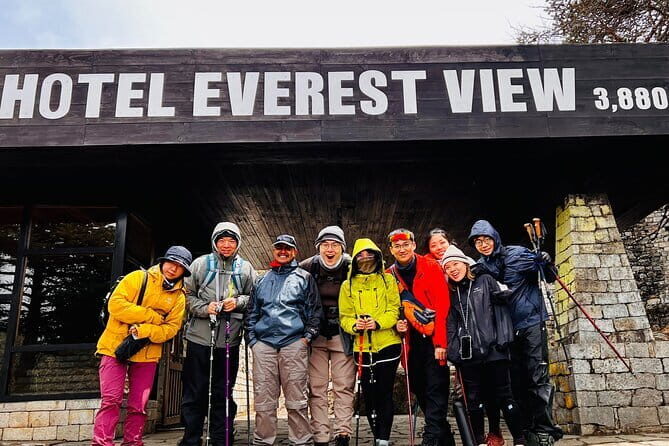
This is also where the guides’ approach matters. In feedback from past trekkers, guides such as Hari and Kapil have been praised for staying calm and focused, and for checking on physical and mental well-being. On a day like this, that matters more than people expect. It’s not just logistics. It’s helping you keep a steady mindset when your body is tired.
Kala Pathar in the morning: the best viewpoint day on the route
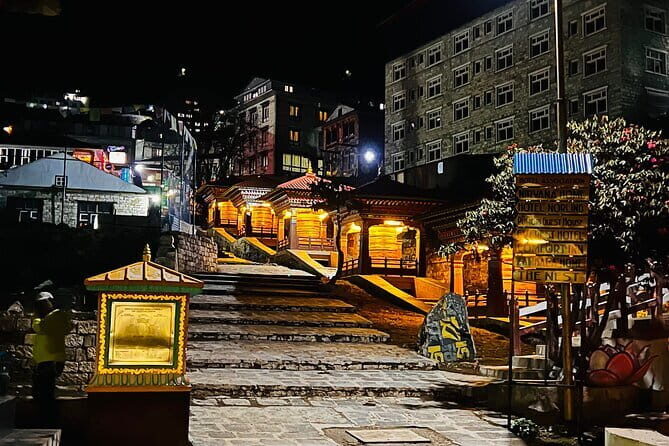
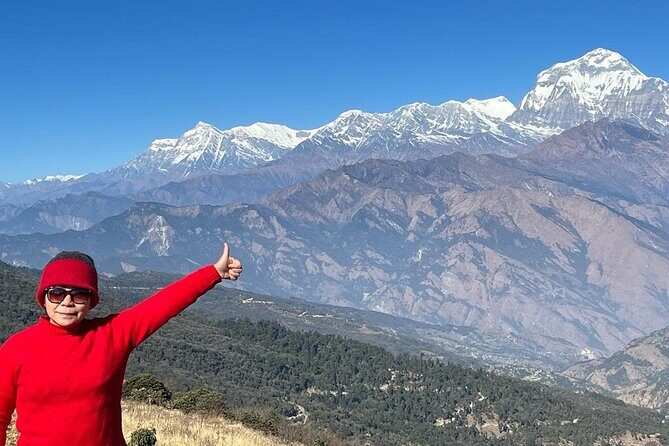
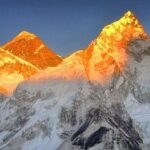
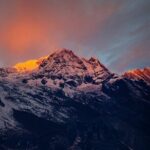
The best single viewpoint moment on this trek is the early hike to Kala Pathar (around 5,565m). You go at sunrise or near-early morning timing (it’s described as early morning), and the payoff is huge: wide views toward Everest plus surrounding peaks like Nuptse, Amadablam, Pumari, Lola, Lhumbute, and more.
After that viewpoint push, your day turns mostly downhill, retracing toward Duglha and descending to Pheriche. If you’re worried about the trek feeling like nonstop suffering, this is the pattern you want: one demanding high point, then a downhill recovery leg.
One practical note: the itinerary includes a “mostly downhill” day after Kala Pathar, which is exactly when you’ll want strong trekking rhythm and careful steps. Your legs might feel heavy, and descending can be rough on knees, so use short steps and keep the pace controlled.
Pheriche back toward Tengboche and the return through forests
On the later trek days, you’ll retrace parts of the region, but it doesn’t feel repetitive in the way you might expect. The light changes, and you’re watching the mountain faces from new angles as you move back through the valleys.
You head from Pheriche toward Namche Bazaar and Tengboche areas, including crossing river sections and climbing through birch and rhododendron forest. This forest portion can feel like a gift after glacier-adjacent days, because the footing is often less exposed and the rhythm can get steadier.
The itinerary shows long travel days again (around 10 hours listed), so your body still needs patience. But the mental effect is real: you’re moving toward the end, and the scenery is the same mountains you’ve already bonded with, now with a different mood.
Lukla back and Kathmandu air: a celebratory finish
The final trekking day follows the Dudh Kosi down to Lukla (around 2,800m). This is your last push through the valley rhythm before flights return you to Kathmandu.
The itinerary includes an evening celebration on this last night, with a party involving Sherpa guides. That’s a nice touch because it acknowledges what you just did. After days of altitude and careful pacing, closing the trek with something social and appreciative helps the whole experience land in a satisfying way.
Then you fly back to Kathmandu for your free time day (with meals and accommodation in Kathmandu not included in the base trek price). Your final day includes airport support for your departure via Tribhuvan International Airport.
What you pay $1,420 for, and where you’ll spend extra
The trek price is $1,420, and the main value here is that you’re not just paying for a guide walk. You’re paying for the whole system: round-trip Lukla flights, permits, private transfers from hotel to domestic airport and back, and lodge-to-lodge accommodation during the trek.
You also get a certified English-speaking guide, plus essential porter support (shown as a ratio of 2 trekkers to 1 porter). The porter arrangement includes porter meals, accommodation, and insurance details, which is a practical safety and fairness piece of the plan.
During the trek, you’re also covered for key meals listed in the package (breakfasts and dinners, plus lunches on trek days) and you even get seasonal fruits. You’ll still want to budget for personal items, especially because drinks and snacks aren’t included.
Extra costs you should plan for:
- Kathmandu food and accommodation: $45 per day (not included)
- Hot shower during the trek: $5 per person (not included)
- Nepal entry visa: $40 for 30 days (can be obtained on arrival)
- Travel insurance and international airfares (not included)
- Tips and personal expenses (not included)
For budgeting, the big thing is time in Kathmandu. The trek itself is covered, but Kathmandu nights can quietly add up if you’re not expecting them.
Who this Everest Base Camp trek fits best
This trek is for people with strong physical fitness, since the itinerary includes multiple long walking days (often around 10 hours) and high elevations that demand steady pacing.
I think it’s a good match if you want:
- A route that builds in acclimatization breaks in the right places
- A team setup with an English guide and porter support
- A lodge-to-lodge plan, so you’re not hunting for beds every night
It’s also a solid option for mixed-experience groups, because in feedback there are examples of families and groups with kids completing the trek with guides who stayed patient and supportive. That said, you still need to be realistic about distance and altitude, and you should go based on your group’s ability, not just your enthusiasm.
Should you book this Everest Base Camp trek?
If you want a planned, well-supported Everest Base Camp trek with Lukla flights, permits, an English guide, and porter help, this one makes a lot of sense for the money. The structure around acclimatization days in Namche and Dingboche is the kind of detail that can mean the difference between enjoying the mountains and feeling wrecked.
I’d book it if you’re fit enough for long hiking days and you’re okay budgeting extra for Kathmandu nights, drinks, and the occasional paid hot shower. Skip it if you’re hoping for a short, easy hike, or if high-altitude trekking doesn’t match your current fitness reality.
FAQ
FAQ
What is the meeting point and start time?
The trek meeting point is Tribhuvan Airport in Kathmandu, Nepal, with a start time of 6:15am.
Are flights between Kathmandu and Lukla included?
Yes. The package includes round trip flights from Kathmandu to Lukla and Lukla back to Kathmandu, including departure taxes.
What guide support is included?
You get 1 professional English speaking certified guide, plus porter support (2 trekkers to 1 porter). The guide and porter details include foods, accommodation, and insurance.
What kind of accommodations do you get during the trek?
You’ll stay in best available twin-sharing lodges (lodge-to-lodge) during the trek.
Are permits included for the Everest Base Camp trek?
Yes. All required permits for the trek are included.
What food is included on the trek?
The package includes breakfast (13), lunch (11), and dinner (11) along with seasonal fruits during the trek.
What costs are not included that I should budget for?
Kathmandu food and accommodation are not included ($45 per day). Also not included are travel insurance, international airfares, drinks/snacks/personal expenses, hot showers during the trek ($5 per person), and tips/gratuities for staff and drivers.
Is there a visa requirement?
Yes. A Nepal entry visa can be obtained at the airport upon arrival for USD 40 for 30 days.