REVIEW · KATHMANDU
Kathmandu Bhaktapur Patan Authentic Local Tour +7 UNESCO WH Sites
Book on Viator →Operated by Himalayan Adventure Therapy · Bookable on Viator
Kathmandu Valley can feel like a whole other world. This 3-day route is interesting because you spend real time with local Newar experts and you don’t just stand at landmarks—you watch juju dhau being made, plus you get into pottery and craft traditions in Bhaktapur and Patan. I especially like the way the schedule mixes famous sites with smaller stops that explain daily life, not just monuments. The one drawback: it’s a full, stop-heavy plan, so you’ll want comfortable shoes and a little patience for transfers, crowds, and temple queues.
What makes it work is the value packing. At $385 per person, you’re paying for an air-conditioned private vehicle, a certified local leader, and the entrance fees that add up fast in these historic areas. You also get a bottle of water each day, plus the tour leans on hands-on sessions and neighborhood walking—like the Asan area in Kathmandu—so the time doesn’t feel wasted. If you’re the type who wants long, slow breaks to yourself each day, this may feel a bit busy.
In This Review
- Quick Hits: What’s Most Worth Your Time
- Why Kathmandu, Bhaktapur, and Patan Feel Like One Story
- Day 1 in Bhaktapur: Juju Dhau, Siddha Pokhari, and Pottery Square
- Bhaktapur Durbar Square and the Temple Circuit (Chandeshwori, Dattatreya, Navadurga)
- Day 2 in Patan: Patan Dhoka, Stupas, and the Golden Temple
- Patan’s Hitis, Golden Fountain, and Oku Bahal Courtyards
- Day 3 in Kathmandu: Durbar Square Lanes to Swayambhunath and Pashupatinath
- Price, Inclusions, and What You’re Really Paying For
- Small Logistics That Matter: Pacing, Shopping, and Food Timing
- Should You Book This 3-Day Valley Tour?
- FAQ
- How long is the tour?
- What time does the tour start?
- Does it visit UNESCO World Heritage sites?
- What’s included in the price?
- What is not included?
- Is the tour private for my group?
Quick Hits: What’s Most Worth Your Time
- Juju dhau making in Bhaktapur: you watch the preparation as part of the tour flow, then you’re in the right mindset to taste local food seriously
- Pottery Square workshop energy: you’re in the middle of the craft work, not just viewing a product
- Patan’s craft-courtyard style: hiti water spouts, temples, and monastery courtyards keep the day from turning into one long walk around a plaza
- Temple-to-temple pacing: Bhaktapur’s Durbar Square plus pagoda-style shrines and outer-city temples give context for how the city protects itself
- Kathmandu’s daily-lane approach: Thamel to Asan Tole and then out to Swayambhunath and Boudhanath makes the city feel lived-in
- Private-group feel: the tour is private to your group, so your guide can slow down (or speed up) for your questions
Why Kathmandu, Bhaktapur, and Patan Feel Like One Story
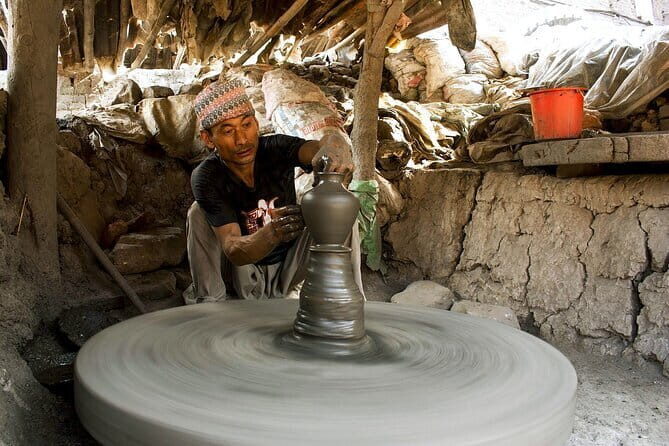
This tour is built around three close-in ancient cities: Kathmandu, Bhaktapur, and Patan. In most itineraries, you get a quick look, a photo, and then you’re off. Here, the order and the stop mix are designed to help you see patterns: how Newar communities built around religion, how craft skills got tied to temples and city life, and how water features like ponds and hiti link daily routines to sacred spaces.
You’ll also notice the guide approach. The tour emphasizes native experts—people tied to the communities of Kathmandu, Bhaktapur, and Patan—so you’re not stuck with a generic script. In the feedback that stood out, guides like Nirajan (from Bhaktapur) were praised specifically for explaining the small details behind juju dhau, pottery, local foods, and everyday streets, not just reciting dates.
The other thing I like: the trip is structured to cover all seven UNESCO World Heritage sites in the valley cluster. Even if you don’t care about UNESCO labels, that coverage usually means you hit the major anchor points that help you understand the bigger Kathmandu Valley story.
You can also read our reviews of more tours and experiences in Kathmandu.


Day 1 in Bhaktapur: Juju Dhau, Siddha Pokhari, and Pottery Square
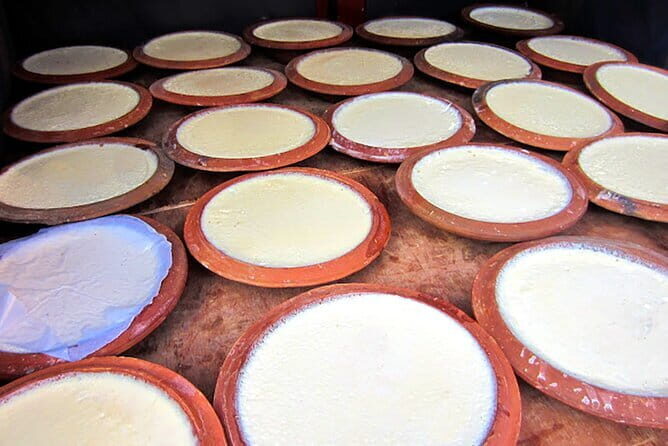
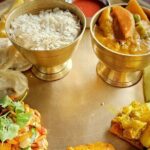
Bhaktapur is where this tour starts to feel different. The plan opens with a live session demonstrating the preparation of juju dhau, one of the most famous local dishes in the city. Instead of treating food as a random stop, you get context first: ingredients, process, and the idea that this isn’t fast street-snack culture—it’s craft-level cooking tied to place.
From there, you move to Siddha Pokhari, a historic pond near the entrance area of Bhaktapur Durbar Square. Ponds in places like this aren’t just scenery; they’re part of how neighborhoods organized themselves around ritual and daily life. It’s a short stop, but it helps you see Bhaktapur as a city with rhythms, not just a museum.
Next comes Pottery Square, reached via Barahi Agam Ghar. This is the kind of stop that can be hit-or-miss on other tours, because pottery can turn into a “look and leave” moment. Here, it’s framed as lively pottery activity where locals work on the craft. You’re in the right atmosphere to notice tools, materials, and the way artisans use space.
If you enjoy watching how skilled people do their work, this day does that job well. If you’re more interested in big views and sweeping architecture, Bhaktapur delivers, but you’ll need to accept that part of the payoff is attention to small things—textures, process, and city details.
Bhaktapur Durbar Square and the Temple Circuit (Chandeshwori, Dattatreya, Navadurga)
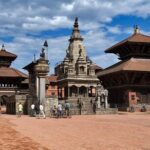
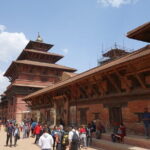
After Pottery Square, you reach Bhaktapur Durbar Square, one of the top attractions in the city and a UNESCO World Heritage site recognized in 1979. Durbar Squares can be overwhelming—there’s so much stone and carving you start to feel like your eyes are doing pushups. The value here is the guidance that helps you orient: what you’re looking at, why it matters locally, and how the sites connect to religious practice.
Then the tour keeps building the temple story with Chandeshwori, described as an intricately designed ancient temple with a three-story pagoda style. It’s in the Tibukchhen tole corner area, and the tour places it as part of a larger set of shrines you’ll visit today. Stops like this are a great reminder: Bhaktapur isn’t only famous for the central Durbar Square; it’s a dense city of sacred pockets.
You’ll also have a chance to try local food at this point, and that’s worth taking seriously. The tour frames the tasting as optional, but the best use of that time is to ask your guide what to try and how locals think about it. When you already watched juju dhau being prepared earlier, food tasting later feels less random.
The day closes with a couple of temple highlights:
- Dattatreya Temple via Khacha Pokhari, linked by legend to King Yaksha Malla and tied to a 14th-century origin story
- Navadurga Temple on the outskirts, described as temples built to protect the city, with a specific order for visiting
This temple circuit is where the day gains meaning. If you just wanted Durbar Square photos, the extra shrines could feel like “more walking.” But if you want to understand how Bhaktapur organizes protection and worship across the city, these stops make the structure click.
Day 2 in Patan: Patan Dhoka, Stupas, and the Golden Temple
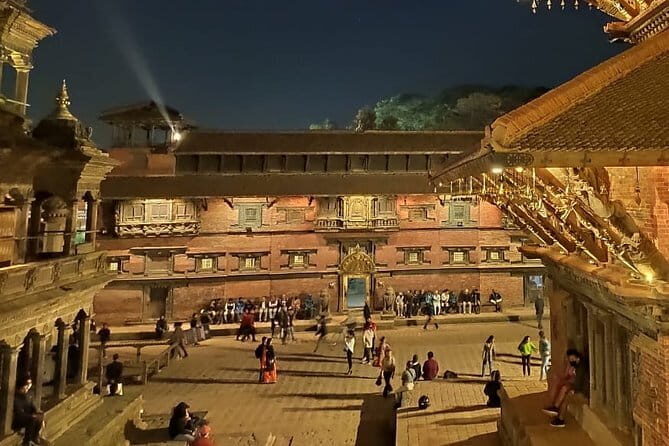
Patan (Lalitpur) brings a different tempo. You start at Patan Dhoka, the gateway into the city. It matters historically because Patan served as the capital of the Malla dynasty from the 14th century to 1768. That date range is why Patan feels slightly more regal in its layout: there’s an intention in the way spaces were built and reused.
From the gateway, you head to Pimbahal, where Pimbahal Stupa is described as significant for Buddhist pilgrims, with Jagamadu Pond next to it. These are the kinds of “quiet stops” that are easy to skip if a tour only chases the most famous landmark. But in a place like Patan, quiet stops are often where locals are still using the space for real-life spiritual routines.
Next is Nagbahal Hiti, also known as Elhānani Hiti. This is an ancient drinking fountain dating back to the 8th century, and it’s still used for cultural events. I like that the tour doesn’t treat water features as static decoration. Water access, civic design, and community gatherings all show up together.
Then you reach the day’s major highlight: the Golden Temple (Hiranya Varna Mahavihar), built in 1409. Despite the nickname, it’s not entirely made of gold; the name comes from tourism and shortening. That kind of clarification is valuable. It keeps you from chasing a myth instead of understanding what you’re actually seeing.
After that, you visit Kumbheshwor Temple, described with extensive documentation dating back to the late 14th century, and connected in the tour description to historians such as Bernier, Dowman, Hutt, and Sluss. Even if you don’t care about scholars by name, the point is: the tour frames Patan as a city where sources and research matter, not just vibes.
Patan’s Hitis, Golden Fountain, and Oku Bahal Courtyards
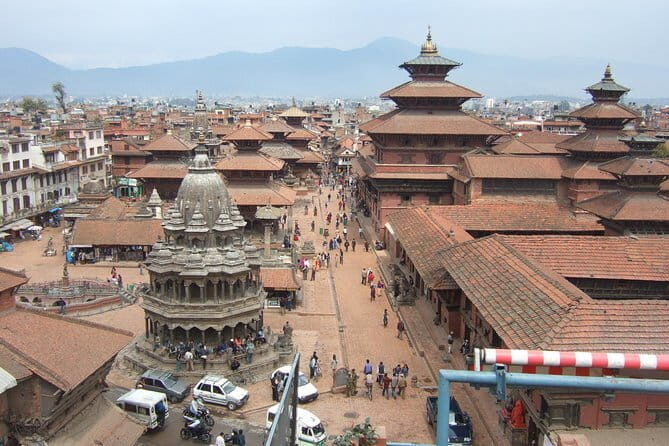
From Kumbheshwor, you enter Patan Durbar Square, where the tour highlights the densely packed area of temples. This is a place you’ll likely feel visually “busy” in the best way. The value of having a guide is that you can focus on a few key carvings and layout cues instead of letting everything blur.
Then you see the Golden Fountain, and the tour notes that Nepalese art expert Gautama Vajracharya studied it. Stops like this are worth the time because they connect craftsmanship to scholarship—someone actually examined the object and its details, rather than it only being famous by rumor.
After that comes Mahaboudha Temple, built in the 14th century, described as a serene Buddhist structure made of clay bricks with terra-cotta art. The tour points out that its look is different from the surrounding pagoda roofs, which helps you notice why certain temple designs feel distinct even when they share a city with many other shrines.
The day continues with Rudra Varna Mahavihar (Oku Bahal). This monastery is described as a Newar Buddhist monastery with three courtyards, each with distinctive features. If you like architecture, courtyards can be more satisfying than single-shot views because they’re built for slow attention and multiple angles.
Finally, you finish with walking through Patan’s narrow alleys where you can encounter woodwork by Shilpakar families. The tour calls out that these artisans have long dedication to their craft. This is also where you can turn sightseeing into practical shopping—small woodwork items can make good souvenirs because they’re tied to local production, not mass import.
One additional craft detail from the overall tour concept: Patan is also included with a religious idol hand-carving session as part of the local craft experiences. That aligns with why Patan feels like more than a set of temples—it’s a living workshop city.



Day 3 in Kathmandu: Durbar Square Lanes to Swayambhunath and Pashupatinath
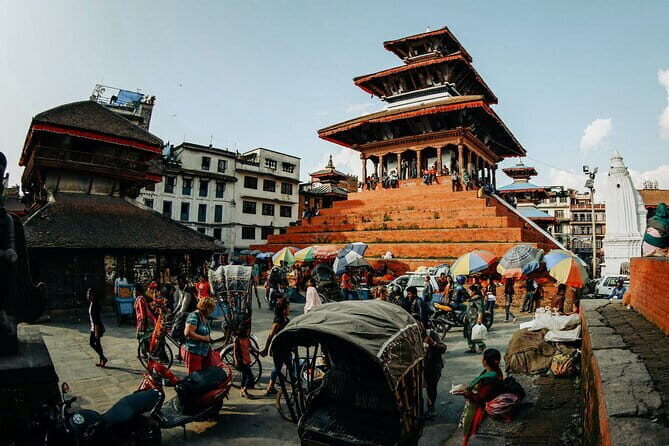
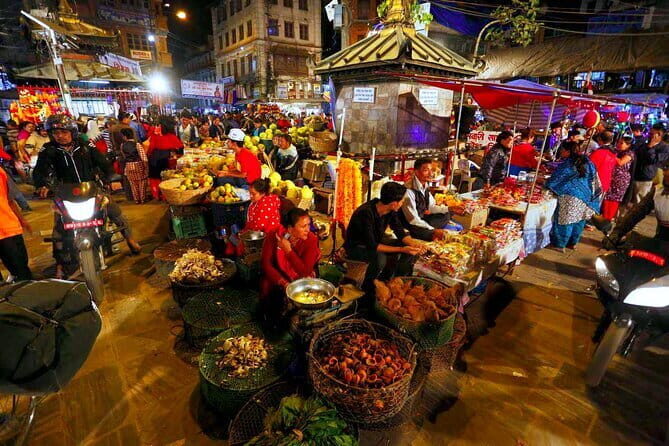
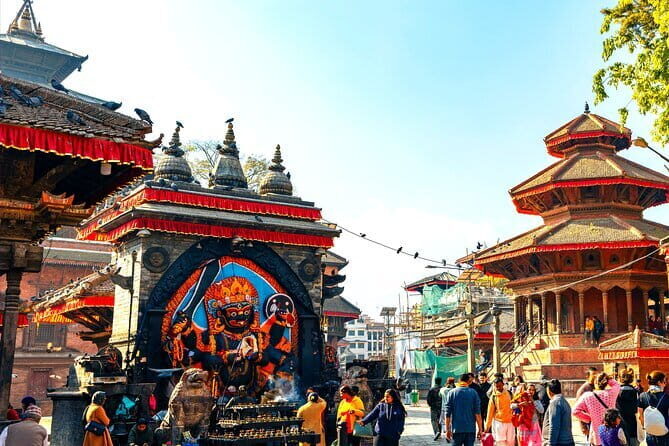
Day 3 is where the tour shifts from city-temple density into a broader Kathmandu skyline rhythm. It begins in Thamel and then walks through narrow lanes toward Asan Tole, leading to Newroad Gate and the Kathmandu Durbar Square area. Asan Tole is described as a popular local shopping spot, and the overall tour concept includes shopping around Nepal’s oldest market in Kathmandu. This matters because you’re not only seeing religious sites—you’re seeing how shopping and daily life thread through the city’s historic core.
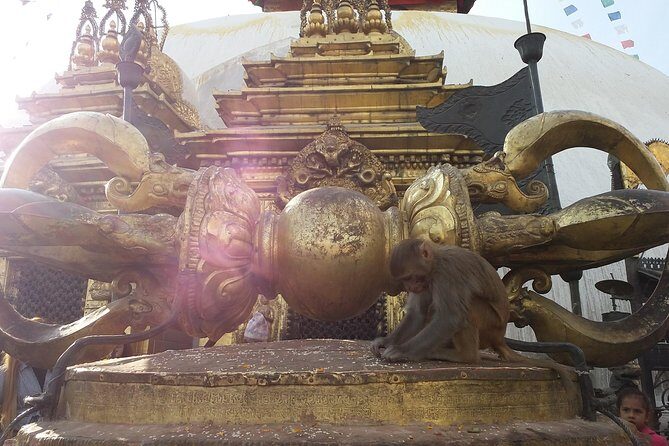
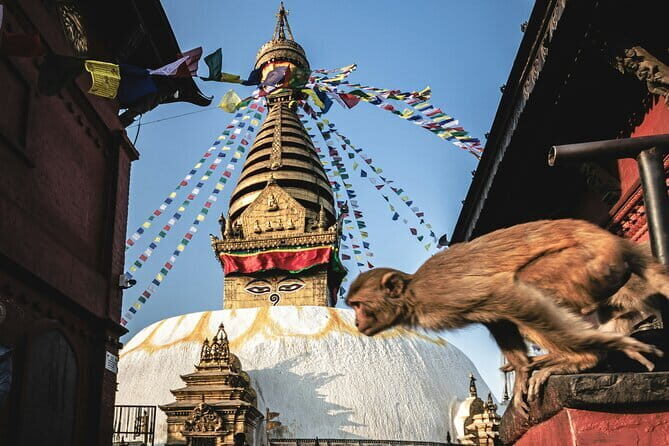
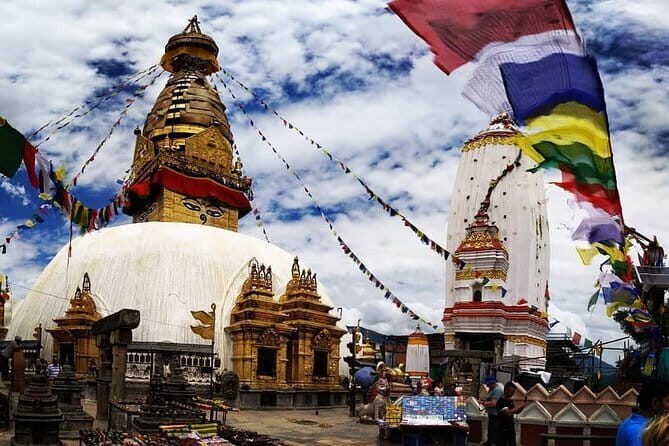
After Kathmandu Durbar Square, you head to Swayambhunath. The tour describes the stupa as an architectural marvel in the Kathmandu Valley. This is the kind of stop that tests pacing: there are often people, steps, and viewpoints, so your guide’s timing and guidance become part of your experience quality.
Next is Budhanilkanth Temple, also called Jal Narayan Temple. The tour emphasizes how tranquil it is, tucked into a peaceful corner of the valley. If you want one day to include at least one calm emotional reset between crowds, this is the stop that likely delivers it.
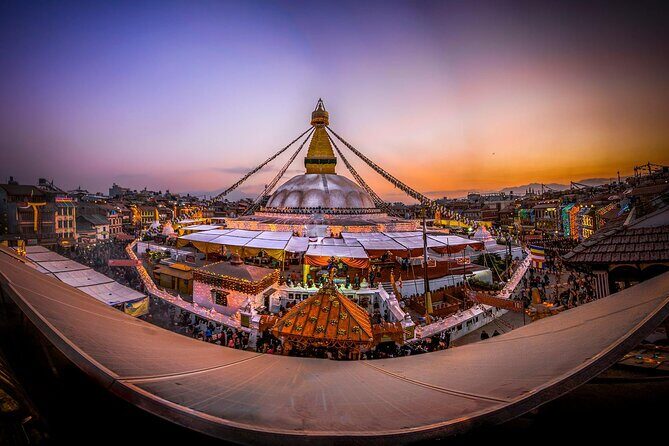
Then comes the big stupa visit: Bouddhanath (described in the tour as Buddha Stupa). You drive on the outer ring road of Kathmandu for this one. The tour description also notes a key historical reference: the first stupa at Boudhanath was likely built after AD 600, tied to Tibetan king Songtsen Gampo and conversion. Even if you only catch part of that story, it gives the stupa a time depth.
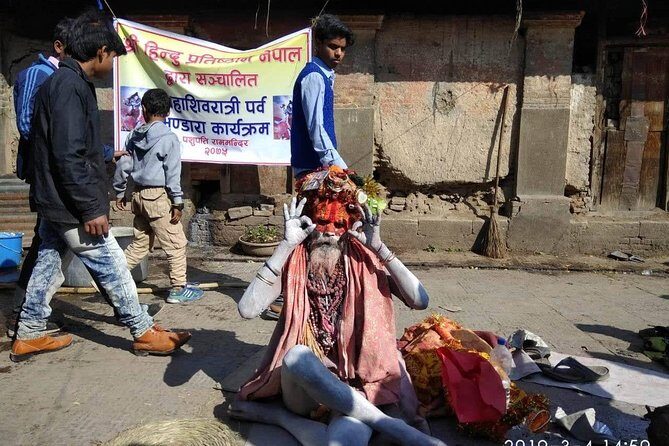
After Bouddhanath, you travel to Pashupatinath Temple on the Bagmati River in the eastern outskirts of Kathmandu. This is one of the valley’s most important religious sites, and it’s also the type of place where your guide’s explanation can help you understand what you’re seeing beyond architecture.
Then you have a choice: Thamel for a nightlife evening. The tour description says there’s an escorted VIP line access to restaurants, pubs, clubs, and streets in the area for about 5 hours. It’s not stated that entry fees or spending are included—so think of this as guidance and access, not a free party ticket.
Price, Inclusions, and What You’re Really Paying For
Let’s talk money. The tour costs $385 per person for about 3 days, with pickup offered, private-group operation, and a mobile ticket. On paper, that can look pricey—especially if you’re someone who usually backpacks with free walking tours and cheap meals.
Here’s why it can still feel like good value: the price covers private transportation, an air-conditioned vehicle, a professionally certified local tour leader, and entrance fees and environment management fees for the attractions listed in the itinerary. It also includes a bottle of water per day per person. In Kathmandu Valley, those entrance fees and logistics costs add up quickly, and doing it with a local guide helps you avoid time wasted figuring out which routes are worth your attention.
What’s not included is also clear: food (you’ll get guide recommendations), accommodation, and gratuity for service staffs. If you don’t budget for meals and drinks, you’ll feel the price later. Also, any extra nightlife spending in Thamel isn’t included.
From what stood out in feedback, the biggest satisfaction came from the authenticity of the stops and the way guides explained what you were looking at. People praised the juju dhau making session, pottery, local foods, and the time spent in everyday neighborhoods and shopping areas. When you pay for that kind of guided interpretation—especially with leaders tied to the local communities—the trip feels less like a checklist.
Small Logistics That Matter: Pacing, Shopping, and Food Timing
This schedule is structured with many stops per day, often broken into shorter blocks like 30 to 60 minutes. That’s not automatically bad. In fact, it helps you cover a lot without getting trapped in one location too long. The tradeoff is that you’ll need to move with the group and keep your energy for the day’s final hits.
For food, there are built-in moments: juju dhau preparation early in Day 1, a later optional tasting in Bhaktapur, plus general guide recommendations. If you want the best payoff, plan to eat what your guide suggests rather than hunting for a random international meal. The whole point of the tour is local food and local craft understanding.
Shopping is also part of the plan. In Kathmandu, you’ll walk through areas like Asan Tole and you’ll have time around the Thamel zone at the end. In Patan, you’ll see artisanal woodwork tied to Shilpakar families. In Bhaktapur, the pottery focus gives you a sensible reason to look for ceramics and handmade pieces. I’d go with the approach of buying only what you can carry comfortably, and ask your guide for guidance on what’s locally made versus what’s just sold locally.
One practical detail I appreciate: public toilets are available to use. It sounds basic, but when you’re on temple circuits, it really changes how stress-free the day feels.
Should You Book This 3-Day Valley Tour?
Book it if you want a local-expert guided experience that mixes UNESCO-level anchor sites with hands-on food and craft moments. You’ll likely enjoy it most if you like learning how people live, not only what buildings look like. If you care about authenticity and you’re happy with a full schedule, this tour is a strong fit.
Skip it or consider a lighter alternative if you want lots of downtime, fewer stops, or you dislike walking and stair-heavy temple sites. This itinerary is designed to keep moving, and the best version of it is the one where you go with the group and let the guide’s explanations connect the dots.
FAQ
How long is the tour?
The tour is approximately 3 days.
What time does the tour start?
It starts at 9:15 am.
Does it visit UNESCO World Heritage sites?
Yes. The tour is designed to include all seven UNESCO World Heritage site visits in the region/valley cluster.
What’s included in the price?
Included are private transportation, an air-conditioned vehicle, all fees and taxes, a professionally certified local tour leader, a bottle of water per day per person, and entrance/environment management fees for the attractions listed in the itinerary.
What is not included?
Food, accommodation, and gratuity for service staffs are not included.
Is the tour private for my group?
Yes. It is described as a private tour/activity, with only your group participating.