REVIEW · KATHMANDU
Kathmandu Durbar Square | Holi Festival Celebration 2 March
Book on GetYourGuide →Operated by Epic Adventures Private Limited (EAPL) · Bookable on GetYourGuide
Holi turns Kathmandu into a full-on festival day. I love watching the Holika Dahan bonfire ritual at Basantapur Durbar Square, and I love the guided time inside Kathmandu Durbar Square, where the carvings and courtyards feel close up instead of rushed. For $35, you also get the practical stuff that makes the day easier: a local guide, included lunch, and even a white t-shirt for color.
The main trade-off is that this is a color-and-crowds event. You’ll be on your feet for hours, and you should plan for stains and powder getting places you did not think about beforehand.
Key points to know before you go
- Holika Dahan at Basantapur Durbar Square: A Hindu ritual bonfire with prayers for prosperity and happiness
- UNESCO Kathmandu Durbar Square access: Temples, palaces, and courtyards you can walk through with context
- A structured 6-hour day: A long sightseeing block plus time for music, dance, and street energy
- You get the Holi gear basics: White t-shirt, color, and mineral water, plus a guide
- Lunch is handled: A Nepali thali set included so you can focus on the festival
- Safety and respect matter: Ask before applying colors, and protect skin and eyes in the powder crowd
In This Review
- Holi at Basantapur Durbar Square: Where the ritual and the festival energy meet
- The practical flow of the 6-hour plan (and why timing matters)
- Holika Dahan: What you’re actually watching during the bonfire ritual
- Basantapur’s carved temples and courtyards: More than a photo stop
- Music, dance, and the street-food pause you’ll appreciate
- Color, powder, and clothing: How to have fun without turning your day into laundry
- Photo tips for Holi in Kathmandu Durbar Square
- Price and value: Is $35 fair for this Holi package?
- Who this tour suits best (and who should skip it)
- Safety and respect: The unglamorous rules that keep the day fun
- About the people running it: Family-led attention to comfort
- Should you book this Kathmandu Holi tour on 2 March 2026?
- FAQ
- Where is the meeting point for the Holi celebration?
- How long is the tour?
- Is this activity only available on one date?
- What’s included in the price?
- What should I bring for the day?
- Is alcohol included?
- Is the tour suitable for people with mobility or health limitations?
Holi at Basantapur Durbar Square: Where the ritual and the festival energy meet
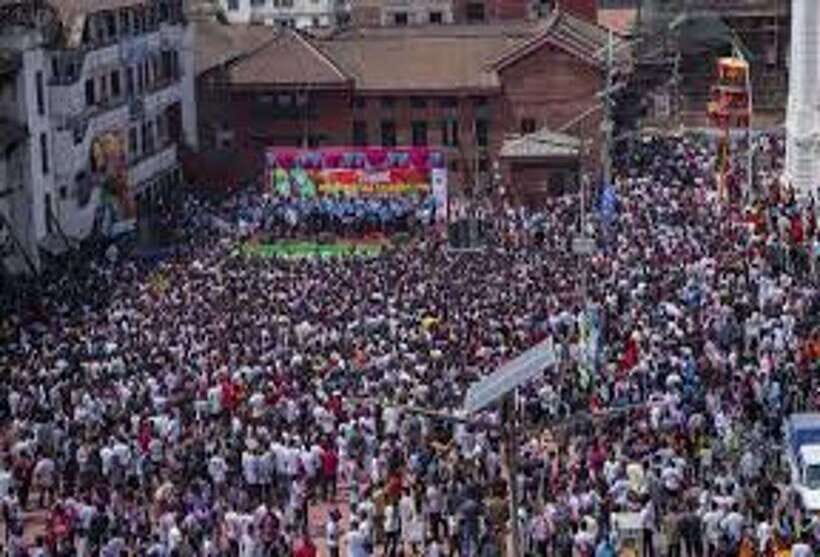
If you want Holi in Kathmandu with more meaning than just throwing colors, this is the right kind of setup. The celebration happens at Basantapur Durbar Square in Kathmandu Durbar Square, which is a UNESCO World Heritage Site. That means you’re not only watching a festival—you’re seeing the setting that locals associate with history, faith, and community life.
Two parts of the day work together. First, there’s the ritual moment: Holika Dahan, the bonfire where people offer prayers and symbolically support the triumph of good over evil. Second, the mood shifts into festival mode: music, dancing, and the sea of powder and bright colors people bring out for the occasion.
What I like about this kind of experience is that you get both. You’re not pushed to choose between serious ritual and pure party energy. You get a guide to help you understand what you’re seeing while the square does what squares do in Holi season: fills in fast and gets noisy at the best times.
The practical flow of the 6-hour plan (and why timing matters)
This tour runs for 6 hours on 2 March 2026, and it stays very focused on one main area. You start at The Delicious Pizza House Nepal (Paknajol Marg, opposite the Ganesh Temple area). Then it’s a short walk—about 30 minutes—toward the Kathmandu Durbar Square/Basantapur area.
Once you’re in the square, the big block is about 4 hours of sightseeing. That’s important. Holi can move in waves: crowds swell, music changes, and rituals happen at moments that you might miss if you’re wandering on your own. Having a guide and a planned time window helps you see the key pieces without constantly asking strangers where the action is.
After the main sightseeing time, there’s additional on-foot time (around 45 minutes). The good news is you’re already in the historic core where walking is part of the experience. The caution is that you’ll want shoes that handle uneven stone and busy foot traffic.
If you’re a first-timer in Kathmandu, I think the structure is the value: you spend less time figuring out logistics and more time paying attention to what’s going on around the temples and courtyards.
You can also read our reviews of more tours and experiences in Kathmandu.


Holika Dahan: What you’re actually watching during the bonfire ritual
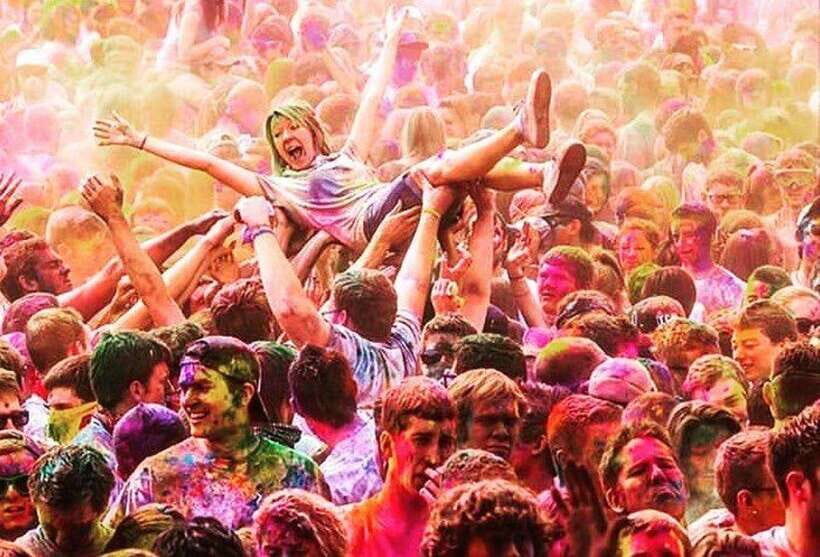
Holika Dahan is the headline ritual for Holi on this date. In plain terms, it’s the bonfire ceremony where participants offer prayers and seek blessings for prosperity and happiness. The meaning people connect to it is the triumph of good over evil, which gives the day a deeper backbone than the color party alone.
When you watch Holika Dahan at Basantapur Durbar Square, you’re in a setting that feels built for gathering. Temples and courtyards around you help create that “everyone is part of this” feeling. And since you’re with a local guide, you’re less likely to treat it like just a spectacle. Instead, you can understand why the moment matters.
Also, the day is designed so you’re not stuck waiting. The schedule includes time for the bonfire moment and then moves you into the broader festival atmosphere afterward, including dance and music performances.
Basantapur’s carved temples and courtyards: More than a photo stop
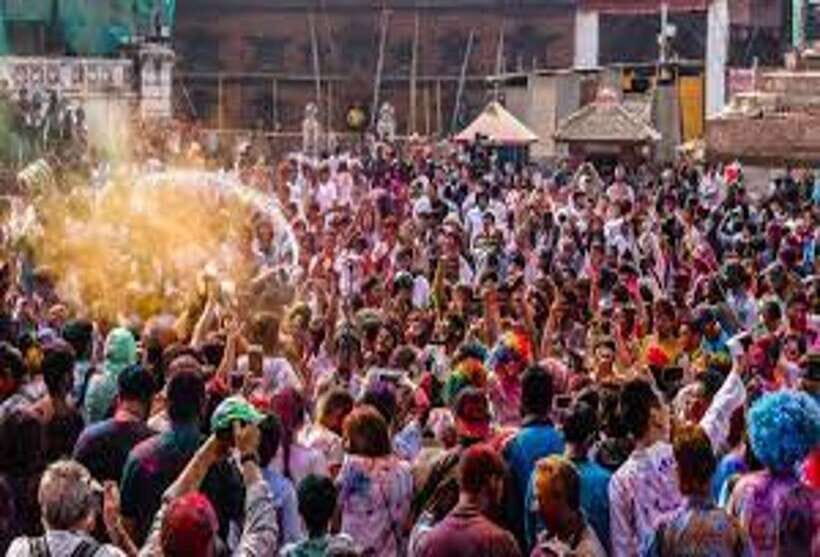
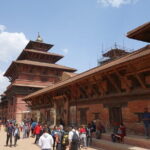
Kathmandu Durbar Square is not just a backdrop. The point of including it is that you can actually look at the architecture while people celebrate around it. This tour gives you time to explore intricately carved temples, palaces, and courtyards that sit inside the square.
Why that matters: on Holi day, places like this can become chaotic if you only chase colors and end up sprinting. A guided pace gives you permission to slow down just enough to notice details—wood and stone carvings, courtyards where conversations and performances happen, and temple spaces where the crowd’s behavior follows cultural norms.
You’ll also have plenty of chances for photos. That’s the obvious part. The less obvious part is that a guide helps you time photo breaks so you’re not standing in the wrong spot when powder gets heavy or when people shift from one ritual moment to another.
Music, dance, and the street-food pause you’ll appreciate
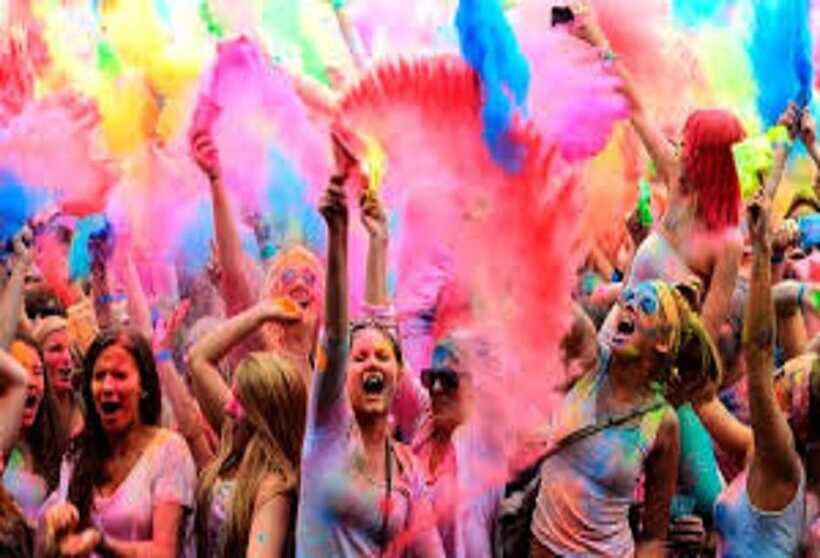
Holi in Kathmandu has a soundtrack: music and performances that pull people into the rhythm of the square. During the day, you can expect traditional dances and music performances, plus the general festival noise that comes from crowds mixing locals and visitors.
The tour also includes a Nepali thali set as lunch. This is a big deal for comfort and value. Holi day can make it easy to forget meals while you’re busy photographing, walking, or joining the color fun. Having lunch included means you don’t have to hunt for food at peak chaos.
After lunch, you’ll still find the square alive with action. Street energy around Holi is often best when you stay flexible: watch for a dance circle, step slightly aside when a wave of people passes, and let the crowd guide you toward the next moment.
Color, powder, and clothing: How to have fun without turning your day into laundry
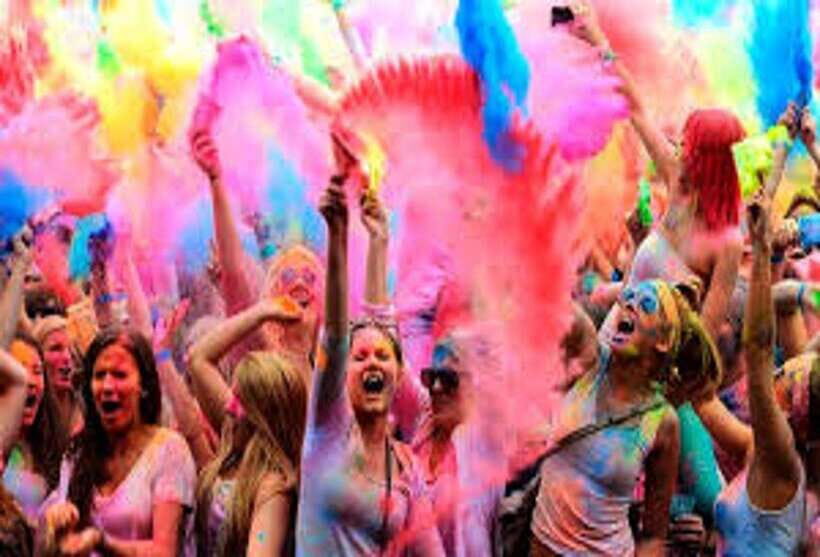
This is the part that can make or break your experience. Holi color is fun, but powder can be messy, and it can get into the places you least want it.
The tour includes a white t-shirt and color, so you’re set up for the festival look. Still, the best practice is to wear clothes you don’t mind getting stained. If you only bring your nicest outfit, you’ll spend the day stressed instead of enjoying it.
A few practical safety habits you should use:
- Protect your eyes and skin: sunglasses help, and the info recommends applying oil or moisturizer beforehand
- Be careful with crowds: stay hydrated and watch your footing
- Ask before applying colors: especially with elders or anyone who may not want to participate fully
This is one of those experiences where small manners make the whole day better. You’ll enjoy it more when you treat Holi as a shared cultural moment, not a free-for-all.


Photo tips for Holi in Kathmandu Durbar Square
You’ll take photos. That’s basically guaranteed in a place like Basantapur Durbar Square during Holi. Here’s how to take pictures while staying comfortable in the powder.
First, plan to protect your gear. Keep your camera strap tight, and watch where you set your bag. Powder gets into everything fast, and you do not want to wipe your lens with a shirt that’s full of color.
Second, shoot in short bursts. People move in clusters: dancers, music, ritual participants, families taking turns for photos. A few quick bursts beat waiting for one perfect moment that might never come.
Third, use the architecture as your frame. Temples and courtyards give structure to your pictures. Color by itself can look chaotic in photos. Color plus the carved stone setting tells the story of where you were.
Finally, remember that you’re in a crowded UNESCO site. Don’t block footpaths or ritual space just to get the shot. Good photos come from timing, not crowding.
Price and value: Is $35 fair for this Holi package?
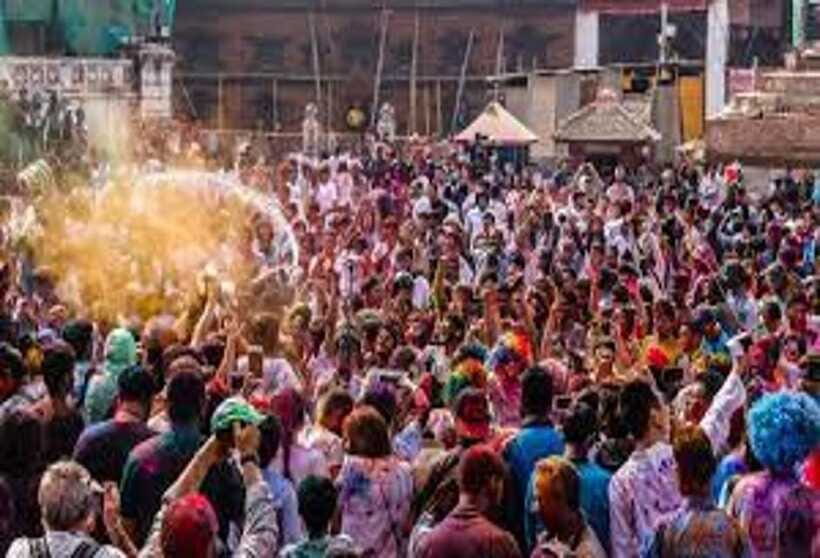
The price is $35 per person, and the value is tied to what’s included.
You’re getting:
- A local guide (English and Hindi available)
- Monument fee at Kathmandu Durbar Square
- Nepali thali set lunch
- Color plus a white t-shirt
- 1 bottle of mineral water
- Access to Holi celebration activities at the UNESCO square
If you were to do this solo, you’d likely pay for entry and find a guide anyway if you want the context for Holika Dahan and the historic site. Then you’d still need lunch and water. So the $35 feels like a package built for one-day convenience, not a low-cost gamble.
The biggest reason the pricing works: it reduces friction. You’re not spending mental energy on tickets, timing, or figuring out where the ritual action happens inside the square.
Who this tour suits best (and who should skip it)
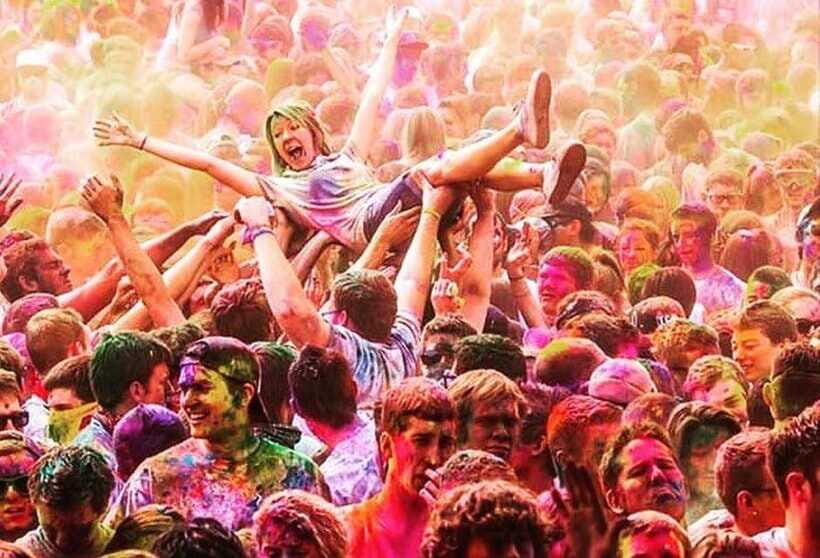
This experience is best for people who want a guided, culturally grounded Holi day in Kathmandu Durbar Square—especially if you enjoy history and want context while the colors fly.
It’s likely a strong fit for:
- First-time visitors who want guidance through a complex site
- People who care about the meaning behind Holika Dahan, not only photos
- Solo travelers who prefer a structured plan in a crowd situation
But it’s not suitable for everyone. The info states it’s not suitable for:
- Pregnant women
- People with mobility impairments or wheelchair users
- People with respiratory issues
- People with pre-existing medical conditions
- People with recent surgeries
If you fall into any of these categories, you should choose a different type of cultural activity. Holi can involve powder exposure, standing in crowds, and uneven walking.
Safety and respect: The unglamorous rules that keep the day fun
Holi is joyful, but it still comes with basic social rules. The tour guidance emphasizes respecting local customs and traditions, and it specifically advises asking permission before applying colors—especially for elders or anyone who might not want full participation.
This matters for more than politeness. When everyone follows the same norms, the vibe stays positive and you avoid awkward moments that can ruin your photos and mood.
Also, watch your body and stay hydrated. The day is long enough that you can forget to drink water while focusing on colors, music, and temple details. Hydration helps you enjoy the full 6-hour flow instead of feeling run down halfway through.
About the people running it: Family-led attention to comfort
One review highlights that the group was a family business and that the team made solo young women feel safe during Holi. That kind of reassurance is not small. In crowded festivals, a calm, caring guide can be the difference between feeling okay and feeling overwhelmed.
Another review emphasizes that having a local guide helps you see places you might not notice on your own and helps you catch key moments at better times. That matches what this tour is designed to do: guide you through Basantapur Durbar Square during the moments that count.
So if you like traveling with a team that takes care of comfort and timing, this style of tour makes sense.
Should you book this Kathmandu Holi tour on 2 March 2026?
You should book if you want Holi in Kathmandu with cultural context at Kathmandu Durbar Square (Basantapur), including Holika Dahan, temple and courtyard sightseeing, and an included lunch. The $35 price is reasonable because it covers the site fee, guide support, and the basics that keep the day smooth.
Skip it if you’re worried about powder exposure, long time on your feet, or you fall into the stated non-suitable categories like mobility or respiratory concerns. Also, if your plan is to keep your clothes spotless, you’ll feel stressed instead of celebrating.
If your goal is a one-day, guided Holi experience that mixes ritual, history, and color without chaos, this is the kind of booking that makes Kathmandu feel personal.
FAQ
Where is the meeting point for the Holi celebration?
The meeting point is at Paknajol Marg opposite the Ganesh Temple. You can find the exact spot on Google Maps. If you stay in Thamel, you can email your hotel name and address for pickup.
How long is the tour?
The duration is 6 hours.
Is this activity only available on one date?
Yes. It’s available only on 2 March 2026 for the Holi celebration in Basantapur Kathmandu.
What’s included in the price?
Included are the local guide (English and Hindi), monument fee at Kathmandu Durbar Square, white t-shirt, color, 1 bottle of mineral water, and a Nepali thali set as lunch. The Holi festival celebration on 2 March 2026 is also included.
What should I bring for the day?
Bring a camera, sunscreen, water, and comfortable clothes. The guidance also recommends wearing clothes you do not mind getting stained with colors.
Is alcohol included?
No. Alcoholic beverages are not included.
Is the tour suitable for people with mobility or health limitations?
No. It’s not suitable for pregnant women, people with mobility impairments, wheelchair users, people with respiratory issues, people with pre-existing medical conditions, or people with recent surgeries.