REVIEW · KATHMANDU
Langtang Valley Trek
Book on Viator →Operated by Mosaic Adventure · Bookable on Viator
Big mountains wait just beyond Kathmandu. The Langtang Valley Trek sends you north of the capital into a remote valley ringed by snow peaks, with Kyanjin Gompa as the centerpiece and Langtang Lirung dominating your skyline.
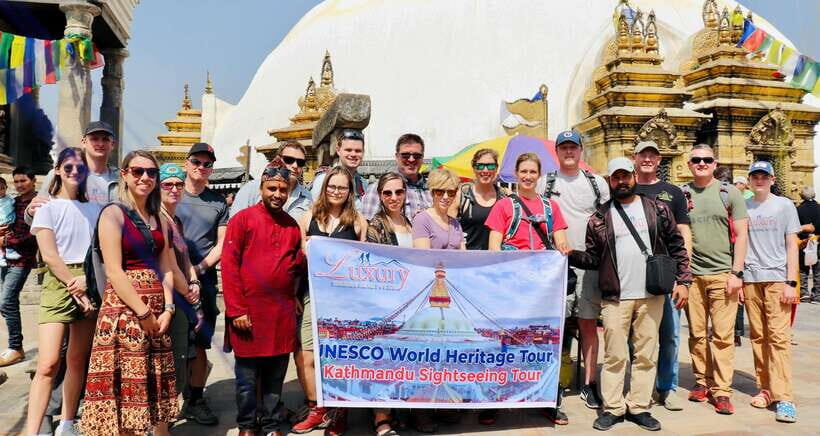
I also love how well-run the trip feels on the ground: you’ll travel in a small group (max 12), and the team builds real support into the experience with guides and a porter (one between two participants). One thing to consider: teahouse accommodation is basic, and that’s part of the deal at this altitude.
In This Review
- Key Highlights You’ll Care About
- Langtang Valley: A High-Altitude Escape With Real Village Life
- Price and What You Actually Get for $560
- Getting There: Kathmandu to Syabrubesi in About 7 Hours
- Days 2–4: From Easy-Medium Trails to Langtang Village and Kyanjin Gompa
- Day 2: First Trek Day to Lama Hotel (~2500m)
- Day 3: Langtang Village (3430m) Through Forest and River Valleys
- Day 4: Kyanjin Gompa, a Monastery Stop With Mountain Focus
- Day 5: Your Big Choice—Kyanjin Ri vs Tsergo Ri
- Days 6–7: The Return That Feels Easier Than You Expect
- Day 6: Back to Lama Hotel (Around 6 Hours)
- Day 7: Descend to Syabrubesi to Finish the Trek
- Day 8: Bus Back to Kathmandu and Thamel Recovery
- Staff, Guides, and the Small-Group Advantage With Mosaic Adventure
- What to Pack and How to Pace Yourself (Without Overthinking)
- Should You Book the Langtang Valley Trek?
- FAQ
- What time does the experience start?
- Where do you travel first, and how long is the bus ride?
- How long is the trek in total?
- What altitude do you reach on Day 3 and what’s the final trek destination?
- Do you get options to hike higher viewpoints on one day?
- Is teahouse accommodation included?
- What meals are included during the trek?
- Do I need to bring my own drinks?
- How far in advance can I cancel for a full refund?
Key Highlights You’ll Care About
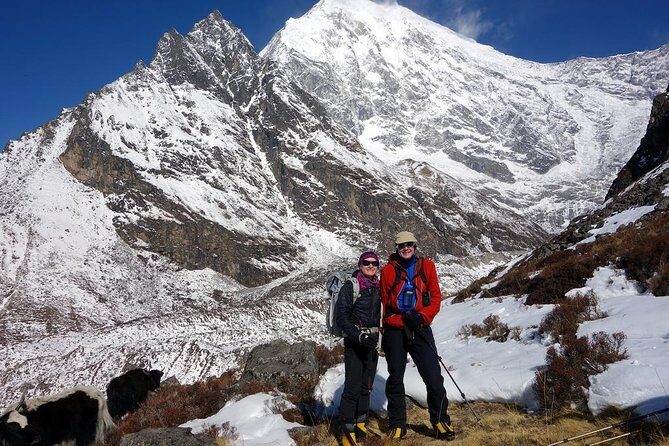
- Kyanjin Gompa: monastery stop with classic Langtang views and a village feel
- Day 5 viewpoint choice: Kyanjin Ri (4773m) or Tsergo Ri (4984m)
- Teahouse trek rhythm: included lunches and dinners, so you hike with less decision-making
- Real mountain elevations: from ~2500m up to 3430m at Langtang Village, plus optional higher ri climbs
- Small-group pacing: max 12 travelers, with guide support and porter help
Langtang Valley: A High-Altitude Escape With Real Village Life
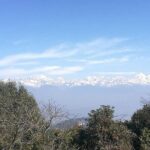
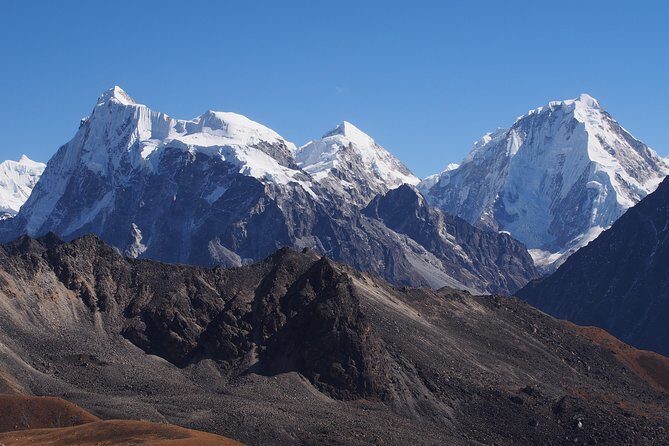
If you want mountains without a long, complicated logistics chain, Langtang Valley is a smart pick. From Kathmandu you’ll work your way into an area that feels far away fast: thick forests, river valleys, and traditional villages gradually replace the city backdrop. And then there’s the view—Langtang Lirung (7246m) sits over everything like a roof you can’t stop looking at.
What makes this trek especially satisfying is the mix of scenery and daily life. You’re not just checking altitude boxes. You’re walking past farmland, bridges, and village trails, then ending each day in teahouses where people live with the mountain reality all the time. It’s an accessible highland sanctuary, and that accessibility matters because it lets you spend your energy on the hike and the views—not on guessing how the day will run.
You also get a strong “destination day” in Kyanjin Gompa. This is the point where the trek starts to feel like a journey you’re arriving at, not simply passing through.
You can also read our reviews of more hiking tours in Kathmandu
Price and What You Actually Get for $560
At $560 per person for about 8 days, you’re paying for more than a route on a map. The package includes:
- Bus to/from Syabrubesi
- All fees and taxes
- Teahouse accommodation
- Meals: breakfast (7), lunch (8), dinner (7)
- Porter support: one between two participants
That meal inclusion is a quiet value booster. On mountain treks, food decisions eat your time and mental bandwidth. Having lunches and dinners handled means you can focus on pacing and layers instead of negotiating every stop.
You should still budget extra for beverages (tea/coffee and bottled water, as listed), plus tipping. If you like to buy extra snacks or you’re the type who always wants a hot drink between walks, it’s worth planning for that up front.
One more practical plus: this tour offers a pickup option and uses a mobile ticket. Those may sound minor, but when you’re coordinating an early start (6:45am), small friction matters.
Getting There: Kathmandu to Syabrubesi in About 7 Hours
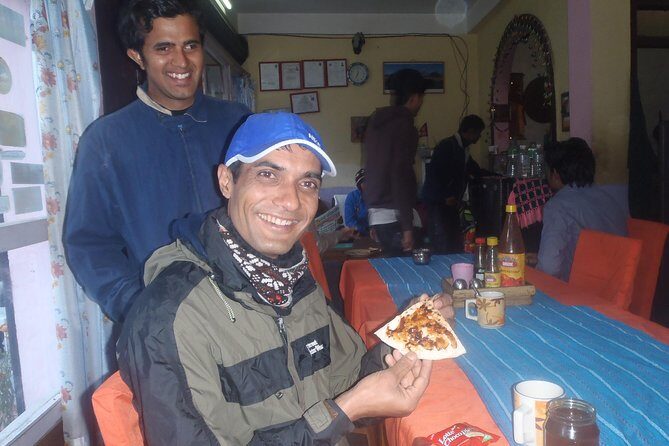
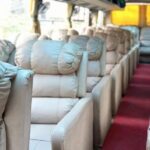
Your day starts early. The tour begins at 6:45am, and you’ll take a local bus from Kathmandu to Syabrubesi. Plan on about 7 hours of driving, traffic depending. This is one of those long-but-worthy travel segments. You’ll see more of the countryside than you would if you flew or used private transfers.
A tip that helps: treat the bus ride like part of your trek prep. Eat something light, hydrate, and don’t overdo caffeine if you’re sensitive to road motion. Once you’re in trekking mode, your body will thank you for starting calm instead of “revved.”
Days 2–4: From Easy-Medium Trails to Langtang Village and Kyanjin Gompa
Day 2: First Trek Day to Lama Hotel (~2500m)
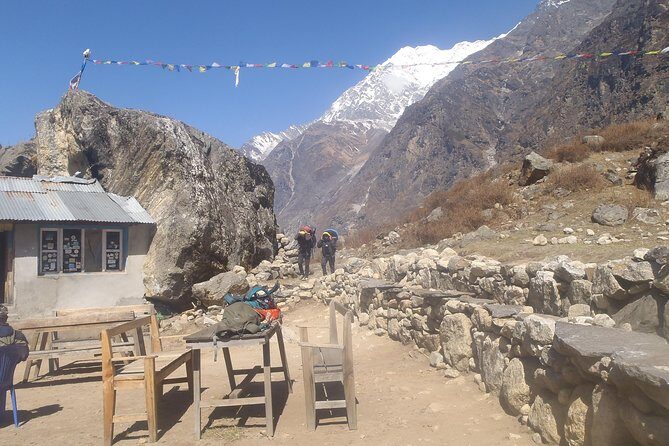
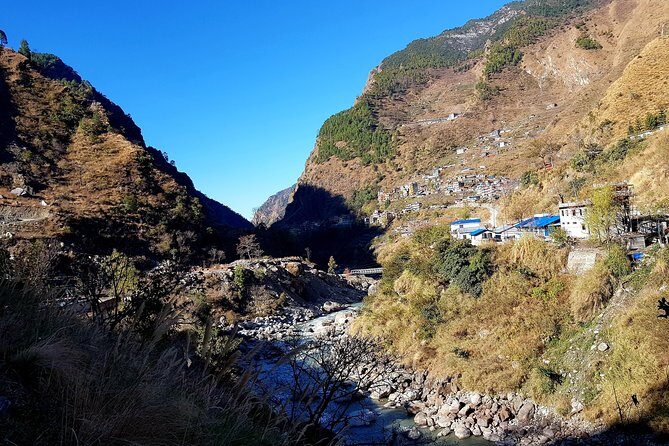
This is your launch day on foot. You’ll hike to Lama Hotel after an easy to moderate walk, reaching about 2500 meters. The route includes gentle inclines, well-defined paths, riverbank trails, and forest tracks, plus at least some suspension-bridge time (the itinerary notes a suspension bridge segment).
This matters because Day 2 is where you learn the rhythm:
- how your legs feel on steady uphill
- how breathing changes as elevation climbs
- how quickly you warm up (and then later cool down) in forest shade
You’re not at “can’t move” altitude yet, so it’s a great day to practice your pacing. If you start too fast on Day 2, Days 3–4 can feel harder than they need to be.
Day 3: Langtang Village (3430m) Through Forest and River Valleys
Day 3 climbs to Langtang Village at about 3430 meters. Expect roughly 6.5 hours of walking through forest and riverbank trails, with gentle inclines and some grassy meadow scenery.
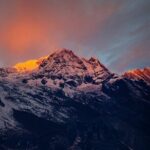
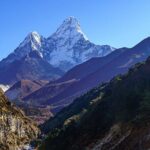
This is one of the trek’s best “transition days.” The farther you go, the more the view starts to sharpen. You get chances to look toward Mount Langtang Lirung while moving through pine forest and open patches. It’s a nice balance of effort and reward.
It’s also the day when wildlife-spotting becomes more realistic. The trek description highlights forests and wildlife in the region, and giant beehives are specifically mentioned as a possibility on the return trek. Even without seeing animals every day, the environment is built for that kind of moment.
Day 4: Kyanjin Gompa, a Monastery Stop With Mountain Focus
Day 4 targets Kyanjin Gompa after about 5 hours of moderate walking. The path moves through farmland, crosses bridges, and includes gentle ascents with views toward Langshisha and Langtang Lirun.
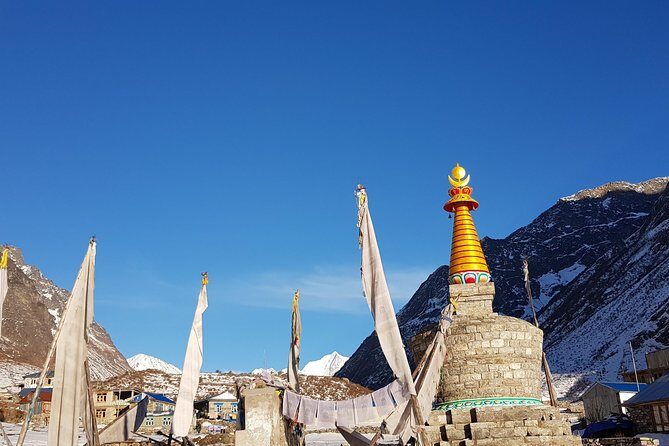
Kyanjin Gompa is famous in this region for a reason: it’s not just scenic; it’s purposeful. It’s a monastery setting, so the atmosphere feels different from purely “views-only” hikes. You’re surrounded by people who keep life going here, and that makes the place more meaningful than a viewpoint you pass by.
Practical note: your legs will likely feel it after Day 3, so treat Day 4 as a “steady finish” day. You’ll want energy for photos, for slow walking around the gompa area, and for just sitting quietly to let the mountains sink in.
Day 5: Your Big Choice—Kyanjin Ri vs Tsergo Ri
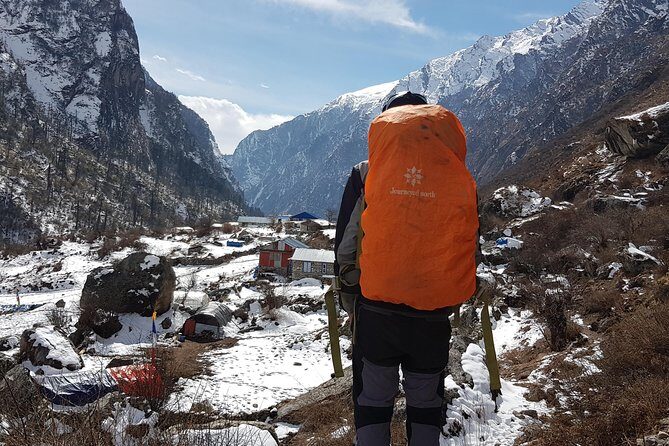
Day 5 is a flexible day trip with two options. The itinerary frames them by time and altitude:
- Kyanjin Ri: about 3 hours round trip, up to 4773m
- Tsergo Ri: about 7–8 hours round trip, up to 4984m
This is a brilliant design for a trekking package. Not everyone has the same day. If you want the highest odds of enjoying the experience without pushing hard, choose the option that matches your current energy level.
Here’s how I’d choose:
- Pick Kyanjin Ri if you want a strong viewpoint hit and still want to feel fresh afterward.
- Pick Tsergo Ri if you’re confident with higher elevation and longer hiking, and you’re comfortable being slow, careful, and patient near the top.
Either way, you’ll be spending the day thinking about the mountains. That’s the point. You didn’t come this far to rush.
Days 6–7: The Return That Feels Easier Than You Expect
Day 6: Back to Lama Hotel (Around 6 Hours)
Day 6 traces your route back to Lama Hotel, walking for about 6 hours through riverbank and forest trails. This day has a different mood than Day 3.
Yes, it’s still walking uphill at points, but the overall feeling is more familiar. When you’re already used to the trail, your brain switches from “where do I put my feet” to “what am I seeing today.” The tour description also calls out pine forests and a chance to look for wildlife and giant beehives—so this becomes a great day to slow down and check the edges of the path rather than staring only at the mountain straight ahead.
Day 7: Descend to Syabrubesi to Finish the Trek
On Day 7 you’ll descend back toward Syabrubesi, walking on well-defined trekking paths with gentle and some steep descents. The goal is to end trekking day ready for the ride back to Kathmandu.
This is where smart footwork matters more than raw stamina. Downhills can be tough on knees and ankles, even when you’re moving “fast enough.” If you’re careful and keep your steps controlled, you’ll arrive feeling like you can still enjoy the city later.
Day 8: Bus Back to Kathmandu and Thamel Recovery
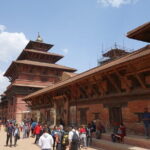
Day 8 is the travel unwind. You’ll ride the local bus back to Kathmandu, get a hot shower, and spend the evening walking around Thamel. The plan even suggests a massage in the Thamel area to help your tired legs.
This is exactly what I like about this kind of trek ending: you don’t go from altitude straight into a long day of sightseeing. You take your body back toward normal first, then you can enjoy Kathmandu at a pace that feels human.
Staff, Guides, and the Small-Group Advantage With Mosaic Adventure
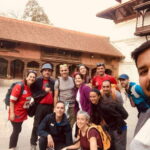
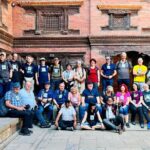
This is where the experience earns its high marks. The trek is limited to a maximum of 12 travelers, so you’re less likely to feel like a number. That matters because in Langtang, conditions and bodies vary from person to person.
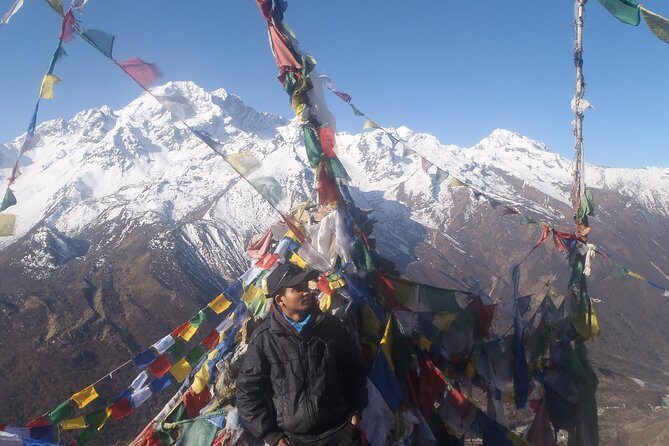
You also get real staff support. Named guides and staff show up in the positive feedback: Purna and Ram are specifically praised, and Madhan/Madhav (office management) is described as responsive and thorough during planning. Pralhad is noted for being energetic and flexible, and Madan is recognized for staying supportive when someone needed extra help during altitude-related discomfort.
You can think of it this way: the mountain controls the weather and altitude. The team controls the pacing, the calm, and the help when something feels off.
A nice added-touch mentioned in the experience is pre-trip support: you can expect a pre-trip meeting, help with a packing list, and assistance selecting rental equipment. If you’re trekking from another country or you’re unsure what you need, this reduces the stress that ruins treks before they start.
What to Pack and How to Pace Yourself (Without Overthinking)
Because the trek climbs to 2500m, then 3430m, and offers optional hikes up to 4773m and 4984m, you need layers and sensible timing. The itinerary is built around multi-day walking, so your comfort matters.
A practical packing approach:
- Bring layered clothing for cold mornings and warmer afternoons
- Have warm options for the higher viewpoint day
- Pack personal water and energy choices since beverages aren’t included
- Wear supportive hiking shoes you trust on descents
Then pace like a grown-up. If you’re fresh on Day 2, resist the urge to sprint. Save your legs for Day 3’s longer walk and for the Day 4 finish to Kyanjin Gompa. The optional ri day is the day you’ll feel your pacing choices most.
Should You Book the Langtang Valley Trek?
I think this trek is a strong booking if you want:
- a classic Langtang experience with Kyanjin Gompa as a real destination
- included teahouse lodging and most meals, so your decisions are fewer
- a small-group setup with porter support and attentive guides
It may not be the best fit if you expect hotel-level comfort. Teahouses are basic. You’ll trade luxury for access, atmosphere, and that up-close mountain feeling that only comes from sleeping and eating in the places you actually hike to.
If you’re comfortable with moderate effort and you’ll plan your layers, this trip delivers real value for the money. And if you want a day trip where you can choose your effort level between Kyanjin Ri (4773m) and Tsergo Ri (4984m), you’ll appreciate having options instead of a one-size-fits-all plan.
FAQ
What time does the experience start?
The start time is listed as 6:45am.
Where do you travel first, and how long is the bus ride?
You ride a local bus to Syabrubesi, which takes about 7 hours depending on traffic.
How long is the trek in total?
The tour is listed as 8 days (approx.), with the trek beginning on Day 2 and ending around Day 7.
What altitude do you reach on Day 3 and what’s the final trek destination?
You reach Langtang Village at about 3430 meters on Day 3. The trek’s key destination on Day 4 is Kyanjin Gompa.
Do you get options to hike higher viewpoints on one day?
Yes. On Day 5 you can choose Kyanjin Ri (4773m) or Tsergo Ri (4984m).
Is teahouse accommodation included?
Yes, teahouse accommodation is included.
What meals are included during the trek?
The package includes breakfast (7), lunch (8), and dinner (7).
Do I need to bring my own drinks?
Beverages like tea/coffee and bottled water are not included, so you should plan to buy them separately.
How far in advance can I cancel for a full refund?
You can cancel up to 6 days in advance for a full refund.