REVIEW · KATHMANDU
Kathmandu Street Food Walking Tour – Eat Like a Local
Book on Viator →Operated by Himalayan Recreation Treks & Expedition Pvt.Ltd · Bookable on Viator
Street food in Kathmandu is a shortcut to culture.
On this Kathmandu Street Food Walking Tour, you move through atmospheric central lanes with a private guide and eat your way into daily life—without having to guess what’s safe, what’s local, or what to order next. Kathmandu’s snack map is the real draw, and the pace works well for a half-day outing.
What I like most is the private guide angle: you’re not just handed a loose list of stalls, you get real direction and context as you go. I also love that the tour includes food samples plus coffee/tea, bottled water, and hot drinks, with a tasting of at least five typical dishes and drinks, including Newari specialties you might not find on your own.
One thing to consider: it’s still a walking tour for about 3–4 hours, and Durbar Square time is included while any entrance fees (if you go inside) are extra. So if you’re hoping everything is fully ticketed and sedentary, this isn’t that kind of tour.
In This Review
- Key things to know before you go
- How the 3–4 hour walking format makes this tour easy
- Thamel as your launchpad: first flavors and an easier start
- Asan market lanes: where you learn to navigate and read the food scene
- Kathmandu Durbar Square: time in the heritage zone, with entry fees handled your way
- What you’ll taste: more than one-bite sampling
- Walking logistics that make or break a street food tour
- Price and value: why $60 can feel fair here
- Who should book this street food walk
- Should you book this Kathmandu Street Food Walking Tour?
- FAQ
- FAQ
- How long is the Kathmandu Street Food Walking Tour?
- Where does the tour start?
- What food and drinks are included?
- Is pickup available?
- Are Durbar Square entrance fees included?
- Can I cancel for a full refund?
Key things to know before you go
- Private guide, your group only: You get tailored help instead of following a big crowd.
- At least five tastings are included: Plan on leaving full, not just snack-satisfied.
- Newari specialties are part of the mix: A great chance to try food beyond the most tourist-familiar dishes.
- You start in Thamel and end up near Durbar Square: Easy geography for a half day.
- Coffee/tea, hot drinks, and bottled water are included: Nice for pacing and keeping hydration simple.
- Durbar Square entry can cost extra: You’ll spend time there, but the inside tickets aren’t included.
How the 3–4 hour walking format makes this tour easy
This tour is built for a half-day in Kathmandu. Expect roughly 3 to 4 hours of walking through central neighborhoods, with a guide leading you from place to place and handling the “what now?” moments that can slow you down when you’re on your own.
The price is $60 per person, and the experience is designed around value: you’re paying for a guide, multiple food tastings, and the basic drink support that keeps a walking snack tour comfortable. You’ll also get a bottle of water, plus coffee and/or tea and hot drinks. That matters because street food tours can feel chaotic when you’re thirsty or figuring out drink options while you’re also trying to eat.
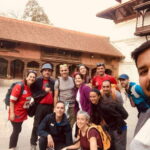
This is also private, meaning only your group participates. That’s a practical upgrade. You can ask questions about ingredients, religious context, or local habits without feeling like you’re stealing attention from strangers. The tour can also work well if you want to customize it to your interests and food comfort level.
One more detail that’s underrated: you’ll receive a mobile ticket, and pickup is offered. Even though it’s a walking tour, being able to start with less friction makes it more likely you’ll actually enjoy the streets instead of just navigating them.
You can also read our reviews of more walking tours in Kathmandu
Thamel as your launchpad: first flavors and an easier start
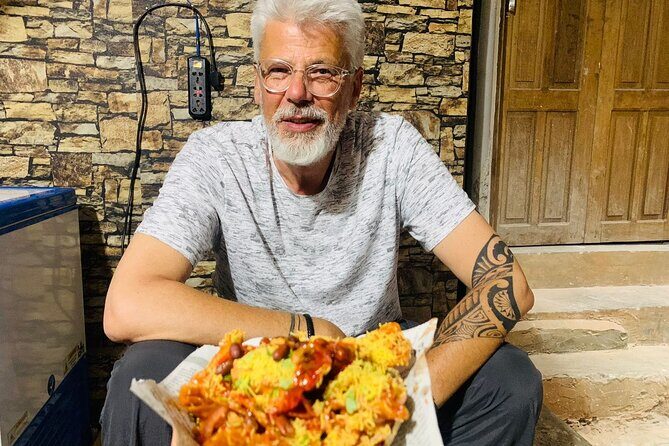
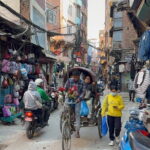
The tour starts in Thamel (Kathmandu 44600). If you’ve ever been in Thamel, you know it’s a mix of traveler energy and real daily life. Starting here is smart because you get your bearings fast—your guide sets the tone, explains the route, and gets you into “street-eating mode” without jumping straight into the deepest maze.
Stop one is listed as about 15 minutes, with admission free. That short timing is intentional. Think of it as the warm-up: a chance to start eating and get comfortable with the pacing before the tour leans more into local markets and heritage areas.
If you’re the kind of person who worries about stomach comfort on street food tours, this first stop helps. You’re not committing to the hardest-to-figure-out foods immediately; your guide can steer you to options that fit the tour’s included tastings and keep the experience smooth.
And yes, Thamel can be busy. But with a guide leading you, the goal isn’t to “see everything.” It’s to start well, eat early, and let the rest of the walk build momentum.
Asan market lanes: where you learn to navigate and read the food scene
Next comes Asan, between Durbar Square and Thamel. This stop lasts about 30 minutes, and it’s also marked admission free. Asan is where the tour shifts from “getting started” to “understanding how Kathmandu eats.”
The best part here is the guidance on navigation. In the tour experiences I reviewed, guides like Jamuna were praised for meeting travelers at their hotel and then walking them toward Asan while explaining how to move through the streets. That’s not just helpful for finding your next stop—it changes how you experience the market. You stop treating it like a confusing cluster of stalls and start seeing it like a system.
Asan is also where the cultural layer shows up. The guide isn’t only pointing at food; they’re explaining the city and the beliefs around it, tied to what you’re tasting. You’ll get a clearer sense of why certain foods show up where they do and how everyday eating connects to wider life in Kathmandu.
Practical takeaway: if you want to order more confidently after the tour, ask questions during the Asan portion. The guide’s street knowledge can help you learn what to look for—like how sellers present food, how locals choose their meals, and what kinds of flavors to expect.
Kathmandu Durbar Square: time in the heritage zone, with entry fees handled your way
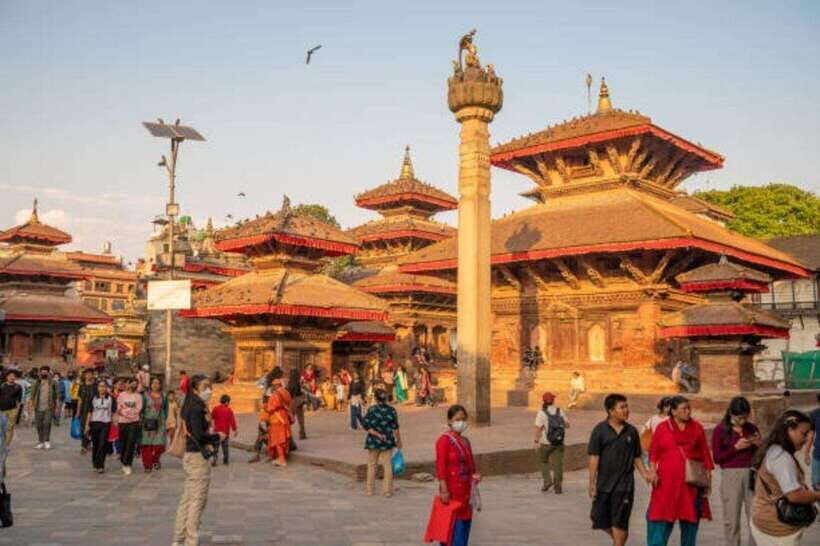
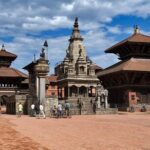
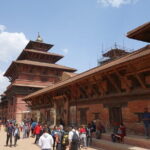
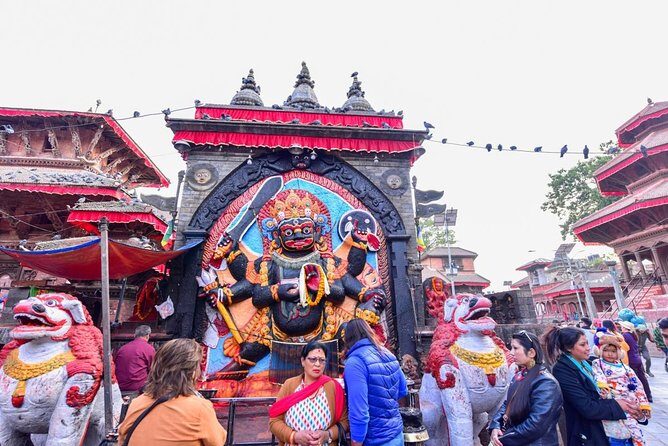
The third major stop is Kathmandu Durbar Square, with about 2 hours on the schedule. Here’s the key detail: entrance fees aren’t included if you go inside. That doesn’t make the stop less valuable—it just means you can decide how much you want to pay for the interior experience.
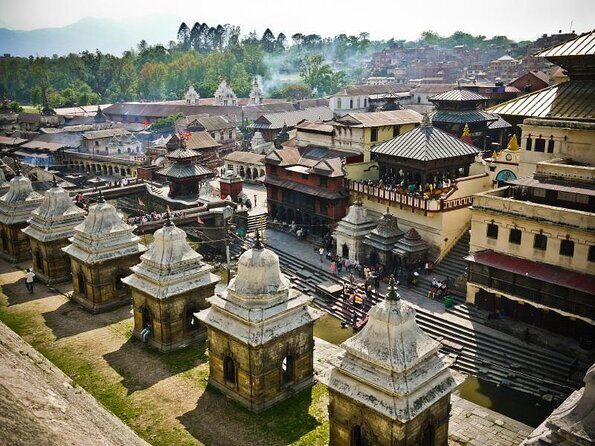
Durbar Square is one of the big heritage areas in Kathmandu, so the timing is generous enough to do more than a quick look. It’s also a good place to slow down and notice how food culture and historic spaces overlap. The tour’s focus is still food, but being in a heritage zone adds meaning to the tastings you just had and the cultural context your guide has been building.
A sensible strategy: consider whether you want to pay to enter specific parts while you’re there. If you do go inside, budget extra for the entrance fees. If you’d rather keep costs predictable, you can still enjoy being in the area and staying aligned with the tour’s flow.
Also, Durbar Square can be a practical place to regroup. You’ll have eaten a lot by this point, so this stop gives you a natural rhythm: snack now, walk and explore, then decide what to do next without rushing.
What you’ll taste: more than one-bite sampling
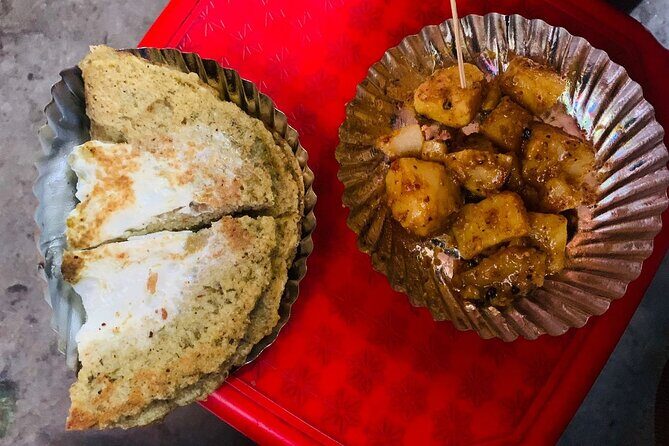
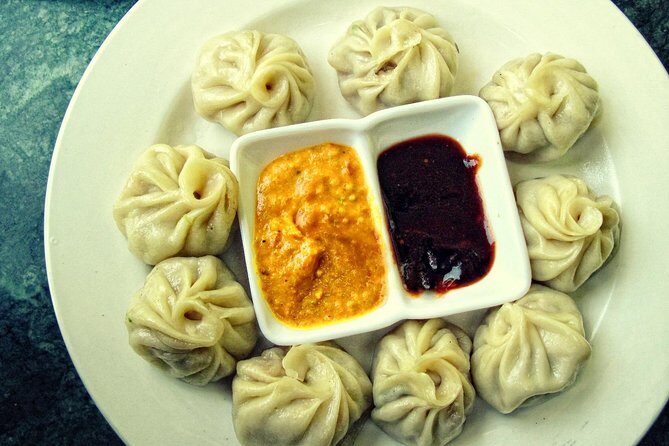
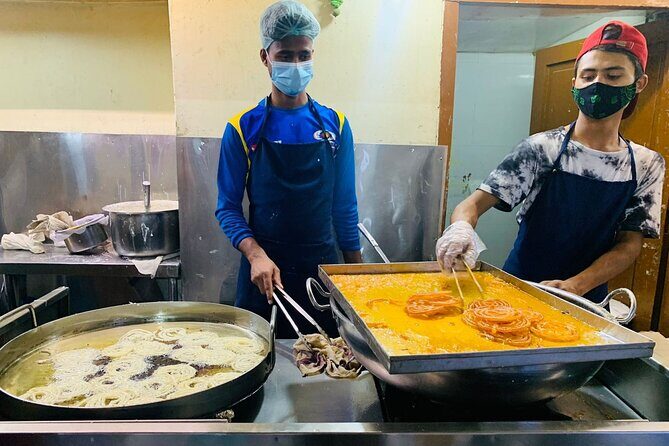
This is where the tour earns its keep. The included tastings are structured so you don’t end up eating just one small sample per stop and then calling it a day.
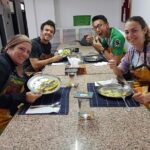
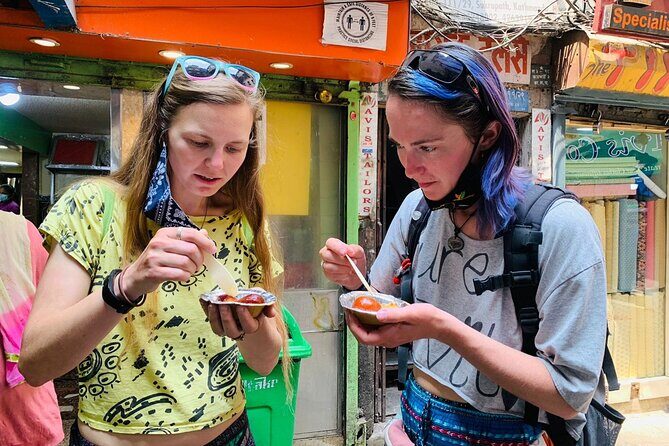
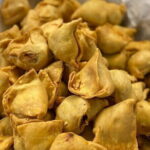
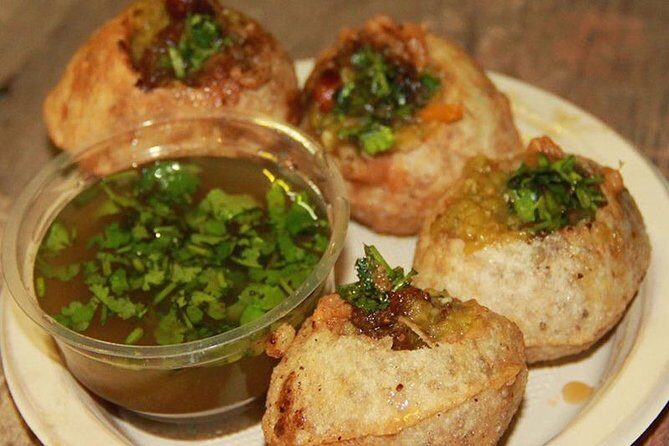
The tour includes tasting minimum five typical dishes and drinks. It also includes coffee and/or tea, bottled water, and hot drinks, which helps a lot in Nepal’s street food environment. When you’re trying multiple items, a drink and a temperature change can keep your stomach and taste buds comfortable.
Newari specialties are specifically mentioned as part of the sampling. That matters because Newari cuisine is a strong thread of Kathmandu’s food identity, and it’s the kind of food you might miss if you only stick to what you can find on more generic menus.
One more thing: the tour says you can eat as much as you can to your heart’s desire within the tasting setup. In real life, that means you’ll leave full if you pace yourself. Don’t start with the biggest portion if you’re worried about finishing everything. But also don’t force yourself into tiny bites just because you’re trying to be polite. This is a food tour.
Guide help is the secret sauce. In the experiences I read, guides like Krishna were described as full of knowledge about Nepalese culture and cuisine, and also comfortable sharing details that made the food feel tied to real life, not just random sampling. When your guide explains what you’re eating and why it matters, the tastings feel purposeful.
You can also read our reviews of more food & drink experiences in Kathmandu


Walking logistics that make or break a street food tour
A walking tour only works if you can handle the physical rhythm. This one is designed to be best suited to mobile travelers. That wording is honest: you’ll be moving through neighborhoods, not riding a car between stops.
Plan for about 3 to 4 hours on your feet. Wear comfortable shoes with grip. Kathmandu streets can be uneven, and you’ll want stable footing when you’re stopping for tastings.
You’ll also have key comfort basics built in: bottled water plus coffee/tea and hot drinks. That doesn’t eliminate the need to pay attention to your own energy, but it does reduce the random costs and hassle that often creep into street food days.
If you’re picky about food, you can still have a great experience. The tour is private, and it’s described as customizable to your needs and interests. That’s where you can tell your guide what you want more of, what you want less of, and how adventurous you want to be.
Finally, the tour is near public transportation, and pickup is offered. If you’re staying somewhere in Thamel or close enough to reach it easily, starting from Thamel makes timing easier.
Price and value: why $60 can feel fair here
Let’s talk value without hype. $60 per person is not a budget “just for fun” snack stroll. You’re paying for:
- a private guide
- multiple included tastings (minimum five typical dishes and drinks)
- coffee/tea, hot drinks, and bottled water
- time in three key areas: Thamel, Asan, and Durbar Square
If you try to replicate this yourself, the cost often shifts from “tour price” to your own guesswork. You’d pay for tastings one by one, then spend extra time figuring out where to go next, what’s good, and what’s safe. The guide reduces that friction—and you’re not just buying food, you’re buying explanation.
The other value angle is confidence. When your guide can teach you how to navigate a market area like Asan and explain cultural context, you get more out of the money than the food alone.
This also seems to be a popular choice, with an average booking window of 24 days in advance. That’s a hint that people who want a smooth street-food day tend to plan ahead.
Who should book this street food walk
This tour is a strong fit if:
- you love food-focused travel more than checklists
- you want to try Newari specialties and more local dishes
- you like walking tours when the route is guided and paced
- you want a private experience instead of tagging along with strangers
- you’re the type who asks why a dish works in its culture
It may not be ideal if:
- you hate walking or have mobility limits
- you want a fully ticketed heritage visit with no extra fees
- you’re only interested in the simplest, most common tourist-friendly bites
Should you book this Kathmandu Street Food Walking Tour?
I’d book it if you want a half-day in Kathmandu that feels grounded in daily life. The biggest reason is the combination of guided navigation and real tastings. Your guide can turn a confusing street scene into something you understand, and the included drinks make the whole day feel more comfortable than a grab-and-go snack crawl.
Book it especially if you enjoy learning while you eat. With guides like Krishna and Jamuna highlighted in the experiences I reviewed, the common theme is clear: knowledgeable direction, practical help moving through streets, and an emphasis on food tied to Kathmandu culture.
If you’re budget-tight and don’t want to handle any extra heritage entrance costs, just plan ahead for the Durbar Square entry fees if you go inside. Otherwise, it’s a straightforward, satisfying way to eat like a local without spending your whole day figuring things out.
FAQ
FAQ
How long is the Kathmandu Street Food Walking Tour?
It runs for about 3 to 4 hours.
Where does the tour start?
The tour starts in Thamel, Kathmandu 44600.
What food and drinks are included?
You’ll receive coffee and/or tea, bottled water, hot drinks, and tastings of at least five typical dishes and drinks.
Is pickup available?
Yes, pickup is offered.
Are Durbar Square entrance fees included?
No. Entrance fees to Kathmandu Durbar Square cost extra if you go inside.
Can I cancel for a full refund?
Yes. You can cancel for a full refund if you cancel at least 24 hours in advance. If you cancel less than 24 hours before the start time, the amount paid is not refunded.