REVIEW · KATHMANDU
Kathmandu: Private Bhaktapur and Patan Sightseeing Tour
Book on GetYourGuide →Operated by Cordial Trek Pvt. Ltd. · Bookable on GetYourGuide
Old squares, big meaning.
This private Kathmandu Valley outing stitches together Patan and Bhaktapur—two UNESCO-designated Durbar Square areas—so you see how royal power, Hindu devotion, and Newari craft all live side by side. I like that the pace is calm enough to notice details like carved temple forms, courtyard layouts, and the feel of everyday life inside historic centers.
Two things I especially like: you get a strong guide who can explain Nepalese Hinduism and local history (I’ve seen guide Nilakantha’s perfect English and enthusiasm, and Sharmila’s clear explanations), and you’re not limited to one site—you cover both kingdoms in one day with hotel pickup, bottled water, and a private AC vehicle.
One consideration: you’ll need to handle monument entrance fees in cash, so don’t plan on paying everything by card. Also, no meals are included, so build in your own plan for lunch/snacks before or after.
In This Review
- Key moments that make this tour worth it
- Two UNESCO squares in one compact day
- Getting there from Kathmandu: AC comfort and realistic timing
- Patan Durbar Square: Newari architecture and Krishna Mandir
- The drive to Bhaktapur: short transfer, different atmosphere
- Bhaktapur Durbar Square: Golden Gate to Nyātāpola
- Golden Gate and 55 Jhyale Durbar
- Nyātāpola Temple: Nepal’s tallest temple tradition
- Temples, palaces, and courtyards in one historic core
- Pottery Square and Newari craft shopping
- Why the guide matters here (and how to spot a good one)
- Price and value: is $45 per person a good deal?
- What to bring, and the hiccups to avoid
- Should you book this Patan and Bhaktapur tour?
- FAQ
- What’s the duration of the Kathmandu: Private Bhaktapur and Patan Sightseeing Tour?
- Where does the tour start and end?
- Is this tour private or shared?
- Is the tour guide available in English?
- What does the tour include?
- Are meals included?
- Do I need to pay monument entrance fees?
- Is there a line-skipping feature?
- What should I bring for the day?
- Is there anything I can’t bring?
Key moments that make this tour worth it
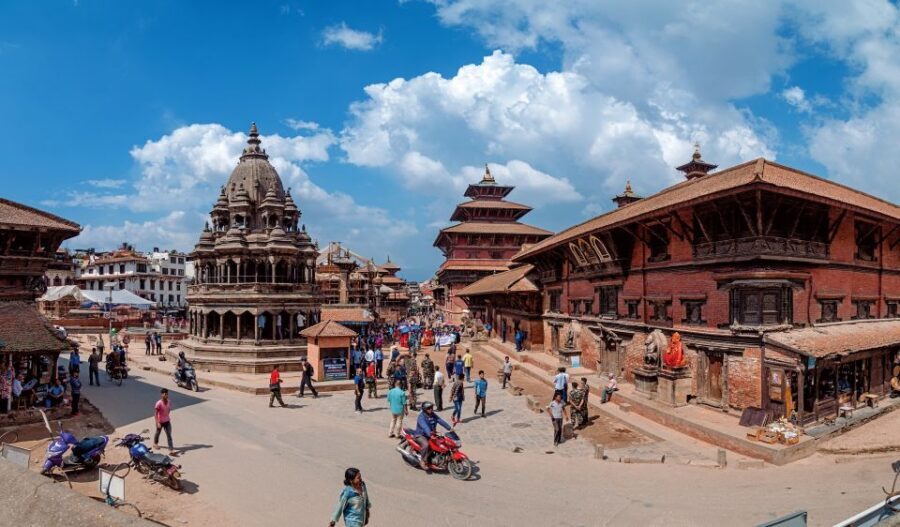
- Two UNESCO Durbar Square areas in one focused outing
- Patan Durbar Square with Newari architecture and the Krishna Mandir in stone
- Bhaktapur Durbar Square highlights like the Golden Gate area and 55 Jhyale Durbar
- Nyātāpola Temple (a five-tier temple) and the scale of Malla-era design
- Pottery Square for handicraft shopping at the historic core
Two UNESCO squares in one compact day
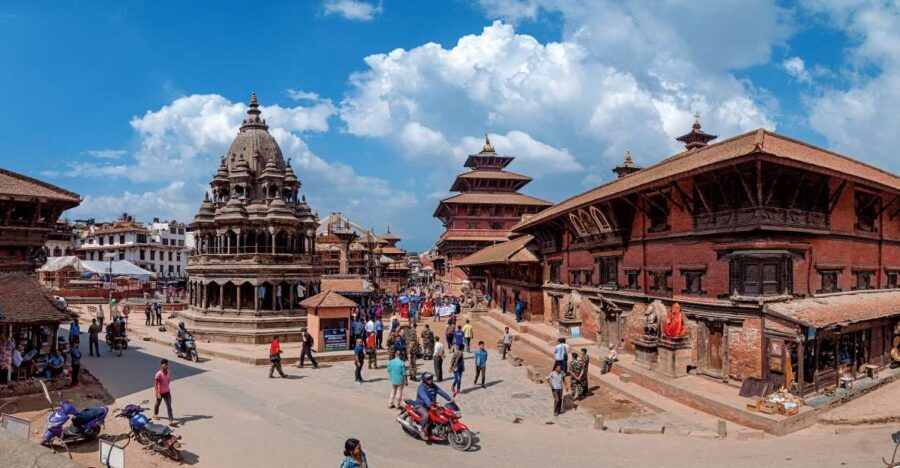
If you’re short on time in Kathmandu, this tour is a smart way to see the Kathmandu Valley’s cultural core without hopping around for ages. Patan and Bhaktapur are often recommended for good reason: both Durbar Square complexes are loaded with temples, palaces, shrines, monasteries, and courtyard-style spaces where the architecture is the main character.
What I like about doing Patan and Bhaktapur together is that they don’t feel like repeat museums. Patan’s royal story reads through its carved stone temples and the Durbar Square’s layout, while Bhaktapur’s experience leans more toward a dense, vertical “city of temples” feel—especially around Nyātāpola and the Golden Gate area. You’re basically comparing two Malla-era interpretations of devotion and craftsmanship.
And yes, you’ll also catch Newari culture in the way these places are used: the squares aren’t just for photos. Even when you’re standing still, you can sense how community life and sacred spaces overlap.
You can also read our reviews of more private tours in Kathmandu

Getting there from Kathmandu: AC comfort and realistic timing
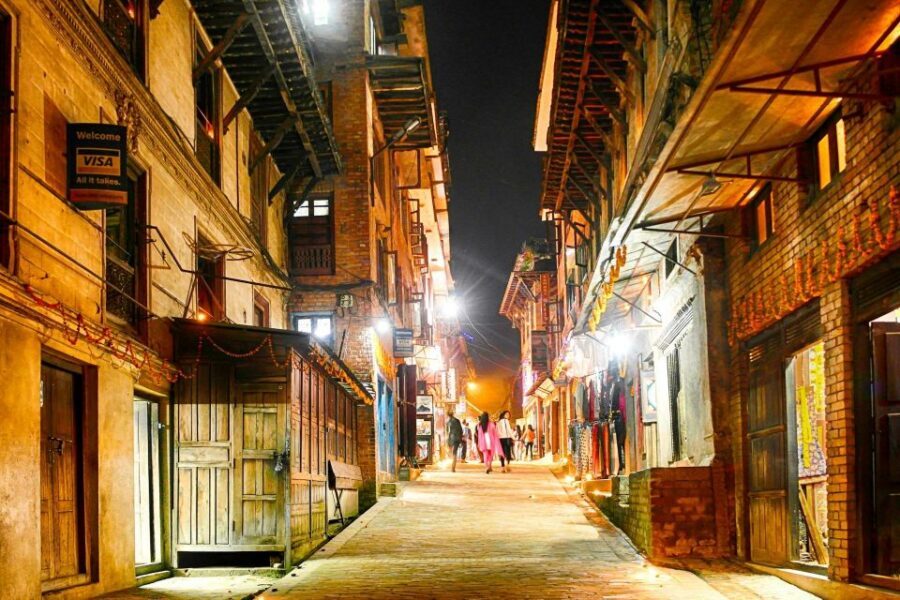
The tour runs about 6 hours, with pickup from your hotel and transport in a private AC car or van. This matters more than it sounds, because the drives between these historic cores can be impacted by traffic. Having your own vehicle means you’re not guessing at schedules or shoehorning your day around public transport.
The day usually starts around 10:00 AM. You’ll head first to Patan (about half an hour by car), then transfer to Bhaktapur (roughly 40 minutes, traffic dependent). You’ll return to Kathmandu later in the afternoon—some versions of the schedule say around 3:00 PM, while the itinerary detail points to about 4:00 PM—so I’d plan for an end time in that range.
If you get motion-sensitive, the AC ride is a plus, but remember you’ll still be walking inside old stone areas. Comfortable shoes are not optional here.
Patan Durbar Square: Newari architecture and Krishna Mandir
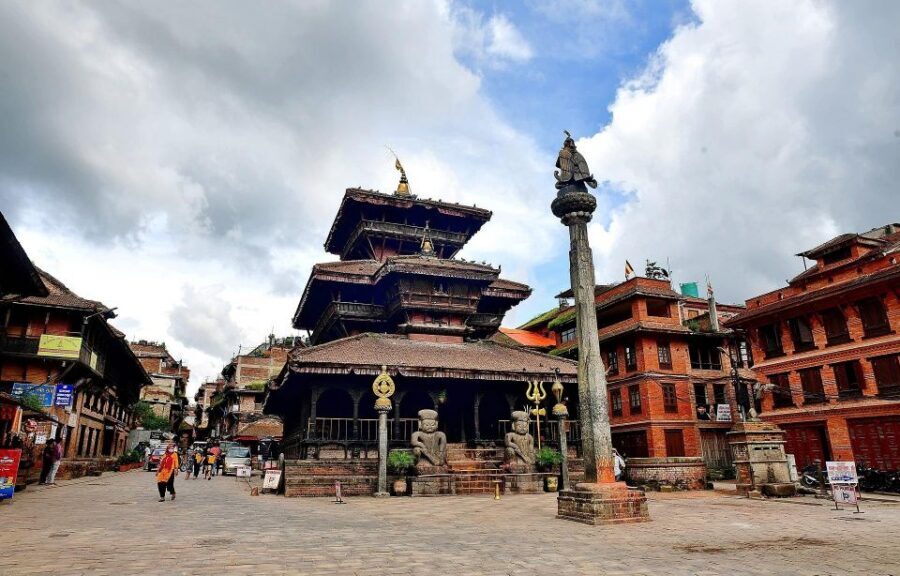
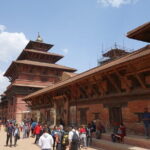
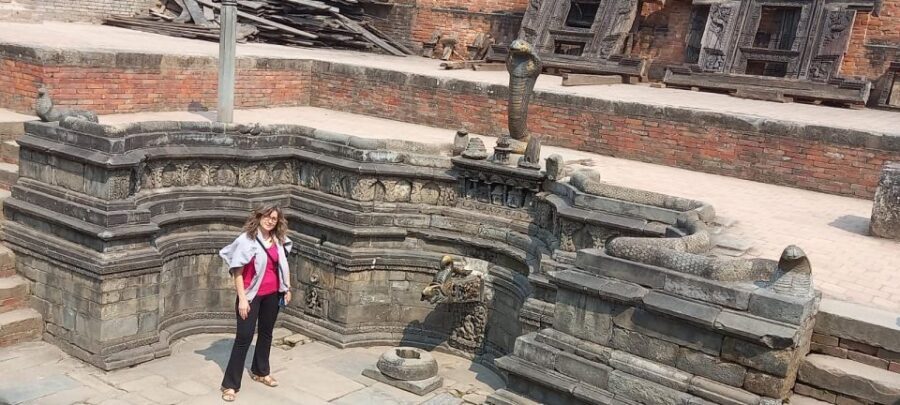
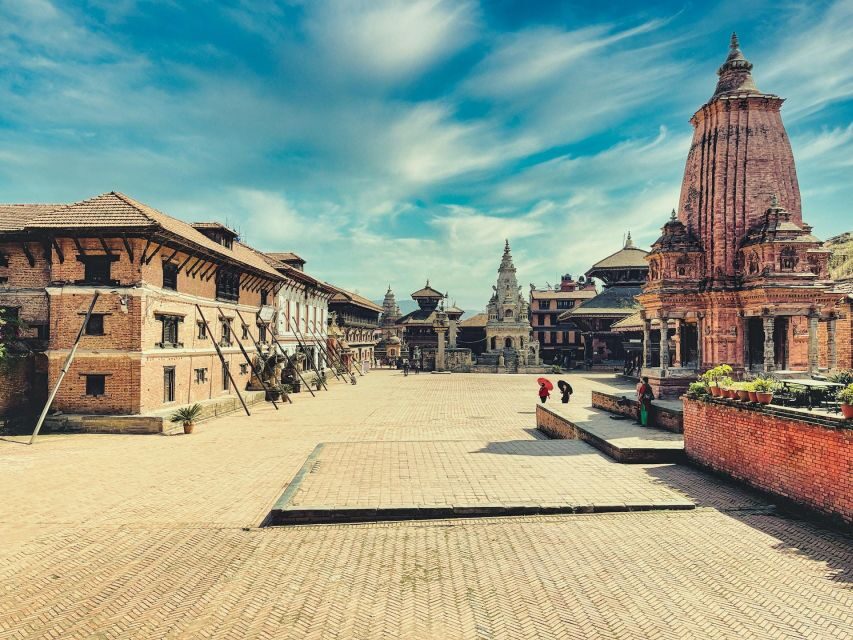
Patan Durbar Square is the kind of place where your eyes keep finding new layers. The floor is known for its red-brick tiling, and the overall scene is distinctly Newari: clustered temples, statues, and palace-era structures arranged in a way that feels both formal and lived-in.
You’ll spend around 1.5 hours here with a guide. That’s enough time to slow down and understand what you’re looking at instead of rushing through. The guide also helps you connect the shapes of the temples to the beliefs behind them—why certain motifs appear, and how the royal and religious worlds mixed in daily life.
One standout is the Krishna Mandir, described as a famous stone temple within the square. Even if you’re not an art specialist, the point is simple: stonework here isn’t decoration. It’s a statement—about patronage, skill, and devotion—built to last.
Potential drawback: Durbar Square areas can feel visually busy. If you prefer wide, open views, you may have to slow your pace and focus on one pocket at a time—especially when you’re moving between multiple shrines and statues.
The drive to Bhaktapur: short transfer, different atmosphere
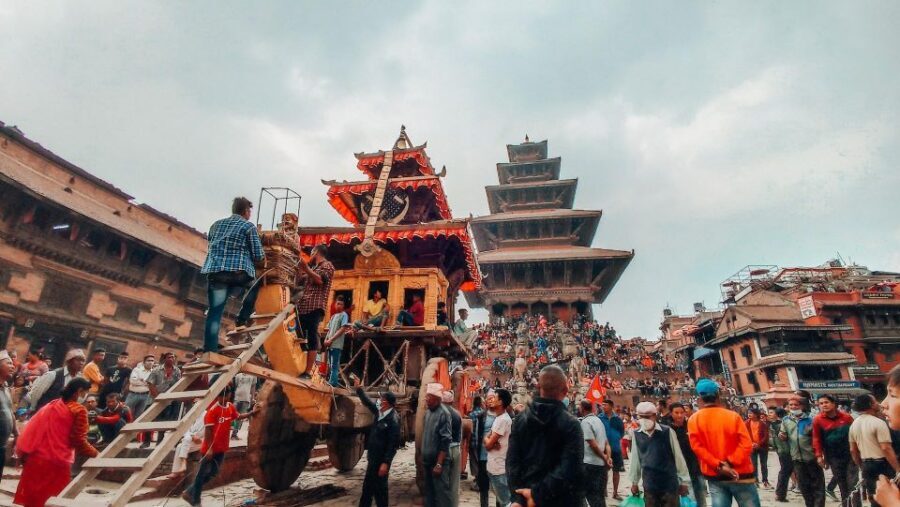
Between Patan and Bhaktapur, you’ll have a straightforward transfer. It’s short enough that you don’t lose the momentum, but long enough that the change in feel lands.
This shift is part of the value of the day. Patan’s square vibe can feel more spread out, while Bhaktapur tends to pull you inward. You’ll arrive and start your guided exploration in the main Durbar Square zone, where the architecture gets more intense and more vertical as you look around.
If you’re traveling with someone who gets tired of “standing in front of temples,” this is where the tour design helps: you’re switching scenes often enough to stay engaged, and the guide keeps the meaning clear.
Bhaktapur Durbar Square: Golden Gate to Nyātāpola
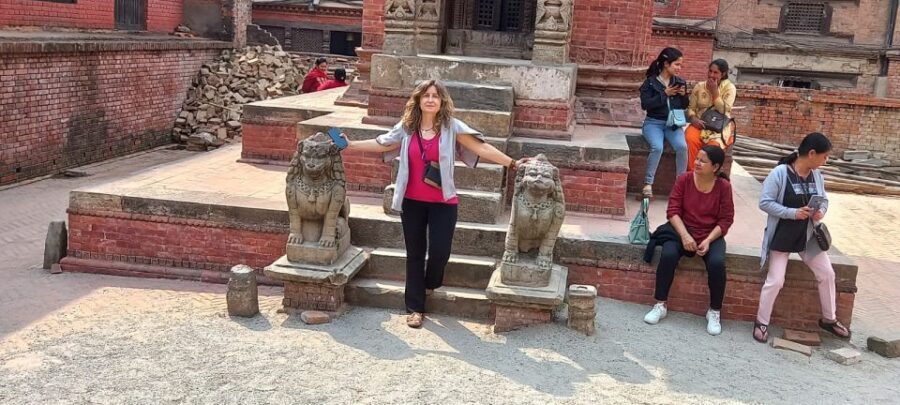
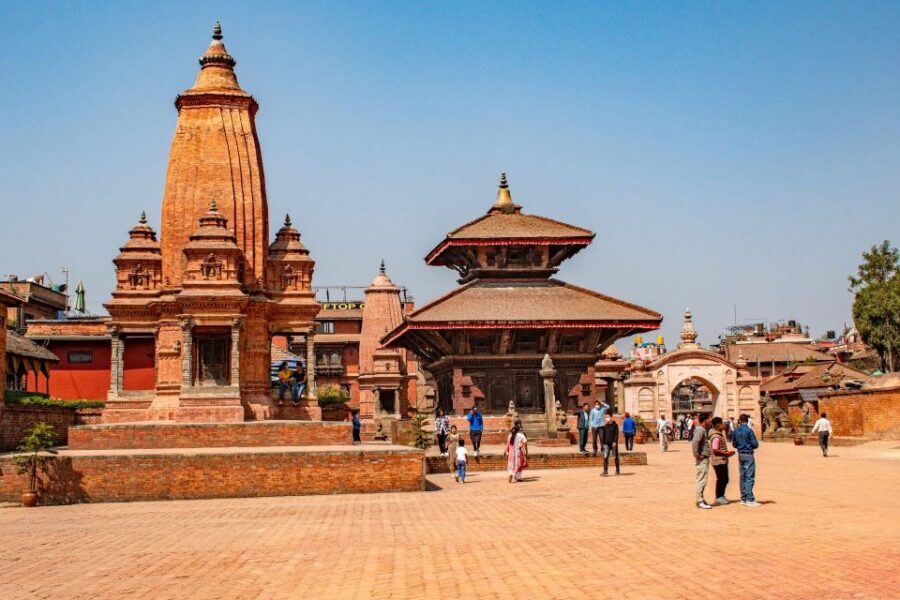
Bhaktapur Durbar Square is the heart of the city’s historic royal core, tied to Malla-era rule. You’ll cover it for about 2.25 hours, and it’s the longest stop—no accident. This is where the details hit hardest.
A big theme here is time: the complex was used across centuries, first housing Malla kings and later the Kingdom of Bhaktapur’s rulers until the kingdom was conquered in 1769. The physical space also tells that story: the old palace grounds later served as government offices, schools, and private houses. That layered use means you’re seeing a historic complex that didn’t become a sealed-off ruin—it evolved.
Here are the specific highlights I’d plan to prioritize:



Golden Gate and 55 Jhyale Durbar
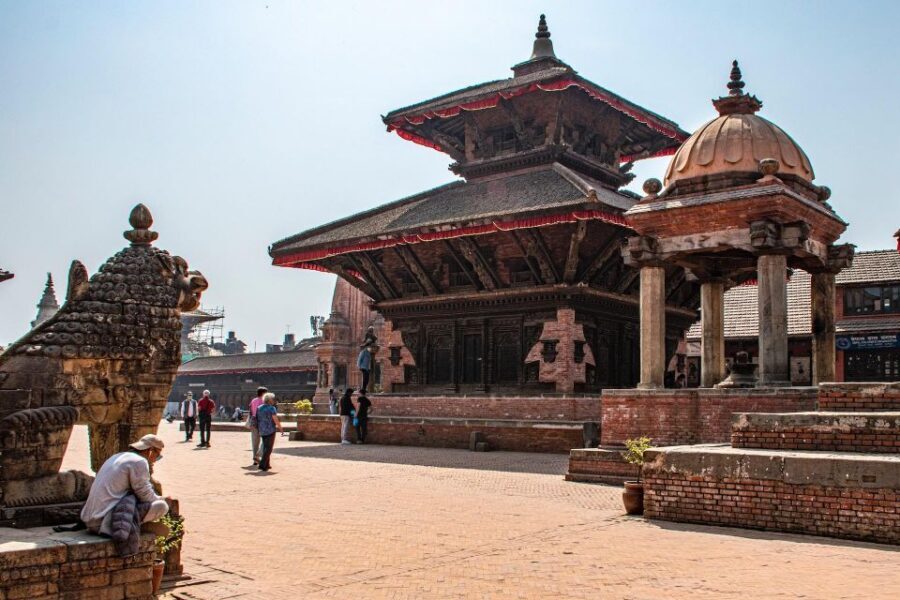
Right behind the Golden Gate, you can look for the 55 Jhyale Durbar. The key detail is the woodworking and carving tradition attributed to the Malla period. Even if you only have a few minutes, keep your eyes on the carved patterns and the way the building’s ornamentation is arranged. It’s architecture meant to be read, not just photographed.
Nyātāpola Temple: Nepal’s tallest temple tradition
Then there’s Nyātāpola, a five-tier temple described as the tallest monument in the city and the tallest temple of Nepal. The fact that it’s stepped in tiers is part of the drama: it visually guides you upward, like your gaze is being pulled toward the next level.
If you like temple proportions and symbolism, this is where you slow down. A guide helps here because you’re not just admiring height—you’re learning why the form matters.
Temples, palaces, and courtyards in one historic core
Bhaktapur’s Durbar Square complex includes temples, palaces, and courtyards built in traditional Nepalese architecture. This is the part of the tour that’s hard to fake with a bus stop. When you’re on foot inside the complex, you start noticing how courtyards function as social space and how temple groupings create rhythm as you move.
Potential drawback: you’ll do a decent amount of walking and standing. If you’re traveling with knee issues or you hate crowds, ask the guide to pace you and focus on fewer priority targets.
Pottery Square and Newari craft shopping
After the Durbar Square focus, there’s time around Pottery Square, a hub for traditional handicrafts. It’s described as a center for pottery work and local shopping, even if it’s smaller than Durbar Square itself.
This is where you can turn sightseeing into something practical: you’re not just looking at art; you’re buying everyday Nepalese craft. If you bring cash (you should), you’ll have an easier time grabbing small items like souvenirs that feel connected to local production rather than generic tourist stock.
Quick advice: treat shopping as part of the tour, not an afterthought. If you wait until the end of the day, you’ll be tired and less patient—which is how people end up with purchases they don’t love.
Why the guide matters here (and how to spot a good one)
This tour lives or dies by the guide. In these Durbar Square complexes, it’s easy to get lost in visuals. A strong guide turns that visual chaos into meaning: what you’re seeing, what era it connects to, and how Nepalese Hinduism shows up in architecture.
I’ve seen guide Nilakantha stand out for perfect English and a teachable, enthusiastic style that made topics like Nepalese Hinduism history feel understandable instead of academic. I’ve also seen Sharmila praised for detailed knowledge of history and religion.
What I’d look for in your own experience:
- Explanations that connect temples to how people actually practice beliefs
- Clear wayfinding so you don’t waste time backtracking
- Willingness to tailor pace (especially in Bhaktapur where you may want more time near Nyātāpola)
If your guide is strong, the day feels like you’re learning how the cities think, not just where they are.
Price and value: is $45 per person a good deal?
At $45 per person, this tour is priced like a value-focused private day. You’re paying for a few key things that add up quickly on your own:
- Hotel pickup and drop-off
- Private AC car/van
- An English-speaking live guide
- Bottled drinking water
- A focused route that hits two major UNESCO-designated areas
The most common reason people feel “it was worth it” here is time efficiency. If you try to piece together two Durbar Squares on your own, you spend time figuring out logistics, transport timing, and where to focus. With a guide, you also avoid spending hours just guessing what’s important.
Two small notes for fairness:
- Meals are not included, so your total day cost depends on your food plan.
- You still need cash for monument entrance fees, so have that buffer.
Overall, if you want Patan plus Bhaktapur in one managed day, this is a sensible price point.
What to bring, and the hiccups to avoid
This is the practical part of making your day smooth.
Bring:
- Camera
- Cash (for monument entrance fees)
- Comfortable shoes
- Sunglasses
Plan around:
- No oversize luggage
Also, wear shoes that handle uneven stone. Courtyards and temple approaches can be slippery or worn down. And because you’ll be walking and looking up a lot, sunglasses help more than you’d think.
If you’re the type who gets hungry without warning, pack a small snack strategy for before or after the tour. Since meals aren’t included, you don’t want to wait until you’re starving to find something.
Should you book this Patan and Bhaktapur tour?
Book it if:
- You want two major Durbar Square UNESCO sites in one day
- You care about Newari culture, Hindu tradition, and how architecture reflects both
- You prefer a private guide who can explain what you’re seeing in clear English
- You value transport comfort from your Kathmandu hotel in a private AC vehicle
Skip it (or modify expectations) if:
- You dislike walking in old city cores and would rather do fewer stops
- You’re expecting meals included
- You don’t want to carry cash for entrance fees
My take: if you’re choosing between “one big Durbar Square day” and “Patan plus Bhaktapur,” this pairing makes more sense. You get more variety in sights, and the time feels better spent.
FAQ
What’s the duration of the Kathmandu: Private Bhaktapur and Patan Sightseeing Tour?
It lasts about 6 hours.
Where does the tour start and end?
Pickup is from your hotel in Kathmandu, and you’re dropped back in Kathmandu in the afternoon.
Is this tour private or shared?
It’s a private group.
Is the tour guide available in English?
Yes, the live tour guide is English-speaking.
What does the tour include?
Hotel pickup and drop-off, an experience tour guide, private AC car/van transportation, and bottled drinking water.
Are meals included?
No, meals are not included.
Do I need to pay monument entrance fees?
Yes. You’re asked to bring cash to pay monument entrance fees.
Is there a line-skipping feature?
Yes, it includes express security check.
What should I bring for the day?
Bring a camera, cash, comfortable shoes, and sunglasses.
Is there anything I can’t bring?
Oversize luggage is not allowed.