REVIEW · KATHMANDU
Kathmandu: Full-Day 7 UNESCO Tour with Lunch – Private/Group
Book on GetYourGuide →Operated by Relax Getaways Pvt. Ltd · Bookable on GetYourGuide
Seven UNESCO sites in one long day.
This tour is interesting because it strings together Kathmandu Valley’s most important spiritual and artistic places into one guided route, including Swayambhunath and air-conditioned transport to keep you moving. I love that you’re not just ticking off landmarks: a good guide explains what you’re seeing and why it matters, and that makes temples, squares, and stupas feel connected instead of random.
My other favorite part is the value angle. With the all-inclusive option, you can skip the ticket hassle and still get a proper Nepali lunch, while the standard option includes a packed lunch box to keep the pace manageable. The possible drawback is that it’s a full, active day with a lot of walking and queueing at multiple sites—great if you want coverage, tiring if you prefer slow travel.
In This Review
- Quick hits before you go
- Why this UNESCO day tour is a smart shortcut
- Pickup, transport, and the pace you should plan for
- Stop 1: Swayambhunath (Monkey Temple) and first views of the valley
- Durbar Squares: Kathmandu Durbar Square, Patan, and Bhaktapur
- Kathmandu Durbar Square
- Patan Durbar Square
- Bhaktapur Durbar Square
- Stop 4: Changu Narayan Temple’s carving-first atmosphere
- Stop 5: Pashupatinath Temple by the Bagmati River
- Stop 6: Boudhanath Stupa and Tibetan cultural life
- Lunch and snacks: what the included food really means
- Price and value: what you’re paying for, and what you still need
- What makes the guides matter (Sumit, Asmita, Sajina, and more)
- Practical tips that will save your day
- Who should book this 7-site Kathmandu Valley tour
- Should you book it?
- FAQ
- Which UNESCO World Heritage Sites are included?
- Is hotel pickup and drop-off included?
- Are monument entrance fees included?
- How much should I budget for entrance fees?
- What’s included for lunch?
- What time do group tours start?
- What languages are guides available in?
- Is this tour wheelchair-friendly or suitable for visually impaired visitors?
Quick hits before you go
- Seven UNESCO stops in Kathmandu Valley in one day keeps your sightseeing time tight.
- Guides like Sumit, Asmita, and Sajina are repeatedly praised for clear explanations and keeping the group on track.
- Air-conditioned private vehicle (and comfortable drivers like Krishna) makes the long route less draining.
- All-inclusive option can bundle monument fees so you don’t scramble for separate tickets.
- Lunch box + bottled water (plus fruit and juice) helps you stay energized between stops.
Why this UNESCO day tour is a smart shortcut
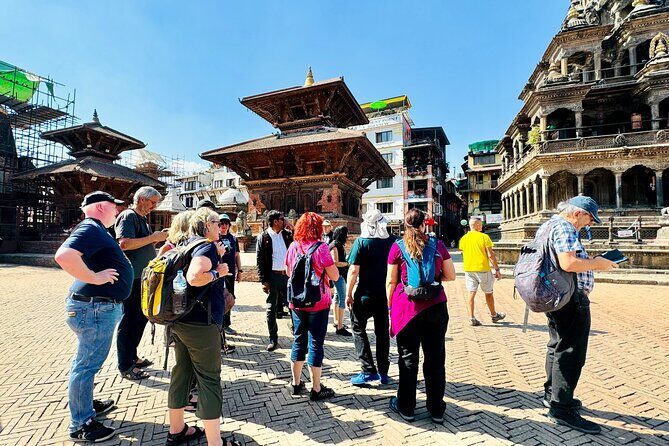
If you’re short on time in Kathmandu, this is the cleanest way to see a big chunk of what makes the Kathmandu Valley special. Instead of figuring out logistics between distant sites (and where to spend time), you get a guided circuit that connects Hindu temples, Buddhist stupa culture, and the story of Nepal’s royal-era cities.
I also like how the day is built around contrasts. You’ll start with sweeping views from Swayambhunath, then move through palace-square architecture at the Durbar Squares, then shift into serious spiritual atmosphere at Pashupatinath, and finally land at the massive Boudhanath stupa. That sequence helps you understand the geography of belief, not just the geography on a map.
You can also read our reviews of more private tours in Kathmandu

Pickup, transport, and the pace you should plan for
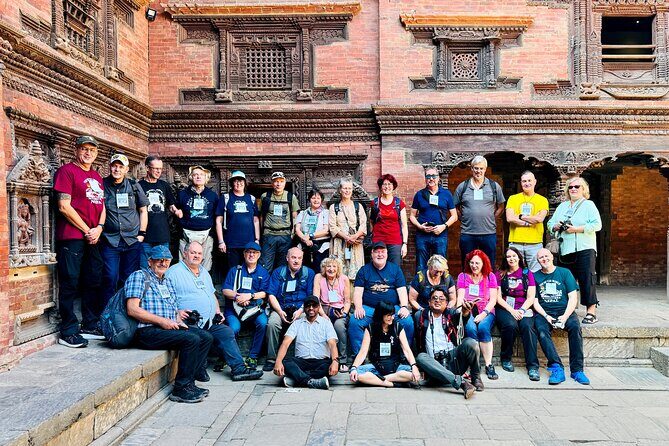
This tour runs as either private or group, and that changes how the day feels. Group tours typically begin around 8:00 AM with pickup in the Thamel area, and your exact pickup time is sent one day in advance. Private tours include hotel pickup and drop-off, which usually means less fuss getting started.
The vehicle is air-conditioned, and you’ll be able to wait at the curb and move from site to site without relying on street navigation. In reviews, drivers like Krishna are mentioned for safe, careful driving through Kathmandu traffic, which matters when the schedule is tight.
That said, it’s still a long day. You’ll be hopping between sites with entrance lines and walking inside major complexes, so wear comfortable shoes and treat this like an active day, not a relaxed stroll.
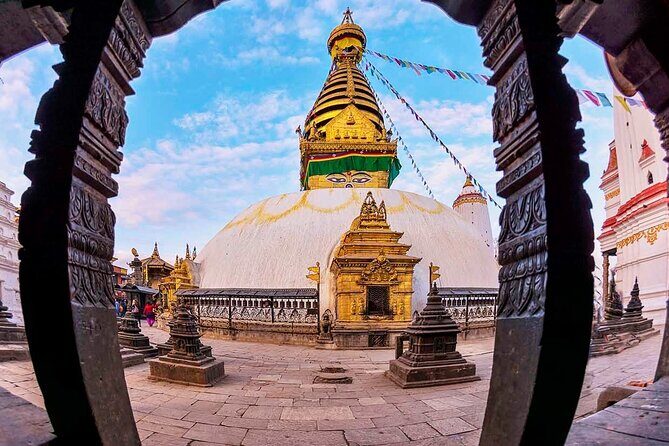
Stop 1: Swayambhunath (Monkey Temple) and first views of the valley
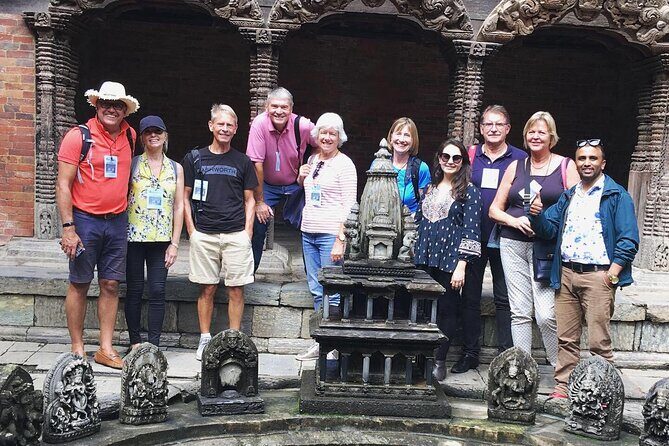
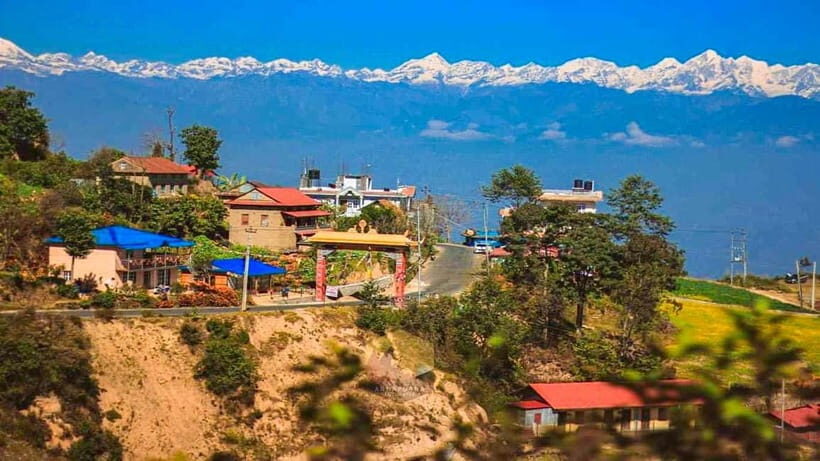
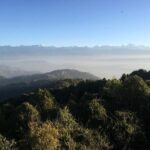
Most routes begin with Swayambhunath because it’s a high starting point, and that helps you get your bearings fast. The hill-top setting makes the first big impression: you get wide views over Kathmandu while you climb into one of the valley’s most famous temple sites.
Swayambhunath is also known as the Monkey Temple, and that nickname is hard to ignore once you’re there. The atmosphere is part sacred site, part living neighborhood of visitors and locals, so expect movement and plenty of photo opportunities.
What I’d watch for as you go: the way the site mixes Buddhist art details with the everyday flow of people moving through courtyards. A good guide helps you spot what’s symbolic and what’s practical for worshipers, so you don’t just see shrines—you understand the logic behind the layout.
Durbar Squares: Kathmandu Durbar Square, Patan, and Bhaktapur
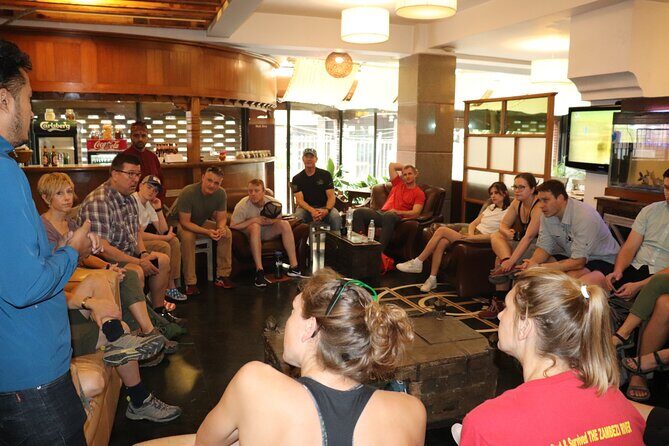
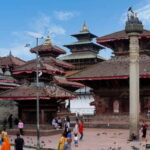
The Durbar Squares are where the day turns into architecture homework, in the best way. These are royal-era city centers with wood carving, old courtyards, and palace-style structures that explain how power and religion were tied together.
Kathmandu Durbar Square
This stop is all about palaces and courtyards that tell stories of Nepal’s royal past. If you enjoy details, Kathmandu Durbar Square can keep you busy longer than you expect, because the facades and carved elements reward slow looking—even if the day keeps moving.
You can also read our reviews of more tours and experiences in Kathmandu


Patan Durbar Square
Patan’s Durbar Square is especially appealing for Newari architecture lovers. The vibe is of living tradition, not just museum display, so you’ll likely notice how people use the space while also honoring the sacred and historic elements around them.
Bhaktapur Durbar Square
Bhaktapur is known for intricate Newari craftsmanship too, and it’s often the stop that feels like it turns up the age a notch. One important practical note: you’ll likely do more walking here than you expect, so plan to take small pauses and keep water handy.
A couple of reviews also mention that the full set of seven sites can feel like a lot in one go. If you love one Durbar Square more than the others, that’s a good sign—Bhaktapur, in particular, is the type of place that can deserve extra hours on a different day.
Stop 4: Changu Narayan Temple’s carving-first atmosphere
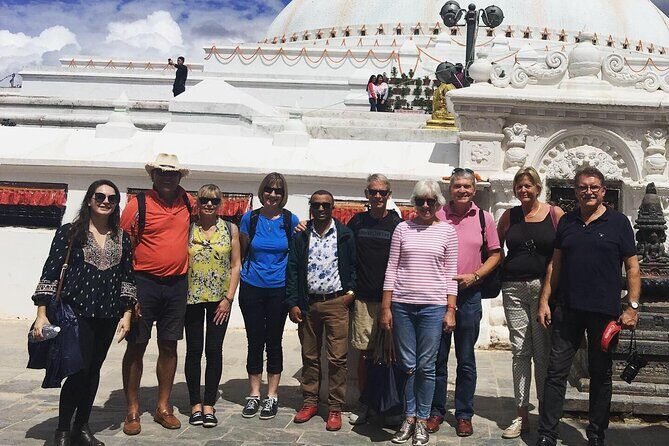
Changu Narayan Temple is a classic “look closer” stop. It’s believed to be one of the oldest Hindu temples in Nepal and is dedicated to Lord Vishnu, with carvings that date back centuries.
When a guide is strong, this is where the explanations feel most rewarding. You’ll learn what you’re looking at instead of just admiring shapes, and you’ll get context on why certain symbols matter in Hindu temple art.
Also, this is a great pause in the schedule because it’s more focused. After the larger city-square stops, Changu Narayan helps you reset your attention on craft, story, and religious meaning.
Stop 5: Pashupatinath Temple by the Bagmati River
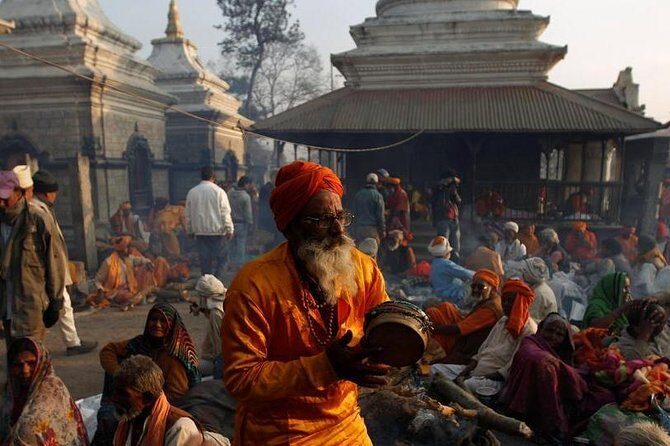
Pashupatinath is one of the most important Hindu pilgrimage sites in the world. The setting on the banks of the Bagmati River creates a different kind of spiritual gravity—serene, but not quiet, because you’ll see worship and daily life moving around the sacred core.
This is the stop where you’ll feel how Kathmandu’s spiritual identity changes from temple architecture to ritual atmosphere. A good guide helps you understand what’s happening (and what’s important to watch), so you’re not just observing from the outside.
Practical tip: be ready for crowds and keep an eye on your group. Reviewers mention the day staying on time overall, but at high-profile sites like this, it only takes a small mix-up to lose minutes.
Stop 6: Boudhanath Stupa and Tibetan cultural life
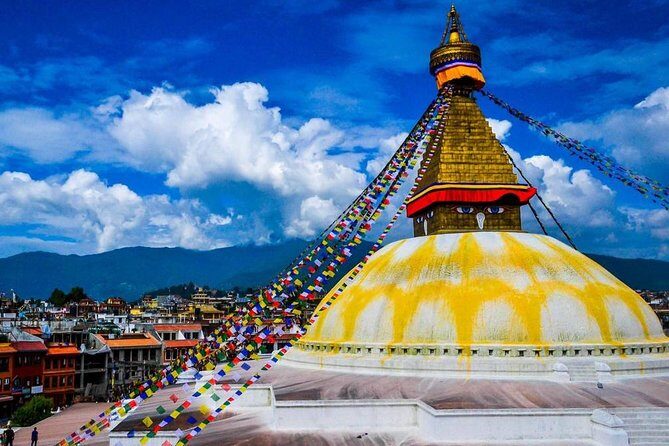
The final major spiritual stop is Boudhanath. It’s described as a colossal Buddhist monument and a hub for Tibetan culture and spirituality, and that description matches what you’ll feel when you arrive.
Boudhanath can be both visually intense and calming. You’ll see constant movement around the stupa area—people walking, chanting, and spending time in a way that makes the site feel like a living center, not just a landmark.
In a day packed with temples and squares, this ending stop is a nice payoff. It gives you a sense of continuity across religions and traditions in Kathmandu Valley, because the symbolism and daily rituals are visible and active.
Lunch and snacks: what the included food really means
Food on a day like this isn’t just convenience—it’s energy management. The tour includes a lunch box that comes with 500ml bottled water, a muffin, donut, banana, seasonal fruit, and juice. It’s a solid setup for staying fueled between sites, especially if you hit the ground early.
If you choose the all-inclusive package, you also get lunch at a local restaurant with Nepali dishes (the menu is described as a Khana set or a choice of dishes) plus soft drinks. Reviewers gave mixed notes here: one person felt the lunch didn’t match the cost, while others described their meal as filling and tasty.
My practical take: treat lunch as a fuel stop either way. If you have strong preferences, keep an open mind, eat on time, and plan to snack lightly if you’re the kind of person who gets hungry while walking.
Price and value: what you’re paying for, and what you still need
The headline price shown is very low (around $5 per person), but here’s the part you should understand before you book: monument entrance fees can be the real cost.
The tour data gives an entrance-fee total of approximately USD 43 (NPR 5,800 per person) for the heritage sites. If you book the all-inclusive option, those monument fees are covered. If you don’t choose all-inclusive, you should expect to pay entrance fees separately at each site.
SAARC nationals have a different total listed: USD 22 for monument fees (for group and private options). Reviews also echo the practical side of this: bring cash, because tickets may be paid separately even with a guide.
So is the tour worth it? For many people, yes—especially if you value having a guide, air-conditioned transport, and a structured day that saves you from figuring out tickets, timing, and routing. If you already have a strong plan to DIY the sites and you prefer independent pacing, the entrance-fee math may be the deciding factor.
What makes the guides matter (Sumit, Asmita, Sajina, and more)
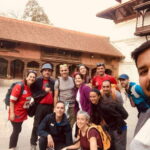
The strongest theme in the feedback is guidance quality. Names like Sumit, Asmita, Sajina, Anon, and Dipesh show up again and again, and the common thread is clear explanations and a friendly, attentive attitude.
What that means for you: you spend less time guessing what you’re looking at and more time understanding why the site is important. Multiple reviews mention guides answering questions patiently and matching the day to the group’s needs—whether it’s making time for photos or adjusting small details.
One more perk: a reviewer described an extra calm break on a day with guide Ram, including a healing bowl session and a Tibetan color painting visit. That’s not guaranteed in your itinerary details here, but it’s a good example of the kind of humane pacing a great guide can add when time allows.
Practical tips that will save your day
This is where you can make the tour feel easy instead of exhausting.
- Bring cash for entrance fees unless you’re sure you booked the all-inclusive option that covers them. Many reviews suggest budgeting around 5,000–6,000 NPR for fees.
- Bring sunscreen. One review calls it out directly, because Kathmandu sun can be intense even on a busy day.
- Pack light but have a daypack. You’ll be carrying small essentials through multiple sites.
- If bathrooms are a concern, one review suggests ladies bring a small paper item just in case. You’ll know your own comfort level—this is just a heads-up from someone who planned for it.
- Expect time for photos. Several reviews highlight guides who help with pictures and patience after short scheduling stress.
Also, note the tour isn’t for everyone. The listing says it’s not suitable for wheelchair users and not suitable for visually impaired people, so it’s better to choose a different format if accessibility matters most.
Who should book this 7-site Kathmandu Valley tour
This tour fits best if you want maximum payoff with minimal planning. You’ll enjoy it if you’re a first-time visitor, traveling solo, or trying to cover the essentials in a limited number of days.
It’s also a good choice if you like learning while you walk—temples, carving styles, palace-square layouts, and spiritual routines become easier to follow when a guide ties them together. If you get bored by long explanations, the pacing may feel like “a lot,” but the structure still keeps the day from drifting.
If you prefer slow travel, pick fewer sites instead. Even the reviewers who loved the day often admit the full seven can feel intense because you’re packing major sights into one schedule.
Should you book it?
Book this tour if your priority is seeing the key UNESCO sites fast, getting a guided story at each stop, and using air-conditioned transport to keep energy up. The all-inclusive option is especially attractive if you don’t want to handle ticket math and cash while you’re also trying to enjoy the temples and squares.
Skip or rethink it if you need a relaxed, low-walking pace, or if you’re very sensitive to schedule intensity. In that case, spreading the UNESCO sites across multiple days will feel better and give you time to linger where you actually want to linger.
FAQ
Which UNESCO World Heritage Sites are included?
The tour includes seven UNESCO sites in Kathmandu Valley: Swayambhunath, Kathmandu Durbar Square, Patan Durbar Square, Bhaktapur Durbar Square, Changu Narayan Temple, Pashupatinath Temple, and Boudhanath Stupa.
Is hotel pickup and drop-off included?
Yes. The tour includes hotel pickup and drop-off for the private option, and group pickups start around 8:00 AM in the Thamel area.
Are monument entrance fees included?
Entrance fees are covered in the all-inclusive package. If you choose the standard option, monument entrance fees are not included and you may need to pay separately at each site.
How much should I budget for entrance fees?
Entrance fees for all heritage sites total approximately USD 43 (NPR 5,800 per person). SAARC nationals have a listed total of USD 22.
What’s included for lunch?
The standard inclusion is a lunch box with 500ml bottled water, a muffin, donut, banana, seasonal fruit, and juice. If you choose the all-inclusive option, lunch at a local restaurant is included as well.
What time do group tours start?
Group tour pickups begin around 8:00 AM within the Thamel area, and you receive the exact pickup time one day in advance.
What languages are guides available in?
Guides are listed as available in English and Hindi.
Is this tour wheelchair-friendly or suitable for visually impaired visitors?
No. The listing states it’s not suitable for wheelchair users and not suitable for visually impaired people.
If you want, tell me your travel dates and whether you’re thinking private or group, and I’ll suggest how to plan your morning around the 8:00 AM group window and the likely pace.