REVIEW · KATHMANDU
Kathmandu: Top 4 UNESCO Tour with Lunch – Private/Group
Book on GetYourGuide →Operated by Luxury Holidays Nepal · Bookable on GetYourGuide
Four UNESCO sites, one smooth Kathmandu day.
I like how this tour links Swayambhunath, Patan Durbar Square, Pashupatinath, and Boudhanath into a logical route with a local guide explaining what you’re looking at, not just where to stand for photos. I also like the comfort factor: private hotel pickup, an air-conditioned electric car, bottled water, and an included lunch box. One consideration: you’ll walk and climb steps at several religious sites, and entrance fees can be extra unless you pick the all-inclusive option.
If you only have a few hours in Kathmandu Valley, this format helps you get your bearings fast. It’s also a good way to balance Hindu and Buddhist sites in the same day, with a guide helping you read the rituals, symbols, and everyday temple life.
In This Review
- Key highlights that actually matter
- One Day, Four UNESCO Icons: how the route makes sense
- Swayambhunath Stupa and the Monkey Temple views you’ll remember
- Patan Durbar Square: where Newari artistry shows up in wood and stone
- Pashupatinath on the Bagmati: Hindu rituals you can’t ignore
- Boudhanath Stupa: Tibetan Buddhism and the clockwise walk
- Getting around Kathmandu: private AC, electric car comfort, and traffic skills
- Lunch and drinks: what you’re actually getting for the price
- Guides who make the sites click: Sajina, Punam, Sumit, and others
- Price and value: why the $5 shows up, but the total can change
- Practical tips so your day feels easy, not exhausting
- Who this tour suits best (and who should skip it)
- Should you book the Kathmandu Top 4 UNESCO Tour?
- FAQ
- Which UNESCO sites are included?
- How long is the tour?
- Is lunch included?
- Do I have to pay entrance fees?
- What language is the guide?
- Is the tour suitable for wheelchair users or pregnant women?
Key highlights that actually matter
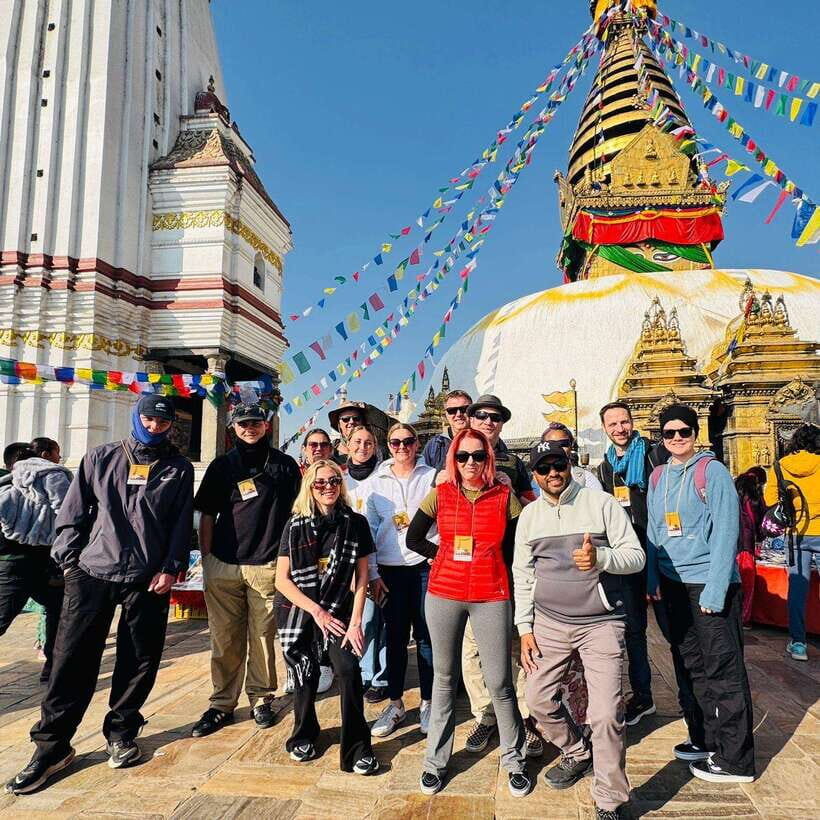
- Four UNESCO stops in one day: Swayambhunath, Patan Durbar Square, Pashupatinath, and Boudhanath
- Electric, AC transport between sites, with a driver used to Kathmandu traffic
- Lunch built in: a snack-style lunch box, plus an all-inclusive lunch set option
- Guides who add meaning: I saw names like Sajina, Punam, Sumit, Hemraj, and Sujan tied to great storytelling and extra time at stops
- Early-photo potential: starting around 8am can mean fewer crowds at Swayambhunath
One Day, Four UNESCO Icons: how the route makes sense
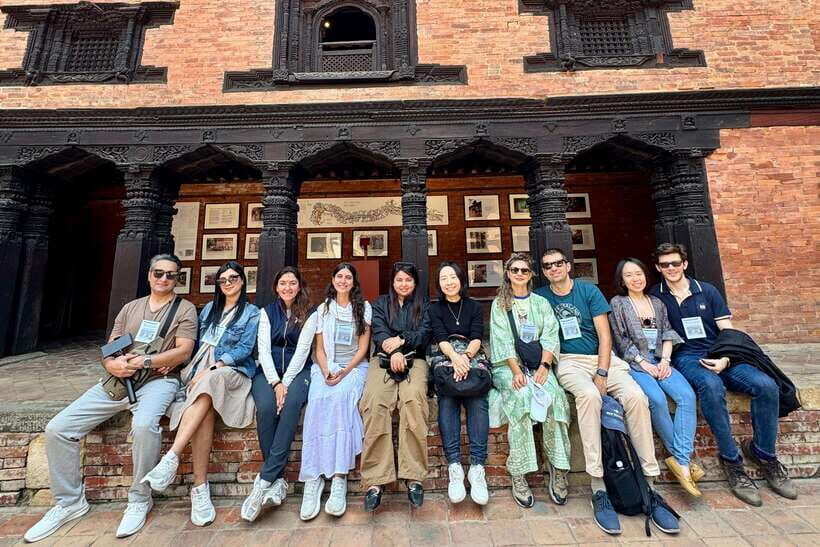
Kathmandu can feel chaotic on your first visit. This tour solves that problem with a simple rhythm: pickup, then a hilltop Buddhist start, followed by a heritage square, a major Hindu temple complex, and finally the huge Tibetan stupa that lets you slow down.
The order also helps your brain. You begin at Swayambhunath, where the view over Kathmandu Valley and the prayer-wheel sounds set a calm tone. Then Patan Durbar Square shifts you into Newari architecture and craftsmanship. Pashupatinath brings you to living Hindu ritual on the Bagmati River. By the time you reach Boudhanath, the day cools off emotionally—walk the stupa, watch pilgrims and monks, and let your senses settle.
If you’re traveling with limited time, this route is efficient without feeling like a rushed checklist. Many guides build in breathing room so you can pause for details—wood carvings at Patan, riverbank scenes at Pashupatinath, and the stupa’s full scale at Boudhanath.
You can also read our reviews of more private tours in Kathmandu

Swayambhunath Stupa and the Monkey Temple views you’ll remember
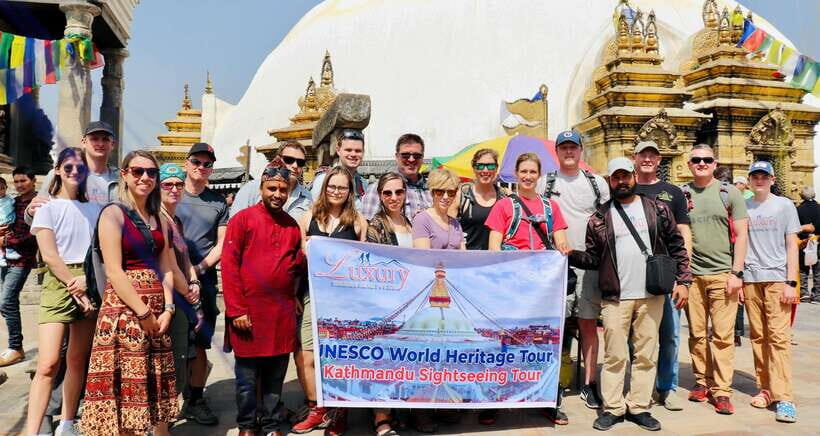
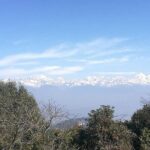
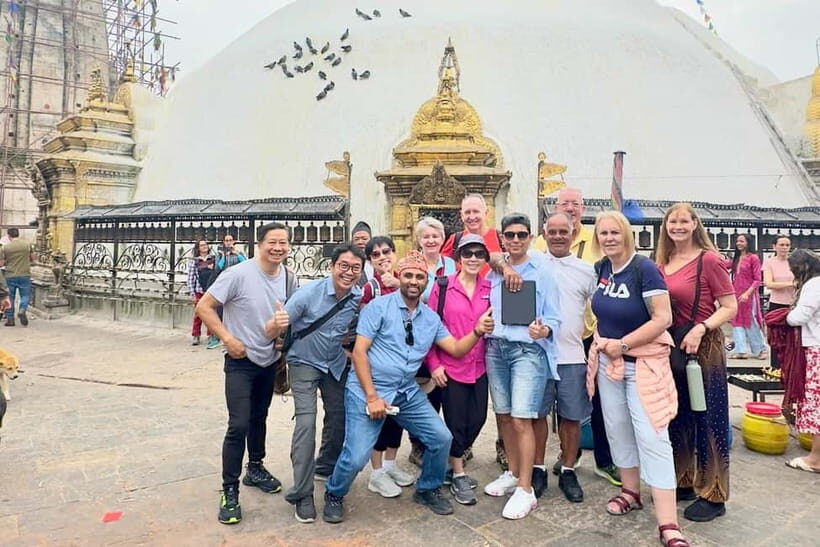
Swayambhunath is the kind of place where you arrive and instantly understand why it’s famous. The stupa and its white-and-gold look dominate the hilltop, and the view gives you context for the whole Kathmandu Valley.
I like the way this stop usually starts: you get a guided walk that helps you notice the small things—prayer wheels, ritual patterns, and the mix of Buddhist symbolism in everyday behavior. That context matters here. Without it, you might see a pretty stupa and miss what people are actually doing and why.
Practical tip: expect some walking on uneven surfaces and stairs. If you want photos, the early timing can help. One confirmed booking specifically noted getting to Swayambhunath at about 8am and being among the first foreign tourists, which makes a big difference for crowd-free pictures.
Also, don’t be surprised by the area’s nickname. You’ll likely spot monkeys around the site, but the main focus is still the temple complex’s spiritual atmosphere—chants, prayer movement, and pilgrims moving through the grounds with purpose.
Patan Durbar Square: where Newari artistry shows up in wood and stone
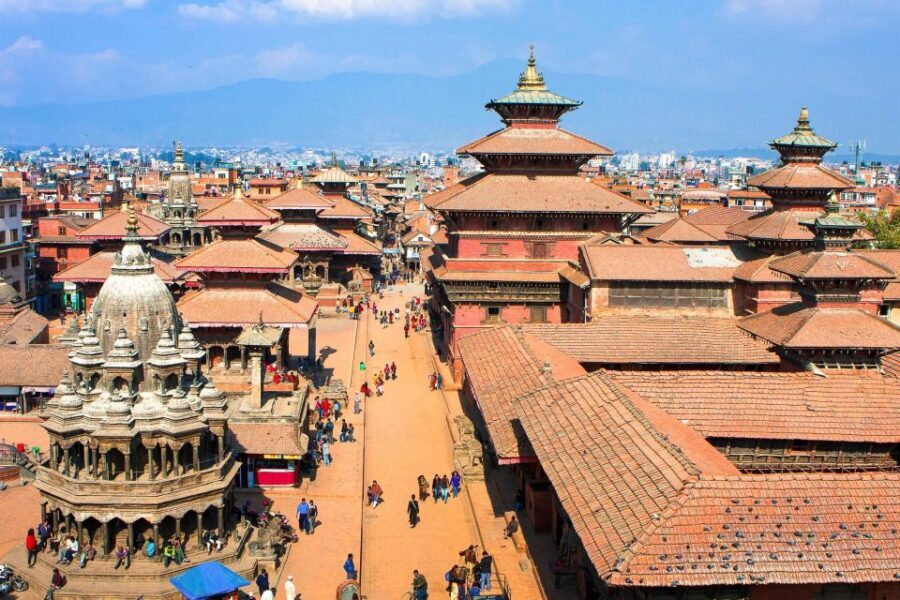
After the hilltop quiet, Patan Durbar Square hits you with craft. This is where you see Newari design in a more concentrated way: temples, courtyards, palace remnants, and detailed carvings that reward slow looking.
The best part of a guided stop here is recognition. A good guide points out architectural choices—how windows and doorways are carved, where statues sit, what the layout suggests. When you understand the logic, Patan stops being just an old square and becomes a living map of how a city expressed power and faith.
You’ll walk through the courtyards and explore with a guide for about an hour in typical pacing. That’s enough time to see major features without feeling like you’re sprinting. It’s also a great place for photos, especially if you like architecture more than massive viewpoints.
If you’re sensitive to steps and uneven stone, wear shoes you trust. Patan can be forgiving in some areas and step-heavy in others, and the day includes multiple heritage sites back-to-back.
Pashupatinath on the Bagmati: Hindu rituals you can’t ignore
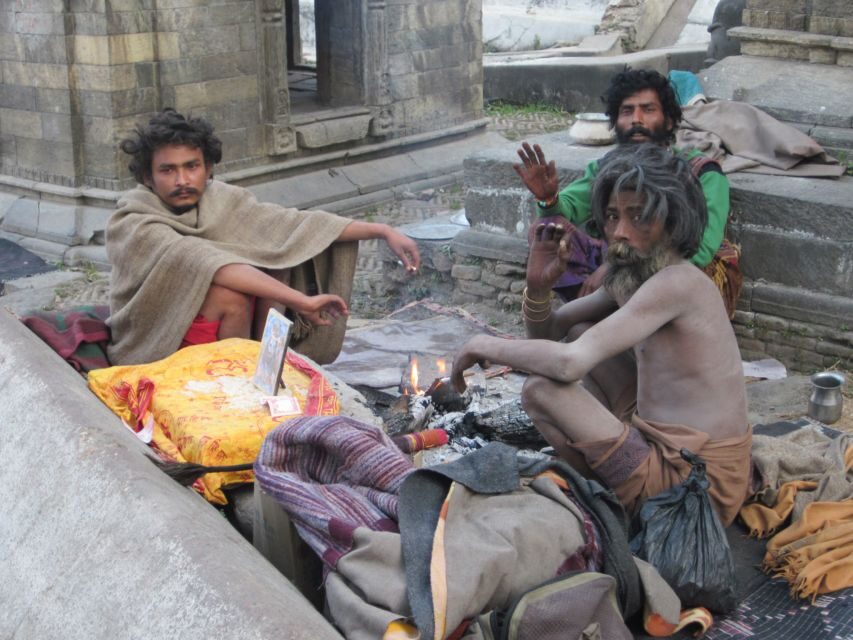
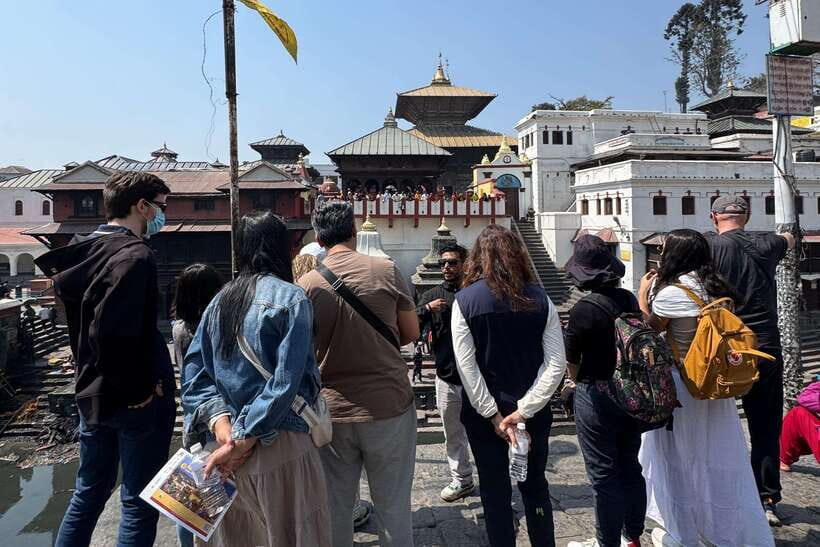
Pashupatinath is one of Nepal’s most revered Hindu temple complexes, dedicated to Lord Shiva, and it’s located along the Bagmati River. When you arrive, it’s not a museum vibe. It’s active religious life.
I like that the guide framing here is practical. You’re not only seeing the temple structures—you’re learning what pilgrims come for and how ritual works in this sacred space. The riverbank setting also matters. The sights, movement, and ceremonies create a sense of gravity that’s hard to recreate anywhere else.
One recurring highlight from actual tour experiences is time around temple ceremonies. Some tours have aligned with the evening atmosphere at Pashupatinath, where the aarti experience can be especially memorable. Timing can vary with the day’s schedule, but if your guide suggests waiting a bit for ceremony moments, it’s usually worth it.
Important note: this is an active religious site. Dress and behavior matter. Follow your guide’s advice for respectful entry and viewing, and be ready for a more intense, sensory experience than at the other UNESCO stops.
Boudhanath Stupa: Tibetan Buddhism and the clockwise walk
Boudhanath is massive, and it changes your energy as soon as you reach it. If Swayambhunath is about hilltop calm, Boudhanath is about steady, communal practice. This stupa is a key center for Tibetan Buddhism, and you’ll see monks and pilgrims gathered around it.
The signature activity is the clockwise walk around the stupa. Even if you only do a short portion, watching the rhythm of people moving together adds meaning fast. The guide helps you understand why the direction matters and how ordinary movement connects to spiritual practice.
I also like the contrast this stop creates. By the time you’re at Boudhanath, you’ve already spent time in two major religious traditions. Boudhanath provides a slower, more contemplative finish—great if you want the day’s final images to feel peaceful, not frantic.
Expect more walking and some uneven steps near entrances and pathways. This is where comfortable footwear pays off again.
You can also read our reviews of more tours and experiences in Kathmandu

Getting around Kathmandu: private AC, electric car comfort, and traffic skills
Kathmandu traffic is part of the story. What matters for you is how smoothly the day stays on track. This tour uses a private air-conditioned vehicle and handles transport between sites efficiently.
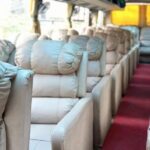
A lot of comfort comes from the vehicle itself. Several experiences mention electric car rides (including BYD-style cars) that help you stay comfortable between short walking stretches. Add bottled water—typically 500ml—and you’ve got fewer headaches in the middle of the day.
Another underrated value: a driver who understands local roads. When you’re hopping among temples and squares, small timing issues can snowball. A good driver helps keep the day calm even when the city isn’t.
You’ll also have pickup and drop-off designed around convenient points in Kathmandu Valley. The tour supports pickups from Kathmandu and Thamel (with hotel pickup more broadly in the valley), and you’ll be asked to be ready about 10 minutes before the scheduled time. If there are multiple people being picked up, there can be slight delays on the route.
Lunch and drinks: what you’re actually getting for the price
Food is often an afterthought on temple tours. Here, it’s built into the experience, with two layers depending on your option.
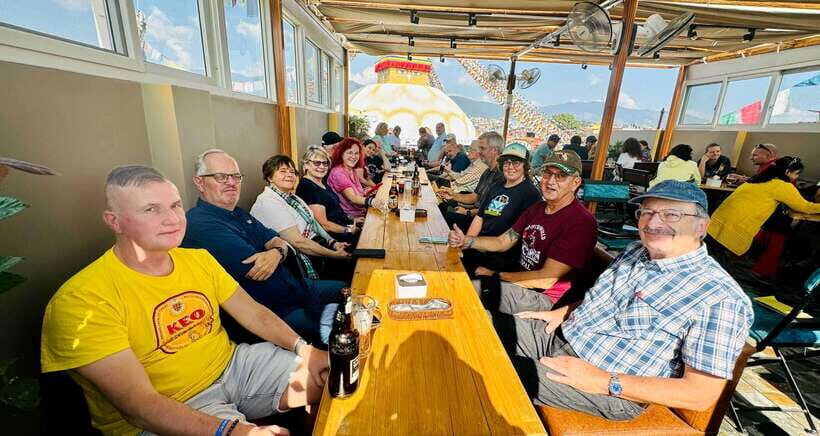
First, there’s a lunch-box style setup: muffin, donut, banana, seasonal fruit, and 200 ml juice. It’s simple, snack-forward, and it works well for a few hours of sightseeing when you might not want to sit through a long meal.
Then there’s the all-inclusive upgrade. This can include a full Nepali Khana set with soft drinks, or you may choose continental dishes depending on availability. If you want a proper sit-down lunch rather than a grab-and-go option, this is the more satisfying choice.
One more practical point: soft drinks and water keep hydration and energy stable, especially in warmer months. Kathmandu’s sun can catch up with you even when you’re mostly outdoors.
Guides who make the sites click: Sajina, Punam, Sumit, and others
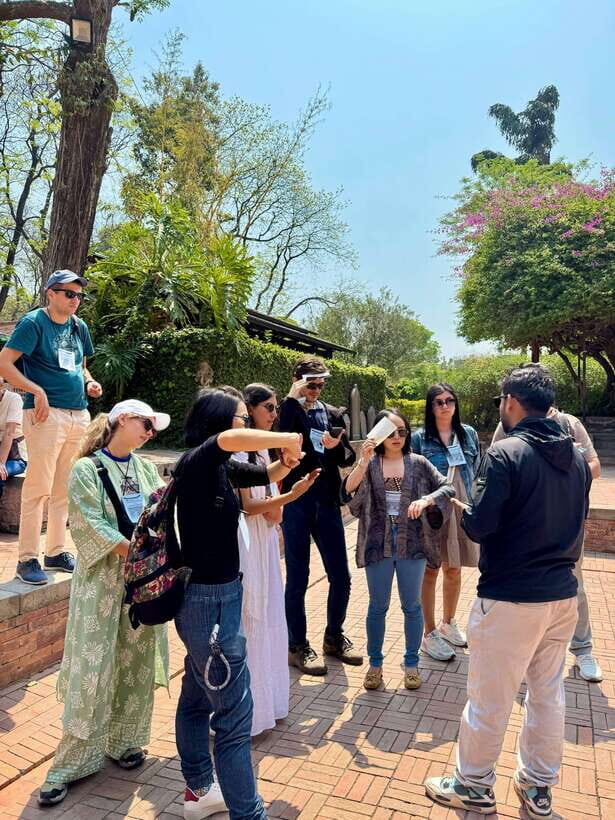
The biggest difference on this tour is the guide’s storytelling. Across many experiences, certain guide names pop up tied to the same core skills: patient pacing, clear explanations, and a sense of humor that keeps the day enjoyable.
You’ll see names like Sajina and Punam associated with guides who explain history and culture in a way that feels like conversation rather than a lecture. Sumit shows up with guides who help visitors make sense of Hindu and Buddhist culture, and Hemraj appears as someone who answers questions well and helps with photos at key moments.
A very practical benefit is assistance with the day’s small challenges—crossing busy areas, knowing where to stand for better views, and helping you get photos when you’re traveling as a couple. One experience even called out a guide as a fantastic photographer, which matters more than you’d think when stairs and crowds limit angles.
If you care about understanding rituals and symbols, this tour is stronger because you’re not going solo into complicated places. Your guide gives you context before you get overwhelmed by details.
Price and value: why the $5 shows up, but the total can change
The headline price is listed as $5 per person, but the real question is: what’s included in the final spend you’ll actually pay.
Here’s the value logic:
- You’re paying for guided access to four major UNESCO sites in one day.
- You get private pickup and drop-off, a private air-conditioned vehicle, and bottled water.
- You also receive a prepared lunch box (snack style), plus optional upgrades for a fuller meal.
But entrance fees are the catch. Sightseeing monument entrance fees apply, and the tour notes that an approximate amount applies per person. Those fees are included only if you choose the all-inclusive option. So if you’re trying to budget tightly, ask what’s covered under your selected package and whether entrance fees are included.
Also keep in mind that the tour supports SAARC nationals with a specific fee structure, and you may need to carry a valid photo ID in case it’s required for entry at some locations.
Bottom line: I’d call this good value for a first-time Kathmandu visit, especially if you want four UNESCO sites without sorting logistics yourself. But your best comparison isn’t the starting price—it’s the total cost including entrance fees and which lunch option you pick.
Practical tips so your day feels easy, not exhausting
This tour includes walking across multiple heritage sites, often involving stairs. The simple way to prepare:
- Wear comfortable footwear you can trust on stone steps.
- Bring a camera and consider sunscreen (biodegradable is suggested).
- Carry some cash in case you need it for personal expenses like snacks or small purchases.
- Bring a daypack for water, layers, and small essentials.
- Pack a bit of patience for temple etiquette and changing crowds.
Also, consider bringing a face mask. One verified booking specifically recommended it. That’s not a guarantee for your experience, but it’s a low-cost item that can make you more comfortable.
If you’re planning around weather, plan for heat and sun. Even when the stops are religious and shaded, you’ll spend time outdoors between sites.
Finally, confirm your exact hotel location for pickup accuracy. Small address mismatches in busy areas can turn into bigger delays than you expect.
Who this tour suits best (and who should skip it)
This is an ideal choice if you:
- Want to see the major UNESCO highlights of Kathmandu Valley in a single day
- Prefer guided explanations to self-guided wandering
- Like a balance of Hindu and Buddhist sites
- Enjoy photography and want help getting the best angles
It may not be the best fit if you:
- Can’t handle stairs and walking across heritage sites
- Rely on wheelchair access (the tour is not suitable for wheelchair users)
- Are pregnant (the tour notes it’s not suitable)
- Are very elderly (it’s not suitable for people over 95 years)
If you fall into a mobility-sensitive category, consider alternative options with fewer stairs and shorter walking segments.
Should you book the Kathmandu Top 4 UNESCO Tour?
I’d book it if you want an organized, meaningful day that saves you from map-hopping and guesswork. The combination of private AC transport, included water, lunch support, and four UNESCO sites makes this a strong “first Kathmandu” plan.
I’d hesitate if your priority is a slow, purely self-paced religious visit. This is guided, structured, and you’ll be moving through multiple sites on a tight schedule. Also, if you’re strict about total cost, double-check the entrance fees and pick the option that matches your budget.
If you do book, choose comfort first: good shoes, hat/sunscreen, and a camera you can keep handy. And when your guide—whether it’s Sajina, Punam, Sumit, Hemraj, or Sujan—suggests where to stand or when to pause, take the hint. That’s usually where the day goes from seeing temples to understanding them.
FAQ
Which UNESCO sites are included?
The tour visits four UNESCO World Heritage sites in Kathmandu Valley: Swayambhunath, Patan Durbar Square, Pashupatinath, and Boudhanath.
How long is the tour?
The duration is listed as 3 to 6 hours, depending on the starting time and how the day’s pacing works.
Is lunch included?
Yes. You’ll receive a lunch box with items like a muffin, donut, banana, seasonal fruit, and 200 ml juice. There’s also an all-inclusive option that includes a lunch set with soft drinks (Nepali Khana set) or continental dishes.
Do I have to pay entrance fees?
Sightseeing monument entrance fees apply. Entrance fees are included in the all-inclusive option; otherwise, you should expect them to be an extra cost. The tour notes an approximate amount per person.
What language is the guide?
The live tour guide is English.
Is the tour suitable for wheelchair users or pregnant women?
No. The tour is not suitable for wheelchair users or pregnant women, and it’s also listed as not suitable for people over 95 years.