REVIEW · KATHMANDU
Kathmandu: Full Day 7 UNESCO Tour with Lunch – Private/Group
Book on Viator →Operated by Relax Getaways · Bookable on Viator
Seven UNESCO stops in one day. That’s the promise of this Kathmandu circuit. You’ll move between major Hindu and Buddhist landmarks plus UNESCO-listed Durbar Square areas, with a guide who keeps the story moving and the schedule in one piece.
What I like most is the tight, efficient routing. You’re not just seeing monuments; you’re watching how Kathmandu’s faith and craftsmanship show up in real places like stupa rituals, temple courtyards, and royal-era squares. Second, the day feels well-supported from start to finish—pickup and drop-off by private vehicle, air-conditioned transport, and a lunch box that keeps energy steady for a long stretch of walking.
The main drawback is simple: this is a long, walking-heavy day (about 9 to 10 hours). Also, entrance fees for most monuments aren’t included unless you choose the all-inclusive option, so budget for extra charges on the day.
In This Review
- Key highlights at a glance
- A full-day UNESCO plan that makes sense in Kathmandu
- Pickup, transportation, and the lunch box you’ll thank yourself for
- Swayambhunath Monkey Temple: free entry plus big views
- Patan Durbar Square: Newari stonework and palace-era details
- Boudhanath Stupa: ritual life at one of the world’s biggest stupas
- Pashupatinath Temple: Hindu devotion on the Bagmati River
- Kathmandu Durbar Square: royal-era architecture in the capital
- Bhaktapur Durbar Square: craftsmanship you can almost touch
- Changu Narayan Temple: short stop, very old roots
- Price and what you’re really paying for (including the entrance-fee reality)
- What “good guiding” looks like on a long UNESCO circuit
- Who this tour suits best (and who should choose differently)
- Should you book Kathmandu’s 7 UNESCO full-day tour?
- FAQ
- How long is the Kathmandu UNESCO tour?
- Does the tour include hotel pickup and drop-off?
- Is there an English-speaking tour guide?
- What is included for lunch?
- Are entrance fees included in the tour price?
- Is there an all-inclusive option?
- Do I need a ticket for Swayambhunath?
- Is this tour private?
- Can I cancel for a full refund?
Key highlights at a glance
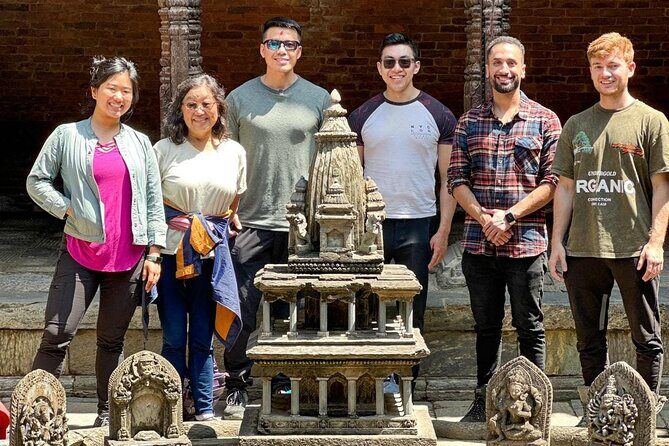
- English-speaking guide and private vehicle pickup so you start smoothly and spend more time looking, less time figuring it out
- Lunch box included with bottled water, muffin, donut, banana, seasonal fruit, and juice
- Swayambhunath free entry on this tour, while many other sites charge separate monument fees
- 7 UNESCO-grade stops in one run across Kathmandu Valley’s Hindu and Buddhist centers
- Pacing that leaves room for photos and shopping thanks to on-the-ground guidance and timing control
A full-day UNESCO plan that makes sense in Kathmandu
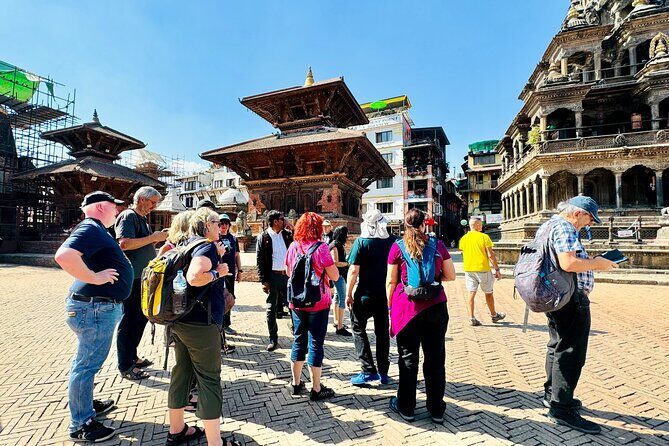
Kathmandu can be a little overwhelming when you’re trying to fit major sights into a short stay. This tour tackles that problem head-on with a “greatest hits” route that strings together the big spiritual and historic anchors in the Kathmandu Valley area. It’s the kind of day that works best when you want context quickly—how the city’s religious life and Newari-era architecture connect.
I also like the practical structure: you get pickup and drop-off by private vehicle and air-conditioned transportation between stops. That matters here because distances add up, traffic can be unpredictable, and you still need enough stamina for stairs, uneven stone, and courtyards that don’t exactly count as “gentle strolling.”
There’s one more reason this tour makes sense: it’s built around themes, not random stops. You’ll see Hindu worship at places like Pashupatinath, Buddhist ritual life around Boudhanath, and Newari craftsmanship in the Durbar Square areas. You’ll feel how Kathmandu’s identity changes block by block.
You can also read our reviews of more private tours in Kathmandu

Pickup, transportation, and the lunch box you’ll thank yourself for
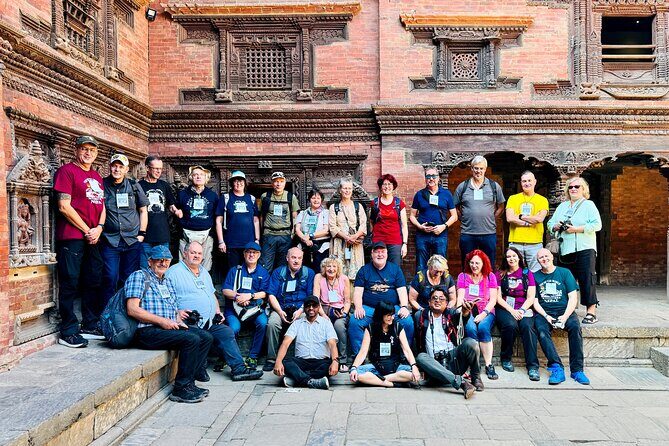
Your day starts with hotel pickup and drop-off via private vehicle, which is a real quality-of-life upgrade if you’re not trying to read traffic like a survival game. The tour includes air-conditioned private transportation, so you’re not stuck overheating between temples and squares.
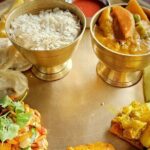
Then there’s lunch. You get a lunch box with 500ml bottled water, a muffin, donut, banana, seasonal fruit, and juice. It’s not a fine-dining lunch, but it is a smart travel fix: enough calories and hydration to keep you moving through a long day without waiting around for a restaurant decision.
If you choose the all-inclusive option, your day gets even easier. That option includes food and soft drinks, plus entrance fees and a Khana set or a choice of dishes. If you hate surprise costs, that’s the option that reduces friction.
Swayambhunath Monkey Temple: free entry plus big views
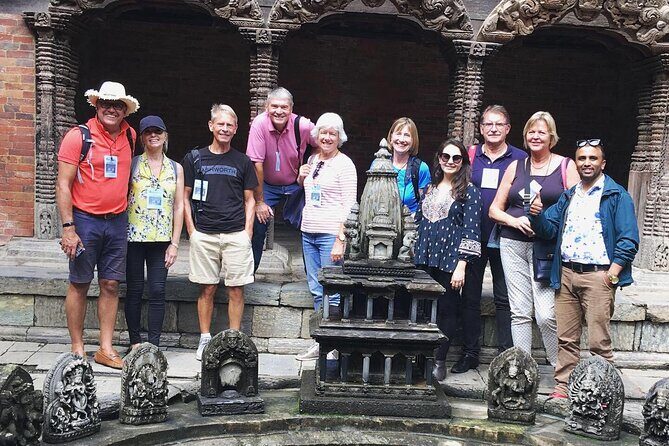
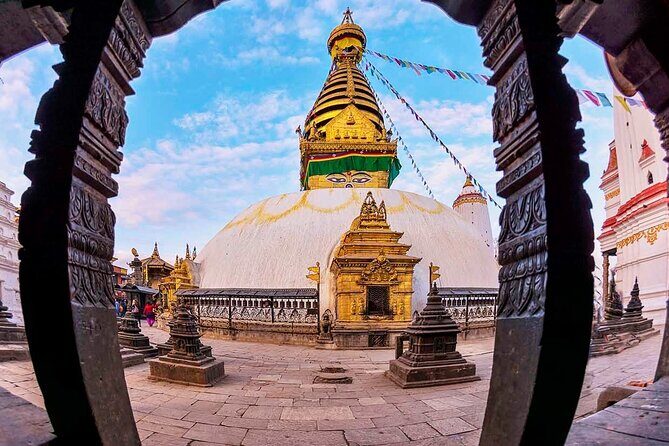
Swayambhunath (often called the Monkey Temple) opens the tour. This hilltop stupa complex is one of Kathmandu Valley’s most recognizable Buddhist shrines, and it’s the kind of place where you can feel the spiritual energy just by watching what people do here.
On this tour, the admission ticket is free for Swayambhunath. That’s a nice win because you get a major attraction without paying monument fees for this stop. Plan to spend time soaking in the stupa environment and the surrounding views from the hill area, since you’ll get a sense of Kathmandu’s layout from above.
Practical note: even though the stop includes time to look, you should still expect walking on uneven surfaces and steps. Wear shoes with grip. Your feet will notice the difference by mid-day.
Patan Durbar Square: Newari stonework and palace-era details
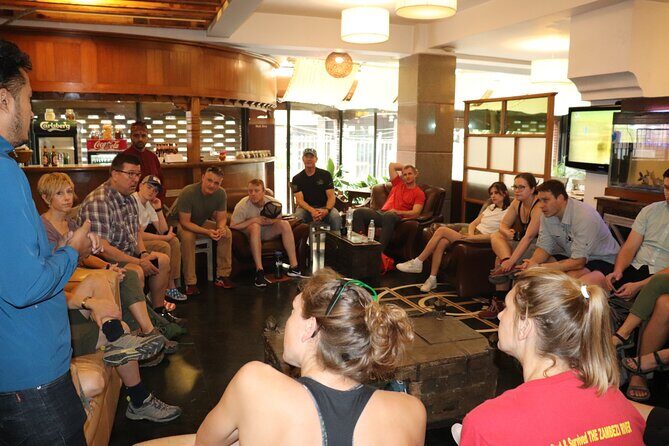
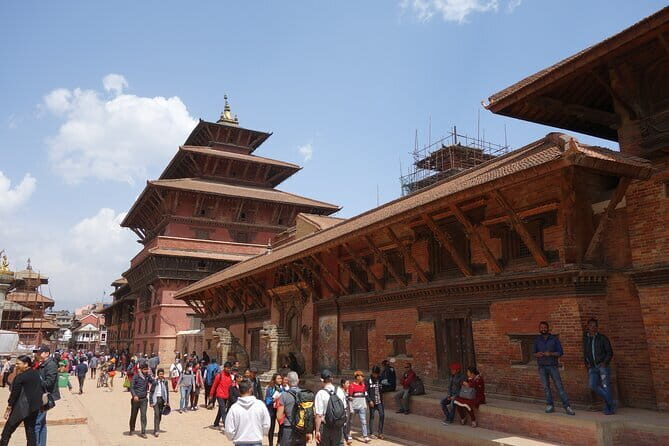
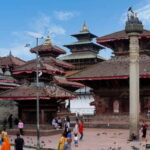
Next up is Patan Durbar Square, a UNESCO World Heritage Site in Patan. This is where you shift from stupa spirituality into Newari artistry and palace-era architecture. The focus here is the square itself—temples, courtyards, and carved details that reward slowing down.
Admission for this stop isn’t included on the default setup, so you’ll want to have your entrance-fee plan ready. If you opted for the all-inclusive package, this kind of monument charge is handled for you, which simplifies your day.
What I like about Patan Durbar Square is that it’s built for wandering. You can spend time at different angles, spotting carvings and architectural details that don’t look the same from every position. If you like photos, you’ll likely find enough corners to keep your camera busy without feeling rushed.
Boudhanath Stupa: ritual life at one of the world’s biggest stupas
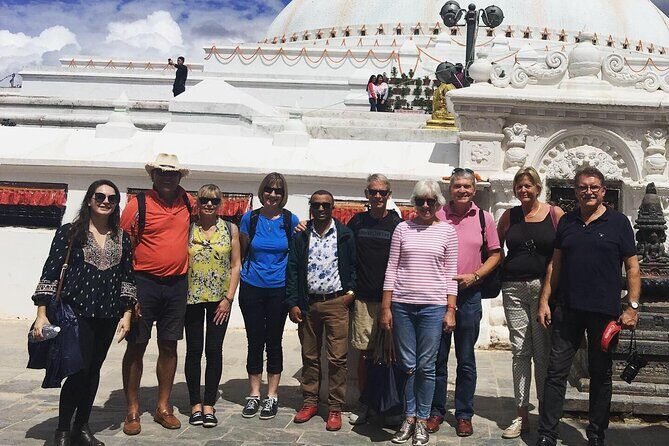
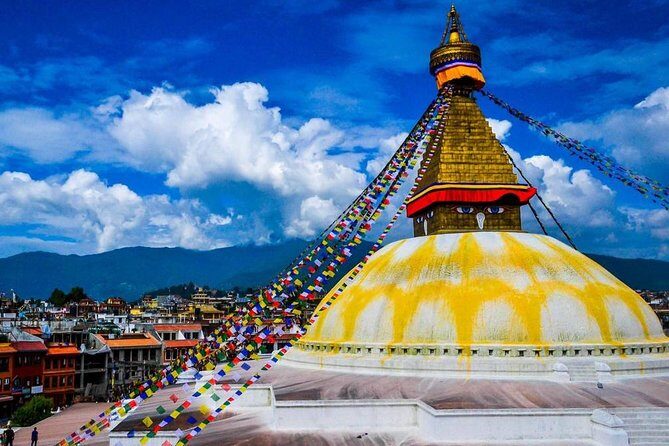
Boudhanath Stupa is next, and it’s one of those sights that feels instantly important. It’s described as one of the largest stupas in the world, and you can see why the scale matters: it shapes how people move around it.
You’ll typically have about an hour here, enough time to walk the stupa area, observe daily Buddhist rituals, and get a feel for the rhythm of the place. This is where Kathmandu starts to feel less like a city checklist and more like a living religious center.
Again, entrance fees are not included for this stop unless you choose the all-inclusive option. So if you’re trying to keep cash handling simple, the all-inclusive package is the cleaner way to do it.
You can also read our reviews of more tours and experiences in Kathmandu


Pashupatinath Temple: Hindu devotion on the Bagmati River
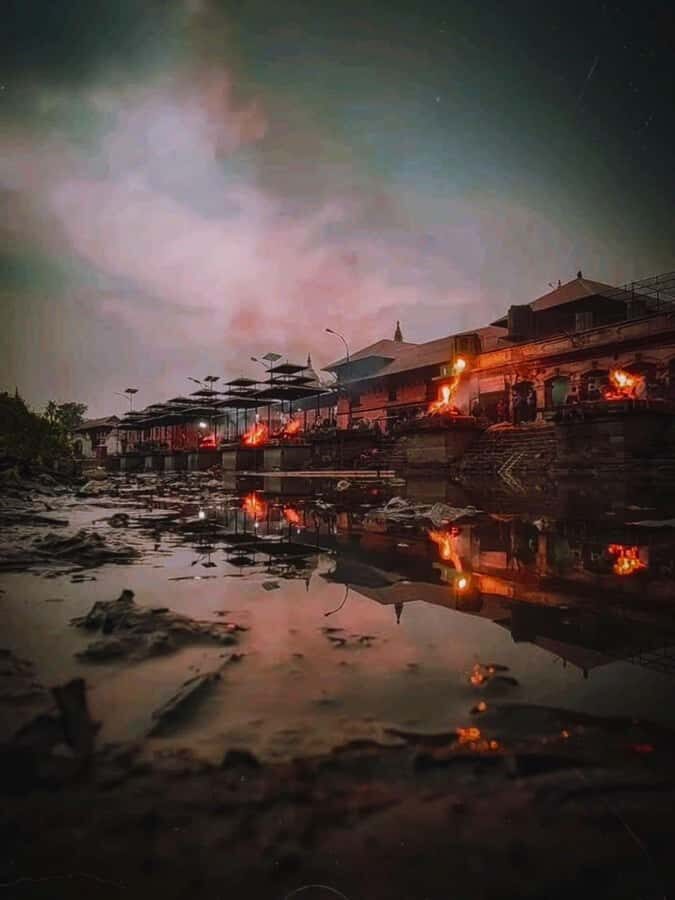
From Buddhist ritual space, you move into Hindu sacred ground at Pashupatinath Temple, one of the most revered Shiva temples in Nepal. It sits on the banks of the Bagmati River, and the setting adds to the experience—you’re not viewing religion from behind glass. You’re seeing worship in action.
Your time here is around an hour, which is enough for orientation and a solid look around the temple complex. This is also the stop where the atmosphere can feel most intense, because temple life is active and visible.
Keep in mind: monument entrance fees for this stop aren’t included in the base package, so check your option. If you didn’t choose all-inclusive, you’ll want to be ready for site charges so the day stays smooth.
Kathmandu Durbar Square: royal-era architecture in the capital
Then you head to Kathmandu Durbar Square, another major historic area surrounded by palaces, temples, courtyards, and shrines. This is where you start seeing how Kathmandu’s Malla dynasty heritage and later periods shaped the city’s layout and style.
You’ll have about an hour here, and the main value is architectural variety. Durbar Squares tend to be compact but visually dense—so you’ll want to use your guide’s narration to understand what you’re looking at while you walk.
Since entrance fees aren’t included for this stop in the default setup, this is another place where choosing the all-inclusive option can reduce hassle. If you’re the type who hates paying at each checkpoint, this tour offers a path to avoid that pattern.
Bhaktapur Durbar Square: craftsmanship you can almost touch
Next is Bhaktapur Durbar Square, with a reputation for detailed craftsmanship—woodcarvings, stone sculptures, and craftsmanship visible around every corner. The highlight points include the 55-Window Palace, the Golden Gate, and Nyatapola Temple.
Your time here is about 1 hour 20 minutes, which is a gift compared with shorter stops. Bhaktapur rewards that extra time because you’re not just passing through—you’re looking closely at details. If you like art and architecture, you’ll likely feel like this is where the day slows down enough to breathe.
Like other Durbar Square stops, entrance fees are not included unless you selected all-inclusive. If you didn’t, bring what you need early and plan to keep cash accessible.
Changu Narayan Temple: short stop, very old roots
The last stop is Changu Narayan Temple, dedicated to Vishnu and known as one of the oldest and most revered Hindu temples in Nepal. It’s described as a masterpiece of Newari architecture, with references to origins dating back to the 4th century.
Your time here is shorter—about 30 minutes—but that can be enough for appreciation if your guide keeps the focus on what matters. This stop works well as a “closing chapter” because it gives you a sense of age and continuity, after the wider sweep of squares and stupas earlier in the day.
Even though it’s brief, it’s still a spiritual site. Move carefully, respect worshipers, and don’t rush your final look if you want photos.
Price and what you’re really paying for (including the entrance-fee reality)
The listed price shows $5.00 per person, but the important part is what’s included and what costs extra. The tour includes pickup/drop-off, an English-speaking professional tour guide, air-conditioned transport, and a lunch box. It also offers a “not included” structure for monument entrance fees on the default option.
Here’s what you should plan for:
- Entrance fees to sightseeing monuments apply for group and private tour options: listed as $44.00 per person
- SAARC nationals have a separate fee listed as USD 22 total (with $22 per person shown)
- Tips and personal expenses are not included
If you want fewer surprises and a smoother experience, the all-inclusive option is the key. It adds entrance fees to the package and bundles food/soft drinks with either a Khana set or dish choice. If entrance fees are likely to cause stress for you, the all-inclusive selection can feel like better value than paying each stop separately while trying to keep track of receipts.
One more value factor: a packed day like this only works when guidance is strong. The tour’s standout reputation centers on guides who keep you moving, explain clearly, and handle questions without losing the rhythm of the schedule.
What “good guiding” looks like on a long UNESCO circuit
This kind of day depends on timing. You’re moving between hilltop, riverfront, and stone-square environments, and that means walking and elevation changes are part of the deal.
The best guides here are the ones who do three things well:
- Keep the group on track so you still get time to look and take photos
- Tell you what you’re seeing so the architecture and rituals click instead of becoming background scenery
- Answer questions without turning every stop into an endless debate
In the tour stories you’ll see names like Sumit, Suresh, Asmi, and Ram praised for that kind of pacing and explanation. The driver support also shows up as a theme—like Krishna being helpful during the day—which helps because Kathmandu traffic and stop logistics can be tricky.
Practical tip from real on-the-ground expectations: plan for a long day and bring the right shoes. You’ll want grip for uneven steps and soles that can handle uphill/downhill walking without feeling like punishment.
Who this tour suits best (and who should choose differently)
This tour fits best if you have limited time and you want a concentrated overview of Kathmandu Valley’s major cultural and spiritual sites. If you only have a day or two in the city and you’d rather see the big icons with context, this is a strong way to do it.
It also suits you if you enjoy architecture and want a guide to connect the dots between Hindu temples, Buddhist stupas, and Newari-era squares. The lineup gives you a clear contrast in religious space while staying inside the UNESCO theme.
If you’re traveling with very limited mobility or you hate long walking days, you may find the schedule demanding. The tour is doable for most people, but the day includes plenty of walking and it’s not broken into short, leisurely segments.
Should you book Kathmandu’s 7 UNESCO full-day tour?
I’d book this tour if you want a guided, time-efficient route that hits major Kathmandu Valley landmarks in one go. It’s built for people who want clarity fast—how these places function, what they represent, and how Kathmandu’s religious traditions show up in real daily life.
Choose the all-inclusive option if you’d rather avoid managing entrance fees at multiple stops and you prefer the simplicity of everything handled in advance. If you’re comfortable paying entrance fees separately and you like flexibility, the default setup can work too, just keep cash ready.
Finally, be honest about your stamina. This is a long day. If you show up with good shoes and a patient mindset, you’ll finish with a strong sense of Kathmandu beyond the postcard view.
FAQ
How long is the Kathmandu UNESCO tour?
It runs about 9 to 10 hours.
Does the tour include hotel pickup and drop-off?
Yes. Pickup from and drop-off to your hotel are included by private vehicle.
Is there an English-speaking tour guide?
Yes. An English-speaking professional tour guide is included.
What is included for lunch?
You get a lunch box with water (500ml bottled water), a muffin, donut, banana, seasonal fruit, and juice.
Are entrance fees included in the tour price?
Not by default. Entrance fees to sightseeing monuments are listed as not included (and the listed entrance fees are $44.00 per person for group/private options).
Is there an all-inclusive option?
Yes. The all-inclusive option includes food, soft drinks, entrance fees, and a Khana set or choice of dishes.
Do I need a ticket for Swayambhunath?
Swayambhunath is listed as having a free admission ticket on this tour.
Is this tour private?
It’s listed as private in the sense that only your group will participate, and it also mentions group discounts depending on your chosen option.
Can I cancel for a full refund?
Yes, you can cancel up to 24 hours in advance for a full refund. If you cancel less than 24 hours before the start time, the amount paid is not refunded.