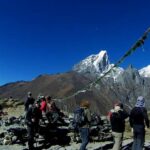
One ridge walk makes Kathmandu feel tiny. This short Kathmandu Valley Rim Hike gives you easy days on your feet with big Himalayan viewpoints north of the city. You’ll spend a few days moving through rural farm areas and forest, then finish with a temple visit and a quick drive back to Kathmandu.
I love how the itinerary mixes walking and scenery without turning into a full-on expedition. Day one climbs from Sundarijal toward Chisapani, and when you reach Chisapani hill the views open up for Dorje Lakpa, Langtang, Ganesh Himal, Gaurisankar, and a slice of the Everest region. I also like that meals, 2 nights of trekking accommodation, and transport are handled, so you can focus on the hike instead of logistics.
One consideration: you start early (around 7:15 am) and you’ll be walking multi hours per day, so plan for some uphill effort and weather-dependent views.
In This Review
- Key highlights at a glance
- Kathmandu Valley Rim Hike: What It Is and Why It Works
- Sundarijal to Chisapani Day One: Forest, Flora, and the 1,000-Meter Payoff
- Nagarkot and the View Tower: Ridge Views and Sunrise-Focused Planning
- Chisapani Down to Changunarayan Temple: Country Walking Meets Culture
- Meeting Point, Pickup, and Private-Group Feel in Kathmandu
- Food, Lodging, and What Is Covered (and What Isn’t)
- Price and Value: Is $381 Fair for This Trek?
- Who Should Book the Kathmandu Valley Rim Hike
- Practical Hike Prep for This Route (Simple but Important)
- Book It or Skip It: Should You Choose This Trek?
- FAQ
- Where does the Kathmandu Valley Rim Hike start?
- What time does the hike start?
- How long is the Kathmandu Valley Rim Hike?
- Is pickup included?
- What’s included in the price?
- Are meals and hotels in Kathmandu included?
- Do I need a passport to join?
- What fitness level is required?
- Is this a private tour?
- Is there free cancellation?
Key highlights at a glance
- Sundarijal to Chisapani climb with a big jump in scenery as you rise into the hills
- Panoramic peak views from Chisapani hill, including Dorje Lakpa, Langtang, Ganesh Himal, Gaurisankar, and Everest-area peaks
- Nagarkot View Tower time for classic ridge views and sunrise-focused planning
- Rural farm village country walking on a less-visited feel of the Kathmandu rim
- Changu Narayan Temple stop on the final day as you trek down and then drive back
Kathmandu Valley Rim Hike: What It Is and Why It Works
This is a short trek that still feels like you left the city behind. The idea is simple: walk north of Kathmandu, see farm village life and forest vegetation as you gain altitude, then hit the viewpoint areas around Nagarkot before finishing at Changunarayan Temple.
You’re not spending your days hopping between viewpoints by car. Instead, you move along the valley rim at a human pace. That’s where the charm is: you get mountain views, but you also get the quieter, everyday Nepal you see on foot paths.
The hike is listed as suitable for any fitness level, as long as you can walk for multiple hours each day. In practice, this means it’s a good fit for people who want a challenge without needing advanced trekking skills.
You can also read our reviews of more hiking tours in Kathmandu
Sundarijal to Chisapani Day One: Forest, Flora, and the 1,000-Meter Payoff
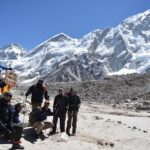
Your day starts with travel to the trailhead near Sundarijal. From there, the route heads toward Chisapani, and you’ll feel the climb early. The first day is described as reaching about 1,000 meters in ascent as you work your way up to Chisapani.
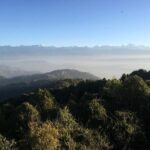
What I like about this day is the variety of “walk atmospheres.” You’re not just hiking on one kind of terrain. You’ll go through jungle/forest areas, and the description specifically calls out different vegetation, flora, and fauna. That’s a big deal on a short trek: you get enough changes in the trail to keep it interesting, even if you’re not chasing summits.
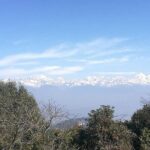
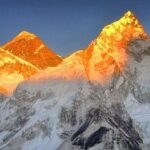
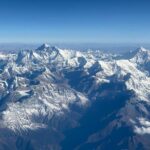
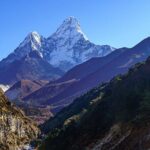
Once you reach Chisapani hill, the views become the reward. You get panoramic sightlines toward Dorje Lakpa, Langtang, Ganesh Himal, Gaurisankar, and part of the Everest range. If you enjoy identifying peaks and understanding what you’re looking at, this is the day your photos will earn their spot in your album.
Possible reality check: this is a view-based trek, so cloud cover matters. On misty mornings, you may see less than the horizon shots you want. Still, even without full clarity, the combination of forest shade and valley-rim viewpoints keeps the day satisfying.
Nagarkot and the View Tower: Ridge Views and Sunrise-Focused Planning
Day two shifts you toward Nagarkot, one of Nepal’s most famous viewpoints near Kathmandu. You’ll spend time around the Nagarkot View Tower, which is exactly what it sounds like: a viewpoint stop designed for seeing the ridgelines and distant mountains.
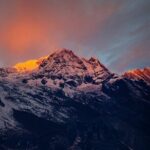
The trek’s highlights call out striking sunrise views in the Nagarkot and Dhulikhel areas. Even if you don’t treat sunrise like a strict obligation, the planning reflects the local reality: this region is best in the early hours when the air is clearer.
Why this matters: Nagarkot isn’t just scenery. It’s also a mental reset. After a day of climbing and a day in changing forest vegetation, the viewpoint day gives you a “look at the whole system” moment. You can see how the Kathmandu Valley rim frames the mountains, rather than treating peaks as random backdrops.
Drawback to keep in mind: viewpoint days can mean colder temps and early wake-ups. The tour starts around 7:15 am on the first day, and sunrise planning usually pushes people earlier on at least one day. If mornings wipe you out, pack for it and build in patience.
Chisapani Down to Changunarayan Temple: Country Walking Meets Culture
The third day is a rewarding close: you trek down toward Changunarayan Temple and then drive back to Kathmandu. This is the part of the trip where the pace often feels more relaxed because descent usually feels easier than climbing, even if your knees still need attention.
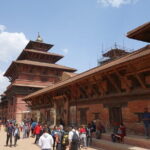
Changunarayan Temple is a meaningful cultural finish point. After two days of forest and viewpoint focus, it gives you a human scale landmark—something older and more grounded than a photo spot. You end your trek with a visit, then transition to comfort with the drive back.
A practical way to think about day three: it’s your “wrap-up” day. You’ll go from ridge views to a cultural stop, and then to the Kathmandu return. That sequence works well for a short trek because it avoids the common problem where the final day feels like a tiring travel day with nothing to show for it.
If you’re someone who likes a clean arc—climb, peak views, then culture—this ending style fits.
Meeting Point, Pickup, and Private-Group Feel in Kathmandu
The experience starts at View Nepal Treks & Expedition P. Ltd., 24 Thamel Marg, Kathmandu. Start time is listed as 7:15 am, and the meeting point is described as near public transportation, which helps if you’re staying somewhere central in Thamel.
A big value point here is transport and pickup support. The tour includes pickup and drop to the airport, plus local transport during the trek days. The vehicle type is flexible (private car/jeep/mini bus/other options depending on group size), so you should expect it to match your group rather than forcing everyone into the same bus.
It’s also a private tour/activity. That matters more than most people think on a trek. Private groups mean you’re not stuck waiting for a large mixed-paced crowd. It can also make it easier for your guide to adjust breaks to how your group is moving.
One more detail I appreciate: the tour can be guided in different languages (English and also options like Chinese, Spanish, German). If you don’t want your questions answered with gestures and guessing, that’s a real benefit.

Food, Lodging, and What Is Covered (and What Isn’t)
For a $381, 3-day hike, the key question is simple: what do you get without paying extra every day? Here, most of your core costs during the trekking portion are included.
Included:
- 2 nights accommodation in trekking
- All meals (breakfast, lunch, dinner) during trekking
- A guide (with language options) for both guiding and trekking support
- Transport during the trip, plus airport pickup and drop
Not included:
- Food and hotel in Kathmandu
- Soft and hard drinks
- Visa, international flights, and other personal expenses
- Tips for guide and driver
- Anything not specifically mentioned
This coverage is what makes the trek feel “safe” on the budgeting side. You’re not guessing whether you’ll find food at the right time, or whether you’ll have to scramble for cash each night on the trail.
The one thing you’ll still plan for: your Kathmandu base life. You’ll likely pay for your Kathmandu hotel and meals separately, then use the trek’s included pickup/transport to make the handoff easy.
Price and Value: Is $381 Fair for This Trek?
At $381 for about 3 days, you’re paying for more than walking time. You’re paying for the parts that add up fast in Nepal if you arrange them yourself: guide labor, trekking lodging for 2 nights, daily meals during trekking, and private transport that connects Kathmandu to the trail route and back.
For short treks near Kathmandu, this is where value usually shows up. Longer treks can be cheaper per day only if you’re comfortable managing logistics and eating inconsistently. Here, the trip design reduces those friction points. You can spend your energy on the hiking and the views.
Also, the itinerary is built around viewpoint areas people travel for. You’re not just walking around the hills; you’re getting planned stops tied to Chisapani and Nagarkot, plus a cultural end at Changunarayan Temple.
If you want a short, structured trek with minimal decision-making, the price looks reasonable. If you’re a total budget minimalist who already has guides and a plan for everything, you might compare alternatives. But for most people, this package-style setup is the practical win.
Who Should Book the Kathmandu Valley Rim Hike
This trek fits best if you want:
- A short trek that still feels like a real hike
- Mountain views without committing to a multi-week itinerary
- Rural valley rim walking with forest sections
- A guided experience with meals and trekking lodging handled
It’s also a good option if you travel solo and want a guided structure. The experience format is private for your group, and the guide is part of the value.
One detail worth mentioning from a standout experience: the guide named Riman is praised for being kind and for having the right know-how. That kind of support matters most on a short trek, because the margin for “winging it” is small. You want your guide to keep the pacing sensible and the experience smooth.
Practical Hike Prep for This Route (Simple but Important)
You don’t need technical gear for this trek based on the information given. But you should treat it like a real walking trip.
Bring:
- Layers for changing temps between forest shade and open ridge views
- Comfortable shoes you trust for multi-hour walking
- A small day bag for water and snacks
- Weather protection if the mountains are cloudy or damp
Also, plan your Kathmandu time so you’re rested on start day. With a 7:15 am start and a multi-day walking schedule, sleep and timing affect how enjoyable the views will be.
If you’re sensitive to cold mornings, treat sunrise planning seriously. Even if you don’t chase it like a mission, you’ll likely be up early at least once.
Book It or Skip It: Should You Choose This Trek?
I’d book the Kathmandu Valley Rim Hike if you want a short trek that delivers real scenery and a guided, low-stress structure. It’s a good way to see peak views from Chisapani, get classic ridge-time at Nagarkot, and end with a cultural landmark at Changunarayan Temple—without turning your trip into complicated planning.
Skip it if you hate early starts or you’re looking for something very gentle with minimal walking. This route is designed for people who can handle multi hours of walking each day, even if they don’t consider themselves hardcore hikers.
FAQ
Where does the Kathmandu Valley Rim Hike start?
The meeting point is View Nepal Treks & Expedition P. Ltd., 24 Thamel Marg, Kathmandu 44600, Nepal.
What time does the hike start?
The start time is listed as 7:15 am.
How long is the Kathmandu Valley Rim Hike?
It’s described as about 3 days.
Is pickup included?
Yes. Pickup is offered, and airport pickup and drop are included.
What’s included in the price?
The tour includes 2 nights accommodation during the trekking portion, all meals in trekking (breakfast, lunch, dinner), a guide, and transport by car/jeep/mini bus/tour bus depending on group size, plus airport pickup and drop.
Are meals and hotels in Kathmandu included?
No. Food and hotel in Kathmandu are not included.
Do I need a passport to join?
Yes. A current valid passport is required on the day of travel, and passport details are needed at booking.
What fitness level is required?
The trek is described as suitable for any fitness level as long as you can walk multi hours a day, and travelers should have moderate physical fitness.
Is this a private tour?
Yes. It’s a private tour/activity, and only your group will participate.
Is there free cancellation?
Yes. You can cancel for a full refund up to 24 hours before the experience’s start time.