REVIEW · KATHMANDU
From Kathmandu/Pokhara: 2, 3, or 4-Day Chitwan Jungle Safari
Book on GetYourGuide →Operated by Cordial Trek Pvt. Ltd. · Bookable on GetYourGuide
Chitwan’s wild sounds start before breakfast. This 2 to 4-day safari builds jeep time in Chitwan National Park and Tharu cultural sunset into a doable trip from Kathmandu or Pokhara. You’ll go from road rides to real forest moments fast, with guided activities designed around when wildlife is most active.
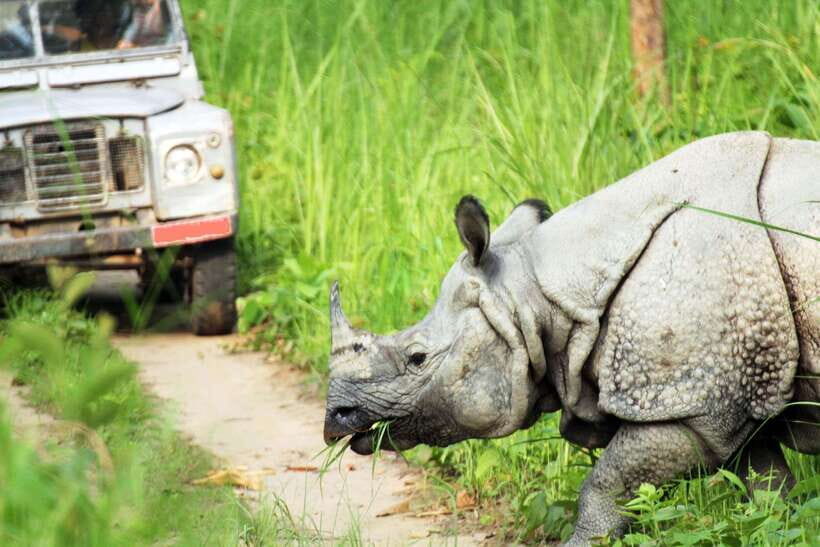
I love the chance to look for one-horned rhinos and other headline animals like Royal Bengal tiger. I also like that the longer itineraries include an overnight in a Jungle Tower, so the experience isn’t just a drive-by safari.
One drawback to plan for: transport is substantial. You’ll be doing a 5–6 hour bus ride (or a private-car option for the shorter trip), and wildlife sightings depend on conditions.
In This Review
- Key highlights that make this Chitwan trip worth it
- Why Chitwan’s safari feels more than a checklist
- Getting from Kathmandu or Pokhara without burning your whole day
- Day 1: Arrival rhythm with Tharu village culture and sunset
- Day 2 for 3- and 4-day trips: Jeep safari deeper into the wild
- Conservation centers: more than a school-field-stop
- Jungle walk and canoe on the Rapti River: slow moments that pay off
- Bird watching: the calm payoff before action
- Day 3 for the 4-day trip: the unexplored-area safari and a tower night
- Day 2 for the 2-day option: private car speed and an early start
- 2 days vs 3 days vs 4 days: which one fits your goals
- Price and value: what $35 is actually covering
- Wildlife expectations: what to hope for, and what to accept
- What to bring for comfort (and better wildlife watching)
- Should you book this Chitwan jungle safari?
- FAQ
- What wildlife is this Chitwan safari designed to look for?
- How long is the transfer from Kathmandu or Pokhara?
- What does the itinerary include besides safari rides?
- What’s included in the price?
- Are drinks like alcohol and bottled water included?
- Does the schedule ever change?
Key highlights that make this Chitwan trip worth it
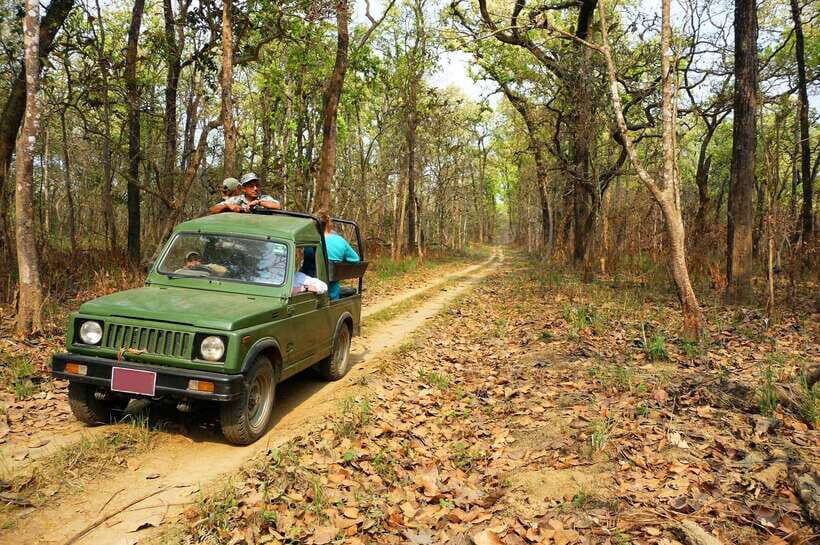
- Jeep safari in Chitwan National Park with chances to spot big animals, not just birds
- Rapti River canoe ride plus jungle walk for a slower, closer feel to the habitat
- Tharu village and sunset cultural program that’s part of the itinerary, not an optional add-on
- Elephant Conservation Center and Gharial Conservation Center to see how conservation works on the ground
- Overnight choices: standard hotel stay or a night in the Jungle Tower for the true wilderness vibe
- Early bird watching built into the mornings on the longer options
Why Chitwan’s safari feels more than a checklist
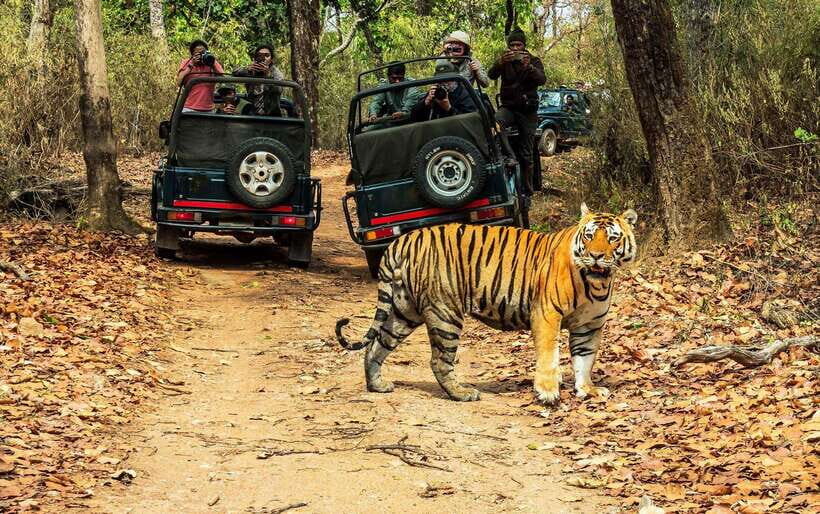
Chitwan National Park isn’t a place you conquer in one frantic morning. The itinerary is paced so you get multiple angles on the habitat—road-based jeep searching, river time, and short walking moments with a guide. That matters because animals don’t show up on a schedule. You want more than one chance, and this plan gives you that.
What I like most is the variety of settings. You’re not only scanning from a jeep. You also get out for jungle walk time and go by canoe on the Rapti River, which tends to change how you notice wildlife. Birds get louder. Insects get busy. The whole scene feels less like a hunt and more like being in the landscape.
And you’re not spending every minute chasing mammals. The day also includes cultural context and conservation stops, so the trip has meaning beyond photos.
You can also read our reviews of more tours and experiences in Kathmandu
Getting from Kathmandu or Pokhara without burning your whole day
Most people fly into Kathmandu or start in Pokhara, so your first question is simple: how long is the travel drag? Here’s the practical answer.
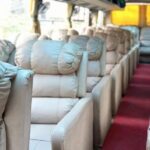
- For the 3- and 4-day options, you take a 5–6 hour bus ride between Kathmandu/Pokhara and Chitwan on the travel days.
- For the 2-day option, there’s a private car transfer, which helps you reach the park earlier so you can start safari activities sooner.
Either way, you’ll also have hotel pickup and drop in Kathmandu or Pokhara. In real terms, that means you’re not wrestling with taxis at either end after a long travel day. Still, you should expect the start/end days to feel busier, with safari energy for the middle days.
One small tip that can save stress: if your drop-off location differs from pickup, send a message so the route matches your plan (for example Kathmandu–Chitwan–Pokhara or the reverse).
Day 1: Arrival rhythm with Tharu village culture and sunset
Day 1 is the “get settled, then start watching” setup. After the transfer (including the lunch stop once you arrive), you don’t waste time building local context.
You’ll have:
- Lunch on arrival in Chitwan area
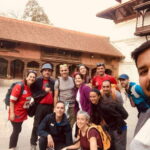
- A tour of the ethnic Tharu village
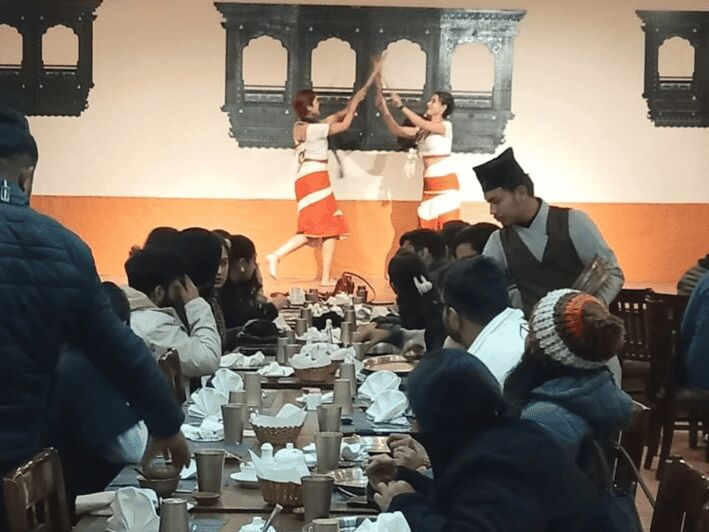
- An evening sunset plus Tharu cultural program
- Dinner and an overnight at Hotel Rainforest (or a similar hotel in Chitwan)
Why this works: the Tharu visit isn’t random. It helps you understand how local culture connects to the land and why people live alongside wildlife corridors. The sunset program also shifts your mindset from travel mode to “stay present” mode—useful before you head into safari routines.
Also, don’t underestimate the benefit of arriving with a full evening plan. It keeps you from spending your first night guessing what to do, and it turns the day into a gentle ramp-up instead of a tiring stopover.
Day 2 for 3- and 4-day trips: Jeep safari deeper into the wild
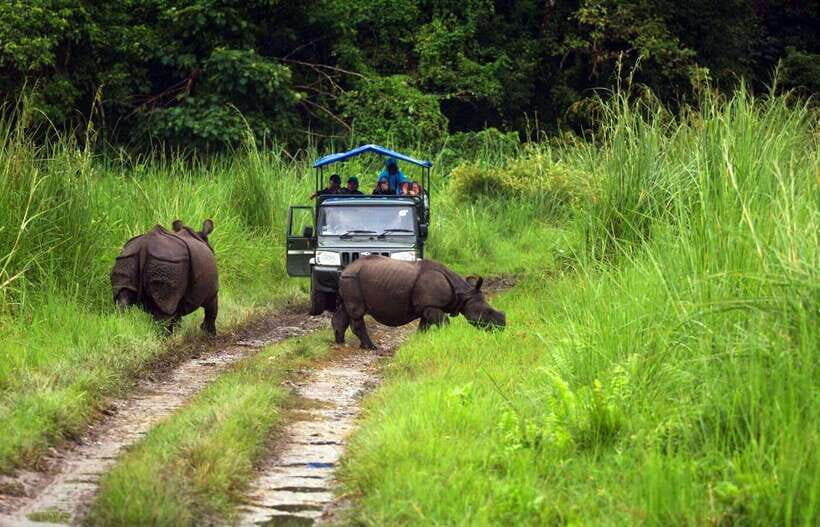
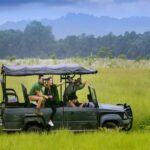
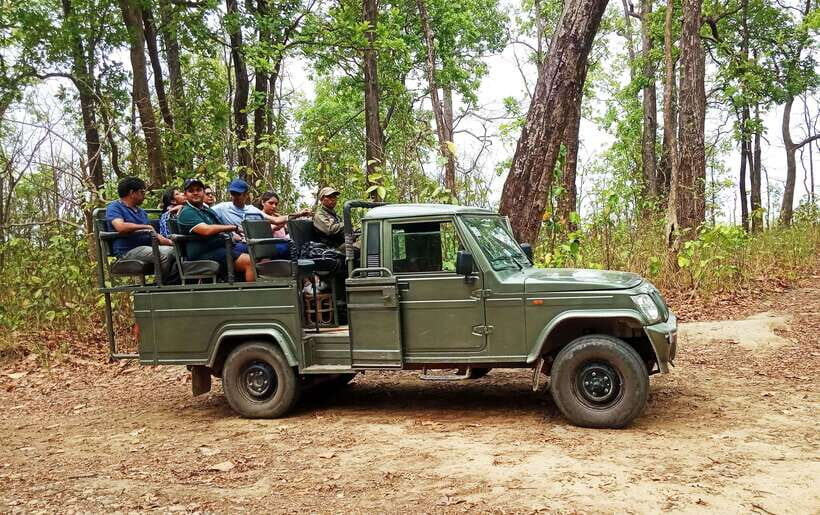
If you choose the 3- or 4-day option, Day 2 starts with breakfast and then you head out for another jeep safari. The itinerary is designed so you go into areas that can deliver more wildlife opportunities than a quick perimeter drive.
What you’re looking for (based on what the program is built around):
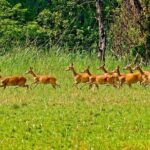
- Royal Bengal tiger sightings are a highlight
- Wild elephants
- One-horned rhinos
- Plus other wildlife you may encounter along the way
A key detail: the jeep activity is described as going deep into the buffer area of the forest. Buffer zones are often where you can have meaningful wildlife encounters because animals move across landscapes that connect core habitat and surrounding areas.
After the safari and lunch, you shift gears to conservation learning:
- Elephant Conservation Center
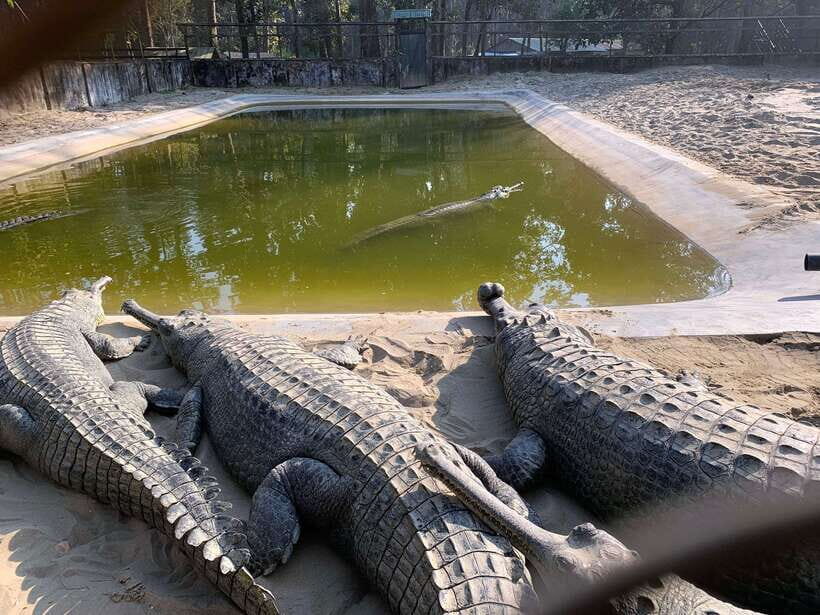
- Gharial Conservation Center
Then you return to the hotel for dinner.
Here’s the practical balance: you’re not only chasing mammals. You’re also learning what happens when ecosystems get protected, and what that looks like for species like elephants and gharials (a crocodilian). That gives your wildlife sightings context.
Conservation centers: more than a school-field-stop
The Elephant Conservation Center and Gharial Conservation Center are the kind of add-ons that can either feel like time fillers or like real value, depending on how the day is structured. In this itinerary, they’re placed right after safari time, which is smart.
You come out of the jeep track searching and immediately get to a conservation lesson tied to species you’re actually trying to see.
What this means for you:
- If you care about animal welfare and habitat protection, these stops help turn the trip into more than just seeing animals.
- If you’re mainly here for wildlife photos, they still break up the day so you don’t burn out.
You’ll also get back to the hotel for dinner, keeping the pacing comfortable while still packing in meaningful content.
You can also read our reviews of more tours and experiences in Kathmandu

Jungle walk and canoe on the Rapti River: slow moments that pay off
Not every safari includes river and walking time, but this one does. The program includes:
- Jungle walk
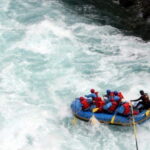
- A canoe ride on the Rapti River
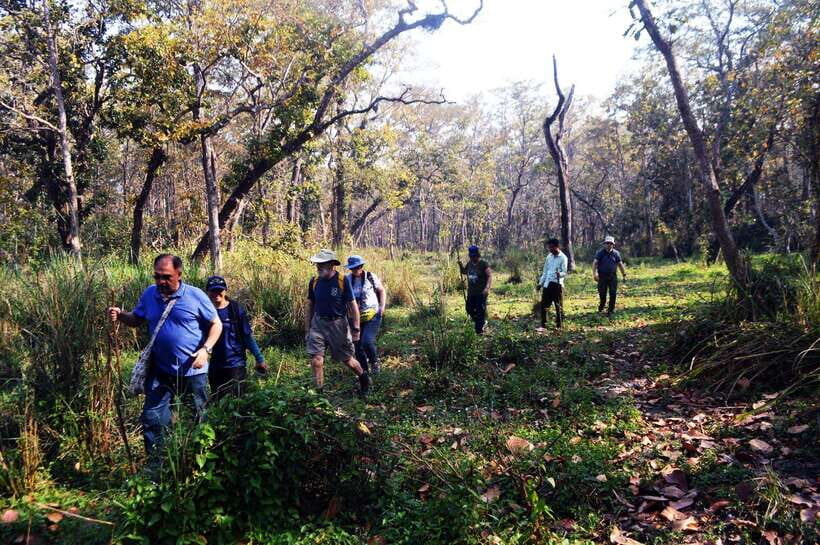
These are the moments that often feel the most “real,” because you’re not just sitting in a vehicle. On foot (with a guide), you notice how the forest floor looks, how birds behave near cover, and what movement sounds like. On the canoe, you feel how water shapes the day’s wildlife rhythms.
Practical advice: wear comfortable shoes even if you think you’ll be “fine.” Jungle walk time means uneven ground and a bit of slippery stuff, especially with changing weather.
Also bring your camera, but don’t lock up your focus. The best sightings can be quick. Give yourself a few seconds to look first, then shoot.
Bird watching: the calm payoff before action
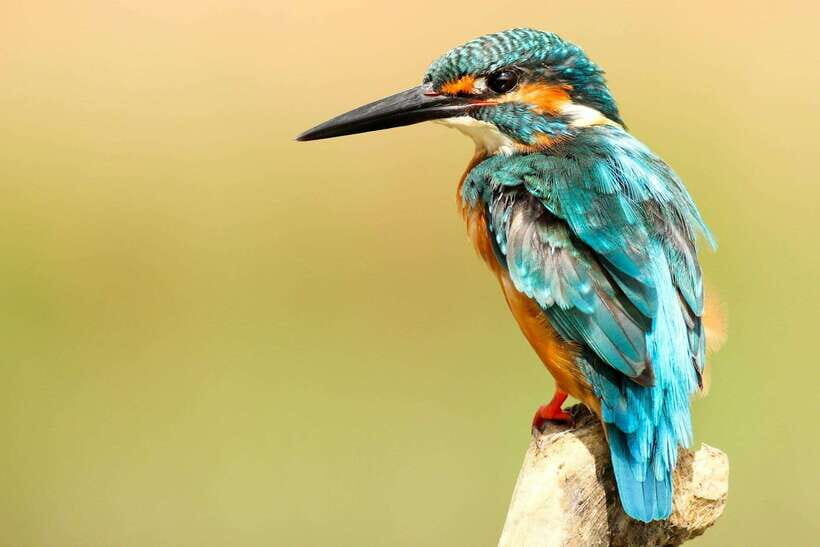
Early bird watching appears in the itinerary on the options that run longer than two days. It’s not just filler. Chitwan’s mornings tend to be active, and birds are often the easiest way to feel the ecosystem waking up.
If you’re the type who enjoys nature even when you’re not spotting big animals, mornings like this are a treat. Even if the tiger or rhino doesn’t show itself, the bird life and forest sounds keep the day moving.
Bring binoculars if you have them. The guide can help you track what’s making noise, and you’ll get more from sightings even at a distance.
Day 3 for the 4-day trip: the unexplored-area safari and a tower night
If you choose the 4-day option, Day 3 is where the plan gets more adventurous.
After breakfast, you take a jeep safari in the unexplored area of Chitwan National Park. That phrase matters: it signals the itinerary is trying to keep the experience varied, not just repeating the same routes.
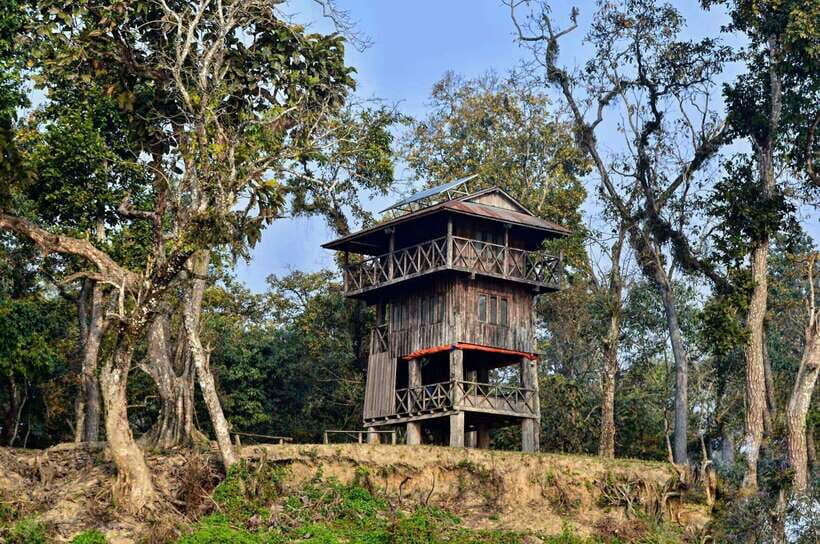
After lunch, you drive to a jungle tower inside the forest. Then you do the big difference-maker: you spend the night there.
Why I think the Jungle Tower night is worth it:
- It changes the atmosphere from hotel-comfort to forest-focus
- You’re literally sleeping inside the wilderness environment the safari is about
- Nighttime feels quieter, and that can help wildlife activity stand out when you’re watching patiently
Dinner is served at the jungle tower in the evening, so you’re not commuting after a full day of searching.
If you want one decision that upgrades your experience from good to memorable, this is it. The tower night is the part you’ll talk about later because it feels more like being there than touring through it.
Day 2 for the 2-day option: private car speed and an early start
The 2-day option is built for efficiency. Instead of the bus transfer, you use a private car transfer to reach the national park area earlier and begin safari activities sooner.
Day 2 includes:
- Bird watching before breakfast
- Then you head back toward Kathmandu or Pokhara in the morning
This makes sense if you’re short on time but still want real safari components: jeep activities and at least one morning nature window, without turning the trip into a multi-day commitment.
The trade-off is fewer “setup” hours for deeper exploration and fewer opportunities to repeat different types of wildlife searching. If you’re chasing the highest odds for big sightings, you’ll usually do better with the 3- or 4-day plan, because you’re simply in the area longer.
2 days vs 3 days vs 4 days: which one fits your goals
Here’s the simple decision guide I’d use:
- Choose 2 days if you want a fast hit of Chitwan from Kathmandu or Pokhara and you don’t have time for a longer stay. It’s built for early starts and quick turnaround.
- Choose 3 days if you want a more balanced pace: safari time, conservation stops, and a more relaxed flow between activities.
- Choose 4 days if you want the full experience, especially the jungle tower night and the extra safari time in the park’s more remote areas.
Also think about how you travel. If you’re okay with some driving on arrival/departure days, longer options become more comfortable because the middle days are richer. If you dislike long transport days, the 2-day plan can still work—just don’t expect it to feel slow.
Price and value: what $35 is actually covering
At $35 per person, the big question is: where does the value come from?
This tour bundles several high-cost elements for Nepal safari travel:
- Transfers from Kathmandu or Pokhara (bus for 3–4 days; private car for 2 days)
- Hotel accommodation in Chitwan (Hotel Rainforest or similar) and, for the longer option, the Jungle Tower night
- A nature guide
- Jeep safari inside Chitwan National Park
- Elephant and Gharial conservation center visits
- Cultural programming with the Tharu village sunset show
- Added nature time: jungle walk and canoe ride on the Rapti River
- Meals and drinks: tea and coffee are included, plus a full set of lunches/dinners/breakfasts depending on the chosen duration
What’s not included is also clear: alcoholic and cold beverages and bottled water. So budget for those separately.
My take: this price works best if you want a guided, structured safari with multiple activities in a short window. If you prefer to self-drive, plan everything yourself, or you’re only interested in one specific wildlife moment, this structured package might feel restrictive. But if you want fewer decisions and more time outdoors, it’s strong value.
Wildlife expectations: what to hope for, and what to accept
The program is specifically built around spotting:
- Royal Bengal tiger
- One-horned rhino
It also mentions potential sightings of:
- Wild elephants
- Other animals and many birds
But here’s the honest reality you should carry into any Chitwan safari: wildlife depends on animals, weather, and timing. The itinerary can change based on adverse weather conditions and animal movements. That isn’t a failure. It’s how wildlife travel works.
So use this approach:
- Be ready for “small wins” like birds, insects, and quick animal glimpses
- Treat big sightings as a bonus, not a guarantee
- Stay patient during jeep stops and follow your guide’s direction
That mindset will make the trip feel rewarding even when the tiger stays in the shadows.
What to bring for comfort (and better wildlife watching)
This is where you can control outcomes. You can’t control what you see, but you can control how well you handle the day.
Bring:
- Comfortable shoes
- Hat and sunscreen
- Camera
- Water (the program doesn’t mention bottled water being included)
- Insect repellent
- Binoculars if you have them
And don’t forget basic behavior rules:
- No littering
- No feeding animals
Those two points protect both wildlife and your own viewing experience. Animals get stressed fast when people ignore boundaries.
Should you book this Chitwan jungle safari?
If you want a guided, reasonably priced safari that mixes jeep wildlife time, cultural programming, and conservation stops, I’d say yes—especially for the 3- and 4-day options. The structure gives you multiple chances to see wildlife, plus it keeps your days from turning into a long series of boring waiting.
I’d book the 4-day version if you love nature atmospheres and want the Jungle Tower night. I’d pick the 2-day option if you’re time-limited and want an efficient safari hit without overcommitting.
One last check before you decide: think about your tolerance for travel days. The schedule includes substantial road time, so it’s best for travelers who can handle a bit of transit in exchange for more time watching wildlife in Chitwan.
FAQ
What wildlife is this Chitwan safari designed to look for?
The highlights include Royal Bengal tiger and one-horned rhinos. The itinerary also mentions chances to see wild elephants and many birds.
How long is the transfer from Kathmandu or Pokhara?
For the 3- and 4-day options, the bus ride is about 5–6 hours. For the 2-day option, a private car transfer is used.
What does the itinerary include besides safari rides?
You also get a Tharu village visit and sunset cultural program, a jungle walk, a canoe ride on the Rapti River, and visits to the Elephant Conservation Center and Gharial Conservation Center.
What’s included in the price?
Included items cover transfers (bus or private car depending on option), hotel pickup and drop, a nature guide, jeep safari, conservation center visits, cultural program, jungle walk, canoe ride, and accommodation with meals based on tour length. Tea and coffee are included.
Are drinks like alcohol and bottled water included?
No. Alcoholic and cold beverages are not included, and bottled water is not listed as included.
Does the schedule ever change?
Yes. The itinerary can change depending on adverse weather conditions and animal movements.