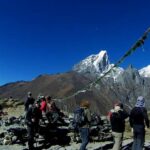
Langtang Valley moves at a human pace. This 8-day trek from Kathmandu keeps altitude reasonable, while still delivering big Himalayan-range views and Tamang culture, plus the chance to see yaks out in the meadows.
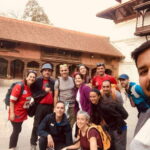
What I like most is the small-group feel (max. 15). You get more attention on the trail and in the teahouse routine, without feeling like you’re herded.
My second big plus: 7 nights of teahouse accommodation and most meals included makes budgeting simpler, and the borrowed down jacket and sleeping bag help you travel light. One drawback to plan for: you’re hiking about 6–7 hours a day, and the mountain lodges are basic—so this is best if you’re comfortable with simple digs and steady walking.
In This Review
- Key things I’d clock before you go
- Langtang Valley Trek: Why this route is a smart pick from Kathmandu
- Small-group touring (max 15) and what it changes on the trail
- Teahouse nights and meals: Basic comfort with less planning stress
- Guide, porters, and the borrowed gear that can save your back
- From Syabrubesi to the Langtang Valley: a realistic day-by-day flow
- Altitude expectations: what “not too high” means in practice
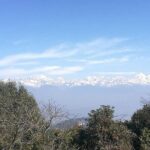
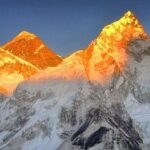
- What you’ll see: Langtang range views, Tamang culture, and yaks
- Price and logistics: how $700 stacks up for what’s included
- What’s not included: the bits that can quietly add cost
- Who should do the Langtang Valley trek (and who might want a different option)
- Should you book Langtang Valley with Incredible Treks?
- FAQ
- How long is the Langtang Valley Trek?
- What kind of accommodation is included during the trek?
- Are meals included?
- Do I need my own sleeping bag or down jacket?
- What transport is included from Kathmandu?
- What physical fitness level do I need?
- Is there a cancellation deadline?
Key things I’d clock before you go
- Small group, max. 15: you’re less likely to get lost in the crowd.
- 7 nights teahouse stays: expect basic mountain accommodation for the whole trek.
- Most meals included: breakfast, lunch, and dinner are covered during trekking days.
- Down jacket and sleeping bag on request: you can lighten your packing, but you must return them after.
- Guide plus porter support: the ratio is listed as 2 trekkers to 1 porter (with listed guide and porter expenses covered).
- Altitude stays relatively moderate: it’s pitched as a route that doesn’t go too high.
Langtang Valley Trek: Why this route is a smart pick from Kathmandu
Langtang Valley is the kind of trek you choose when you want real Himalaya scenery without the extra pressure of a super-high itinerary. The route is described as relatively easy for an 8-day timeframe, and that “not too high” angle matters. It gives you more energy to enjoy what’s around you—mountain panoramas, village life, and those long valley views that Nepal does so well.
Another practical reason I like this trek: the trailhead is a short drive from Kathmandu. You’re not losing half the trip to transit. Instead, you spend more of your days walking and less time staring out a bus window wondering how many days until you get your first view.
And the cultural side is woven in clearly. You’re hiking through Tibetan-influenced areas and learning about Tamang culture and daily lifestyles along the way—so you’re not just moving between viewpoints.
You can also read our reviews of more hiking tours in Kathmandu
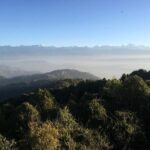
Small-group touring (max 15) and what it changes on the trail
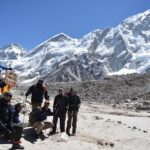
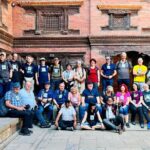
A max group size of 15 sounds like a small detail, but it affects your whole trekking rhythm. With fewer people, it’s easier for your local guide to adjust pace. It’s also easier to keep an eye on the group when weather turns or when someone needs a breather.
Support is also part of the deal. The trek includes a licensed English-speaking trekking guide and porters, with the listed ratio of 2 trekkers to 1 porter. That means you’re not pushing everything onto yourself. Practically, you can focus on footwork and breathing rather than hauling every extra layer up steep stretches.
One more value point: personalized attention isn’t just marketing here. In the experiences shared with Incredible Treks, guides have been called out for being cheerful, caring, and very protective of the group’s comfort and safety. Names that show up include Ram Krisna, and in other Langtang outings Lochan Gurung has been noted as superb with strong porter support.
Teahouse nights and meals: Basic comfort with less planning stress
This trek includes 7 nights of teahouse accommodation during trekking, and “basic accommodation” is the expectation. In plain terms: you’ll be sleeping somewhere simple, built for trekkers, not luxury hotels. The benefit is that it removes a big decision from your trip planning. You don’t have to chase lodging nightly, or negotiate what’s available at each stop.
Meals are also handled in a way that keeps your day-to-day budget predictable. During trekking you get breakfast, lunch, and dinner as per the itinerary. That coverage is a big deal on a trek, because food options can vary by season and altitude. When your meals are included, you can plan around the hike instead of worrying whether dinner is going to be late, limited, or pricey.
What about Kathmandu meals? Those aren’t included—lunch and dinner in Kathmandu are listed as not included—so plan to eat there on your own before and after trekking.
Also keep in mind one small reality: you’re hiking roughly 6–7 hours a day, and teahouse life runs on schedule. You’ll generally want to treat breakfast and lunch as fuel, not as a long social event.
Guide, porters, and the borrowed gear that can save your back
The trek is designed around support roles, and you’ll feel it most on the days when your energy is the limiting factor. Your guide is licensed and English-speaking, and the trek includes porter services. With the porter ratio listed as 2 trekkers : 1 porter, you should expect help carrying some load.
Then there’s the gear support that’s specifically helpful if you don’t own trek insulation yet. You can borrow a down jacket and sleeping bag (provided upon request). There’s also a duffel bag provided, and you must return the borrowed items after the trek.
This gear angle is a real value lever. It can cut down what you need to buy or rent separately. It also helps when you’re traveling with airline limits, since you’re not packing bulky insulation for one short segment of cold weather.
In the experiences shared, people highlight the way guides and porters keep trekkers feeling safe and warm. One recurring theme is care: checking on people who tire, keeping the group comfortable, and staying supportive in the long walking hours. If you tend to worry about being the slowest walker in a group, this structure usually helps a lot.
From Syabrubesi to the Langtang Valley: a realistic day-by-day flow
You start in Kathmandu, then you move by local bus to Syaprubesi, and return the same way at the end. That transport plan matters because it keeps the itinerary grounded and practical. You’re not flying and changing plans every other day.
From there, the trek takes over. Each day is described as about 6–7 hours of hiking. You’ll spend those hours working through valley terrain, stopping for meals, and moving between mountain lodges. The key is that you’re following a route that doesn’t chase extreme altitude, so you’re not dealing with the most brutal side effects that come with higher treks.
Here’s the “what the days feel like” version, without pretending we’re inventing exact stop names:
- Early days (first valley entry): you ease into trekking time and get your rhythm. You’ll see the valley setting and start picking up the local culture around the trail.
- Middle days (culture + range views): you’ll be walking through areas where Tamang culture and Tibetan-influenced ways of life show up in daily routines. This is where you’ll likely feel the cultural learning alongside the hiking.
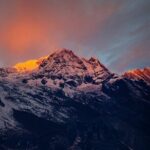
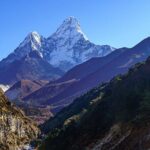
- Later days (meadows and mountain scenery): highlights mention yaks grazing in Himalayan meadows and outstanding views of the Langtang range. Even if the exact timing shifts with season, the overall feel is that you’re moving from village textures toward open views.
Throughout, the accommodation rhythm is consistent: you stay in mountain lodges each night, with “basic accommodation” as the baseline. So you don’t get whiplash from day to day. That consistency is part of what makes a trek like this work for time-crunched active travelers.
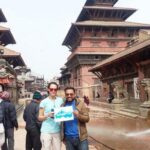

Altitude expectations: what “not too high” means in practice
Altitude is the one area where treks can quietly ruin your plans if you aren’t prepared. Here, the route is described as not going too high in altitude, which is a major reason it’s positioned as relatively easy for an 8-day format.
Still, “easy” doesn’t mean “zero effort.” You’ll be hiking 6–7 hours a day. So you should be ready for wind, cold spells, and fatigue. The upside is that you’re less likely to be pushed into the highest-altitude trekking zone described in Nepal’s more extreme routes.
What you’ll see: Langtang range views, Tamang culture, and yaks
The highlights are very specific, and I like that. This isn’t a generic trek listing vague photos.
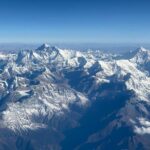
- Langtang range views: you’re in the right place for dramatic mountain lines and strong sight days.
- Tamang culture and Tibetan culture connections: the route is explicitly framed around culture and lifestyles, not only scenery.
- Yaks in Himalayan meadows: this is the fun, memorable image people want from the Langtang Valley.
These elements work together. You’re not just walking from point to point. You’re learning the human side of the region while also getting that payoff view when the terrain opens up.
And because this trek starts close to Kathmandu, you can fit it into a shorter trip window than many longer Himalayan routes.
Price and logistics: how $700 stacks up for what’s included
At $700 per person for an 8-day trek, the key question is what you’re getting for that price—and it’s not just “a guide and a map.”
Here’s what’s covered:
- 7 nights teahouse accommodation
- Most meals during trekking (breakfast, lunch, dinner as per the itinerary)
- Kathmandu to Syaprubesi and back by local bus
- National Park fees and TIMS fees
- Licensed English-speaking trekking guide plus porter support, including their related expenses
- Down jacket, sleeping bag, and duffel bag provided upon request (returned after)
That combo—lodging + meals + guide + porter + fees—adds up quickly when you start pricing things separately. So even if the total number looks “mid-range,” the inclusion list makes it feel more like an all-in trekking package.
Where value can shrink for some people is on the items not included. If you need a lot of extra paid services in Kathmandu, or if you don’t already have trekking medical coverage, your overall budget could rise.
What’s not included: the bits that can quietly add cost
The not-included list is clear, and you’ll want to treat it seriously:
- Accommodation in Kathmandu
- Lunch & dinner in Kathmandu
- Personal insurance (medical, accidental, rescue like helicopter)
- Emergency evacuation expenses in case of emergencies
- Personal trek equipment
- Personal nature expenses (alcohol, bottled drinks, laundry, phone bills)
- Tipping to field staff
- Anything not stated above
Two practical takeaways:
- If you don’t already have solid trekking insurance, you’re taking a gamble you shouldn’t on a mountain trip.
- Bring the right clothing and hiking-ready layers. The tour says clothes suitable for hiking are needed, and borrowed insulation is only part of the solution.
Who should do the Langtang Valley trek (and who might want a different option)
This trek is aimed at active travelers with moderate physical fitness. The daily hike time of 6–7 hours means you need stamina for continuous walking, even if the altitude is kept relatively moderate.
It also suits people short on time who still want a real Himalayan experience. If you want the culture, the range views, and the meadows with yaks without signing up for a long multi-week schedule, this fits the bill.
Consider it less if you:
- don’t want basic teahouse accommodation
- need lots of luxury comfort during the trek
- can’t handle steady days of walking (6–7 hours)
Also note the group size limit and booking rule: there’s a minimum of 2 people per booking, and the trek is capped at 15 travelers.
Should you book Langtang Valley with Incredible Treks?
If you want a well-supported, time-friendly trek that stays relatively moderate in altitude, I think this is a strong choice. The included teahouse nights, most meals, and the guide/porter setup reduce the usual stress points of trekking logistics. Add the borrowed down jacket and sleeping bag, and you can travel lighter than you might expect.
My main caution is simple: you have to be comfortable hiking 6–7 hours a day and sleeping somewhere basic. If you match that, you’ll likely enjoy the mix of Langtang range views, Tamang/Tibetan-influenced culture, and the memorable image of yaks grazing in meadows.
If you book, do yourself a favor and ask what to request for borrowed gear, and confirm your day pack plan so you’re not hauling more than you need.
FAQ
How long is the Langtang Valley Trek?
It’s listed as 8 days (approx.).
What kind of accommodation is included during the trek?
You get 7 nights of basic teahouse accommodation during the trekking days.
Are meals included?
Breakfast, lunch, and dinner are included during trekking as per the itinerary. Lunch and dinner in Kathmandu are not included.
Do I need my own sleeping bag or down jacket?
You can borrow a down jacket and sleeping bag (and a duffel bag) upon request. You must return the items after the trek.
What transport is included from Kathmandu?
The tour includes Kathmandu to Syaprubesi and back to Kathmandu by local bus.
What physical fitness level do I need?
The tour states you should have moderate physical fitness, and it typically involves hiking 6–7 hours a day.
Is there a cancellation deadline?
Yes. You can cancel up to 24 hours in advance for a full refund.