REVIEW · KATHMANDU
Kathmandu: Local Women-Lead Nepali Cooking & Momo Class
Book on GetYourGuide →Operated by Luxury Holidays Nepal · Bookable on GetYourGuide
Momo lessons beat Kathmandu guesswork. In Thamel, at Kathmandu Cooking Academy, you shop for fresh ingredients and learn to cook momo and dal bhat in a small, women-led setup with an English-speaking chef.
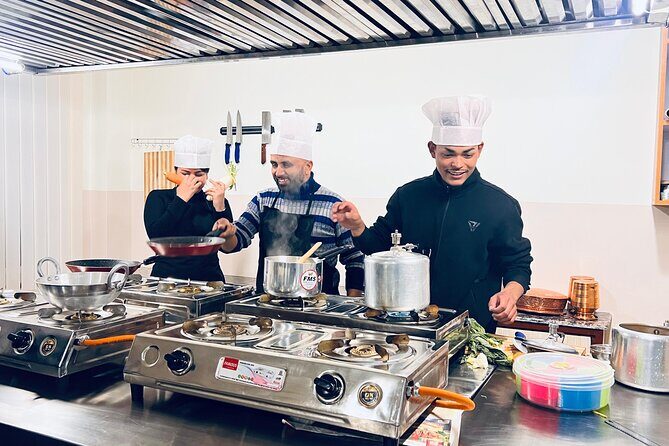
I like the hands-on pace. You are not watching from the sidelines; you’re folding, seasoning, and cooking step by step, with clear instruction from Nishma (often called Nish in the classroom stories) and the team. I also like the food choices: you can pick what the group cooks from options like momo, starters, mains, and dessert, so you are shaping your meal instead of just being handed a script.
One consideration: dish selection can be shared. If you go in convinced the whole class will make exactly what you pictured, you may need to advocate for your first pick when everyone chooses together—though the group size is small enough that it usually feels workable.
In This Review
- Key points I think you’ll care about
- Why this Thamel momo class feels hands-on, not touristy
- Starting with a market/shop tour that actually changes your cooking
- The momo workshop: folding, filling, and getting unstuck fast
- Dal bhat: learning Nepal’s comfort food logic
- Choosing your own starter, main, and dessert (and why that’s a big deal)
- What the class rhythm feels like in 3–4 hours
- Tasting Nepali tea and the full plate you make
- Price and value: why around $5 can be a serious bargain
- Getting there in Kathmandu: pickup, traffic, and the meeting point
- Who this momo and dal bhat class suits best
- Should you book this Kathmandu momo and dal bhat cooking class?
- FAQ
- How long is the Kathmandu momo and dal bhat class?
- What dishes will I learn to cook?
- Do I get to choose what the group cooks?
- Is hotel pickup and drop-off available?
- Where is the meeting point if I don’t choose pickup?
- Is the class small?
- Will the class accommodate dietary restrictions?
- What should I bring (and wear)?
- Is the class wheelchair accessible?
- Is it suitable for children and older adults?
Key points I think you’ll care about
- Small group (up to 10) means you get real attention while you’re cooking.
- Market/shop tour for ingredients gives you a reason to care about what goes into the food.
- Momo + dal bhat focus so you leave with Nepal’s two most essential tastes.
- English instruction with a patient chef team, including Nish/Nishma in many classes.
- Nepali masala tea and a tasting session so you eat what you make right away.
- Optional hotel pickup/drop-off within Kathmandu Valley if you book it.
Why this Thamel momo class feels hands-on, not touristy
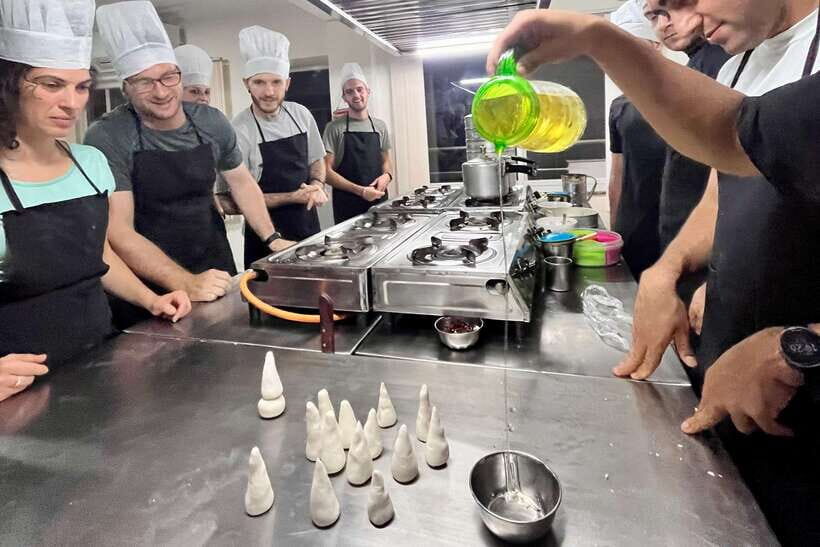
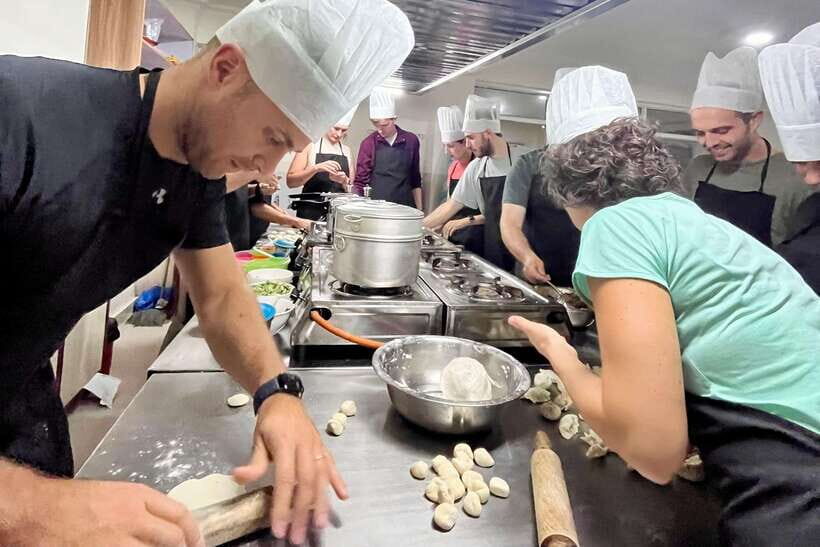
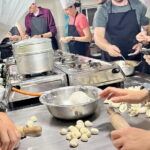
Kathmandu cooking classes can be either show-and-tell or actual cooking. This one leans hard into the practical side. The setting is in Thamel, and the class is designed for a small group of up to 10 people, so you’re not lost in a crowd while knives and dough are flying.
I like that it’s women-led and kitchen-forward. You’re learning from a real Nepali cooking setup, and the instruction is in English, which matters in a place where menus can be simpler than the steps behind them. With a small group, you also have room to ask questions about spice, texture, and timing without feeling rushed.
The class runs about 3 hours in practice (market visit included), with an overall window of 3–4 hours. If you’re short on time, it’s the kind of activity that fits neatly between sightseeing blocks without turning your day into a full expedition.
You can also read our reviews of more cooking classes in Kathmandu
Starting with a market/shop tour that actually changes your cooking
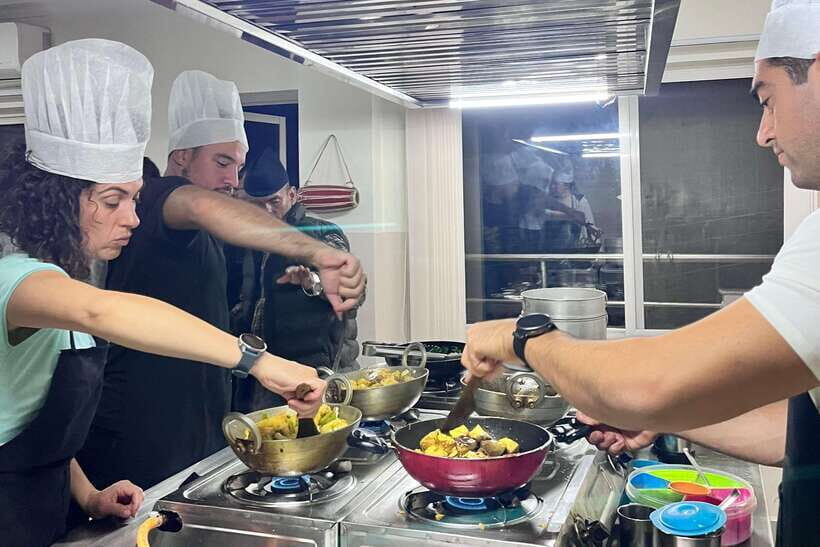
You begin with a market or shop stop to pick ingredients for the meal. That sounds like a nice extra, but it’s more useful than it seems. When you see what goes into the fillings and sauces, you start understanding what makes Nepali food taste Nepali—rather than just copying a recipe.
This part typically takes place close to the academy, so you’re not spending half the class traveling around Kathmandu’s chaos. You’re there to choose ingredients the class will use right after. Think of it as training for your future cooking at home: you learn which items matter most and what to look for when you’re not in Kathmandu.
In the classroom, you’ll notice how the ingredients you selected are handled and combined. That makes the later steps—mixing fillings, shaping momo, cooking dal bhat—feel logical instead of random. And yes, you’ll also get tea during the lesson, so you’re not running on empty while you shop and prep.
The momo workshop: folding, filling, and getting unstuck fast
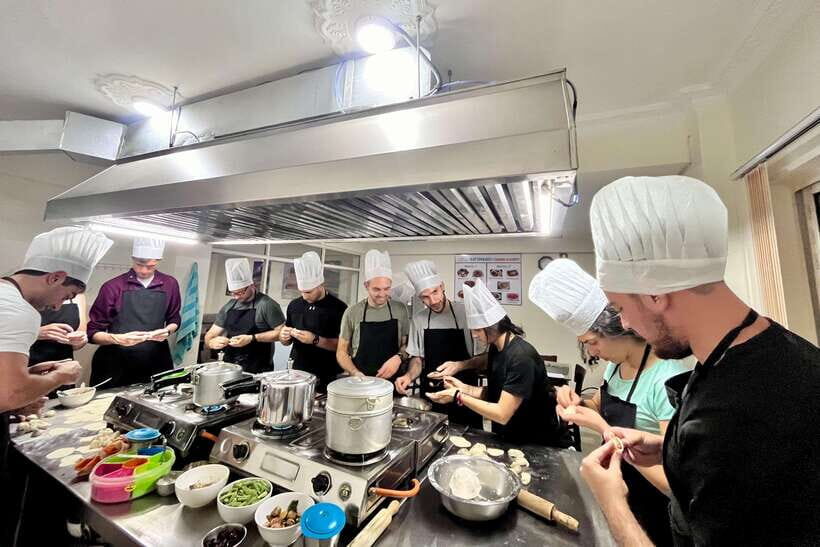
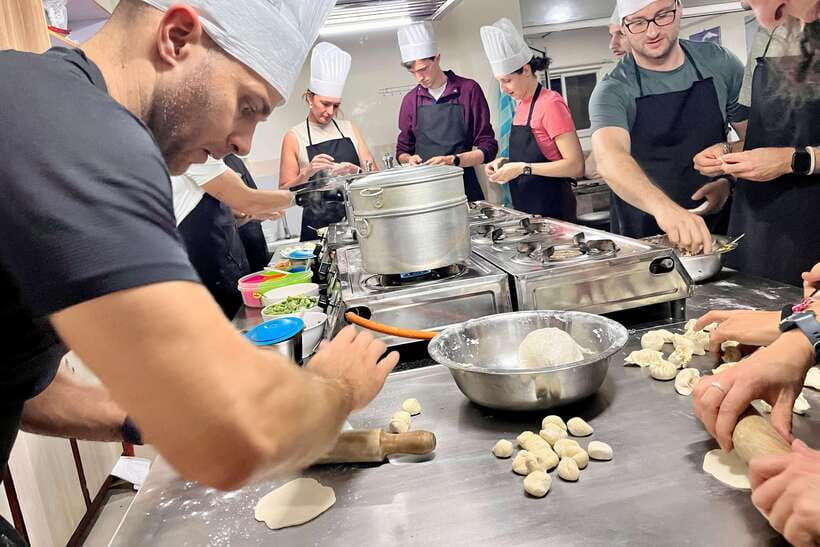
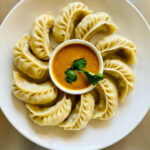
Momo is the headline dish, and the class treats it like the main event. You get hands-on, step-by-step guidance to make momo from scratch. The chef explains what you’re aiming for, then you practice the process so you’re not just copying motions.
Because this class is built around group meal choices, your exact momo plan can depend on what the group selects. Still, the consistent theme is that you learn how to shape and fill, and you get feedback while you’re working. In real classes, instructors like Nish/Nishma are repeatedly praised for being patient and thorough, especially if your kitchen skills are more “dining room” than “dough hands.”
Here’s what to watch for during momo time:
- Stay focused on consistency—fillings that are too loose or too dry change everything.
- Don’t rush the shaping step. A steady pace usually makes the cooking step easier.
- Ask about spice. If your filling or sauce feels off, it’s often a small seasoning adjustment, not a “you failed” moment.
You’ll also get to taste what you make as part of the class experience, so you can connect your steps to the final bite. That feedback loop is the whole point of paying for a class instead of trying momo at a restaurant and hoping you’ll remember what you ate.
Dal bhat: learning Nepal’s comfort food logic
Dal bhat is the other core lesson. You’ll learn how to make it as part of the class flow, and the goal is more than satisfying a craving. Dal bhat is a system: a lentil element plus rice and usually other components that balance flavor and texture.
In class, you’ll see how the lentils are prepared and seasoned, and how you assemble the meal so it tastes cohesive rather than like separate dishes on a plate. Even if you’ve eaten dal bhat before, cooking it gives you a new appreciation for the small decisions—how thick the dal should be, how seasoning is timed, and how the meal keeps tasting good bite after bite.
The class setup also typically includes additional dish choices—often beyond momo and dal bhat—so you can round out your Nepali meal rather than stopping after the basics. That matters because momo and dal bhat alone can feel like two separate worlds if you don’t also learn a starter or a second texture element.
Choosing your own starter, main, and dessert (and why that’s a big deal)
One of the most praised parts of this experience is the choice system. You typically pick a starter, a main course (often including momo), and a dessert. That means the class works better for mixed groups of food lovers—especially if you have one person who wants momo and another who wants something different.
If you care about customizing your meal, this is where you win. Multiple classes show that instruction is flexible: one student described vegetarian accommodation and spice level adjustments without hassle. That’s huge in Nepal, where spice can go from mild to intense fast.
So how should you approach the choice moment?
- Pick what you truly want to eat at the end of 3 hours.
- If you’re specific about momo, be ready to advocate when the group chooses.
- If you have dietary restrictions, tell the team in advance so they can plan adjustments before you start cooking.
And when dessert happens, it’s not just decoration. It rounds out the meal so your homemade Nepal experience feels complete.
You can also read our reviews of more tours and experiences in Kathmandu
What the class rhythm feels like in 3–4 hours
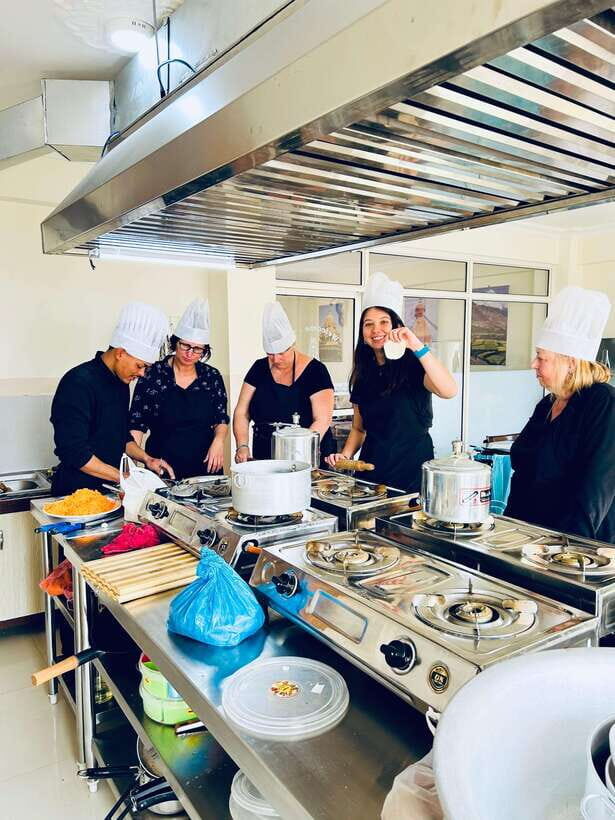
The typical flow is simple: pick ingredients on the market stop, return to the academy, then cook in a structured sequence. The time window is usually around 3 hours including the market, with some classes running closer to the 4-hour end depending on timing.
What that means for you: you’ll be busy, but you won’t feel like your day is swallowed. You’ll likely get plenty of instruction while still having time to cook multiple components—especially if the class choices include more than momo and dal bhat.
Also, the small group size can change the vibe a lot. Some participants have been in very small groups, even with a solo or near-solo experience, which can feel close to a private lesson. Either way, the teaching style is repeatedly described as friendly and patient, with English strong enough to explain techniques clearly.
Wear comfortable clothes. This is active cooking. You’ll be at a work area shaping and mixing, not standing still like you’re at a cooking show.
Tasting Nepali tea and the full plate you make
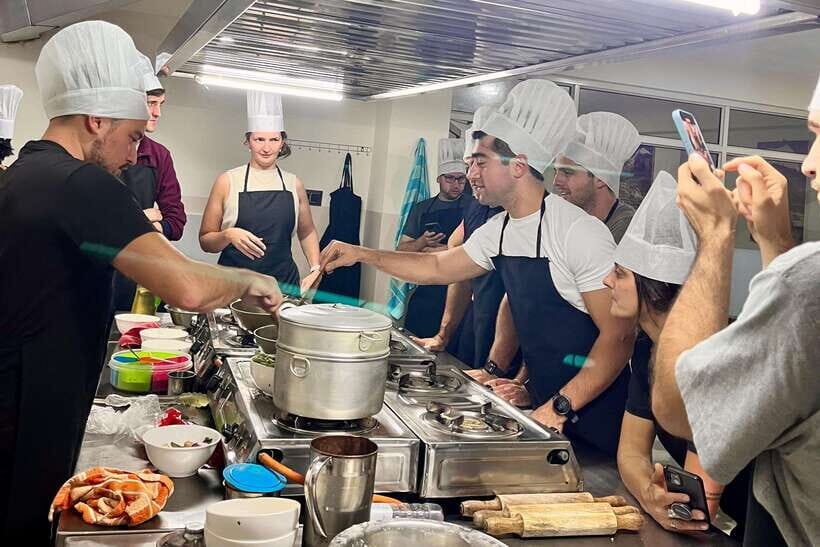
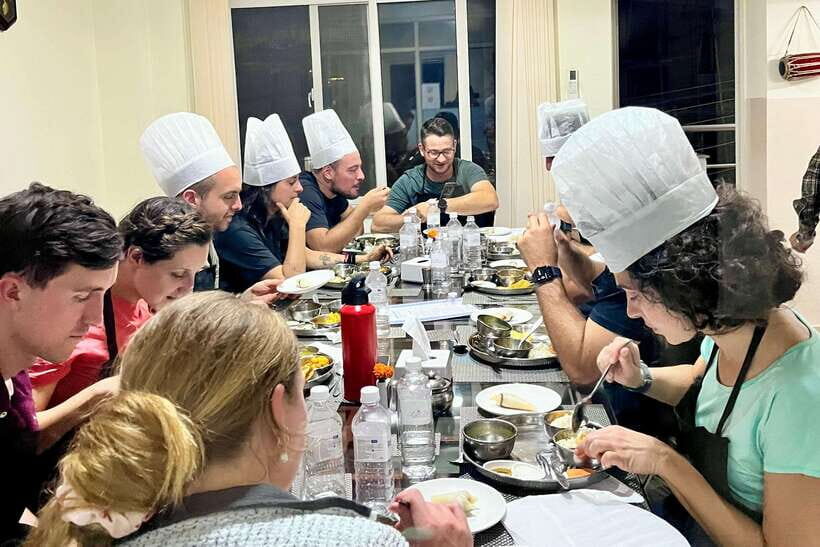
You do not just cook and leave. There’s a tasting session at the end where you eat what you made. This is a key part of the value because it helps you learn by tasting right after cooking—not hours later from memory.
You’ll also have Nepali masala tea during the lesson. It’s a small thing, but it makes the break feel local. Plus, it helps you slow down and reset between steps so you don’t reach the final cooking stages frazzled.
Portions can be generous. One person described the quantity as huge and suggested coming hungry so you leave full. That tracks with how classes like this are designed: you’re paying to both learn and eat, and the meal is the proof of skill.
Price and value: why around $5 can be a serious bargain
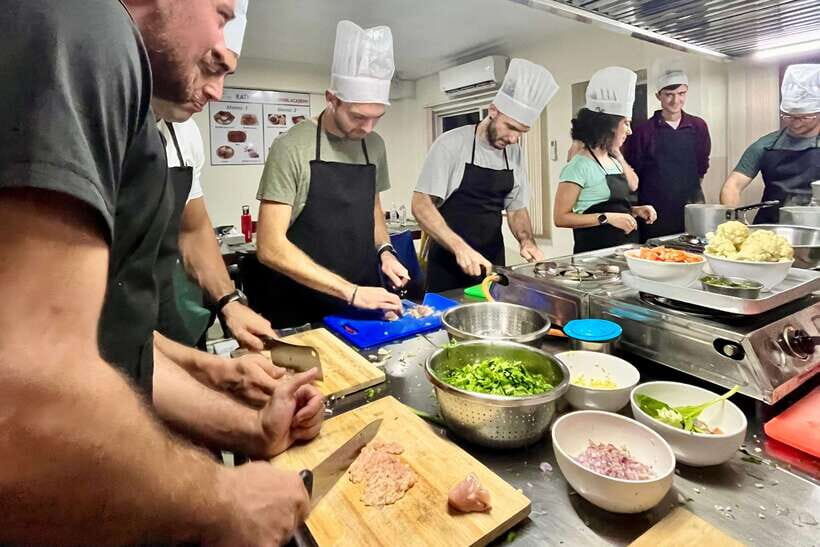
The listed price is about $5 per person, which is unusually low for a class that includes a market stop, an experienced chef, ingredients selected for your meal, and all cooking equipment. Even if you’ve paid for “cooking experiences” in other countries that cost far more, you should expect this one to be focused on getting you into the action.
What drives the value:
- You get a market/shop tour rather than just a pantry list.
- You get step-by-step cooking guidance and hands-on practice.
- You get to eat a multi-part meal and drink tea.
- You get English instruction, which reduces frustration.
- Optional hotel pickup/drop-off can add convenience if you book it.
Not everything is included. Specialty drinks and alcohol are not part of the package. So if you like fancy beverages with your meals, plan on covering those separately.
Also, if you want recipes for later, check how you’ll get them. In at least one class, the team provides a PDF of what you made, which is a practical take-home tool if you cook after you return home. And if you’re the type who likes to buy a cookbook, one student mentioned purchasing their cookbook for 400 NPR.
Getting there in Kathmandu: pickup, traffic, and the meeting point
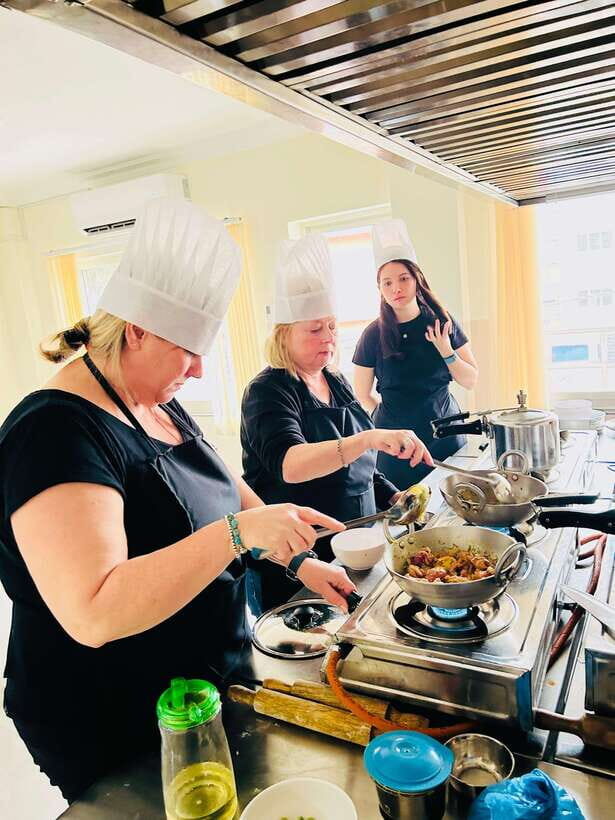
Transportation can make or break a short activity in Kathmandu. The good news is that pickup/drop-off is available within Kathmandu Valley if you select it. If you don’t select pickup, you’ll make your own way to the academy.
The meeting point is Kathmandu Cooking Academy (you can find it on Google Maps). Since the class is in Thamel, it’s often easier to reach than places outside the core tourist area.
Still, Kathmandu traffic is real. Some classes have run late for pick up and drop off, and the sensible mindset is to treat the cooking clock as the priority. Arrive a bit early at the start: you’re advised to come at least 15 minutes before the scheduled time, especially so the market start doesn’t get thrown off.
If the class is operating with the minimum group size and that minimum isn’t met, you may be offered an alternative date or a full refund. That’s not common in every schedule, but it’s part of how group activities work.
Who this momo and dal bhat class suits best
This is a great match if you:
- Want a hands-on intro to Nepali cooking instead of another sightseeing-only day
- Are curious about momo beyond ordering it at restaurants
- Like structured instruction with real cooking steps
- Appreciate small group learning where you can ask questions
It’s also solid if you’re traveling solo. Even when the group is small, the class is still run with instruction and tasting as part of the program.
It may not be the best fit if you:
- Want zero interaction and only want to watch
- Have very limited mobility beyond what a wheelchair accessible space can comfortably support (the class is listed as wheelchair accessible, but you’ll still be cooking actively)
Age-wise, children above 7 are welcome with adult supervision. Children under 5 and people over 95 are not suitable for this activity.
Should you book this Kathmandu momo and dal bhat cooking class?
Yes, you should book it if you want a practical Nepal food lesson in a short time window. The low price plus the market stop, the chef-led step-by-step instruction, and the chance to taste what you cooked make it feel like a deal, not just a paid activity.
Book it especially if you’re staying in or near Thamel and you don’t want to spend your day searching for ingredients and figuring out techniques alone. And if you’re picky about spice or need vegetarian adjustments, message the team ahead of time—this setup has shown it can adapt.
If you’re already a confident home cook and only want a deep technical challenge, you might find it more beginner-to-intermediate than “advanced.” But for most visitors, this is exactly the sweet spot: you leave with skills, a full plate in your belly, and recipes you can actually use later.
FAQ
How long is the Kathmandu momo and dal bhat class?
The class runs about 3 hours typically, including the market visit, prep, and cooking. The overall duration is listed as 3 to 4 hours depending on the schedule.
What dishes will I learn to cook?
You’ll focus on making momo and dal bhat. You also choose an additional dish (often including starter options) and dessert as part of the experience.
Do I get to choose what the group cooks?
Yes. The class setup includes choosing what you’ll make from the available options, including items like starter, main (with momo often included), and dessert.
Is hotel pickup and drop-off available?
Pickup and drop-off are optional. If you select the option during booking, they offer pickup from within Kathmandu Valley and then drop you off after the class.
Where is the meeting point if I don’t choose pickup?
You should go to Kathmandu Cooking Academy. It’s listed as the meeting point and is easy to find on Google Maps.
Is the class small?
Yes. It’s a small group with a limit of 10 participants.
Will the class accommodate dietary restrictions?
If you have dietary restrictions or allergies, you should inform the team in advance so they can accommodate you. Vegetarian preferences and spice level adjustments have been mentioned in past classes.
What should I bring (and wear)?
Bring a camera. Wear comfortable clothing since you’ll be actively cooking. You should also arrive at least 15 minutes early.
Is the class wheelchair accessible?
Yes, the activity is listed as wheelchair accessible.
Is it suitable for children and older adults?
Children above age 7 are welcome with adult supervision. It is not suitable for children under 5 years, and people over 95 years are not suitable.