REVIEW · KATHMANDU
Kathmandu city tour – 4 UNESCO World Heritage Sites
Book on Viator →Operated by Trekking Planner Nepal · Bookable on Viator
Kathmandu hits fast. This half-day circuit strings together four UNESCO World Heritage Sites in one smooth day, with a guide who explains what you’re seeing as you go. I like that it’s built around real neighborhoods and working religious sites, not just picture stops. I also like the practical pacing, where the tour can flex based on what you want to linger on, including time at major temple complexes.
One thing to keep in mind: you’ll pay monument entry fees locally (and the itinerary depends on good weather). If you’re hoping for a perfectly predictable schedule down to the minute, you may feel a bit of friction—temple stops can move at the pace of crowds, rituals, and security checks.
In This Review
- Key highlights worth knowing before you go
- Why Kathmandu’s UNESCO circuit makes sense in one day
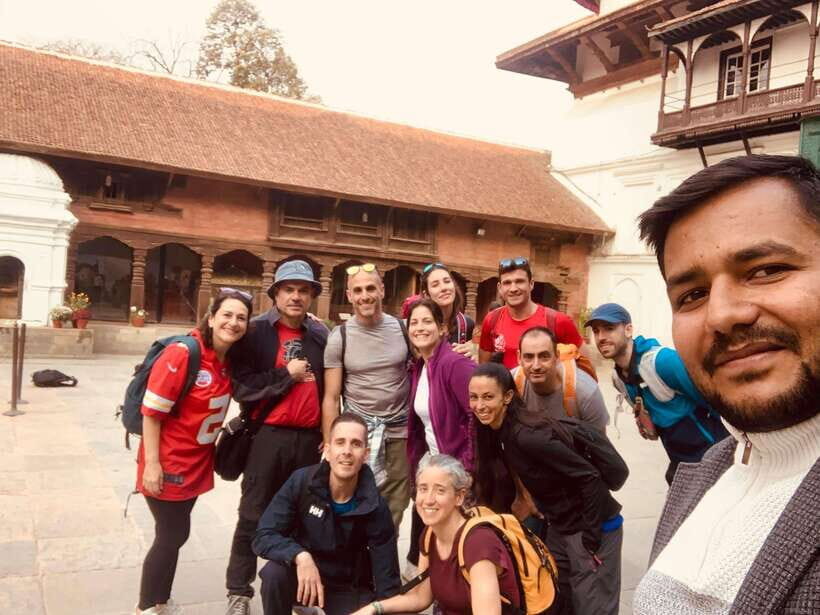
- Meeting up and moving through the city with a small group
- Stop 1: Kathmandu Durbar Square and Hanuman Dhoka (the royal core)
- Stop 2: Swayambhunath (Monkey Temple views and spiritual energy)
- Stop 3: Boudhanath Stupa plus a real lunch break
- Stop 4: Pashupatinath Temple on the Bagmati riverbank
- Price and what you’re really getting for $75
- Timing: what a 4–6 hour day feels like in Kathmandu
- What to bring so the day feels easy, not exhausting
- Who this tour is best for (and who might not love it)
- Should you book Kathmandu city tour with UNESCO World Heritage Sites?
- FAQ
- How long is the Kathmandu city tour?
- Does the price include entrance fees to the monuments?
- Is hotel pickup and drop-off included?
- What sites are included in the tour?
- How many people are in a group?
- Is the tour wheelchair-accessible?
- What happens if weather is bad?
Key highlights worth knowing before you go
- Four UNESCO sites in 4–6 hours: Durbar Square, Swayambhunath, Boudhanath, and Pashupatinath, all in one outing
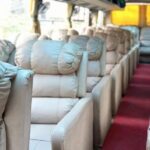
- Hotel pickup + air-conditioned vehicle: easy start and finish without wrestling with transit
- Small group size (max 10): less waiting, more chance to ask questions
- Guide Kedar gets called out for pacing: a calmer experience when you can control how long you stay
- Monument fees are separate: budget NPR 2650 per person paid locally
- Lunch break built in near Boudhanath: you’re not racing the clock for food
Why Kathmandu’s UNESCO circuit makes sense in one day
Kathmandu is a big city with a very old core. Even though it’s modern in places, it still runs on temples, courtyards, and sacred traditions that have been shaping daily life for centuries. This tour is a smart way to sample the city’s major spiritual landmarks without doing independent logistics that can eat up your time.
The value here is that you don’t just “visit four places.” You get a connected route. You start in the older royal heart of the city at Kathmandu Durbar Square, then move west toward the hilltop stupa at Swayambhunath, head to the great Buddhist center around Boudhanath, and finish at the Hindu pilgrimage site of Pashupatinath. Taken together, you’ll get a clearer sense of how faith, architecture, and community space overlap in Kathmandu.
Also, this is designed for a short day. Expect 4 to 6 hours, starting after breakfast. That matters if you’re also planning other activities, like trekking logistics, museum time, or just needing a day that doesn’t wipe you out.
You can also read our reviews of more city tours in Kathmandu
Meeting up and moving through the city with a small group
You’ll be picked up from your hotel, then driven by air-conditioned car or van with a driver. That’s a real comfort factor in Kathmandu—walking between sites can be longer and messier than it sounds, and traffic can turn “quick” plans into slow ones.
The small group size (up to 10 people) changes the feel. You’re less likely to get stuck behind a long line of people or wait for others while you’re eager to ask questions. And because the tour includes a professional guide, you’re not left guessing what you’re looking at once you arrive.
One of the best practical perks: you’re not tied to printed tickets. The tour includes a mobile ticket, which makes life easier if you’re juggling a SIM card, transport plans, and temple entry steps.
Stop 1: Kathmandu Durbar Square and Hanuman Dhoka (the royal core)
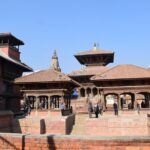
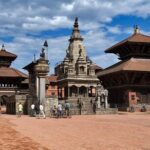
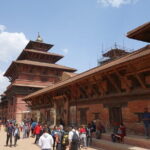
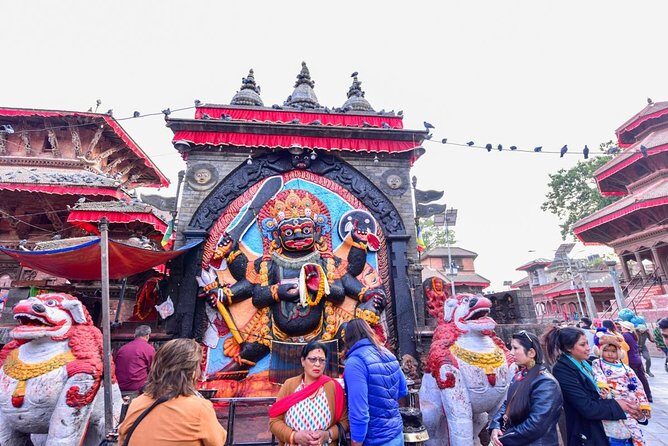
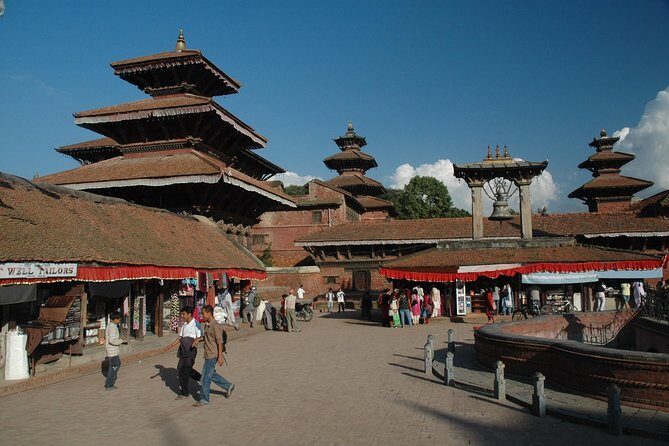
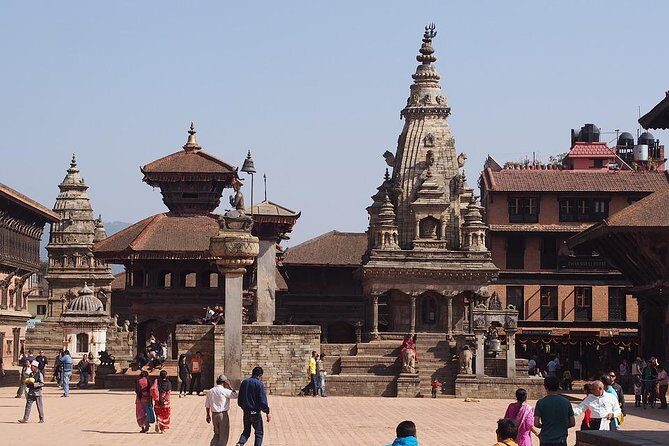
Your first major stop is Kathmandu Durbar Square, specifically around the Hanuman Dhoka area. This is the kind of place where the city looks like it has layers—every corner seems to connect to a former royal courtyard life, and the square keeps moving with people doing everyday things alongside historic structures.
What I’d focus on here is not just the big monuments, but the layout: courtyards, gateways, and temple-like details that show how power and worship used to be physically interwoven. Durbar Square is also usually the place where you get your bearings for the entire day, because the “old city” logic is right in front of you.
Practical notes:
- Plan on about 1 hour 30 minutes here.
- This stop has temple/monument entry costs handled locally (tickets are not included in the tour price).
- It can be busy and you may need to pause for security or entry flow, so don’t treat this like a timed museum visit.
If you’re the kind of traveler who likes context before scenic photos, this is a strong start. You’ll understand the rest of the day better because you’ll see how Kathmandu’s old royal spaces shaped later religious sites.
Stop 2: Swayambhunath (Monkey Temple views and spiritual energy)
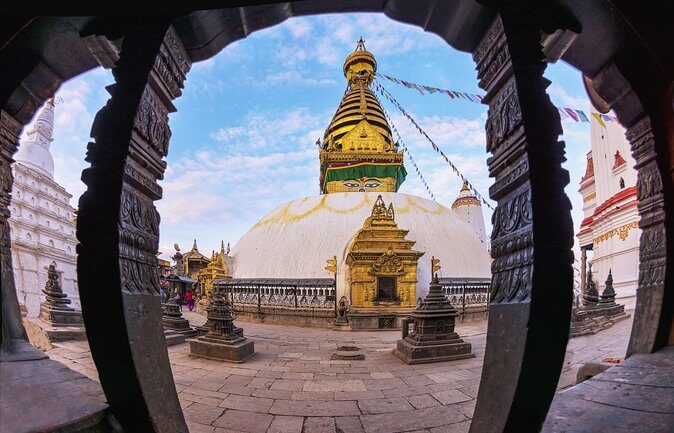
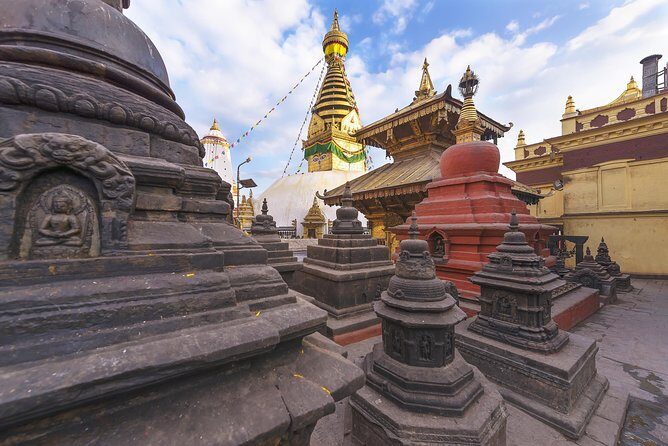
Next you’ll head to Swayambhunath, often called the Monkey Temple area. This is one of Kathmandu’s most recognizable silhouettes—set up on a hill, with viewpoints that give you a “big picture” view of the valley.
The experience here is mostly about contrasts:
- The climb and approach feel more winding and local than the urban streets earlier in the day.
- The stupa and surrounding religious spaces pull your attention upward.
- You’ll notice how people treat the site as an active place of devotion, not just a landmark.
Expect around 1 hour at Swayambhunath (or less, depending on timing). The main drawback to plan for: crowds and movement patterns. If you go when the site is busy, you’ll spend some time waiting for safe passing space. A flexible guide helps here—if you want a slower moment to take in views and details, it’s easier to negotiate when your tour isn’t a rigid conveyor belt.
Also remember: even though the monkey area is famous, your real task is being respectful and observant. Keep your footing steady and don’t do anything that encourages close contact. It’s better to enjoy the place than to compete with the local wildlife.
Stop 3: Boudhanath Stupa plus a real lunch break
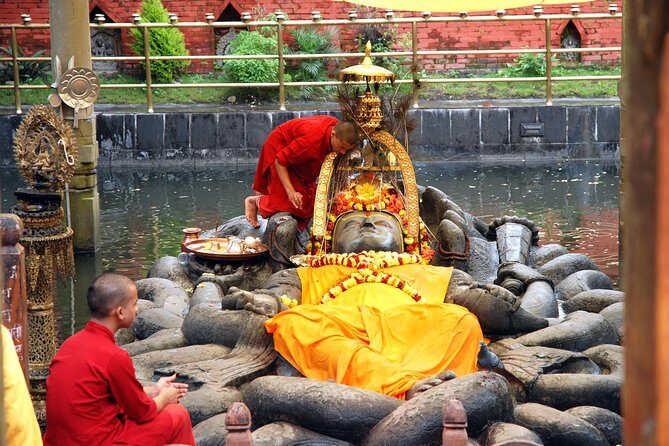
Then you head to Boudhanath Stupa, one of the most important Buddhist monuments in the region. This stop is longer—about 2 hours—and it includes time for a lunch break.
Why that matters: Boudhanath is one of those places where you’ll want to sit with it. The stupa area draws people for prayer, reflection, and ritual movement. You’ll often see visitors walking along the perimeter and pausing to take in details. If your schedule doesn’t leave room for breaks, it can turn into a rushed “checklist stop.” With the lunch break built in, you can actually reset your energy before the final site.
A few practical considerations:
- Admission fees are not included; monument entry is paid locally.
- Your guide can help you time the lunch so you’re not stuck hungry while the afternoon shifts.
- Dress matters. You’ll be in a sacred area, and you’ll likely spend time standing or walking slowly, so bring something comfortable and appropriate.
This is also a good “culture and symbolism” stop. By the time you get here, you’ve already seen the royal and Hindu focal points. Now you’ll see a different set of visual language—stupa form, prayer practices, and how community life settles around spiritual architecture.
You can also read our reviews of more historical tours in Kathmandu
Stop 4: Pashupatinath Temple on the Bagmati riverbank
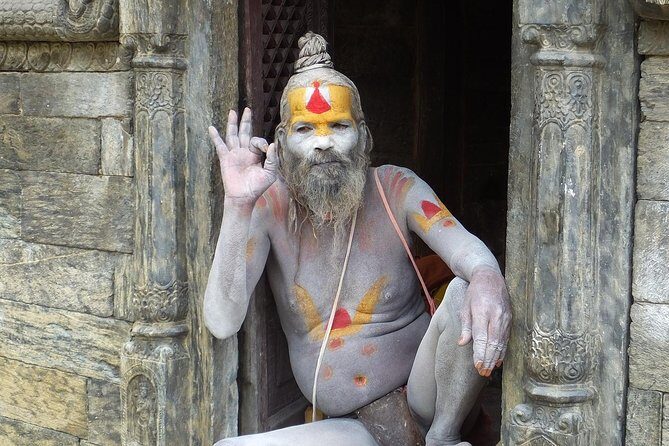
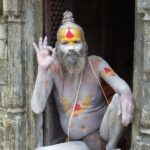
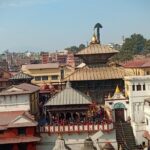
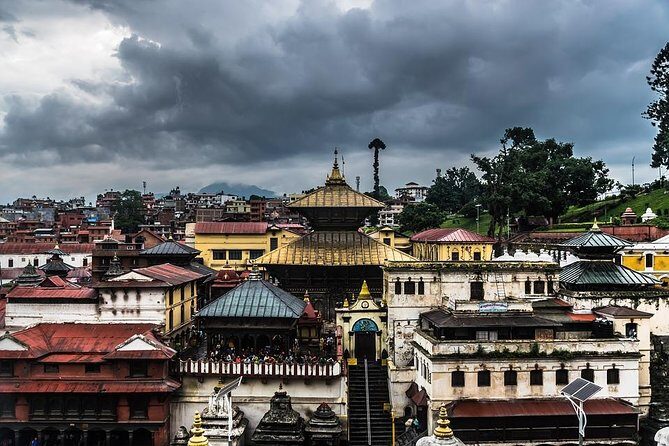
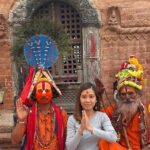
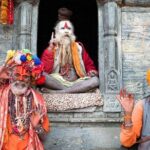
Finally, you reach Pashupatinath Temple, a famous Hindu pilgrimage site on the bank of the holy Bagmati river area (the tour describes it as a sacred riverbank location). This is a serious place in the Hindu tradition, and it changes the tone of the day from sightseeing to observance.
Your time here is around 1 hour. You’ll likely spend that hour moving at a thoughtful pace—watching how people gather, how temple spaces are organized, and how religious practices appear in everyday flow.
The main consideration at Pashupatinath is respect and awareness. Photography rules and viewing areas can be more controlled than at some other stops. If you’re unsure, follow what your guide indicates and stay flexible with where you can stand and how long you can watch.
Another practical reality: finishing with a major pilgrimage site can be emotionally memorable and visually intense. If you’re hoping for a “chill ending,” build in a bit of decompression after your final drop-off. You’re done after the temple, but Kathmandu leaves an imprint.
Price and what you’re really getting for $75
The tour price is $75.00 per person for the guided circuit, and it typically gets booked about 35 days in advance. What you’re paying for isn’t just transport—it’s the guide, the route planning, and the fact that you’re not managing four separate UNESCO stops on your own.
Two big value points:
- Hotel pickup and drop-off: you’re not spending your morning figuring out local transit or bargaining your way into the right vehicle.
- Professional guide + air-conditioned vehicle: in a city where timing and navigation can be tricky, this reduces stress.
Now, let’s be honest about the add-on cost. Monument entry fees are not included. The tour lists NPR 2650 per person, paid in local currency directly to the monuments. So your all-in cost will be $75 plus those site fees.
That’s still often a fair trade for a 4–6 hour route covering four UNESCO sites. The only time it might feel pricey is if you already plan to visit exactly these sites independently and you don’t value guidance. If you want context—what you’re looking at and why it matters—this price usually makes sense.
Also, drinks and food aren’t included except for the lunch break being built into the day’s timing. In other words, you’ll want to budget for your own meals and water.
Timing: what a 4–6 hour day feels like in Kathmandu
The tour runs for 4 to 6 hours, starting after breakfast. That means you’ll likely see each site in a meaningful chunk, but not at a slow-travel pace. You’re there for highlights with enough time to understand the shape of each place.
Here’s how the day generally “lands”:
- Durbar Square first (older city context)
- Swayambhunath second (viewpoints and spiritual hilltop energy)
- Boudhanath third (longer stop, with lunch)
- Pashupatinath last (major Hindu pilgrimage atmosphere)
Your guide’s ability to adjust pacing is important. In feedback tied to this experience, the guide Kedar is noted for pacing the tour according to your wishes. That’s the kind of flexibility that can help if you’re taking photos more slowly or want extra explanation before moving on.
Weather matters too. The tour notes that it requires good weather. If Kathmandu decides to send rain or poor conditions, you may be offered a different date or a refund. If you’re scheduling flights and hotel checkouts, keep a little buffer in your plan.
What to bring so the day feels easy, not exhausting
Because this is a short day built around major sites, you’ll do better with a few practical basics:
- Cash for entry fees in local currency (NPR 2650 per person is listed)
- Comfortable shoes for temple areas and uneven ground
- A layer for changing conditions, since hilltop and riverbank areas can feel different
- Sun protection if it’s clear; if it rains, you’ll want something that helps you stay steady
Food and drinks are not included, so plan on buying meals or snacks during the built-in lunch break timing. Bring your own water if that’s your style, but at minimum be ready to purchase locally once you’re there.
If you’re sensitive to religious spaces, keep your expectations simple: you’re visiting working sacred sites. That means you’ll share the space with locals and ritual schedules, not just move like you’re in a theme park.
Who this tour is best for (and who might not love it)
This tour is a great match if you want:
- A guided route through four UNESCO World Heritage sites
- A manageable day that starts after breakfast and ends with hotel drop-off
- A small group where you can ask questions and don’t feel lost
It’s also a good fit if you like architecture and religious design and want explanations, not just names. The itinerary mixes Hindu and Buddhist landmarks in a way that helps you see Kathmandu’s spiritual geography.
You might consider skipping it if you:
- Want a longer, slower exploration at one site (for example, you could spend much more time at Boudhanath than the tour’s set window)
- Prefer fully independent travel with no guide at all
- Are traveling with very strict timing that leaves no room for weather or entry flow
Should you book Kathmandu city tour with UNESCO World Heritage Sites?
If your priority is “see the big four UNESCO sites without headache,” I’d book this. The math works: $75 includes a professional guide and hotel pickup/drop-off, and you’re covering a lot of ground in 4–6 hours with a vehicle that keeps the day from turning into a transit slog.
The best reason to choose it is the balance: you get major highlights (Durbar Square, Swayambhunath, Boudhanath, Pashupatinath) plus time that doesn’t feel like you’re sprinting. And if your guide keeps the pace flexible, you’ll get a more personal experience even in a small group.
Just go in knowing the monument entry fees are separate, and plan for the weather factor. If you can handle that, this is a strong way to get oriented fast and see Kathmandu’s core spiritual landmarks in one day.
FAQ
How long is the Kathmandu city tour?
The tour runs about 4 to 6 hours.
Does the price include entrance fees to the monuments?
No. Monument entry fees are paid locally at NPR 2650 per person.
Is hotel pickup and drop-off included?
Yes. The tour includes hotel pickup and drop-off.
What sites are included in the tour?
You’ll visit Kathmandu Durbar Square (Hanuman Dhoka), Swayambhunath, Boudhanath Stupa, and Pashupatinath Temple.
How many people are in a group?
This experience has a maximum of 10 travelers.
Is the tour wheelchair-accessible?
The tour information only states that it is near public transportation and that most travelers can participate. No specific wheelchair details are provided.
What happens if weather is bad?
The tour requires good weather. If it’s canceled due to poor weather, you’ll be offered a different date or a full refund.