REVIEW · KATHMANDU
Langtang Valley Trek from Kathmandu
Book on Viator →Operated by Namaste Nepal Trekking & Research Hub Pvt. Ltd. · Bookable on Viator
A quieter Himalaya route beats the big-name crowds. This Langtang Valley trek from Kathmandu brings you through Tamang heritage country, past Tibetan-influenced culture, and onward to Kyanjin Gompa, where spirituality and local history feel close-up. You also see how communities are rebuilding after the 2015 earthquake as you move from village to village.
I especially like two things. The walking is varied, from forest trails by the Langtang River to wider valley scenes near Langtang Village and yak pastures. And I like the practical planning: an English-speaking experienced trekking guide, guesthouse stays, permits and TIMS taken care of, and a first-aid box carried with the guide.
One consideration: this route suits moderate physical fitness, and the days add up—long drive days plus hikes around 5 to 7 hours. If you’re not used to sustained uphill trekking, you’ll want to be honest with yourself before committing.
In This Review
- Key Things That Make This Trek Worth It
- Why Langtang Feels Different From the Usual Nepal Trek Route
- Price and Value: What You’re Really Paying For at About $1,110
- Day 1: Kathmandu to Syabrubesi, and Why That Drive Matters
- Day 2: Lama Hotel Day Walk Through Rhododendron, Oak, and Bamboo
- Day 3: Entering the Langtang Valley and Rebuilt Village Life
- Day 4: Kyanjin Gompa, Monasteries, Panoramas, and the Cheese Factory
- Day 5: The Cherco Ri Main View Day With Early Start Energy
- Day 6: Lama Hotel Again, but Easier—Down Valley and Back to Familiar Trails
- Day 7: Back to Syabrubesi, Mostly Descending (and an Optional Scenic Route)
- Day 8: Trek Ends, Then the Kathmandu Transfer and Hotel Return
- Who This Trek Is Best For (and Who Should Think Twice)
- Should You Book Namaste Nepal’s Langtang Valley Trek?
- FAQ
- FAQ
- How long is the Langtang Valley trek from Kathmandu?
- What is the starting point and how do you get there?
- Does the tour include pickup and drop-off?
- Are trekking permits and TIMS card included?
- Is there an English-speaking guide?
- Where do you stay during the trek?
- Which meals are included?
- Is the tour private?
- What fitness level do I need?
- Is free cancellation available?
Key Things That Make This Trek Worth It
- Tamang heritage with earthquake recovery you can see, not just hear about
- Lama Hotel forests with rhododendron, oak, bamboo, plus Langtang River energy
- Kyanjin Gompa and nearby monastery time, including the famous Kyanjin Cheese Factory
- The Cherco Ri day as the main viewpoint push, starting early with snacks
- A loop feel: easier downhill on the return days versus repeated steep climbs
- Team support that feels personal, including reports of solo travelers feeling safe
Why Langtang Feels Different From the Usual Nepal Trek Route
If your Nepal plan is built around the Everest or Annapurna headlines, Langtang offers a calmer alternative. It’s still Himalayan trekking, but it stays grounded in local life—Tamang villages, daily routines, and warm hospitality in places that don’t feel built for crowds.
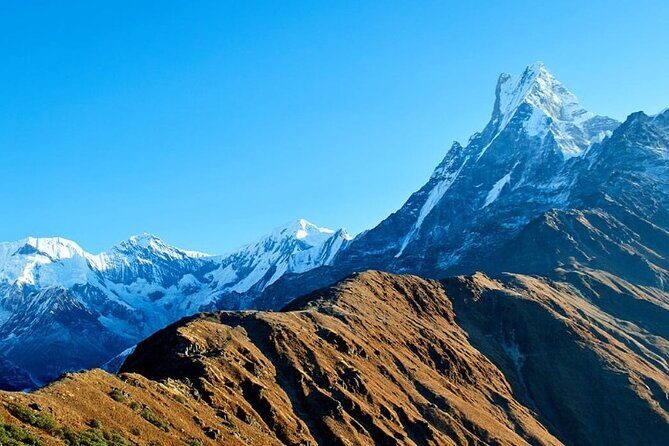
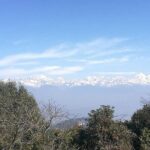
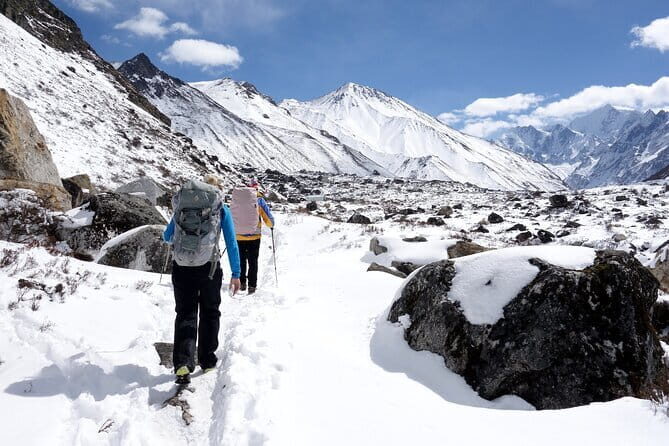
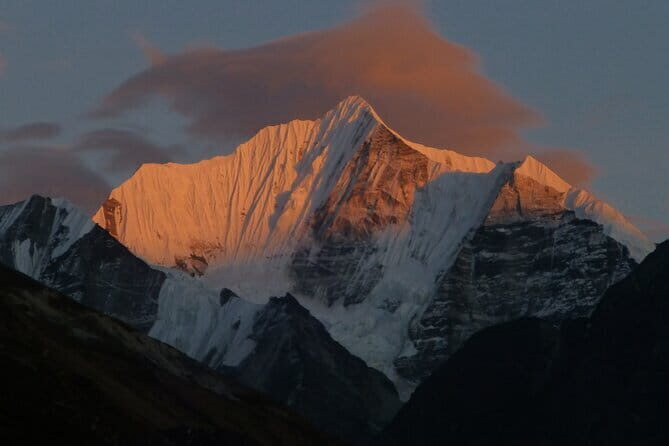
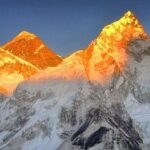
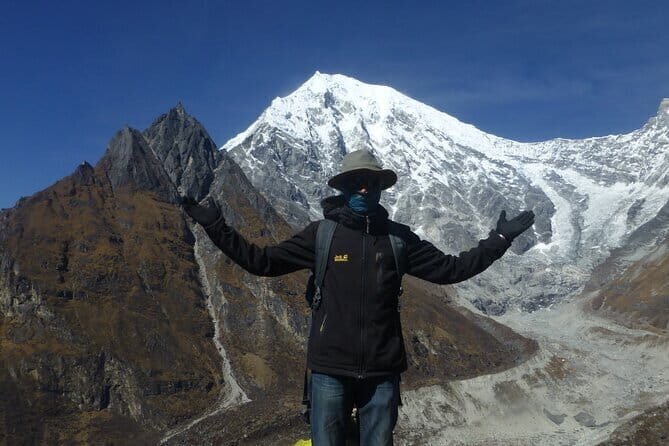
The scenery focus also has variety. You’ll move through forest and riverside sections, then shift into valley views framed by major peaks like Langtang Lirung, Ganesh Himal, and even the wider horizon toward Shishapangma in Tibet (weather and visibility will decide how much you catch).
And there’s a deeper reason to care here: the trek passes through areas recovering after the 2015 earthquake. That context doesn’t sit in a lecture hall. It’s built into the villages you walk through and the way life is returning to the mountains.
You can also read our reviews of more hiking tours in Kathmandu
Price and Value: What You’re Really Paying For at About $1,110
At $1,110 per person, this is not a bare-bones hiking day. You’re paying for a package that covers the “moving parts” that can turn trekking into stress.
Here’s what the price includes, in real-world terms:
- Hotel pickup and drop-off in Kathmandu
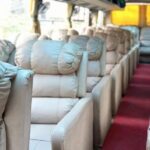
- Round-trip transfers by sharing bus (getting you to Syabrubesi and back)
- Trekking permit and TIMS card
- An English-speaking experienced trekking guide
- Guesthouse accommodation during the trek
- A first-aid box carried with the guide
- Meals: breakfast is included for 7 days, with 8 lunches and 8 dinners included
Not included are the “everyday extras” meals (listed as about $25 per day) and gratuity (optional). So when you budget, think in two layers: what’s already in the package, and what you’ll spend on any additional meals along the way.
The big value point isn’t just logistics. It’s that you get support during a multi-day trek where weather, energy levels, and footing can change fast. In feedback, the guides and porters were repeatedly described as reliable and caring, and one solo woman highlighted feeling safe and relaxed with the team around her. That matters when you’re trying to enjoy the trek, not manage it.
Day 1: Kathmandu to Syabrubesi, and Why That Drive Matters
Day 1 is your setup day, with a Himalayan ride of about 6 to 7 hours to Syabrubesi. The point of this long transfer is simple: you’re using the first day to reposition deep into trekking country, so your actual walking starts where the trip truly begins.
On the drive, you’ll make a few breaks along the way. You’ll also cross the Tirshuli area, and that’s noted as a stretch that feels wilder than the easy highway portions. Translation: you’ll feel like you’re leaving the city behind rather than just traveling.
It’s also part of pace. After a long drive, you want your first night to be comfortable, because Day 2 moves into forest and bridges right away.
Day 2: Lama Hotel Day Walk Through Rhododendron, Oak, and Bamboo
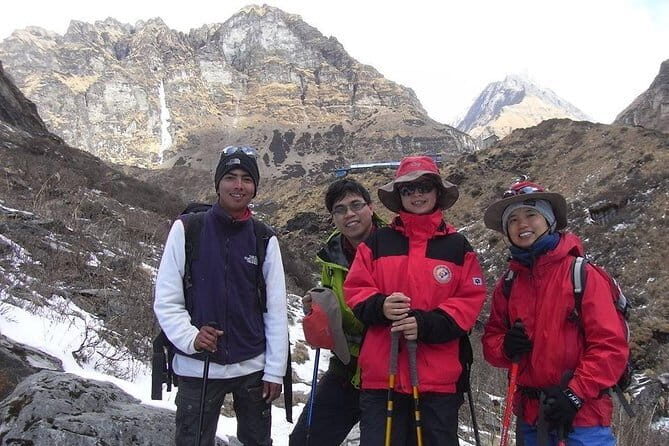
Day 2 leads you toward Lama Hotel, with about 6 hours of trekking. This is one of those days where the effort feels worth it because the trail has a steady “workout with scenery” rhythm rather than a single brutal climb.
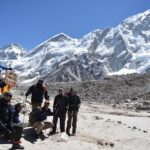
The route is described as moving through dense forests with rhododendron, oak, and bamboo. You’re also near the action of the Langtang River, and the sound of water (and the look of it pushing through narrow sections) becomes part of the atmosphere.
There are also suspension bridges, which are more than a photo moment. They break the monotony, and they help you reset mentally when you’re adjusting your stride for a long day.
Wildlife isn’t guaranteed, but you might spot langur. Even if you don’t, the real win here is that you’re walking in shade and greenery while the valley starts forming around you in your mind.
Day 3: Entering the Langtang Valley and Rebuilt Village Life
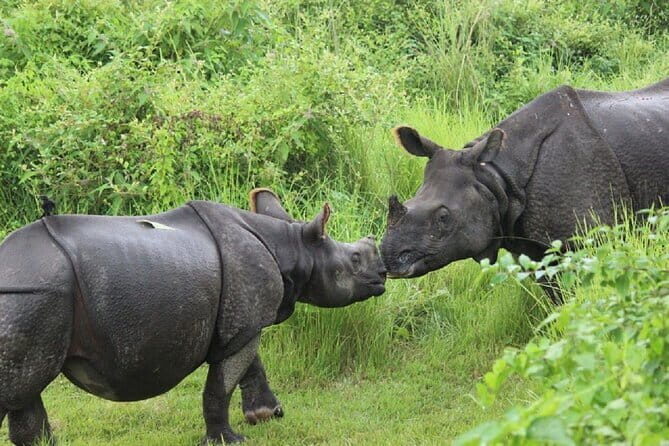
Day 3 is where the trip starts to feel like a true valley approach. You’ll trek for about 6 hours, reaching Langtang Village.
The highlights here point to two big things:
- Expansive views of Langtang Lirung
- Traditional stone houses and yak pastures
But the most meaningful part is the “recovering” angle. Langtang Village is described as a settlement still recovering after the 2015 earthquake. That’s not just background. It’s the kind of reality that makes the walking feel purposeful. You’re not only going for a view; you’re seeing how daily life is continuing and rebuilding in the mountains.
This is also a good day to watch how the cultural rhythm changes as you go. The trek stops are close enough together that you get a sense of how people live in different zones, rather than only passing through.

Day 4: Kyanjin Gompa, Monasteries, Panoramas, and the Cheese Factory
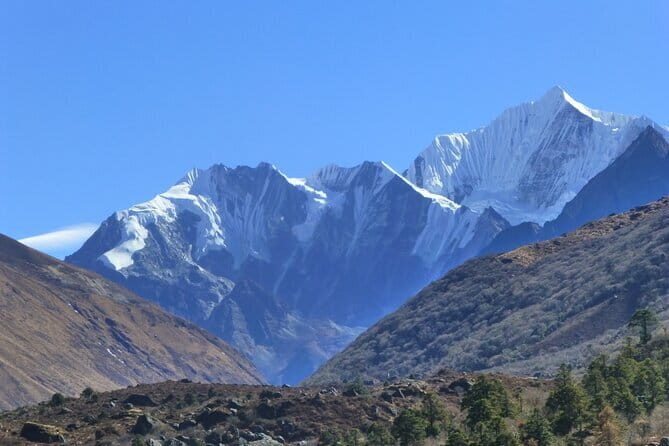
Day 4 is a shorter trekking day at about 5 hours, and it’s focused on arriving at Kyanjin Gompa. The emphasis is on the monastery area, with ancient monasteries and panoramic mountain views in the same day.
One detail that makes this stop memorable is the mention of the Kyanjin Cheese Factory. Even if you don’t plan to buy anything, it gives you a “small world” snapshot of how people support themselves in the mountains—milk, food production, and local economies shaped by altitude and season.
Kyanjin Gompa is described as a principal monastery, and that’s the vibe you’re moving toward: spirituality and history you can actually walk around. This isn’t just sightseeing from a distance. You’re going in close.
If you like treks where culture is part of the daily route (not a side stop), this day delivers.
Day 5: The Cherco Ri Main View Day With Early Start Energy
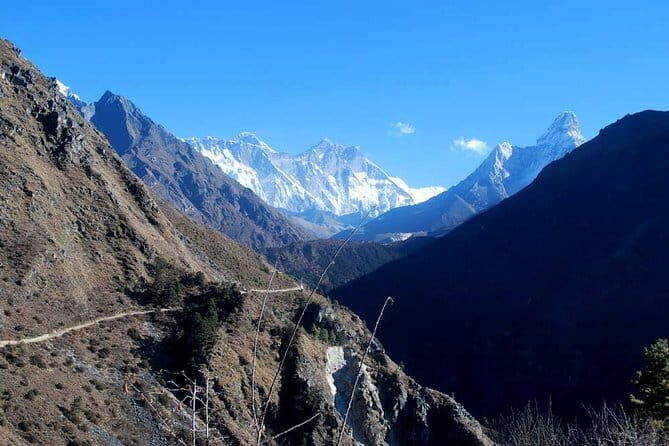
Day 5 is the “important day” of the trek, aimed toward Cherco Ri. It starts with early breakfast and packed snacks, then continues with a climb after crossing a small wooden bridge over the Langtang River.
This is the day you should treat as your viewpoint centerpiece. The itinerary frames it that way: it’s not a long rest day or a gentle wander. You’re putting effort into a clearer payoff—wide vistas and a real sense of standing above the valley.
This is also where optional choices can come into play, depending on your exact route plan. The overview mentions that hikes to Kyanjin Ri or Tserko Ri can offer some of the most breathtaking vistas. Even if your schedule centers on Cherco Ri, it’s helpful to know that the region is set up for viewpoint add-ons.
Bring your patience here. Your legs do the work, but your eyes handle the rest.
Day 6: Lama Hotel Again, but Easier—Down Valley and Back to Familiar Trails
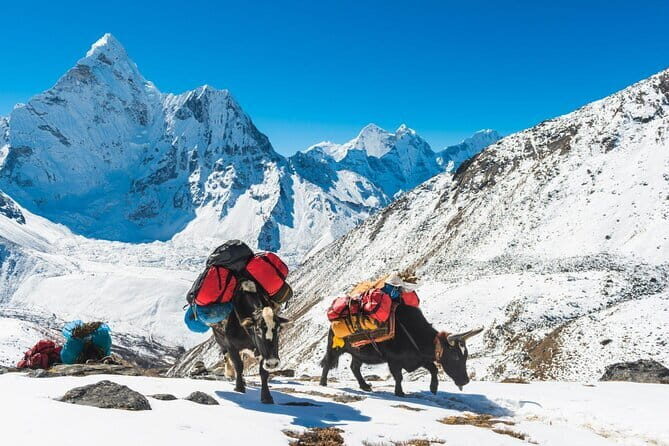
Day 6 returns you toward Lama Hotel with about 6 hours of trekking. The tone is lighter: it’s described as an easy downhill walk, supported by the fact that you’re lowering altitude.
That “easier” label matters in a practical way. After your main climb day, this is the kind of schedule that keeps the trek enjoyable instead of turning it into a constant grind.
You’ll also keep moving through the valley shape, which is narrower at times, and the river continues to factor into the walking feel. Even though the day is easier, you’re still outside, still moving, and still experiencing the Langtang region as a whole system—not just one highlight.
Day 7: Back to Syabrubesi, Mostly Descending (and an Optional Scenic Route)
Day 7 retraces steps back toward Syabrubesi with about 7 hours of trekking. The key detail is that the trek is mostly descending, which makes it more manageable after several days already in motion.
There’s also an optional way noted: you can trek via Sherpagaun, described as more scenic. If your energy is holding up and your schedule allows, this is the kind of “choose-your-flavor” option that can make the final day feel less like a chore.
Also, because this is the penultimate trekking day, you’ll likely feel the emotional shift. You’re heading home, but you’re still surrounded by the same mountain presence that brought you there in the first place. A good return day can be surprisingly satisfying.
Day 8: Trek Ends, Then the Kathmandu Transfer and Hotel Return
Day 8 starts your journey back to Kathmandu. The transfer is about 6 hours, with roadside scenery described as green hills, forests, riversides, and Nepal’s countryside.
Once you arrive, you transfer to your selected hotel. This is your decompression window. The trek may be over, but the mind doesn’t immediately stop planning its next footstep. Kathmandu gives you the reset you need: meals, showers, and a clear sense of where you are.
If you want a trip that transitions smoothly from mountain time back to city life, this structure helps.
Who This Trek Is Best For (and Who Should Think Twice)
This trek is aimed at people with moderate physical fitness. The day-by-day walking time ranges roughly from 5 to 7 hours, and the trip includes a long first drive and a long final drive.
So it fits well if:
- You want cultural trekking in the Tamang heritage area
- You care about Kyanjin Gompa and monastery life, not only peak-bagging
- You’re happy with a route that includes both easier and harder walking days
- You value support from an English-speaking guide and a team that looks after you
Think twice if you:
- Have limited experience with multi-day uphill walking
- Need a very gentle itinerary with minimal climbing
- Don’t handle long travel days well, since you’ll have multiple hours in transit in addition to trekking
One more note from real-world feedback: solo hikers, including women, have specifically highlighted feeling safe and relaxed with the guide/porter team. That doesn’t remove every risk on a mountain trek, but it tells you this provider runs the human side of the trip seriously, not just the route.
Should You Book Namaste Nepal’s Langtang Valley Trek?
You should seriously consider booking if your idea of a great Nepal trek includes three things:
- Real culture in Tamang villages and monastery time at Kyanjin Gompa
- A meaningful viewpoint day aimed at Cherco Ri
- Practical guidance and support, including permits, guide service, guesthouses, and a first-aid box
This itinerary also makes sense if you want an off-the-beaten feel compared with the biggest trekking corridors. Langtang’s recovery story after the 2015 earthquake adds weight to the journey, and that’s part of why the trek feels personal and grounded.
If you mainly want a short, easy walk with minimal days and minimal exertion, this probably won’t match your style. But if you want an 8-day rhythm that alternates effort and recovery, this is a strong value way to see the Langtang region with local expertise and full-service planning.
FAQ
FAQ
How long is the Langtang Valley trek from Kathmandu?
The trip runs about 8 days.
What is the starting point and how do you get there?
You start in Kathmandu and transfer by sharing bus to Syabrubesi, then return to Kathmandu at the end.
Does the tour include pickup and drop-off?
Yes, hotel pickup and drop off are included.
Are trekking permits and TIMS card included?
Yes. The trekking permit and TIMS card are included.
Is there an English-speaking guide?
Yes, you get an English speaking experienced trekking guide.
Where do you stay during the trek?
You stay in guest houses during the trek.
Which meals are included?
The tour includes breakfast (7), lunch (8), and dinner (8).
Is the tour private?
It’s listed as private, meaning only your group participates.
What fitness level do I need?
The trek is for travelers with moderate physical fitness.
Is free cancellation available?
Yes. You can cancel for a full refund if you cancel at least 24 hours in advance of the experience start time.