REVIEW · KATHMANDU
Everest Base Camp Trek with Helicopter Return – 10 Days
Book on Viator →Operated by Breakfree Adventures Pvt. Ltd. · Bookable on Viator
One of the best parts is the climb. One day, you’re walking above the clouds. The next, you’re sitting in Kathmandu with the hardest part already behind you thanks to a helicopter return from Kalapathar/Kalapatar. I love how this trip keeps things moving with a small group, and how you get tea house accommodation plus meals without spending your days planning logistics. The one thing to think about: this is still high-altitude trekking, and the helicopter relies on weather, so plan to be flexible.
If you like the idea of Everest views without the long backtrack, this is built for you. You’ll fly into Lukla, follow the Khumbu trail through classic stops like Namche and Tengboche, reach Everest Base Camp from Gorakshep, and then go for the 360-degree viewpoint at Kalapathar before the ride back down.
A practical note: the tour is priced at $3,400 per person, but it’s not just “a guide and good vibes.” It includes flights, permits, trekking support, key gear items, lodging, and meals during the trek—so you should compare it against what you’d otherwise pay separately.
In This Review
- Key Highlights You’ll Feel in Real Life
- Why This 10-Day Everest Route Feels Different Than Most
- Price and Logistics: What $3,400 Really Covers (and What It Doesn’t)
- Day 1 in Kathmandu: Your Buffer Day (Use It Wisely)
- Day 2: Kathmandu to Lukla to Phakding, the Trail’s First Reality Check
- Day 3: Phakding to Namche Bazaar, Sherpa Country Comes Into Focus
- Day 4: Namche Acclimatization and the Everest View Hotel Lift
- Day 5: Tengboche, Monastery Views, and the Classic Khumbu Feel
- Day 6: Dingboche and the Imja Valley Step-Up
- Day 7: Chola Lake Territory to Lobuche Area
- Day 8: Gorakshep and the Everest Base Camp Approach Day
- Day 9: Kalapathar for 360 Views, Then Helicopter Back to Kathmandu
- Lodges, Meals, and Provided Gear: Comfort That’s Worth Paying For
- Who This Trek Is Best For (and Who Should Rethink)
- Should You Book This Everest Base Camp Trek With Helicopter Return?
- FAQ
- What is the duration of this Everest Base Camp trek with helicopter return?
- Where does the trip start and what meeting point time is given?
- How much does the tour cost?
- What transport is included for getting to and from the trekking area?
- What is included during the trek days?
- Do you get a guide and porters?
- What documents or permits are included?
- What trekking gear is included?
- What’s not included in the overall price?
- What happens if weather is poor?
Key Highlights You’ll Feel in Real Life
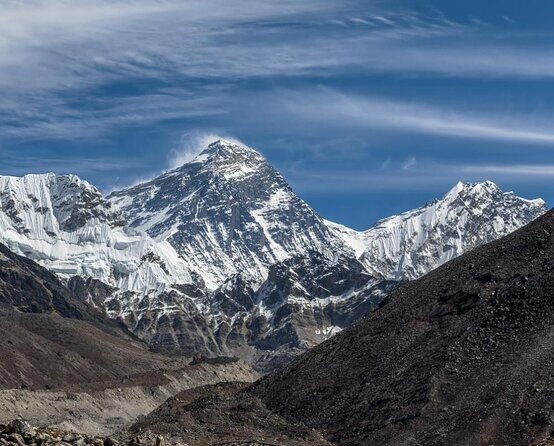
- Helicopter return after Kalapathar means you skip the slow hike back the same way.
- Small group size (max 15) keeps things calmer on the trail and easier for your guide to manage.
- Tea house lodging with breakfast, lunch, and dinner during the trek keeps your days predictable.
- Acclimatization built in with Namche and stops like Dingboche so you don’t rush your body.
- Everest Base Camp plus Khumbu Glacier/icefall views from the Gorakshep area.
- English-speaking trekking guide + porter support (1 porter for 2 trekkers) so you’re not overburdened.
Why This 10-Day Everest Route Feels Different Than Most
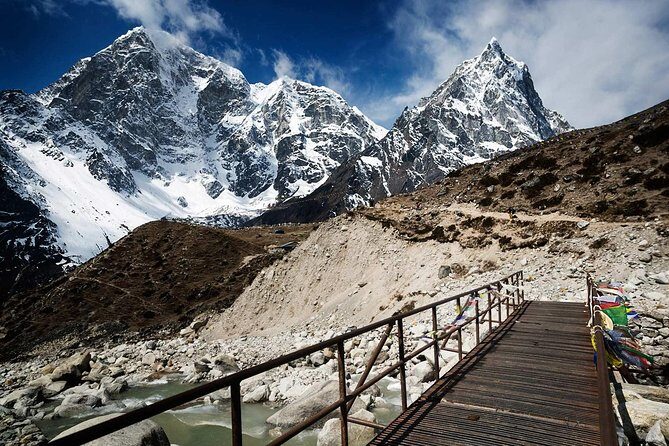
Most Everest Base Camp plans bring you to the goal and then send you back down the same trail. This one swaps that tired rhythm for a big finish: after Kalapathar, you fly back to Kathmandu by helicopter on a group-sharing basis. That change matters because it saves you time, lowers fatigue, and reduces the chance that your “last day on your feet” becomes your undoing.
I also like that the pace is designed around altitude reality. You’re not just “walking higher every day.” You spend time in places like Namche for acclimatization and then continue in steps that give your body a chance to adapt.
And you get a lot handled for you. Flights to Lukla, permits (including TIMS), tea house stays, meals, and airport transfers are covered. When the plan is tight like this, it usually means fewer surprises on the ground.
You can also read our reviews of more hiking tours in Kathmandu
Price and Logistics: What $3,400 Really Covers (and What It Doesn’t)
Let’s talk value in plain terms. At $3,400 per person, you’re paying for a package that includes:
- Flights from Kathmandu to Lukla
- A helicopter flight back to Kathmandu on a group-sharing basis (linked to the Kalapathar/Gorakshep finish)
- Tea house accommodation during the trek
- Meals (breakfast, lunch, dinner) during trekking days
- An experienced English-speaking trekking guide plus porters (1 porter for 2 trekkers), with their food, lodging, salary, equipment, and insurance handled
- Everest Trek permit and TIMS card
- Key provided gear items like a duffle bag, down jacket, sleeping bag, and walking pole
- Kathmandu airport pick up/drop off by private vehicle as per itinerary
So the cost is partly “infrastructure.” It covers the operational heavy lifting of flying into a remote starting point and setting up the long series of overnight stops in the Khumbu region.
What you should still budget for: lunch and dinner in Kathmandu, your Nepal entry visa fee, personal expenses (phone/internet/laundry/bar bills/hot showers/battery recharge), and drinks like tea/coffee, boiled water, and bottled water. Tips for the guide and porters are expected but not mandatory, so you’ll want to plan for that if you believe in rewarding good work.
Day 1 in Kathmandu: Your Buffer Day (Use It Wisely)
Your first day is all about arriving, meeting your team at the airport, and getting settled. Then you’ve got free time to explore or just rest at the hotel. That matters more than it sounds, because Nepal travel routes can be unpredictable and altitude starts affecting you from day one.
Use this day to sort the small stuff: confirm your gear is complete, keep water and snacks handy for the next morning, and set your sleep schedule to match trek life. Even if you feel fine, your body likes routine.
Day 2: Kathmandu to Lukla to Phakding, the Trail’s First Reality Check
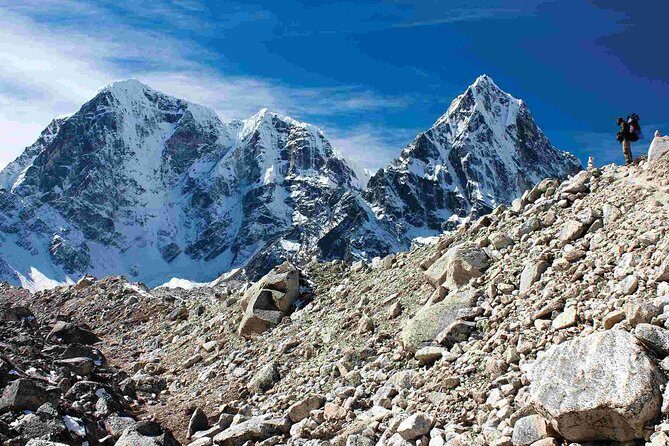
Early you drive to the domestic airport, fly to Lukla, and then start trekking toward Phakding. You’ll meet the trekking crew in Lukla and begin on trails filled with green scenery and views of Kusum Kangaru along the way.
This is the first big test: not hard technically, but it sets your baseline for how your legs feel with altitude and walking hours. The Dudh Koshi River area gives you constant motion and classic suspension-bridge moments, which is great for keeping your mind busy.
Good to know: Sagarmatha National Park is part of what you’re moving through, and permits are included in the overall price. So you’re not worrying about entry gates later.
Day 3: Phakding to Namche Bazaar, Sherpa Country Comes Into Focus
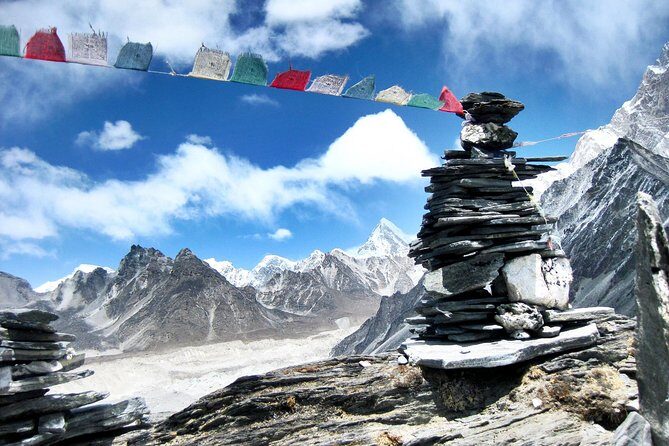
Day three pushes you toward Namche Bazaar, the Sherpa hub and gateway to the Everest region. The route includes pine forest walking, crossings like the Hillary suspension bridge, and then the feeling that you’re really entering the Khumbu corridor.
Namche is not just a town stop. It’s where you’ll see the social layer of the mountains: shops, lodges, and people who’ve grown up around this terrain. It’s also where you start noticing how altitude changes your pace, even if your breathing seems okay at first.
If you want a cultural pause, there’s a Sherpa Museum stop in Namche. The museum itself is listed as an option where admission isn’t included, so treat it as a “maybe” depending on your energy.
You can also read our reviews of more tours and experiences in Kathmandu
Day 4: Namche Acclimatization and the Everest View Hotel Lift
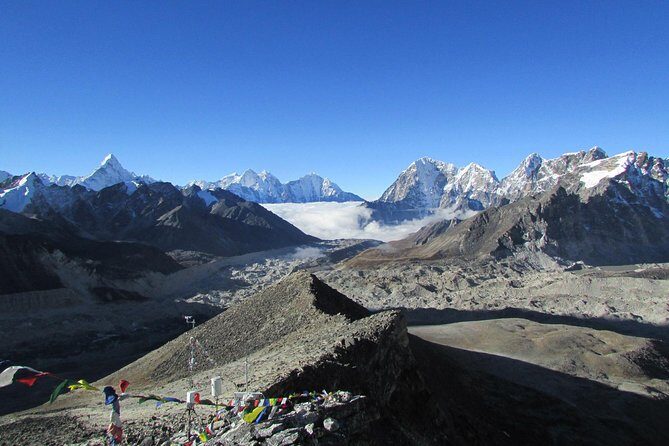
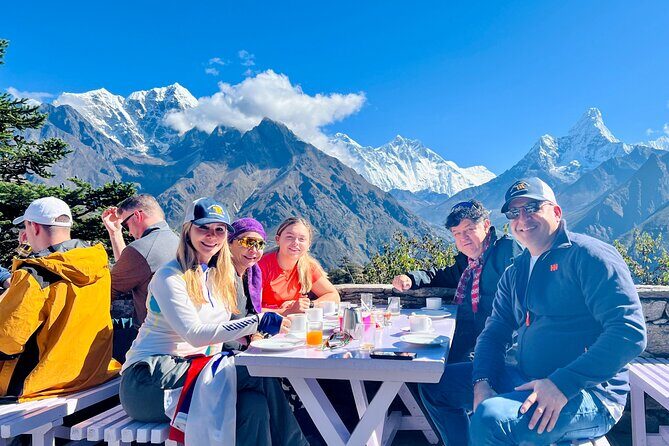
This is the day you should treat as altitude medicine, not a bonus hike. The plan brings you to Everest View Hotel for dramatic views of Mount Everest and the surrounding peaks.
That means two things for you. First, you get a clear sense of what you’re aiming at. Second, you practice pacing while still giving your body time to adjust. You’re not rushing to “win the distance.” You’re earning tomorrow.
Day 5: Tengboche, Monastery Views, and the Classic Khumbu Feel
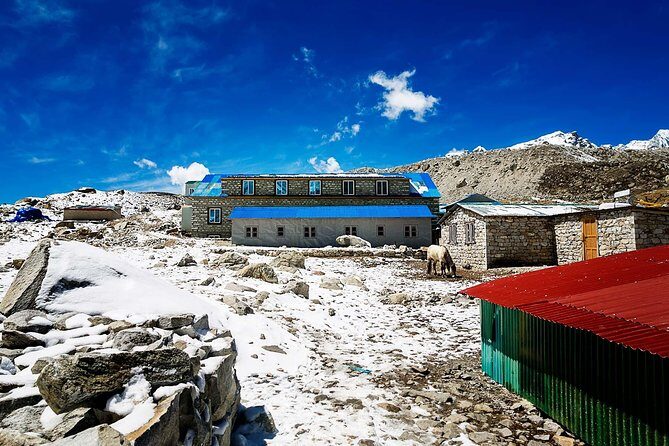
Trekking continues with a mix of ups and downs. You pass through places like Kayangjuma and Sanasa, cross the Dudh Koshi bridge again, and push toward Punki Tenga before reaching Tengboche.
Tengboche is famous for its monastery and is described here as having the largest one in the Khumbu region. Even if you don’t spend hours inside, the area gives you that distinct mountain-temple calm that feels different from the trading-and-trekking centers.
Consideration: this kind of day can be longer on your legs than you expect because terrain turns uneven. If you tend to push early, force yourself to keep a steady rhythm and stop for breath before you’re gasping.
Day 6: Dingboche and the Imja Valley Step-Up
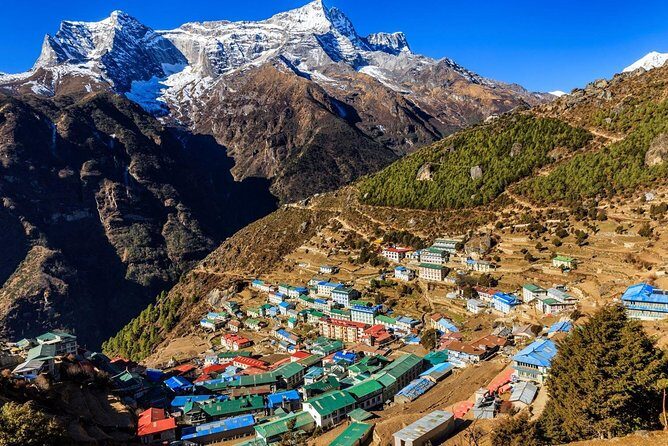
Today’s route goes along higher trails with chortens, mani walls, and small villages, then crosses the Imja Khola and reaches Pangboche around 3900m. After that, the trek enters the Imja Valley and continues down toward Lo—setting you up for another acclimatization stop.
Dingboche appears as the stop you’ll reach, described as a village with an acclimatization stop. That’s exactly what you want here: a chance for your body to catch up with the altitude you’re already living at.
If you take one altitude lesson seriously, make it this: even when the trail feels manageable, your lungs might be the limit. Drink consistently, move slowly uphill, and don’t let your pride pace you.
Day 7: Chola Lake Territory to Lobuche Area
The day climbs through the Khumbu Khola Valley toward Duglha, with passing points like Dusa and Phulung Karpo, then up to Chola Lake. There’s crossing involved, including a small bridge, and then continued ascent to Duglha.
You’ll then reach Duglha and continue on toward the Lobuche area, where Lobuche Peak is mentioned as closer to Khumbu Glacier. This area is where the environment feels sharper and more alpine—less lush, more exposed, and very “high altitude” in the way air and light feel.
This is not the day to overpack your pace. You’re building endurance, not proving a point. Save your legs for the final approach.
Day 8: Gorakshep and the Everest Base Camp Approach Day
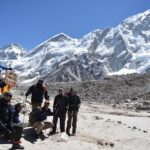
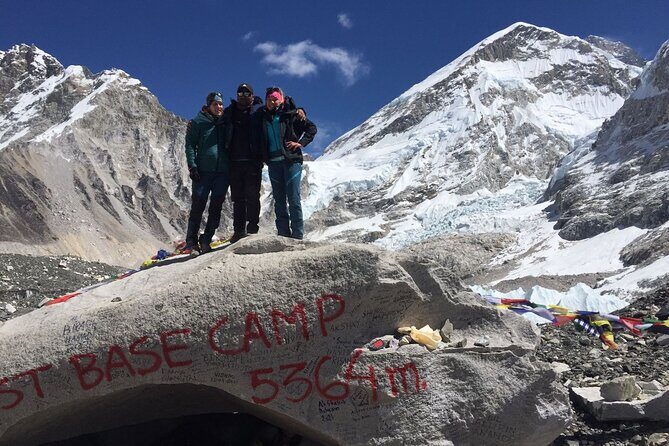
Day eight is all about the last push to Gorakshep, plus the movement toward Everest Base Camp. The plan describes many ups and downs at high altitude. After about 3 hours of steady hiking, you reach Everest Base Camp area and witness the Khumbu Glacier and icefall.
Then you return to Gorakshep, which is treated here as the last trek stop. That pattern matters: you don’t just “arrive and leave.” You get a window at the goal, then you settle in for the night before the viewpoint day.
At this stage, your success is mostly about discipline. Keep your layers on (and ready), drink water even when you don’t feel thirsty, and don’t treat the cold like it’s harmless. Cold gets into your muscles and makes the next day harder.
Day 9: Kalapathar for 360 Views, Then Helicopter Back to Kathmandu
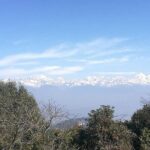
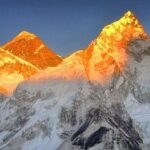
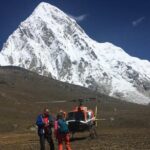
This is the big emotional day. You hike to Kalapathar, a popular viewpoint known for 360-degree panoramic views of the Khumbu mountains, including Everest.
Standing up here is about perspective. You can see how glaciers and peaks stack in layers, and you realize why people plan their whole lives around these views. It’s also the spot where weather matters a lot—so be ready for conditions that change fast.
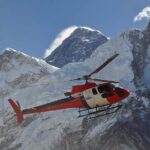
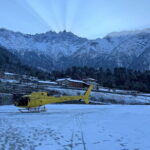
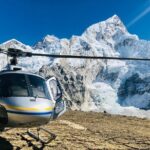
After Kalapathar, you fly back to Kathmandu on a group-sharing helicopter. That’s the signature twist of this whole trip: you’re done with the long downward slog. It also means you should watch the timing carefully and listen closely to your guide about when to be ready for the flight window.
One more reality check: helicopter plans require good weather, and this is explicitly stated as a requirement. If conditions don’t cooperate, the operator may offer another date or refund as appropriate.
Lodges, Meals, and Provided Gear: Comfort That’s Worth Paying For
Tea houses are a key part of the experience. You’ll stay in guest houses/lodges, and meals during the trek are included: breakfast, lunch, and dinner.
This is a practical win. You won’t be hunting for food choices at altitude or negotiating menus when the cold is already in your hands. It also lets you focus on walking.
Gear support is another underappreciated value. The trip includes a duffle bag, down jacket, sleeping bag, and walking pole. That means you can travel lighter and avoid the cost of renting or buying the wrong gear back home.
Small consideration: you still have personal expenses and drinks to manage. The trek includes meals, but it doesn’t include drinks in general, so budget for hot drinks and water needs.
Who This Trek Is Best For (and Who Should Rethink)
This is a strong fit if you want an efficient Everest Base Camp experience in just about 10 days. The big reason is the return helicopter, which removes the classic “reverse trek fatigue.”
You’ll also like the small-group setup if you prefer a calmer vibe and the ability for your guide to manage logistics for a group (max 15 travelers).
This may be a tougher match if you’re hoping for an easy walk with no altitude challenge. The tour asks for moderate physical fitness and includes a very high-elevation route, plus long days on the trail. If you’ve never done multi-day hiking, start preparing your body now and don’t wait until the last moment.
Should You Book This Everest Base Camp Trek With Helicopter Return?
If you’re deciding between the traditional round-trip hike and a faster plan, I’d lean toward this style—especially if you value time, lower fatigue, and a more dramatic finish. The price is high, but when you look at what’s bundled (Lukla flights, the helicopter, permits, guide, porter support, tea house stays, and trek meals), it’s closer to a full service expedition than a basic hiking package.
Book it if:
- You want Everest Base Camp plus Kalapathar views without repeating the hardest part of the trek twice.
- You like small-group structure and clear planning.
- You want gear support so you don’t have to overbuy or overrent.
Think twice if:
- You’re strongly attached to a specific date and can’t handle weather-driven change.
- You’re not prepared for altitude walking even if the tour includes acclimatization days.
FAQ
What is the duration of this Everest Base Camp trek with helicopter return?
It’s listed as 10 days (approx.).
Where does the trip start and what meeting point time is given?
You meet at the start time of 6:15 am, with Kathmandu as the base location.
How much does the tour cost?
The price is listed as $3,400.00 per person.
What transport is included for getting to and from the trekking area?
Flights are included from Kathmandu to Lukla, and you fly by helicopter back to Kathmandu on a group-sharing basis after the trek.
What is included during the trek days?
Accommodation in tea houses/lodges is included, along with meals (breakfast, lunch, and dinner) during the trek.
Do you get a guide and porters?
Yes. The tour includes an experienced English-speaking trekking guide and porters, with a porter ratio of 1 porter for 2 trekkers.
What documents or permits are included?
The Everest Trek permit and TIMS card are included.
What trekking gear is included?
You receive a duffle bag, down jacket, sleeping bag, and walking pole.
What’s not included in the overall price?
Not included are lunch and dinner in Kathmandu, Nepal entry visa fee, personal expenses, and drinks. Tips for guide and porters are expected but not mandatory.
What happens if weather is poor?
The experience requires good weather. If it’s canceled due to poor weather, you’ll be offered a different date or a full refund.
If you tell me your travel month and your hiking experience level, I can help you judge how likely the helicopter timing is to match your ideal schedule and how aggressively you should train for altitude.